Quick Verdict
How We Tested
| Dimension | Overall | Best Overall for Enthusiasts & Hybrids | Best for Professional Videographers | Best for Sports & Wildlife Photography | Best Budget & Entry-Level |
|---|---|---|---|---|---|
| Image Quality & Sensor Performance | 25% | 25% | 10% | 20% | 20% |
| Autofocus & Continuous Shooting Speed | 20% | 20% | 15% | 35% | 10% |
| Video Capabilities & Features | 15% | 15% | 40% | 5% | 10% |
| Build Quality & Ergonomics | 10% | 10% | 10% | 10% | 10% |
| Lens Ecosystem & Mount Support | 10% | 10% | 10% | 15% | 5% |
| Battery Life & System Reliability | 10% | 10% | 10% | 10% | 5% |
| Value for Money | 10% | 10% | 5% | 5% | 40% |
Overall Rankings
Full list of 38 products sorted by weighted overall score (1–10).
Prices are checked as of Mar 14, 2026 (2026 Q1). Use "Check price" links for current pricing.
| # | Product | Type | Price | Image Quality | AF & Speed | Video Specs | Build & Handling | Ecosystem | Battery & Reliability | Value | Overall | Awards |
|---|---|---|---|---|---|---|---|---|---|---|---|---|
| 1 | Nikon Z8 | Full-Frame Mirrorless | $3,999 | 9 | 9 | 10 | 9 | 8 | 8 | 9 | 8.95 | 🏆 Editor's Choice 👑 Best Premium 📊 Best Video Capabilities & Features 🎯 Best Best Overall for Enthusiasts & Hybrids 🎯 Best Best for Professional Videographers 🎯 Best Best Budget & Entry-Level |
| 2 | Nikon Z9 | Full-Frame Mirrorless | $4,999 | 9 | 9 | 9 | 10 | 8 | 10 | 7 | 8.90 | |
| 3 | Sony Alpha 7R V | Full-Frame Mirrorless | $3,898 | 10 | 9 | 8 | 8 | 10 | 8 | 8 | 8.90 | 📊 Best Image Quality & Sensor Performance 🎯 Best Best for Sports & Wildlife Photography |
| 4 | Sony Alpha 1 (A1) | Full-Frame Mirrorless | $6,499 | 9 | 9 | 9 | 9 | 10 | 9 | 6 | 8.80 | 📊 Best Lens Ecosystem & Mount Support |
| 5 | Canon EOS R5 Mark II | Full-Frame Mirrorless | $4,299 | 9 | 9 | 9 | 9 | 8 | 8 | 8 | 8.70 | |
| 6 | Canon EOS R1 | Full-Frame Mirrorless | $6,299 | 8 | 10 | 8 | 10 | 8 | 10 | 6 | 8.60 | 📊 Best Autofocus & Continuous Shooting Speed 📊 Best Build Quality & Ergonomics 📊 Best Battery Life & System Reliability |
| 7 | Sony Alpha 7 IV | Full-Frame Mirrorless | $2,499 | 8 | 9 | 8 | 8 | 10 | 8 | 10 | 8.60 | |
| 8 | Canon EOS R6 Mark II | Full-Frame Mirrorless | $2,499 | 8 | 9 | 9 | 8 | 8 | 8 | 10 | 8.55 | 📊 Best Value for Money |
| 9 | Nikon Z6 III | Full-Frame Mirrorless | $2,499 | 8 | 9 | 9 | 8 | 8 | 8 | 10 | 8.55 | |
| 10 | Sony Alpha 9 III | Full-Frame Mirrorless | $5,998 | 8 | 10 | 8 | 9 | 10 | 8 | 6 | 8.50 | |
| 11 | Canon EOS R3 | Full-Frame Mirrorless | $4,999 | 8 | 9 | 8 | 10 | 8 | 10 | 7 | 8.50 | |
| 12 | Panasonic Lumix S5 IIX | Full-Frame Mirrorless | $2,199 | 8 | 8 | 10 | 9 | 7 | 9 | 9 | 8.50 | |
| 13 | Panasonic Lumix S5 II | Full-Frame Mirrorless | $1,999 | 8 | 8 | 9 | 9 | 7 | 9 | 10 | 8.45 | |
| 14 | Sony Alpha 6700 | APS-C Mirrorless | $1,399 | 8 | 9 | 8 | 7 | 10 | 8 | 9 | 8.40 | |
| 15 | Panasonic Lumix GH7 | Micro Four Thirds | $2,199 | 7 | 8 | 10 | 9 | 9 | 8 | 8 | 8.25 | |
| 16 | Fujifilm X-H2S | APS-C Mirrorless | $2,499 | 8 | 8 | 9 | 9 | 8 | 8 | 8 | 8.25 | |
| 17 | Fujifilm X-H2 | APS-C Mirrorless | $1,999 | 9 | 7 | 8 | 9 | 8 | 8 | 9 | 8.25 | |
| 18 | Sony Alpha 7C II | Compact Full-Frame | $2,199 | 8 | 9 | 8 | 7 | 10 | 7 | 8 | 8.20 | |
| 19 | Fujifilm X-T5 | APS-C Mirrorless | $1,699 | 9 | 7 | 8 | 8 | 8 | 8 | 9 | 8.15 | |
| 20 | Panasonic Lumix G9 II | Micro Four Thirds | $1,899 | 7 | 8 | 9 | 9 | 9 | 8 | 8 | 8.10 | |
| 21 | Canon EOS R7 | APS-C Mirrorless | $1,499 | 8 | 8 | 8 | 8 | 8 | 8 | 9 | 8.10 | |
| 22 | Fujifilm X-S20 | APS-C Mirrorless | $1,299 | 8 | 8 | 8 | 7 | 8 | 8 | 10 | 8.10 | |
| 23 | Sony Alpha 7S III | Full-Frame Mirrorless | $3,499 | 7 | 8 | 10 | 8 | 10 | 8 | 6 | 8.05 | |
| 24 | OM System OM-1 Mark II | Micro Four Thirds | $2,399 | 7 | 9 | 7 | 9 | 9 | 8 | 7 | 7.90 | |
| 25 | Nikon Zf | Full-Frame Mirrorless | $1,999 | 8 | 8 | 8 | 8 | 8 | 7 | 8 | 7.90 | |
| 26 | Canon EOS R8 | Full-Frame Mirrorless | $1,499 | 8 | 8 | 8 | 6 | 8 | 6 | 10 | 7.80 | |
| 27 | Fujifilm X-T50 | APS-C Mirrorless | $1,399 | 9 | 7 | 8 | 7 | 8 | 6 | 8 | 7.75 | |
| 28 | Nikon Z7 II | Full-Frame Mirrorless | $2,999 | 9 | 7 | 7 | 8 | 8 | 7 | 7 | 7.70 | |
| 29 | Sony ZV-E10 II | APS-C Mirrorless | $998 | 7 | 8 | 8 | 5 | 10 | 6 | 9 | 7.55 | |
| 30 | Fujifilm GFX 100 II | Medium Format Mirrorless | $7,499 | 10 | 6 | 8 | 9 | 5 | 7 | 5 | 7.50 | |
| 31 | Canon EOS R10 | APS-C Mirrorless | $979 | 7 | 8 | 7 | 6 | 8 | 6 | 9 | 7.30 | |
| 32 | Nikon Z50 II | APS-C Mirrorless | $899 | 7 | 8 | 7 | 6 | 8 | 6 | 9 | 7.30 | |
| 33 | Panasonic Lumix S9 | Compact Full-Frame | $1,499 | 8 | 7 | 7 | 6 | 7 | 5 | 8 | 7.05 | |
| 34 | Canon EOS R50 | APS-C Mirrorless | $679 | 7 | 7 | 6 | 5 | 8 | 5 | 9 | 6.75 | |
| 35 | Nikon Z5 | Full-Frame Mirrorless | $1,299 | 7 | 6 | 5 | 7 | 8 | 7 | 8 | 6.70 | |
| 36 | OM System OM-5 | Micro Four Thirds | $1,199 | 6 | 6 | 6 | 6 | 9 | 6 | 8 | 6.50 | |
| 37 | Nikon Z30 | APS-C Mirrorless | $709 | 6 | 6 | 6 | 5 | 8 | 5 | 8 | 6.20 | |
| 38 | Canon EOS R100 | APS-C Mirrorless | $479 | 6 | 4 | 3 | 4 | 8 | 4 | 6 | 4.95 | 💰 Best Value |
Dimension Rankings
Each dimension ranked independently (Top 10).
📊 Best for Image Quality & Sensor Performance — Top 10
| Dim # | Product | Image Quality & Sensor Performance Score | Overall Rank | Price |
|---|---|---|---|---|
| 1 | Sony Alpha 7R V | 10 | #3 | $3,898 |
| 2 | Fujifilm GFX 100 II | 10 | #30 | $7,499 |
| 3 | Sony Alpha 1 (A1) | 9 | #4 | $6,499 |
| 4 | Nikon Z9 | 9 | #2 | $4,999 |
| 5 | Canon EOS R5 Mark II | 9 | #5 | $4,299 |
| 6 | Nikon Z8 | 9 | #1 | $3,999 |
| 7 | Nikon Z7 II | 9 | #28 | $2,999 |
| 8 | Fujifilm X-H2 | 9 | #17 | $1,999 |
| 9 | Fujifilm X-T5 | 9 | #19 | $1,699 |
| 10 | Fujifilm X-T50 | 9 | #27 | $1,399 |
📊 Best for Autofocus & Continuous Shooting Speed — Top 10
| Dim # | Product | Autofocus & Continuous Shooting Speed Score | Overall Rank | Price |
|---|---|---|---|---|
| 1 | Canon EOS R1 | 10 | #6 | $6,299 |
| 2 | Sony Alpha 9 III | 10 | #10 | $5,998 |
| 3 | Sony Alpha 1 (A1) | 9 | #4 | $6,499 |
| 4 | Nikon Z9 | 9 | #2 | $4,999 |
| 5 | Canon EOS R5 Mark II | 9 | #5 | $4,299 |
| 6 | Nikon Z8 | 9 | #1 | $3,999 |
| 7 | Sony Alpha 7R V | 9 | #3 | $3,898 |
| 8 | Canon EOS R3 | 9 | #11 | $4,999 |
| 9 | Canon EOS R6 Mark II | 9 | #8 | $2,499 |
| 10 | Nikon Z6 III | 9 | #9 | $2,499 |
📊 Best for Video Capabilities & Features — Top 10
| Dim # | Product | Video Capabilities & Features Score | Overall Rank | Price |
|---|---|---|---|---|
| 1 | Nikon Z8 | 10 | #1 | $3,999 |
| 2 | Sony Alpha 7S III | 10 | #23 | $3,499 |
| 3 | Panasonic Lumix S5 IIX | 10 | #12 | $2,199 |
| 4 | Panasonic Lumix GH7 | 10 | #15 | $2,199 |
| 5 | Sony Alpha 1 (A1) | 9 | #4 | $6,499 |
| 6 | Nikon Z9 | 9 | #2 | $4,999 |
| 7 | Canon EOS R5 Mark II | 9 | #5 | $4,299 |
| 8 | Canon EOS R6 Mark II | 9 | #8 | $2,499 |
| 9 | Nikon Z6 III | 9 | #9 | $2,499 |
| 10 | Panasonic Lumix S5 II | 9 | #13 | $1,999 |
📊 Best for Build Quality & Ergonomics — Top 10
| Dim # | Product | Build Quality & Ergonomics Score | Overall Rank | Price |
|---|---|---|---|---|
| 1 | Canon EOS R1 | 10 | #6 | $6,299 |
| 2 | Nikon Z9 | 10 | #2 | $4,999 |
| 3 | Canon EOS R3 | 10 | #11 | $4,999 |
| 4 | Sony Alpha 1 (A1) | 9 | #4 | $6,499 |
| 5 | Sony Alpha 9 III | 9 | #10 | $5,998 |
| 6 | Canon EOS R5 Mark II | 9 | #5 | $4,299 |
| 7 | Nikon Z8 | 9 | #1 | $3,999 |
| 8 | Fujifilm GFX 100 II | 9 | #30 | $7,499 |
| 9 | Panasonic Lumix S5 IIX | 9 | #12 | $2,199 |
| 10 | Panasonic Lumix GH7 | 9 | #15 | $2,199 |
📊 Best for Lens Ecosystem & Mount Support — Top 10
| Dim # | Product | Lens Ecosystem & Mount Support Score | Overall Rank | Price |
|---|---|---|---|---|
| 1 | Sony Alpha 1 (A1) | 10 | #4 | $6,499 |
| 2 | Sony Alpha 9 III | 10 | #10 | $5,998 |
| 3 | Sony Alpha 7R V | 10 | #3 | $3,898 |
| 4 | Sony Alpha 7S III | 10 | #23 | $3,499 |
| 5 | Sony Alpha 7 IV | 10 | #7 | $2,499 |
| 6 | Sony Alpha 7C II | 10 | #18 | $2,199 |
| 7 | Sony Alpha 6700 | 10 | #14 | $1,399 |
| 8 | Sony ZV-E10 II | 10 | #29 | $998 |
| 9 | Panasonic Lumix GH7 | 9 | #15 | $2,199 |
| 10 | OM System OM-1 Mark II | 9 | #24 | $2,399 |
📊 Best for Battery Life & System Reliability — Top 10
| Dim # | Product | Battery Life & System Reliability Score | Overall Rank | Price |
|---|---|---|---|---|
| 1 | Canon EOS R1 | 10 | #6 | $6,299 |
| 2 | Nikon Z9 | 10 | #2 | $4,999 |
| 3 | Canon EOS R3 | 10 | #11 | $4,999 |
| 4 | Sony Alpha 1 (A1) | 9 | #4 | $6,499 |
| 5 | Panasonic Lumix S5 IIX | 9 | #12 | $2,199 |
| 6 | Panasonic Lumix S5 II | 9 | #13 | $1,999 |
| 7 | Sony Alpha 9 III | 8 | #10 | $5,998 |
| 8 | Canon EOS R5 Mark II | 8 | #5 | $4,299 |
| 9 | Nikon Z8 | 8 | #1 | $3,999 |
| 10 | Sony Alpha 7R V | 8 | #3 | $3,898 |
📊 Best for Value for Money — Top 10
| Dim # | Product | Value for Money Score | Overall Rank | Price |
|---|---|---|---|---|
| 1 | Canon EOS R6 Mark II | 10 | #8 | $2,499 |
| 2 | Nikon Z6 III | 10 | #9 | $2,499 |
| 3 | Sony Alpha 7 IV | 10 | #7 | $2,499 |
| 4 | Panasonic Lumix S5 II | 10 | #13 | $1,999 |
| 5 | Canon EOS R8 | 10 | #26 | $1,499 |
| 6 | Fujifilm X-S20 | 10 | #22 | $1,299 |
| 7 | Nikon Z8 | 9 | #1 | $3,999 |
| 8 | Panasonic Lumix S5 IIX | 9 | #12 | $2,199 |
| 9 | Fujifilm X-H2 | 9 | #17 | $1,999 |
| 10 | Fujifilm X-T5 | 9 | #19 | $1,699 |
Scenario Rankings
🎯 Best Overall for Enthusiasts & Hybrids — Top 5
Weights: Image Quality 25%, AF & Speed 20%, Video 15%, Build 10%, Ecosystem 10%, Battery 10%, Value 10%
| # | Product | Score | Overall Rank | Price | Why |
|---|---|---|---|---|---|
| 1 | Nikon Z8 | 8.95 | #1 | $3,999 | |
| 2 | Nikon Z9 | 8.90 | #2 | $4,999 | |
| 3 | Sony Alpha 7R V | 8.90 | #3 | $3,898 | |
| 4 | Sony Alpha 1 (A1) | 8.80 | #4 | $6,499 | |
| 5 | Canon EOS R5 Mark II | 8.70 | #5 | $4,299 |
🎯 Best for Professional Videographers — Top 5
Weights: Video 40%, AF & Speed 15%, Image Quality 10%, Build 10%, Ecosystem 10%, Battery 10%, Value 5%
| # | Product | Score | Overall Rank | Price | Why |
|---|---|---|---|---|---|
| 1 | Nikon Z8 | 9.20 | #1 | $3,999 | |
| 2 | Nikon Z9 | 9.00 | #2 | $4,999 | |
| 3 | Sony Alpha 1 (A1) | 8.95 | #4 | $6,499 | |
| 4 | Panasonic Lumix S5 IIX | 8.95 | #12 | $2,199 | |
| 5 | Panasonic Lumix GH7 | 8.90 | #15 | $2,199 |
🎯 Best for Sports & Wildlife Photography — Top 5
Weights: AF & Speed 35%, Image Quality 20%, Ecosystem 15%, Build 10%, Battery 10%, Video 5%, Value 5%
| # | Product | Score | Overall Rank | Price | Why |
|---|---|---|---|---|---|
| 1 | Sony Alpha 7R V | 9.05 | #3 | $3,898 | |
| 2 | Sony Alpha 1 (A1) | 9.00 | #4 | $6,499 | |
| 3 | Canon EOS R1 | 9.00 | #6 | $6,299 | |
| 4 | Sony Alpha 9 III | 9.00 | #10 | $5,998 | |
| 5 | Nikon Z9 | 8.95 | #2 | $4,999 |
🎯 Best Budget & Entry-Level — Top 5
Weights: Value 40%, Image Quality 20%, AF & Speed 10%, Video 10%, Build 10%, Ecosystem 5%, Battery 5%
| # | Product | Score | Overall Rank | Price | Why |
|---|---|---|---|---|---|
| 1 | Nikon Z8 | 9.00 | #1 | $3,999 | |
| 2 | Canon EOS R6 Mark II | 9.00 | #8 | $2,499 | |
| 3 | Nikon Z6 III | 9.00 | #9 | $2,499 | |
| 4 | Sony Alpha 7 IV | 9.00 | #7 | $2,499 | |
| 5 | Panasonic Lumix S5 II | 9.00 | #13 | $1,999 |
Detailed Reviews
#1 Nikon Z8
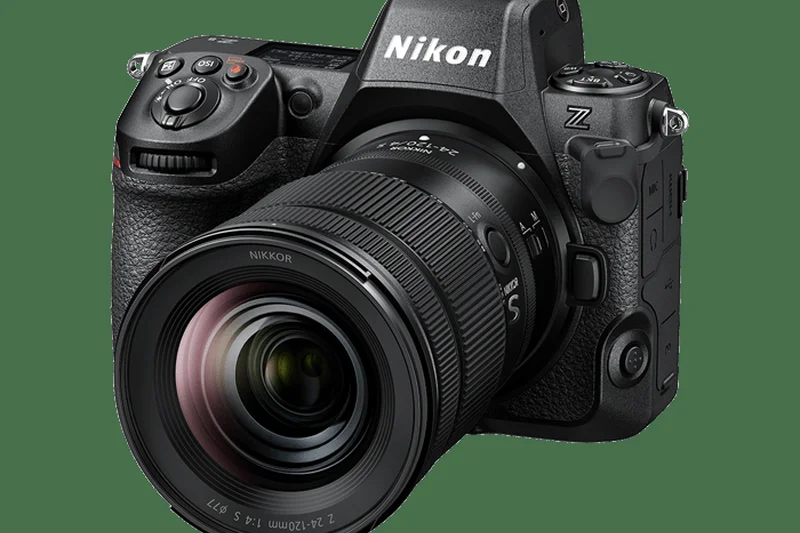
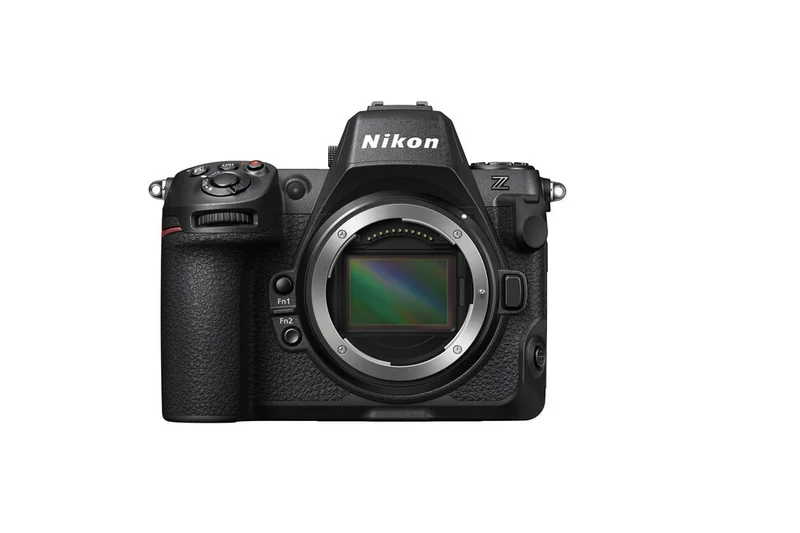
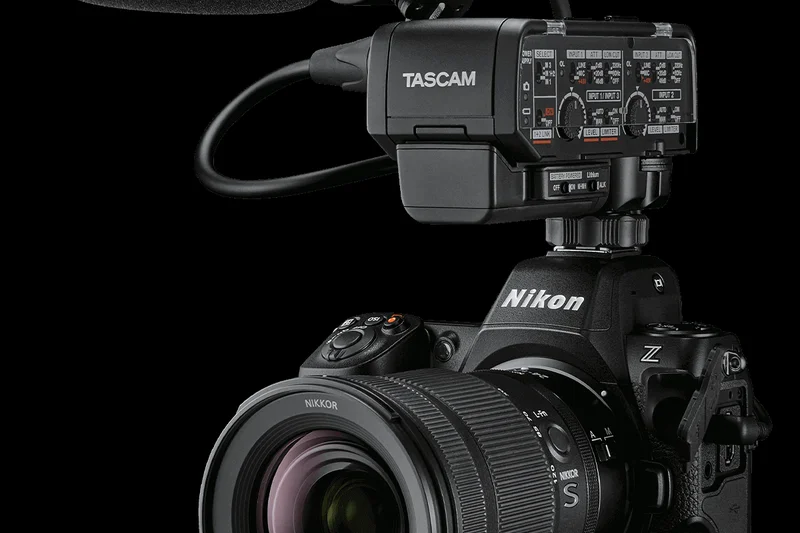
Why we picked it: The Nikon Z8 is our unequivocal top pick for 2026, inheriting the flagship Z9's stacked 45.7MP sensor and blistering autofocus system, but housing it in a significantly more compact and manageable body. It delivers stunning 8.3K 60p N-RAW video and 20 fps RAW bursts without a mechanical shutter, completely eliminating rolling shutter in almost all scenarios. Whether you're capturing fast-moving wildlife, producing high-end commercial video, or shooting fine-art landscapes, the Z8 does it all with zero compromises. Its ability to flawlessly track subjects and shoot blackout-free makes it a transformative tool for hybrid creators. It perfectly balances professional demands with a reasonable price tag for its class.
Key Specs
- 45.7MP FX-Format Stacked CMOS Sensor
- 8.3K 60p N-RAW & 4.1K 120p ProRes RAW
- 20 fps RAW Burst, 120 fps JPEG
- Blackout-Free Real Live Viewfinder
What we like
- Phenomenal hybrid performance
- No rolling shutter distortion
- Robust internal video codecs
- Excellent blackout-free EVF
What we don't like
- Battery life is only average
- Still relatively heavy
Best for: Professional hybrid shooters and advanced enthusiasts.
Considering the Nikon Z8 vs the Sony Alpha 1? The Z8 offers a far superior internal video codec suite at a much more accessible price, while the A1 counters with a slightly higher resolution and a broader third-party lens ecosystem.
The Nikon Z8 is a powerhouse hybrid camera that brings flagship performance to a smaller, more affordable form factor.
Buy at Nikon official site#2 Nikon Z9
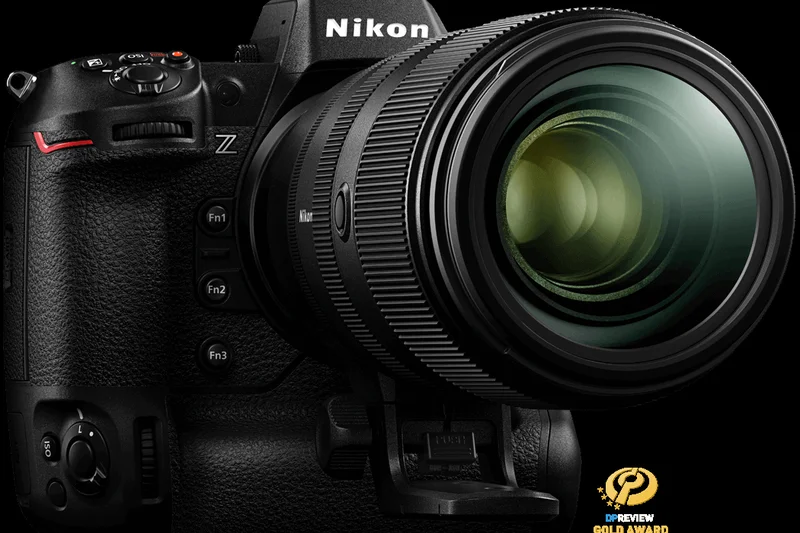
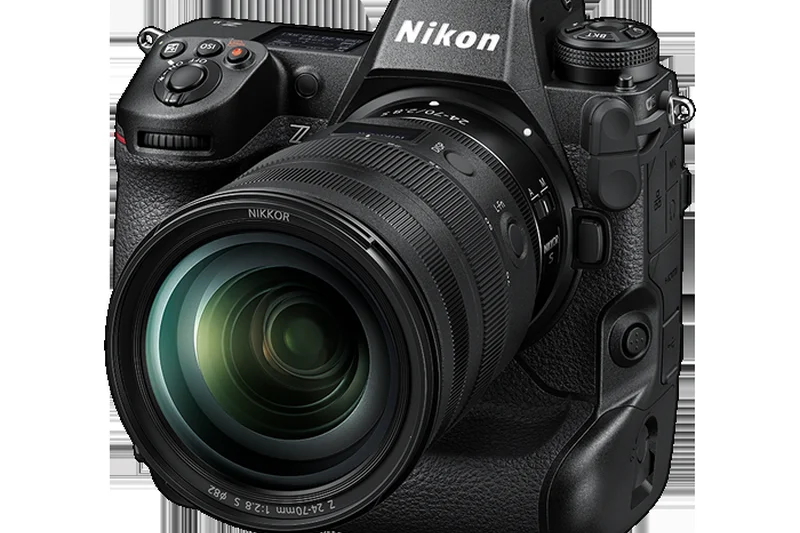
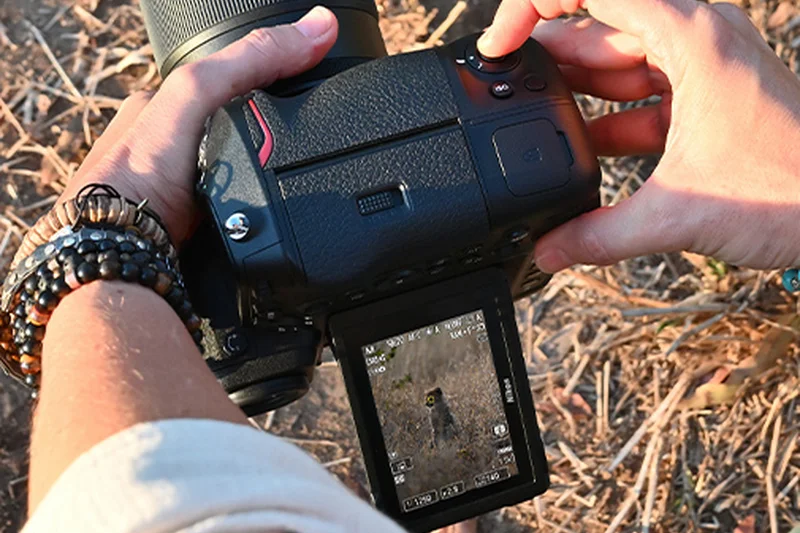
Why we picked it: The Nikon Z9 remains a titan of the photography industry. As Nikon's ultimate professional flagship, it utilizes the same 45.7MP stacked sensor found in the Z8 but wraps it in a massive, ultra-rugged body with an integrated vertical grip. This provides unparalleled battery life and heat dissipation, making it the go-to choice for sports photojournalists and wildlife professionals who spend hours in harsh environments. The AI-based subject detection AF is lightning fast, and its ability to shoot 8K video for over two hours straight is class-leading.
Key Specs
- 45.7MP FX-Format Stacked CMOS Sensor
- 8K 60p N-RAW & 4K 120p Video
- No Mechanical Shutter
- AI-Based Subject Detection AF
What we like
- Incredible battery life
- Indestructible pro-grade body
- Superb heat management for video
- Top-tier autofocus tracking
What we don't like
- Extremely heavy and bulky
- Premium price tag
Best for: Working photojournalists, sports shooters, and professional wildlife photographers.
Compared to the Canon EOS R3, the Z9 offers significantly higher resolution (45.7MP vs 24.1MP) and 8K video, making it more versatile, though the R3 has the unique Eye Control AF.
A relentless, uncompromised professional workhorse designed to capture every moment without fail.
Buy at Nikon official site#3 Sony Alpha 7R V
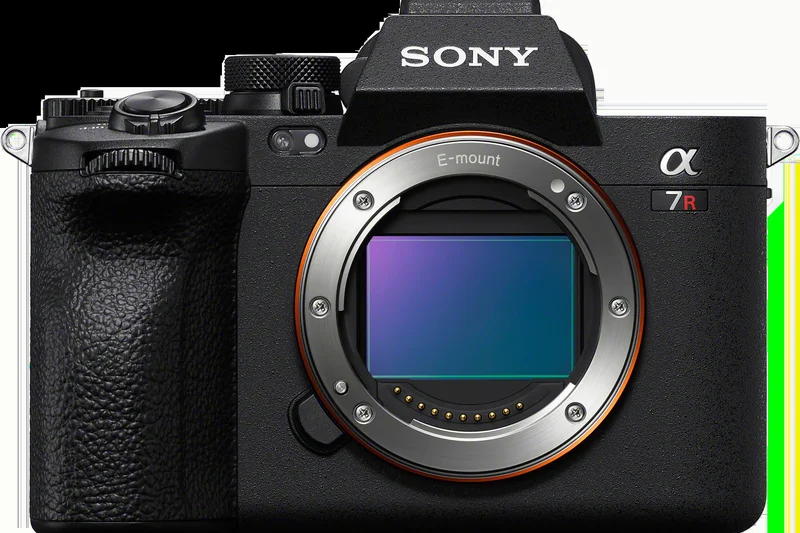
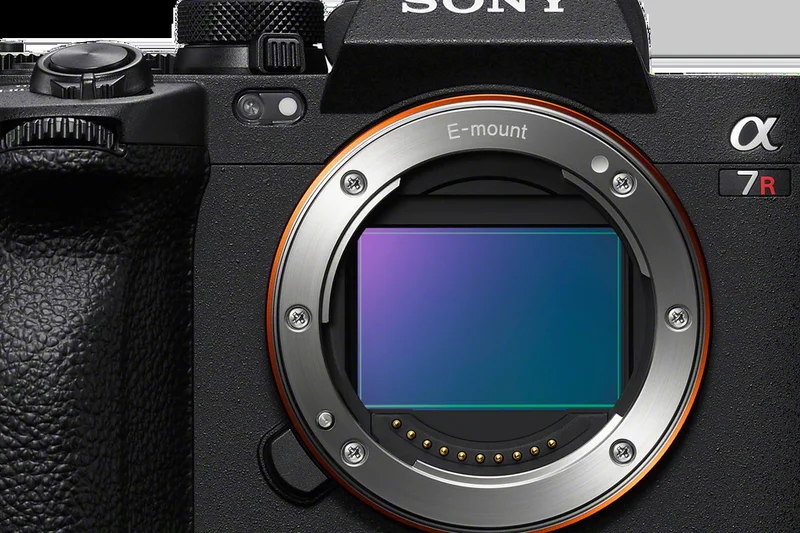
Why we picked it: For pure image quality and resolution, the Sony Alpha 7R V is unmatched. Its 61MP sensor captures breathtaking detail, making it the absolute best camera for landscape, architecture, and studio portrait photographers. What elevates the A7R V above previous high-resolution models is its dedicated AI processing unit, which brings transformative improvements to autofocus. It tracks human poses, animals, birds, and vehicles with uncanny precision. Combine that with a stunning 4-axis multi-angle touchscreen and a class-leading EVF, and you have a masterpiece of modern camera engineering.
Key Specs
- 61MP Full-Frame Exmor R BSI Sensor
- Dedicated AI Processing Unit for AF
- 8K 24p & 4K 60p 10-Bit Video
- 8-Stop 5-Axis Image Stabilization
What we like
- Class-leading 61MP resolution
- Incredible AI autofocus
- Massive lens ecosystem
- Excellent in-body stabilization
What we don't like
- Slow sensor readout limits electronic shutter
- Massive file sizes
Best for: Landscape photographers, studio portraitists, and detail-obsessed creators.
Versus the Canon EOS R5 Mark II, the A7R V provides superior raw resolution and an arguably smarter AI autofocus system, while the Canon offers better rolling shutter control for fast action.
The ultimate high-resolution mirrorless camera, pairing a 61MP sensor with an incredibly intelligent AF system.
Buy at Sony official site#4 Sony Alpha 1 (A1)
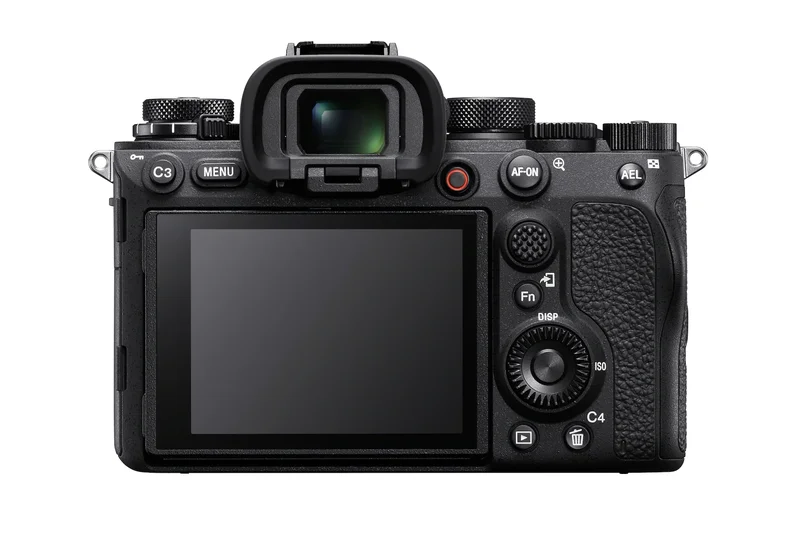
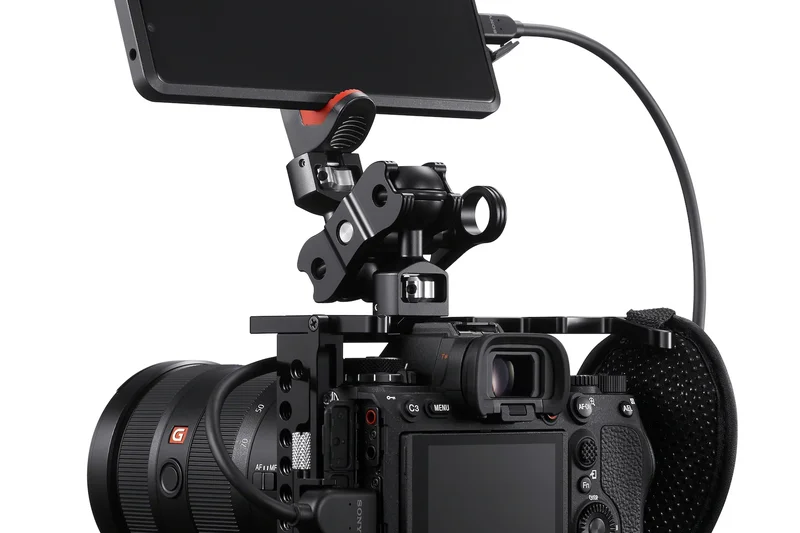
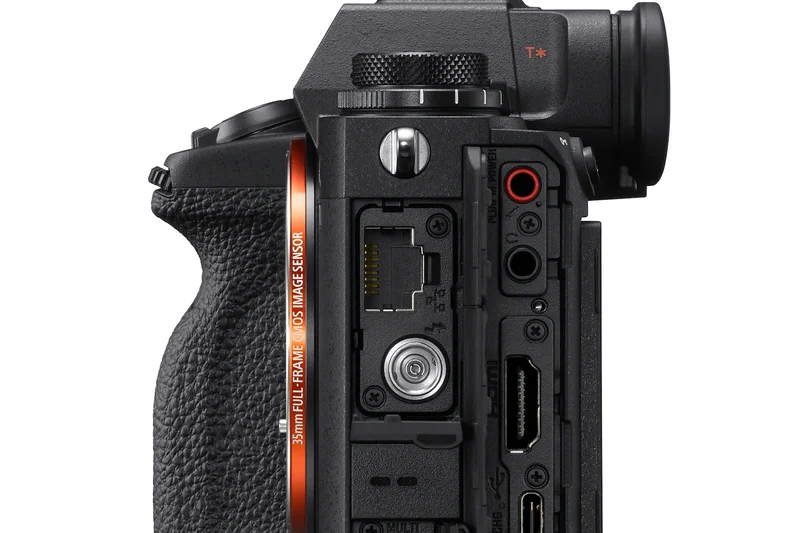
Why we picked it: The Sony Alpha 1 is a technological marvel that refuses to compromise, seamlessly blending high resolution with extreme speed. With a 50.1MP stacked sensor, it can shoot bursts at an astonishing 30 fps while simultaneously capturing 8K 30p or 4K 120p video. It boasts access to the largest mirrorless lens ecosystem on the market, ensuring you'll never lack for native or third-party glass. It is the definitive 'do-everything' camera for professionals whose assignments shift wildly from high-end commercial video to fast-action sports within the same day.
Key Specs
- 50.1MP Stacked BSI CMOS Sensor
- Up to 30 fps Continuous Shooting
- 8K 30p and 4K 120p Video in 10-Bit
- 759-Point Phase-Detection AF
What we like
- No-compromise 50MP at 30 fps
- Incredible blackout-free EVF
- Vast E-mount lens selection
What we don't like
- Very expensive
- Menu system is deep and complex
Best for: Professionals who demand both extreme speed and massive resolution in one body.
If you compare the Sony A1 against the Nikon Z9, the A1 is much lighter and has access to more third-party lenses, but lacks the Z9's robust internal RAW video recording formats.
A truly revolutionary camera that conquers every dimension of modern photography and videography.
Buy at Sony official site#5 Canon EOS R5 Mark II

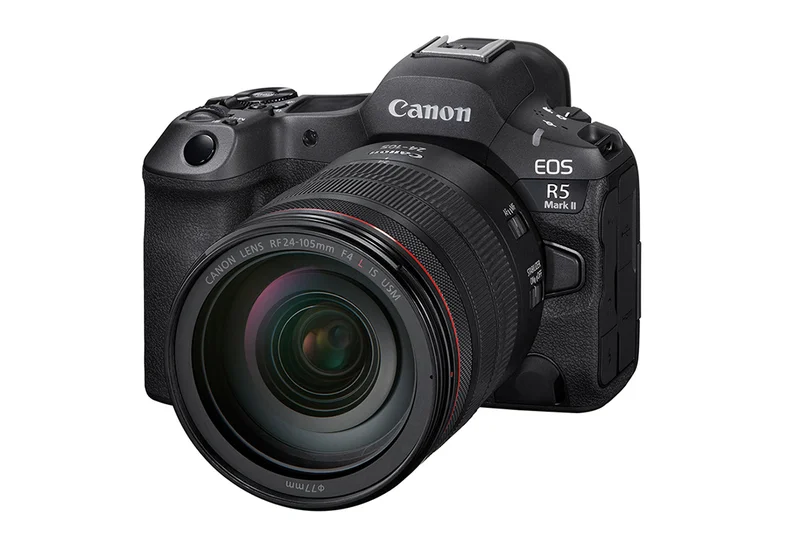
Why we picked it: The Canon EOS R5 Mark II builds upon its legendary predecessor by introducing a 45MP stacked sensor and the powerful DIGIC Accelerator. This dual-processor setup enables incredibly fast 30 fps bursts and heavily upgraded autofocus features like Action Priority, which can preemptively predict where the action is heading in sports like soccer and basketball. With 8K 60p RAW video and practically non-existent rolling shutter, it is a masterclass in hybrid camera design, offering arguably the best color science straight out of camera.
Key Specs
- 45MP Stacked BSI CMOS Sensor
- 8K 60p RAW & 4K 120p Video
- 30 fps Electronic Shutter
- In-Camera Upscaling to 179MP
What we like
- Superb 45MP stacked sensor
- Amazing predictive autofocus
- Beautiful Canon color science
- In-camera upscaling feature
What we don't like
- Premium price jump over Mk I
- RF lens ecosystem is expensive
Best for: Canon loyalists, high-end hybrid shooters, and wedding professionals.
When comparing the R5 Mark II to the Nikon Z8, the R5 II has a slight edge in autofocus predictability for sports, but the Z8 offers better video value and no mechanical shutter.
An exceptional update that makes Canon's flagship hybrid even faster and smarter.
Buy at Canon official site#6 Canon EOS R1
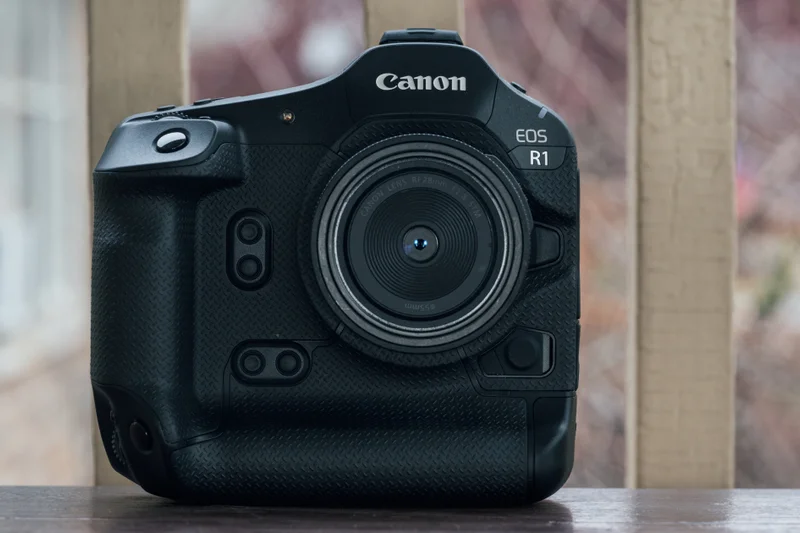
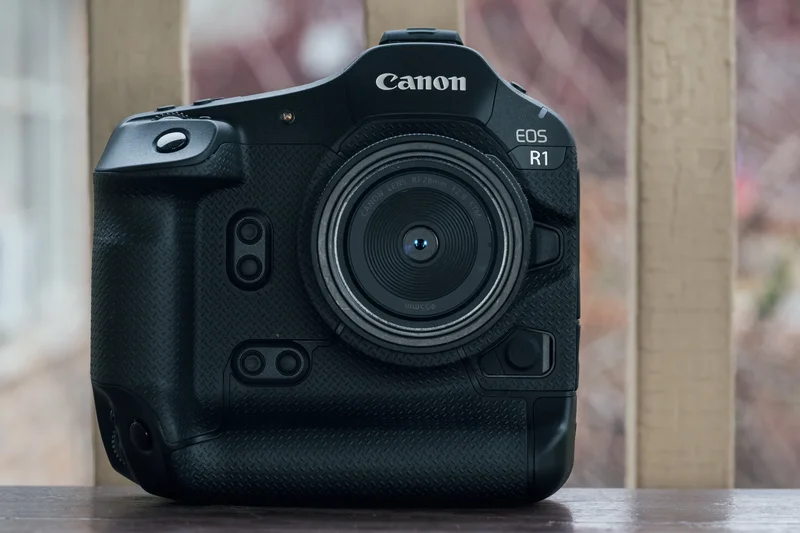
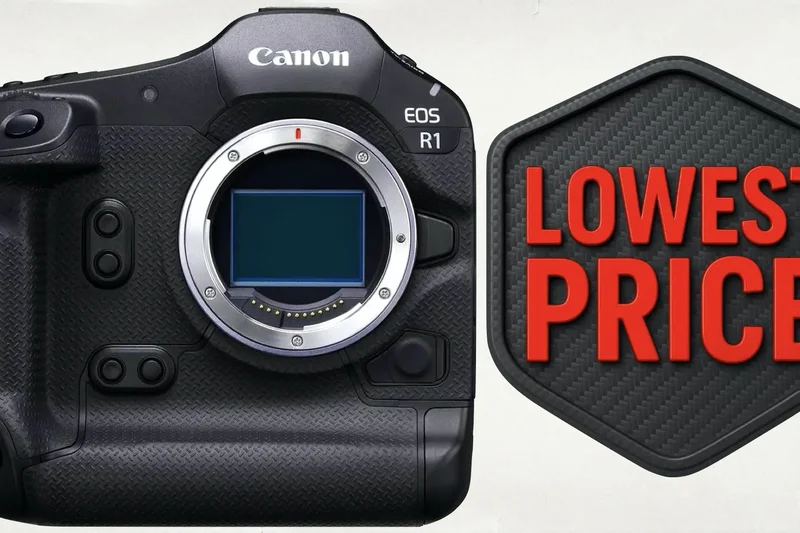
Why we picked it: The Canon EOS R1 is Canon's answer to the ultimate professional sports camera. Featuring an insanely fast 24.2MP stacked sensor and a cross-type Dual Pixel autofocus system, it refuses to miss a shot. The camera boasts a blistering 40 fps continuous shooting speed and an evolution of the remarkable Eye Control AF, allowing photographers to select subjects simply by looking at them in the viewfinder. It is a tank-like, ultra-reliable tool built specifically for the Olympics and elite photojournalism.
Key Specs
- 24.2MP Stacked BSI CMOS Sensor
- Up to 40 fps Continuous Shooting
- Action Priority AF & Eye Control AF
- DIGIC Accelerator + DIGIC X Processors
What we like
- Mind-blowing autofocus speed
- Innovative Eye Control AF
- Rugged, reliable pro body
What we don't like
- Lower resolution (24.2MP) for the price
- Extremely expensive
Best for: Olympic sports photographers, hardcore photojournalists, and wire agency pros.
Compared to the Sony A9 III, the R1 has incredible cross-type AF and Eye Control, while the A9 III features a true global shutter.
A speed demon designed to capture the world's most critical moments with absolute certainty.
Buy at Canon official site#7 Sony Alpha 7 IV
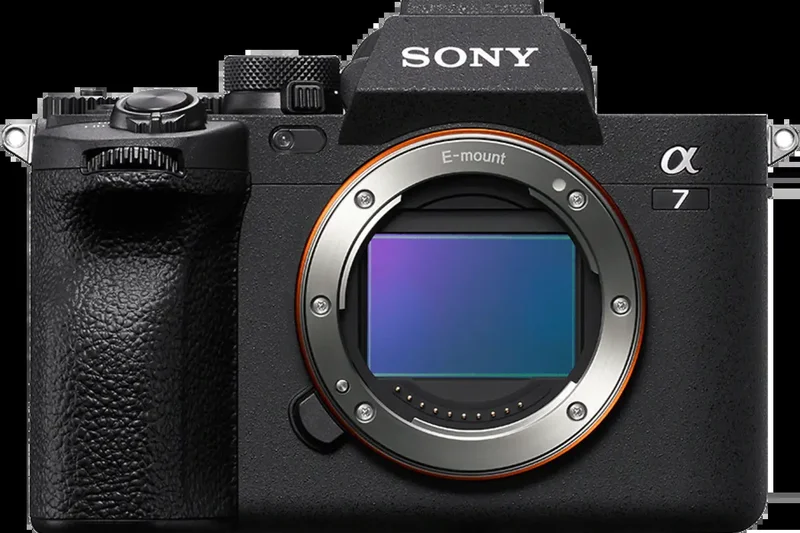
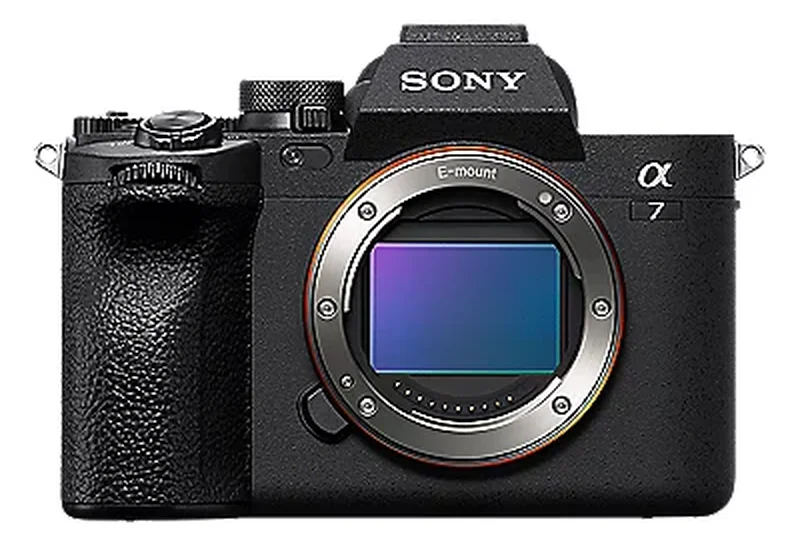
Why we picked it: The Sony Alpha 7 IV is widely considered the baseline for what a modern hybrid mirrorless camera should be. With a versatile 33MP sensor, it offers a noticeable resolution bump over its 24MP peers, rendering excellent detail and low-light performance. Its Real-Time Eye AF is virtually flawless, and the inclusion of 10-bit 4:2:2 video recording makes it a genuine tool for serious filmmakers. Backed by Sony's unparalleled E-mount lens lineup, it represents a remarkable balance of price, performance, and future-proofing.
Key Specs
- 33MP Full-Frame Exmor R CMOS Sensor
- 4K 60p Video in 10-Bit 4:2:2
- Real-Time Eye AF for Humans/Animals/Birds
- Breathing Compensation for Video
What we like
- Great 33MP resolution
- Outstanding autofocus reliability
- Massive lens ecosystem
- Strong 10-bit video
What we don't like
- 4K 60p is heavily cropped
- Burst shooting buffer clears slowly
Best for: Enthusiasts, wedding photographers, and versatile hybrid content creators.
Choosing between the A7 IV and the Canon EOS R6 Mark II comes down to ecosystem vs speed: the A7 IV has more lenses and resolution, while the R6 II has faster burst rates and uncropped 4K 60p.
The quintessential all-rounder full-frame camera that excels at almost everything.
Buy at Sony official site#8 Canon EOS R6 Mark II
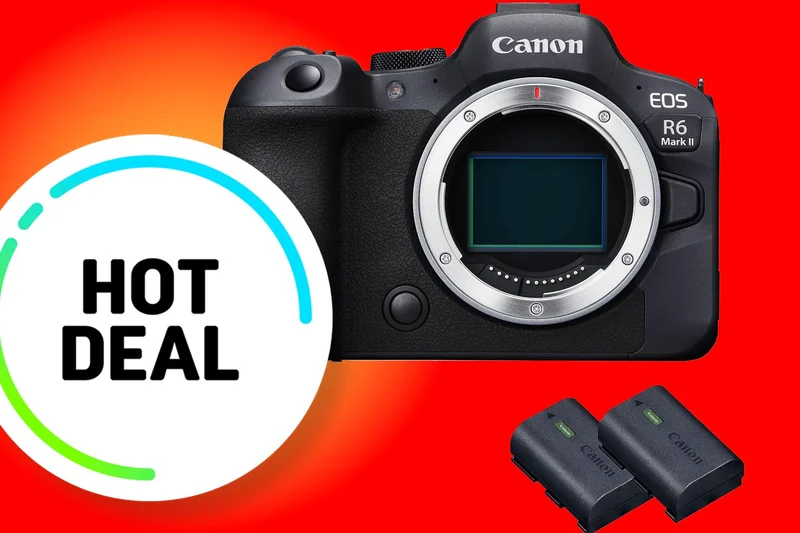
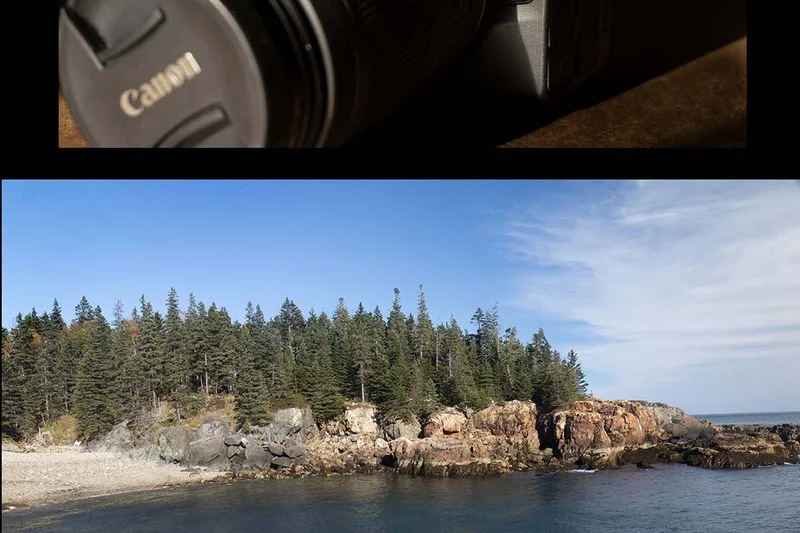

Why we picked it: The Canon EOS R6 Mark II is an absolute speed machine masquerading as a mid-range camera. Capable of shooting at an astonishing 40 fps with its electronic shutter, it is a phenomenal entry point for action photography. It shoots beautiful uncropped 4K 60p video oversampled from 6K, making its video quality razor-sharp. Canon's Dual Pixel CMOS AF II ensures sticky subject tracking. It represents arguably the best overall value in the full-frame market right now.
Key Specs
- 24.2MP Full-Frame CMOS Sensor
- Up to 40 fps Electronic Shutter
- Uncropped 4K 60p & FHD 180p Video
- 8-Stop Sensor-Shift Image Stabilization
What we like
- 40 fps burst speed
- Uncropped, oversampled 4K 60p
- Fantastic ergonomics and IBIS
What we don't like
- 24MP might feel low for heavy croppers
- Micro-HDMI port instead of full-size
Best for: Hybrid shooters, sports enthusiasts, and event photographers on a budget.
Against the Nikon Z6 III, the R6 Mark II is slightly older but still offers faster raw burst rates, while the Z6 III brings a brighter EVF and internal RAW video.
A high-speed, highly capable hybrid that offers incredible value for money.
Buy at Canon official site#9 Nikon Z6 III
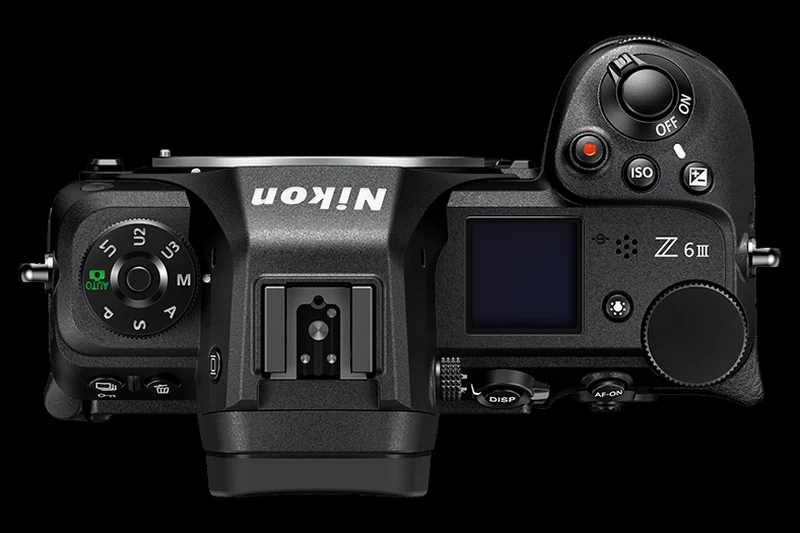
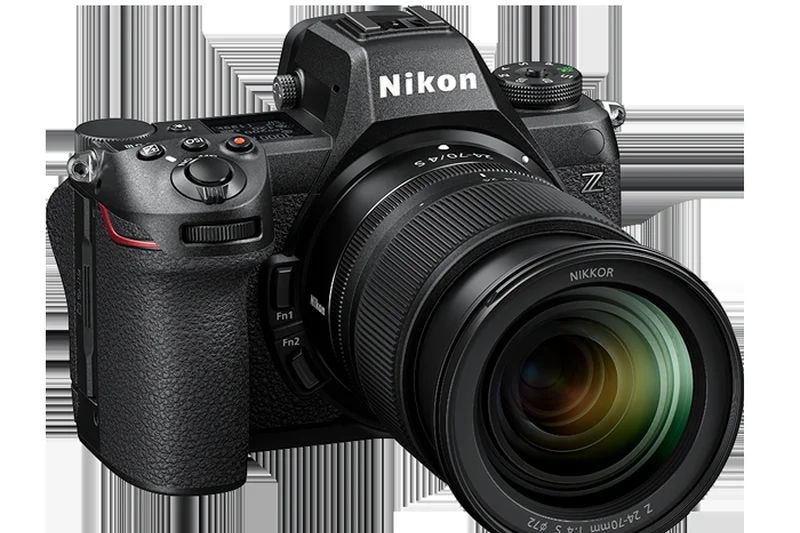
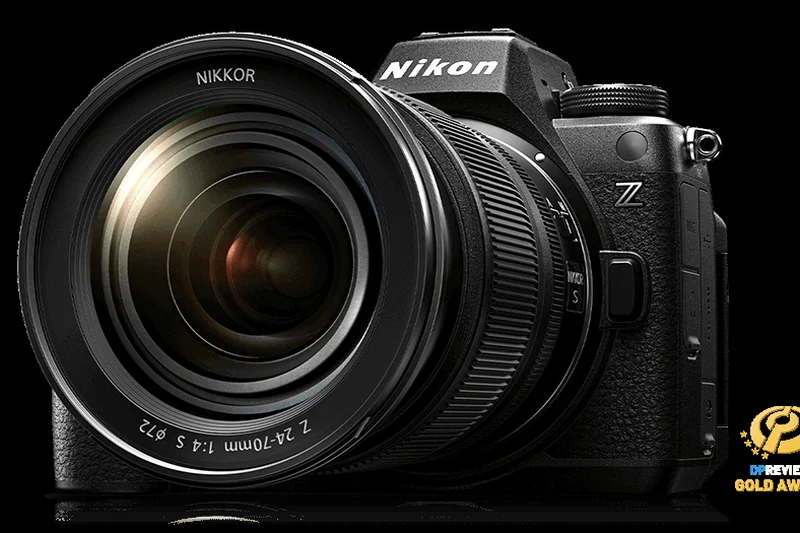
Why we picked it: The Nikon Z6 III redefines its class by introducing a partially-stacked CMOS sensor, granting it readout speeds that dramatically reduce rolling shutter while enabling internal 6K N-RAW and ProRes RAW recording. It features an ultra-bright 5.76m-dot EVF with a massive color gamut, making shooting in bright sunlight a joy. It takes the ergonomics and autofocus algorithms of the flagship Z8/Z9 and distills them into an affordable enthusiast body.
Key Specs
- 24.5MP Partially-Stacked CMOS Sensor
- 6K 60p N-RAW & 6K 30p ProRes RAW
- Ultra-Bright 5.76m-Dot EVF
- Up to 20 fps RAW, 120 fps JPEG
What we like
- Partially-stacked sensor speed
- Internal 6K RAW video
- Gorgeous, ultra-bright EVF
What we don't like
- Resolution remains at 24MP
- Screen mechanism feels slightly delicate
Best for: Advanced enthusiasts and videographers wanting RAW video on a budget.
Compared to the Panasonic S5 IIX, the Z6 III has faster sensor readouts for action photography, though the S5 IIX is more explicitly tailored for long-form video production.
A mini-flagship that brings partially-stacked sensor technology to the enthusiast masses.
Buy at Nikon official site#10 Sony Alpha 9 III
Why we picked it: The Sony Alpha 9 III made history as the first full-frame mirrorless camera to feature a global shutter. This means absolute zero rolling shutter distortion, no matter how fast the subject or the camera is moving. It shoots 120 fps RAW bursts with full AF/AE tracking, and allows flash sync at any shutter speed up to 1/80,000 sec. It defies the physical limitations of traditional sensors, making it an unprecedented tool for sports and high-speed flash photography.
Key Specs
- 24.6MP Global Shutter CMOS Sensor
- 120 fps Burst Shooting with AF/AE
- Flash Sync at up to 1/80,000 Sec
- No Rolling Shutter Distortion
What we like
- True global shutter
- 120 fps RAW bursts
- Limitless flash sync speeds
What we don't like
- Base ISO starts higher (reduced dynamic range)
- Expensive niche tool
Best for: Action sports photographers, flash portraitists, and fast-moving journalists.
Versus the Canon R1, the A9 III's global shutter gives it a unique technological edge for capturing golf swings or helicopter blades without warping.
A groundbreaking camera that eliminates rolling shutter and revolutionizes flash photography.
Buy at Sony official site#11 Canon EOS R3
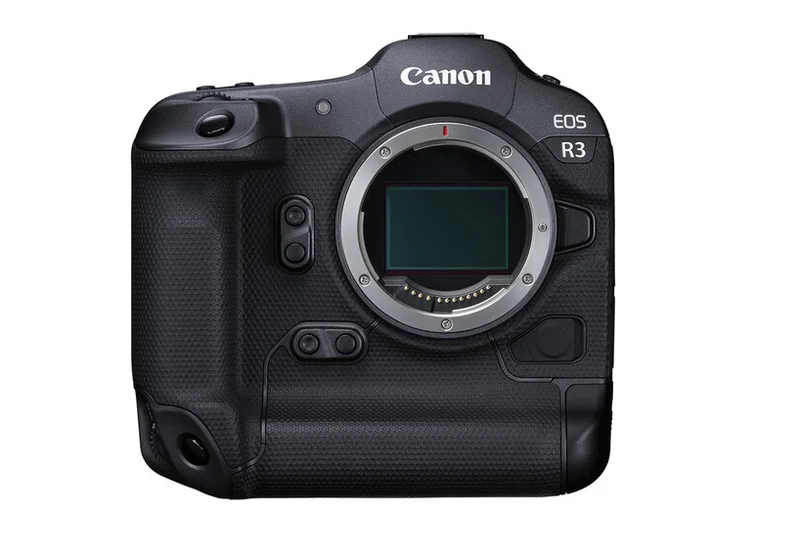
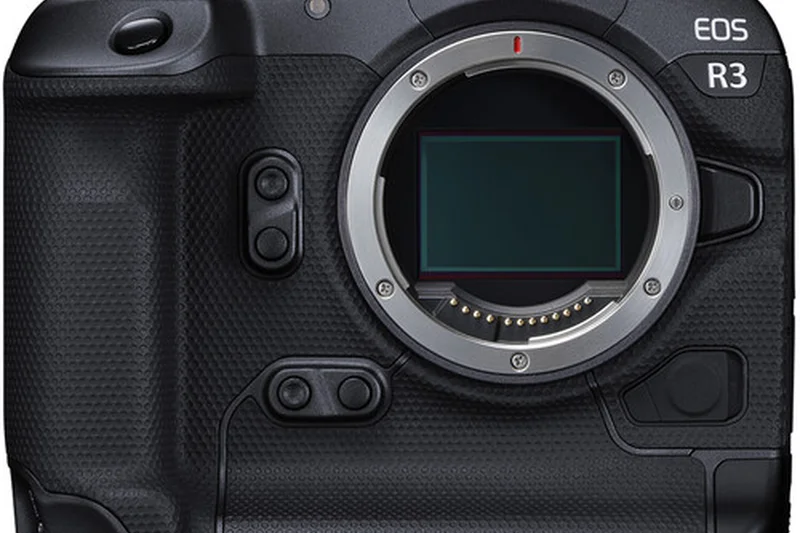
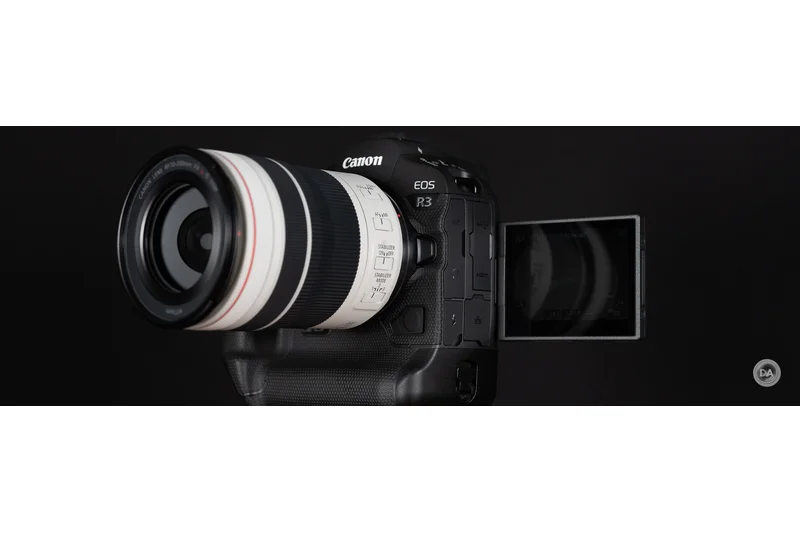
Why we picked it: The Canon EOS R3 is a powerhouse built for speed and durability, featuring an integrated vertical grip and a 24.1MP stacked sensor. Its most magical feature is the Eye Control AF, which literally tracks the photographer's pupil to move the focus point. It shoots up to 30 fps and records beautiful 6K 60p RAW video.
Key Specs
- 24.1MP Full-Frame Stacked BSI Sensor
- Up to 30 fps Continuous Shooting
- Eye Control AF
- Integrated Vertical Grip
What we like
- Amazing Eye Control AF
- Fantastic battery and grip
- Zero blackout EVF
What we don't like
- 24MP resolution is low for the price
- Overshadowed by the newer R1
Best for: Working pros who need a rugged, fast-focusing sports body.
While the R1 is faster, the R3 remains an incredible professional tool that can often be found at a discount.
A proven professional sports camera with innovative eye-tracking technology.
Buy at Canon official site#12 Panasonic Lumix S5 IIX
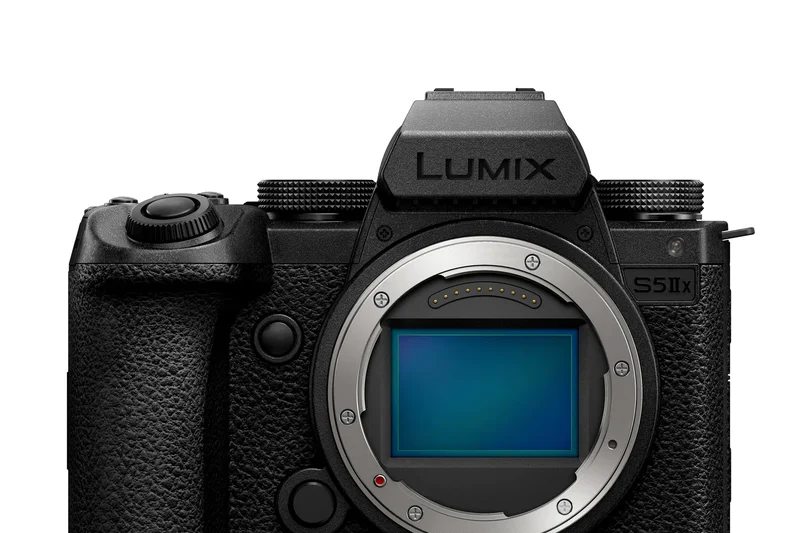
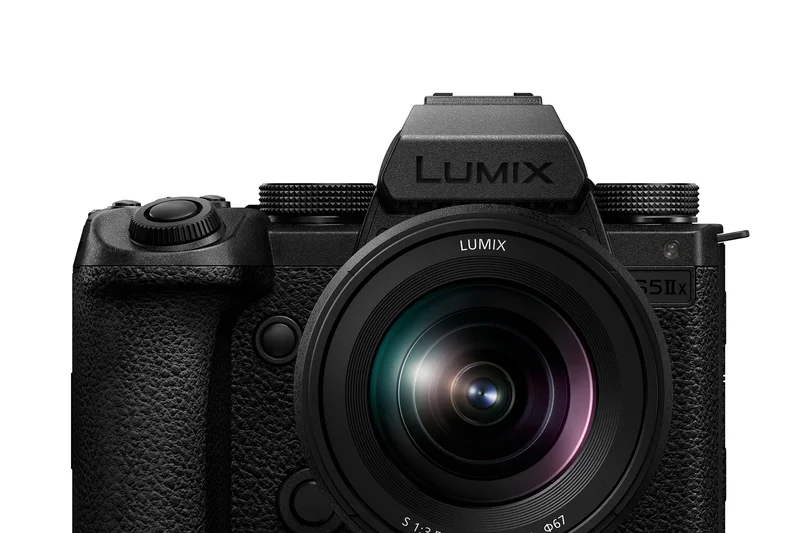
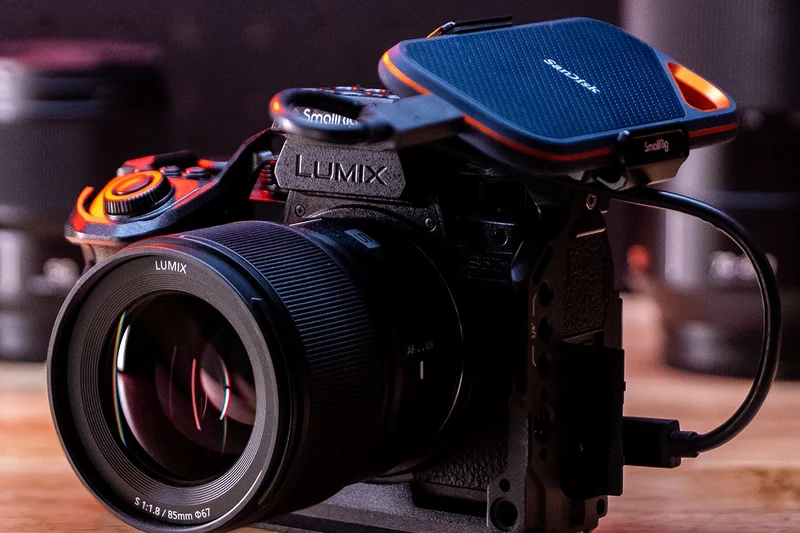
Why we picked it: The Panasonic S5 IIX is a videographer's dream. Finally equipped with Phase Hybrid AF, Panasonic resolved its biggest weakness. The 'X' version adds ProRes RAW, wired/wireless IP streaming, and a sleek matte-black design. It features an internal fan for unlimited recording, making it the ultimate budget cinema camera.
Key Specs
- 24.2MP Full-Frame CMOS Sensor
- 6K 30p & 4K 60p 10-Bit Video
- Phase Hybrid AF & Active I.S.
- Wired & Wireless IP Streaming
What we like
- Phase-detect autofocus is great
- Incredible video codec support
- Internal cooling fan
What we don't like
- Continuous shooting buffer is small
- L-mount lens lineup is still growing
Best for: Filmmakers, streamers, and dedicated videographers.
If video is your primary goal, the S5 IIX heavily outperforms the Sony A7 IV in thermal management and internal recording options.
An absolute steal for video creators demanding professional codecs and unlimited recording.
Buy at Panasonic official site#13 Panasonic Lumix S5 II
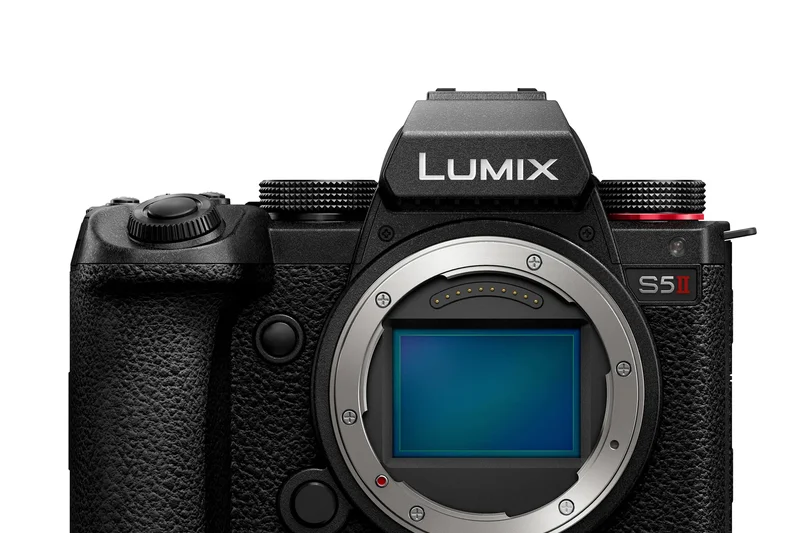
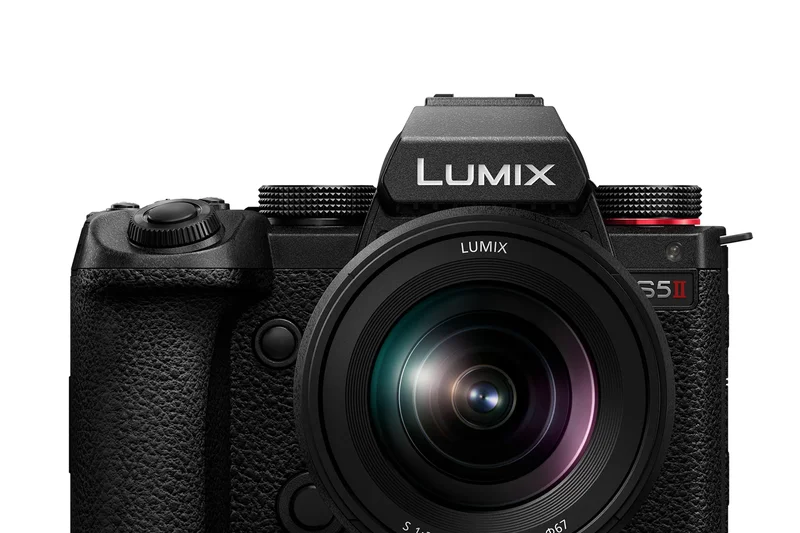
Why we picked it: The standard Lumix S5 II offers 90% of the video features of the 'X' version at a lower price. It possesses the same excellent Phase Hybrid AF, a full-frame 24.2MP sensor, and an internal fan for zero overheating limits in 4K. The active image stabilization is arguably the best in the full-frame market, making handheld video exceptionally smooth.
Key Specs
- 24.2MP Full-Frame CMOS Sensor
- 6K 30p & 4K 60p Video
- Phase Hybrid AF System
- Built-in Fan for Unlimited Recording
What we like
- Incredible IBIS for handheld video
- Phase-detect AF works brilliantly
- Excellent value for money
What we don't like
- Lacks ProRes RAW internal (unlike the X)
- Stills burst rate is adequate but not elite
Best for: Enthusiast hybrid shooters and run-and-gun documentarians.
It rivals the Canon EOS R6 Mark II in price but offers a more video-centric feature set with its built-in cooling fan.
A superb, balanced full-frame hybrid that masters handheld video stabilization.
Buy at Panasonic official site#14 Sony Alpha 6700
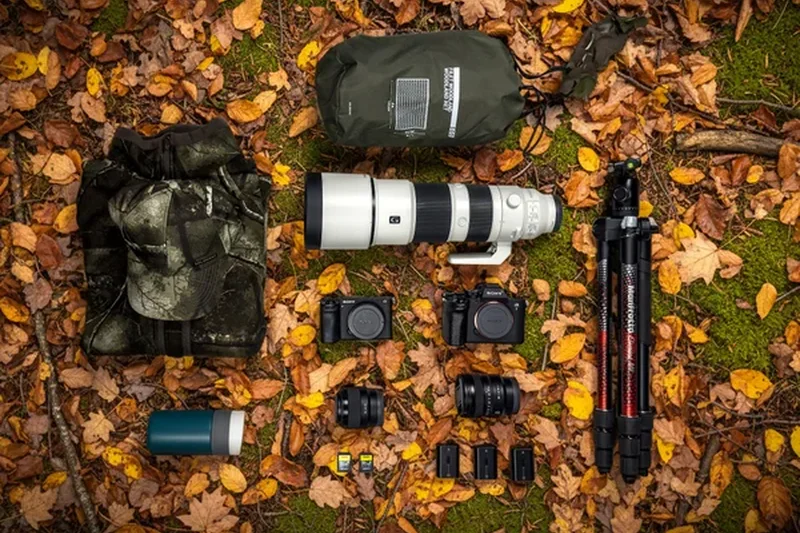
Why we picked it: The Sony a6700 is the pinnacle of Sony's APS-C lineup. It packs the advanced AI autofocus unit from the A7R V into a compact, travel-friendly body. It oversamples its 4K 120p video from a 6K readout, delivering incredibly crisp 10-bit footage. The grip has been deepened, and the ergonomics are significantly improved over older a6000 models.
Key Specs
- 26MP APS-C BSI CMOS Sensor
- BIONZ XR Processor & AI Auto-Focus
- Oversampled 4K 120p Video in 10-Bit
What we like
- Flagship-level AI autofocus
- Excellent 4K 120p video
- Compact and portable
What we don't like
- No AF joystick
- Single SD card slot
Best for: Travel photographers, vloggers, and creators seeking a powerful but compact kit.
Compared to the Fujifilm X-T5, the a6700 has superior autofocus tracking, while the X-T5 offers higher resolution and retro dials.
A small but mighty APS-C camera with industry-leading autofocus and video specs.
Buy at Sony official site#15 Panasonic Lumix GH7
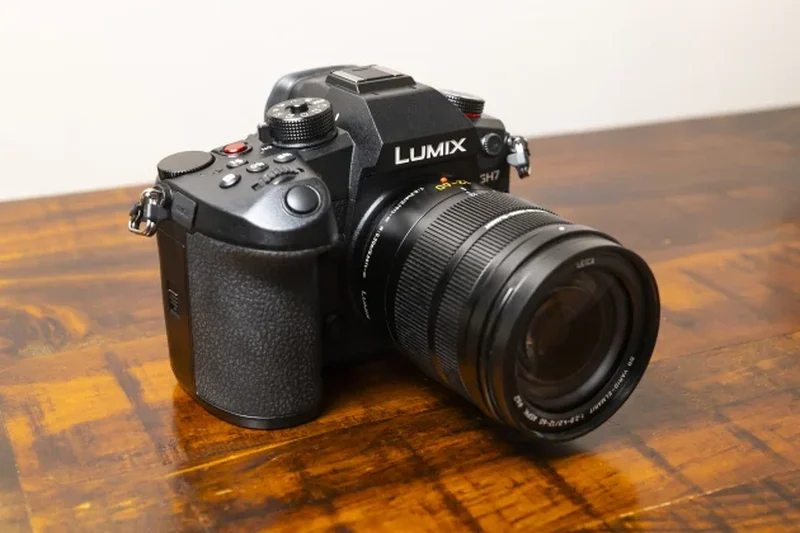
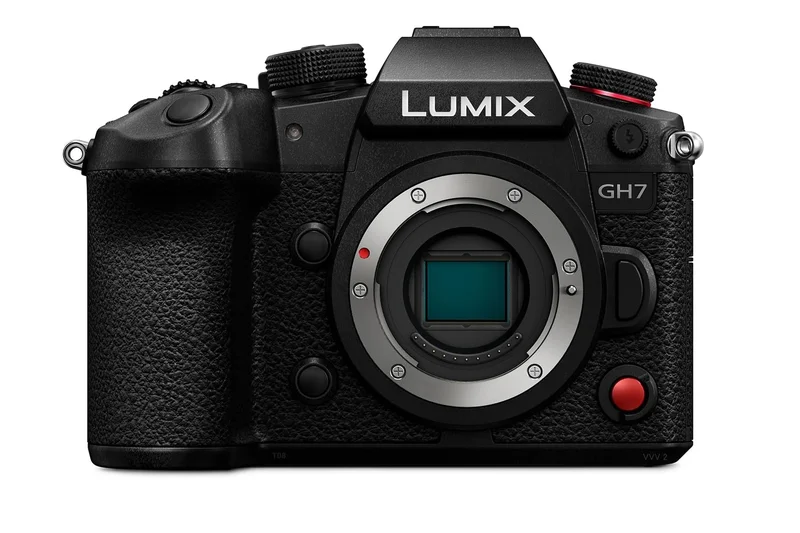
Why we picked it: The Lumix GH7 proves that Micro Four Thirds is still a formidable format for video. It introduces internal ProRes RAW HQ recording and 32-bit float audio support, essentially eliminating the need for external audio recorders and video monitors. Add Phase Hybrid AF and unlimited recording, and it's a cinema powerhouse in a small package.
Key Specs
- 25.2MP BSI Micro Four Thirds Sensor
- 5.7K 60p Apple ProRes RAW HQ Internal
- 32-Bit Float Audio Recording Support
What we like
- 32-bit float audio is game-changing
- Internal ProRes RAW
- Flawless stabilization
What we don't like
- Smaller sensor means less low-light capability
- Bulky for an MFT camera
Best for: Solo filmmakers, documentary producers, and corporate videographers.
For pure video workflows, the GH7 offers audio and codec features that even full-frame rivals lack.
The ultimate Micro Four Thirds video camera, redefining run-and-gun filmmaking.
Buy at Panasonic official site#16 Fujifilm X-H2S
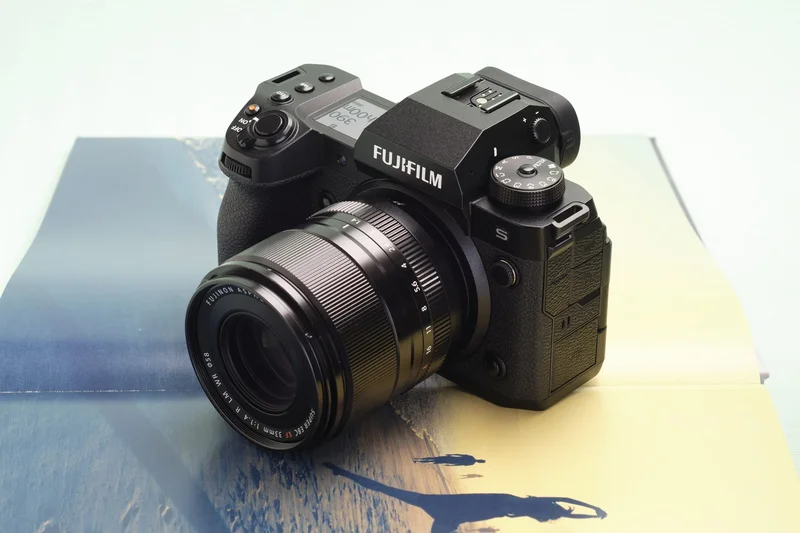
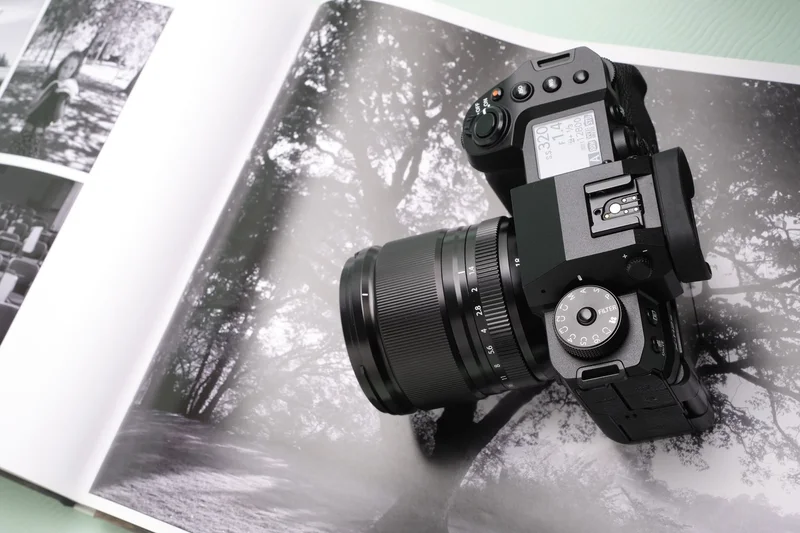
Why we picked it: The Fujifilm X-H2S utilizes a 26.1MP stacked APS-C sensor to achieve blazing fast 40 fps burst shooting and rapid sensor readout for 6.2K video. It is Fuji's true hybrid flagship, capable of internal ProRes recording. The subject-detection autofocus is robust, and the larger grip makes it perfect for mounting large telephoto lenses for wildlife.
Key Specs
- 26.1MP APS-C X-Trans Stacked BSI Sensor
- Up to 40 fps Continuous Shooting
- 6.2K 30p & 4K 120p 10-Bit Video
What we like
- Stacked sensor speed
- Internal ProRes recording
- Excellent film simulations
What we don't like
- Expensive for an APS-C camera
- Autofocus is good but slightly trails Sony
Best for: Fuji ecosystem users who need serious speed for sports or professional video.
It trades the high resolution of the X-H2 for pure speed, making it the better choice for action shooters.
A blazing fast APS-C flagship that excels in both action photography and high-end video.
Buy at Fujifilm official site#17 Fujifilm X-H2
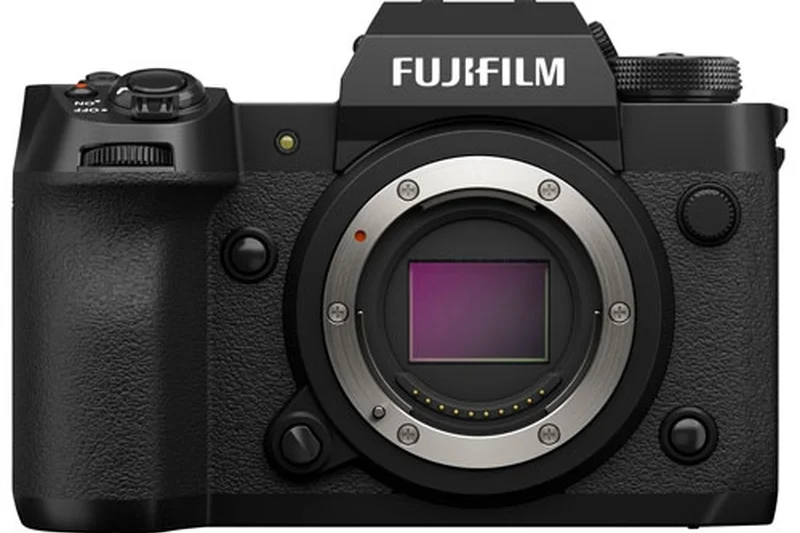
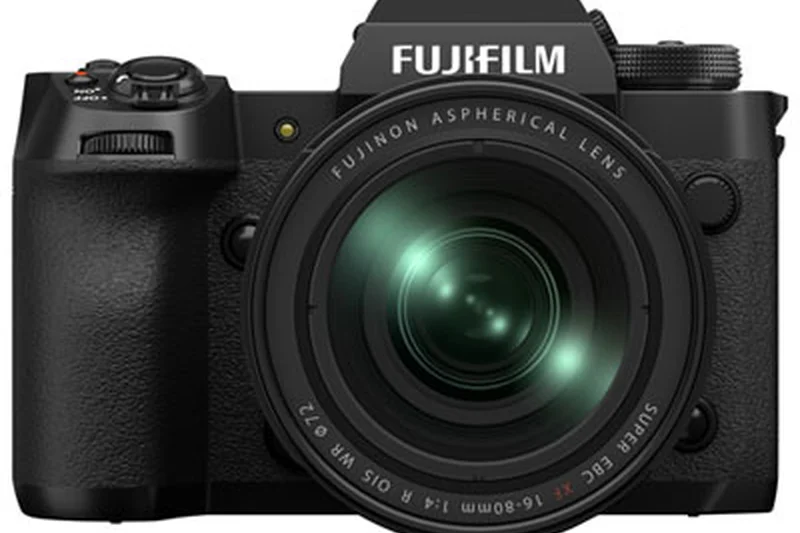
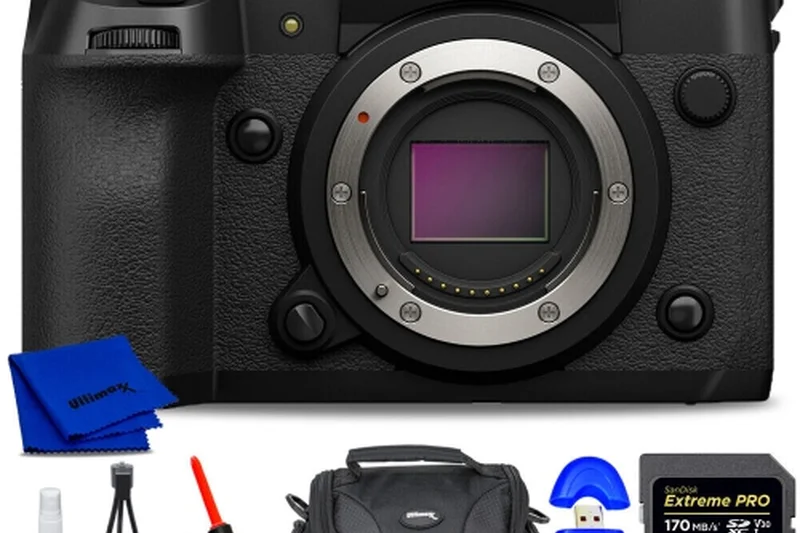
Why we picked it: The Fujifilm X-H2 takes a different approach, packing a staggering 40MP APS-C sensor that delivers detail previously reserved for full-frame cameras. It is the first APS-C camera to offer 8K 30p internal video recording. With 160MP Pixel Shift multi-shot capabilities, it is a studio and landscape photographer's dream within the Fuji ecosystem.
Key Specs
- 40MP APS-C X-Trans 5 BSI Sensor
- 8K 30p & 4K 60p Video Recording
- 160MP Pixel Shift Multi-Shot
What we like
- Incredible 40MP APS-C detail
- 8K video recording
- Great IBIS
What we don't like
- Rolling shutter is noticeable in video
- Requires the best lenses to resolve 40MP
Best for: Landscape and studio shooters who love Fuji's color science and lenses.
Choose the X-H2 for detail and 8K video, or the X-H2S if you need speed and minimal rolling shutter.
A high-resolution marvel that pushes the limits of the APS-C format.
Buy at Fujifilm official site#18 Sony Alpha 7C II
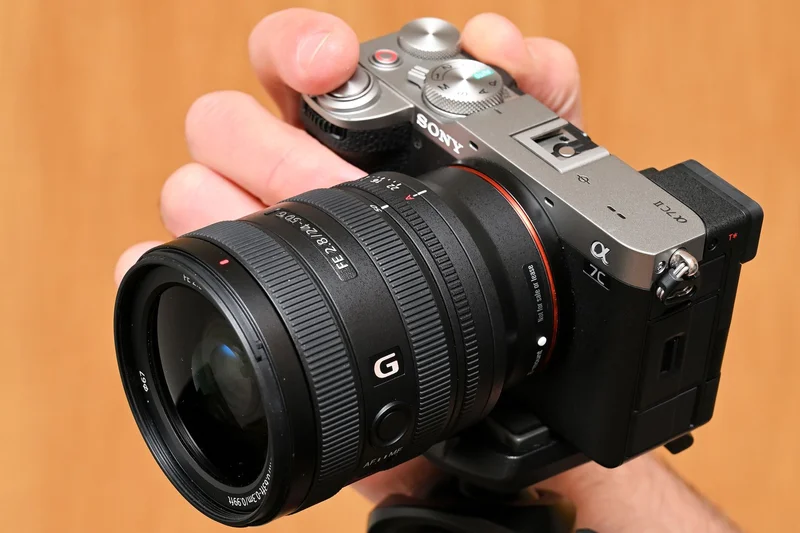
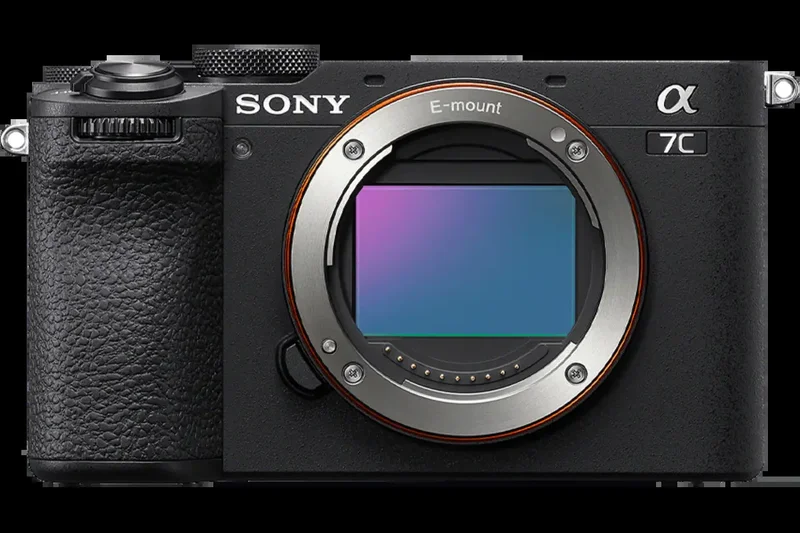
Why we picked it: The Sony a7C II crams the phenomenal 33MP sensor and AI autofocus of the A7 IV into a much smaller, rangefinder-style body. It is the ultimate everyday carry full-frame camera. Despite its compact size, it offers 7 stops of IBIS and 10-bit 4K video, making it an incredibly powerful tool for travel photographers and street shooters.
Key Specs
- 33MP Full-Frame Exmor R BSI Sensor
- BIONZ XR Processor & Dedicated AI Unit
- Ultra-Compact Rangefinder-Style Body
What we like
- Full-frame power in a tiny body
- Class-leading AI autofocus
- Excellent 33MP image quality
What we don't like
- Small EVF
- Single SD card slot
Best for: Travelers, street photographers, and vloggers needing full-frame quality in a small footprint.
It lacks the dual card slots and better ergonomics of the A7 IV, but makes up for it by being vastly more portable.
Uncompromised full-frame performance packed into an ultra-compact body.
Buy at Sony official site#19 Fujifilm X-T5
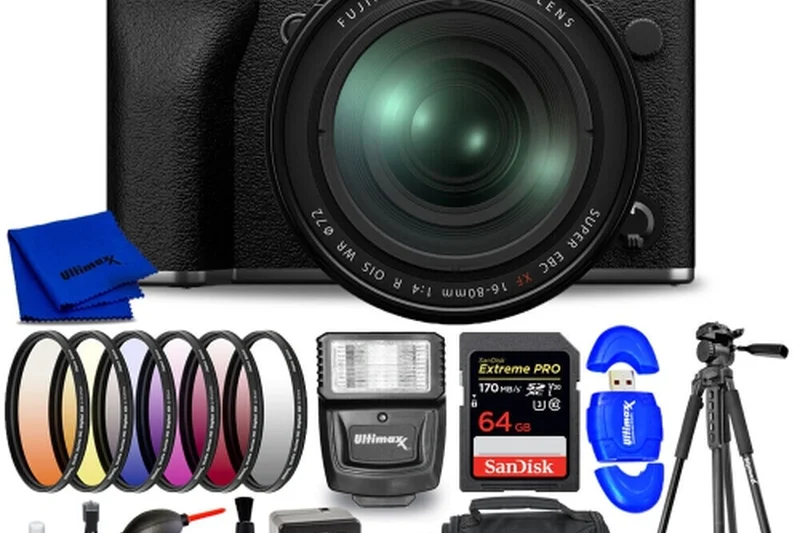
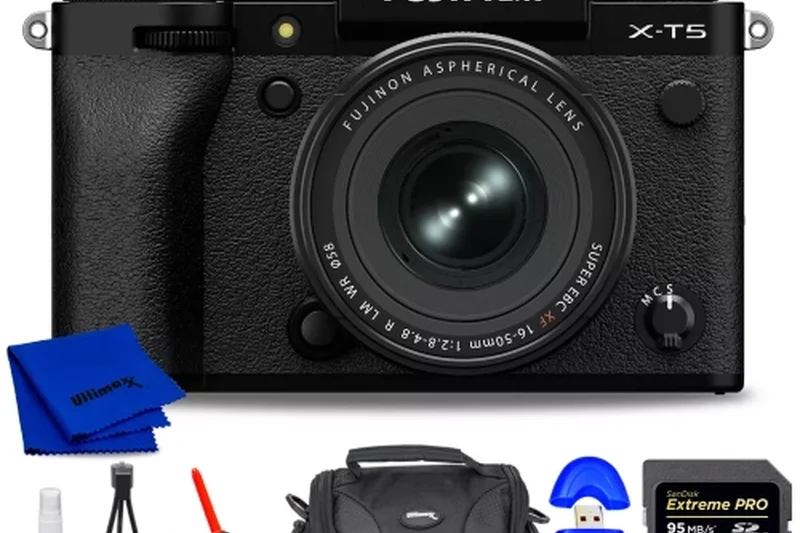
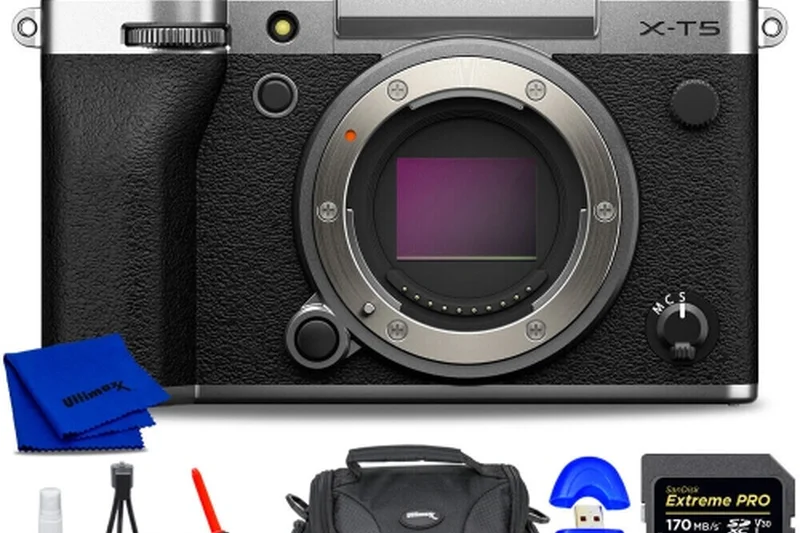
Why we picked it: The Fujifilm X-T5 returns to Fuji's photography-first roots, featuring dedicated tactile dials for ISO, shutter speed, and exposure compensation. It utilizes the same 40MP sensor as the X-H2, providing massive resolution. Its compact, retro design makes it an absolute joy to shoot with, perfectly marrying analog aesthetics with modern digital power.
Key Specs
- 40MP APS-C X-Trans CMOS 5 HR Sensor
- 6.2K 30p & 4K 60p 10-Bit Video
- Dedicated Dial Controls
What we like
- Beautiful retro design and tactile dials
- Superb 40MP sensor
- Excellent film simulations
What we don't like
- Buffer fills quickly during bursts
- Video specs are good but not flagship-level
Best for: Purist photographers who enjoy physical dials and straight-out-of-camera JPEGs.
While the X-H2 is built for hybrid workflows, the X-T5 is fundamentally designed for the joy of photography.
A photographer's camera through and through, blending retro charm with 40MP detail.
Buy at Fujifilm official site#20 Panasonic Lumix G9 II
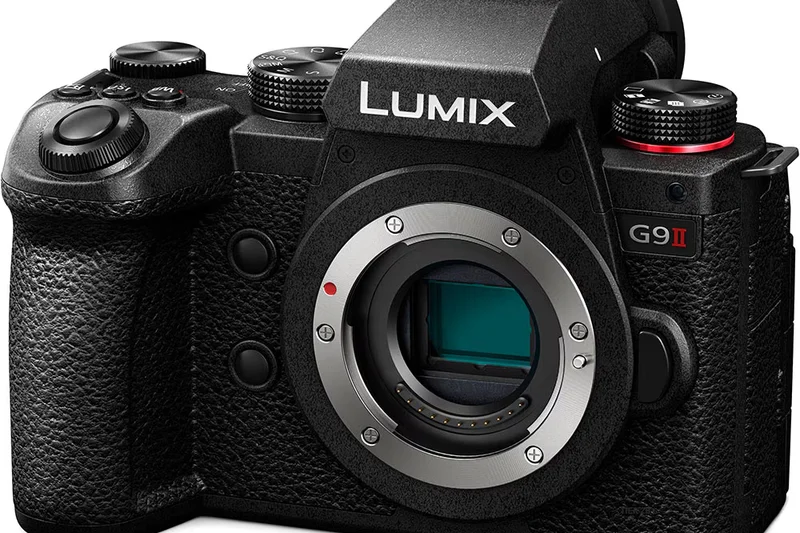
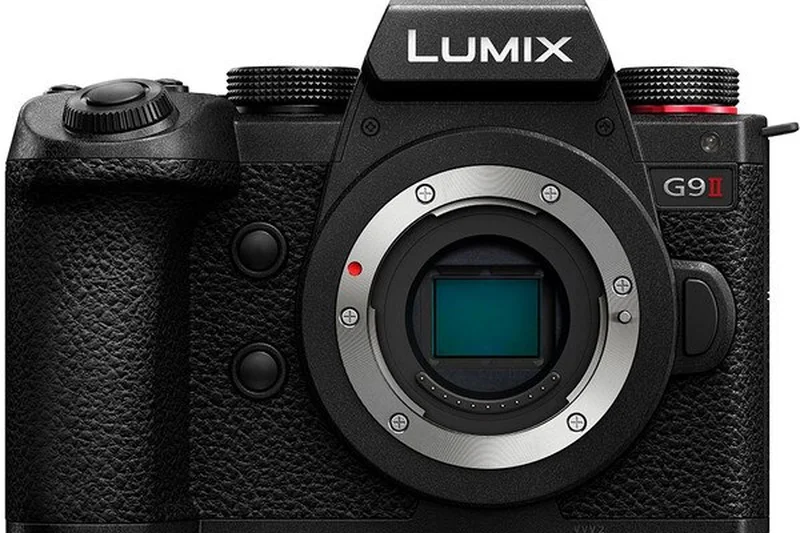
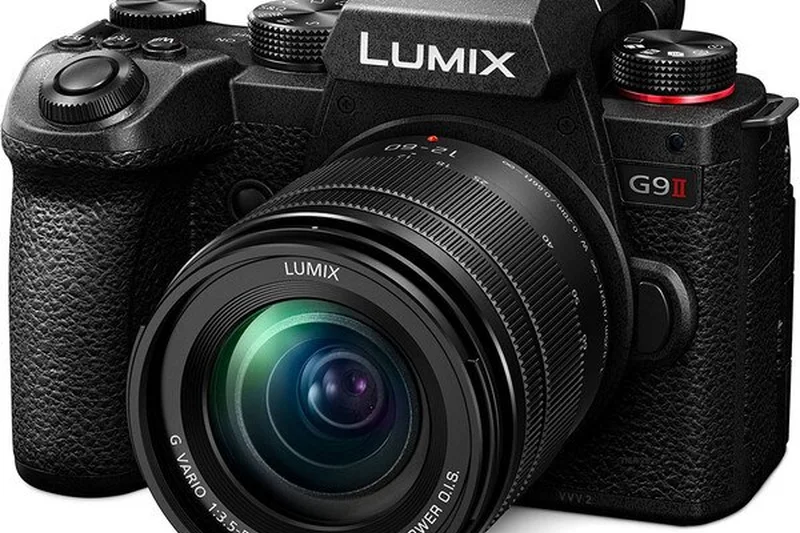
Why we picked it: The Lumix G9 II revitalizes Panasonic's photography-focused MFT line. It includes the new Phase Hybrid AF, incredibly fast 60 fps continuous shooting, and the best IBIS in the business (up to 8 stops). It also borrows heavy-hitting video features from the GH line, making it a surprisingly capable hybrid camera for wildlife shooters who want small, lightweight telephoto lenses.
Key Specs
- 25.2MP Live MOS Micro Four Thirds Sensor
- Phase Hybrid AF with Subject Tracking
- Up to 60 fps Continuous Shooting
What we like
- Crazy fast burst rates
- Phase-detect AF is a massive upgrade
- Unbeatable image stabilization
What we don't like
- Body is as large as full-frame competitors
- MFT sensor limits extreme low-light performance
Best for: Wildlife and bird photographers who want reach without the heavy lenses.
It rivals the OM-1 Mark II in speed but offers superior video capabilities at a slightly lower price point.
A high-speed, highly capable Micro Four Thirds camera perfect for wildlife and action.
Buy at Panasonic official site#21 Canon EOS R7
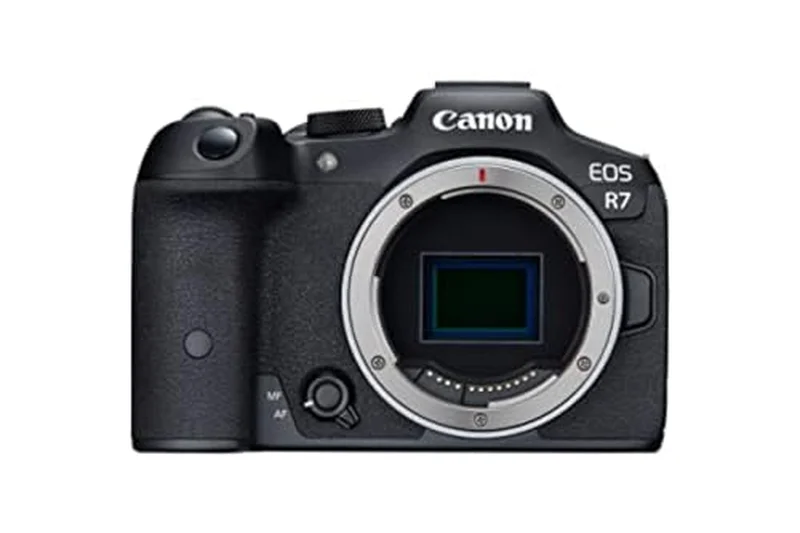
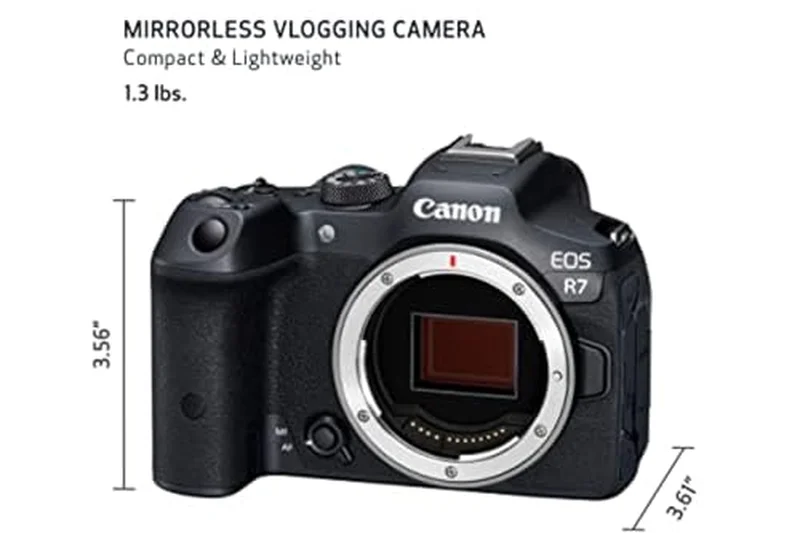
Why we picked it: The Canon EOS R7 is a high-speed APS-C camera that brings professional autofocus tracking to a much lower price point. With a 32.5MP sensor and up to 30 fps burst shooting, it is a favorite among budget-conscious birders and sports shooters. It also features solid IBIS and 4K 60p video.
Key Specs
- 32.5MP APS-C CMOS Sensor
- Up to 30 fps Electronic Shutter
- Dual Pixel CMOS AF II
What we like
- Excellent high-resolution APS-C sensor
- Top-tier subject tracking AF
- Fast burst shooting
What we don't like
- Lack of high-end native RF-S lenses
- Rolling shutter in electronic mode
Best for: Wildlife and sports photographers wanting reach on a budget.
The R7 provides more resolution and reach than the R10, making it the better choice for serious enthusiasts.
The best APS-C camera in Canon's lineup, excelling at fast action and wildlife.
Buy at Canon official site#22 Fujifilm X-S20
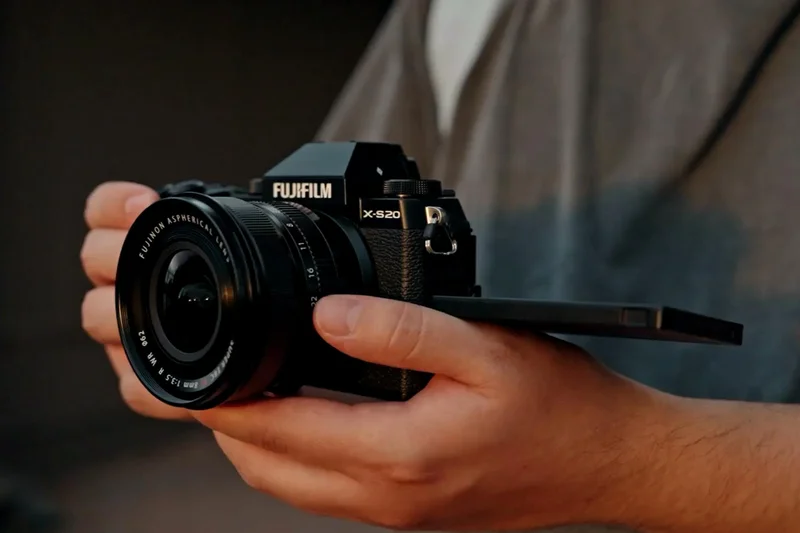
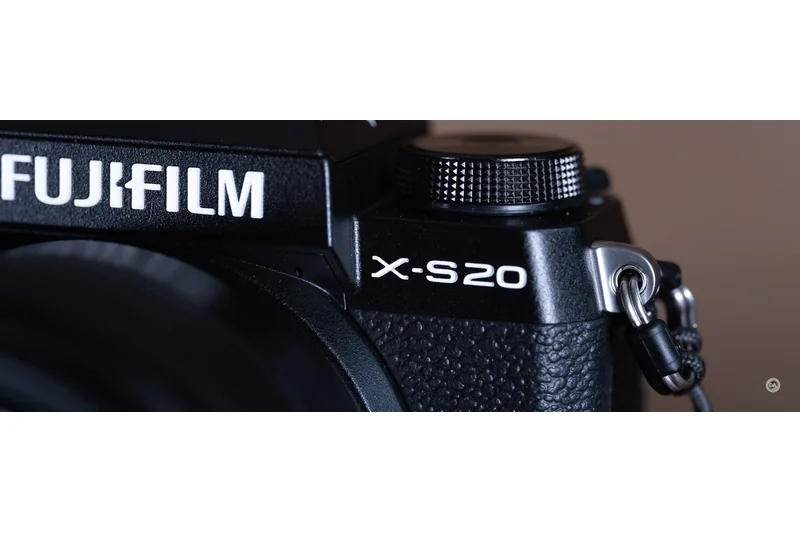
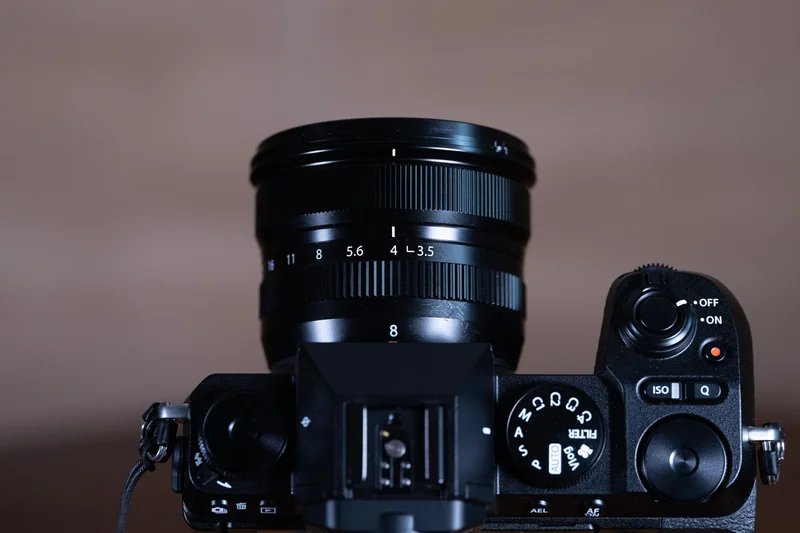
Why we picked it: The Fujifilm X-S20 is the ultimate travel and vlog camera. It features a deep, comfortable grip that houses the large NP-W235 battery, giving it double the endurance of its predecessor. It shoots 6.2K open gate video, features advanced subject-detection AF, and has a dedicated Vlog mode on the dial for easy content creation.
Key Specs
- 26.1MP APS-C X-Trans 4 BSI Sensor
- 6.2K 30p & 4K 60p 10-Bit Video
- Deep Grip with High-Capacity Battery
What we like
- Fantastic battery life
- Great video features and Vlog mode
- Excellent grip ergonomics
What we don't like
- EVF is a bit small
- No weather sealing
Best for: Travelers, vloggers, and beginner hybrid shooters.
It is much more video-friendly and comfortable to hold than the X-T50, though it uses the older 26MP sensor.
A versatile, long-lasting travel camera that excels at both stills and video.
Buy at Fujifilm official site#23 Sony Alpha 7S III
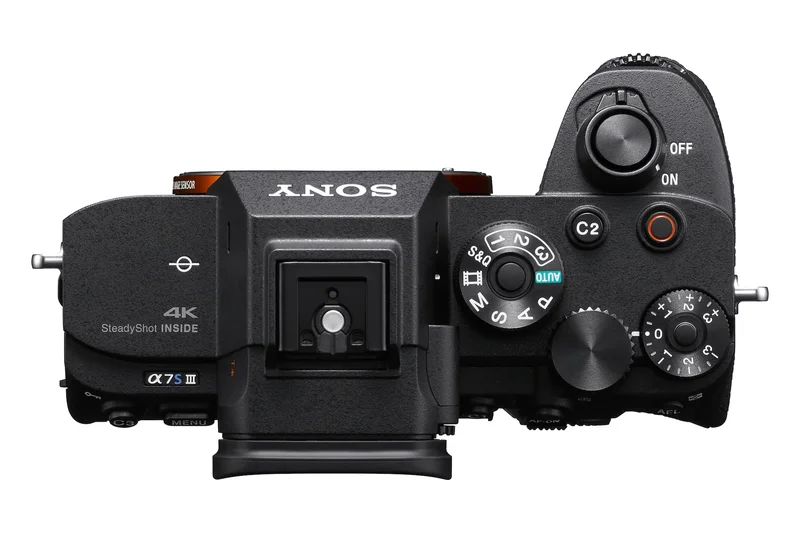
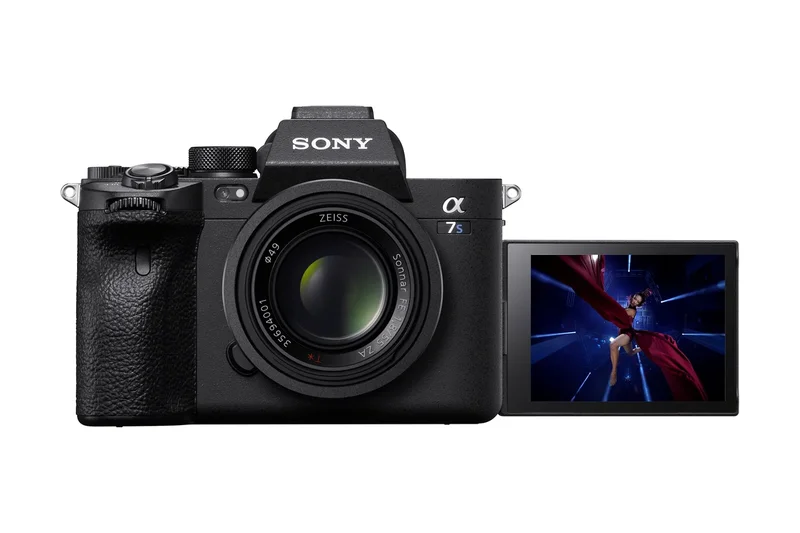
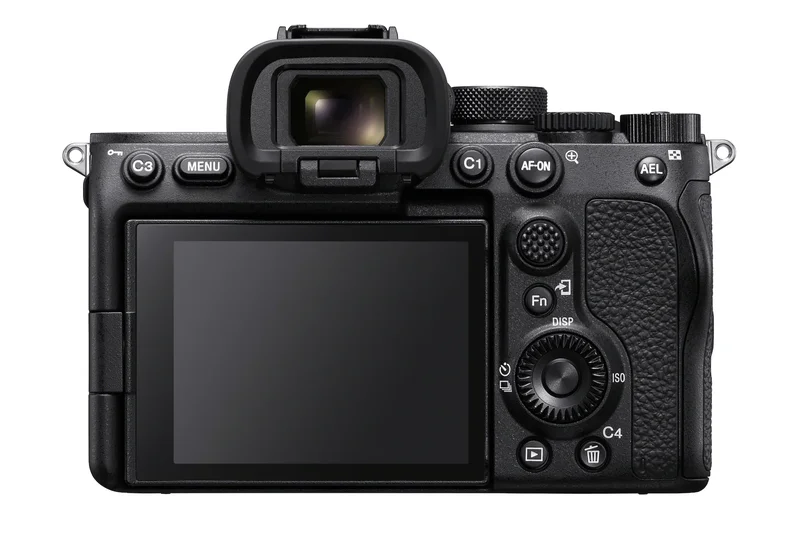
Why we picked it: The Sony a7S III remains a legend in low-light videography. Its 12.1MP sensor has massive pixels that gather light like no other, rendering clean video at ISOs that would crush other cameras. It shoots internal 4K 120p 10-bit 4:2:2 and boasts an incredible 9.44m-dot EVF. It's purpose-built for video.
Key Specs
- 12.1MP Full-Frame Exmor R BSI Sensor
- UHD 4K 120p Video, 10-Bit 4:2:2 Internal
- 16-Bit Raw Output, HLG & S-Log3
What we like
- Unbeatable low-light video performance
- No recording limits or overheating
- Massive, beautiful EVF
What we don't like
- 12MP is low for detailed photography
- Older model now facing stiff competition
Best for: Dedicated videographers, low-light shooters, and event filmmakers.
For pure video in dark environments, it still beats higher-resolution models, though the FX3 offers a more cinema-focused body.
The reigning champion of low-light mirrorless video production.
Buy at Sony official site#24 OM System OM-1 Mark II
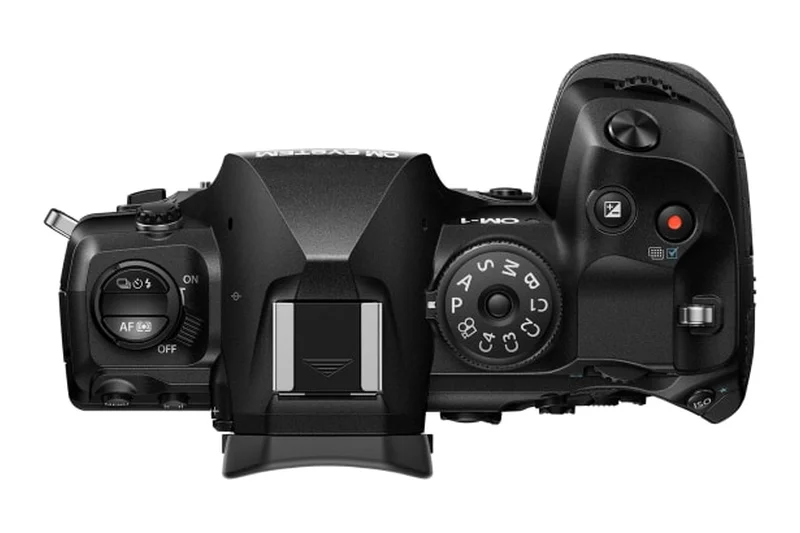
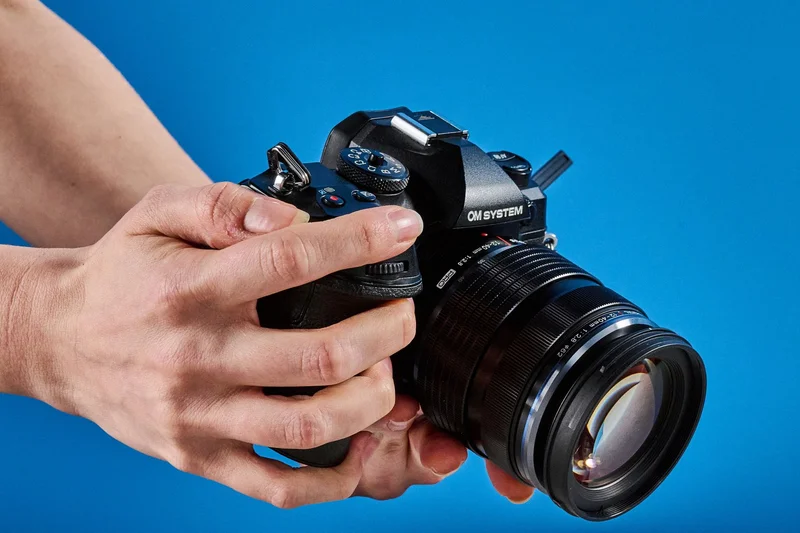
Why we picked it: The OM-1 Mark II is a rugged, incredibly fast Micro Four Thirds flagship. It features industry-leading IP53 weather sealing, allowing it to survive torrential rain. It shoots up to 120 fps and features a Live ND function that simulates neutral density filters in-camera. Its AI subject detection is highly tuned for birds and wildlife.
Key Specs
- 20.4MP Stacked BSI Live MOS Sensor
- Up to 120 fps Burst Shooting
- IP53 Weather Sealing
What we like
- Unrivaled weather sealing
- Extremely fast stacked sensor
- Computational photography tricks (Live ND)
What we don't like
- 20MP MFT sensor shows its age in low light
- Menu system is complex
Best for: Outdoor adventurers, macro shooters, and wildlife photographers working in extreme conditions.
It offers better weather sealing and computational features than the Lumix G9 II, though Panasonic's video specs are superior.
A virtually indestructible, high-speed camera built for the wild.
Buy at OM System official site#25 Nikon Zf
Why we picked it: The Nikon Zf is arguably the most beautiful camera on the market, combining the classic brass dials of the iconic Nikon FM2 with the modern guts of a Z-series camera. It features the EXPEED 7 processor, giving it flagship-level autofocus and tracking, alongside excellent 8-stop IBIS. It is a joy to look at and a joy to shoot with.
Key Specs
- 24.5MP FX-Format BSI CMOS Sensor
- EXPEED 7 Image Processor
- Retro Design with Brass Dials
What we like
- Stunning retro aesthetic
- Flagship-tier autofocus
- Excellent build quality
What we don't like
- Grip is shallow and uncomfortable with big lenses
- MicroSD secondary card slot is annoying
Best for: Street photographers, portrait artists, and vintage enthusiasts.
It offers full-frame quality in a retro body, unlike the APS-C Fuji X-T5.
A gorgeous retro camera that doesn't compromise on modern autofocus or performance.
Buy at Nikon official site#26 Canon EOS R8
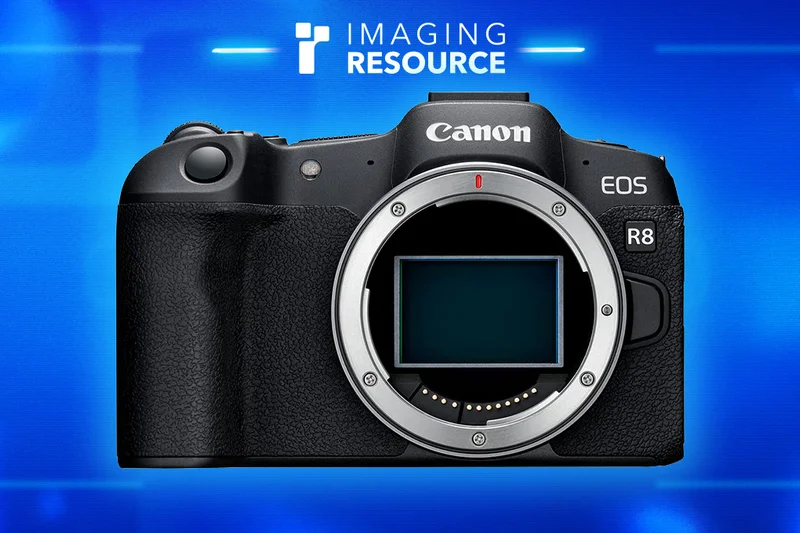
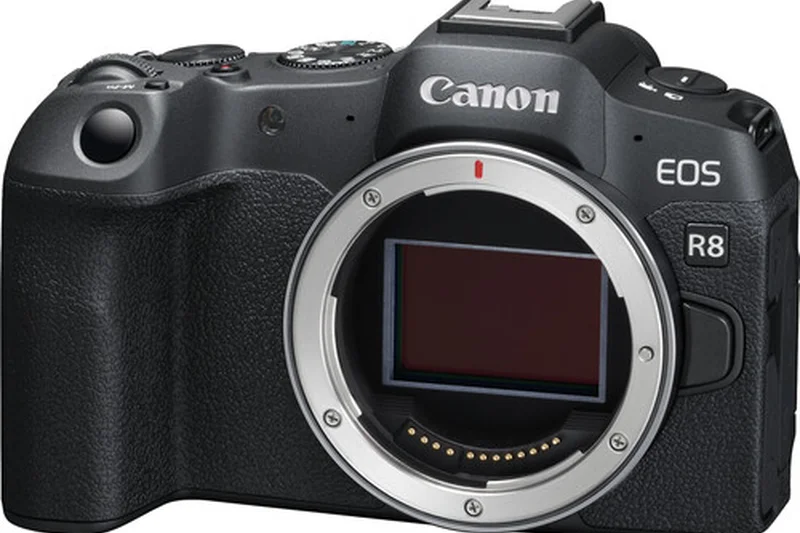
Why we picked it: The Canon EOS R8 is an incredibly light and affordable full-frame camera. It packs the exact same 24.2MP sensor and top-tier Dual Pixel CMOS AF II found in the R6 Mark II into a body that weighs just 461g. It delivers uncropped 4K 60p video and fantastic image quality for anyone looking to enter the full-frame market on a budget.
Key Specs
- 24.2MP Full-Frame CMOS Sensor
- Uncropped 4K 60p & Full HD 180p Video
- Ultra-Lightweight Body (461g)
What we like
- R6 Mark II sensor and AF at a lower price
- Extremely lightweight
- Great video specs
What we don't like
- Tiny battery with poor life
- No in-body image stabilization (IBIS)
Best for: Travelers and beginners wanting to step up to full-frame without the bulk.
You save $1,000 compared to the R6 Mark II, but sacrifice IBIS, battery life, and dual card slots.
The best entry-level full-frame camera for budget-conscious creators.
Buy at Canon official site#27 Fujifilm X-T50
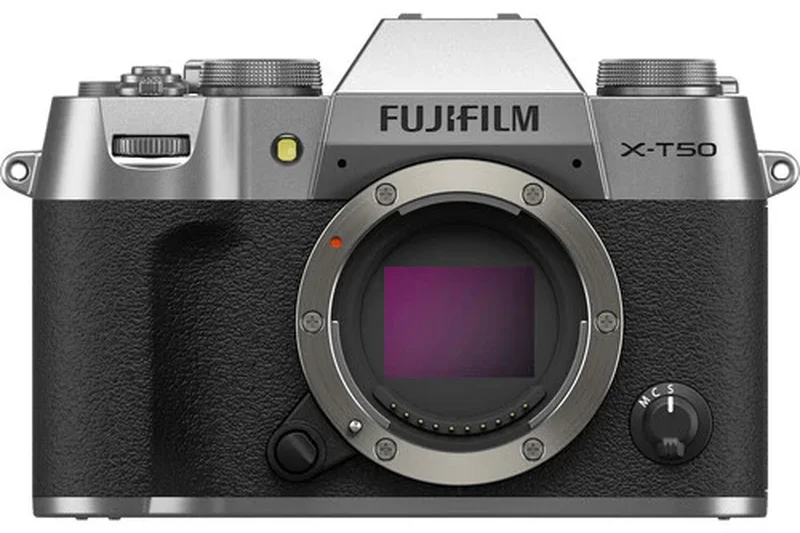
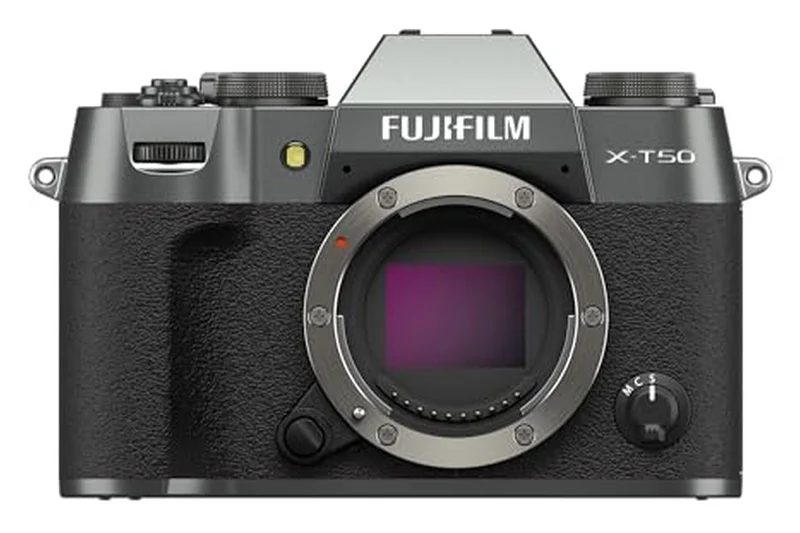
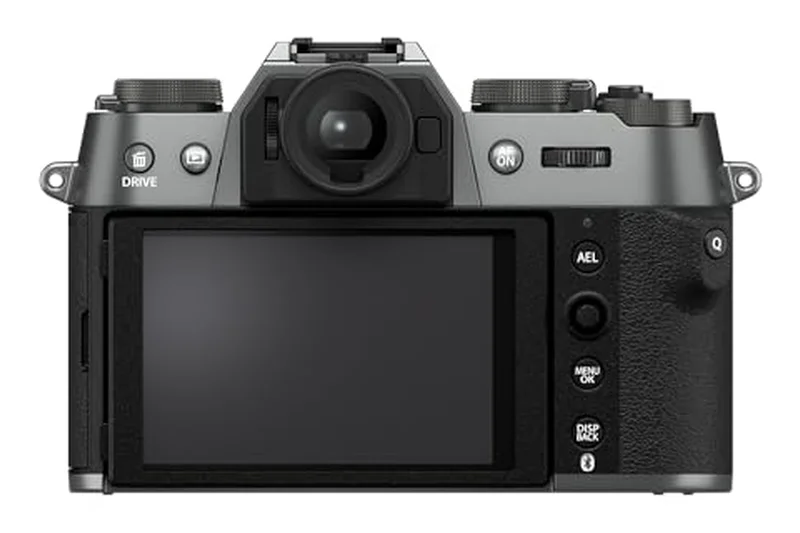
Why we picked it: The Fujifilm X-T50 packs the massive 40MP sensor of the X-T5 into an even smaller, more affordable body. A standout feature is its dedicated Film Simulation dial, making it easier than ever to cycle through Fuji's beloved color profiles. With 7 stops of IBIS and 6.2K video, it is a potent little creator tool.
Key Specs
- 40MP APS-C X-Trans 5 HR Sensor
- Dedicated Film Simulation Dial
- Compact Retro Design
What we like
- High-resolution 40MP sensor
- Fun and easy Film Simulation dial
- Excellent IBIS
What we don't like
- Small battery
- No weather sealing
Best for: Casual shooters, travelers, and fans of straight-out-of-camera JPEG aesthetics.
It lacks the weather sealing and battery life of the X-T5 but is cheaper and more portable.
A stylish, high-resolution compact camera that makes photography fun.
Buy at Fujifilm official site#28 Nikon Z7 II
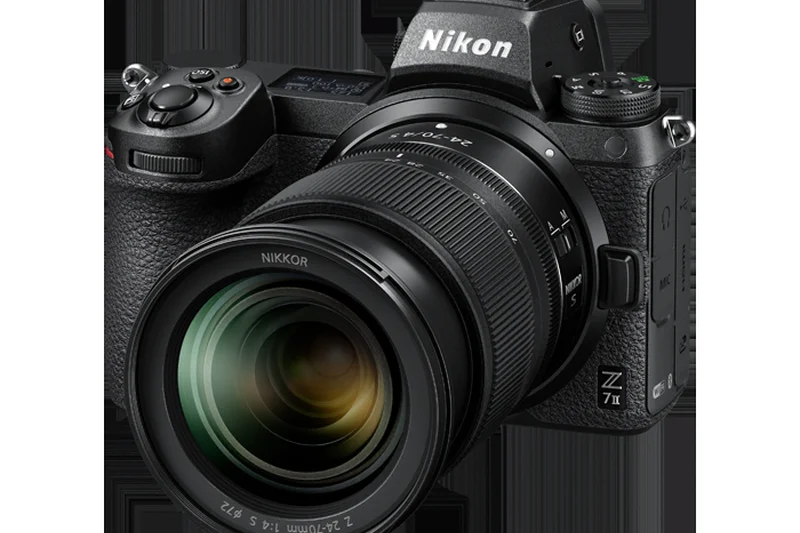
Why we picked it: The Nikon Z7 II remains a solid, high-resolution workhorse. Its 45.7MP sensor produces stunning dynamic range and sharpness, perfect for studio and landscape work. While its autofocus lags behind the newer EXPEED 7 cameras, it offers fantastic ergonomics, dual card slots, and excellent weather sealing at a price that frequently sees discounts.
Key Specs
- 45.7MP FX-Format BSI CMOS Sensor
- Dual EXPEED 6 Image Processors
- UHD 4K 60p Video
What we like
- Outstanding 45MP image quality
- Great ergonomics and weather sealing
- Dual card slots
What we don't like
- Autofocus tracking is outdated
- Video features are basic compared to newer models
Best for: Landscape and studio photographers who don't need fast action tracking.
The Z8 is vastly superior for action and video, but the Z7 II remains a great value for slow-paced, high-res photography.
A reliable high-resolution body that rewards methodical, slow-paced photography.
Buy at Nikon official site#29 Sony ZV-E10 II
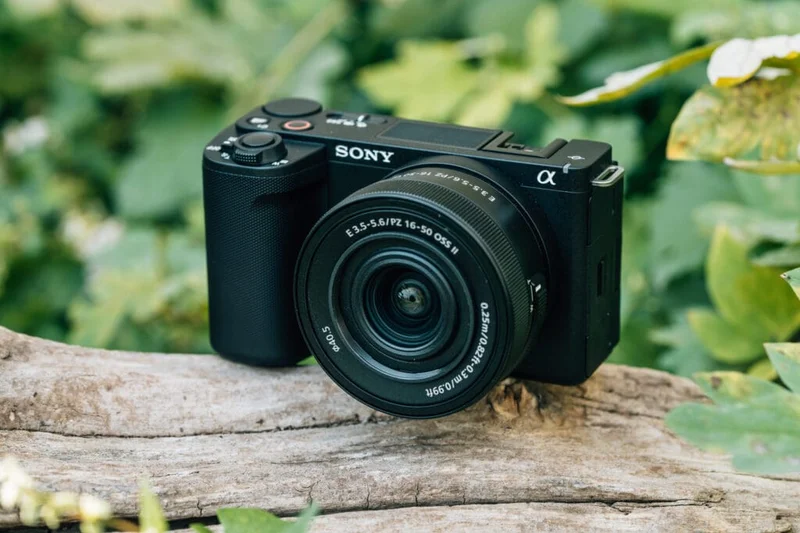
Why we picked it: The Sony ZV-E10 II is specifically designed for vloggers and content creators. It utilizes the excellent 26MP APS-C sensor from the a6700, delivering oversampled 4K 60p video with 10-bit color. It includes intuitive Cinematic Vlog settings and a highly effective product showcase autofocus mode, all in a very lightweight package without a viewfinder.
Key Specs
- 26MP APS-C Exmor R CMOS Sensor
- 4K 60p 10-Bit Video (Oversampled from 5.6K)
- Cinematic Vlog Settings
What we like
- Excellent 4K 10-bit video
- Smart, vlogger-friendly UI
- Access to massive Sony lens lineup
What we don't like
- No electronic viewfinder
- No mechanical shutter (can cause rolling shutter in stills)
Best for: YouTube creators, vloggers, and video-first beginners.
Unlike the a6700, it lacks an EVF and IBIS, but it is significantly cheaper and geared purely toward content creation.
The best budget-friendly APS-C vlogging camera on the market.
Buy at Sony official site#30 Fujifilm GFX 100 II
Why we picked it: The Fujifilm GFX 100 II brings medium format photography into the modern era. Its massive 102MP sensor produces an unmatched level of detail, tonality, and subject separation. Surprisingly, it also features 8K video, 8 fps burst shooting, and highly capable autofocus, proving that medium format cameras no longer have to be slow and clunky.
Key Specs
- 102MP 43.8 x 32.9mm BSI CMOS Sensor
- 8K 30p & 4K 60p 4:2:2 10-Bit Video
- 8-Stop In-Body Image Stabilization
What we like
- Unrivaled medium format image quality
- Surprisingly good video and autofocus
- Great IBIS makes handheld shooting possible
What we don't like
- Extremely expensive
- Lenses are massive and costly
Best for: High-end commercial, fashion, and fine-art photographers.
It offers image quality that full-frame cameras simply cannot match physically, but sacrifices speed and portability.
A medium format masterpiece that handles almost as quickly as a full-frame mirrorless.
Buy at Fujifilm official site#31 Canon EOS R10
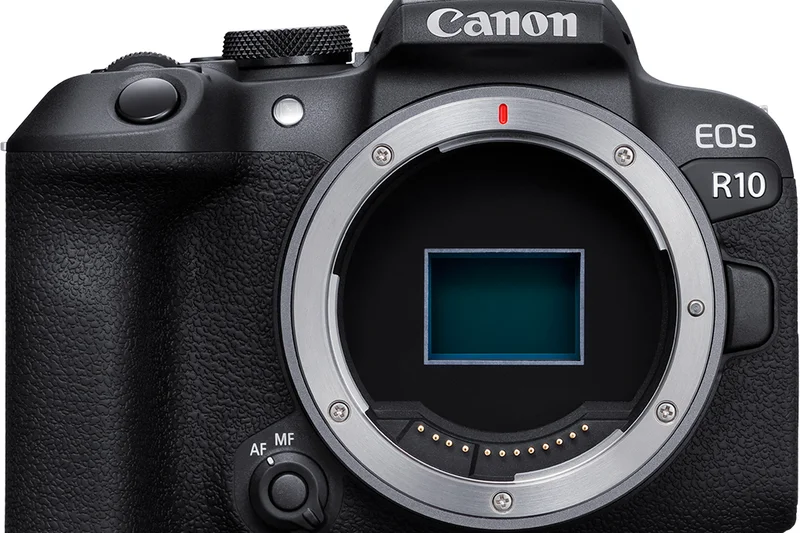
Why we picked it: The Canon EOS R10 is a brilliant mid-level APS-C camera. It features a fast 15 fps mechanical shutter and robust Dual Pixel AF II tracking. It is lightweight, handles well, and shoots uncropped 4K 30p video. It's a highly capable all-rounder for hobbyists looking to get into the Canon ecosystem.
Key Specs
- 24.2MP APS-C CMOS Sensor
- Up to 23 fps Electronic Shutter
- Dual Pixel CMOS AF II
What we like
- Great autofocus tracking
- Fast burst speeds
- Lightweight and ergonomic
What we don't like
- 4K 60p has a heavy crop
- Small battery
Best for: Hobbyists, family photographers, and beginner sports shooters.
It sits comfortably between the barebones R50 and the pro-leaning R7.
A well-rounded, affordable entry point into advanced photography.
Buy at Canon official site#32 Nikon Z50 II
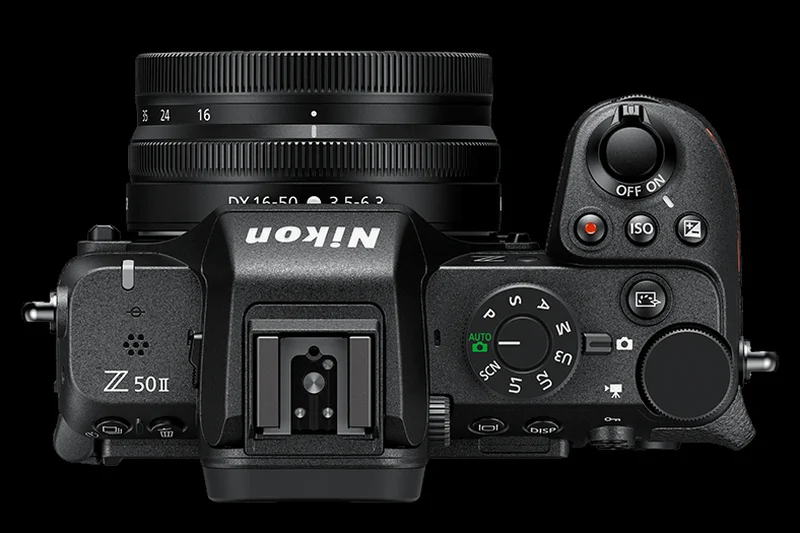
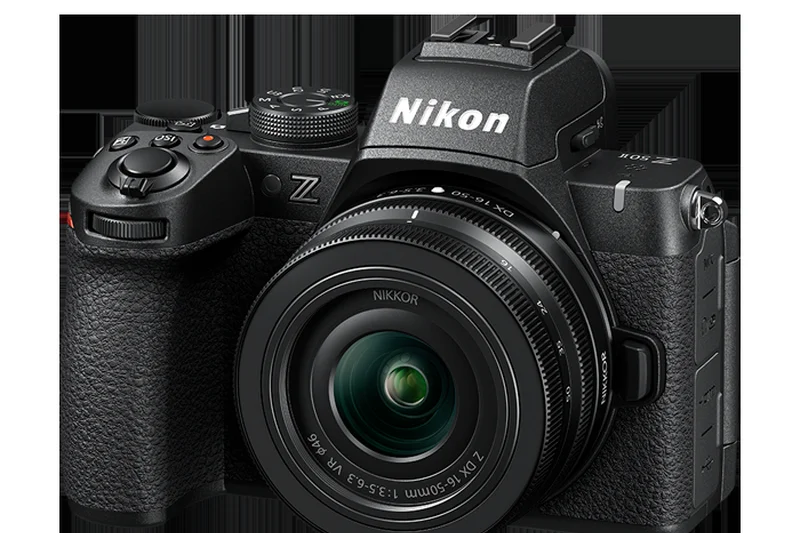
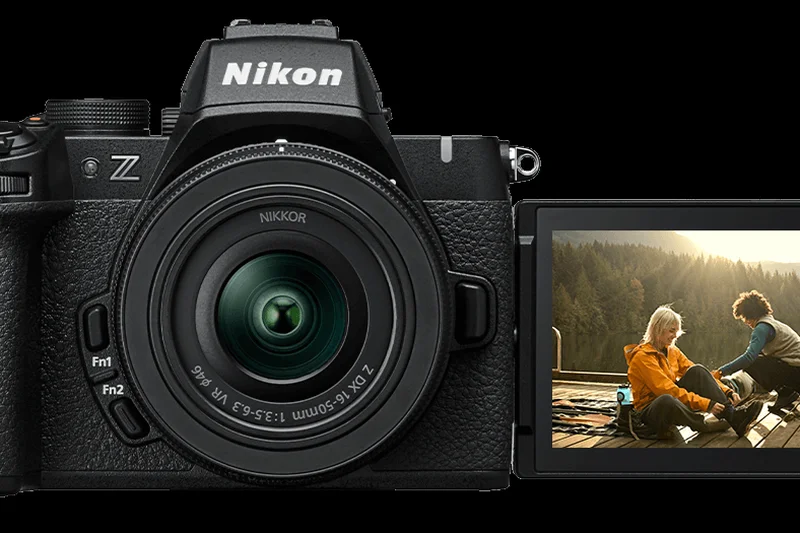
Why we picked it: The Nikon Z50 II upgrades Nikon's entry-level APS-C offering with the powerful EXPEED 7 processor, bringing modern 3D tracking autofocus and 4K 60p video to a budget-friendly price. The dedicated Picture Control button allows users to quickly cycle through creative color profiles, making it fun and easy to use.
Key Specs
- 20.9MP DX-Format CMOS Sensor
- EXPEED 7 Image Processor
- Dedicated Picture Control Button
What we like
- Great EXPEED 7 autofocus
- Excellent ergonomics for its size
- Fun creative picture controls
What we don't like
- 20.9MP sensor is getting old
- Limited DX lens lineup
Best for: Beginners and travelers looking for a comfortable, smart camera.
It outperforms the older Z50 significantly in autofocus, though it shares the same sensor.
A smart, ergonomic entry-level camera with surprisingly pro-level autofocus.
Buy at Nikon official site#33 Panasonic Lumix S9

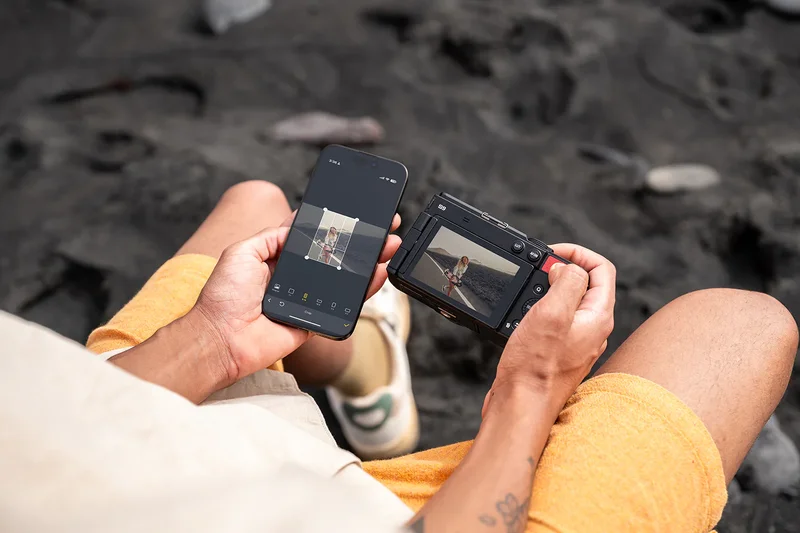
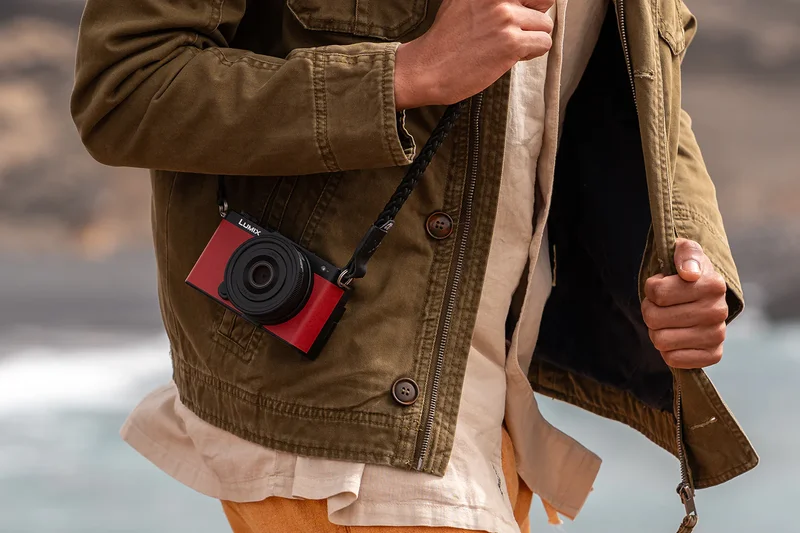
Why we picked it: The Panasonic Lumix S9 is an ultra-compact full-frame camera explicitly designed for content creators. It features a dedicated REAL TIME LUT button, allowing users to apply cinematic color grades directly in-camera and share them instantly to their phone. With Open Gate 6K video, it is perfect for cropping into vertical formats for social media.
Key Specs
- 24.2MP Full-Frame CMOS Sensor
- Open Gate 6K Video Recording
- Dedicated REAL TIME LUT Button
What we like
- Full-frame in a tiny, stylish body
- Real-time LUTs are great for instant sharing
- Open Gate video
What we don't like
- No mechanical shutter
- No electronic viewfinder
Best for: Social media influencers and creators who want full-frame aesthetics instantly.
Unlike the S5 II, it strips away the EVF and mechanical shutter to achieve a tiny footprint.
A unique, stylish full-frame camera built specifically for the social media age.
Buy at Panasonic official site#34 Canon EOS R50
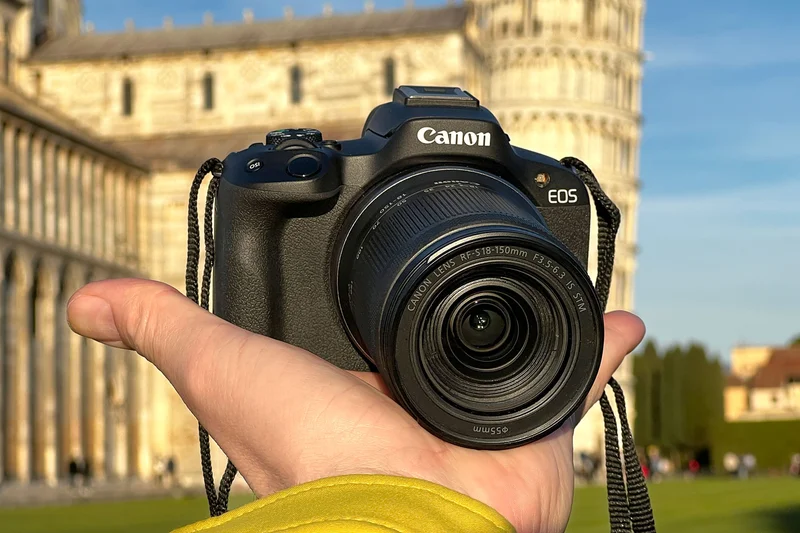
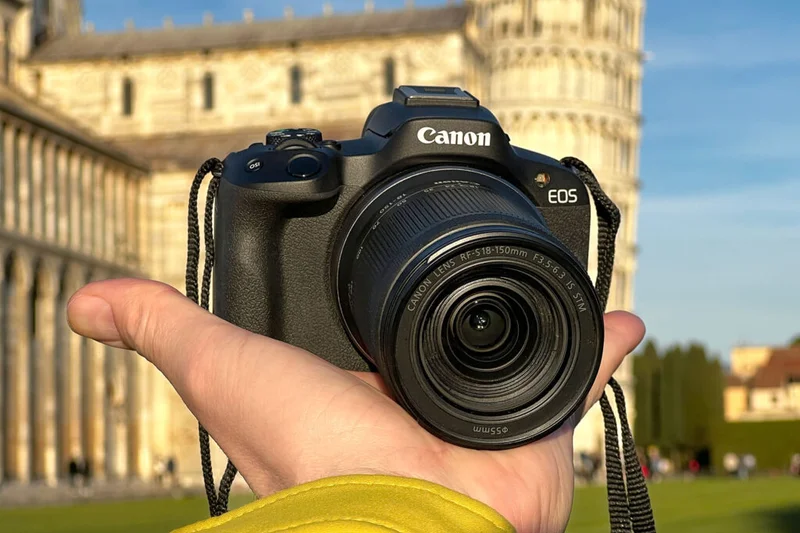
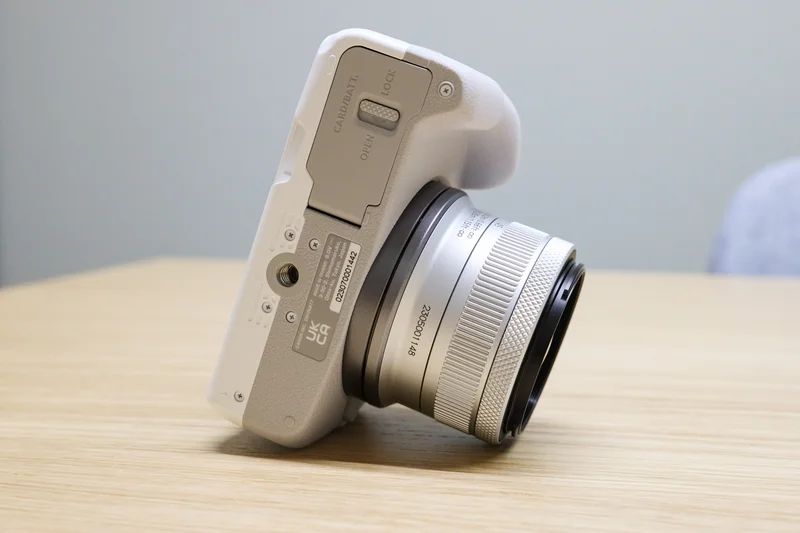
Why we picked it: The Canon EOS R50 is our favorite true beginner camera. It is incredibly small, easy to use, and features a Guided UI that teaches you photography as you shoot. Despite its size, it features Canon's excellent Dual Pixel AF II and uncropped 4K 30p video, making it a massive step up from any smartphone.
Key Specs
- 24.2MP APS-C CMOS Sensor
- Uncropped 4K 30p Video
- Compact Creator/Vlog Friendly Body
What we like
- Very affordable
- Excellent, sticky autofocus
- Beginner-friendly interface
What we don't like
- No IBIS
- Limited physical controls
Best for: Absolute beginners, smartphone upgraders, and budget vloggers.
It is vastly superior to the cheaper R100 because it includes a fully articulating touchscreen and much better video.
The best value mirrorless camera for someone buying their first 'real' camera.
Buy at Canon official site#35 Nikon Z5
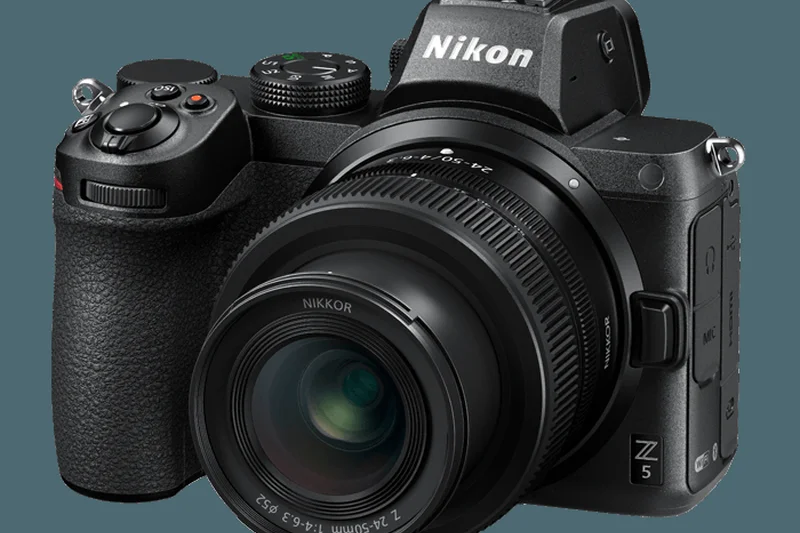
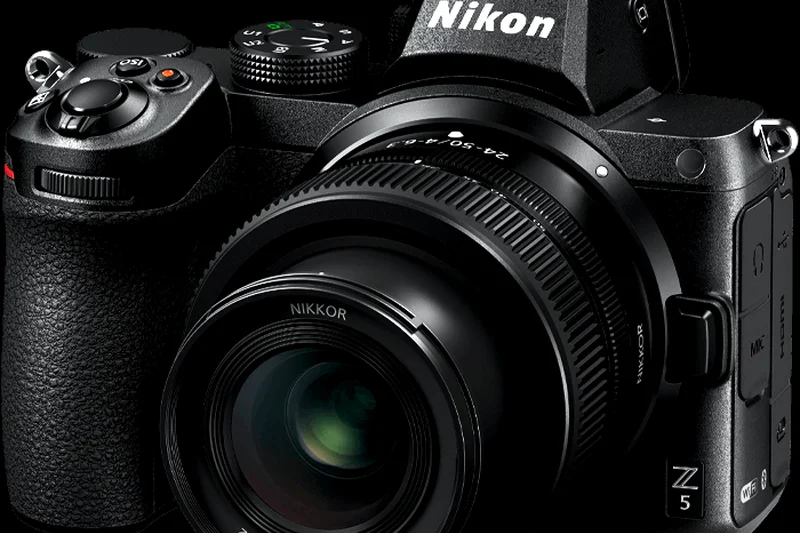
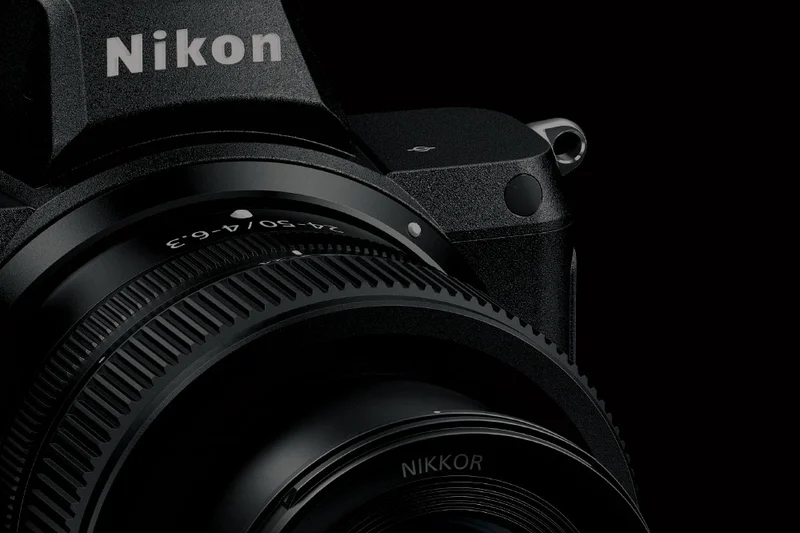
Why we picked it: The Nikon Z5 is an aging but highly affordable full-frame entry. It provides a solid 24.3MP sensor, dual SD card slots, and in-body image stabilization at a price point where most competitors only offer APS-C sensors. It remains a fantastic budget option for still photography.
Key Specs
- 24.3MP FX-Format CMOS Sensor
- 5-Axis Sensor-Shift VR
- Dual SD Card Slots
What we like
- Extremely cheap for full-frame
- Has IBIS and dual card slots
- Excellent weather sealing
What we don't like
- Sluggish burst shooting (4.5 fps)
- Heavy crop on 4K video
Best for: Budget photographers who strictly shoot stills and want full-frame depth of field.
The newer Canon R8 has better AF and video, but the Z5 offers IBIS and dual card slots.
A utilitarian, budget-friendly gateway into full-frame photography.
Buy at Nikon official site#36 OM System OM-5
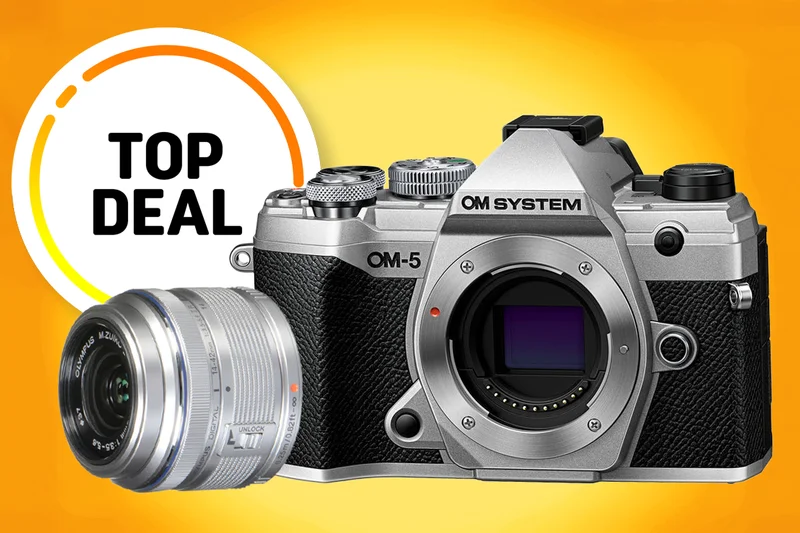
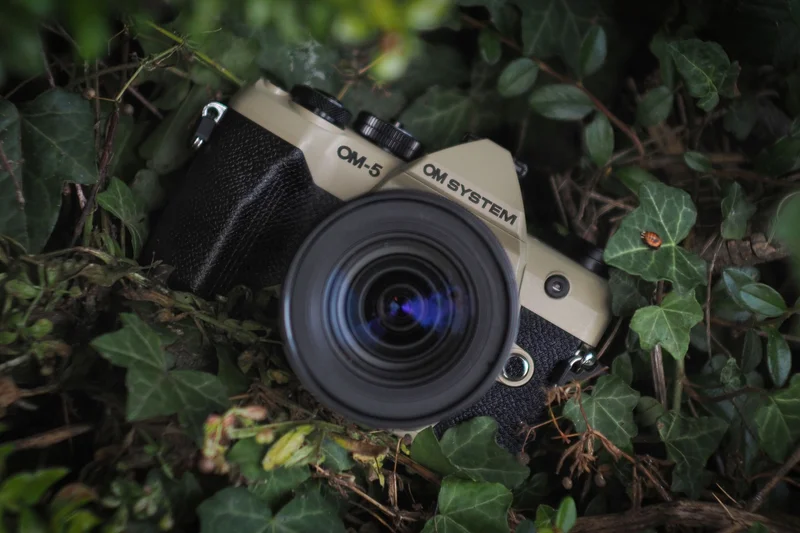
Why we picked it: The OM-5 is a highly portable Micro Four Thirds camera targeted at hikers and travelers. It features IP53 weather sealing and class-leading image stabilization, allowing for long handheld exposures. It also includes computational features like 50MP handheld high-res shot.
Key Specs
- 20.4MP Live MOS Micro Four Thirds Sensor
- 50MP Handheld High-Res Shot
- IP53 Weather Sealing
What we like
- Extremely light and portable
- Great weather resistance
- Amazing IBIS
What we don't like
- Micro-USB port instead of USB-C
- Menu system is dated
Best for: Hikers and backpackers who prioritize weight and weather resistance.
It lacks the stacked sensor speed of the OM-1, but serves as a great lightweight companion.
A rugged, travel-friendly camera for outdoor enthusiasts.
Buy at OM System official site#37 Nikon Z30
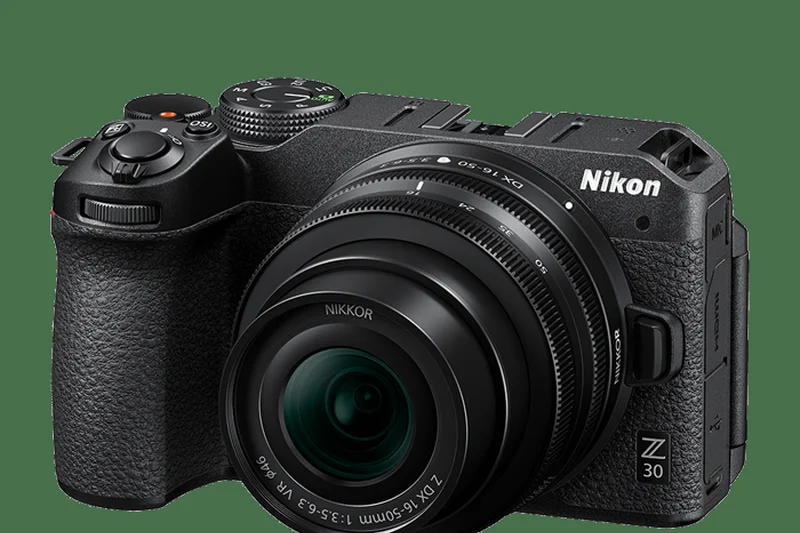
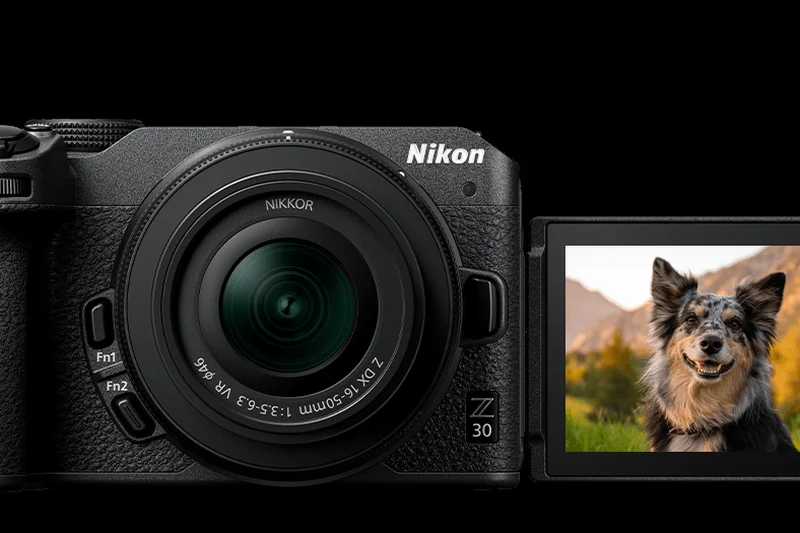
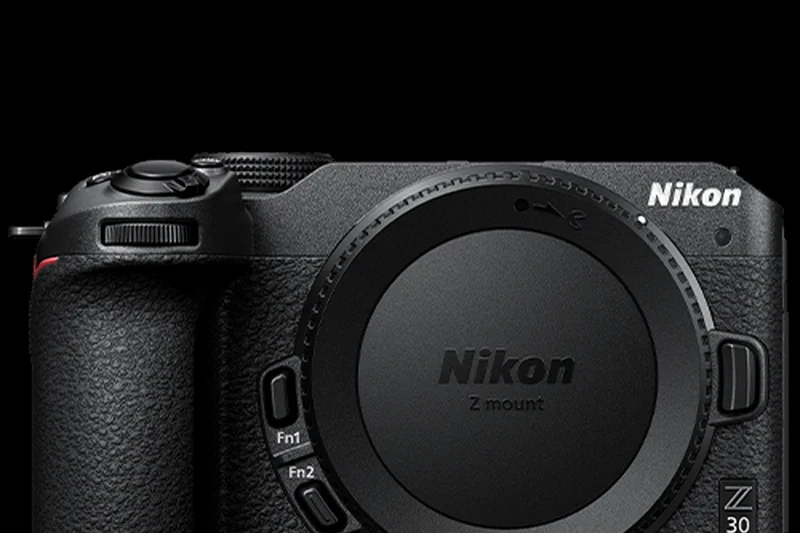
Why we picked it: The Nikon Z30 is an entry-level vlogging camera. By removing the electronic viewfinder, Nikon created a very compact and affordable APS-C body. It features a built-in stereo mic, a tally lamp, and shoots uncropped 4K 30p, making it a great cheap option for streaming and basic YouTube videos.
Key Specs
- 20.9MP DX-Format CMOS Sensor
- Vlogger-Focused Design Without EVF
- Built-in Stereo Mic & Tally Lamp
What we like
- Very affordable
- Good built-in audio
- Uncropped 4K video
What we don't like
- No EVF for sunny days
- No IBIS
Best for: Streamers and casual vloggers on a tight budget.
It competes directly with the Sony ZV-E10 II but is generally cheaper and has a slightly better kit lens.
A barebones, budget-friendly entry into the Nikon Z mount for video creators.
Buy at Nikon official site#38 Canon EOS R100
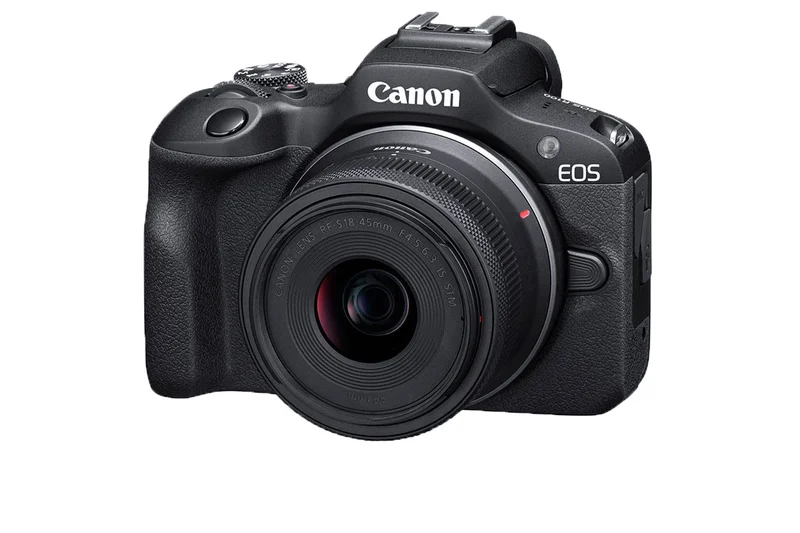
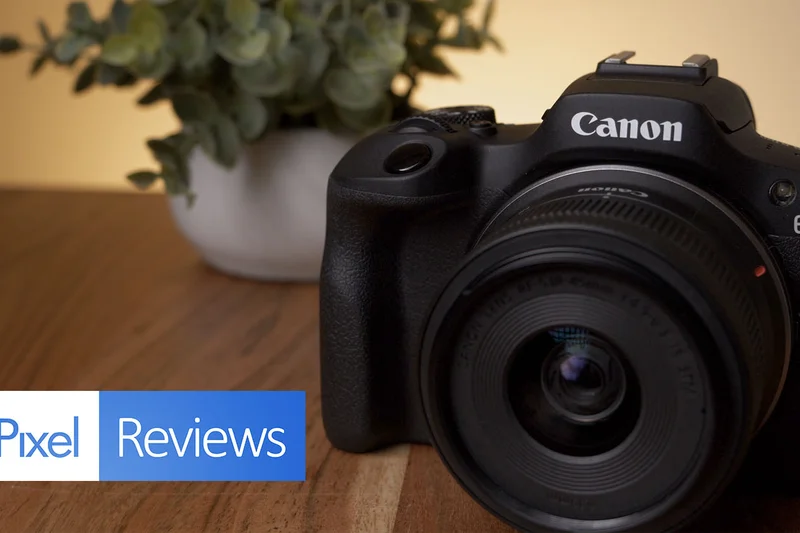
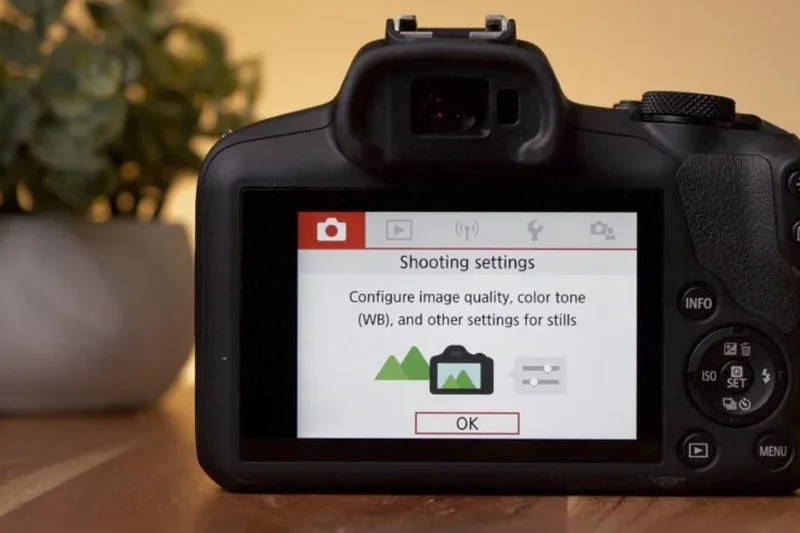
Why we picked it: The Canon EOS R100 is the absolute cheapest entry into modern mirrorless systems. To hit its low price point, it lacks a touchscreen and uses an older autofocus system. However, it still takes fantastic 24.1MP photos and features a built-in EVF. It's strictly for those who want a real camera body but have an absolute minimum budget.
Key Specs
- 24.1MP APS-C CMOS Sensor
- 4K 24p Video (Cropped)
- Simple Guided UI for Beginners
What we like
- Cheapest modern mirrorless camera available
- Good photo quality
- Has a built-in EVF
What we don't like
- No touchscreen
- Poor video performance
Best for: Those on the absolute tightest budgets needing a traditional camera body.
We highly recommend saving up slightly more for the R50, which is vastly superior in every way.
An ultra-budget camera that sacrifices modern conveniences for price.
Buy at Canon official siteBuying Guide
FAQ
What is the best mirrorless camera in 2026?
Based on our Multi-Dimensional Evaluation, the Nikon Z8 is the best overall mirrorless camera. It offers flagship-level 8.3K video, a 45.7MP stacked sensor, and blackout-free burst shooting at a price that significantly undercuts other professional flagships.
What is the difference between a mirrorless camera and a DSLR?
Mirrorless cameras do not have the mechanical reflex mirror found in DSLRs. Instead, light passes directly onto the image sensor, which then provides a real-time digital preview to the rear screen or an Electronic Viewfinder (EVF). This allows for smaller bodies, silent shooting, and highly advanced on-sensor AI autofocus.
How important is image quality and sensor size?
Sensor size heavily dictates low-light performance and depth of field. A full-frame sensor (like the Sony A7 IV) is larger and generally performs better in dark environments than an APS-C or Micro Four Thirds sensor. However, modern APS-C cameras like the Fujifilm X-T50 provide excellent image quality for most users in a lighter package.
What does the autofocus speed dimension measure?
Our AF & Speed dimension measures how intelligently and quickly a camera tracks moving subjects. Modern cameras use AI to lock onto human eyes, birds, cars, and even insects. Fast continuous shooting (burst rates) ensures you don't miss the exact moment of action.
Which mirrorless camera is best for video recording?
For dedicated video, the Panasonic Lumix S5 IIX and the Nikon Z8 are spectacular. The S5 IIX offers internal cooling and ProRes RAW at an enthusiast price, while the Z8 offers internal 8.3K N-RAW. For extreme low light, the Sony A7S III remains a top choice.
Is a larger lens ecosystem important?
Yes. A camera body is useless without good lenses. The Sony E-mount currently has the largest ecosystem of native and third-party lenses (from brands like Sigma and Tamron), making it easier to find affordable glass. Canon and Nikon are rapidly catching up but are still somewhat restrictive with third-party autofocus lenses.
How do I evaluate build quality and ergonomics?
We look at weather sealing (protection against dust and rain), grip depth (how comfortable it is with heavy lenses), and the placement of dials and joysticks. Professional models like the Canon EOS R1 and Nikon Z9 are built like tanks to survive daily abuse.
Which camera is the best for sports and wildlife?
Speed is critical for wildlife. The Sony Alpha 9 III with its global shutter, the Canon EOS R1, and the Nikon Z9/Z8 are the absolute best. For a budget option, the Canon EOS R7 offers great reach and 30 fps bursts.
What is the best budget mirrorless camera?
The Canon EOS R6 Mark II provides the best value for a full-frame hybrid, while the Canon EOS R50 and Sony a6700 are incredible values in the APS-C market. The R50 is our top pick for absolute beginners under $800.
Should I worry about battery life on mirrorless cameras?
Mirrorless cameras use more battery than DSLRs because the sensor and EVF are always on. We measure reliability based on CIPA ratings. The Nikon Z9 and Canon EOS R3 use massive pro-grade batteries, but for standard bodies, we recommend buying at least one spare battery.
Sony vs. Canon vs. Nikon: Which brand is better?
No single brand is universally best. Sony dominates in lens variety and third-party support. Canon is renowned for its color science, autofocus reliability, and ergonomics. Nikon currently offers arguably the best value in high-end hybrids (like the Z8) and incredible prime lenses.
How do warranty and return policies work for cameras?
Most new cameras come with a standard 1-year limited manufacturer warranty covering defects. Retailers like B&H Photo and Amazon typically offer a 30-day return window. We highly recommend purchasing accidental damage protection if you plan to shoot in rugged environments.
Methodology
Sources & References
All factual claims, product specifications, prices, and images in this article are cited by number. Click any reference to jump to the list; click the link in each entry to visit the original source.
- [1]Selection Logic. 'M2: Multi-Dimensional Evaluation.' selectionlogic.org/en/methods/m2-multi-dimensional-evaluation/. Accessed Mar 2026.
- [2]Selection Logic. 'Camera Buying Guide.' selectionlogic.org/en/guide/camera-buying-guide/. Accessed Mar 2026.
- [3]Nikon. 'Nikon Z8 Official Specs.' nikonusa.com/p/z-8/1695. Accessed Mar 2026.
- [4]Nikon. 'Nikon Z9 Official Specs.' nikonusa.com/p/z-9/1669. Accessed Mar 2026.
- [5]Sony. 'Sony Alpha 7R V.' electronics.sony.com/imaging/interchangeable-lens-cameras/full-frame/p/ilce7rm5-b. Accessed Mar 2026.
- [6]Sony. 'Sony Alpha 1 (A1).' electronics.sony.com/imaging/interchangeable-lens-cameras/full-frame/p/ilce1-b. Accessed Mar 2026.
- [7]Canon. 'Canon EOS R5 Mark II.' usa.canon.com/shop/p/eos-r5-mark-ii. Accessed Mar 2026.
- [8]Canon. 'Canon EOS R1.' usa.canon.com/shop/p/eos-r1. Accessed Mar 2026.
- [9]Sony. 'Sony Alpha 7 IV.' electronics.sony.com/imaging/interchangeable-lens-cameras/full-frame/p/ilce7m4-b. Accessed Mar 2026.
- [10]Canon. 'Canon EOS R6 Mark II.' usa.canon.com/shop/p/eos-r6-mark-ii. Accessed Mar 2026.
- [11]Nikon. 'Nikon Z6 III.' nikonusa.com/p/z-6iii/1762. Accessed Mar 2026.
- [12]Sony. 'Sony Alpha 9 III.' electronics.sony.com/imaging/interchangeable-lens-cameras/full-frame/p/ilce9m3. Accessed Mar 2026.
- [13]Canon. 'Canon EOS R3.' usa.canon.com/shop/p/eos-r3. Accessed Mar 2026.
- [14]Panasonic. 'Lumix S5 IIX.' shop.panasonic.com/products/lumix-s5iix-full-frame-mirrorless-camera-body. Accessed Mar 2026.
- [15]Panasonic. 'Lumix S5 II.' shop.panasonic.com/products/lumix-s5ii-full-frame-mirrorless-camera-body. Accessed Mar 2026.
- [16]Sony. 'Sony Alpha 6700.' electronics.sony.com/imaging/interchangeable-lens-cameras/aps-c/p/ilce6700-b. Accessed Mar 2026.
- [17]Panasonic. 'Lumix GH7.' shop.panasonic.com/products/lumix-gh7-micro-four-thirds-mirrorless-camera-body. Accessed Mar 2026.
- [18]Fujifilm. 'Fujifilm X-H2S.' fujifilm-x.com/en-us/products/cameras/x-h2s/. Accessed Mar 2026.
- [19]Fujifilm. 'Fujifilm X-H2.' fujifilm-x.com/en-us/products/cameras/x-h2/. Accessed Mar 2026.
- [20]Sony. 'Sony Alpha 7C II.' electronics.sony.com/imaging/interchangeable-lens-cameras/full-frame/p/ilce7cm2-b. Accessed Mar 2026.
- [21]Fujifilm. 'Fujifilm X-T5.' fujifilm-x.com/en-us/products/cameras/x-t5/. Accessed Mar 2026.
- [22]Panasonic. 'Lumix G9 II.' shop.panasonic.com/products/lumix-g9ii-micro-four-thirds-mirrorless-camera-body. Accessed Mar 2026.
- [23]Canon. 'Canon EOS R7.' usa.canon.com/shop/p/eos-r7. Accessed Mar 2026.
- [24]Fujifilm. 'Fujifilm X-S20.' fujifilm-x.com/en-us/products/cameras/x-s20/. Accessed Mar 2026.
- [25]Sony. 'Sony Alpha 7S III.' electronics.sony.com/imaging/interchangeable-lens-cameras/full-frame/p/ilce7sm3-b. Accessed Mar 2026.
- [26]OM System. 'OM-1 Mark II.' explore.omsystem.com/us/en/om-1-mark-ii. Accessed Mar 2026.
- [27]Nikon. 'Nikon Zf.' nikonusa.com/p/zf/1761. Accessed Mar 2026.
- [28]Canon. 'Canon EOS R8.' usa.canon.com/shop/p/eos-r8. Accessed Mar 2026.
- [29]Fujifilm. 'Fujifilm X-T50.' fujifilm-x.com/en-us/products/cameras/x-t50/. Accessed Mar 2026.
- [30]Nikon. 'Nikon Z7 II.' nikonusa.com/p/z-7ii/1663. Accessed Mar 2026.