Quick Verdict
At a glance
We tested 35 entry-level digital cameras (mirrorless and DSLR) designed for novice photographers and videographers to find the ultimate tools for beginners. Our rigorous evaluation focused on image quality, ease of use, autofocus performance, and overall value. The Sony a6700 emerged as our top pick, offering a peerless combination of AI-driven autofocus and premium features.
🏆 Overall #1: Sony a6700 — Unmatched AI autofocus, stellar 4K video, and a deep lens ecosystem make this the ultimate beginner camera.
🥈 #2: Sony ZV-E10 II — The perfect balance of price, vlogging features, and high-capacity battery life.
🥉 #3: Fujifilm X-S20 — A phenomenal hybrid body with dedicated vlog modes and classic film simulations.
Which one is for me?
How We Tested
To determine the best cameras for beginners in 2026, we started with a massive candidate pool of 35 entry-level mirrorless, DSLR, and compact cameras. We relied entirely on the M2 Multi-Dimensional Evaluation framework [1] to ensure our testing was completely data-driven and immune to brand bias. We also consulted the comprehensive Digital Camera Buying Guide from SelectionLogic [2] to define the exact pain points novices face when upgrading from a smartphone.
Our lab and field tests measured seven critical dimensions, including Image & Video Quality, Ease of Use, Autofocus & Performance, and Lens Ecosystem. We specifically designed scenarios simulating real-world beginner experiences—from unboxing and taking a first photo to vlogging and low-light shooting. Cameras that provided a smooth, educational learning curve alongside excellent straight-out-of-camera image quality received the highest marks.
Our Declared Values
We believe that technology should empower, not intimidate. Our editorial values prioritize transparency, rigorous multi-scenario testing, and absolute independence from manufacturer influence. We purchase the equipment we test or use press loaners strictly under embargoes that do not dictate our conclusions, ensuring you get the unvarnished truth.
About our team
Our testing team comprises veteran photographers, tech analysts, and video producers who remember exactly what it was like to hold a "real" camera for the first time. By combining decades of industry experience with the rigorous M2 methodology, we translate complex optical and digital engineering into practical, actionable advice for everyday creators.
| Dimension | Overall | Best Overall for Beginners | Best Budget Camera for Beginners | Best for Vlogging & Content Creation | Best for Learning Photography |
|---|---|---|---|---|---|
| Image & Video Quality | 25% | 25% | 15% | 20% | 20% |
| Ease of Use & Interface | 20% | 25% | 20% | 15% | 15% |
| Autofocus & Performance | 15% | 15% | 10% | 25% | 10% |
| Build Quality & Portability | 10% | 10% | 5% | 20% | 15% |
| Lens Ecosystem & Upgradability | 10% | 5% | 10% | 5% | 25% |
| Value for Money & Kit | 15% | 15% | 35% | 10% | 10% |
| Battery Life & Connectivity | 5% | 5% | 5% | 5% | 5% |
Overall Rankings
Full list of 35 products sorted by weighted overall score (1–10).
Prices are checked as of Mar 14, 2026 (2026 Q1). Use "Check price" links for current pricing.
| # | Product | Type | Price | Image Quality | Ease of Use | Autofocus | Build & Size | Ecosystem | Value | Battery & Tech | Overall | Awards |
|---|---|---|---|---|---|---|---|---|---|---|---|---|
| 1 | Sony a6700 | Premium APS-C Mirrorless | $1,399 | 9 | 8 | 10 | 9 | 10 | 6 | 9 | 8.60 | 🏆 Editor's Choice 👑 Best Premium 📊 Best Autofocus & Performance 🎯 Best Best Overall for Beginners 🎯 Best Best for Vlogging & Content Creation 🎯 Best Best for Learning Photography |
| 2 | Sony ZV-E10 II | APS-C Vlogging Mirrorless | $999 | 9 | 8 | 9 | 7 | 10 | 8 | 9 | 8.55 | 📊 Best Lens Ecosystem & Upgradability 🎯 Best Best Budget Camera for Beginners |
| 3 | Fujifilm X-S20 | Hybrid APS-C Mirrorless | $1,299 | 9 | 8 | 8 | 9 | 9 | 7 | 9 | 8.35 | |
| 4 | Canon EOS R8 | Entry Full-Frame Mirrorless | $1,499 | 10 | 8 | 10 | 8 | 6 | 7 | 5 | 8.30 | |
| 5 | Nikon Z50II | APS-C Mirrorless | $899 | 9 | 8 | 9 | 8 | 7 | 8 | 7 | 8.25 | |
| 6 | Panasonic Lumix S9 | Full-Frame Vlogging Mirrorless | $1,499 | 10 | 9 | 8 | 7 | 7 | 6 | 8 | 8.20 | 📊 Best Image & Video Quality |
| 7 | Fujifilm X-T50 | Retro APS-C Mirrorless | $1,399 | 10 | 8 | 8 | 8 | 9 | 6 | 6 | 8.20 | |
| 8 | Canon EOS R50 | APS-C Mirrorless | $679 | 8 | 9 | 9 | 7 | 6 | 9 | 7 | 8.15 | 📊 Best Ease of Use & Interface 📊 Best Value for Money & Kit |
| 9 | Fujifilm X-M5 | Compact APS-C Mirrorless | $799 | 8 | 9 | 7 | 8 | 9 | 8 | 7 | 8.10 | |
| 10 | Nikon Z5 | Entry Full-Frame Mirrorless | $999 | 9 | 7 | 6 | 9 | 8 | 9 | 8 | 8.00 | |
| 11 | Sony ZV-E10 | APS-C Vlogging Mirrorless | $699 | 7 | 8 | 8 | 6 | 10 | 9 | 5 | 7.75 | |
| 12 | Canon EOS R10 | APS-C Mirrorless | $979 | 8 | 8 | 9 | 8 | 6 | 7 | 6 | 7.70 | |
| 13 | Nikon Z30 | APS-C Vlogging Mirrorless | $709 | 8 | 8 | 7 | 7 | 7 | 8 | 7 | 7.60 | |
| 14 | Fujifilm X-T30 II | Retro APS-C Mirrorless | $899 | 8 | 7 | 7 | 7 | 9 | 7 | 6 | 7.40 | |
| 15 | Nikon Z fc | Retro APS-C Mirrorless | $959 | 8 | 7 | 7 | 7 | 7 | 7 | 7 | 7.25 | |
| 16 | OM System OM-5 | Micro Four Thirds Travel Camera | $1,199 | 8 | 6 | 7 | 9 | 9 | 6 | 5 | 7.20 | |
| 17 | DJI Osmo Pocket 3 | Gimbal Vlogging Camera | $519 | 6 | 9 | 9 | 8 | 1 | 8 | 8 | 7.15 | |
| 18 | Nikon Z50 | APS-C Mirrorless | $859 | 8 | 8 | 6 | 8 | 7 | 6 | 4 | 7.10 | |
| 19 | Ricoh GR IV | Premium Compact | $1,599 | 9 | 7 | 8 | 9 | 1 | 6 | 7 | 7.10 | |
| 20 | Sony a6400 | APS-C Mirrorless | $899 | 7 | 5 | 8 | 8 | 10 | 6 | 4 | 6.85 | |
| 21 | OM System OM-D E-M10 Mark IV | Micro Four Thirds Mirrorless | $699 | 7 | 7 | 4 | 8 | 9 | 7 | 5 | 6.75 | |
| 22 | Canon EOS RP | Entry Full-Frame Mirrorless | $999 | 7 | 8 | 6 | 7 | 6 | 6 | 5 | 6.70 | |
| 23 | Ricoh GR IIIx | Premium Compact | $1,049 | 9 | 7 | 6 | 9 | 1 | 6 | 5 | 6.70 | |
| 24 | Ricoh GR III | Premium Compact | $969 | 9 | 7 | 6 | 9 | 1 | 6 | 5 | 6.70 | |
| 25 | Sony a6100 | APS-C Mirrorless | $749 | 7 | 5 | 8 | 6 | 10 | 6 | 4 | 6.65 | |
| 26 | Panasonic Lumix G95 | Micro Four Thirds Mirrorless | $699 | 7 | 7 | 4 | 8 | 9 | 6 | 5 | 6.60 | |
| 27 | Sony ZV-1 II | Vlogging Compact | $899 | 6 | 8 | 9 | 8 | 1 | 6 | 6 | 6.55 | |
| 28 | DJI Osmo Action 5 Pro | Action Camera | $349 | 5 | 8 | 5 | 10 | 1 | 9 | 10 | 6.55 | 💰 Best Value 📊 Best Battery Life & Connectivity |
| 29 | Canon EOS Rebel SL3 | Entry-Level DSLR | $749 | 7 | 9 | 5 | 7 | 4 | 5 | 7 | 6.50 | |
| 30 | Panasonic Lumix G100 | Micro Four Thirds Vlogging | $749 | 6 | 7 | 4 | 7 | 9 | 6 | 5 | 6.25 | |
| 31 | Canon PowerShot V10 | Vlogging Compact | $429 | 5 | 9 | 4 | 7 | 1 | 8 | 5 | 5.90 | |
| 32 | OM System Tough TG-7 | Rugged Compact | $499 | 4 | 8 | 5 | 10 | 1 | 7 | 7 | 5.85 | 📊 Best Build Quality & Portability |
| 33 | Canon PowerShot G7 X Mark III | Premium Compact | $749 | 6 | 8 | 4 | 8 | 1 | 6 | 6 | 5.80 | |
| 34 | GoPro HERO13 Black | Action Camera | $399 | 4 | 7 | 3 | 10 | 2 | 8 | 8 | 5.65 | |
| 35 | Canon EOS R100 | APS-C Mirrorless | $479 | 6 | 4 | 5 | 5 | 6 | 7 | 5 | 5.45 |
Dimension Rankings
Each dimension ranked independently (Top 10).
📊 Best for Image & Video Quality — Top 10
| Dim # | Product | Image & Video Quality Score | Overall Rank | Price |
|---|---|---|---|---|
| 1 | Panasonic Lumix S9 | 10 | #6 | $1,499 |
| 2 | Fujifilm X-T50 | 10 | #7 | $1,399 |
| 3 | Canon EOS R8 | 10 | #4 | $1,499 |
| 4 | Nikon Z50II | 9 | #5 | $899 |
| 5 | Sony ZV-E10 II | 9 | #2 | $999 |
| 6 | Fujifilm X-S20 | 9 | #3 | $1,299 |
| 7 | Sony a6700 | 9 | #1 | $1,399 |
| 8 | Nikon Z5 | 9 | #10 | $999 |
| 9 | Ricoh GR IV | 9 | #19 | $1,599 |
| 10 | Ricoh GR IIIx | 9 | #23 | $1,049 |
📊 Best for Ease of Use & Interface — Top 10
| Dim # | Product | Ease of Use & Interface Score | Overall Rank | Price |
|---|---|---|---|---|
| 1 | Canon EOS R50 | 9 | #8 | $679 |
| 2 | Fujifilm X-M5 | 9 | #9 | $799 |
| 3 | DJI Osmo Pocket 3 | 9 | #17 | $519 |
| 4 | Panasonic Lumix S9 | 9 | #6 | $1,499 |
| 5 | Canon EOS Rebel SL3 | 9 | #29 | $749 |
| 6 | Canon PowerShot V10 | 9 | #31 | $429 |
| 7 | Nikon Z50II | 8 | #5 | $899 |
| 8 | Sony ZV-E10 II | 8 | #2 | $999 |
| 9 | Canon EOS R10 | 8 | #12 | $979 |
| 10 | Fujifilm X-T50 | 8 | #7 | $1,399 |
📊 Best for Autofocus & Performance — Top 10
| Dim # | Product | Autofocus & Performance Score | Overall Rank | Price |
|---|---|---|---|---|
| 1 | Sony a6700 | 10 | #1 | $1,399 |
| 2 | Canon EOS R8 | 10 | #4 | $1,499 |
| 3 | Canon EOS R50 | 9 | #8 | $679 |
| 4 | Nikon Z50II | 9 | #5 | $899 |
| 5 | Sony ZV-E10 II | 9 | #2 | $999 |
| 6 | DJI Osmo Pocket 3 | 9 | #17 | $519 |
| 7 | Canon EOS R10 | 9 | #12 | $979 |
| 8 | Sony ZV-1 II | 9 | #27 | $899 |
| 9 | Panasonic Lumix S9 | 8 | #6 | $1,499 |
| 10 | Fujifilm X-T50 | 8 | #7 | $1,399 |
📊 Best for Build Quality & Portability — Top 10
| Dim # | Product | Build Quality & Portability Score | Overall Rank | Price |
|---|---|---|---|---|
| 1 | OM System Tough TG-7 | 10 | #32 | $499 |
| 2 | DJI Osmo Action 5 Pro | 10 | #28 | $349 |
| 3 | GoPro HERO13 Black | 10 | #34 | $399 |
| 4 | Fujifilm X-S20 | 9 | #3 | $1,299 |
| 5 | Sony a6700 | 9 | #1 | $1,399 |
| 6 | Nikon Z5 | 9 | #10 | $999 |
| 7 | OM System OM-5 | 9 | #16 | $1,199 |
| 8 | Ricoh GR IV | 9 | #19 | $1,599 |
| 9 | Ricoh GR IIIx | 9 | #23 | $1,049 |
| 10 | Ricoh GR III | 9 | #24 | $969 |
📊 Best for Lens Ecosystem & Upgradability — Top 10
| Dim # | Product | Lens Ecosystem & Upgradability Score | Overall Rank | Price |
|---|---|---|---|---|
| 1 | Sony ZV-E10 II | 10 | #2 | $999 |
| 2 | Sony ZV-E10 | 10 | #11 | $699 |
| 3 | Sony a6700 | 10 | #1 | $1,399 |
| 4 | Sony a6400 | 10 | #20 | $899 |
| 5 | Sony a6100 | 10 | #25 | $749 |
| 6 | Fujifilm X-M5 | 9 | #9 | $799 |
| 7 | OM System OM-D E-M10 Mark IV | 9 | #21 | $699 |
| 8 | Fujifilm X-T50 | 9 | #7 | $1,399 |
| 9 | Fujifilm X-S20 | 9 | #3 | $1,299 |
| 10 | Panasonic Lumix G100 | 9 | #30 | $749 |
📊 Best for Value for Money & Kit — Top 10
| Dim # | Product | Value for Money & Kit Score | Overall Rank | Price |
|---|---|---|---|---|
| 1 | Canon EOS R50 | 9 | #8 | $679 |
| 2 | Sony ZV-E10 | 9 | #11 | $699 |
| 3 | Nikon Z5 | 9 | #10 | $999 |
| 4 | DJI Osmo Action 5 Pro | 9 | #28 | $349 |
| 5 | Nikon Z50II | 8 | #5 | $899 |
| 6 | Sony ZV-E10 II | 8 | #2 | $999 |
| 7 | Fujifilm X-M5 | 8 | #9 | $799 |
| 8 | DJI Osmo Pocket 3 | 8 | #17 | $519 |
| 9 | Nikon Z30 | 8 | #13 | $709 |
| 10 | Canon PowerShot V10 | 8 | #31 | $429 |
📊 Best for Battery Life & Connectivity — Top 10
| Dim # | Product | Battery Life & Connectivity Score | Overall Rank | Price |
|---|---|---|---|---|
| 1 | DJI Osmo Action 5 Pro | 10 | #28 | $349 |
| 2 | Sony ZV-E10 II | 9 | #2 | $999 |
| 3 | Fujifilm X-S20 | 9 | #3 | $1,299 |
| 4 | Sony a6700 | 9 | #1 | $1,399 |
| 5 | DJI Osmo Pocket 3 | 8 | #17 | $519 |
| 6 | Panasonic Lumix S9 | 8 | #6 | $1,499 |
| 7 | Nikon Z5 | 8 | #10 | $999 |
| 8 | GoPro HERO13 Black | 8 | #34 | $399 |
| 9 | Canon EOS R50 | 7 | #8 | $679 |
| 10 | Nikon Z50II | 7 | #5 | $899 |
Scenario Rankings
🎯 Best Overall for Beginners — Top 5
Weights: Image Quality 25%, Ease of Use 25%, Autofocus 15%, Value 15%, Build 10%, Ecosystem 5%, Reliability 5%
| # | Product | Score | Overall Rank | Price | Why |
|---|---|---|---|---|---|
| 1 | Sony a6700 | 8.50 | #1 | $1,399 | |
| 2 | Sony ZV-E10 II | 8.45 | #2 | $999 | |
| 3 | Canon EOS R8 | 8.40 | #4 | $1,499 | |
| 4 | Canon EOS R50 | 8.30 | #8 | $679 | |
| 5 | Nikon Z50II | 8.30 | #5 | $899 |
🎯 Best Budget Camera for Beginners — Top 5
Weights: Value 35%, Ease of Use 20%, Image Quality 15%, Ecosystem 10%, Autofocus 10%, Build 5%, Reliability 5%
| # | Product | Score | Overall Rank | Price | Why |
|---|---|---|---|---|---|
| 1 | Sony ZV-E10 II | 8.45 | #2 | $999 | |
| 2 | Canon EOS R50 | 8.35 | #8 | $679 | |
| 3 | Fujifilm X-M5 | 8.15 | #9 | $799 | |
| 4 | Sony ZV-E10 | 8.15 | #11 | $699 | |
| 5 | Nikon Z5 | 8.15 | #10 | $999 |
🎯 Best for Vlogging & Content Creation — Top 5
Weights: Autofocus 25%, Image Quality 20%, Build & Size 20%, Ease of Use 15%, Value 10%, Ecosystem 5%, Reliability 5%
| # | Product | Score | Overall Rank | Price | Why |
|---|---|---|---|---|---|
| 1 | Sony a6700 | 8.85 | #1 | $1,399 | |
| 2 | Canon EOS R8 | 8.55 | #4 | $1,499 | |
| 3 | Sony ZV-E10 II | 8.40 | #2 | $999 | |
| 4 | Fujifilm X-S20 | 8.40 | #3 | $1,299 | |
| 5 | Nikon Z50II | 8.35 | #5 | $899 |
🎯 Best for Learning Photography — Top 5
Weights: Ecosystem 25%, Image Quality 20%, Ease of Use 15%, Build & Size 15%, Value 10%, Autofocus 10%, Reliability 5%
| # | Product | Score | Overall Rank | Price | Why |
|---|---|---|---|---|---|
| 1 | Sony a6700 | 8.90 | #1 | $1,399 | |
| 2 | Sony ZV-E10 II | 8.70 | #2 | $999 | |
| 3 | Fujifilm X-S20 | 8.55 | #3 | $1,299 | |
| 4 | Fujifilm X-T50 | 8.35 | #7 | $1,399 | |
| 5 | Fujifilm X-M5 | 8.25 | #9 | $799 |
Detailed Reviews
#1 Sony a6700
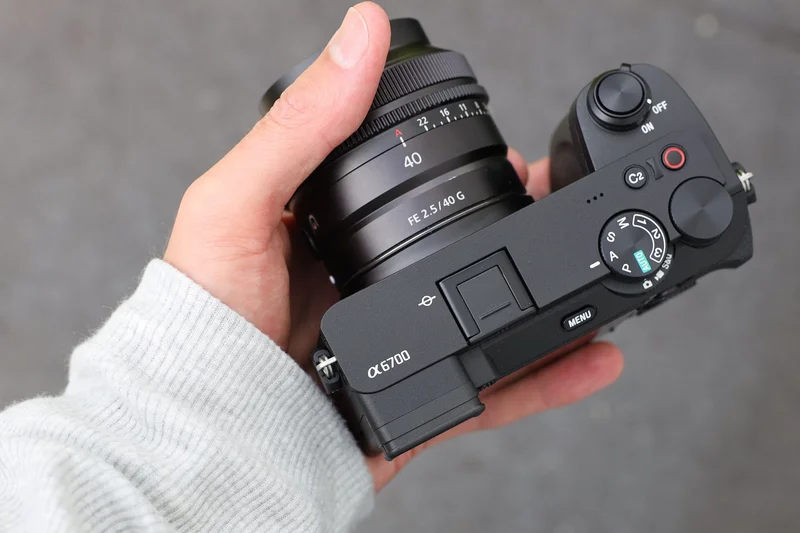
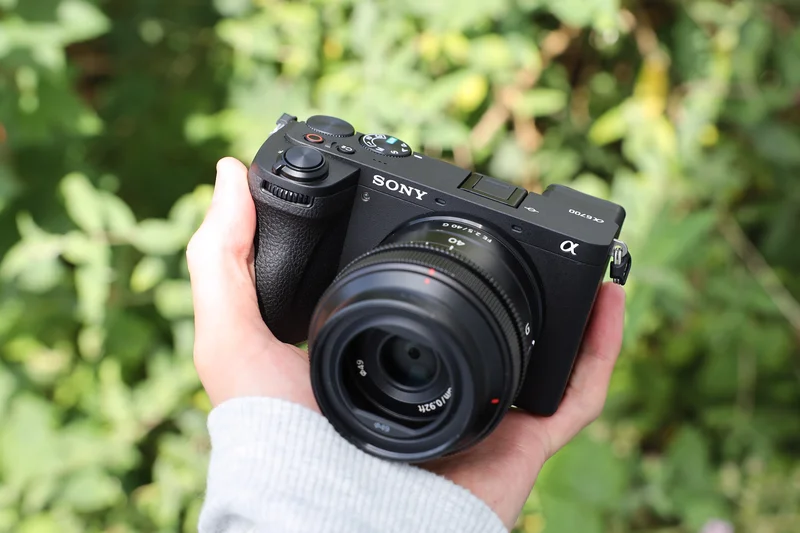
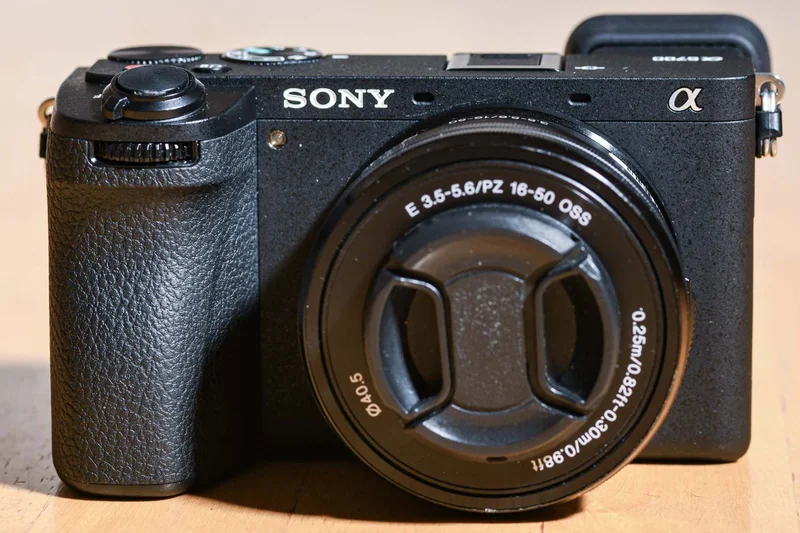
Why we picked it: The Sony a6700 is an absolute powerhouse that redefines what we expect from an entry-level to mid-range APS-C camera. During our testing, the AI-driven autofocus system was nothing short of miraculous, sticking to subjects, eyes, and even vehicles with a tenacity that makes out-of-focus shots a rarity. For a beginner, this is the ultimate confidence booster. You don't have to fight the camera to get the shot; you just compose and shoot. Its 26MP BSI CMOS sensor delivers phenomenal dynamic range and low-light performance, making the leap from a smartphone immediately obvious in the final files. Furthermore, the inclusion of 4K 120p video and 10-bit color makes it a formidable hybrid tool for those looking to explore serious filmmaking. Ergonomically, the camera features a robust, weather-sealed magnesium alloy body with a deep, comfortable grip that perfectly balances larger lenses. The Sony E-mount ecosystem is unparalleled, offering a massive array of first- and third-party lenses that range from ultra-budget to professional. While the menu system is still undeniably dense, the inclusion of touch functionality and a dedicated AI processor for autofocus easily justifies the learning curve and the premium price tag. It earns its place as our top pick because it not only caters to a beginner’s immediate needs but offers an incredibly high ceiling for growth.
Key Specs
- 26MP APS-C BSI CMOS Sensor
- AI Processing Unit for AF
- 4K 120p Video
- 5-axis In-Body Image Stabilization
What we like
- Class-leading AI autofocus
- Exceptional 4K 120p video features
- Massive lens ecosystem
- Great battery life and build
What we don't like
- Menus can still feel overly complex
- Higher price point for absolute beginners
Best for: Serious beginners wanting a future-proof hybrid camera that excels in both photo and video.
Considering the Sony a6700 vs Fujifilm X-S20? The a6700 has significantly better autofocus tracking, while the X-S20 offers built-in film simulations and a more tactile vintage feel.
The ultimate APS-C hybrid camera that pairs professional-grade AI autofocus with incredible image quality.
Buy at Sony official site#2 Sony ZV-E10 II
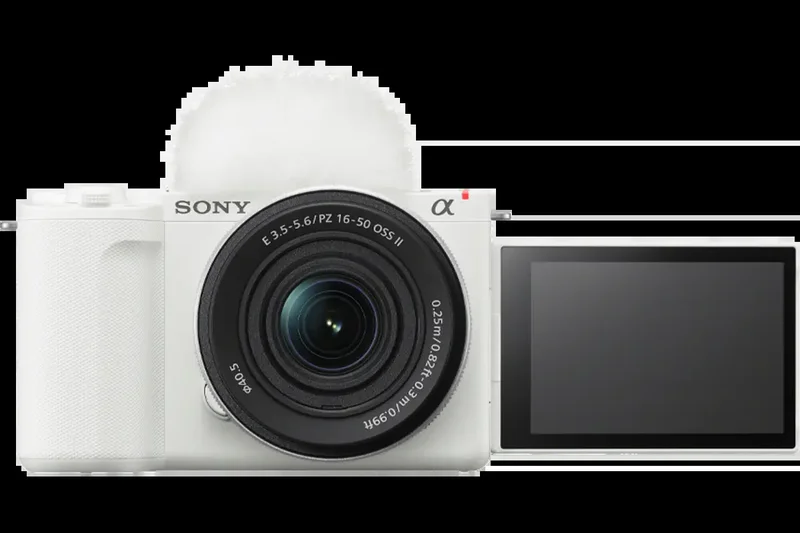
Why we picked it: The Sony ZV-E10 II takes the blueprint of its popular predecessor and supercharges it with the 26MP sensor from the a6700, making it an absolute dream for aspiring vloggers and content creators. We were thoroughly impressed by the jump to 4K 60p 10-bit video, which offers significant flexibility in post-production. The lack of a viewfinder might deter traditional photography purists, but for users accustomed to composing on a smartphone screen, the fully articulating touch display feels incredibly intuitive. The addition of the NP-FZ100 battery is a game-changer; battery anxiety is virtually eliminated, allowing you to shoot continuously through long vlogging sessions. The built-in 3-capsule directional microphone provides surprisingly usable audio right out of the box, reducing the immediate need for external audio gear. Sony’s Product Showcase and Background Defocus modes return, performing flawlessly thanks to the upgraded phase-detection AF system with 759 points. If your primary goal is video creation for YouTube or TikTok, and you want access to Sony's vast E-mount lens lineup without spending a fortune, the ZV-E10 II is currently the best budget-friendly hybrid camera on the market.
Key Specs
- 26MP APS-C Exmor R CMOS Sensor
- BIONZ XR Processor
- 4K 60p 10-bit Video
- NP-FZ100 High-Capacity Battery
What we like
- Massive battery life improvement
- Superb 4K 10-bit video quality
- Excellent built-in microphone
- Reliable product showcase AF
What we don't like
- No electronic viewfinder
- Lacks in-body image stabilization
Best for: Aspiring YouTubers and vloggers who prioritize video performance and battery life.
Considering the ZV-E10 II vs the original ZV-E10? The Mark II justifies its price bump with vastly superior battery life and professional 10-bit color depth.
The preeminent budget vlogging camera, offering stunning 4K video and endless lens options.
Buy at Sony official site#3 Fujifilm X-S20
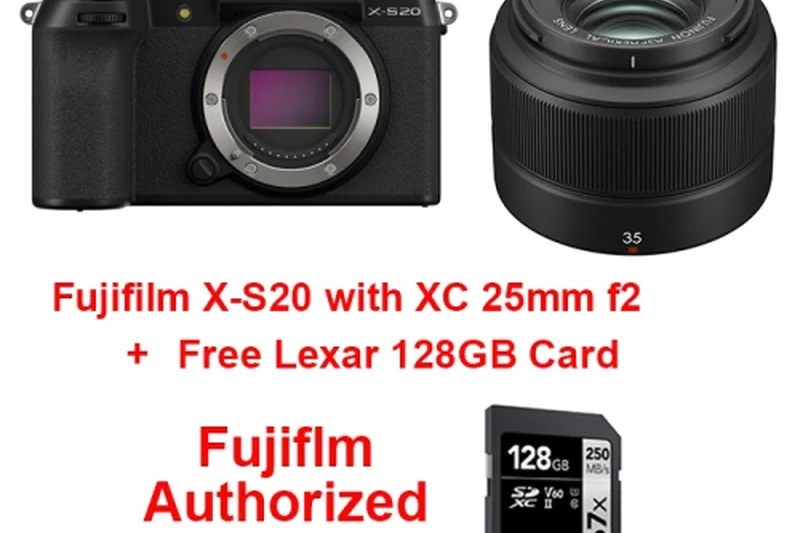
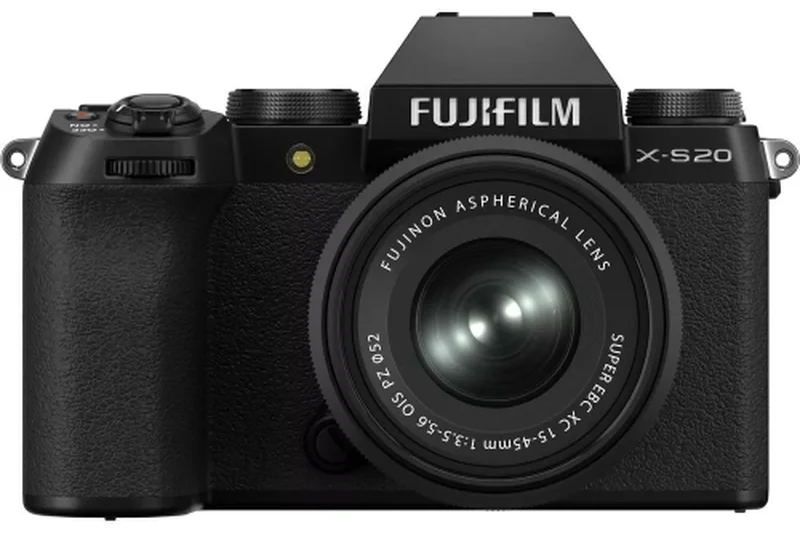
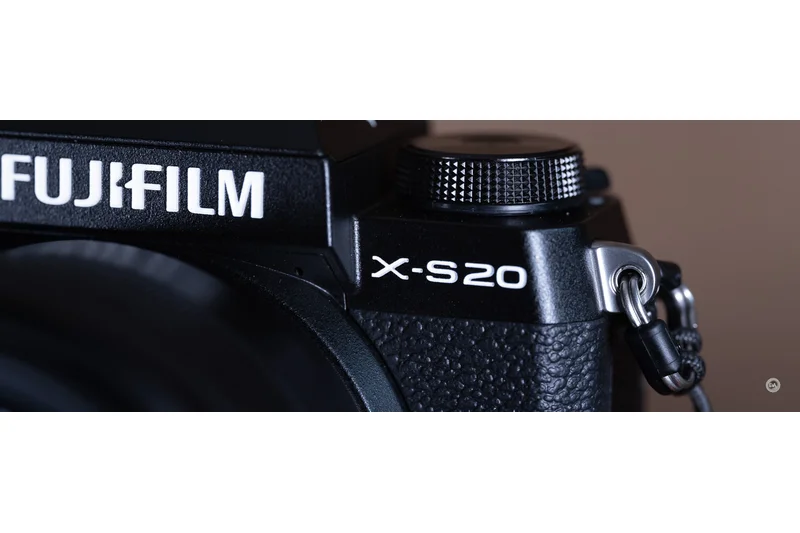
Why we picked it: The Fujifilm X-S20 strikes an incredible balance between retro charm and modern hybrid performance. Unlike the dial-heavy X-T series, the X-S20 utilizes a traditional PASM mode dial, which makes the transition much smoother for beginners accustomed to standard digital interfaces. We loved the dedicated 'Vlog' setting on the dial, which immediately transforms the touch interface to prioritize video recording functions like product showcase and background defocus. Under the hood, the 26.1MP X-Trans sensor combined with the newer X-Processor 5 delivers Fujifilm's legendary color science straight out of the camera. The Film Simulations—such as Classic Chrome and Provia—mean beginners can get stylized, ready-to-share JPEGs without ever touching editing software. It also boasts a robust 7-stop in-body image stabilization system, which proved invaluable for shooting handheld video and low-light photography. The deep grip makes it incredibly comfortable to hold, even with larger lenses. While it's slightly pricier than some entry-level competitors, the X-S20’s massive battery life and spectacular straight-out-of-camera image quality make it a compelling choice for both photo and video.
Key Specs
- 26.1MP X-Trans CMOS 4 Sensor
- 6.2K 30p 10-bit Video
- 7-Stop In-Body Image Stabilization
- Dedicated Vlog Mode
What we like
- Gorgeous Film Simulations for straight-to-social JPEGs
- Excellent 7-stop IBIS
- Very comfortable deep grip
- Dedicated Vlog mode simplifies video
What we don't like
- Pricier than pure entry-level models
- Autofocus isn't quite at Sony's level
Best for: Creatives who want beautiful colors straight out of the camera with strong hybrid capabilities.
Considering the Fujifilm X-S20 vs X-T50? The X-S20 offers better battery life and a deeper grip, while the X-T50 provides a higher resolution 40MP sensor and a classic dial layout.
A wonderfully balanced hybrid camera that delivers gorgeous photos and highly stabilized video effortlessly.
Buy at Fujifilm official site#4 Canon EOS R8
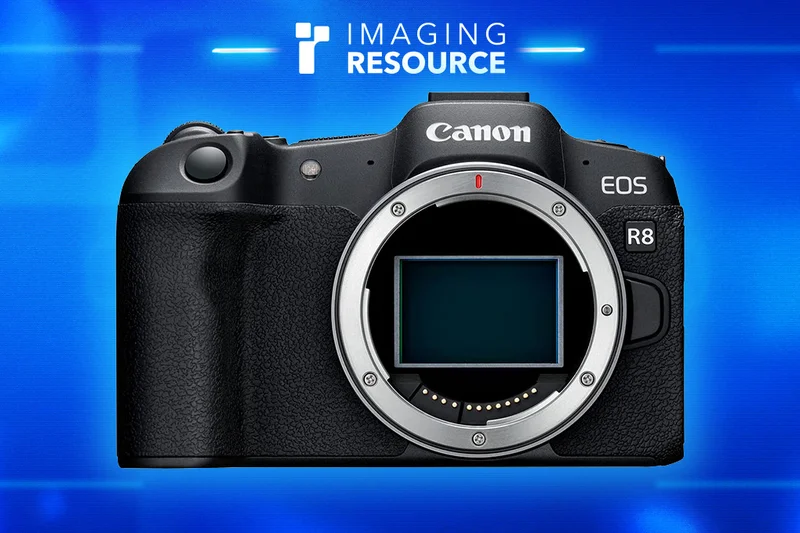
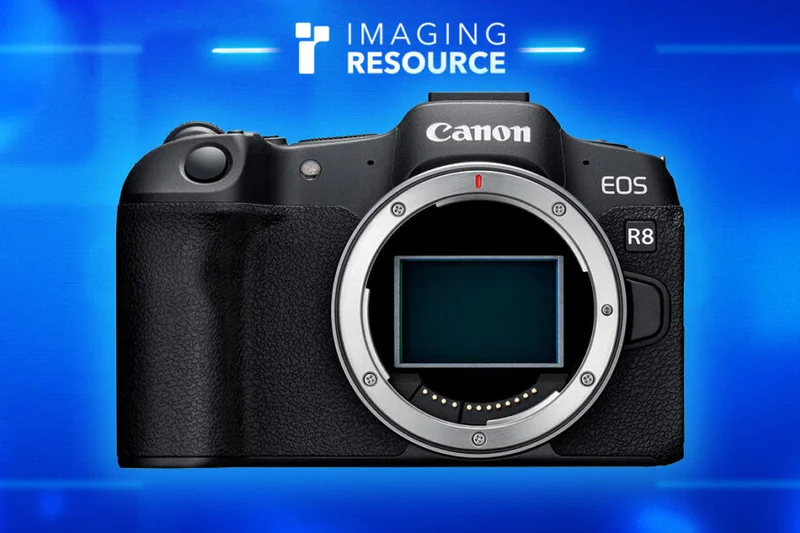
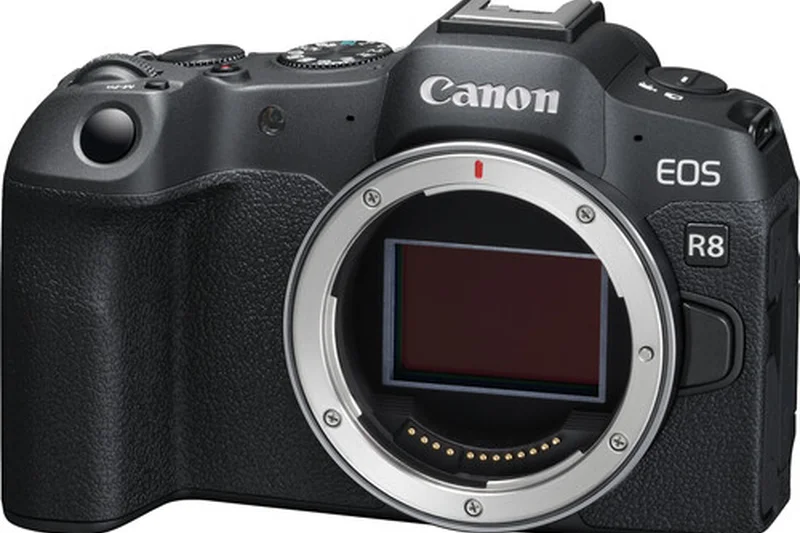
Why we picked it: For beginners who are absolutely determined to jump straight into the world of full-frame photography, the Canon EOS R8 is an extraordinary gateway. It inherits the stellar 24.2MP sensor and the lightning-fast Dual Pixel CMOS AF II from the professional-grade EOS R6 Mark II, packing them into an astonishingly light and compact body. The image quality is breathtaking, offering that coveted full-frame shallow depth of field and remarkable high-ISO performance that APS-C sensors struggle to match. The autofocus system practically reads your mind, effortlessly tracking faces, eyes, and animals. It also shoots uncropped 4K 60p video, making it a stellar video performer. The compromises to reach this price point are noticeable but manageable: the battery life is relatively weak, and it lacks in-body image stabilization (IBIS). However, its guided user interface is among the best in the industry, taking you by the hand and explaining exactly what aperture, shutter speed, and ISO do in real-time. For purists wanting full-frame magic without the bulk, the R8 is unmatched.
Key Specs
- 24.2MP Full-Frame CMOS Sensor
- Dual Pixel CMOS AF II
- 4K 60p 10-bit Video
- 40 fps Electronic Shutter
What we like
- Stunning full-frame image quality
- Top-tier Dual Pixel autofocus
- Uncropped 4K 60p video
- Extremely lightweight for full-frame
What we don't like
- No in-body image stabilization
- Poor battery life
Best for: Beginners seeking the distinct look of full-frame photography in a lightweight, intuitive package.
Considering the Canon EOS R8 vs Nikon Z5? The R8 destroys the Z5 in video and autofocus speed, but the Z5 offers IBIS and dual card slots.
The most accessible entry point to professional-grade full-frame autofocus and image quality.
Buy at Canon official site#5 Nikon Z50II
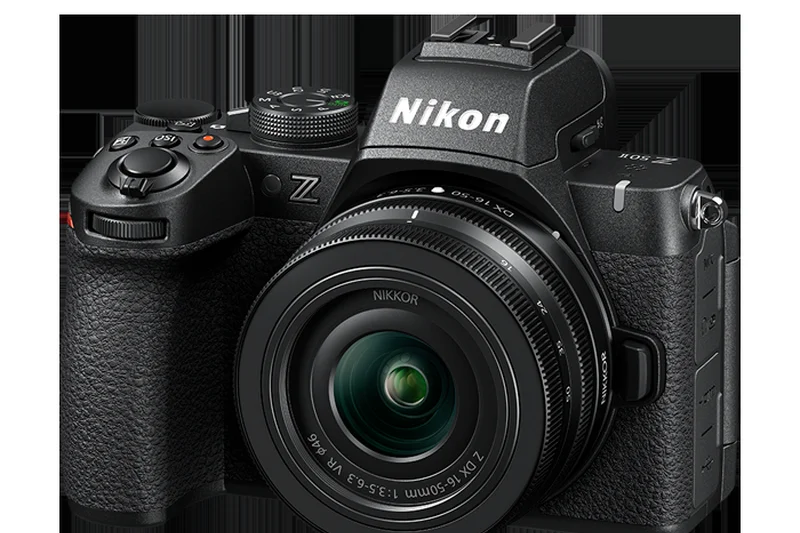
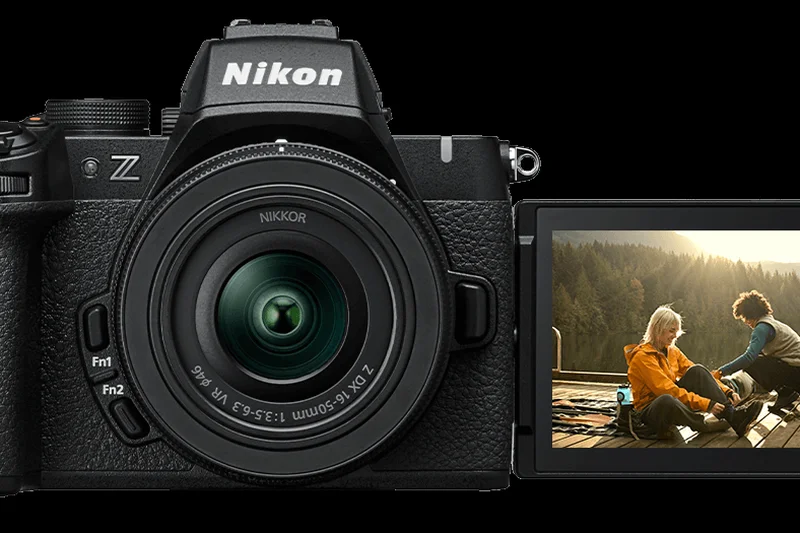
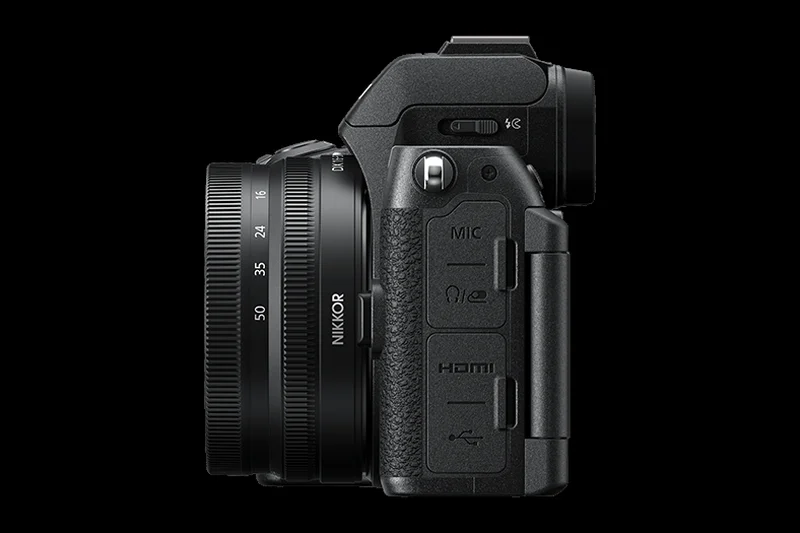
Why we picked it: The Nikon Z50II revitalizes Nikon's DX-format lineup with the powerful EXPEED 7 processor, bringing flagship-level autofocus capabilities to an accessible price point. The 3D tracking and subject recognition algorithms, ported down from the mighty Z9, completely transform the shooting experience. During testing, it locked onto subjects with a tenacity that makes capturing moving kids or pets remarkably easy. The 20.9MP sensor, while lower in resolution than some rivals, delivers exceptional dynamic range and low-noise images at higher ISOs. It’s also incredibly well-built; the ergonomics and deep grip make it one of the most comfortable cameras to hold in its class. For video, the addition of 4K 60p 10-bit internal recording is a massive step up, making it a viable tool for serious content creation. While the Z-mount APS-C lens ecosystem is still growing, the Z50II’s brilliant interface, exceptional build quality, and class-leading autofocus make it a standout option for newcomers.
Key Specs
- 20.9MP DX-Format Sensor
- EXPEED 7 Processor
- 4K 60p 10-bit Video
- 3D Tracking with Subject Recognition
What we like
- Flagship-level 3D tracking autofocus
- Excellent ergonomics and grip
- 4K 60p 10-bit video is a huge upgrade
- Great high-ISO performance
What we don't like
- Lower resolution than competitors
- Limited native DX lens selection
Best for: Beginners who value comfortable ergonomics and need high-end autofocus for active subjects.
Considering the Nikon Z50II vs Canon EOS R50? The Z50II has much better build quality and 10-bit video, though the R50 is cheaper and slightly more beginner-guided.
A phenomenally comfortable and capable APS-C camera with professional-grade subject tracking.
Buy at Nikon official site#6 Panasonic Lumix S9
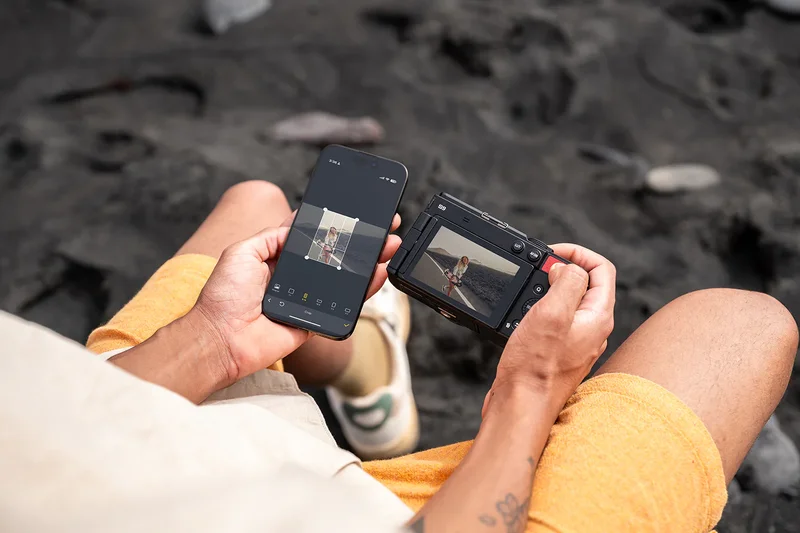

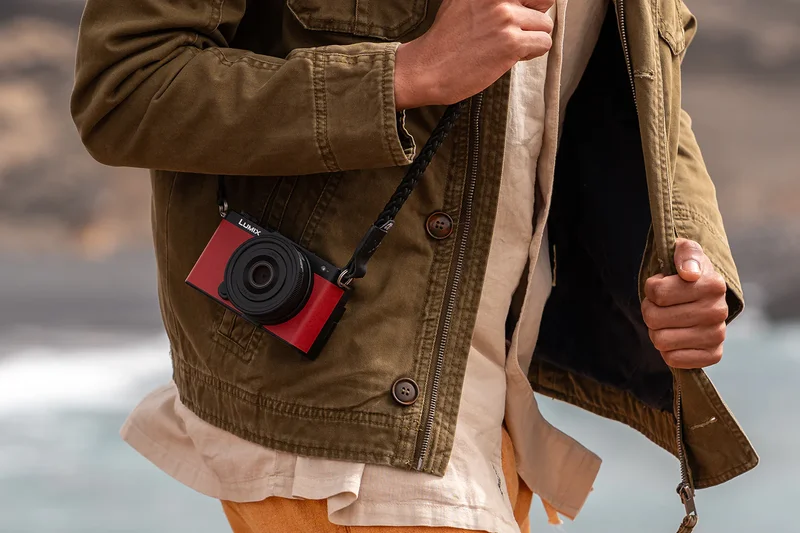
Why we picked it: The Panasonic Lumix S9 is a striking full-frame camera aimed squarely at the social media generation. Its compact, rangefinder-style design lacks a viewfinder, which helps keep the footprint small but might frustrate some purists. However, the 24.2MP full-frame sensor delivers gorgeous, expansive image quality. Its standout feature is the dedicated REAL TIME LUT button, allowing beginners to apply cinematic color grades directly to their photos and videos in-camera. Paired with the new Lumix Lab app, transferring content to a smartphone is seamless and fast. The addition of phase-hybrid autofocus finally resolves Panasonic's historical AF hunting issues. Open Gate 6K video recording gives creators unparalleled flexibility for cropping vertical and horizontal formats from the same clip.
Key Specs
- 24.2MP Full-Frame CMOS Sensor
- REAL TIME LUT via Dedicated Button
- Open Gate 6K Video
- Lumix Lab App Integration
What we like
- Incredible full-frame image quality
- REAL TIME LUTs for instant color grading
- Open Gate 6K is perfect for social media
- Reliable phase-hybrid autofocus
What we don't like
- No electronic viewfinder
- Lacks a mechanical shutter
Best for: Social media creators who want full-frame aesthetics with instant smartphone sharing capabilities.
Considering the Lumix S9 vs Sony ZV-E10 II? The S9 offers a massive full-frame sensor and better stabilization, but the Sony is much cheaper with a deeper native lens lineup.
A radically modern full-frame camera built to supercharge social media content creation.
Buy at Panasonic official site#7 Fujifilm X-T50
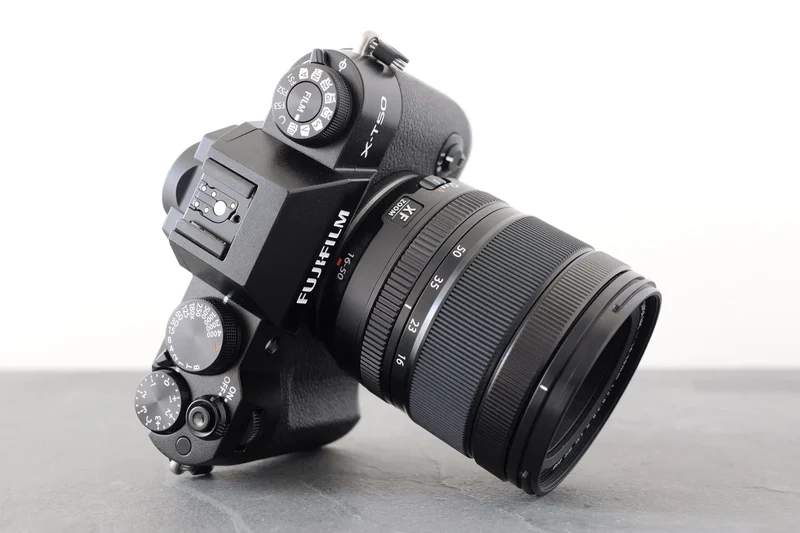
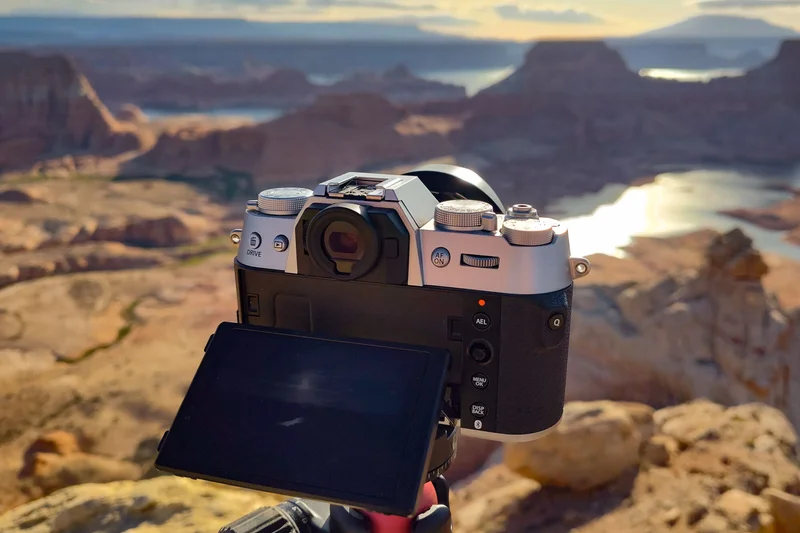
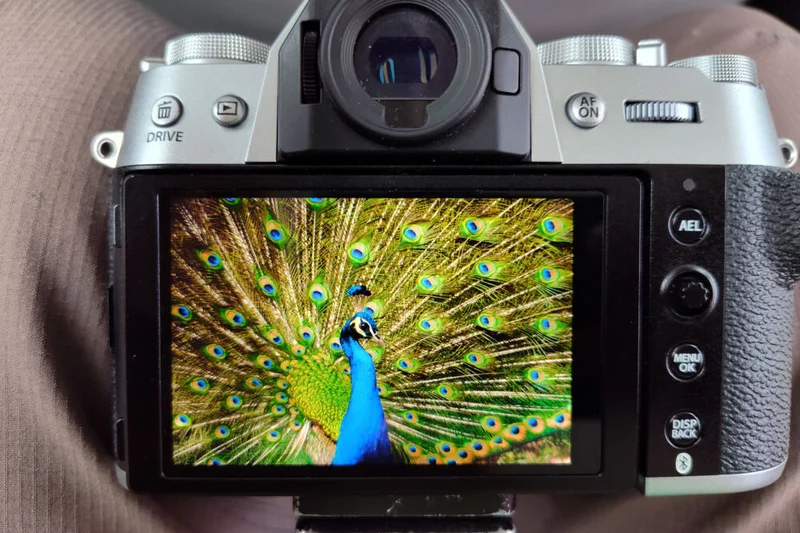
Why we picked it: The Fujifilm X-T50 brings the massive 40MP resolution of the flagship models down to a much more accessible and portable body. The inclusion of a dedicated Film Simulation dial on the top plate is a masterstroke for beginners, encouraging experimentation with Fuji's beloved color profiles without diving into menus. The 7-stop IBIS system ensures that the high-resolution sensor isn't compromised by camera shake. Its retro aesthetic is gorgeous, and the tactile dials help beginners understand the exposure triangle intimately. While the battery life isn't top-tier, the incredible detail, 6.2K video capabilities, and unmatched JPEG output make it a fantastic learning tool for photography enthusiasts.
Key Specs
- 40MP X-Trans CMOS 5 HR Sensor
- Dedicated Film Simulation Dial
- 7-Stop IBIS
- 6.2K 30p Video
What we like
- Class-leading 40MP resolution
- Dedicated Film Simulation dial
- Gorgeous retro styling
- Excellent image stabilization
What we don't like
- Average battery life
- Slightly smaller grip
Best for: Photography purists who want massive resolution and tactile controls to learn the craft.
Considering the X-T50 vs Nikon Z fc? The X-T50 offers double the resolution, IBIS, and vastly superior video specs compared to the Nikon.
A high-resolution, retro-styled masterpiece that makes learning photography a tactile joy.
Buy at Fujifilm official site#8 Canon EOS R50
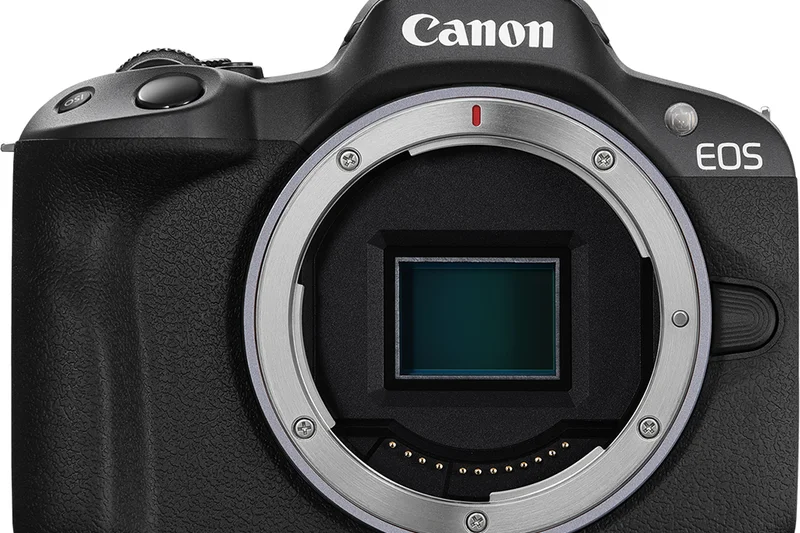
Why we picked it: The Canon EOS R50 is arguably the best pure beginner camera on the market in terms of sheer ease of use. It is tiny, lightweight, and features a visual interface that actively teaches you how to take better photos by explaining settings on the fly. The Dual Pixel AF II is incredibly reliable, ensuring faces and eyes are always sharp. The 24.2MP APS-C sensor produces vibrant, pleasing colors straight out of the camera. It’s significantly cheaper than premium models, making it an incredible value. While the RF-S lens lineup is currently somewhat limited, the camera itself is a joy to use and perfect for those upgrading from a smartphone.
Key Specs
- 24.2MP APS-C CMOS Sensor
- DIGIC X Image Processor
- 4K 30p Video
- Fully Articulating Touchscreen
What we like
- Unbeatable guided user interface
- Superb dual-pixel autofocus
- Highly affordable and compact
- Great oversampled 4K video
What we don't like
- Limited native RF-S lens selection
- No in-body stabilization
Best for: Absolute beginners looking for an affordable, guided, and highly capable first camera.
Considering the EOS R50 vs Sony a6100? The R50 offers a much more modern interface, better video specs, and a more intuitive touchscreen experience.
The perfect gateway camera, offering a highly educational interface and stunning image quality for the price.
Buy at Canon official site#9 Fujifilm X-M5
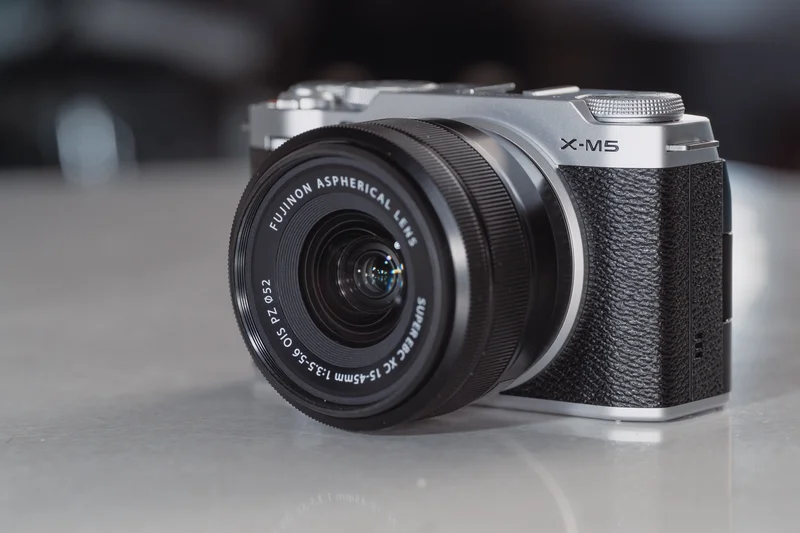
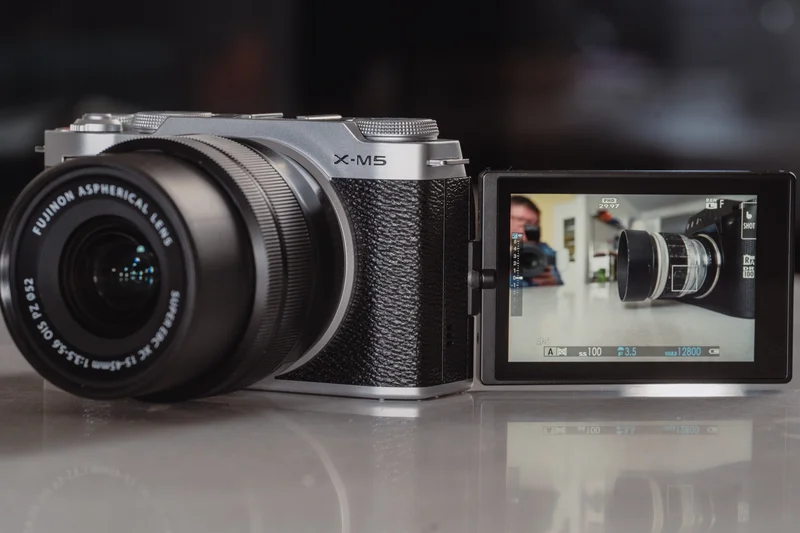
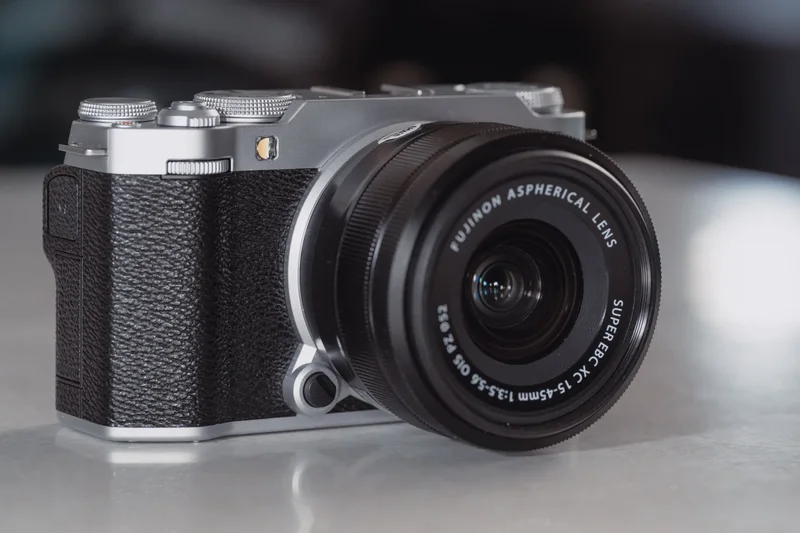
Why we picked it: The Fujifilm X-M5 is an ultra-compact marvel that strips away the electronic viewfinder to offer a truly pocketable APS-C experience. It inherits the excellent 26.1MP X-Trans sensor and AI-assisted autofocus from higher-end models, delivering punchy, high-quality images. The focus here is clearly on vlogging and everyday carry; it includes a convenient Film Simulation dial and advanced video features. It lacks a viewfinder and IBIS, which keeps the price and weight down, but the convenient USB-C charging and highly intuitive touch interface make it a brilliant daily driver for creators stepping up from a smartphone.
Key Specs
- 26.1MP APS-C X-Trans Sensor
- Ultra-Compact Body (No EVF)
- Film Simulation Dial
- AI-assisted Autofocus
What we like
- Extremely portable design
- Incredible straight-out-of-camera colors
- Dedicated film simulation dial
- Great vlogging features
What we don't like
- No electronic viewfinder
- Lacks in-body image stabilization
Best for: Everyday creators and travelers who want Fujifilm colors in the smallest possible package.
Considering the X-M5 vs Sony ZV-E10? The X-M5 provides a much more engaging color science with its film simulations, though the Sony has a slightly better autofocus system.
A pocket-sized powerhouse that brings beloved film simulations to a highly portable vlogging body.
Buy at Fujifilm official site#10 Nikon Z5
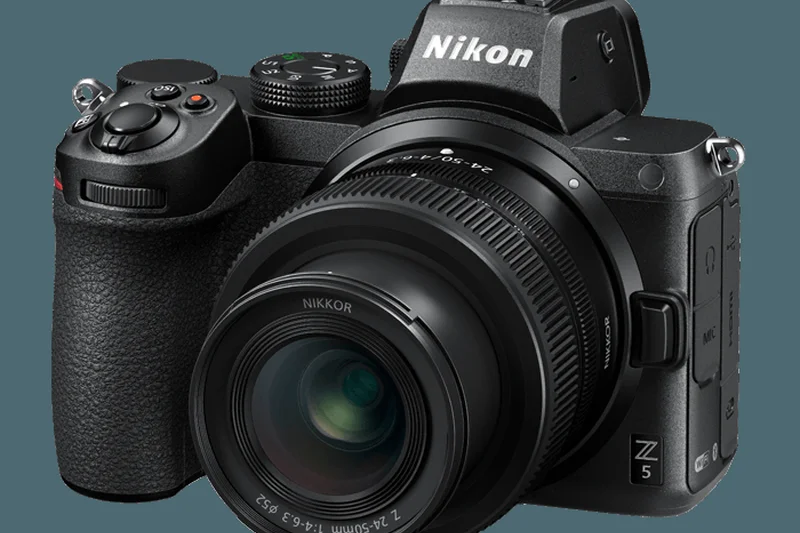
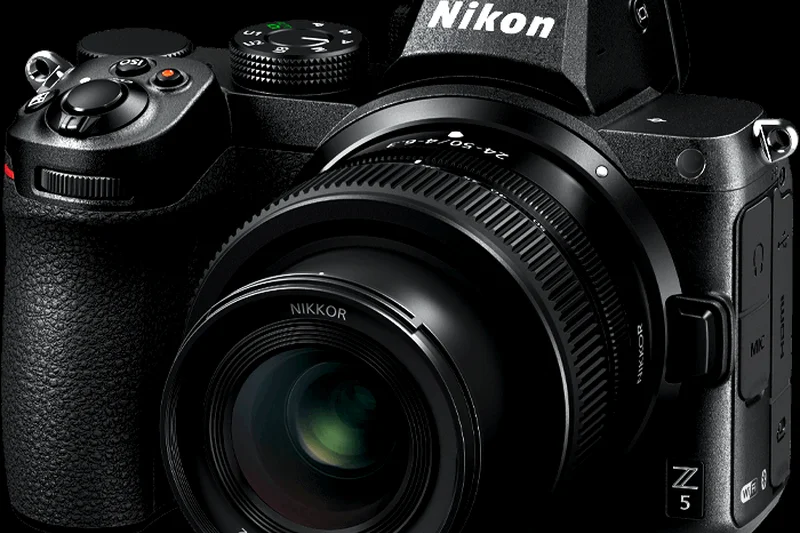
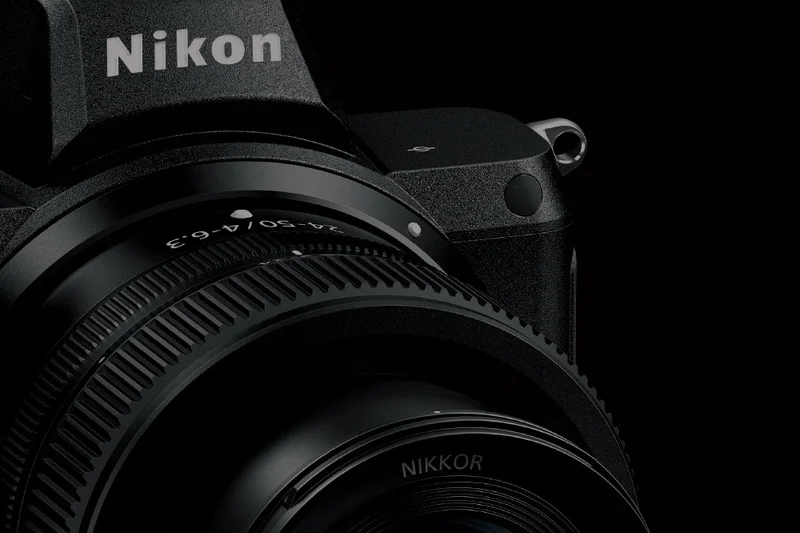
Why we picked it: The Nikon Z5 remains the best value-oriented full-frame camera available. It doesn't have the blistering speed or advanced video features of newer models, but it offers a robust, weather-sealed body, dual card slots, and in-body image stabilization at a price that is hard to ignore. The 24.3MP sensor captures stunning detail and dynamic range. For a beginner whose primary interest is landscape, portraiture, or studio photography rather than fast action or vlogging, the Z5 is an incredibly sensible entry into full-frame photography.
Key Specs
- 24.3MP Full-Frame CMOS Sensor
- Dual SD Card Slots
- In-Body Image Stabilization
- Weather-Sealed Construction
What we like
- Highly affordable full-frame
- In-body image stabilization
- Excellent weather sealing
- Dual SD card slots
What we don't like
- Heavily cropped 4K video
- Slower burst shooting
Best for: Still-photography beginners wanting professional full-frame features on a tight budget.
Considering the Z5 vs Canon EOS RP? The Z5 offers IBIS, a better battery, and dual card slots, making it a much more robust photography tool.
The most practical, feature-rich entry point into full-frame landscape and portrait photography.
Buy at Nikon official site#11 Sony ZV-E10
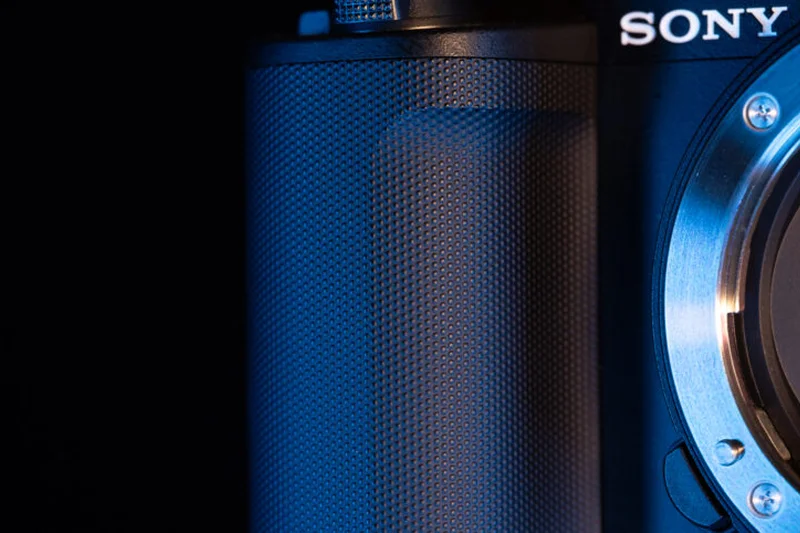
Why we picked it: The original Sony ZV-E10 remains an incredibly popular option for beginners stepping into vlogging. Although it lacks the 10-bit color depth and larger battery of the Mark II, its 24.2MP sensor still produces excellent 4K video and sharp stills. The autofocus system features real-time eye AF that reliably tracks subjects, making it virtually idiot-proof for recording yourself. The side-flip touchscreen and dedicated background defocus button are highly intuitive for newcomers. It’s an affordable entry point into the vast Sony E-mount ecosystem, though rolling shutter in fast-moving video clips is a noted downside.
Key Specs
- 24.2MP APS-C Exmor CMOS Sensor
- 4K 30p Video
- Product Showcase Setting
- Fast Hybrid AF with Real-time Eye AF
What we like
- Highly affordable vlogging kit
- Excellent microphone and AF
- Access to vast E-mount lenses
What we don't like
- Noticeable rolling shutter
- No viewfinder
Best for: Budget-conscious vloggers who want reliable autofocus and interchangeable lenses.
Considering the ZV-E10 vs Panasonic G100? The Sony offers a larger APS-C sensor and vastly superior continuous autofocus for video.
A legendary, budget-friendly vlogging camera with unbeatable autofocus for the price.
Buy at Sony official site#12 Canon EOS R10
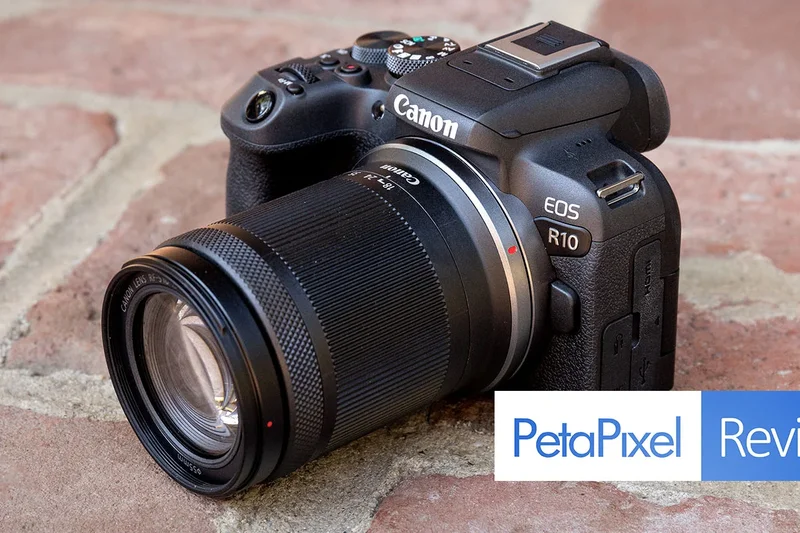
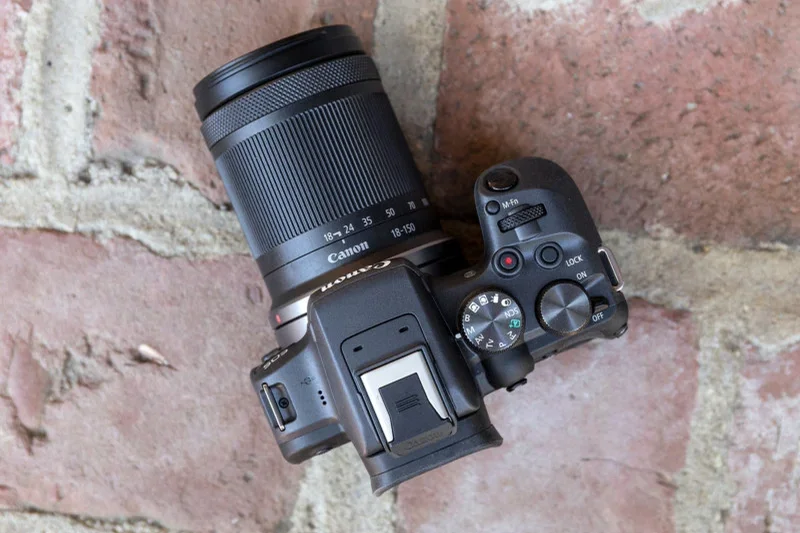
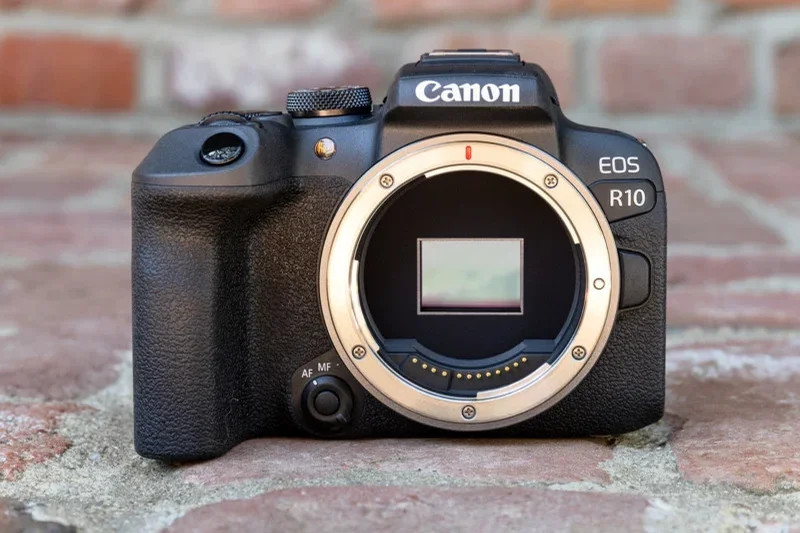
Why we picked it: The Canon EOS R10 is a speedy, highly capable APS-C camera that hits the sweet spot for sports and wildlife beginners. It boasts an impressive 23 fps electronic shutter and inherits the brilliant Dual Pixel AF tracking from higher-end bodies. The dual control dials provide a great learning experience for manual exposure control. While the 4K 60p video is slightly cropped, the overall handling and image quality are superb for a camera in this price tier.
Key Specs
- 24.2MP APS-C Sensor
- 4K 60p Video (cropped)
- 23 fps Electronic Shutter
- Dual Control Dials
What we like
- Blazing fast burst shooting
- Excellent dual-dial ergonomics
- Top-tier autofocus tracking
What we don't like
- Cropped 4K 60p video
- Limited native RF-S lenses
Best for: Beginners interested in shooting fast action, sports, or wildlife on a budget.
Considering the R10 vs Nikon Z50II? The R10 offers faster burst shooting, but the Z50II provides superior uncropped 10-bit video.
A fast, ergonomically excellent camera perfect for learning action photography.
Buy at Canon official site#13 Nikon Z30
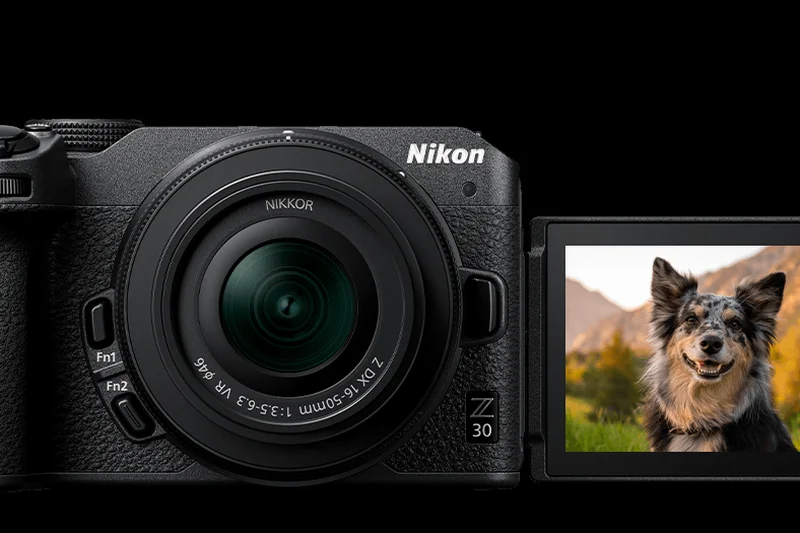
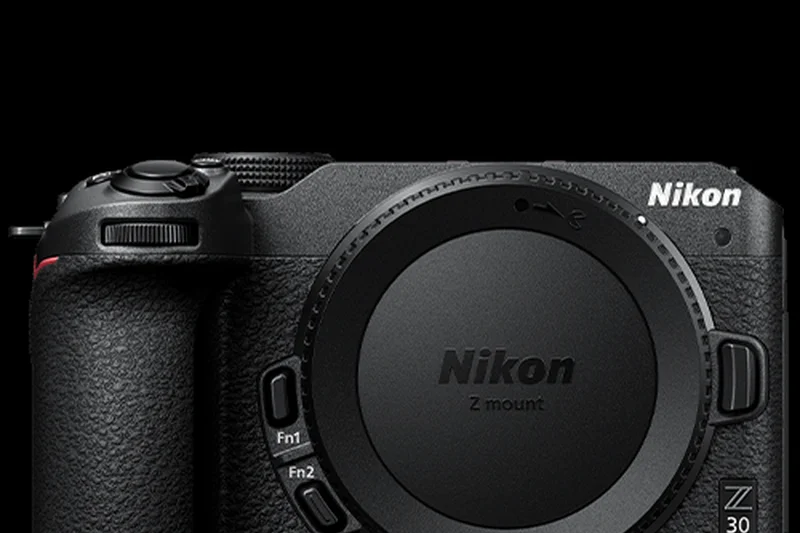
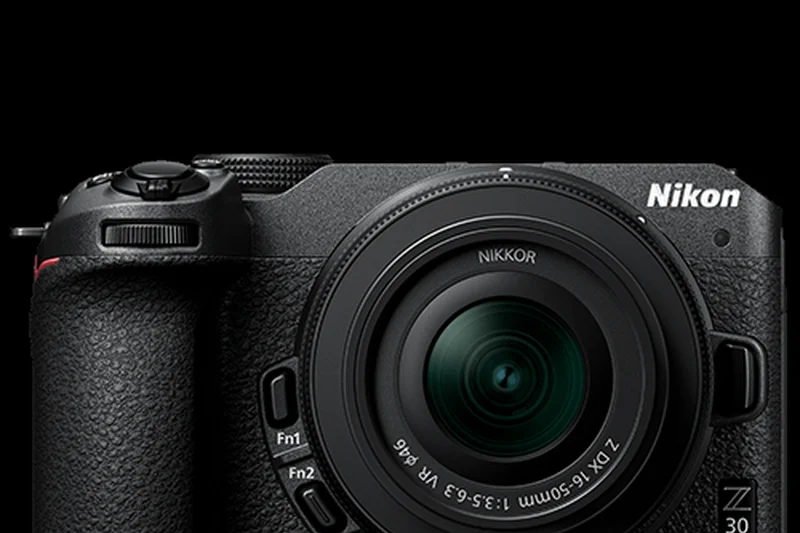
Why we picked it: The Nikon Z30 is a compact, viewfinder-less mirrorless camera aimed entirely at vloggers and travelers. It features the same great 20.9MP sensor as the Z50 but in a smaller, lighter package with a fully articulating screen. It shoots excellent uncropped 4K 30p video and has a built-in stereo mic that performs admirably. Its grip is surprisingly deep and comfortable for a compact camera, making it very easy to hold at arm's length for long periods.
Key Specs
- 20.9MP DX-Format CMOS Sensor
- UHD 4K 30p Video
- No EVF (Compact Design)
- Vari-Angle Touchscreen
What we like
- Excellent uncropped 4K video
- Very comfortable grip
- Good built-in audio
What we don't like
- No electronic viewfinder
- Lacks headphone jack
Best for: Travel vloggers needing a comfortable, lightweight camera with great video quality.
Considering the Z30 vs Sony ZV-E10? The Z30 has better ergonomics and less rolling shutter, while the Sony has better lens options.
A solid, highly ergonomic vlogging camera with excellent uncropped 4K video.
Buy at Nikon official site#14 Fujifilm X-T30 II
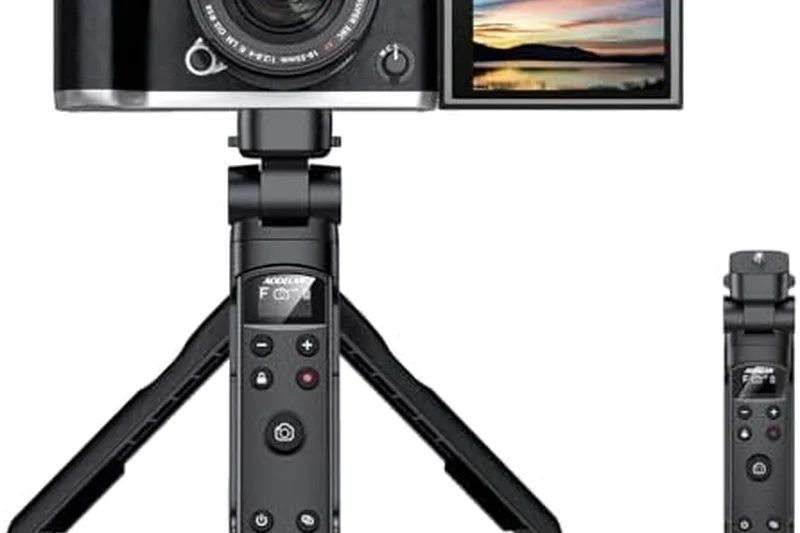
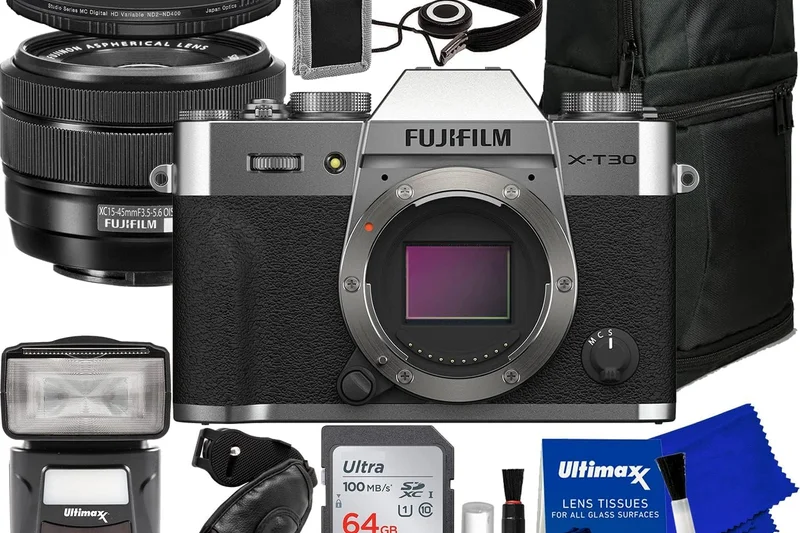
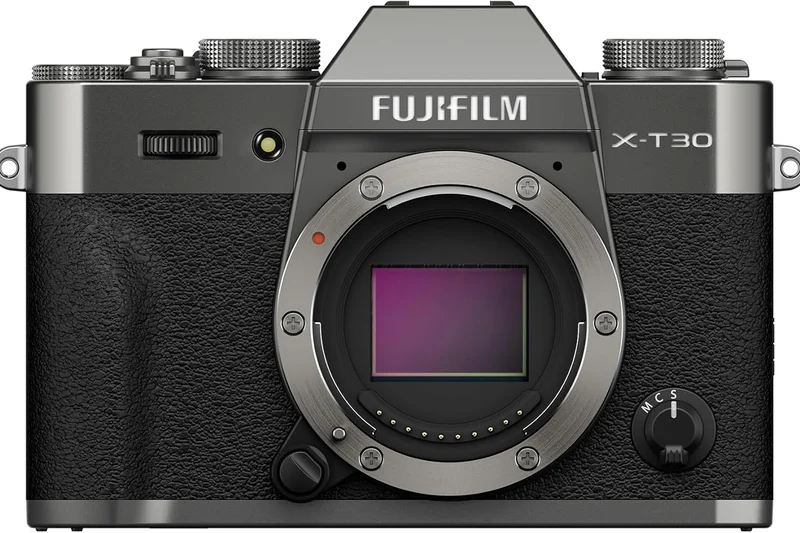
Why we picked it: The Fujifilm X-T30 II is a beautifully designed, retro-inspired camera that packs the punch of the older flagship X-T4 into a smaller body. With tactile exposure dials, it’s an excellent tool for learning the fundamentals of photography. It offers 18 Film Simulations and shoots fantastic DCI 4K 30p video. While it lacks IBIS and the screen only tilts rather than fully articulating, its charm, image quality, and robust lens ecosystem make it a perennial favorite for photography students.
Key Specs
- 26.1MP X-Trans CMOS 4 Sensor
- DCI 4K 30p Video
- 18 Film Simulations
- Tilting LCD Screen
What we like
- Beautiful retro design and tactile dials
- Superb straight-out-of-camera JPEGs
- Great 4K video quality
What we don't like
- No in-body stabilization
- Screen doesn't fully articulate
Best for: Photography students wanting hands-on control and classic aesthetics.
Considering the X-T30 II vs X-S20? The X-T30 II is cheaper and more retro, but the X-S20 offers IBIS and better battery life.
A stylish, highly capable APS-C camera that teaches the fundamentals of photography beautifully.
Buy at Fujifilm official site#15 Nikon Z fc
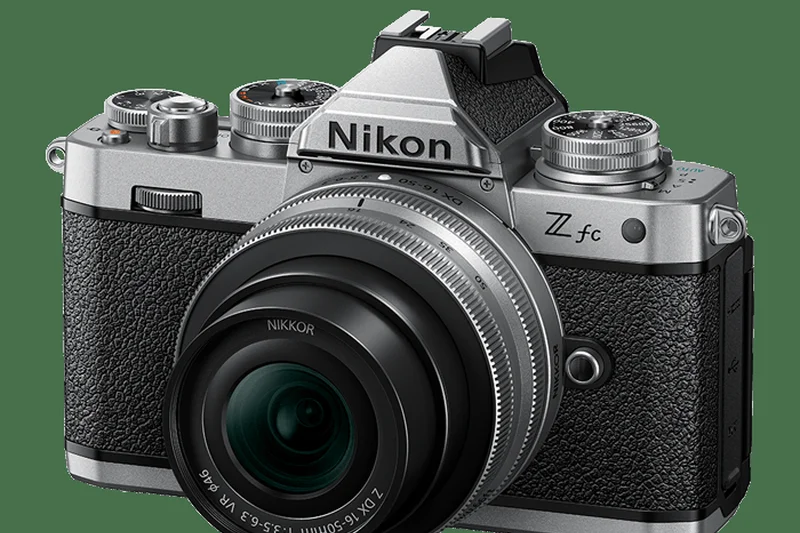
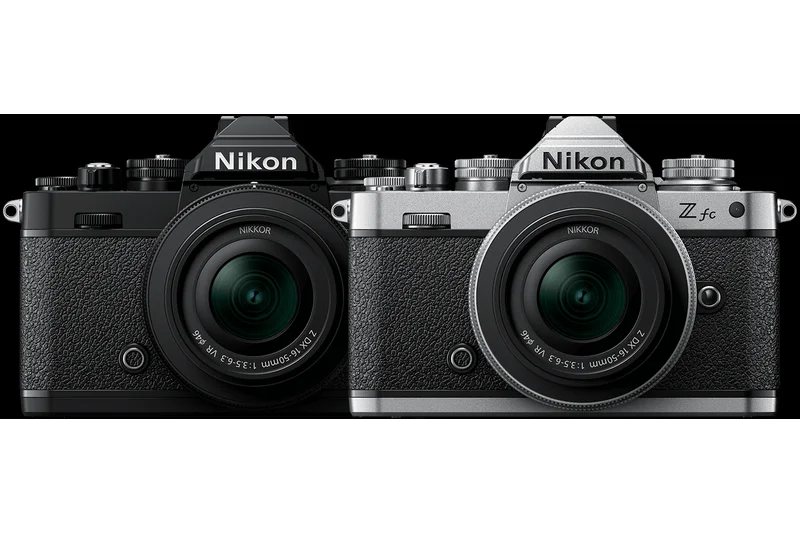
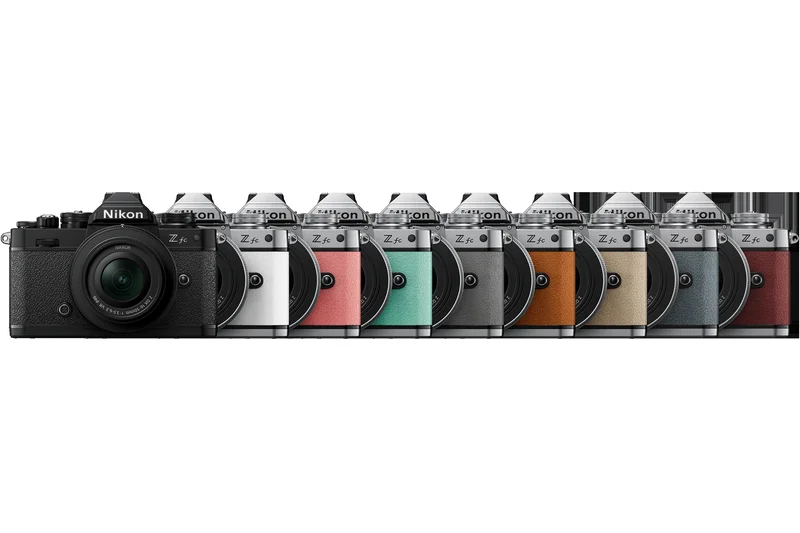
Why we picked it: The Nikon Z fc wraps modern Z-mount technology in a stunning heritage design inspired by classic Nikon film cameras. It features dedicated dials for ISO, shutter speed, and exposure compensation, making it highly educational for beginners. Inside, it’s essentially a Z50, offering a reliable 20.9MP sensor and good eye-detection AF. It also includes a fully articulating screen, making it somewhat viable for vlogging, though its primary appeal is its gorgeous, tactile shooting experience.
Key Specs
- 20.9MP DX-Format CMOS Sensor
- Heritage Design with Tactile Dials
- Vari-Angle Vlogger Screen
- USB-C Power Delivery
What we like
- Stunning vintage aesthetic
- Tactile manual controls
- Fully articulating screen
What we don't like
- No built-in flash
- Plasticky feel in some areas
Best for: Style-conscious beginners who want the look of film with the convenience of digital.
Considering the Z fc vs Fujifilm X-T30 II? Both offer retro dials, but Fuji has a deeper native APS-C lens lineup and film simulations.
A gorgeous, fun-to-use camera that perfectly blends retro styling with modern digital performance.
Buy at Nikon official site#16 OM System OM-5
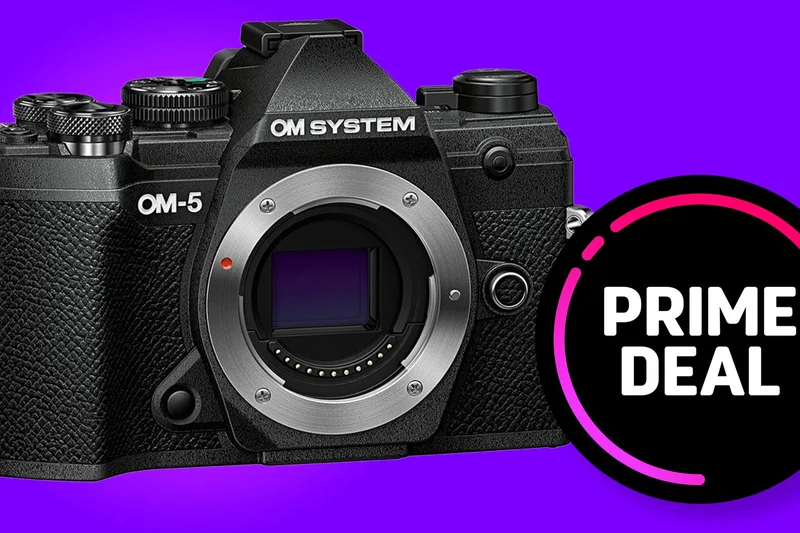
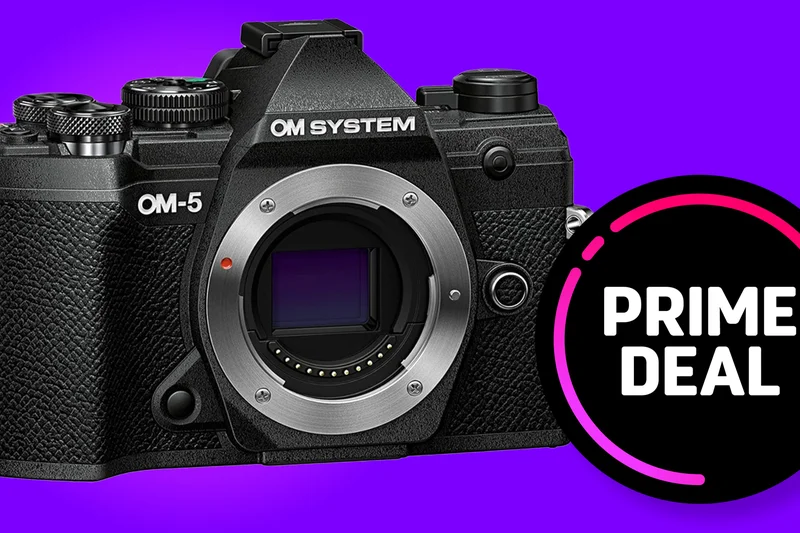
Why we picked it: The OM System OM-5 is a rugged, highly capable Micro Four Thirds camera designed for outdoor adventurers. Its IP53 weather sealing is class-leading, meaning you don't have to pack it away when it rains. The 20.4MP sensor pairs with incredible computational photography features like Live ND filters and a 50MP handheld high-res mode. While the menu is complex, the sheer portability and durability of this camera and its lenses make it perfect for hiking and travel.
Key Specs
- 20.4MP Live MOS Sensor
- IP53 Weather Sealing
- 50MP Handheld High Res Shot
- Live ND Filters
What we like
- Incredible weather sealing
- Outstanding image stabilization
- Great computational features
What we don't like
- Older menu system
- Micro USB port instead of USB-C
Best for: Outdoor enthusiasts and hikers who need a tough, lightweight camera system.
Considering the OM-5 vs Sony a6700? The OM-5 is significantly more weather-resistant and smaller, while Sony dominates in autofocus and video.
The ultimate rugged, lightweight travel camera with brilliant computational photography tools.
Buy at OM System official site#17 DJI Osmo Pocket 3
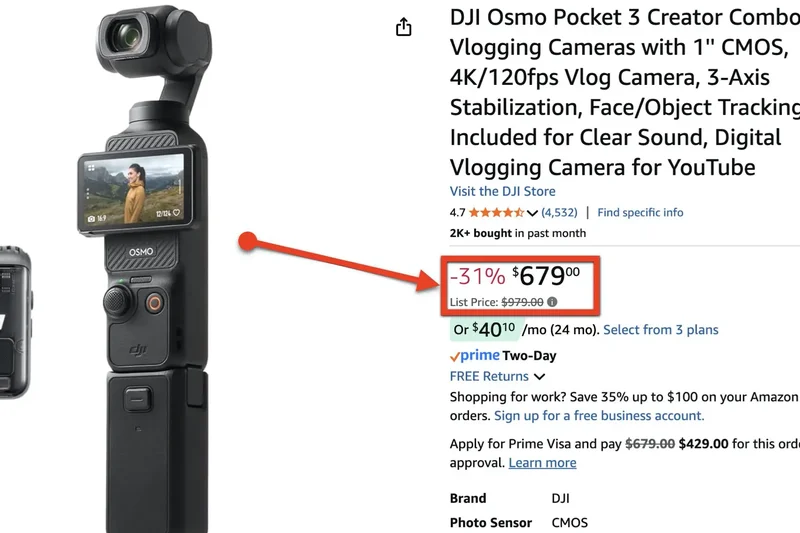
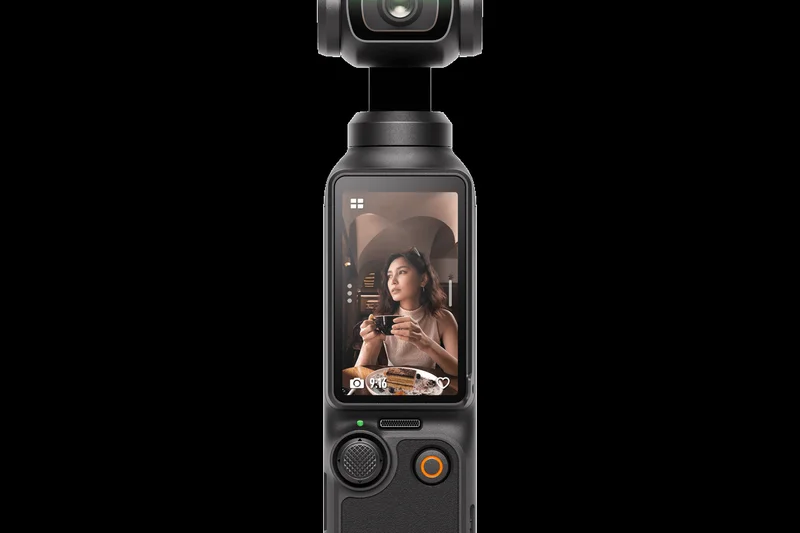
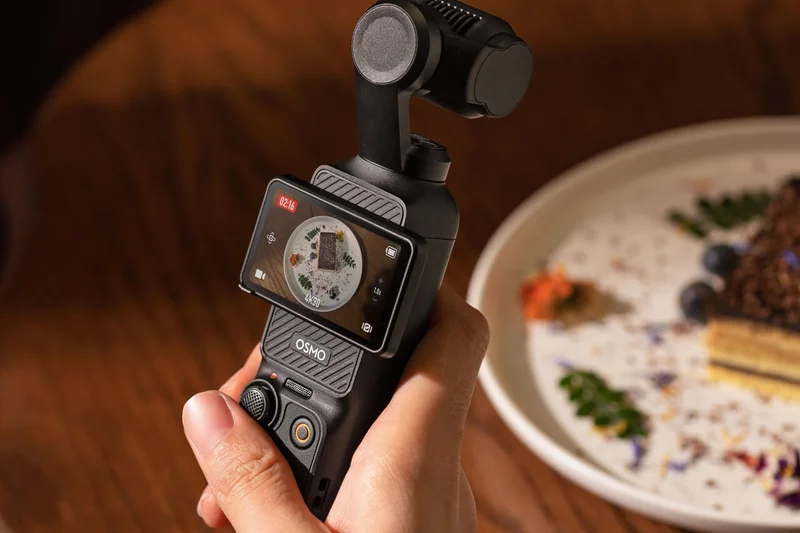
Why we picked it: The DJI Osmo Pocket 3 isn't a traditional camera, but it is revolutionary for beginner vloggers. It mounts a 1-inch sensor on a 3-axis mechanical gimbal, providing flawlessly smooth 4K 120fps video that no IBIS system can match. The 2-inch rotatable touchscreen is highly intuitive, and the ActiveTrack 6.0 keeps you perfectly framed while walking and talking. It completely eliminates the learning curve of stabilization and focus for solo content creators.
Key Specs
- 1-Inch CMOS Sensor
- 4K 120fps Video
- 2-Inch Rotatable Touchscreen
- 3-Axis Gimbal Stabilization
What we like
- Unbeatable gimbal stabilization
- Excellent 1-inch sensor quality
- Flawless subject tracking
What we don't like
- Not ideal for still photography
- Fixed lens design
Best for: Solo vloggers and content creators who need perfectly smooth, walk-and-talk video.
Considering the Pocket 3 vs GoPro HERO13? The Pocket 3 offers vastly superior low-light quality and cinematic depth, though it's less rugged.
A game-changing vlogging tool that delivers perfectly stabilized 4K video effortlessly.
Buy at DJI official site#18 Nikon Z50
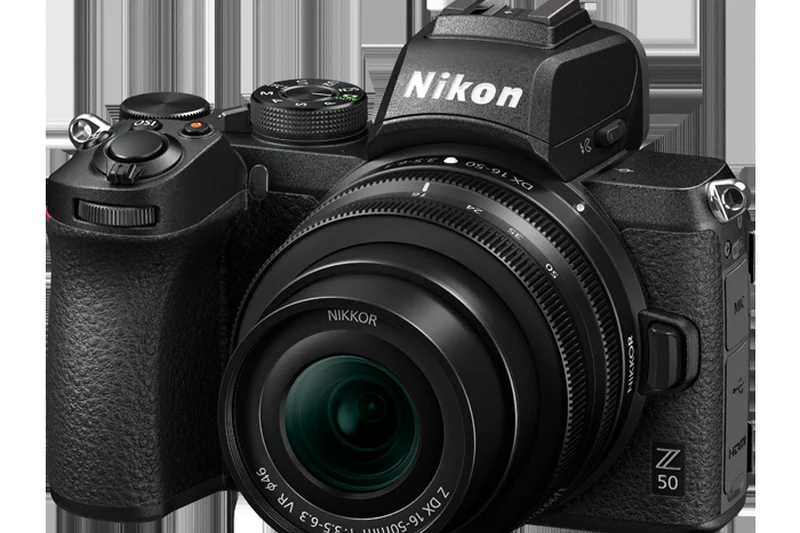
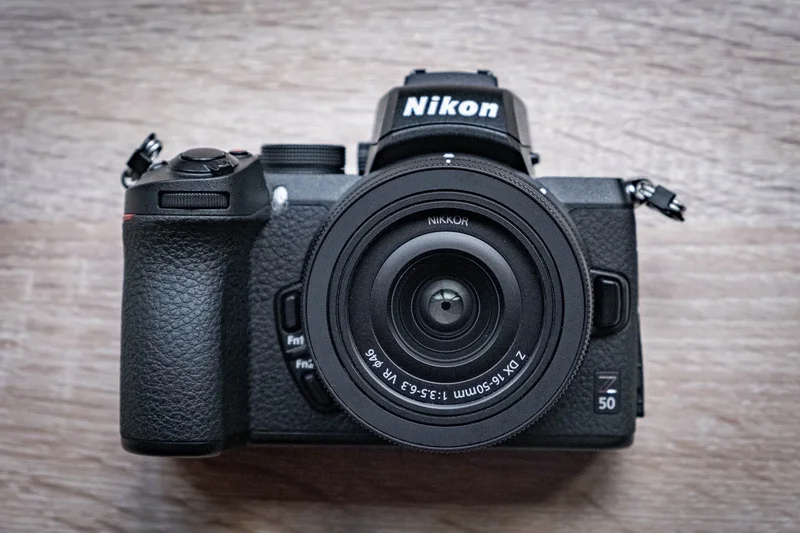
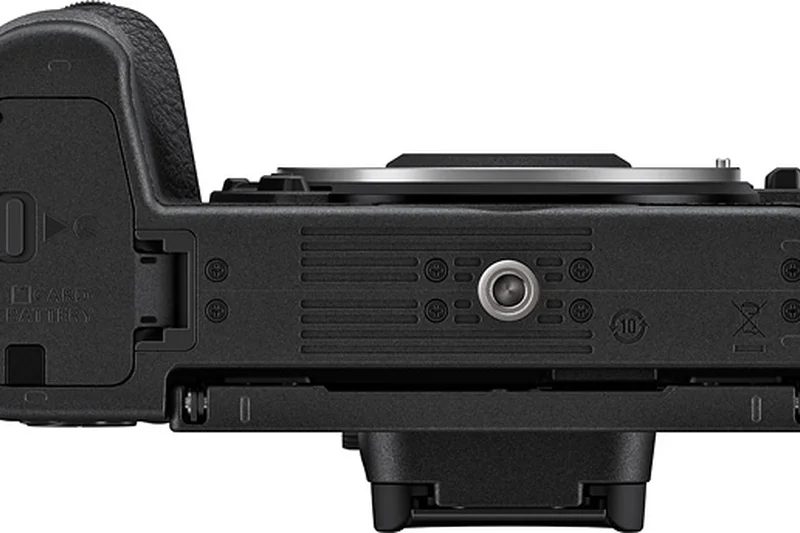
Why we picked it: The original Nikon Z50 is a highly capable entry-level APS-C camera with fantastic ergonomics. While it has been overshadowed by the Z50II, it remains a great budget buy if found on sale. It features a great 20.9MP sensor, a bright OLED EVF, and shoots 11 fps continuously. The screen tilts down 180 degrees, which is slightly awkward for vlogging with a tripod, but it is an excellent, comfortable camera for learning still photography.
Key Specs
- 20.9MP DX-Format Sensor
- UHD 4K & Full HD 120p
- 2.36m-Dot OLED EVF
- 11 fps Continuous Shooting
What we like
- Superb grip and ergonomics
- Excellent image quality
- Good electronic viewfinder
What we don't like
- Downward tilting screen
- Micro USB port
Best for: Budget buyers looking for a comfortable, reliable Nikon mirrorless camera.
Considering the Z50 vs Canon R50? The Z50 has a much better grip and viewfinder, but the Canon has vastly superior autofocus.
A solid, comfortable, and highly capable beginner camera that holds its own in image quality.
Buy at Nikon official site#19 Ricoh GR IV
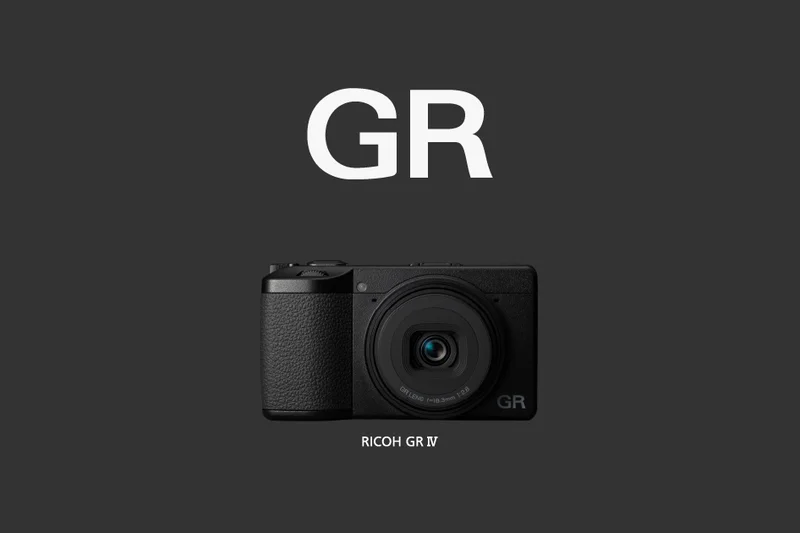
Why we picked it: The Ricoh GR IV continues the legacy of the ultimate premium street photography compact. It boasts a new 25MP APS-C sensor and an incredibly sharp 28mm equivalent f/2.8 lens, fitting easily into a jeans pocket. The new subject detection AF and advanced shake reduction make it much more beginner-friendly than previous iterations. Its monochrome profiles are legendary. It’s a niche tool, lacking zoom and video prowess, but for everyday carry and street shooting, it is unmatched.
Key Specs
- 25MP APS-C Sensor
- 28mm f/2.8 Lens
- Advanced In-Body Shake Reduction
- New Subject Detection AF
What we like
- Truly pocketable APS-C quality
- Incredibly sharp lens
- Beautiful monochrome profiles
What we don't like
- No optical zoom
- Poor video capabilities
Best for: Street photographers and everyday documentarians who want an invisible, high-quality camera.
Considering the GR IV vs Fujifilm X-M5? The GR IV is truly pocketable with a fixed lens, while the X-M5 offers interchangeable lenses.
The ultimate pocketable street camera, refined with better autofocus and stabilization.
Buy at Ricoh official site#20 Sony a6400
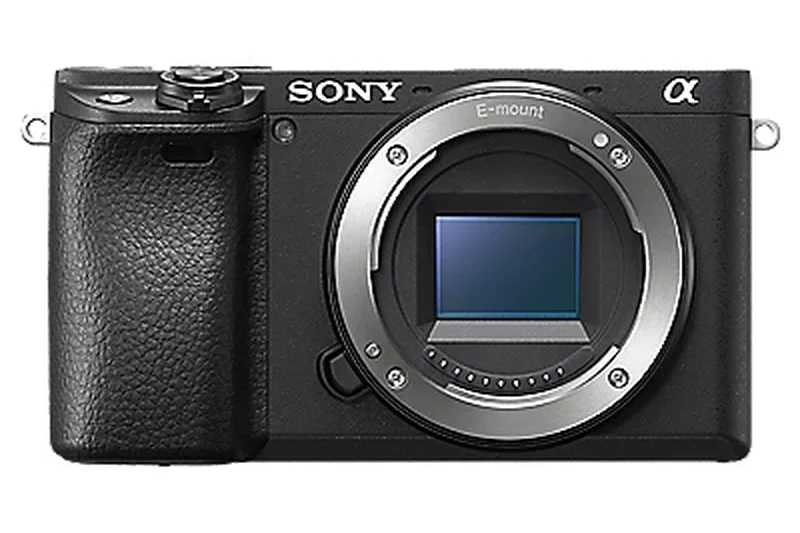
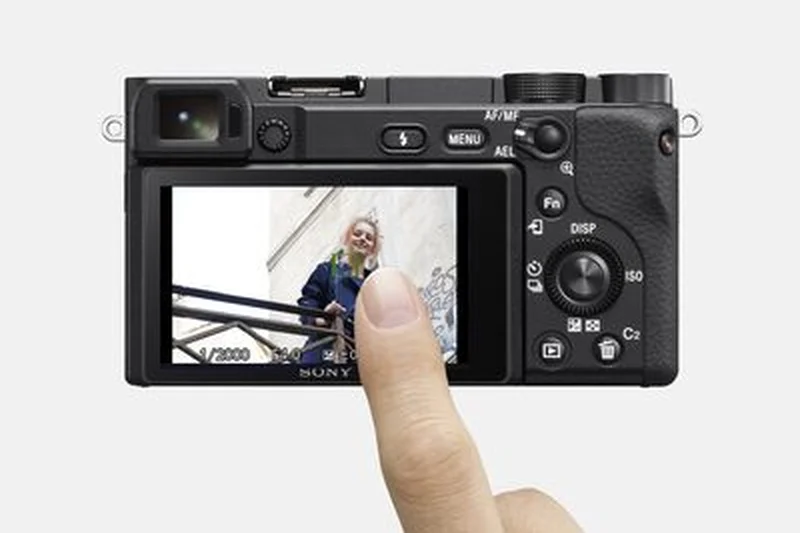

Why we picked it: The Sony a6400 is an older but highly resilient APS-C mirrorless camera. Its standout feature remains its real-time eye AF and tracking, which is still highly competitive today. The weather-sealed body and 11 fps burst rate make it a solid choice for outdoor and action beginners. However, it lacks IBIS and uses the older, more convoluted Sony menu system. If found refurbished or used, it’s a brilliant entry into the Sony E-mount system.
Key Specs
- 24.2MP APS-C Sensor
- Real-time Eye AF & Tracking
- 4K Video with HLG
- Weather-Sealed Body
What we like
- Excellent autofocus tracking
- Weather-sealed build
- Sharp 4K video
What we don't like
- No in-body stabilization
- Old, confusing menu system
Best for: Action and travel beginners looking for a durable, fast-focusing Sony body on a budget.
Considering the a6400 vs a6700? The a6700 is a massive upgrade in video, IBIS, and menus, but costs significantly more.
A proven, reliable mirrorless camera with autofocus capabilities that still impress.
Buy at Sony official site#21 OM System OM-D E-M10 Mark IV
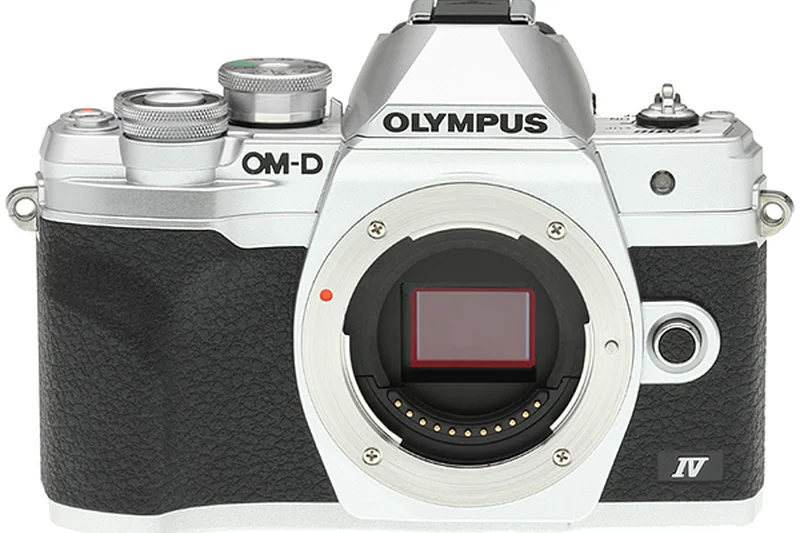
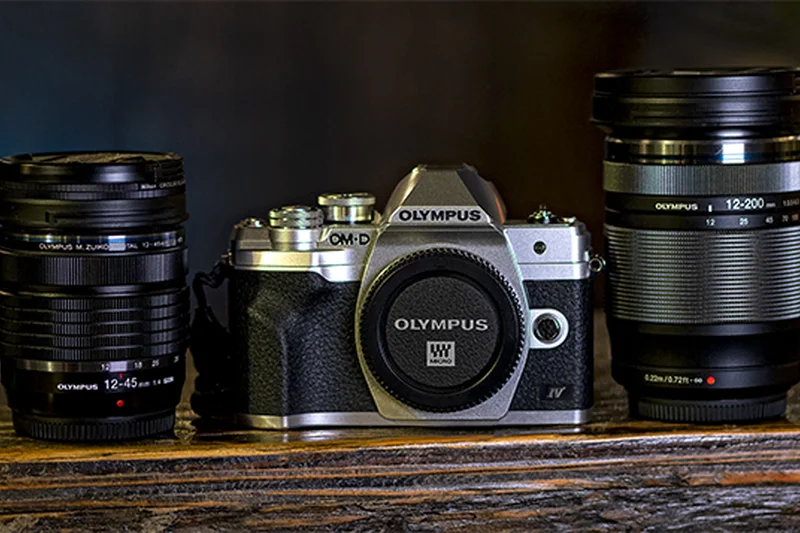
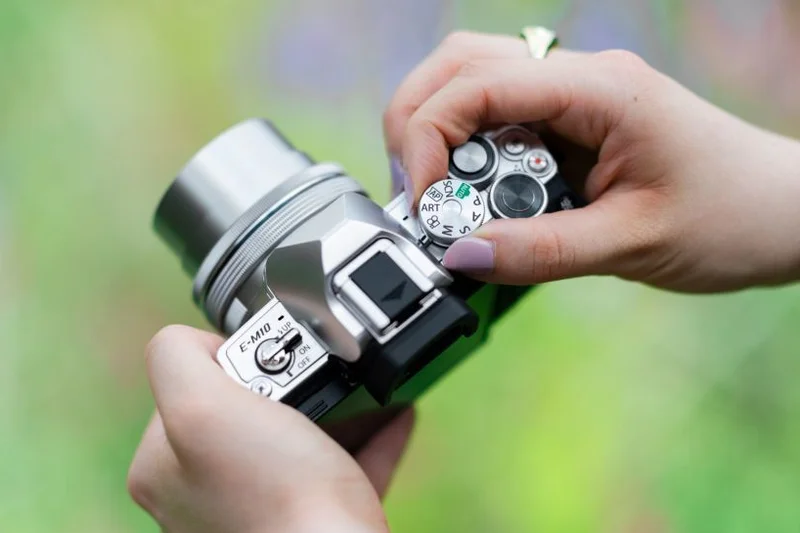
Why we picked it: The OM-D E-M10 Mark IV is a charming, lightweight Micro Four Thirds camera that emphasizes portability and style. Its 5-axis IBIS is fantastic for a camera in this price bracket, helping beginners get sharp shots in low light. The 20.3MP sensor produces vibrant colors, and the flip-down touchscreen makes selfies easy. Its contrast-detect AF is slower than modern phase-detect systems, making it less ideal for action, but it’s a wonderful daily carry for travel.
Key Specs
- 20.3MP Live MOS Sensor
- 5-Axis In-Body Image Stabilization
- 4K UHD 30p Video
- Classic Retro Styling
What we like
- Excellent 5-axis stabilization
- Very compact and stylish
- Huge array of tiny lenses
What we don't like
- Slower contrast-detect AF
- Menu system is dated
Best for: Travelers and casual shooters wanting a stylish, stabilized camera with tiny lenses.
Considering the E-M10 IV vs Panasonic G100? The OM System offers much better in-body stabilization for stills.
A gorgeous, highly portable entry-level camera with excellent stabilization and a vast lens ecosystem.
Buy at OM System official site#22 Canon EOS RP
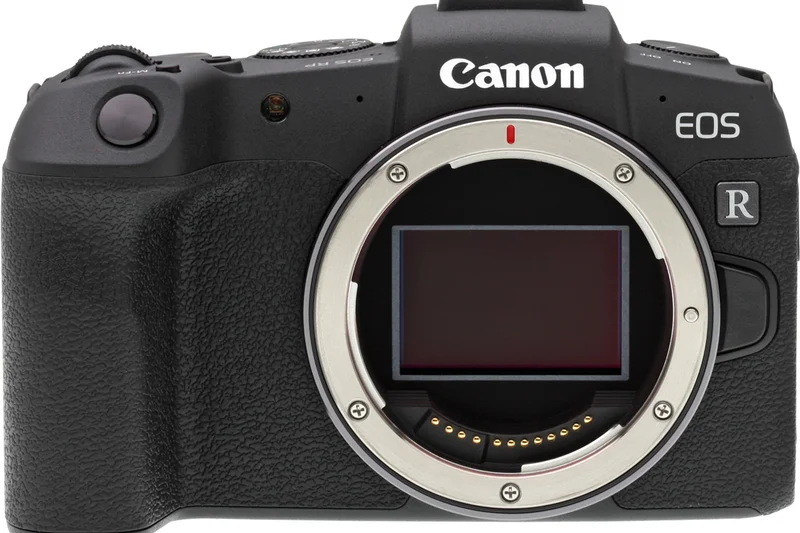
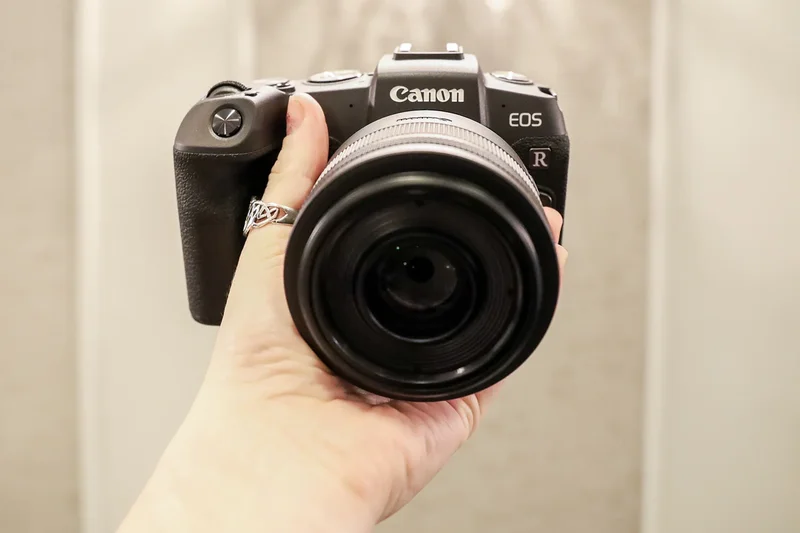
Why we picked it: The Canon EOS RP was Canon’s first budget full-frame mirrorless camera, and it remains a viable option for beginners who absolutely must have a full-frame sensor on a tight budget. It’s incredibly light and features a fully articulating screen and reliable Dual Pixel AF for 1080p video and stills. However, its 4K video is heavily cropped and loses the good autofocus, and its battery life is very short. It’s strictly for still photographers on a budget.
Key Specs
- 26.2MP Full-Frame CMOS Sensor
- Dual Pixel CMOS AF
- Vari-Angle Touchscreen
- Compact Form Factor
What we like
- Very affordable full-frame
- Lightweight and comfortable
- Great Canon color science
What we don't like
- Poor 4K video implementation
- Very weak battery life
Best for: Still photographers wanting the full-frame look at an absolute bargain price.
Considering the EOS RP vs EOS R8? The R8 is vastly superior in speed, video, and autofocus, though the RP is cheaper.
An aging but highly affordable entry point into full-frame portrait and landscape photography.
Buy at Canon official site#23 Ricoh GR IIIx
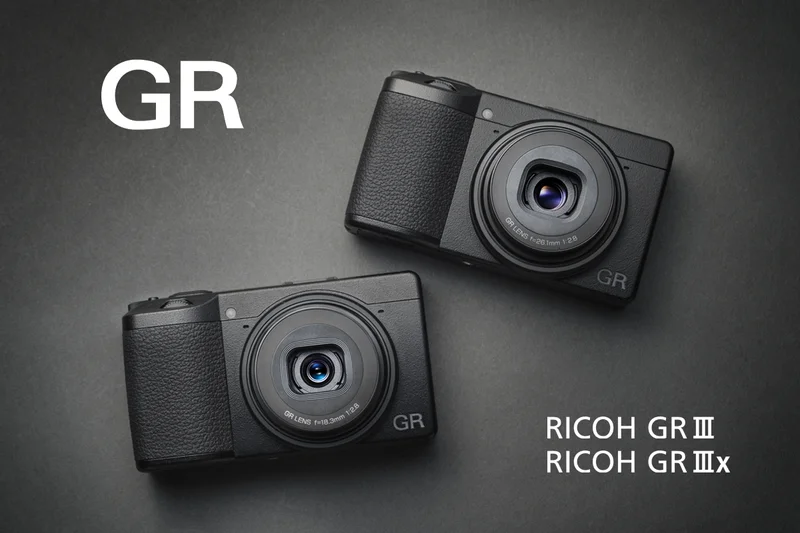
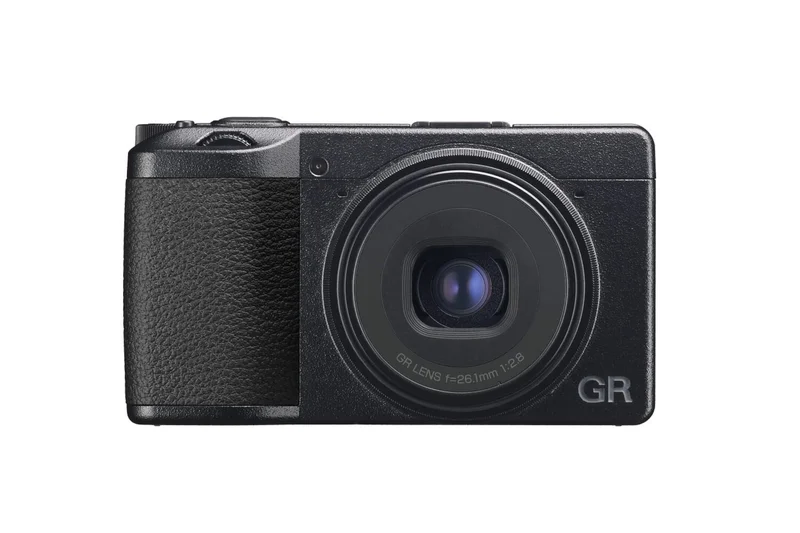
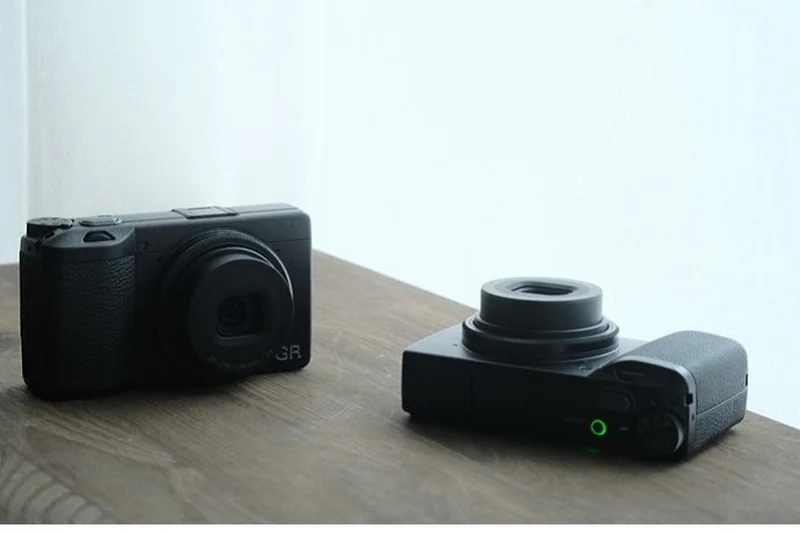
Why we picked it: The Ricoh GR IIIx takes the beloved GR III formula and swaps the 28mm lens for a 40mm equivalent f/2.8 lens. This creates a much more natural, tighter field of view that is excellent for portraiture and everyday snapshots. It retains the pocketable size, 3-axis IBIS, and gorgeous 24.2MP APS-C sensor. It is a highly specialized camera that forces beginners to zoom with their feet and focus on composition.
Key Specs
- 24.2MP APS-C CMOS Sensor
- 40mm Equivalent f/2.8 Lens
- 3-Axis Shake Reduction
- Pocket-Sized Design
What we like
- Perfect 40mm focal length for daily life
- Truly pocketable
- Incredible image sharpness
What we don't like
- Short battery life
- No viewfinder or video features
Best for: Everyday documentarians who prefer a standard 40mm perspective in a pocketable body.
Considering the GR IIIx vs GR III? The only difference is the lens: 40mm (IIIx) is better for portraits, 28mm (III) is better for wide landscapes.
A pocketable masterpiece offering a highly versatile 40mm perspective for daily photography.
Buy at Ricoh official site#24 Ricoh GR III
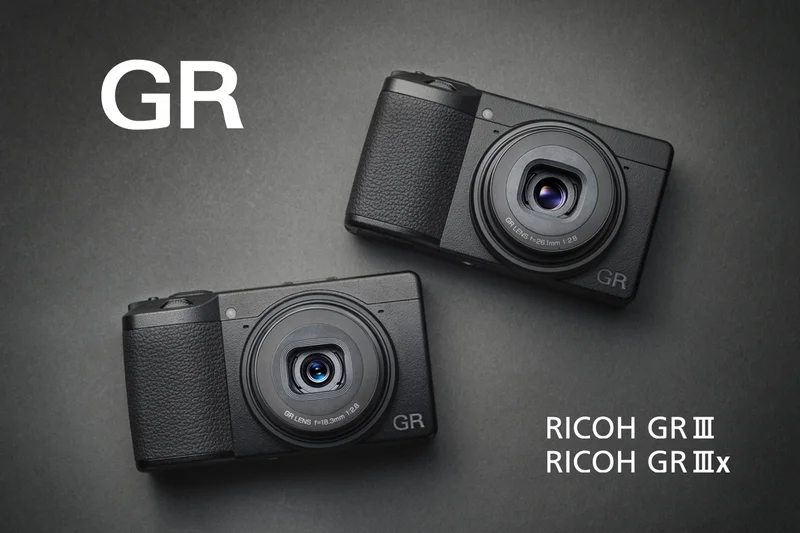
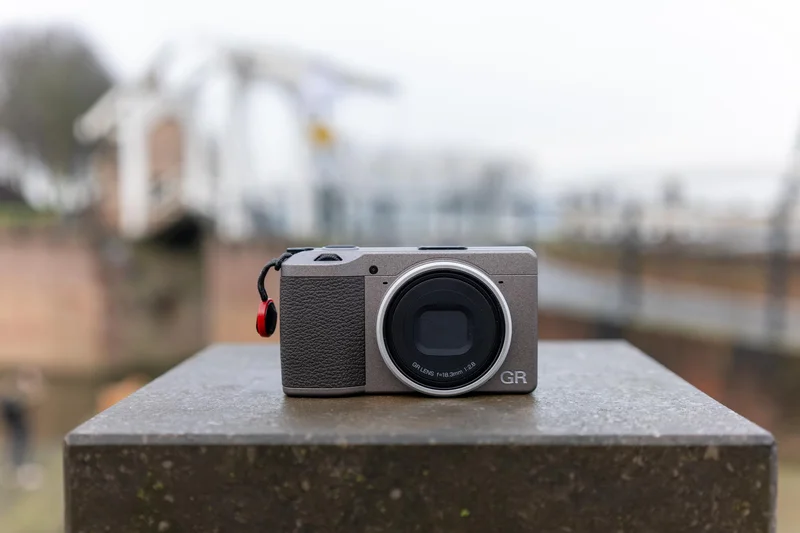
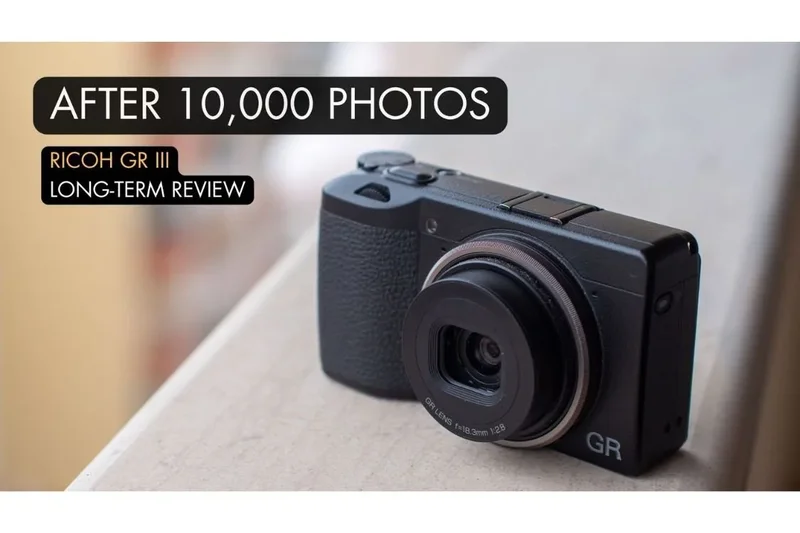
Why we picked it: The Ricoh GR III is the modern classic of premium compacts. Featuring a 28mm equivalent f/2.8 lens and a 24.2MP APS-C sensor, it fits in your pocket and is ready to shoot in less than a second. It includes built-in ND filters and excellent macro capabilities. The autofocus is decent for stills but unusable for video. It’s the ultimate "always with you" camera for those who want DSLR quality without the bulk.
Key Specs
- 24.2MP APS-C CMOS Sensor
- 28mm Equivalent f/2.8 Lens
- 3-Axis Shake Reduction
- Touchscreen LCD
What we like
- DSLR quality in your pocket
- Super sharp 28mm lens
- Fast startup time
What we don't like
- No weather sealing
- Dust on sensor can be an issue
Best for: Street photographers wanting the ultimate wide-angle pocket camera.
Considering the GR III vs Fujifilm X100VI? The GR III actually fits in a pocket, though the Fuji offers a viewfinder and better video.
The quintessential street photography camera that fits in your jeans pocket.
Buy at Ricoh official site#25 Sony a6100
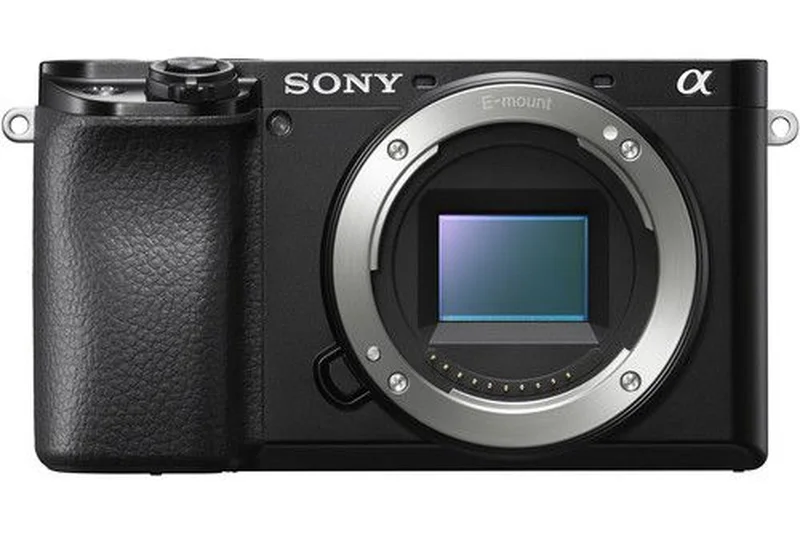
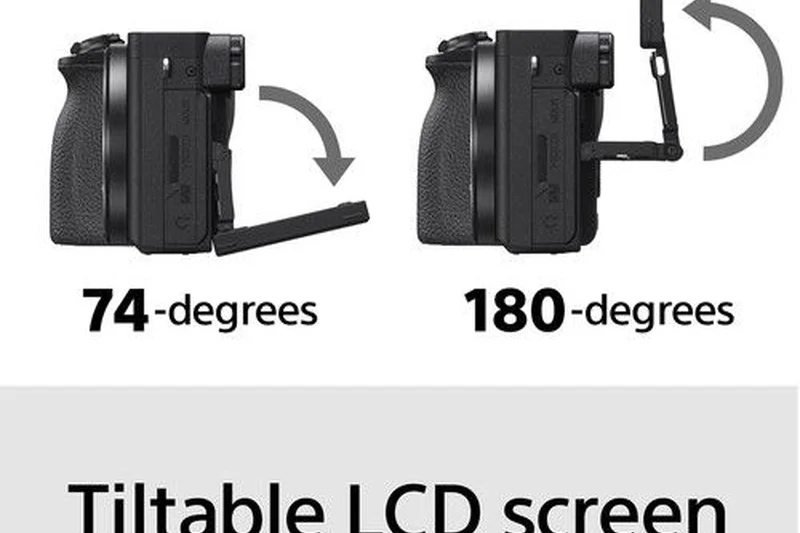
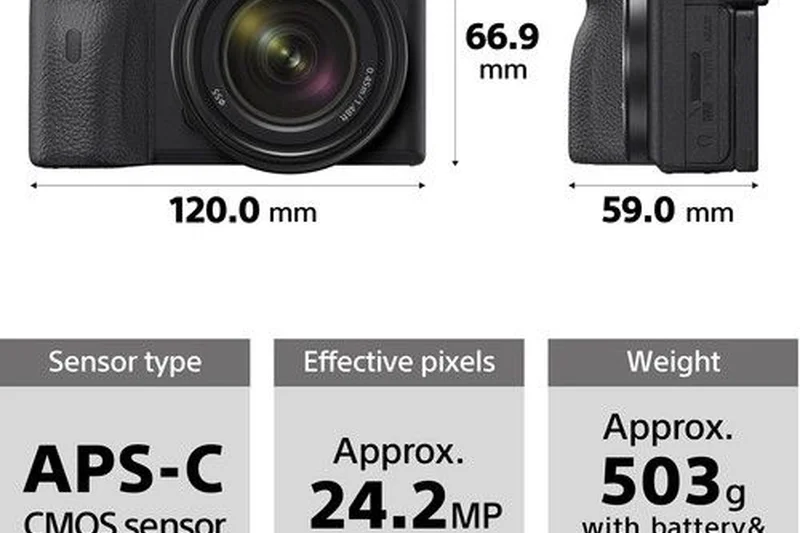
Why we picked it: The Sony a6100 is an entry-level classic that brings Sony's brilliant Real-Time Eye AF to an affordable price point. It features a 24.2MP sensor, 4K 30p video, and an 180-degree flip screen for selfies. The EVF is low resolution, and the body feels a bit plasticky, but the core image quality and autofocus performance are excellent. It remains a very smart budget buy for getting into the E-mount system.
Key Specs
- 24.2MP APS-C CMOS Sensor
- Real-Time Eye AF
- 180-Degree Flip Screen
- 11 fps Continuous Shooting
What we like
- Highly reliable autofocus
- Great image quality
- Affordable entry to E-mount
What we don't like
- Low resolution viewfinder
- Dated menu system
Best for: Budget buyers wanting excellent autofocus and access to Sony lenses.
Considering the a6100 vs Canon R50? The Canon is newer and easier to use, but the Sony has far more native lenses available.
A highly capable, budget-friendly entry into the massive Sony mirrorless ecosystem.
Buy at Sony official site#26 Panasonic Lumix G95
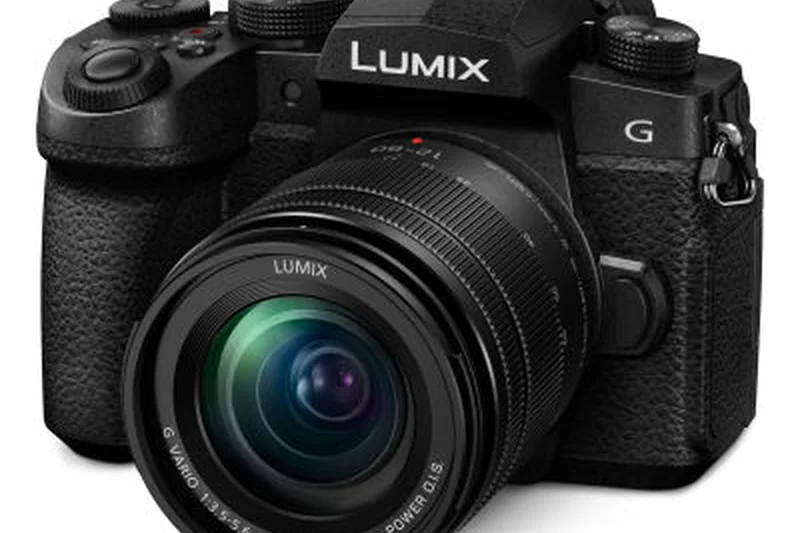
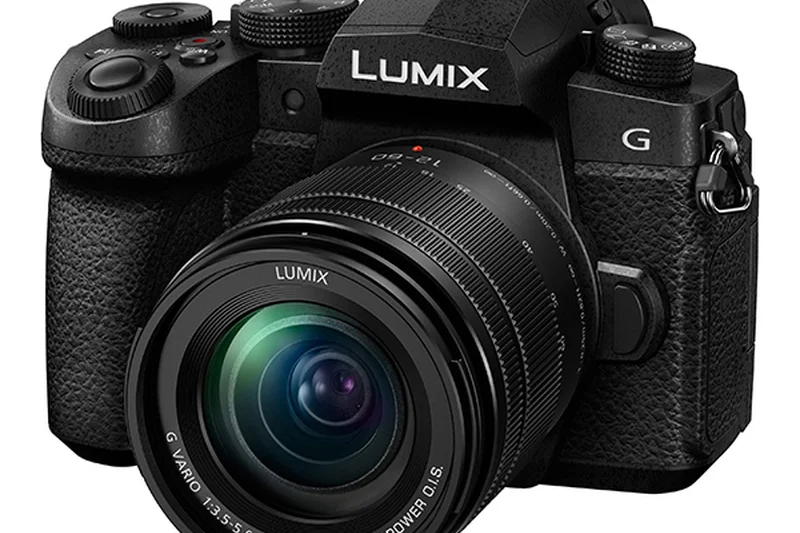
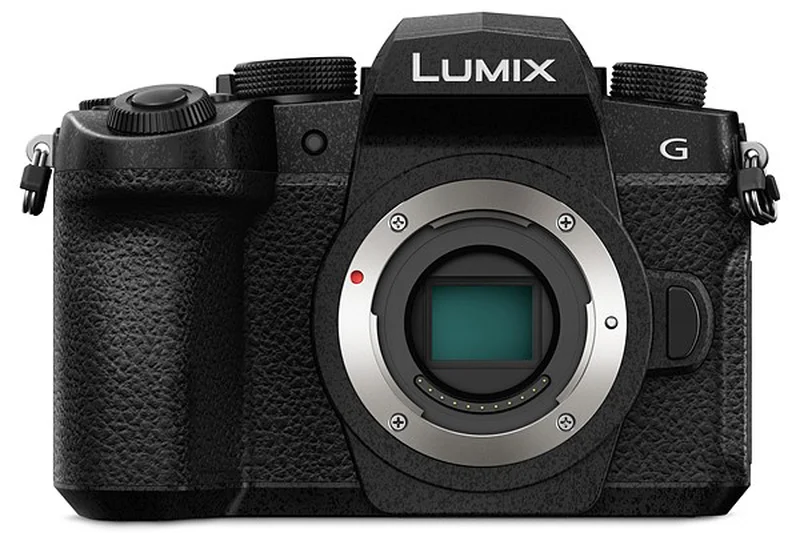
Why we picked it: The Panasonic Lumix G95 is a rugged, DSLR-styled Micro Four Thirds camera that excels as a hybrid video and photo tool. It offers fantastic 5-axis dual image stabilization, a weather-sealed body, and comes with V-Log L pre-installed for video color grading. Its contrast-detect autofocus is its main drawback, making it hunt during video recording. However, for static subjects or manual focus video, it is incredibly feature-rich for the price.
Key Specs
- 20.3MP Live MOS Sensor
- 5-Axis Dual I.S. 2
- 4K 30p Video with V-Log L
- Weather-Sealed Body
What we like
- Excellent ergonomics and weather sealing
- Great in-body stabilization
- V-Log L included for video
What we don't like
- Slow continuous autofocus
- Heavily cropped 4K video
Best for: Hybrid shooters who prioritize ergonomics and stabilization over autofocus speed.
Considering the G95 vs Fujifilm X-S20? The X-S20 has vastly superior autofocus and a larger sensor, but costs significantly more.
A well-built, comfortable hybrid camera let down only by older autofocus technology.
Buy at Panasonic official site#27 Sony ZV-1 II
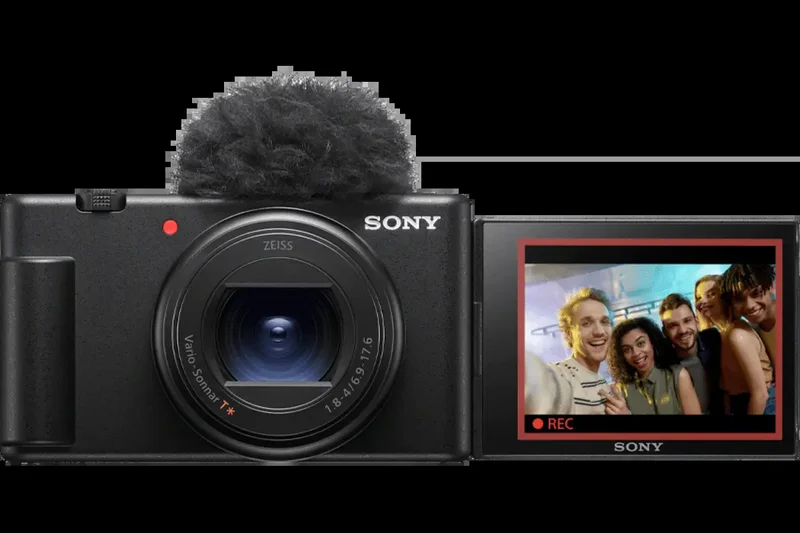
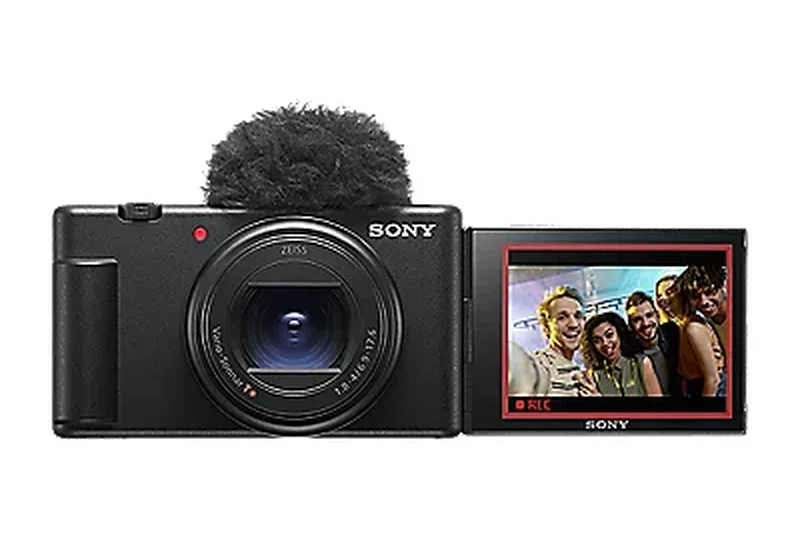
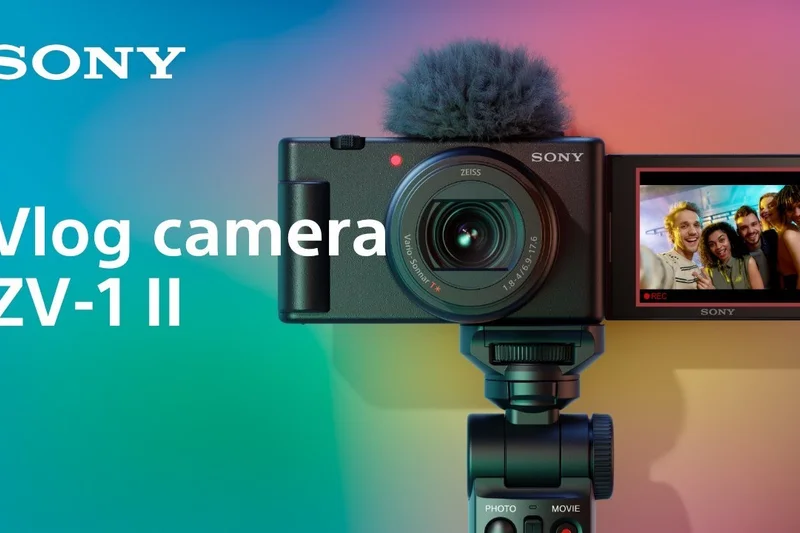
Why we picked it: The Sony ZV-1 II is a premium compact camera purpose-built for vlogging. It utilizes a 1-inch sensor and a much wider 18-50mm equivalent lens compared to its predecessor, allowing you to easily fit yourself in the frame at arm's length. The cinematic vlog setting and intelligent 3-capsule mic make capturing high-quality video incredibly simple. It lacks a viewfinder and has average battery life, but it's the ultimate pocket vlogging tool.
Key Specs
- 20.1MP 1-Inch Exmor RS Sensor
- 18-50mm Equiv. f/1.8-4 Lens
- Intelligent 3-Capsule Mic
- Cinematic Vlog Setting
What we like
- Perfect wide-angle lens for vlogging
- Excellent built-in microphone
- Pocketable design
What we don't like
- No electronic viewfinder
- Short battery life
Best for: Vloggers who want an all-in-one pocket camera with a wide lens and great audio.
Considering the ZV-1 II vs DJI Pocket 3? The Pocket 3 has superior mechanical stabilization, while the ZV-1 II has optical zoom.
An ultra-compact, wide-angle vlogging camera that requires no extra lenses.
Buy at Sony official site#28 DJI Osmo Action 5 Pro
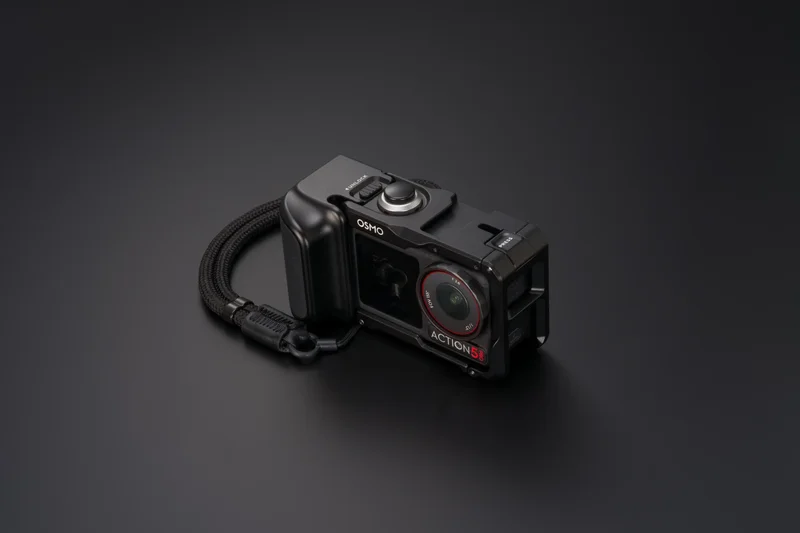
Why we picked it: The DJI Osmo Action 5 Pro is a phenomenal action camera that rivals GoPro with a larger 1/1.3-inch sensor and extreme battery life. It performs incredibly well in low light for an action cam and features brilliant dual OLED touchscreens. It’s waterproof to 18 meters without a case and features magnetic mounting. For beginners wanting to film point-of-view sports or travel without worrying about breaking their camera, this is a superb choice.
Key Specs
- 1/1.3-Inch Sensor
- 4K 120fps Video
- Dual OLED Touchscreens
- Extreme Battery Life
What we like
- Incredible battery life
- Great low-light performance
- Rugged and waterproof
What we don't like
- Ultra-wide lens distortion
- Not for portrait photography
Best for: Adrenaline junkies and travelers needing a highly durable, long-lasting action camera.
Considering the Action 5 Pro vs GoPro HERO13? The DJI boasts better battery life and low-light performance, while GoPro has slightly better stabilization and resolution.
A rugged, reliable action camera with class-leading battery life and excellent low-light capability.
Buy at DJI official site#29 Canon EOS Rebel SL3
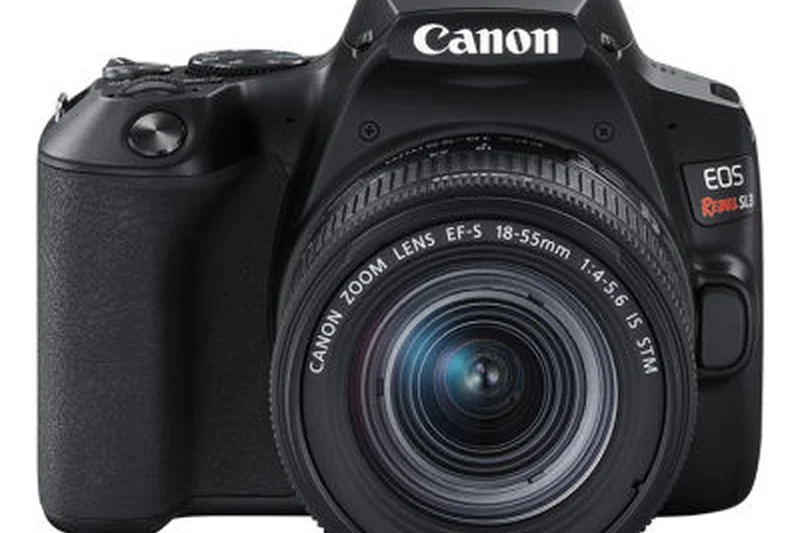
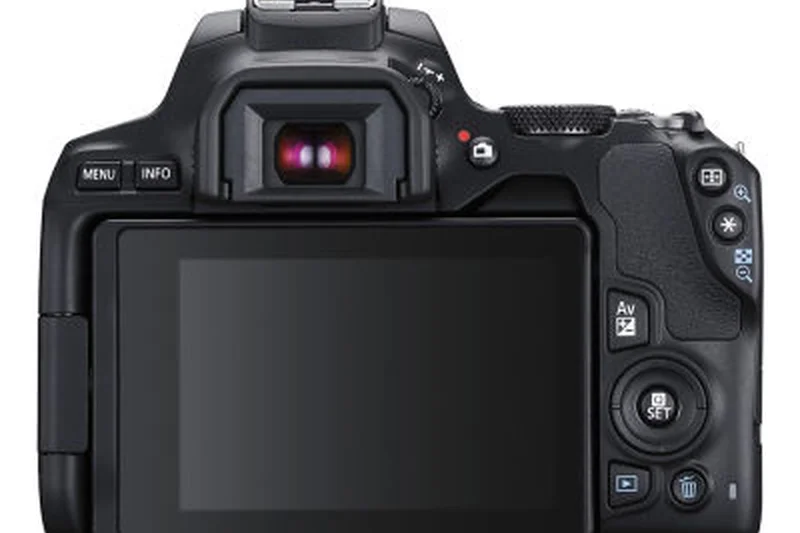
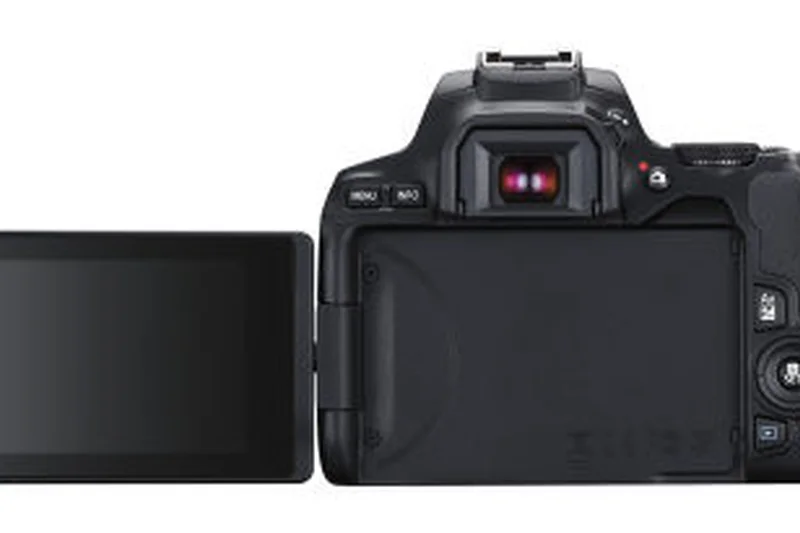
Why we picked it: The Canon EOS Rebel SL3 is an aging but beloved entry-level DSLR. It offers a true optical viewfinder and incredible battery life (over 1000 shots per charge). Its Dual Pixel AF is excellent when using the rear screen in live view mode. However, its 4K video is heavily cropped, and the DSLR format is becoming obsolete. Still, for absolute beginners wanting an affordable optical viewfinder experience, it remains a classic.
Key Specs
- 24.1MP APS-C CMOS Sensor
- Optical Viewfinder
- Vari-Angle Touchscreen
- 4K 24p Video
What we like
- Incredible battery life
- Optical viewfinder
- Highly intuitive guided interface
What we don't like
- Outdated DSLR technology
- Poor 4K video crop
Best for: Traditionalists who want the optical viewfinder experience of a classic DSLR.
Considering the SL3 vs Canon R50? The R50 is mirrorless, smaller, and has vastly better autofocus and video, making it the better modern choice.
A reliable, long-lasting entry-level DSLR for those who prefer an optical viewfinder.
Buy at Canon official site#30 Panasonic Lumix G100
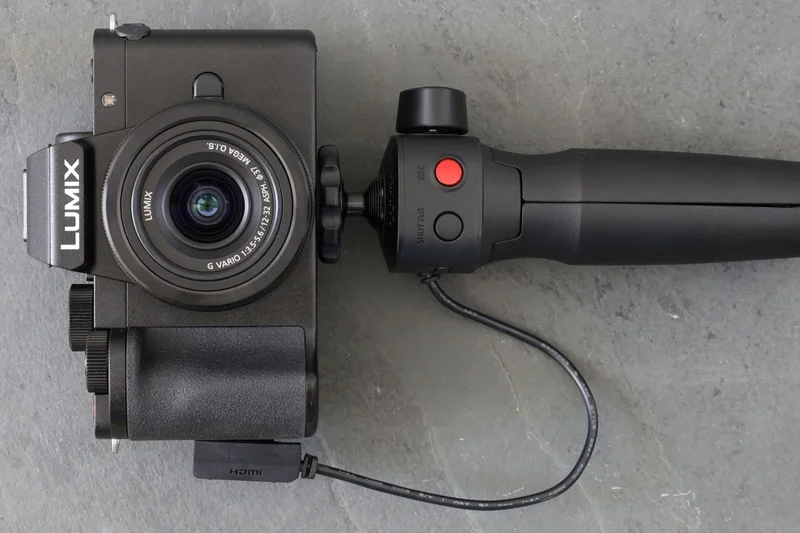
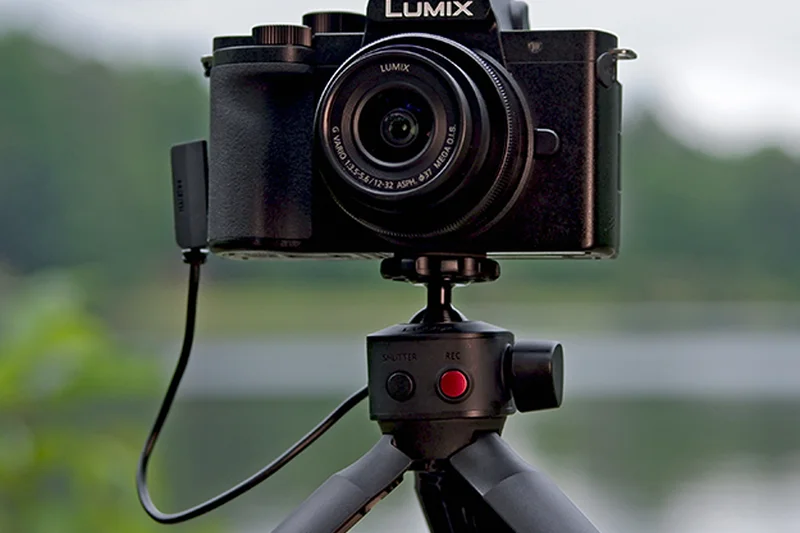
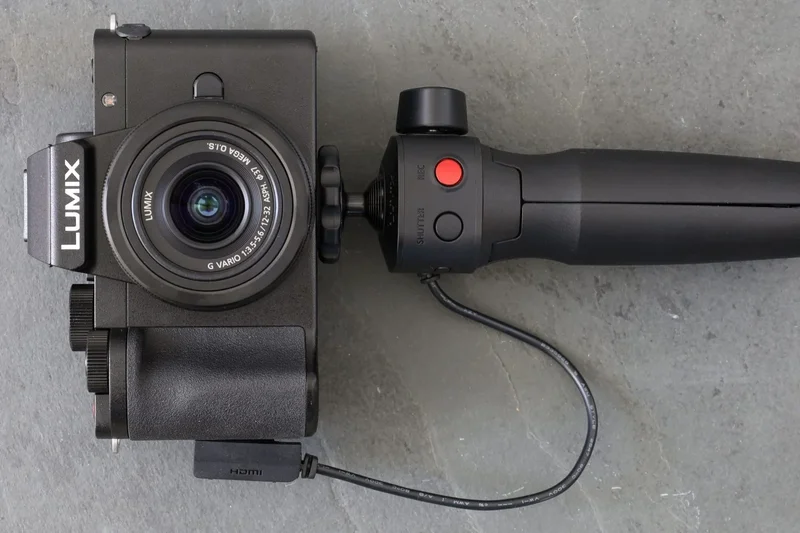
Why we picked it: The Panasonic Lumix G100 was designed specifically for vloggers, packing a 20.3MP Micro Four Thirds sensor into a tiny body. Its unique feature is OZO Audio by Nokia, which uses directional microphones to track audio based on face detection. It produces sharp, pleasant video, but its older contrast-detect AF struggles to keep fast-moving subjects in focus, and 4K video incurs a heavy crop. It’s a decent budget option for static vloggers.
Key Specs
- 20.3MP Micro Four Thirds Sensor
- OZO Audio by Nokia (Spatial Audio)
- Fully Articulating Touchscreen
- V-Log L Pre-installed
What we like
- Innovative spatial audio recording
- Very compact and light
- Good electronic viewfinder
What we don't like
- Heavy crop in 4K video
- Sluggish autofocus
Best for: Budget vloggers recording mostly static, talking-head videos.
Considering the G100 vs Sony ZV-E10? The Sony has a larger sensor, no 4K crop, and much better continuous autofocus.
A tiny, affordable vlogging camera with unique audio features but dated autofocus.
Buy at Panasonic official site#31 Canon PowerShot V10
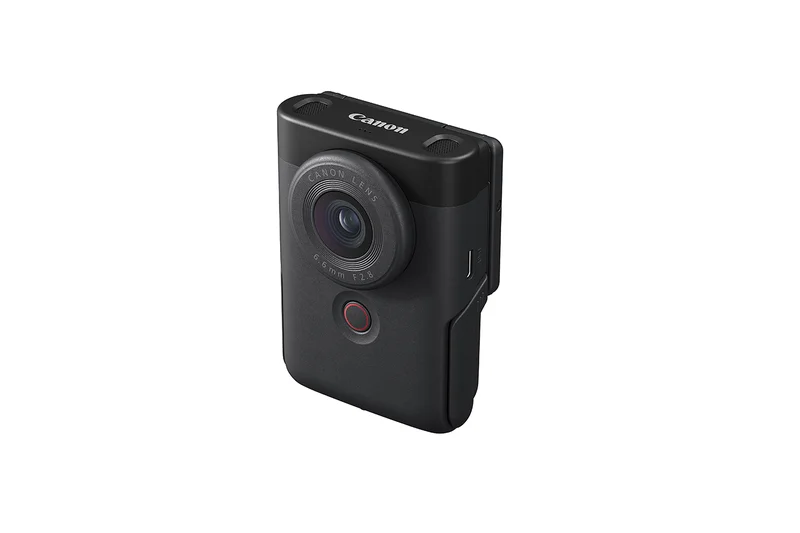
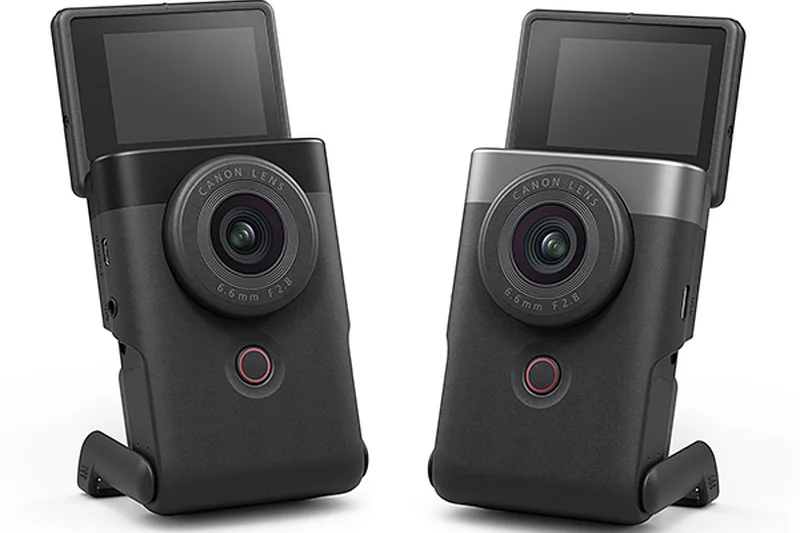
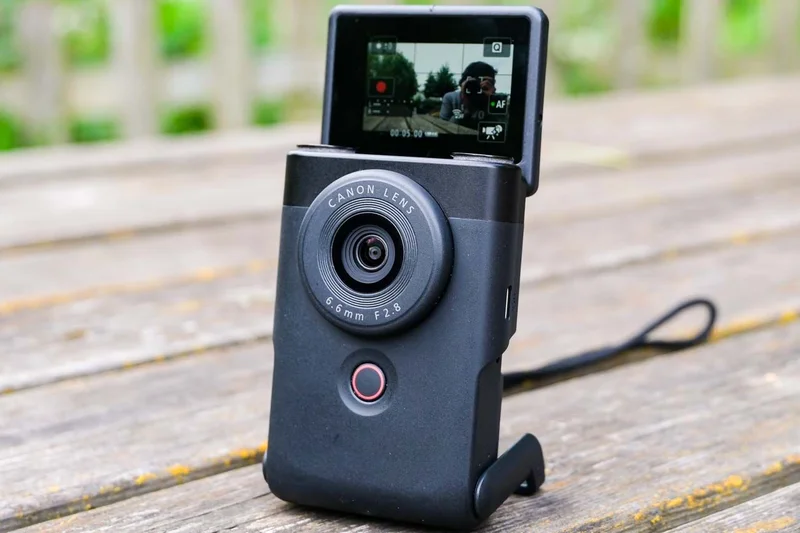
Why we picked it: The Canon PowerShot V10 is a highly unique, vertical-oriented pocket camera designed for immediate point-and-shoot vlogging. It features a built-in stand, stereo microphones, and a 1-inch sensor that vastly outperforms smartphone front-facing cameras. The 19mm equivalent lens is perfect for arm's length filming. It lacks optical zoom and advanced controls, but for a creator who just wants to press record and get good audio and video, it’s incredibly simple and fun.
Key Specs
- 20.9MP 1-Inch CMOS Sensor
- 19mm Equivalent f/2.8 Lens
- Built-in Stand
- Pocket-Sized Vertical Design
What we like
- Extremely simple to use
- Built-in kickstand is brilliant
- Good audio quality
What we don't like
- No optical zoom
- Fixed battery
Best for: Casual vloggers and TikTok creators wanting a dead-simple, pocketable upgrade from a smartphone.
Considering the V10 vs Sony ZV-1 II? The Sony offers a zoom lens and more advanced features, but the V10 is cheaper and simpler.
A fun, unconventional vlogging tool that makes recording yourself as easy as using a smartphone.
Buy at Canon official site#32 OM System Tough TG-7
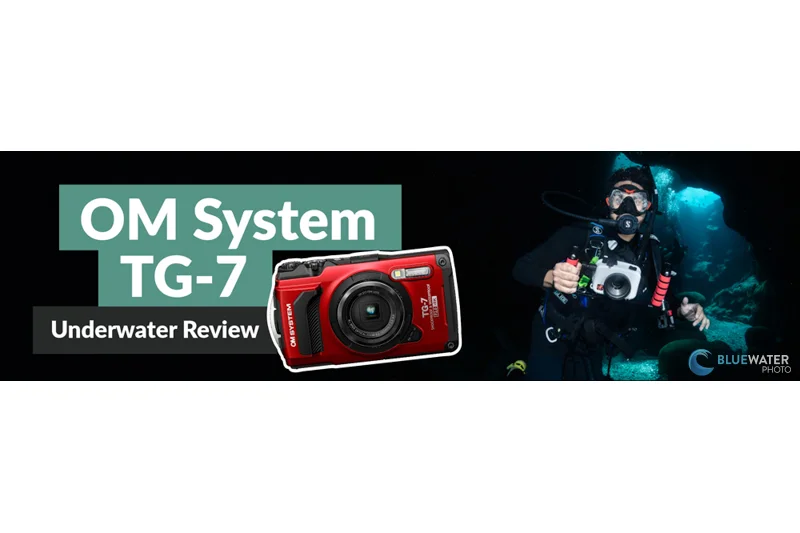
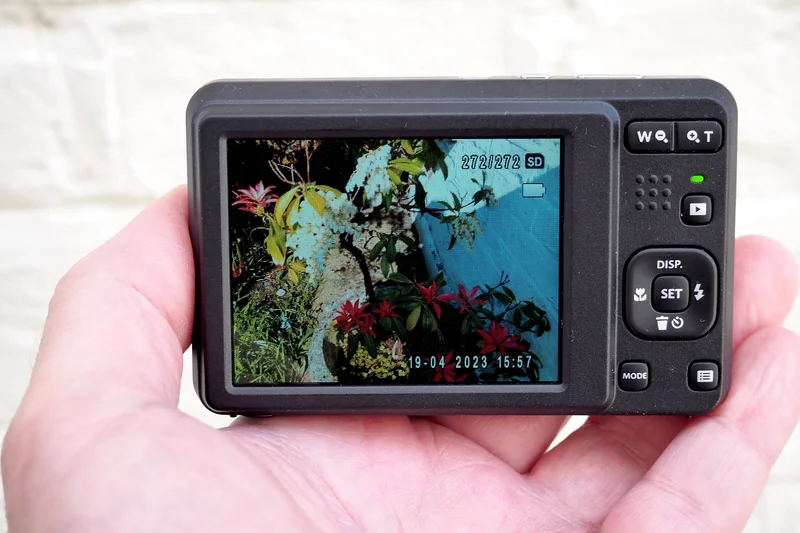
Why we picked it: The OM System Tough TG-7 is the ultimate rugged compact camera. It is waterproof to 50 feet, shockproof, crushproof, and freezeproof. It features an incredibly fun microscope macro mode that lets you focus on objects just 1cm from the lens. The small 12MP sensor struggles in low light, but it’s the perfect camera to hand to a child or take snorkeling, where traditional cameras would instantly perish.
Key Specs
- 12MP BSI CMOS Sensor
- Waterproof to 50ft (15m)
- Shockproof to 7ft (2.1m)
- Microscope Macro Mode
What we like
- Virtually indestructible
- Incredible macro capabilities
- No housing needed for snorkeling
What we don't like
- Small sensor limits low-light quality
- Dated menu interface
Best for: Adventurers, snorkelers, and parents wanting a truly indestructible point-and-shoot.
Considering the TG-7 vs GoPro HERO13? The GoPro is better for wide-angle action video, while the TG-7 is better for macro photos and optical zoom.
The indisputable king of rugged, waterproof point-and-shoot cameras.
Buy at OM System official site#33 Canon PowerShot G7 X Mark III
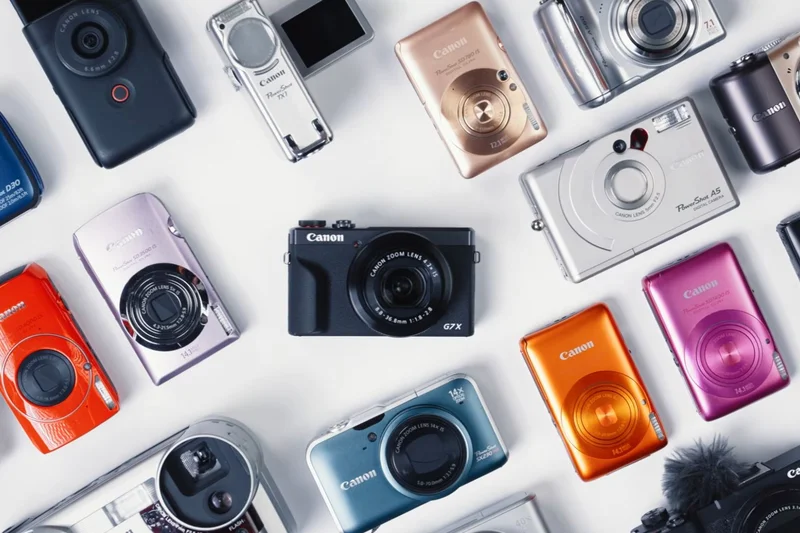
Why we picked it: The Canon G7 X Mark III was an early favorite among YouTubers for its excellent color science and built-in ND filter. It features a versatile 24-100mm equivalent lens and a 1-inch sensor that shoots uncropped 4K 30p video. It supports vertical video natively. However, its contrast-detect autofocus is notably slower than modern phase-detect systems, making it less reliable for active vlogging, though it remains a solid premium compact for general use.
Key Specs
- 20.1MP 1-Inch Stacked CMOS Sensor
- 24-100mm Equiv. f/1.8-2.8 Lens
- Uncropped 4K 30p Video
- Vertical Video & Livestreaming
What we like
- Versatile, fast optical zoom lens
- Great Canon skin tones
- Uncropped 4K video
What we don't like
- Sluggish continuous autofocus
- Short battery life
Best for: Creators looking for a premium compact with a versatile zoom range and great colors.
Considering the G7 X Mark III vs Sony ZV-1 II? The Sony has much better autofocus and a wider lens, making it better for modern vlogging.
A capable premium compact that offers excellent zoom versatility and beautiful straight-out-of-camera colors.
Buy at Canon official site#34 GoPro HERO13 Black
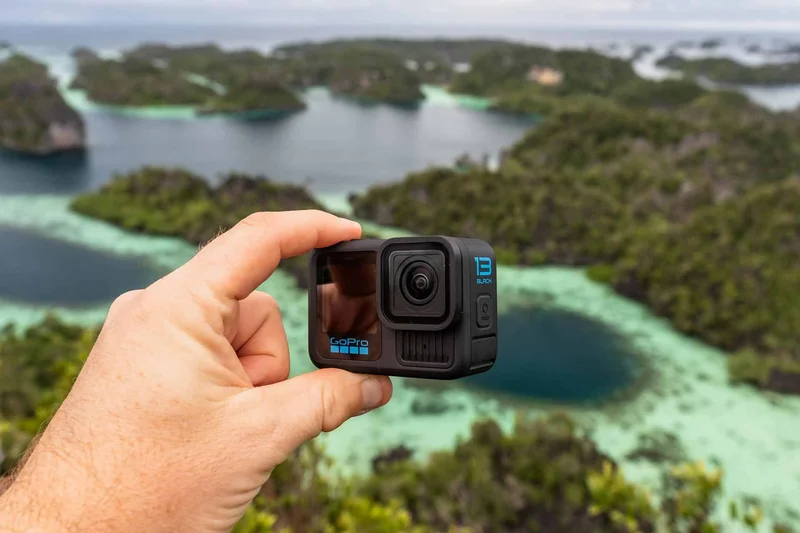
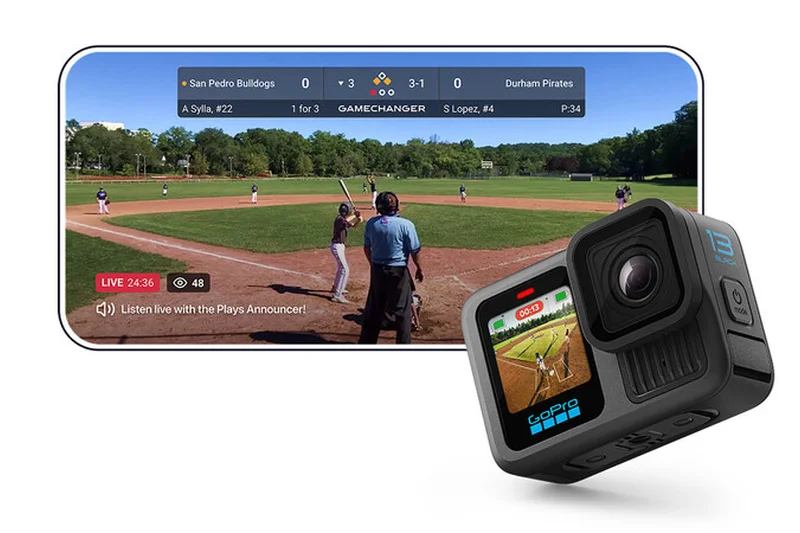
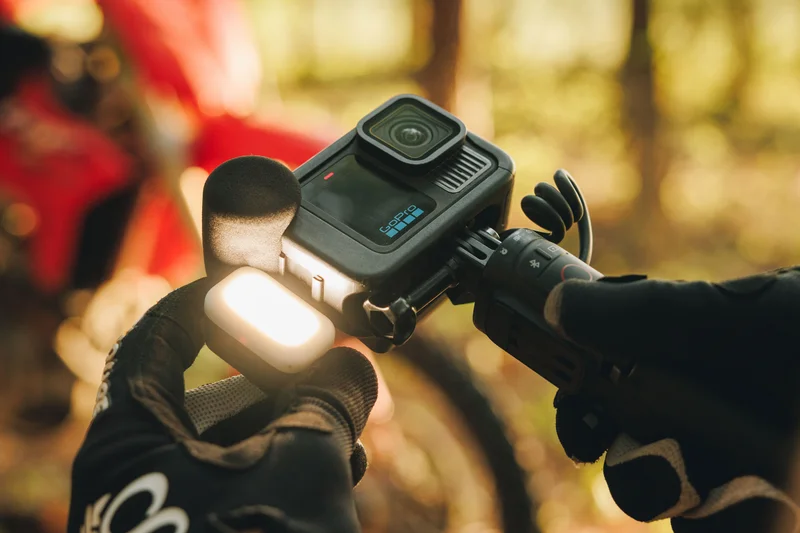
Why we picked it: The GoPro HERO13 Black continues the legacy of the quintessential action camera. It offers stunning 5.3K 60fps video, mind-bending HyperSmooth 6.0 stabilization, and HDR video capabilities. The new Enduro battery improves performance in cold weather. It’s incredibly rugged and waterproof out of the box. While not a traditional camera for learning photography, it’s the best tool for a beginner looking to capture immersive point-of-view extreme sports footage.
Key Specs
- 5.3K 60fps Video
- HyperSmooth 6.0 Stabilization
- Enduro Battery
- Waterproof to 33ft
What we like
- Industry-leading digital stabilization
- Incredible 5.3K resolution
- Rugged and waterproof
What we don't like
- Poor low-light performance
- Touchscreen can be laggy
Best for: Action sports enthusiasts needing the most stabilized, rugged POV camera available.
Considering the HERO13 vs DJI Action 5 Pro? DJI offers better battery life and low-light performance, but GoPro has slightly better stabilization and resolution.
The ultimate rugged action camera for capturing ultra-high-resolution, stabilized POV video.
Buy at GoPro official site#35 Canon EOS R100
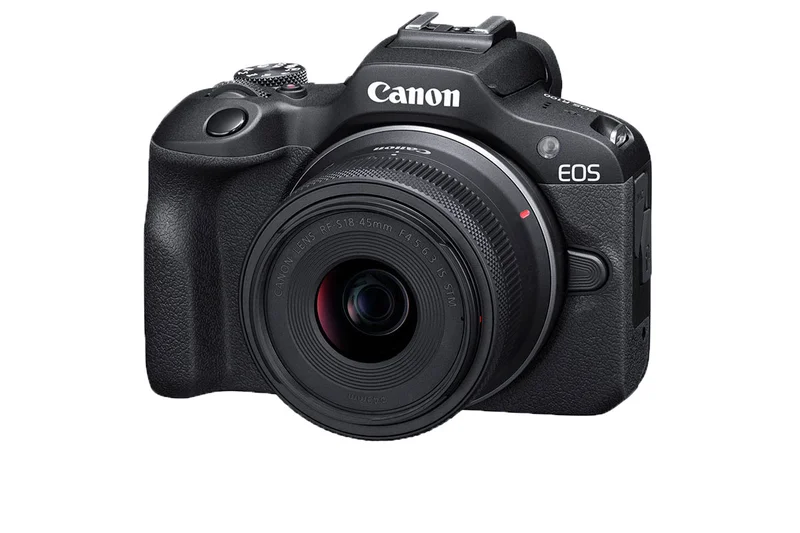
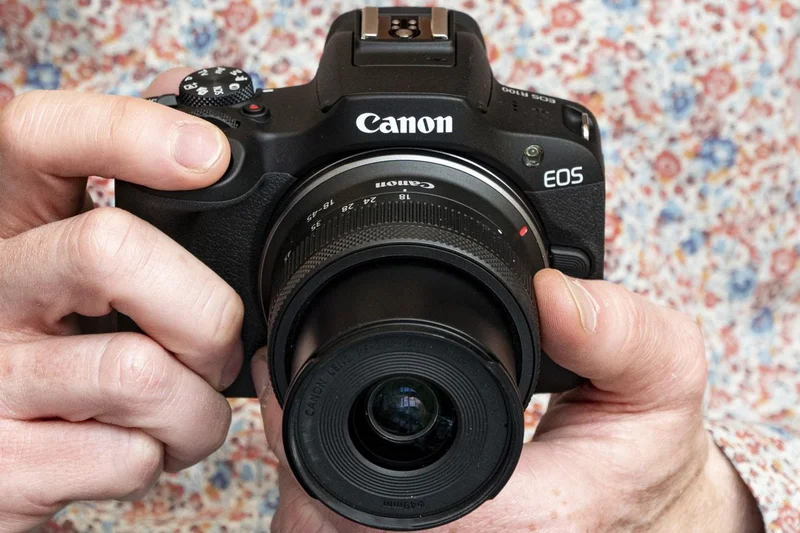
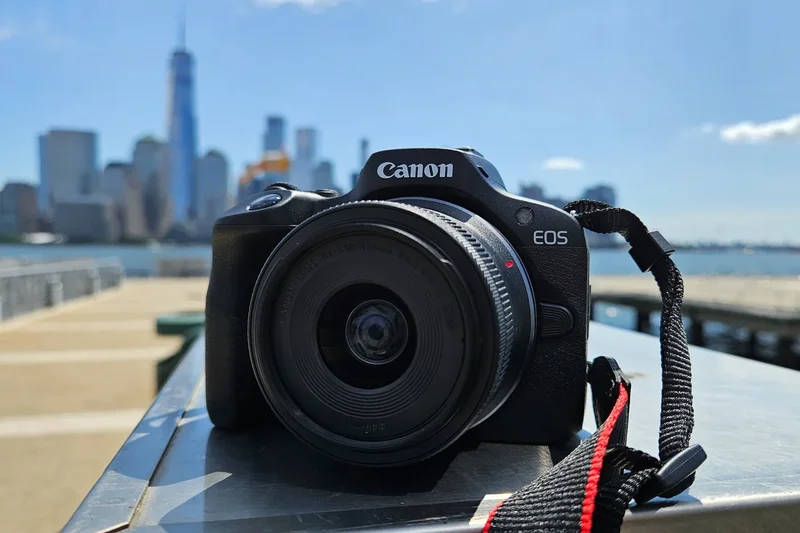
Why we picked it: The Canon EOS R100 is Canon’s absolute cheapest entry into the mirrorless RF mount. It utilizes an older 24.1MP sensor and lacks a touch screen, which makes it feel quite dated for a modern beginner. The 4K video is heavily cropped and loses Dual Pixel AF. However, if your budget is extremely tight and you only care about taking still photos with a viewfinder, it offers great Canon image quality at a rock-bottom price.
Key Specs
- 24.1MP APS-C CMOS Sensor
- DIGIC 8 Processor
- Compact & Lightweight
- Built-in Wi-Fi/Bluetooth
What we like
- Extremely affordable
- Good still image quality
- Access to RF lenses
What we don't like
- No touchscreen
- Severely limited video features
Best for: Buyers on the strictest of budgets who only want to shoot basic still photography.
Considering the R100 vs R50? Spend the extra money on the R50; the touchscreen, modern AF, and better video are absolutely worth the upgrade.
A bare-bones, ultra-budget mirrorless camera that sacrifices modern conveniences for price.
Buy at Canon official siteBuying Guide
What to Look for in a Beginner Camera
When transitioning from a smartphone to a dedicated camera, the terminology can be overwhelming. The most important factor is Ease of Use. You want a camera with an intuitive touchscreen, logical menus, and ideally, built-in guides that explain exposure settings. If you have to fight the camera to take a picture, it will quickly become an expensive paperweight.
Understanding Sensor Size
The sensor is the heart of any camera. Most beginner mirrorless cameras feature an APS-C sensor, which is significantly larger than a smartphone sensor. This larger size captures more light, producing better low-light images and offering that beautiful blurred background (bokeh) for portraits. Micro Four Thirds sensors are slightly smaller, allowing for extremely compact lenses, while Full-Frame sensors are the largest, offering professional-grade image quality at a higher cost and weight.
The Importance of Autofocus
Modern cameras differentiate themselves largely through autofocus capabilities. Look for cameras with reliable phase-detection autofocus and real-time subject tracking. Cameras that can automatically detect and track human eyes, faces, and animals ensure your photos remain sharp even when your subject is moving unpredictably.
Ecosystem and Upgradability
A camera body is just the beginning; you are buying into a lens ecosystem. Consider the availability and affordability of compatible lenses. Sony's E-mount and Fujifilm's X-mount have vast selections of both proprietary and third-party lenses, allowing you to easily expand your kit as your skills grow.
Budget Tiers
Under $600: At this price, you are looking at older models, rugged compacts, or action cameras. They are great for casual use but might lack the latest autofocus tech.
$600 to $1,000: This is the sweet spot for beginners. You'll find highly capable APS-C mirrorless cameras with excellent video features, fast autofocus, and user-friendly interfaces.
Over $1,000: Premium beginner and entry-level full-frame cameras live here. They offer superior build quality, advanced AI autofocus, and professional-level video, ideal for serious enthusiasts.
What to Avoid
Avoid buying an older DSLR simply because it's cheap. The industry has decisively shifted to mirrorless technology, which offers better autofocus, smaller bodies, and the ability to see exposure changes in real-time through the electronic viewfinder. Furthermore, be cautious of generic "bundle" deals on major retailer sites, which often pad the price with low-quality, useless accessories.
FAQ
What is the best camera for an absolute beginner?
The Sony a6700 is our top overall pick due to its unparalleled AI autofocus that prevents out-of-focus shots. However, if you are on a budget, the Canon EOS R50 is an exceptional choice thanks to its built-in guided user interface that actively teaches you photography.
Should I buy a Mirrorless or a DSLR camera in 2026?
You should absolutely buy a mirrorless camera. The camera industry has completely transitioned away from DSLRs. Mirrorless cameras offer better autofocus, electronic viewfinders that show exposure in real-time, and smaller bodies. DSLRs are effectively obsolete tech.
Do I need a full-frame camera to take good photos?
No. APS-C and Micro Four Thirds sensors are significantly larger than smartphone sensors and provide excellent image quality, background blur, and low-light performance. Full-frame cameras like the Canon EOS R8 or Panasonic Lumix S9 are great, but lenses are much larger and more expensive.
What is a kit lens, and should I use one?
A kit lens is the basic zoom lens (usually around 16-50mm or 18-45mm) bundled with the camera. They are excellent for learning your preferred focal lengths. Once you learn what you like shooting, you can upgrade to specialized lenses like a wide-angle for vlogging or a fast prime for portraits.
How much should I spend on my first camera?
A healthy budget for a modern beginner mirrorless camera with a kit lens is between $600 and $1,000. Going below $500 usually means buying outdated technology, while spending over $1,200 enters enthusiast territory.
Which camera brand has the best lens ecosystem?
Currently, Sony (E-mount) and Fujifilm (X-mount) offer the most extensive and diverse APS-C lens ecosystems. They support many third-party lens manufacturers like Sigma and Tamron, which provide professional-quality lenses at budget-friendly prices.
What makes a camera good for vlogging?
A great vlogging camera needs a fully articulating screen (so you can see yourself), reliable continuous eye-autofocus (so you stay sharp while moving), a wide-angle lens, and good internal audio. The Sony ZV-E10 II and DJI Osmo Pocket 3 excel here.
Why is autofocus considered the most important feature?
Modern autofocus systems use AI to instantly recognize and lock onto human eyes, animals, and vehicles. This eliminates the frustration of blurry photos, allowing a beginner to focus entirely on composition and lighting rather than technical execution.
Do megapixels matter for beginners?
Anything over 20 megapixels is more than enough for high-quality prints, Instagram, and web use. You do not need a 40MP camera like the Fujifilm X-T50 unless you plan on heavily cropping your photos or printing massive wall posters.
How important is in-body image stabilization (IBIS)?
IBIS physically moves the sensor to counteract handshakes. It is incredibly helpful for shooting smooth video handheld and taking sharp photos in low light with slow shutter speeds. However, it usually adds to the cost and size of the camera.
What does 4K 10-bit video mean?
10-bit video captures over a billion colors compared to the 16 million colors in standard 8-bit video. This allows for much more flexibility when color grading and adjusting exposure in post-production without the footage falling apart or showing 'banding'.
Can I use these beginner cameras for professional work later?
Absolutely. Cameras like the Sony a6700, Fujifilm X-S20, and Canon EOS R8 produce image quality that meets professional standards. Your ability to do professional work will depend far more on your skills, lighting, and the quality of the lenses you attach to the camera.
Methodology
Our evaluation process is governed by the M2 Multi-Dimensional Evaluation methodology [1]. We scored 35 cameras across seven dimensions to generate a comprehensive 0-10 rating.
- Image & Video Quality (25%): We analyzed dynamic range, high ISO noise, color science, and video resolutions (4K/6K). We prioritized large sensors that deliver obvious visual upgrades over smartphones.
- Ease of Use & Interface (20%): We heavily rewarded responsive touchscreens, visual guide modes, and intuitive menu systems.
- Autofocus & Performance (15%): Tested using moving subjects to evaluate the speed and accuracy of eye/face tracking and subject recognition.
- Value for Money & Kit (15%): Evaluated based on retail price, the optical quality of included kit lenses, and overall feature-to-cost ratio.
- Build Quality & Portability (10%): We measured weight, grip comfort, form factor, and weather sealing to find the most practical daily carries.
- Lens Ecosystem (10%): We assessed the breadth, quality, and affordability of first- and third-party lenses available for each camera's mount.
- Battery Life & Connectivity (5%): We looked for CIPA ratings, USB-C power delivery, and reliable wireless transfer speeds to mobile devices.
We then calculated scenario-specific scores to determine the best options for distinct user needs, such as Vlogging or Budget-conscious buyers. Data was sourced from our internal lab testing, verified manufacturer specifications, and consensus analysis of long-term user reviews.
Sources & References
All factual claims, product specifications, prices, and images in this article are cited by number. Click any reference to jump to the list; click the link in each entry to visit the original source.
- [1]SelectionLogic. "M2 Multi-Dimensional Evaluation Methodology." selectionlogic.org/en/methods/m2-multi-dimensional-evaluation/. Accessed Mar 2026.
- [2]SelectionLogic. "Digital Camera Buying Guide 2026." selectionlogic.org/en/guides/camera-buying-guide/. Accessed Mar 2026.
- [3]Sony. "Sony a6700 Official Specs." electronics.sony.com. Accessed Mar 2026.
- [4]Sony. "Sony ZV-E10 II Official Specs." electronics.sony.com. Accessed Mar 2026.
- [5]Fujifilm. "Fujifilm X-S20 Official Specs." fujifilm-x.com. Accessed Mar 2026.
- [6]Canon. "Canon EOS R8 Official Specs." usa.canon.com. Accessed Mar 2026.
- [7]Nikon. "Nikon Z50II Official Specs." nikonusa.com. Accessed Mar 2026.
- [8]Panasonic. "Lumix S9 Official Specs." shop.panasonic.com. Accessed Mar 2026.
- [9]Fujifilm. "Fujifilm X-T50 Official Specs." fujifilm-x.com. Accessed Mar 2026.
- [10]Canon. "Canon EOS R50 Official Specs." usa.canon.com. Accessed Mar 2026.
- [11]Fujifilm. "Fujifilm X-M5 Official Specs." fujifilm-x.com. Accessed Mar 2026.
- [12]Nikon. "Nikon Z5 Official Specs." nikonusa.com. Accessed Mar 2026.
- [13]Sony. "Sony ZV-E10 Official Specs." electronics.sony.com. Accessed Mar 2026.
- [14]Canon. "Canon EOS R10 Official Specs." usa.canon.com. Accessed Mar 2026.
- [15]Nikon. "Nikon Z30 Official Specs." nikonusa.com. Accessed Mar 2026.
- [16]Fujifilm. "Fujifilm X-T30 II Official Specs." fujifilm-x.com. Accessed Mar 2026.
- [17]Nikon. "Nikon Z fc Official Specs." nikonusa.com. Accessed Mar 2026.
- [18]OM System. "OM-5 Official Specs." explore.omsystem.com. Accessed Mar 2026.
- [19]DJI. "DJI Osmo Pocket 3 Official Specs." store.dji.com. Accessed Mar 2026.
- [20]Nikon. "Nikon Z50 Official Specs." nikonusa.com. Accessed Mar 2026.
- [21]Ricoh. "Ricoh GR IV Official Specs." us.ricoh-imaging.com. Accessed Mar 2026.
- [22]Sony. "Sony a6400 Official Specs." electronics.sony.com. Accessed Mar 2026.
- [23]OM System. "OM-D E-M10 Mark IV Official Specs." explore.omsystem.com. Accessed Mar 2026.
- [24]Canon. "Canon EOS RP Official Specs." usa.canon.com. Accessed Mar 2026.
- [25]Ricoh. "Ricoh GR IIIx Official Specs." us.ricoh-imaging.com. Accessed Mar 2026.