Quick Verdict
At a glance
We tested 36 digital cameras priced under $500, evaluating sensor performance, video capabilities, and overall value. While budget cameras often lack the latest full-frame sensors, our top picks prove you can still get exceptional 4K video, reliable autofocus, and travel-friendly designs without breaking the bank.
🏆 Overall #1: DJI Osmo Action 5 Pro — Unmatched 4K/120fps video, incredible stabilization, and class-leading battery life in a rugged body.
🥈 #2: DJI Osmo Action 4 — A close runner-up offering phenomenal action performance and a large 1/1.3-inch sensor at a lower price.
🥉 #3: Panasonic Lumix G100D — The best traditional mirrorless vlogging camera with a robust Micro Four Thirds lens ecosystem.
Which one is for me?
How We Tested
The Evaluation Process
To determine the absolute best cameras under $500 in 2026, we began by compiling a comprehensive candidate pool of 36 digital cameras. This diverse lineup included entry-level DSLRs, modern mirrorless systems, premium compacts, 360-degree shooters, and rugged action cameras. From there, we employed the M2 Multi-Dimensional Evaluation methodology developed by Selection Logic [1]. This analytical framework ensures that our recommendations are anchored in rational, objective consumer needs rather than marketing hype or brand loyalty.
Our rigorous evaluation broke down each camera's technical and practical capabilities into seven independent, weighted dimensions: Image Quality & Sensor Performance (25%), Video Capabilities (15%), Autofocus & Speed (15%), Lens Ecosystem & Expandability (15%), Portability & Ergonomics (10%), Connectivity & Ease of Use (10%), and Battery Life & Reliability (10%). By assessing cameras across these specific vectors, we generated highly accurate scores that highlight which models truly outperform their budget constraints [2].
We further filtered these dimensional scores through four specific usage scenarios: Best Overall for Beginners & Enthusiasts, Best for Vlogging & Content Creation, Best for Travel Photography, and Best Value. This scenario-based approach allows us to recommend cameras tailored to distinct creative needs, recognizing that a vlogger's priorities (like uncropped 4K and flip screens) differ entirely from a travel photographer's need for pocketable, high-resolution image quality.
Our Declared Values
We believe in data-driven, transparent gear reviews. We purchase our own testing units or utilize standard retail samples, strictly refusing any sponsored bias, paid placements, or manufacturer interference. Our primary goal is to maximize your "Fit Score"—a core Selection Logic concept—ensuring you buy the camera that precisely aligns with your creative goals and budget.
About our team
Our editorial team consists of veteran photographers, professional videographers, and imaging tech analysts. With decades of combined field experience, we specialize in separating genuinely useful features (like phase-detect autofocus and 10-bit color) from marketing gimmicks (like digitally interpolated megapixel counts). We rely on rigorous field testing, studio charting, and objective data mapping to deliver recommendations you can implicitly trust.
| Dimension | Overall | Best Overall for Beginners & Enthusiasts | Best for Vlogging & Content Creation | Best for Travel Photography | Best Value (Absolute Budget) |
|---|---|---|---|---|---|
| Image Quality & Sensor Performance | 25% | 20% | 10% | 20% | 20% |
| Video Capabilities | 15% | 15% | 30% | 10% | 10% |
| Autofocus & Speed | 15% | 15% | 20% | 10% | 10% |
| Lens Ecosystem & Expandability | 15% | 15% | 5% | 10% | 20% |
| Portability & Ergonomics | 10% | 10% | 15% | 30% | 10% |
| Connectivity & Ease of Use | 10% | 15% | 10% | 10% | 15% |
| Battery Life & Reliability | 10% | 10% | 10% | 10% | 15% |
Overall Rankings
Full list of 36 products sorted by weighted overall score (1–10).
Prices are checked as of Mar 14, 2026 (2026 Q1). Use "Check price" links for current pricing.
| # | Product | Type | Price | Image Quality | Video | Autofocus | Ecosystem | Portability | Usability | Battery | Overall | Awards |
|---|---|---|---|---|---|---|---|---|---|---|---|---|
| 1 | DJI Osmo Action 5 Pro | Action Camera | $349–$399 | 6 | 9 | 5 | 7 | 9 | 9 | 8 | 7.25 | 🏆 Editor's Choice 📊 Best Video Capabilities 📊 Best Battery Life & Reliability 🎯 Best Best Overall for Beginners & Enthusiasts 🎯 Best Best for Vlogging & Content Creation 🎯 Best Best for Travel Photography 🎯 Best Best Value (Absolute Budget) |
| 2 | DJI Osmo Action 4 | Action Camera | $299 | 6 | 9 | 5 | 7 | 9 | 9 | 8 | 7.25 | |
| 3 | Panasonic Lumix G100D | Vlogging Mirrorless | $497 | 8 | 7 | 5 | 9 | 8 | 8 | 4 | 7.15 | 📊 Best Lens Ecosystem & Expandability |
| 4 | Canon EOS R100 | APS-C Mirrorless | $379–$499 | 9 | 5 | 7 | 8 | 7 | 5 | 6 | 7.05 | 📊 Best Image Quality & Sensor Performance 📊 Best Autofocus & Speed |
| 5 | GoPro HERO 12 Black | Action Camera | $299–$349 | 5 | 9 | 5 | 8 | 9 | 8 | 7 | 6.95 | |
| 6 | Panasonic Lumix G7 | MFT Mirrorless | $497 | 7 | 7 | 5 | 9 | 6 | 7 | 6 | 6.80 | |
| 7 | GoPro HERO11 Black | Action Camera | $249 | 5 | 8 | 5 | 8 | 9 | 8 | 7 | 6.80 | |
| 8 | Insta360 X4 | 360 Action Camera | $499 | 5 | 9 | 5 | 6 | 9 | 9 | 7 | 6.75 | |
| 9 | DJI Pocket 2 | Gimbal Camera | $349 | 6 | 9 | 7 | 5 | 9 | 7 | 5 | 6.75 | |
| 10 | Insta360 Ace | Action Camera | $379 | 5 | 9 | 5 | 6 | 9 | 9 | 7 | 6.75 | |
| 11 | Insta360 X3 | 360 Action Camera | $399 | 5 | 8 | 5 | 6 | 9 | 9 | 7 | 6.60 | |
| 12 | Sony ZV-1F | Vlogging Compact | $498 | 7 | 7 | 6 | 3 | 9 | 8 | 5 | 6.35 | |
| 13 | Canon PowerShot V10 | Vlogging Pocket Camera | $399 | 7 | 7 | 6 | 2 | 9 | 9 | 4 | 6.20 | 📊 Best Connectivity & Ease of Use |
| 14 | Insta360 GO 3S | Miniature Action Camera | $399 | 4 | 7 | 5 | 5 | 10 | 9 | 6 | 6.05 | 📊 Best Portability & Ergonomics |
| 15 | Canon EOS Rebel T7 | DSLR | $479 | 8 | 3 | 3 | 9 | 4 | 5 | 8 | 5.95 | |
| 16 | GoPro HERO (2024) | Budget Action Camera | $199 | 4 | 6 | 5 | 7 | 9 | 8 | 4 | 5.80 | |
| 17 | OM System Tough TG-7 | Rugged Compact | $499 | 4 | 6 | 5 | 4 | 9 | 7 | 6 | 5.45 | |
| 18 | Akaso Brave 8 | Action Camera | $279 | 4 | 6 | 5 | 5 | 9 | 6 | 5 | 5.40 | |
| 19 | Canon EOS Rebel T100 | DSLR | $329 | 6 | 2 | 3 | 9 | 4 | 4 | 8 | 5.20 | |
| 20 | Panasonic Lumix ZS80 | Travel Zoom Compact | $449 | 4 | 6 | 5 | 1 | 9 | 7 | 6 | 5.00 | |
| 21 | Akaso Brave 7 LE | Action Camera | $149 | 3 | 4 | 4 | 5 | 9 | 6 | 5 | 4.70 | 🌟 Best Budget |
| 22 | Panasonic Lumix FZ80D | Bridge Superzoom | $479 | 4 | 6 | 5 | 2 | 4 | 7 | 6 | 4.65 | |
| 23 | Ricoh WG-90 | Rugged Compact | $299 | 4 | 3 | 3 | 2 | 9 | 6 | 6 | 4.30 | |
| 24 | Fujifilm Instax Mini EVO | Hybrid Instant Camera | $199 | 3 | 1 | 3 | 4 | 8 | 8 | 6 | 4.15 | |
| 25 | Paper Shoot Camera | Minimalist Digital Camera | $120 | 3 | 2 | 3 | 3 | 9 | 7 | 4 | 3.95 | |
| 26 | Fujifilm Instax Pal | Ultra-Compact Digital | $89 | 2 | 1 | 3 | 5 | 10 | 6 | 5 | 3.95 | |
| 27 | Fujifilm Instax Mini 99 | Analog Instant Camera | $199 | 3 | 1 | 3 | 4 | 5 | 6 | 6 | 3.65 | |
| 28 | Canon Ivy CLIQ+2 | Instant Print Camera | $129 | 3 | 1 | 2 | 3 | 8 | 7 | 5 | 3.65 | |
| 29 | Ricoh WG-1000 | Budget Rugged Compact | $229 | 3 | 3 | 3 | 1 | 8 | 5 | 5 | 3.60 | |
| 30 | Polaroid Now+ Gen 2 | Analog Instant Camera | $149 | 3 | 1 | 3 | 3 | 4 | 7 | 6 | 3.50 | |
| 31 | Kodak Printomatic | Digital Instant Print | $49 | 2 | 1 | 2 | 3 | 8 | 7 | 5 | 3.40 | 💰 Best Value |
| 32 | Kodak PIXPRO AZ528 | Bridge Superzoom | $229 | 3 | 3 | 3 | 1 | 4 | 5 | 5 | 3.20 | |
| 33 | Kodak PIXPRO FZ55 | Budget Point & Shoot | $89 | 2 | 2 | 2 | 1 | 9 | 5 | 4 | 3.05 | |
| 34 | VTech KidiZoom Creator Cam | Kids Vlogging Camera | $59 | 1 | 2 | 1 | 3 | 8 | 7 | 4 | 3.05 | |
| 35 | Minolta MND50 | Budget Compact | $119 | 2 | 2 | 2 | 1 | 8 | 3 | 3 | 2.65 | |
| 36 | AgfaPhoto Realikids Cam | Kids Digital Camera | $39 | 1 | 1 | 1 | 1 | 8 | 7 | 3 | 2.50 |
Dimension Rankings
Each dimension ranked independently (Top 10).
📊 Best for Image Quality & Sensor Performance — Top 10
| Dim # | Product | Image Quality & Sensor Performance Score | Overall Rank | Price |
|---|---|---|---|---|
| 1 | Canon EOS R100 | 9 | #4 | $379–$499 |
| 2 | Panasonic Lumix G100D | 8 | #3 | $497 |
| 3 | Canon EOS Rebel T7 | 8 | #15 | $479 |
| 4 | Sony ZV-1F | 7 | #12 | $498 |
| 5 | Canon PowerShot V10 | 7 | #13 | $399 |
| 6 | Panasonic Lumix G7 | 7 | #6 | $497 |
| 7 | DJI Osmo Action 5 Pro | 6 | #1 | $349–$399 |
| 8 | DJI Pocket 2 | 6 | #9 | $349 |
| 9 | Canon EOS Rebel T100 | 6 | #19 | $329 |
| 10 | DJI Osmo Action 4 | 6 | #2 | $299 |
📊 Best for Video Capabilities — Top 10
| Dim # | Product | Video Capabilities Score | Overall Rank | Price |
|---|---|---|---|---|
| 1 | DJI Osmo Action 5 Pro | 9 | #1 | $349–$399 |
| 2 | GoPro HERO 12 Black | 9 | #5 | $299–$349 |
| 3 | Insta360 X4 | 9 | #8 | $499 |
| 4 | DJI Pocket 2 | 9 | #9 | $349 |
| 5 | Insta360 Ace | 9 | #10 | $379 |
| 6 | DJI Osmo Action 4 | 9 | #2 | $299 |
| 7 | GoPro HERO11 Black | 8 | #7 | $249 |
| 8 | Insta360 X3 | 8 | #11 | $399 |
| 9 | Sony ZV-1F | 7 | #12 | $498 |
| 10 | Canon PowerShot V10 | 7 | #13 | $399 |
📊 Best for Autofocus & Speed — Top 10
| Dim # | Product | Autofocus & Speed Score | Overall Rank | Price |
|---|---|---|---|---|
| 1 | Canon EOS R100 | 7 | #4 | $379–$499 |
| 2 | DJI Pocket 2 | 7 | #9 | $349 |
| 3 | Sony ZV-1F | 6 | #12 | $498 |
| 4 | Canon PowerShot V10 | 6 | #13 | $399 |
| 5 | Panasonic Lumix FZ80D | 5 | #22 | $479 |
| 6 | OM System Tough TG-7 | 5 | #17 | $499 |
| 7 | DJI Osmo Action 5 Pro | 5 | #1 | $349–$399 |
| 8 | GoPro HERO 12 Black | 5 | #5 | $299–$349 |
| 9 | Panasonic Lumix G100D | 5 | #3 | $497 |
| 10 | Insta360 X4 | 5 | #8 | $499 |
📊 Best for Lens Ecosystem & Expandability — Top 10
| Dim # | Product | Lens Ecosystem & Expandability Score | Overall Rank | Price |
|---|---|---|---|---|
| 1 | Panasonic Lumix G100D | 9 | #3 | $497 |
| 2 | Canon EOS Rebel T7 | 9 | #15 | $479 |
| 3 | Panasonic Lumix G7 | 9 | #6 | $497 |
| 4 | Canon EOS Rebel T100 | 9 | #19 | $329 |
| 5 | Canon EOS R100 | 8 | #4 | $379–$499 |
| 6 | GoPro HERO 12 Black | 8 | #5 | $299–$349 |
| 7 | GoPro HERO11 Black | 8 | #7 | $249 |
| 8 | DJI Osmo Action 5 Pro | 7 | #1 | $349–$399 |
| 9 | GoPro HERO (2024) | 7 | #16 | $199 |
| 10 | DJI Osmo Action 4 | 7 | #2 | $299 |
📊 Best for Portability & Ergonomics — Top 10
| Dim # | Product | Portability & Ergonomics Score | Overall Rank | Price |
|---|---|---|---|---|
| 1 | Insta360 GO 3S | 10 | #14 | $399 |
| 2 | Fujifilm Instax Pal | 10 | #26 | $89 |
| 3 | Sony ZV-1F | 9 | #12 | $498 |
| 4 | Canon PowerShot V10 | 9 | #13 | $399 |
| 5 | OM System Tough TG-7 | 9 | #17 | $499 |
| 6 | DJI Osmo Action 5 Pro | 9 | #1 | $349–$399 |
| 7 | GoPro HERO 12 Black | 9 | #5 | $299–$349 |
| 8 | Insta360 X4 | 9 | #8 | $499 |
| 9 | DJI Pocket 2 | 9 | #9 | $349 |
| 10 | Ricoh WG-90 | 9 | #23 | $299 |
📊 Best for Connectivity & Ease of Use — Top 10
| Dim # | Product | Connectivity & Ease of Use Score | Overall Rank | Price |
|---|---|---|---|---|
| 1 | Canon PowerShot V10 | 9 | #13 | $399 |
| 2 | DJI Osmo Action 5 Pro | 9 | #1 | $349–$399 |
| 3 | Insta360 X4 | 9 | #8 | $499 |
| 4 | Insta360 GO 3S | 9 | #14 | $399 |
| 5 | Insta360 Ace | 9 | #10 | $379 |
| 6 | DJI Osmo Action 4 | 9 | #2 | $299 |
| 7 | Insta360 X3 | 9 | #11 | $399 |
| 8 | Sony ZV-1F | 8 | #12 | $498 |
| 9 | GoPro HERO 12 Black | 8 | #5 | $299–$349 |
| 10 | Panasonic Lumix G100D | 8 | #3 | $497 |
📊 Best for Battery Life & Reliability — Top 10
| Dim # | Product | Battery Life & Reliability Score | Overall Rank | Price |
|---|---|---|---|---|
| 1 | DJI Osmo Action 5 Pro | 8 | #1 | $349–$399 |
| 2 | Canon EOS Rebel T7 | 8 | #15 | $479 |
| 3 | Canon EOS Rebel T100 | 8 | #19 | $329 |
| 4 | DJI Osmo Action 4 | 8 | #2 | $299 |
| 5 | GoPro HERO 12 Black | 7 | #5 | $299–$349 |
| 6 | Insta360 X4 | 7 | #8 | $499 |
| 7 | Insta360 Ace | 7 | #10 | $379 |
| 8 | GoPro HERO11 Black | 7 | #7 | $249 |
| 9 | Insta360 X3 | 7 | #11 | $399 |
| 10 | Canon EOS R100 | 6 | #4 | $379–$499 |
Scenario Rankings
🎯 Best Overall for Beginners & Enthusiasts — Top 5
Weights: Image Quality 20%, Video 15%, Autofocus 15%, Ecosystem 15%, Usability 15%, Portability 10%, Battery 10%
| # | Product | Score | Overall Rank | Price | Why |
|---|---|---|---|---|---|
| 1 | DJI Osmo Action 5 Pro | 7.40 | #1 | $349–$399 | |
| 2 | DJI Osmo Action 4 | 7.40 | #2 | $299 | |
| 3 | Panasonic Lumix G100D | 7.15 | #3 | $497 | |
| 4 | GoPro HERO 12 Black | 7.10 | #5 | $299–$349 | |
| 5 | Insta360 X4 | 6.95 | #8 | $499 |
🎯 Best for Vlogging & Content Creation — Top 5
Weights: Video 30%, Autofocus 20%, Portability 15%, Image Quality 10%, Usability 10%, Battery 10%, Ecosystem 5%
| # | Product | Score | Overall Rank | Price | Why |
|---|---|---|---|---|---|
| 1 | DJI Osmo Action 5 Pro | 7.70 | #1 | $349–$399 | |
| 2 | DJI Osmo Action 4 | 7.70 | #2 | $299 | |
| 3 | DJI Pocket 2 | 7.50 | #9 | $349 | |
| 4 | GoPro HERO 12 Black | 7.45 | #5 | $299–$349 | |
| 5 | Insta360 X4 | 7.45 | #8 | $499 |
🎯 Best for Travel Photography — Top 5
Weights: Portability 30%, Image Quality 20%, Video 10%, Autofocus 10%, Ecosystem 10%, Usability 10%, Battery 10%
| # | Product | Score | Overall Rank | Price | Why |
|---|---|---|---|---|---|
| 1 | DJI Osmo Action 5 Pro | 7.70 | #1 | $349–$399 | |
| 2 | DJI Osmo Action 4 | 7.70 | #2 | $299 | |
| 3 | GoPro HERO 12 Black | 7.40 | #5 | $299–$349 | |
| 4 | Panasonic Lumix G100D | 7.30 | #3 | $497 | |
| 5 | Insta360 X4 | 7.30 | #8 | $499 |
🎯 Best Value (Absolute Budget) — Top 5
Weights: Image Quality 20%, Ecosystem 20%, Usability 15%, Battery 15%, Video 10%, Autofocus 10%, Portability 10%
| # | Product | Score | Overall Rank | Price | Why |
|---|---|---|---|---|---|
| 1 | DJI Osmo Action 5 Pro | 7.45 | #1 | $349–$399 | |
| 2 | DJI Osmo Action 4 | 7.45 | #2 | $299 | |
| 3 | Panasonic Lumix G100D | 7.20 | #3 | $497 | |
| 4 | GoPro HERO 12 Black | 7.15 | #5 | $299–$349 | |
| 5 | GoPro HERO11 Black | 7.05 | #7 | $249 |
Detailed Reviews
#1 DJI Osmo Action 5 Pro
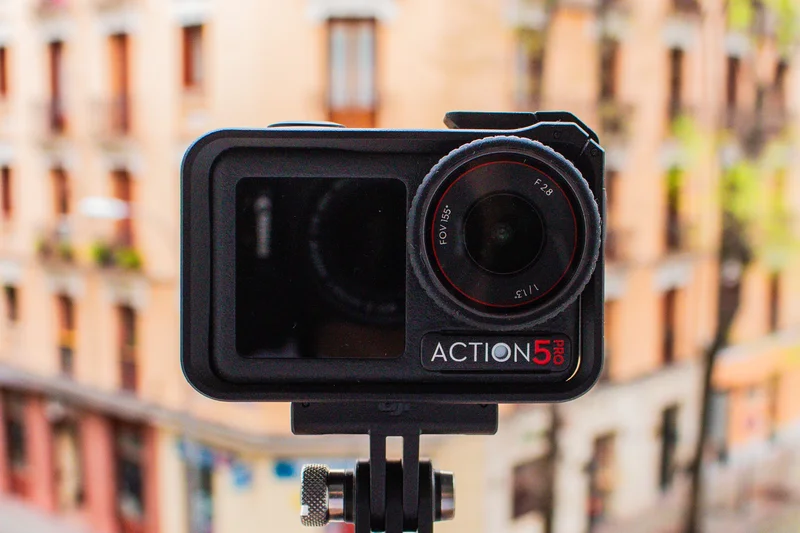
Why we picked it: The DJI Osmo Action 5 Pro redefines what a sub-$500 camera can achieve, securing our top overall spot with an incredibly robust feature set designed for both action junkies and everyday content creators. Armed with a massive 1/1.3-inch CMOS sensor, this camera excels in varied lighting conditions, capturing exceptional 4K video at up to 120 frames per second. Its inclusion of a 10-bit D-Log M color profile offers advanced videographers the dynamic range needed for serious post-production color grading—an absolute rarity at this price point. The dual high-brightness OLED touchscreens ensure you have perfect framing whether you are behind the lens or vlogging to the camera. Furthermore, its waterproof rating of 18 meters without requiring an external housing makes it practically indestructible for travel and adventure scenarios. The M2 Multi-Dimensional Evaluation awarded the Osmo Action 5 Pro exceptional marks for its Video Capabilities (9/10) and Battery Life (8/10), reflecting its ability to shoot reliably without overheating or rapid battery drain—a common pitfall of competing budget action cameras. DJI’s HorizonSteady and RockSteady 3.0 stabilization algorithms completely eliminate the need for a bulky mechanical gimbal, keeping your footage buttery smooth even during vigorous movement. While it inherently lacks the optical zoom and shallow depth-of-field of an APS-C mirrorless camera, its sheer versatility, extreme durability, and top-tier video specifications make it the most capable all-around imaging device under $500 for modern creators in 2026.
Key Specs
- 1/1.3-inch CMOS Sensor
- 4K/120fps Video
- HorizonSteady & RockSteady 3.0
- Dual OLED Touchscreens
- 10-Bit D-Log M Color
- Waterproof up to 18m without case
What we like
- Class-leading 1/1.3-inch sensor for excellent low-light video
- Phenomenal battery life with fast charging
- Dual OLED touchscreens are incredibly responsive
- 10-bit color offers professional grading flexibility
What we don't like
- Fixed ultra-wide lens lacks natural optical zoom
- Struggles to provide shallow depth of field for traditional portraits
Best for: Vloggers, travelers, and content creators needing a rugged, do-it-all 4K video powerhouse that fits in a pocket.
Considering the DJI Osmo Action 5 Pro vs the GoPro HERO 12 Black? The DJI offers superior low-light performance thanks to its larger sensor and significantly better battery life in extreme temperatures, while the GoPro still holds a slight edge in maximum resolution (5.3K).
The ultimate sub-$500 camera for video creators, combining a large sensor, flawless stabilization, and rugged durability.
Buy at DJI official site#2 DJI Osmo Action 4
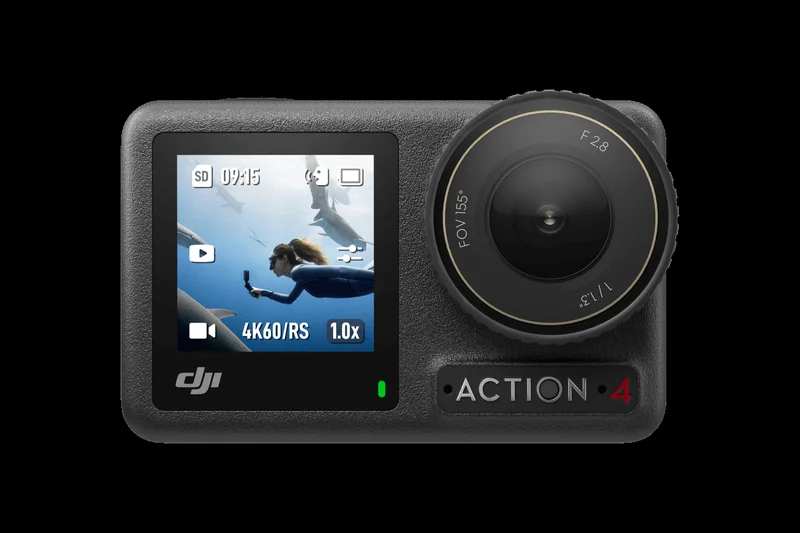
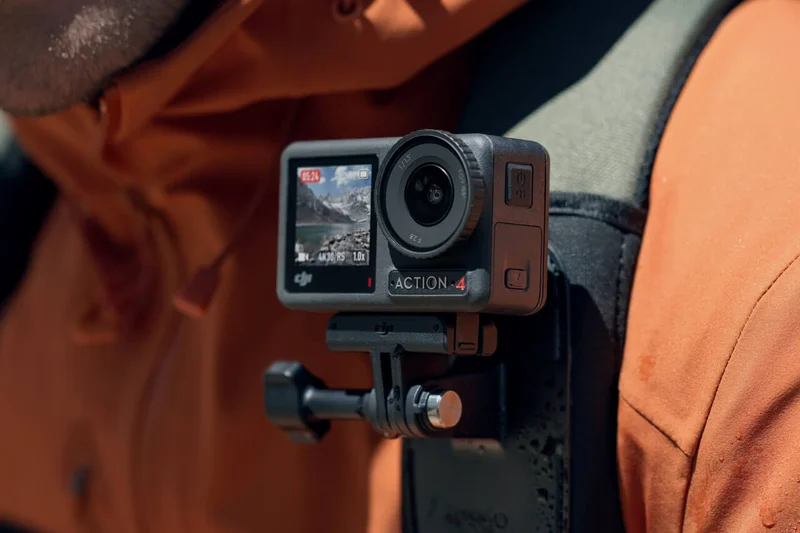
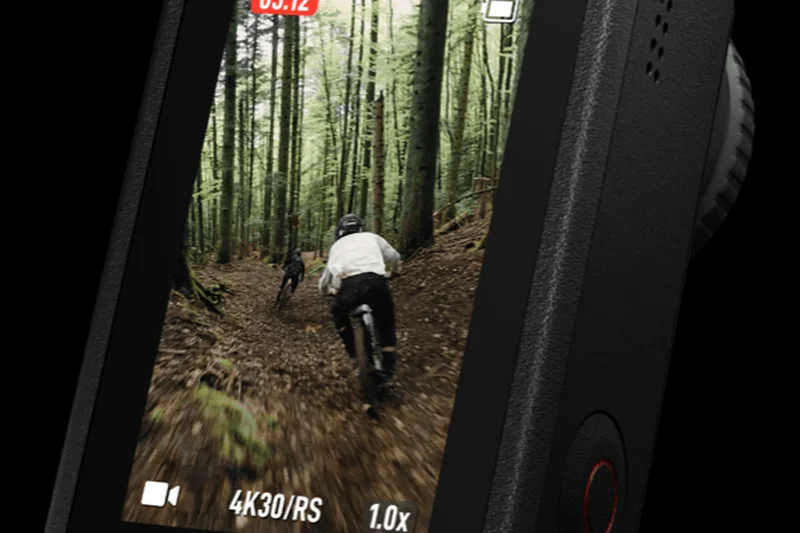
Why we picked it: Just barely edged out by its newer sibling, the DJI Osmo Action 4 remains an absolute triumph of engineering and offers unmatched value for budget-conscious buyers. It shares the same impressive 1/1.3-inch CMOS sensor as the Action 5 Pro, meaning its low-light video performance and dynamic range completely outclass standard action cameras and smartphones. Capable of shooting 4K video at 120fps with 10-bit D-Log M color, it provides professional-grade video files that are a joy to edit. The Action 4 features deep-freeze resistant batteries that allow for continuous recording in harsh winter environments without randomly shutting down. It also features a magnetic quick-release mounting system that makes swapping the camera between tripods, helmet mounts, and selfie sticks completely frictionless. While it lacks the slightly upgraded OLED screens and minor processing bumps of the Action 5 Pro, the Action 4 delivers 95% of the same flagship performance at a noticeably lower price point. For creators who want top-tier video stabilization, a massive sensor, and rugged reliability without spending their entire $500 budget, the Osmo Action 4 is a spectacularly smart purchase that leaves room in the budget for extra mounts and memory cards.
Key Specs
- 1/1.3-inch CMOS Sensor
- 4K/120fps Video
- 10-Bit & D-Log M Color Performance
- Deep-Freeze Resistant Battery
- Waterproof to 18m
What we like
- Incredible value for a 1/1.3-inch sensor
- Flawless RockSteady magnetic mounting system
- Excellent low-light performance for an action cam
- Reliable deep-freeze battery tech
What we don't like
- Screens are not as vibrant as the Action 5 Pro
- Still inherently limited to ultra-wide focal lengths
Best for: Budget-conscious videographers and travelers who want flagship action camera performance while saving cash for accessories.
Considering the DJI Osmo Action 4 vs the Insta360 Ace? The Action 4 features a slightly larger sensor and a more refined magnetic mounting ecosystem, making it better for traditional action shooting, whereas the Ace offers a unique flip-up screen.
A spectacular value proposition offering near-flagship 4K video quality and low-light performance at a deeply discounted price.
Buy at DJI official site#3 Panasonic Lumix G100D
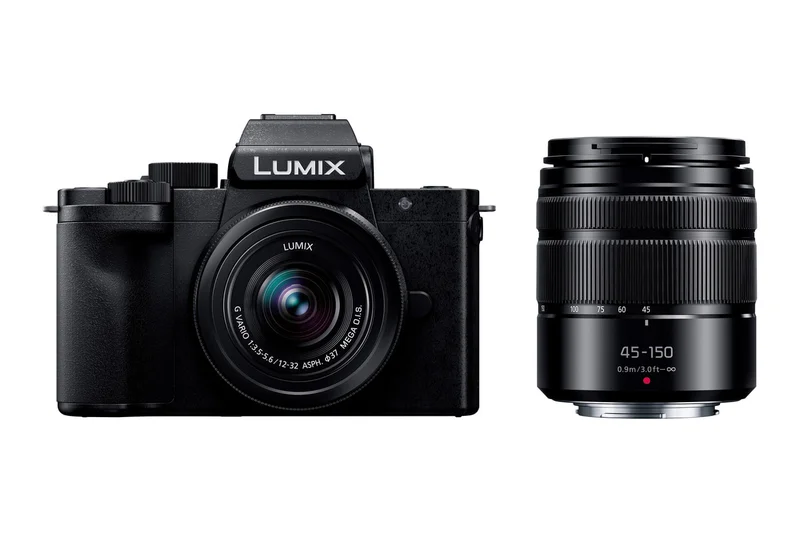
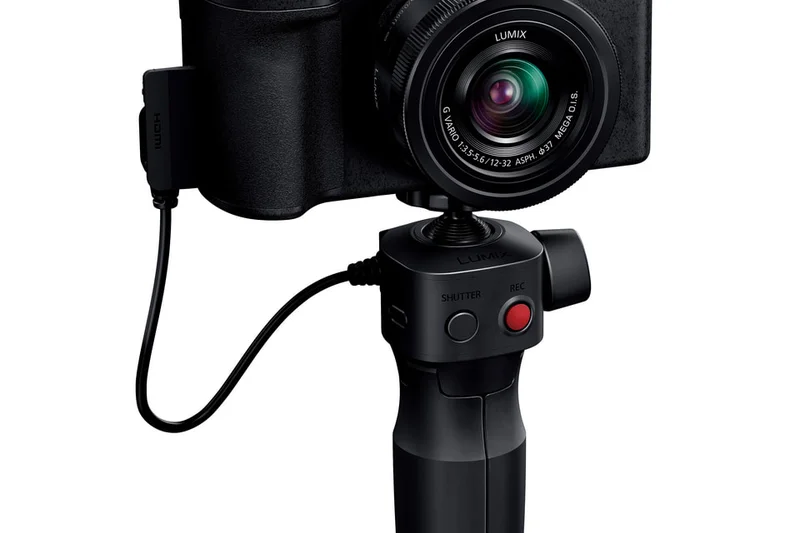
Why we picked it: The Panasonic Lumix G100D is the undisputed king of traditional vlogging mirrorless cameras in the sub-$500 category. Designed specifically with content creators in mind, it features a highly capable 20.3MP Micro Four Thirds sensor that provides a massive leap in image quality over smartphones, delivering gorgeous colors and the ability to achieve genuine optical background blur. What sets the G100D apart is its incredible OZO Audio system by Nokia, which uses three internal microphones to track the subject's voice automatically, often eliminating the need for an external shotgun mic. It shoots crisp 4K30p video and features a fully free-angle touchscreen that is perfect for self-recording. Furthermore, it boasts a new, highly detailed 2.36m-Dot OLED electronic viewfinder for when you want to shoot traditional photography. By utilizing the Micro Four Thirds mount, buyers gain immediate access to the largest and most affordable ecosystem of compact lenses on the market, securing an Ecosystem score of 9/10. While its autofocus relies on Panasonic's older DFD contrast-detect system—which can sometimes pulse during video—its lightweight design, brilliant audio, and superb image quality make it a remarkably complete package for hybrid shooters.
Key Specs
- 20.3MP Micro Four Thirds Sensor
- 4K30p Video Recording
- OZO Audio by Nokia
- 2.36m-Dot OLED EVF
- Free-Angle Touchscreen
What we like
- Excellent 20.3MP Micro Four Thirds image quality
- Class-leading built-in OZO directional audio
- Access to a massive library of affordable MFT lenses
- Fully articulating screen perfect for vlogging
What we don't like
- Contrast-detect AF can pulse slightly in 4K video
- 4K video imposes a heavy crop factor on lenses
Best for: Vloggers and hybrid shooters wanting interchangeable lenses and excellent built-in audio in a highly portable body.
Considering the Panasonic Lumix G100D vs the Sony ZV-1F? The G100D allows you to change lenses and has a larger sensor, whereas the ZV-1F is a fixed-lens point-and-shoot with slightly more reliable video autofocus.
The ultimate entry-level mirrorless camera for vloggers, offering superb audio and access to the vast Micro Four Thirds lens ecosystem.
Buy at Panasonic official site#4 Canon EOS R100
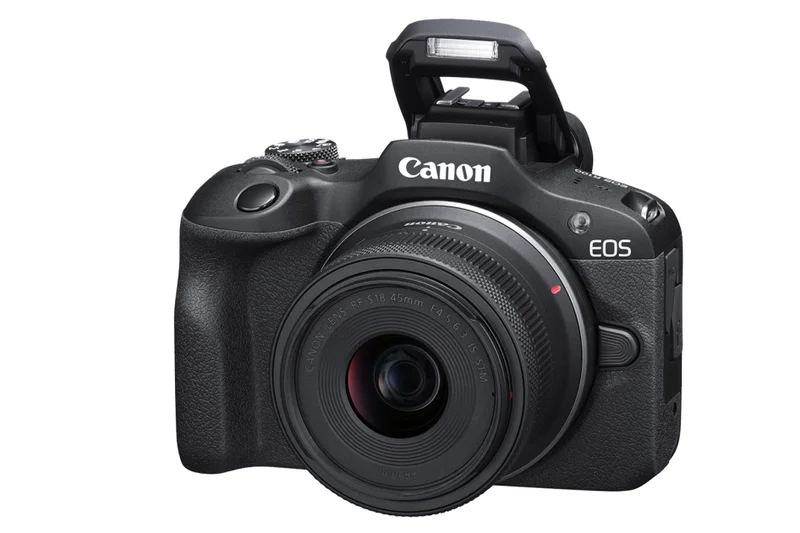
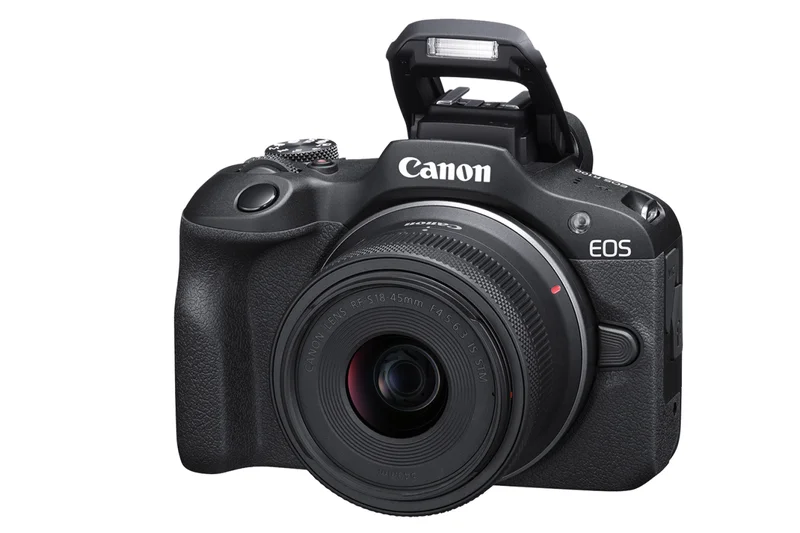
Why we picked it: If your primary goal is traditional, high-quality photography, the Canon EOS R100 is the absolute best camera under $500. This highly compact mirrorless camera houses a stellar 24.1MP APS-C CMOS sensor, which completely dwarfs the sensors found in smartphones and action cameras. It produces images with remarkable dynamic range, punchy Canon color science, and true, creamy bokeh that elevates portrait photography. Securing a top score for Image Quality (9/10), the R100 is a photographer's dream on a budget. Furthermore, it inherits Canon's legendary Dual Pixel CMOS AF with eye-detection for still photography, ensuring your subjects are tack-sharp even in motion. It features a built-in OLED electronic viewfinder and reliable Wi-Fi/Bluetooth for instant smartphone transfers. The compromises here are entirely on the video front: while it can shoot 4K video, it suffers from a heavy crop factor and drops the stellar Dual Pixel AF in favor of slower contrast-detect AF when in 4K mode. The rear LCD screen is also fixed, meaning it cannot tilt or flip for vlogging. However, for purist beginners looking to learn photography with modern mirrorless autofocus and access to Canon's expanding RF lens mount, the EOS R100 is an unbeatable entry point.
Key Specs
- 24.1MP APS-C CMOS Sensor
- Dual Pixel CMOS AF with Eye Detection
- 4K 24p Cropped Video
- 6.5 fps Continuous Shooting
- Built-in Wi-Fi & Bluetooth
- 0.39-inch OLED EVF
What we like
- Class-leading 24.1MP APS-C sensor for gorgeous photos
- Superb Dual Pixel AF with eye tracking for stills
- Highly compact and lightweight for an APS-C body
- Access to Canon's modern RF lens ecosystem
What we don't like
- Fixed rear LCD screen is not touch-sensitive
- 4K video is heavily cropped and lacks Dual Pixel AF
Best for: Beginner photographers and photography students who want the best possible still image quality and modern autofocus on a strict budget.
Considering the Canon EOS R100 vs the Canon EOS Rebel T7? The R100 is lighter, features vastly superior mirrorless autofocus with eye-tracking, and shoots better video, making the older T7 DSLR largely obsolete for most new buyers.
A pure photography machine that sacrifices video features to deliver the best APS-C still image quality and autofocus under $500.
Buy at Canon official site#5 GoPro HERO 12 Black
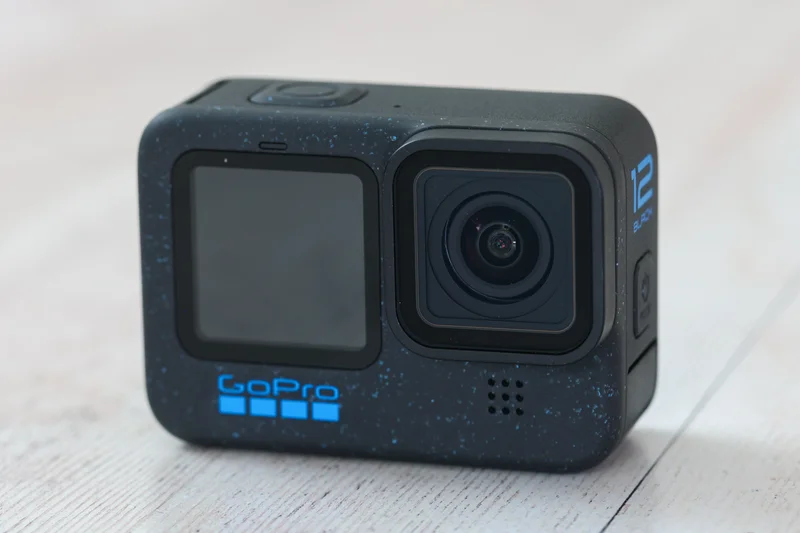
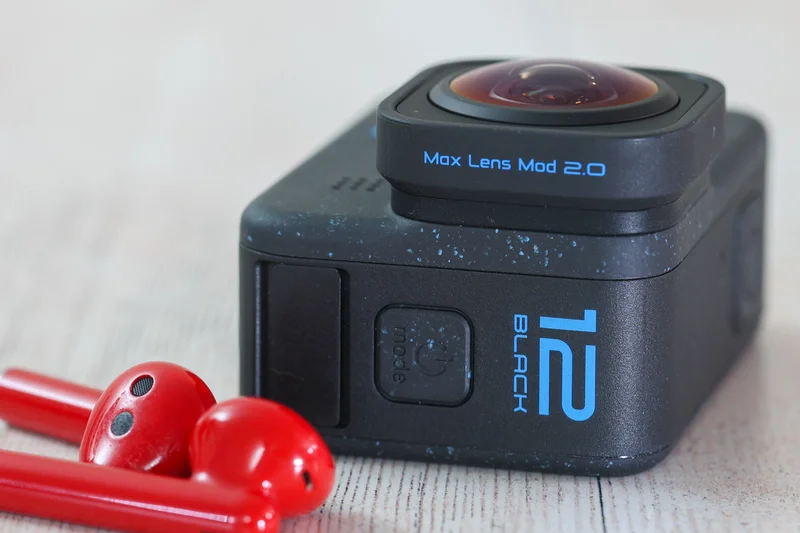
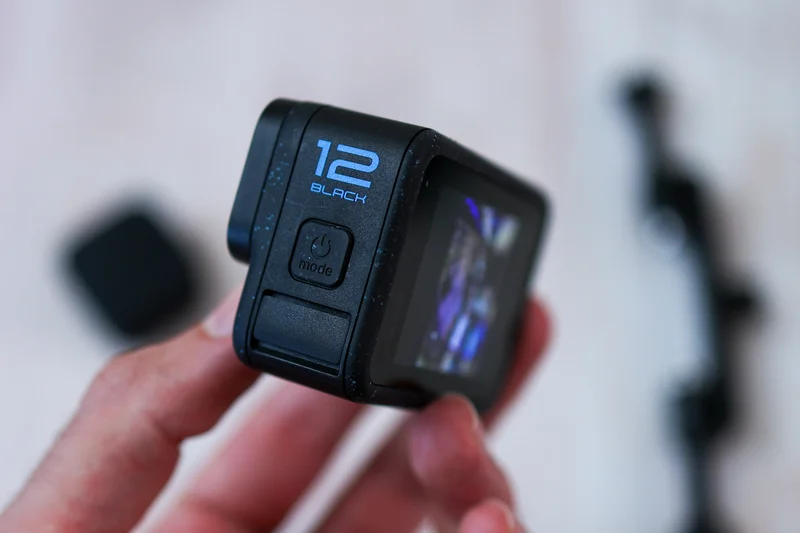
Why we picked it: The GoPro HERO 12 Black remains a titan of the action camera world, delivering staggering video capabilities and rugged durability for less than $350. It boasts a unique 8:7 aspect ratio sensor that captures 27MP photos and stunning 5.3K video at 60fps, allowing creators to crop footage vertically for TikTok or horizontally for YouTube from a single take without losing resolution. Earning a 9/10 in Video Capabilities, the HERO 12 features GoPro's industry-defining HyperSmooth 6.0 stabilization, ensuring that even the most violently shaky mountain bike rides look cinematic and smooth. A major upgrade for this generation is the inclusion of HDR (High Dynamic Range) video, which beautifully balances blown-out skies and dark shadows in complex lighting. It also added Bluetooth audio support, allowing you to record wireless audio directly from Apple AirPods or other Bluetooth mics. While its sensor is smaller than the DJI Osmo Action series—leading to noisier footage in low-light conditions—its unmatched maximum resolution, robust accessory ecosystem, and intuitive touchscreen interface make it a spectacular choice for daytime action sports, underwater diving, and immersive point-of-view content creation.
Key Specs
- 27MP Sensor with 5.3K60 Video
- HyperSmooth 6.0 Video Stabilization
- HDR Video Capability
- Bluetooth Audio Support
- Waterproof up to 33ft
What we like
- Incredible 5.3K60 resolution with 8:7 aspect ratio
- HyperSmooth 6.0 is industry-leading stabilization
- Seamless Bluetooth audio integration for wireless mics
- Massive ecosystem of compatible action mounts
What we don't like
- Smaller sensor struggles noticeably in low-light
- GoPro removed the built-in GPS module for this model
Best for: Extreme sports enthusiasts, divers, and social media creators who need ultra-high resolution and the ability to crop vertically for Reels and TikToks.
Considering the GoPro HERO 12 Black vs the DJI Osmo Action 5 Pro? The GoPro offers higher 5.3K resolution and an 8:7 sensor for versatile cropping, while DJI wins easily in low-light performance and battery life.
The quintessential action camera, offering unmatched 5.3K resolution and hyper-smooth stabilization for daytime thrill-seekers.
Buy at GoPro official site#6 Panasonic Lumix G7
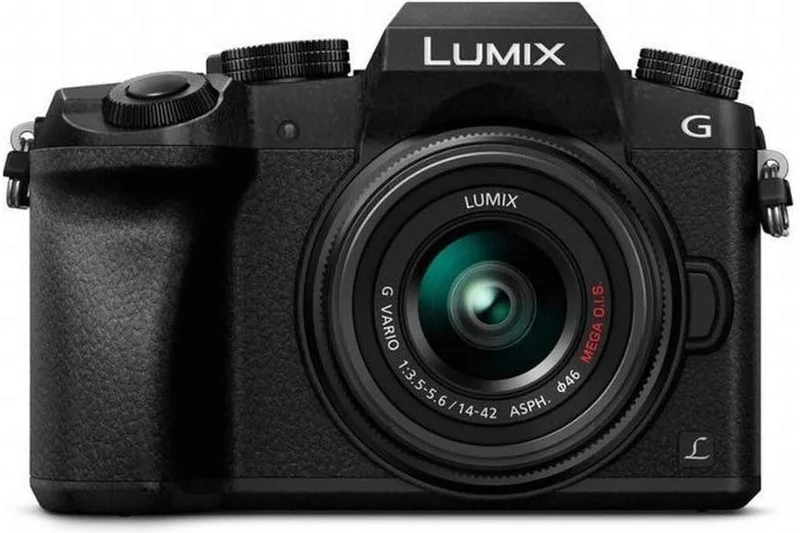
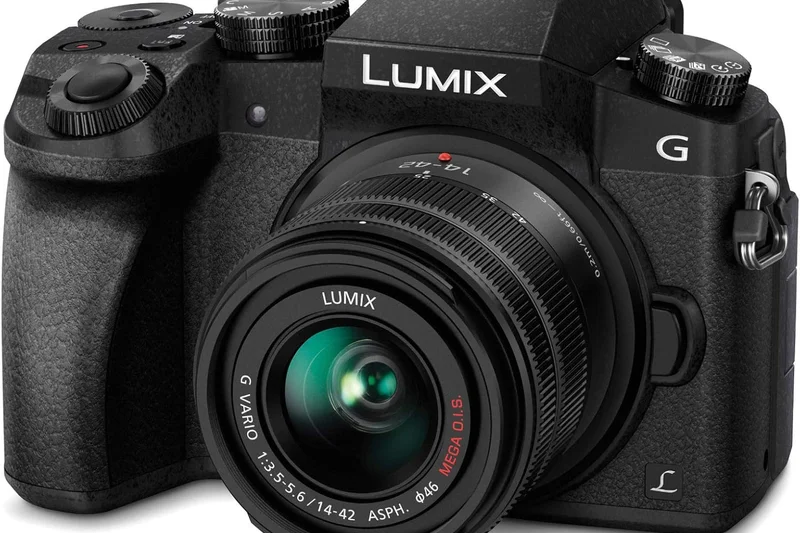
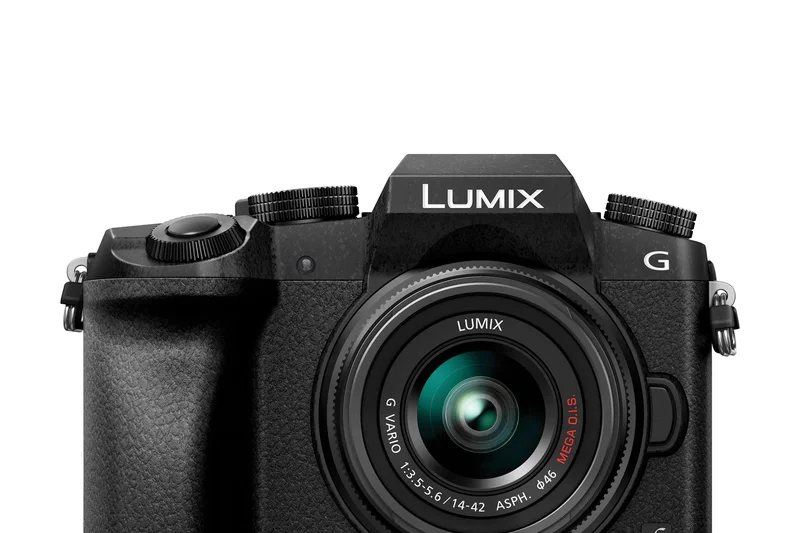
Why we picked it: Despite being an older model, the Panasonic Lumix G7 remains an absolute powerhouse of value for budding filmmakers on a strict budget. It features a solid 16MP Micro Four Thirds sensor and captures beautiful, uncropped 4K UHD video at 30p, complete with full manual video controls, focus peaking, and zebra stripes—tools typically reserved for expensive cinema cameras. The G7 boasts a fully articulating touchscreen and a high-resolution OLED viewfinder, making it incredibly versatile for both shooting angles and bright outdoor monitoring. Because it uses the mature Micro Four Thirds mount, you have access to a massive, affordable used lens market, securing an Ecosystem score of 9/10. Its contrast-based DFD autofocus is showing its age compared to modern phase-detect systems, but if you are willing to learn manual focus or work within its limits, the video quality per dollar is virtually unmatched.
Key Specs
- 16MP Live MOS Micro Four Thirds Sensor
- 4K UHD 30p Video & 4K Photo
- High-Resolution OLED EVF
- Fully Articulating Touchscreen
- DFD Autofocus System
What we like
- Exceptional 4K video quality for the price
- Fully articulating touchscreen and great EVF
- Extensive physical dials and custom buttons
- Access to cheap, high-quality MFT lenses
What we don't like
- 16MP sensor is slightly dated for high-res photography
- Older autofocus system can hunt during video recording
Best for: Filmmaking students and amateur videographers wanting manual controls and interchangeable lenses on an absolute budget.
Considering the Panasonic Lumix G7 vs the Canon EOS Rebel T7? The Lumix G7 destroys the T7 in video capabilities (4K vs 1080p) and offers a much better mirrorless shooting experience, while the T7 has slightly more megapixels for stills.
A legendary budget filmmaker's camera that provides uncropped 4K, manual controls, and interchangeable lenses for under $500.
Buy at Panasonic official site#7 GoPro HERO11 Black
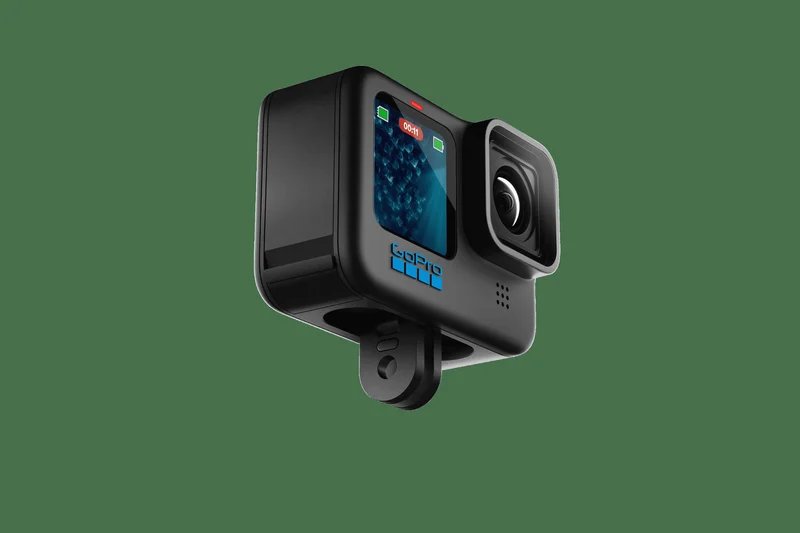
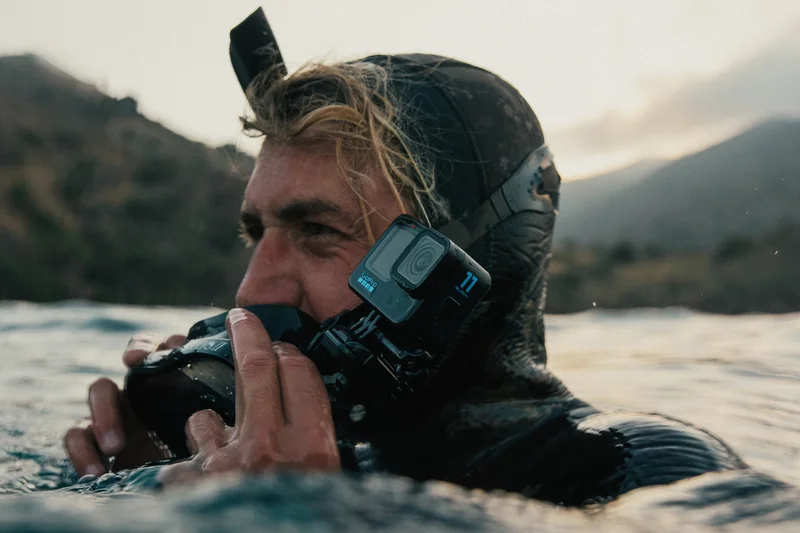
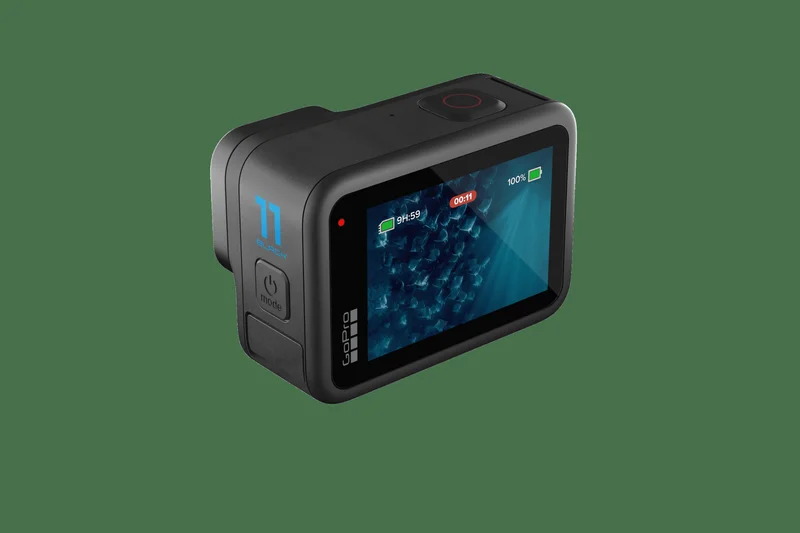
Why we picked it: The GoPro HERO11 Black hits the sweet spot of price and performance, offering nearly all the flagship features of the HERO 12 at a heavily discounted price. It utilizes the exact same 8:7 aspect ratio sensor, allowing you to shoot stunning 5.3K60 video and extract both vertical and horizontal clips from a single recording. It features 10-bit color depth for excellent post-production grading and robust HyperSmooth 5.0 stabilization with AutoBoost. Crucially, unlike the HERO 12, the HERO11 retains the built-in GPS module, allowing you to overlay telemetry data like speed, altitude, and track maps onto your footage. While it lacks the HDR video mode and Bluetooth mic support of its successor, the HERO11 is arguably the smarter purchase for athletes who care about GPS telemetry and want to save $50-$100.
Key Specs
- 27MP 1/1.9-inch Sensor
- 5.3K60 Video Recording
- HyperSmooth 5.0 with AutoBoost
- 10-bit Color
- Waterproof to 33ft
What we like
- Same fantastic 8:7 sensor and 5.3K video as the HERO 12
- Retains built-in GPS for telemetry data overlays
- 10-bit color depth for superior editing flexibility
- Excellent value at its reduced price point
What we don't like
- Lacks the Bluetooth mic integration of the newer model
- Battery drains quickly when shooting at maximum 5.3K
Best for: Action sports enthusiasts who want top-tier 5.3K video and insist on having GPS telemetry data for their footage.
Considering the GoPro HERO11 Black vs the HERO 12 Black? Buy the HERO11 if you want GPS data and want to save money; buy the HERO 12 if you need HDR video and wireless Bluetooth microphone support.
An outstanding bargain action camera that delivers flagship 5.3K video, 10-bit color, and built-in GPS for less.
Buy at GoPro official site#8 Insta360 X4
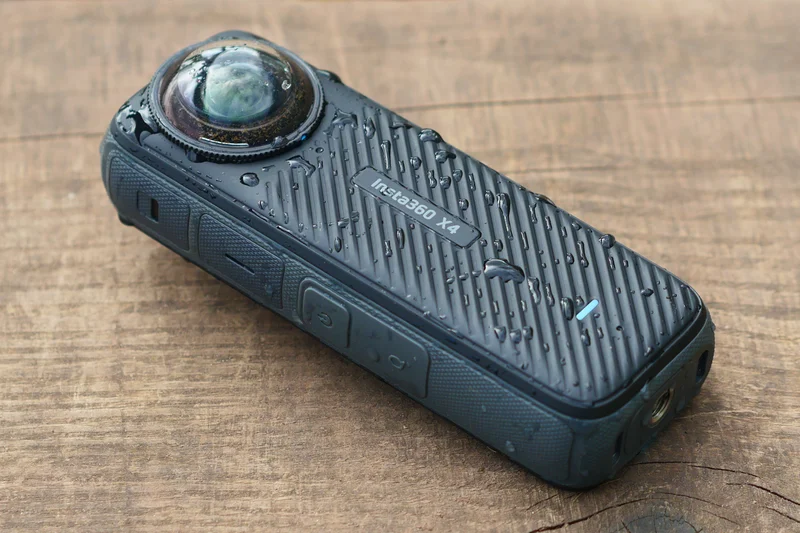
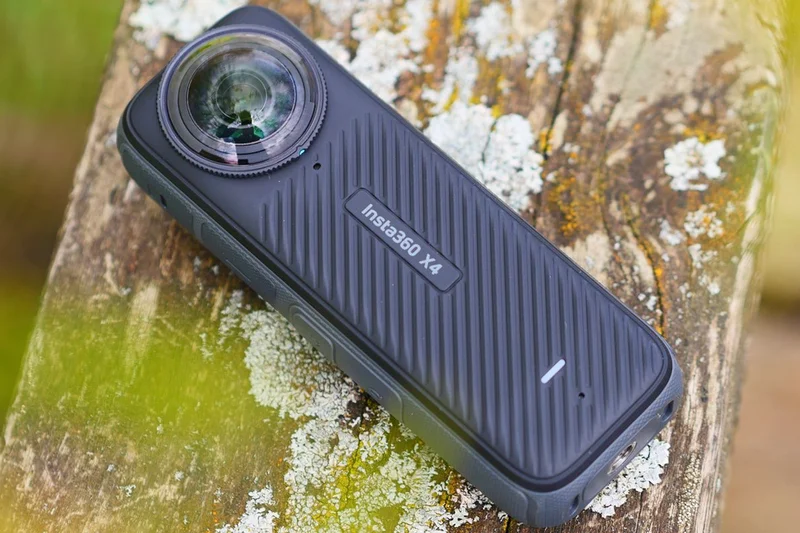
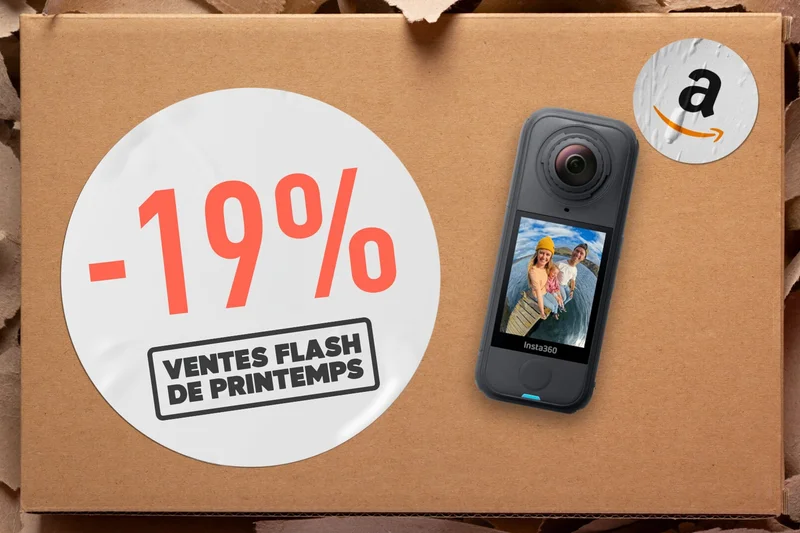
Why we picked it: The Insta360 X4 pushes the boundaries of consumer 360-degree video, offering an incredible 8K resolution in a pocketable stick format. This massive resolution bump solves the traditional problem of 360 video looking soft when reframed into a standard flat 1080p or 4K video. With the X4, you can mount the camera, record everything around you, and use the highly intuitive smartphone app to "shoot first, point later," framing perfect shots after the fact. The software automatically erases the selfie stick from the footage, creating impossible, drone-like third-person perspectives. It features FlowState stabilization, making footage perfectly level regardless of how you hold it, and a large 2.5-inch touchscreen protected by Corning Gorilla Glass. While 8K files are massive and require a modern smartphone or PC to edit smoothly, the creative possibilities for travel and action logging are simply unparalleled.
Key Specs
- 8K 360° Video Recording
- 5.7K at 60fps & 4K at 100fps
- FlowState Stabilization
- Invisible Selfie Stick Effect
- 2.5-inch Touchscreen
What we like
- 8K resolution allows for sharp reframed 1080p/4K outputs
- Invisible selfie stick effect creates drone-like angles
- FlowState stabilization ensures perfectly level horizons
- Large, responsive 2.5-inch touchscreen
What we don't like
- 8K video files are massive and require fast hardware to edit
- Exposed dual lenses are highly susceptible to scratches
Best for: Solo travelers, motorcyclists, and creative vloggers who want to capture everything around them and reframe the perfect shot later.
Considering the Insta360 X4 vs the Insta360 X3? The X4 offers a massive leap to 8K resolution (meaning sharper reframed crops) and better battery life, making the upgrade highly recommended if your editing hardware can handle it.
The best 360-degree camera under $500, offering 8K resolution to ensure your reframed, drone-like footage is exceptionally sharp.
Buy at Insta360 official site#9 DJI Pocket 2
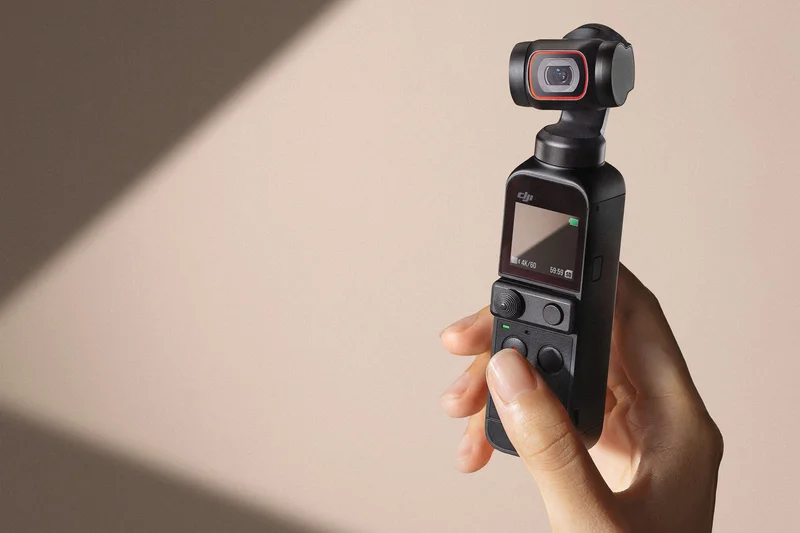
Why we picked it: The DJI Pocket 2 is a marvel of miniaturization, placing a high-quality 64MP 1/1.7-inch sensor atop a 3-axis mechanical gimbal. Unlike electronic stabilization which crops your image, the mechanical gimbal physically moves to counter your hand shakes, resulting in cinematic, floating footage even in low light. It shoots superb 4K/60fps video and features DJI's ActiveTrack 3.0, which can lock onto a subject and physically pan the camera head to keep them dead-center in the frame. The built-in Matrix Stereo audio system is excellent, and its ultra-compact size means it slips easily into a jeans pocket. While the built-in screen is tiny, it can attach directly to your smartphone to use as a large monitor. It's the ultimate tool for walk-and-talk vloggers.
Key Specs
- 3-Axis Stabilized Gimbal
- 64MP 1/1.7-inch CMOS Sensor
- 4K/60fps Video
- ActiveTrack 3.0 Subject Tracking
- DJI Matrix Stereo Audio
What we like
- True mechanical 3-axis gimbal stabilization
- ActiveTrack automatically follows subjects
- Surprisingly large 1/1.7-inch sensor for its size
What we don't like
- Built-in screen is extremely small
- Not waterproof or ruggedized for extreme action
Best for: Walk-and-talk vloggers and travel documentarians who want perfectly smooth cinematic pans without cropping their footage.
Considering the DJI Pocket 2 vs a standard action camera? The Pocket 2 offers superior low-light stabilization since it doesn't rely on electronic cropping, but it is much more fragile and isn't waterproof.
A pocket-sized cinematic powerhouse that combines a capable sensor with true mechanical gimbal stabilization.
Buy at DJI official site#10 Insta360 Ace
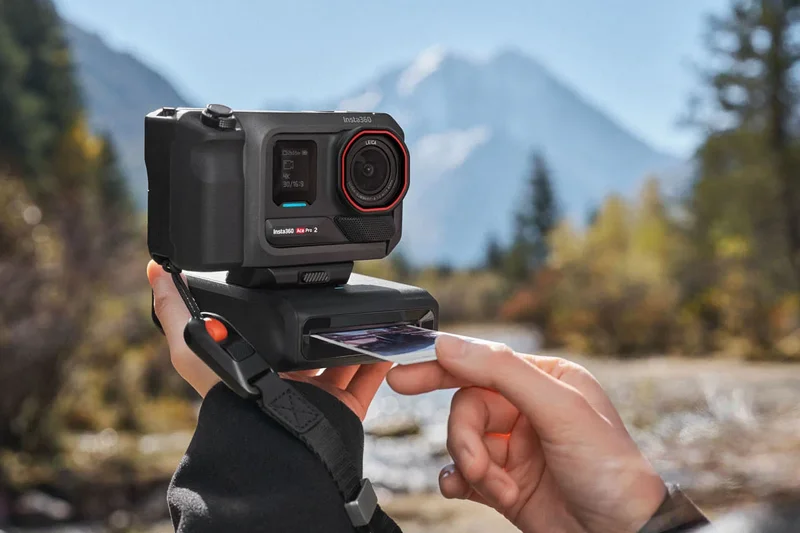

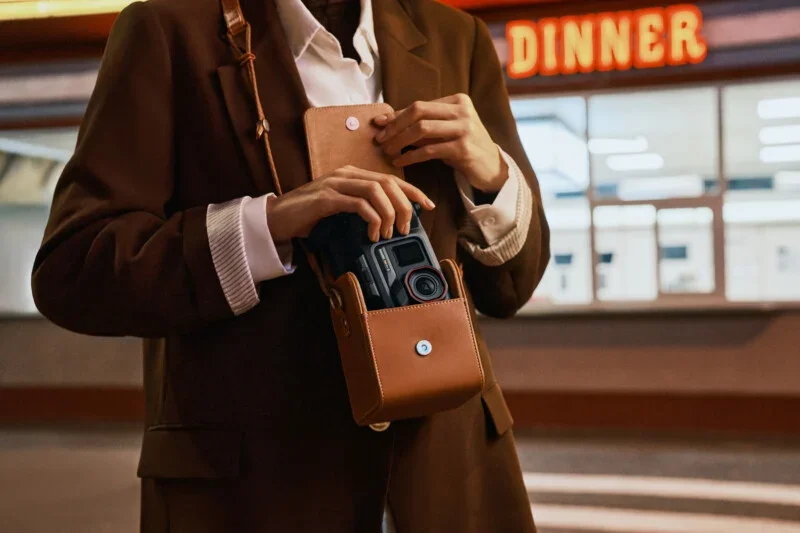
Why we picked it: The Insta360 Ace is a premium traditional action camera that introduces a highly useful 2.4-inch flip-up touchscreen, a feature sorely missing from GoPro and DJI alternatives. This makes vlogging and framing low-angle shots incredibly easy. It houses a capable 1/2-inch 48MP sensor that can capture detailed 6K video at 30fps and 4K at up to 120fps. Insta360's FlowState stabilization is excellent, and the camera integrates a clever magnetic mounting system similar to DJI's, allowing for rapid swaps between accessories. While it lacks the larger sensor of its "Pro" sibling (which exceeds $500) and struggles slightly more in low light compared to the Osmo Action 4, the convenience of the flip screen and the robust AI-powered editing app make it a fantastic choice.
Key Specs
- 1/2-inch 48MP Sensor
- 6K30p and 4K120p Video
- 2.4-inch Flip Touchscreen
- FlowState Stabilization
- Magnetic Mounting System
What we like
- 2.4-inch flip touchscreen is brilliant for vlogging
- High-resolution 6K video capability
- Excellent magnetic quick-release mounting system
What we don't like
- 1/2-inch sensor is smaller than main competitors
- Low-light performance is just average
Best for: Action vloggers and creators who frequently shoot themselves and desperately need a large, flip-up front-facing monitor.
Considering the Insta360 Ace vs the DJI Osmo Action 4? The Ace wins on vlogging ergonomics with its flip screen, but the Action 4 delivers noticeably better video quality in challenging lighting due to its larger sensor.
A highly versatile action camera that finally brings a large, articulating flip-screen to the rugged camera market.
Buy at Insta360 official site#11 Insta360 X3
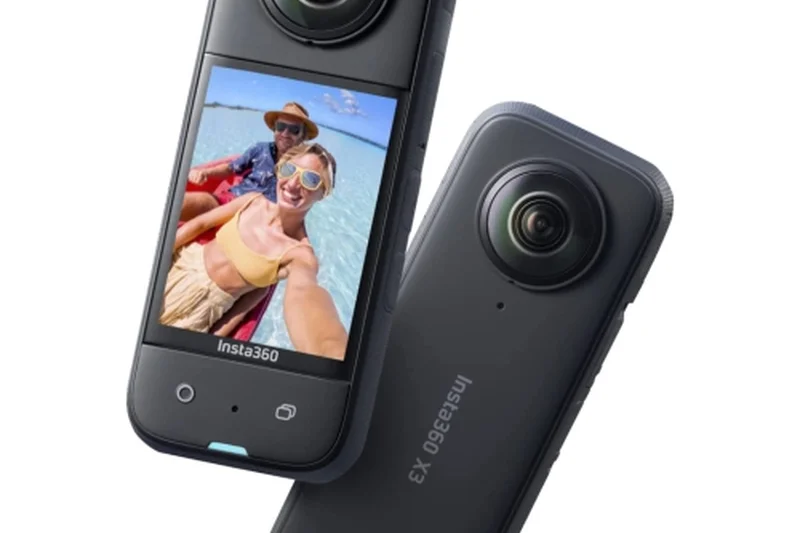
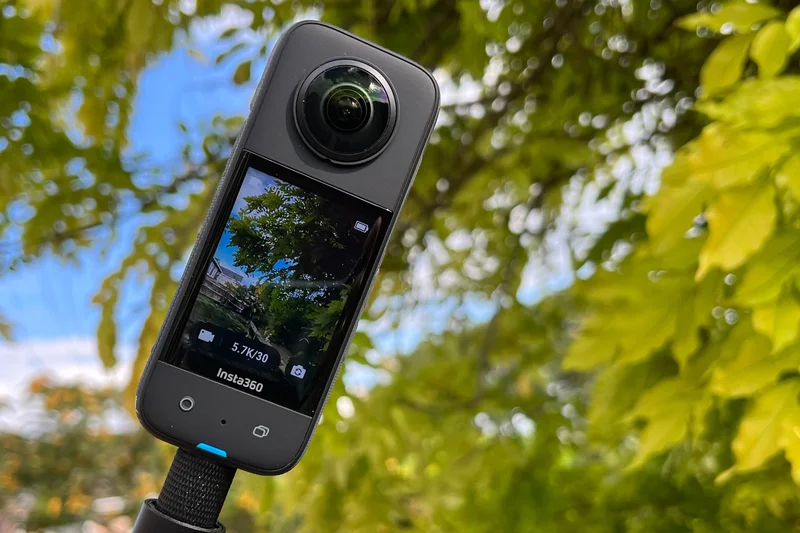
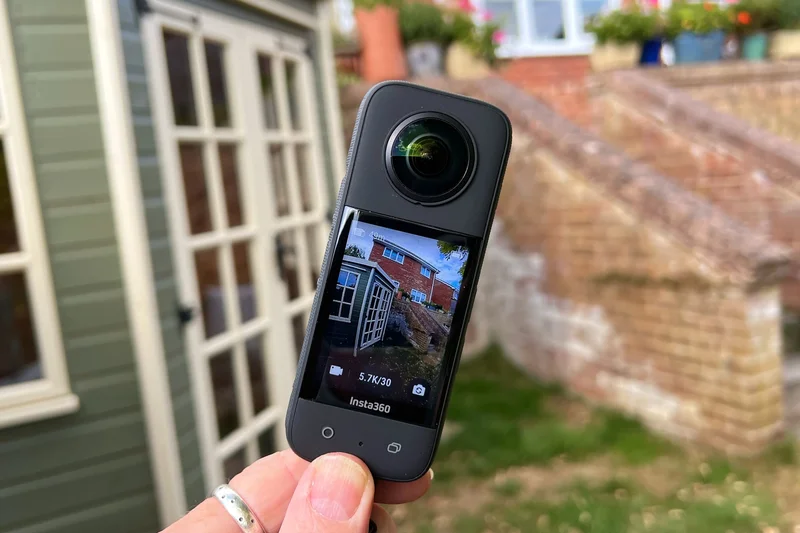
Why we picked it: The Insta360 X3 remains a phenomenal 360-degree camera for those who want immersive "shoot first, frame later" capabilities without the massive storage requirements of 8K video. It captures 5.7K 360-degree video and stunning 72MP 360-degree photos, all controlled via a beautifully large 2.29-inch tempered glass touchscreen. The FlowState stabilization and 360 Horizon Lock ensure your footage is always smooth and level, and the invisible selfie stick effect works flawlessly. While the newer X4 offers sharper reframed exports, the X3 is significantly cheaper, lighter, and its 5.7K files are much easier to edit on standard smartphones and older laptops.
Key Specs
- 5.7K 360° Video Capture
- 72MP 360° Photos
- 2.29-inch Tempered Glass Touchscreen
- FlowState Stabilization
- Waterproof to 33ft
What we like
- Excellent 5.7K 360 video and 72MP photos
- Large, bright 2.29-inch touchscreen interface
- File sizes are much more manageable than 8K models
What we don't like
- Reframed standard flat video is essentially 1080p resolution
- Protruding lenses require careful handling
Best for: Casual creators and travelers wanting 360-degree reframing magic who don't want to deal with massive 8K file sizes.
Considering the Insta360 X3 vs the X4? The X3 saves you $100 and offers much easier-to-edit files, making it better for quick smartphone edits, while the X4 provides the sharpness necessary for YouTube creators.
A brilliant, user-friendly 360 camera that delivers impossible camera angles and rock-solid stabilization in a pocketable design.
Buy at Insta360 official site#12 Sony ZV-1F
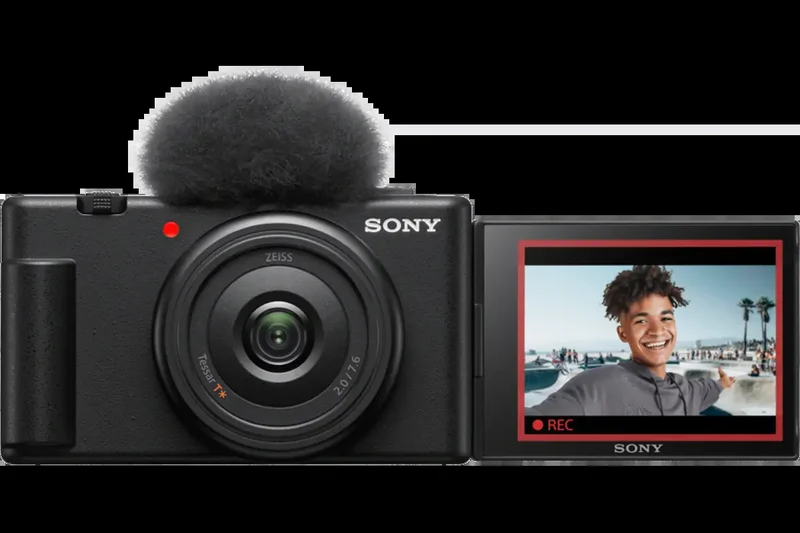
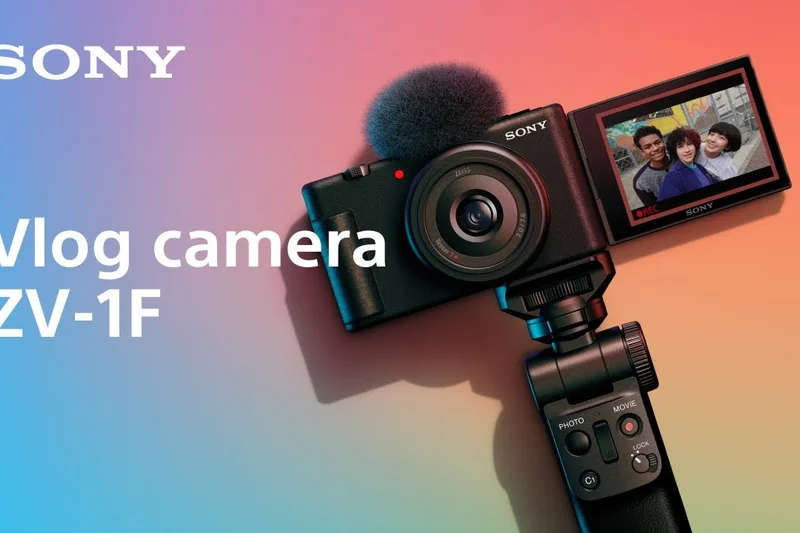
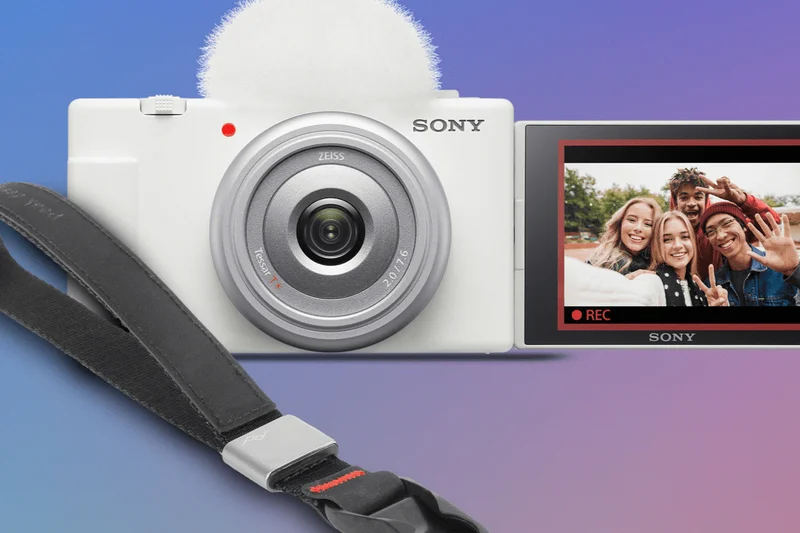
Why we picked it: The Sony ZV-1F is a premium point-and-shoot tailored exclusively for novice vloggers. It utilizes a large 1-inch 20.1MP sensor paired with a fixed 20mm-equivalent f/2.0 ultra-wide lens, ensuring you fit in the frame perfectly when holding the camera at arm's length. It shoots crisp 4K30p video and includes Sony’s brilliant "Product Showcase" mode, which seamlessly shifts focus from your face to an object held up to the lens. The side flip-out touchscreen and directional 3-capsule mic (with included deadcat) complete the vlogging package. The main drawback is its reliance on contrast-detect AF rather than Sony’s famous phase-detect systems, and the lens cannot optically zoom.
Key Specs
- 20.1MP 1-inch Exmor RS Sensor
- 20mm-Equivalent f/2.0 Wide-Angle Lens
- 4K30p Video Recording
- 3.0-inch Side Flip-Out Touchscreen
- Built-in Directional 3-Capsule Mic
- Product Showcase Setting
What we like
- Large 1-inch sensor for a pocketable camera
- Ultra-wide 20mm f/2.0 lens is perfect for selfies
- Excellent built-in microphone and Product Showcase mode
What we don't like
- Only uses contrast-detect autofocus
- Fixed prime lens with no optical zoom capability
Best for: Smartphone creators looking for an easy-to-use, pocketable dedicated vlogging camera with superior background blur.
Considering the Sony ZV-1F vs the Panasonic G100D? The ZV-1F is far more pocketable but has a fixed lens, while the G100D allows you to swap lenses for different creative looks.
A tailor-made vlogging compact that pairs a 1-inch sensor with a perfect ultra-wide lens for face-to-camera recording.
Buy at Sony official site#13 Canon PowerShot V10
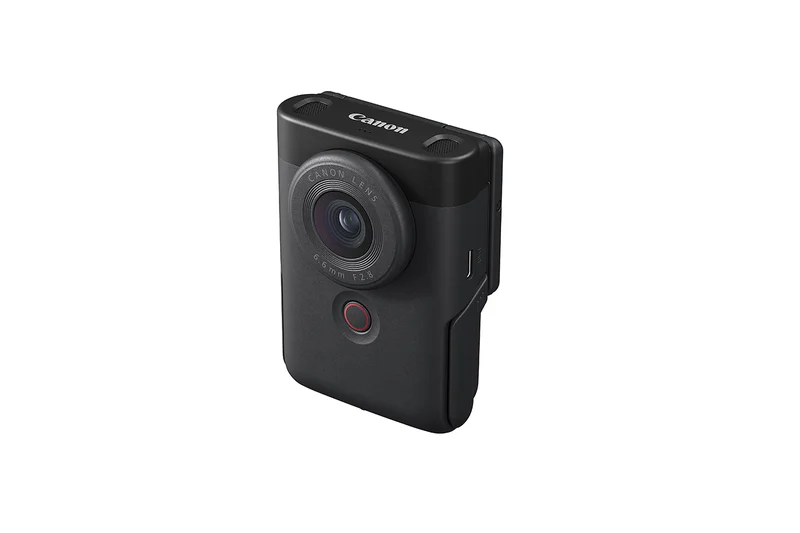
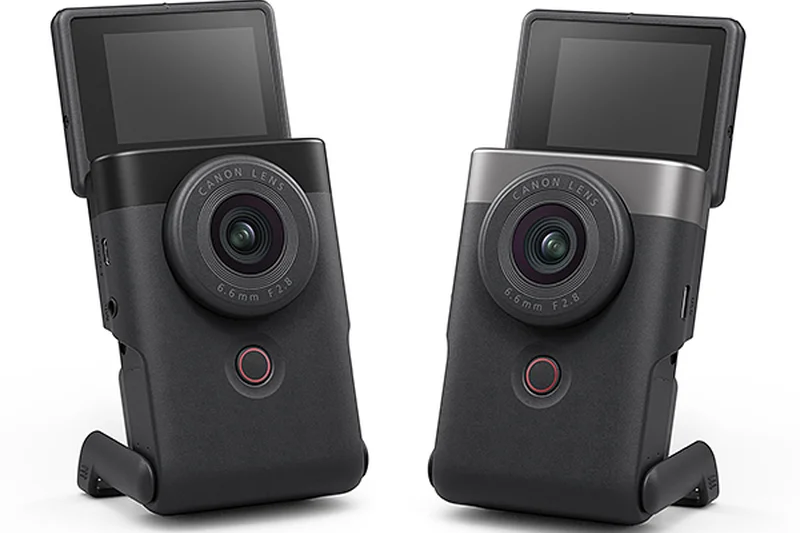
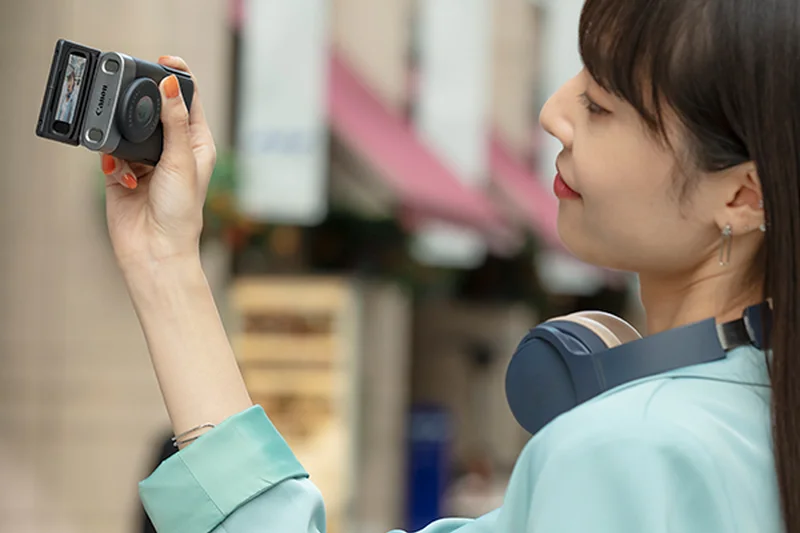
Why we picked it: The Canon PowerShot V10 features a radical, vertical pocket-sized design that feels right at home in a smartphone-dominated world. Designed explicitly for live streaming and casual vlogging, it features a 1.0-inch CMOS sensor, a 19mm equivalent wide-angle lens, and stellar built-in stereo mics. The real genius is its physical design: it incorporates a sturdy built-in kickstand and a flip-up screen, allowing you to easily set it on a desk or table to record without a tripod. It shoots solid 4K30p video and offers direct live streaming capabilities to platforms like YouTube. While battery life is limited and you can't zoom, its supreme usability makes it a fantastic everyday carry camera.
Key Specs
- 1.0-inch CMOS Sensor
- 19mm Equivalent Wide-Angle Lens
- 4K UHD 30p Video
- Built-in Stand and Stereo Mics
- 2.0-inch Tilt-Up Screen
- Direct Live Streaming Capability
What we like
- Innovative design with a brilliant built-in kickstand
- Large 1.0-inch sensor in a tiny, vertical body
- High-quality built-in stereo microphones
What we don't like
- Battery life is quite poor during 4K recording
- Fixed lens with no optical zoom
Best for: Desktop vloggers, live streamers, and casual travelers who want to set up a camera instantly without carrying a tripod.
Considering the Canon PowerShot V10 vs the Sony ZV-1F? The V10 is vastly more convenient for setting down on tables thanks to its stand, while the ZV-1F offers slightly better manual controls and an f/2.0 lens.
A uniquely designed, stand-equipped pocket camera that makes spontaneous vlogging and live streaming completely frictionless.
Buy at Canon official site#14 Insta360 GO 3S
Why we picked it: Weighing just 39 grams, the Insta360 GO 3S is a miniature action camera that completely rethinks portability. The camera itself is a tiny, magnetic pill that can be clipped to a hat, worn on a magnetic pendant underneath a shirt, or stuck to metal surfaces for impossible POV angles. It snaps into the "Action Pod," which provides a flip-up touchscreen and extra battery life, transforming it into a traditional action camera. This "S" version upgrades the video to sharp 4K resolution and adds Apple Find My integration so you never lose the tiny device. While battery life of the standalone pill is short (about 38 minutes), its invisible, hands-free form factor is revolutionary.
Key Specs
- Ultra-Compact 39g Magnetic Body
- 4K Video Recording
- FlowState Stabilization
- Action Pod with Flip Touchscreen
- Apple Find My Integration
What we like
- Unmatched 39g portability allows for unique POV mounting
- Upgraded 4K resolution is crisp and stabilized
- Action Pod provides a great vlogging screen
What we don't like
- Pill camera battery life is very short without the Pod
- Low-light video gets noisy very quickly
Best for: POV creators, runners, and parents who want hands-free, stabilized 4K video from a camera they literally wear like a badge.
Considering the Insta360 GO 3S vs a standard GoPro? The GO 3S is incredibly discrete and weightless for wearable POV, but a GoPro offers vastly superior durability, battery, and overall image quality.
The ultimate wearable, magnetic 4K action camera that captures effortless, hands-free POV footage from anywhere.
Buy at Insta360 official site#15 Canon EOS Rebel T7
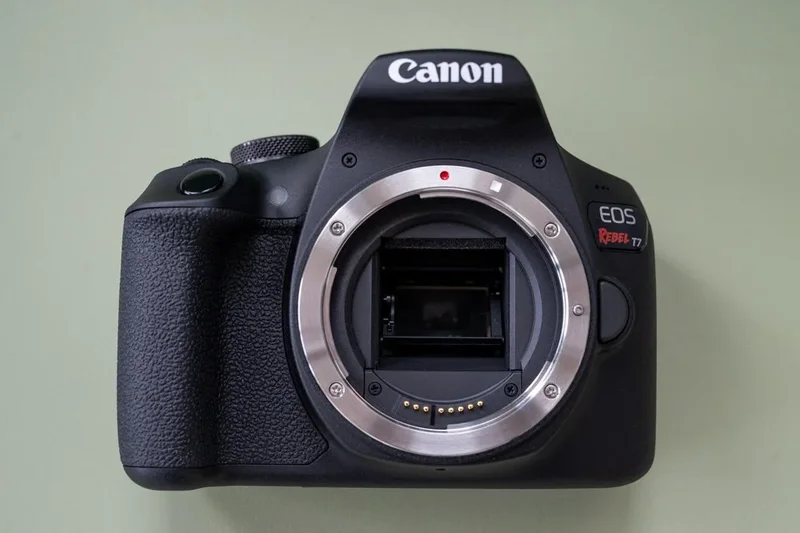
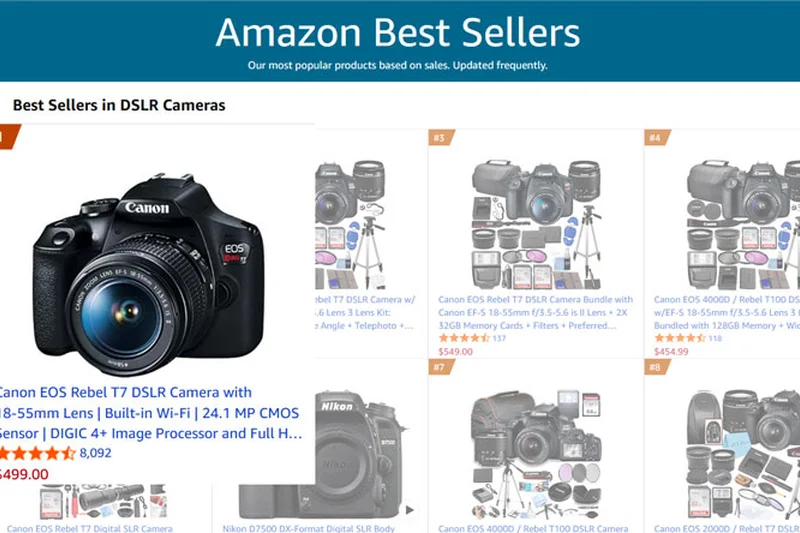
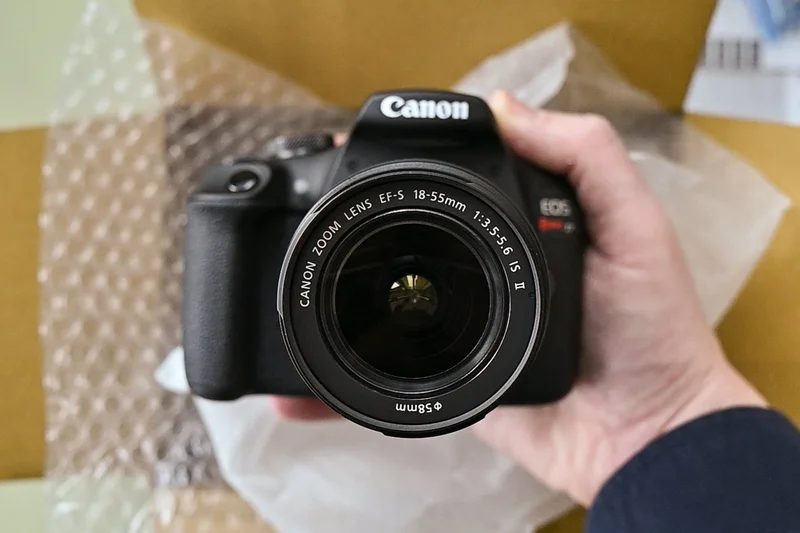
Why we picked it: The Canon EOS Rebel T7 is a classic, entry-level DSLR that remains highly relevant for photography students and purists on a budget. It houses a proven 24.1MP APS-C sensor that delivers gorgeous, high-resolution still images with true optical depth of field. Because it uses the EF-S lens mount, buyers have access to arguably the largest and cheapest ecosystem of used lenses in the world, allowing you to build a comprehensive kit for very little money. However, its age shows heavily in modern tasks: it only shoots 1080p video, features an archaic 9-point autofocus system, and has a fixed, non-touch rear screen. If video isn't a priority, it’s a brilliant, tactile photography teacher.
Key Specs
- 24.1MP APS-C CMOS Sensor
- DIGIC 4+ Image Processor
- 9-Point AF System
- Full HD 1080p30 Video
- Built-In Wi-Fi with NFC
- 3.0-inch 920k-Dot LCD Monitor
What we like
- Excellent 24.1MP image quality for traditional photography
- Access to millions of cheap EF/EF-S lenses
- Real optical viewfinder and solid DSLR ergonomics
What we don't like
- Severely outdated 1080p video capabilities
- Basic 9-point autofocus is slow by modern standards
Best for: Photography students and traditionalists who want a true DSLR optical viewfinder and access to cheap used lenses.
Considering the Canon EOS Rebel T7 vs the Canon EOS R100? The R100 is a modern mirrorless that is faster, shoots 4K, and has eye-tracking AF, making the T7 only recommendable if you desperately want an optical viewfinder.
A proven, budget-friendly DSLR that remains a fantastic learning tool for still photography, despite its outdated video specs.
Buy at Canon official site#16 GoPro HERO (2024)
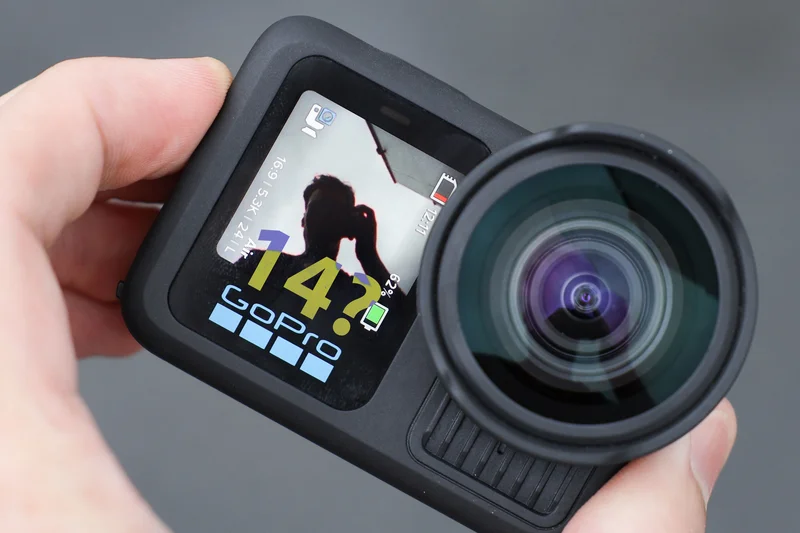
Why we picked it: The stripped-down 2024 edition of the standard GoPro HERO is a return to basics, offering legendary GoPro durability in an ultra-compact package. Weighing a mere 86 grams, it is significantly smaller than the flagship HERO 12, making it ideal for helmet mounting or drone use. It shoots excellent 4K30p video and relies on the GoPro Quik app for its HyperSmooth stabilization processing. It features an intuitive touch screen and is waterproof to 16 feet out of the box. While you lose high frame rates, front screens, and swappable batteries, you get genuine GoPro 4K quality in a tiny, $199 package.
Key Specs
- 4K30p Video Recording
- Ultra-Compact & Lightweight (86g)
- Waterproof to 16ft
- HyperSmooth Video Stabilization via Quik App
- Intuitive Touch Screen
What we like
- Incredibly small and lightweight at 86g
- Crisp 4K30p video quality
- Very affordable entry into the GoPro ecosystem
What we don't like
- Internal battery cannot be swapped
- Lacks a front-facing screen for vlogging
Best for: Casual adventurers and drone pilots who want basic, reliable 4K action footage in the smallest possible robust package.
Considering the GoPro HERO (2024) vs the HERO11 Black? Spend the extra money on the HERO11 if you need higher frame rates, a front screen, and swappable batteries for long days of shooting.
A fantastic, ultra-lightweight entry-level action camera that distills the GoPro experience down to reliable 4K essentials.
Buy at GoPro official site#17 OM System Tough TG-7
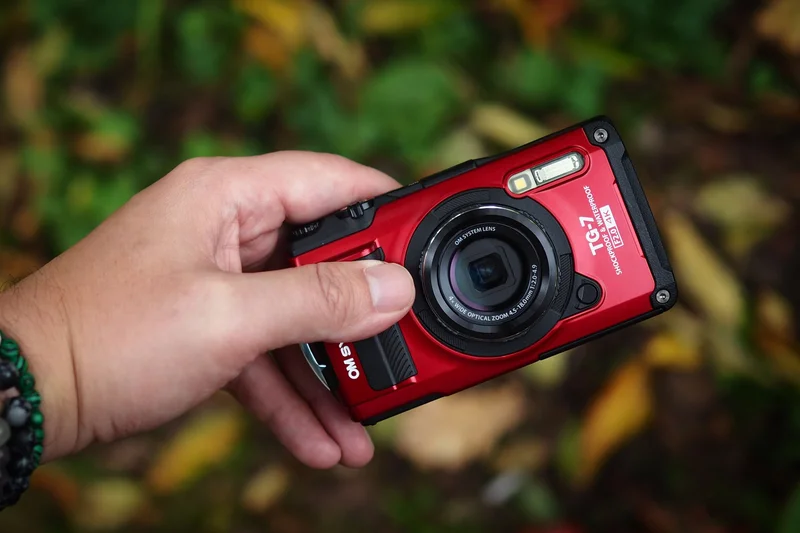
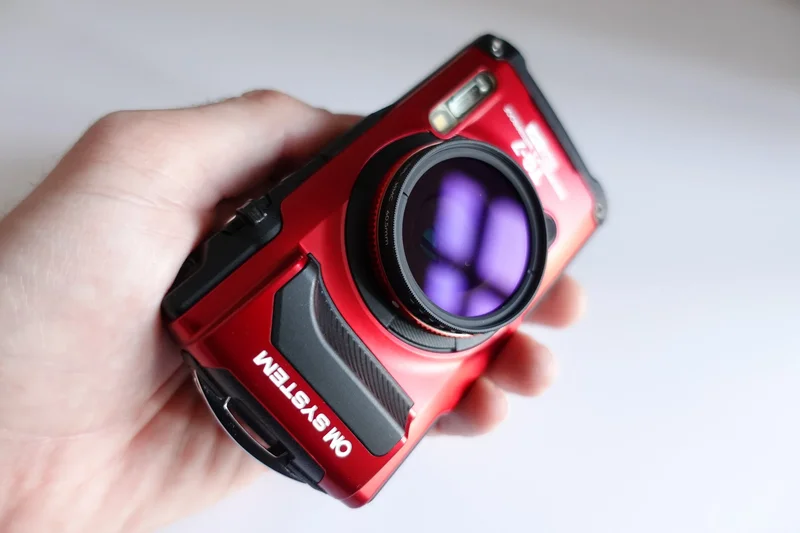
Why we picked it: The OM System Tough TG-7 (formerly Olympus) is the undisputed king of rugged point-and-shoot cameras. It is built like a tank: waterproof to 50 feet, drop-proof from 7 feet, crushproof to 220 lbf, and freezeproof. It features a 12MP 1/2.33-inch BSI CMOS sensor and an f/2.0 lens that performs decently underwater. Where the TG-7 truly shines is its Microscope System macro mode, allowing you to focus on subjects just 1 centimeter away, capturing incredible details of insects or flowers. It shoots 4K30p video and captures RAW photos. While image quality isn't leaps beyond a smartphone, its sheer indestructibility and unmatched macro capabilities make it an essential tool for extreme environments.
Key Specs
- 12MP 1/2.33-inch BSI CMOS Sensor
- Waterproof to 50ft / Crushproof to 220 lbf
- 4x Optical Zoom (25-100mm eq.)
- 4K30p Video & RAW Capture
- Advanced Macro Modes (Microscope System)
What we like
- Virtually indestructible build quality for any environment
- Incredible Microscope macro focusing system
- Shoots RAW photos and 4K video
- Fast f/2.0 lens at the wide end
What we don't like
- Small 1/2.33-inch sensor limits dynamic range
- Relatively low 12MP resolution
Best for: Scuba divers, mountaineers, construction workers, and macro photography enthusiasts who need a camera that survives anything.
Considering the OM System Tough TG-7 vs an Action Camera? The TG-7 offers optical zoom, a flash, and crazy macro modes, whereas action cameras are strictly wide-angle and optimized for video.
The ultimate indestructible point-and-shoot camera, offering true optical zoom and mind-blowing macro capabilities for extreme adventurers.
Buy at OM System official site#18 Akaso Brave 8
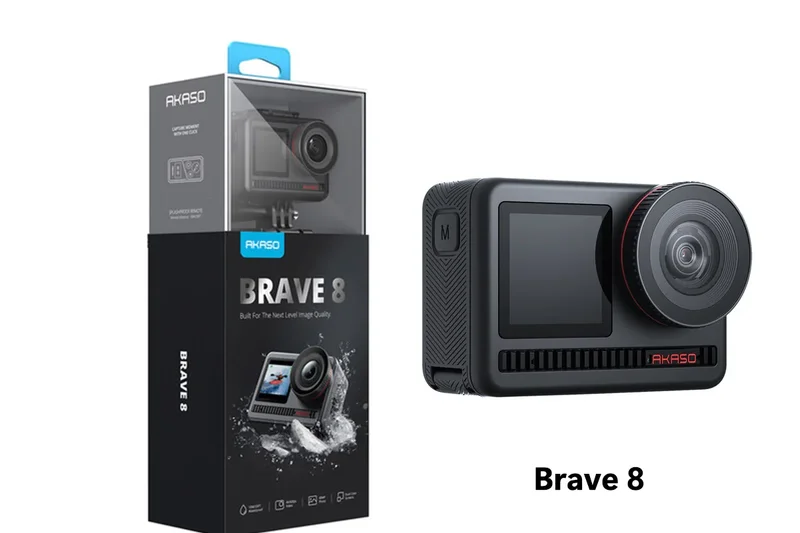
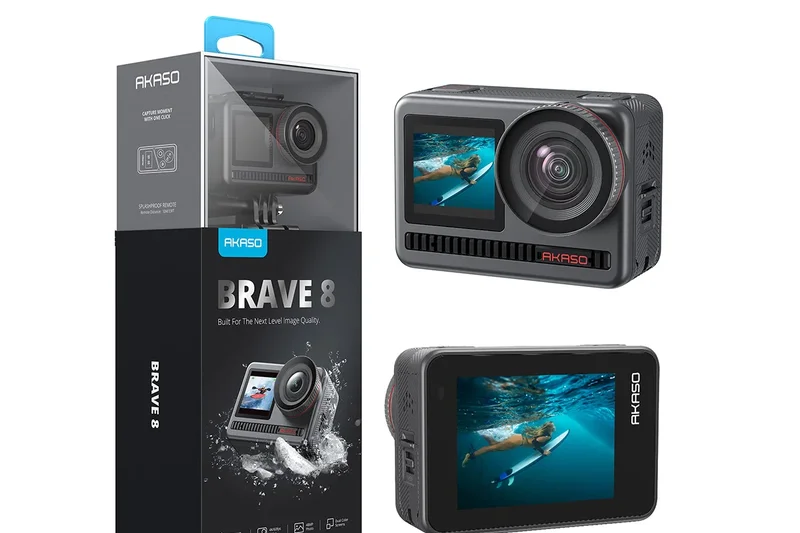
Why we picked it: The Akaso Brave 8 aims to challenge the big brands by packing high-end specs into a sub-$300 action camera. It boasts a 1/2-inch 48MP CMOS sensor, allowing it to shoot 4K video at 60fps and capture massive 48MP still photos. It features dual color screens—great for framing vlog shots—and utilizes SuperSmooth electronic image stabilization. It is waterproof down to 33 feet without a case. While the specs look incredible on paper, the actual image processing, dynamic range, and stabilization algorithm fall slightly short of the refined performance seen in GoPro or DJI cameras. However, for the price, it delivers a very compelling mid-tier action experience.
Key Specs
- 1/2-inch 48MP CMOS Sensor
- 4K60fps & 8K Time-lapse Video
- SuperSmooth Image Stabilization
- Dual Color Screens
- Waterproof to 33ft
What we like
- Large 1/2-inch sensor yields good 48MP stills
- Dual color screens are great for vlogging
- Solid 4K60fps video performance for the price
What we don't like
- SuperSmooth stabilization trails behind GoPro's HyperSmooth
- Companion app is somewhat clunky
Best for: Budget-conscious buyers who want a dual-screen action camera with high-resolution photo capabilities without paying flagship prices.
Considering the Akaso Brave 8 vs the DJI Osmo Action 4? The Action 4 is heavily recommended for just a little more money, as it provides a much larger sensor, better stabilization, and vastly superior software.
A feature-packed budget action camera that offers high-resolution 48MP stills and dual screens for a competitive price.
Buy at Akaso official site#19 Canon EOS Rebel T100
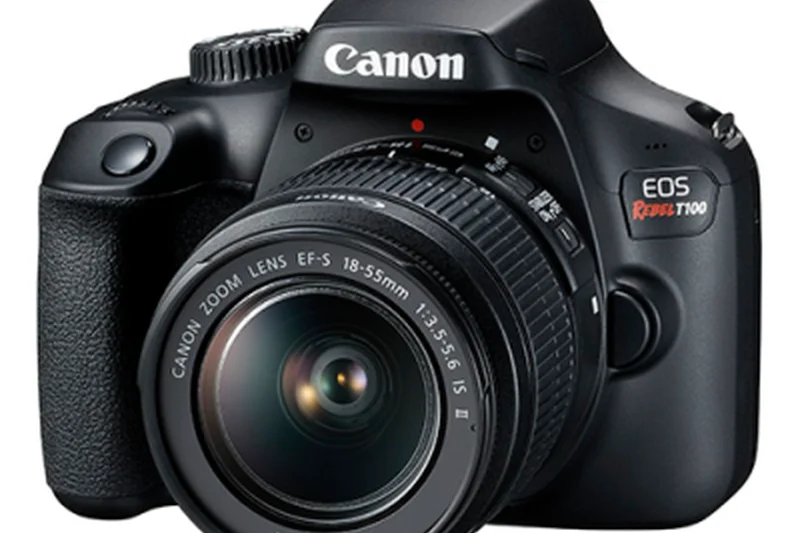
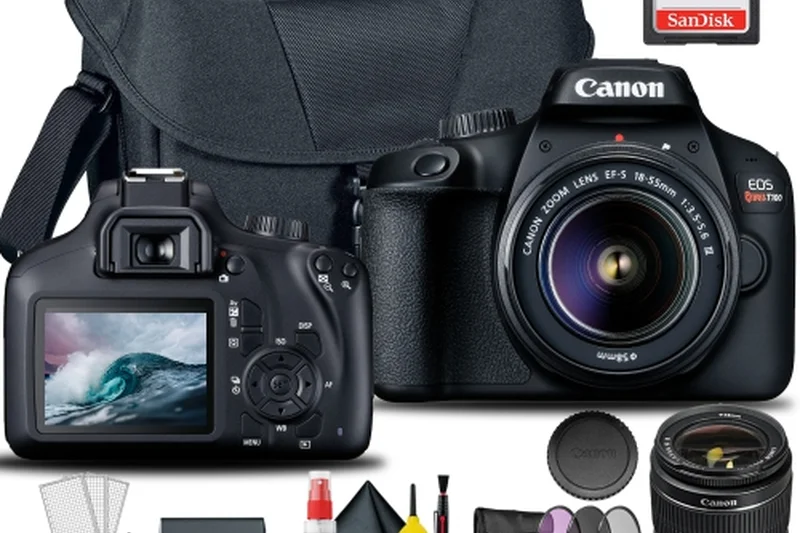
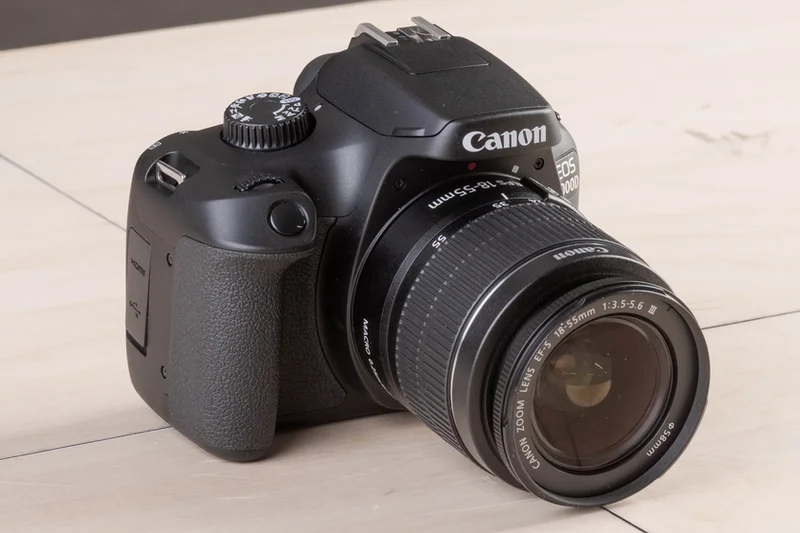
Why we picked it: The Canon EOS Rebel T100 is the most bare-bones DSLR you can buy new. Built to hit absolute rock-bottom pricing, it utilizes an older 18MP APS-C sensor, a plastic lens mount, and a tiny, low-resolution 2.7-inch rear screen. It shoots basic 1080p video and uses an archaic 9-point autofocus system. However, despite these severe cost-cutting measures, it still takes photos with a genuine APS-C sensor, meaning the actual image quality, depth of field, and color rendition will outperform a smartphone in capable hands. It gives absolute beginners access to the massive Canon EF-S lens ecosystem for around $300, making it a viable, if highly compromised, entry point into serious photography.
Key Specs
- 18MP APS-C CMOS Sensor
- DIGIC 4+ Image Processor
- 9-Point AF System
- Full HD 1080p Video
- Built-in Wi-Fi
What we like
- Absolute cheapest entry into the Canon DSLR ecosystem
- 18MP APS-C sensor still produces nice optical bokeh
- Built-in Wi-Fi for basic photo transfers
What we don't like
- Plastic lens mount feels cheap and fragile
- Rear LCD screen is very low resolution and not touch-sensitive
Best for: Buyers on the strictest of budgets who absolutely must have a DSLR with interchangeable lenses to learn manual photography.
Considering the Canon EOS Rebel T100 vs the Rebel T7? Spend the extra money on the T7; the T100's plastic lens mount and 18MP sensor are too compromised to recommend over the much better 24MP T7.
The cheapest possible DSLR experience, sacrificing build quality and modern features to deliver APS-C photography on an absolute budget.
Check price at Amazon#20 Panasonic Lumix ZS80
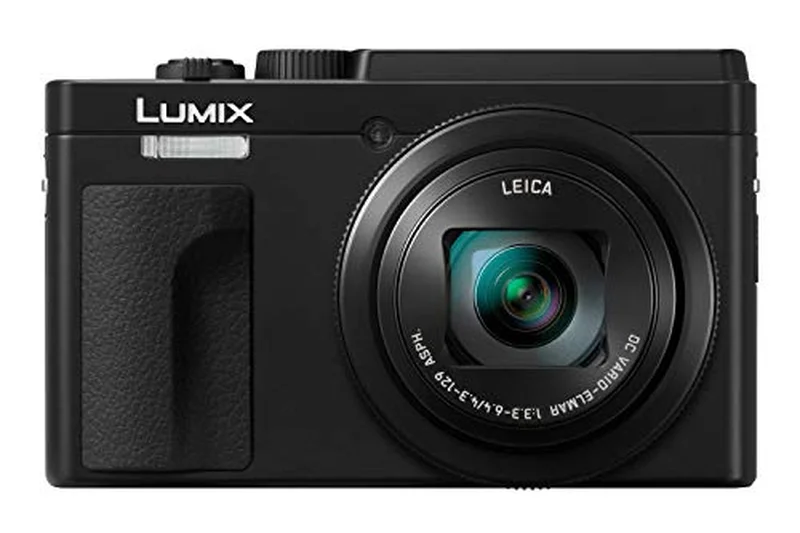
Why we picked it: The Panasonic Lumix ZS80 is a quintessential travel zoom compact, designed for tourists who want massive reach without carrying heavy lenses. The star of the show is the Leica DC Vario-Elmar 30x optical zoom lens, allowing you to seamlessly go from wide landscapes to tight close-ups of distant architecture or wildlife. It features a 20.3MP 1/2.3-inch sensor, 4K30p video, and Panasonic's excellent 4K Photo modes for extracting high-res stills from video clips. It even manages to squeeze in a sharp electronic viewfinder and a tilting touchscreen for selfies. The main drawback is the small sensor size, meaning image quality rapidly degrades in low-light environments, but the massive 30x optical zoom is something no smartphone can replicate.
Key Specs
- 20.3MP 1/2.3-inch MOS Sensor
- Leica DC Vario-Elmar 30x Optical Zoom
- 4K30p Video & 4K Photo modes
- 2.33m-Dot OLED LVF
- Tilting Touchscreen
What we like
- Massive 30x optical zoom in a pocketable body
- Built-in electronic viewfinder is great for sunny days
- Tilting touchscreen makes selfies easy
What we don't like
- Small 1/2.3-inch sensor struggles in low light
- Lens aperture is quite slow at the telephoto end
Best for: Daytime travelers and tourists who want a massive optical zoom range in a camera that easily slips into a pocket.
Considering the Lumix ZS80 vs a premium smartphone? The smartphone will take better photos at night, but the ZS80's true 30x optical zoom will blow away the digital zoom of any phone for daytime travel shots.
A pocket-sized travel companion that trades low-light sensor performance for an incredibly versatile 30x optical zoom lens.
Buy at Panasonic official site#21 Akaso Brave 7 LE
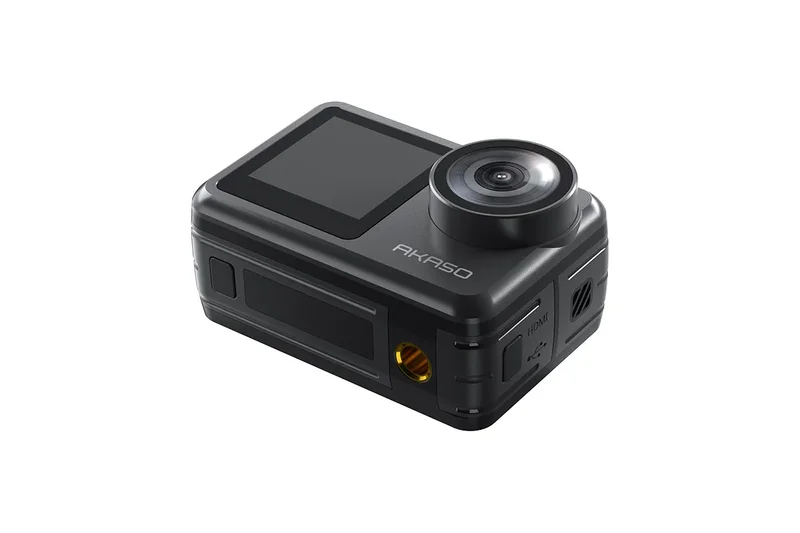
Why we picked it: The Akaso Brave 7 LE is an excellent budget-friendly action camera that mimics the dual-screen design of modern GoPros for a fraction of the cost. It captures 4K video at 30fps, 20MP still photos, and features a highly useful front-facing color screen for framing vlog shots. The camera body itself is IPX7 water-resistant (meaning it can handle splashes and rain), and it comes with a waterproof housing for deep diving. It includes 6-axis electronic image stabilization to smooth out the bumps. While the 4K video is highly compressed and the audio quality is basic, it comes bundled with a generous assortment of mounting accessories, making it an incredible value package for casual family vacations.
Key Specs
- 4K30fps Video Recording
- 20MP Still Photos
- IPX7 Water-Resistant Body (Without Case)
- Dual Color Screens
- 6-Axis Electronic Image Stabilization
What we like
- Dual color screens for easy self-framing
- Comes with a massive bundle of free mounting accessories
- Very affordable price for 4K video capabilities
What we don't like
- Video quality and dynamic range are distinctly budget-tier
- Native body is only splash-proof; requires case for swimming
Best for: Families, kids, and casual vacationers who want a cheap, mountable dual-screen camera without risking an expensive GoPro.
Considering the Akaso Brave 7 LE vs the GoPro HERO (2024)? The Akaso offers a front screen and tons of free mounts, but the budget GoPro has significantly better actual video quality and stabilization.
A value-packed budget action camera that includes a front screen and a huge accessory bundle for a very low price.
Buy at Akaso official site#22 Panasonic Lumix FZ80D
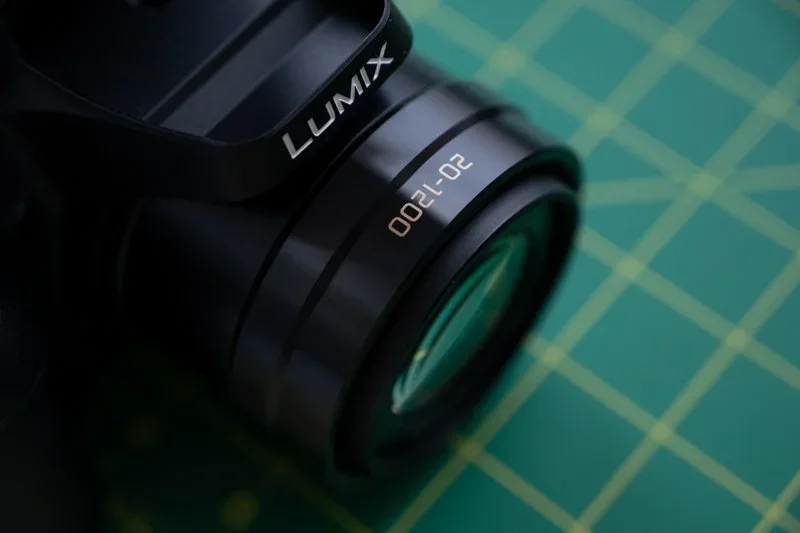
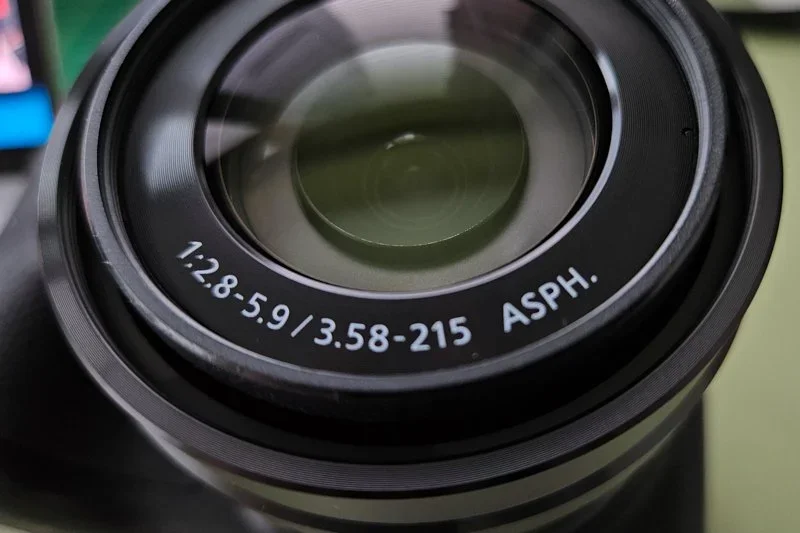
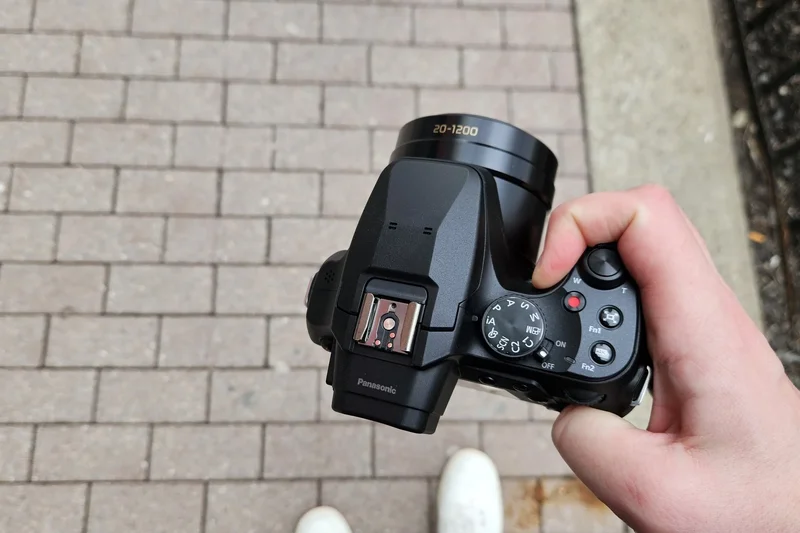
Why we picked it: The Panasonic Lumix FZ80D is a classic "bridge" camera, bridging the gap between a compact point-and-shoot and a DSLR by offering a massive, fixed superzoom lens. It features a jaw-dropping 60x optical zoom (equivalent to 20-1200mm), allowing you to capture ultra-wide landscapes and then immediately zoom in to photograph the craters on the moon. It uses an 18.1MP 1/2.3-inch sensor and features Panasonic's POWER O.I.S. stabilization to help keep those extreme telephoto shots steady. It shoots 4K video and has a sharp OLED viewfinder. Because the sensor is small, it performs poorly indoors or at night, but for daytime wildlife and bird photography on a budget, it offers reach that is otherwise completely unattainable under $500.
Key Specs
- 18.1MP 1/2.3-inch MOS Sensor
- 60x Optical Zoom (20-1200mm eq.)
- POWER O.I.S. Image Stabilization
- 4K Video and 4K Photo Modes
- 2.36m-Dot OLED Live View Finder
- Post Focus capability
What we like
- Absurdly long 60x optical zoom range
- Ergonomic DSLR-style grip is comfortable for long shooting
- Excellent optical stabilization is crucial at 1200mm
What we don't like
- Small sensor results in noisy photos in low light
- Autofocus can struggle at the extreme telephoto end
Best for: Backyard birdwatchers, safari tourists, and astronomy enthusiasts who need extreme telephoto reach on a tight budget.
Considering the Panasonic Lumix FZ80D vs the Canon EOS R100? The R100 has vastly superior image quality for portraits and general use, but buying a 1200mm lens for the Canon would cost thousands of dollars.
A specialized superzoom bridge camera that sacrifices sensor size to provide an astonishing 60x optical reach for wildlife and lunar photography.
Buy at Panasonic official site#23 Ricoh WG-90
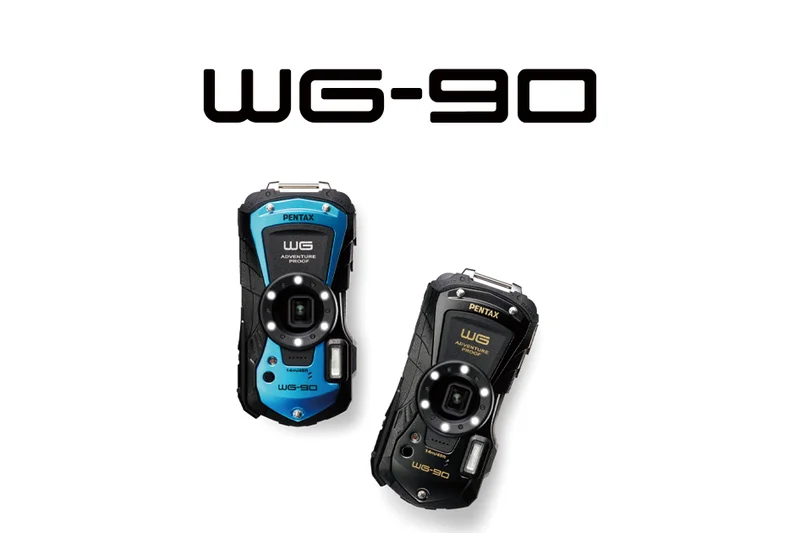
Why we picked it: The Ricoh WG-90 is a uniquely designed, heavy-duty rugged compact camera aimed at outdoor workers, construction sites, and extreme adventurers. It is waterproof to 46 feet, shockproof from 5.2 feet, and freezeproof. It features a 16MP back-illuminated CMOS sensor and a 5x optical zoom lens. Its standout feature is the 6-LED Ring Light positioned around the lens, which provides even, shadow-free illumination for extreme close-up macro photography—perfect for inspecting mechanical parts or photographing tiny insects. While it only shoots 1080p video (a noticeable drawback in 2026) and its menus feel a bit dated, its robust armor and built-in ring light give it a distinct utility.
Key Specs
- 16MP 1/2.3-inch BSI CMOS Sensor
- Waterproof to 46ft / Shockproof to 5.2ft
- 5x Optical Zoom (28-140mm eq.)
- 6-LED Ring Light for Macro
- Full HD 1080p Video
What we like
- Extremely rugged and waterproof build
- Built-in LED ring light is brilliant for macro shots
- Comes with a carabiner strap for easy outdoor carrying
What we don't like
- Only shoots 1080p video, lacking modern 4K
- Overall image quality is on par with older smartphones
Best for: Construction workers, mechanics, and outdoor adventurers who need a tough, macro-focused camera that can survive a beating.
Considering the Ricoh WG-90 vs the OM System Tough TG-7? The TG-7 is more expensive but shoots 4K video and RAW photos, making it the better choice for serious photographers, while the WG-90 is a great budget alternative.
A tough, aggressively styled waterproof camera featuring a unique built-in ring light for excellent macro photography.
Buy at Ricoh official site#24 Fujifilm Instax Mini EVO
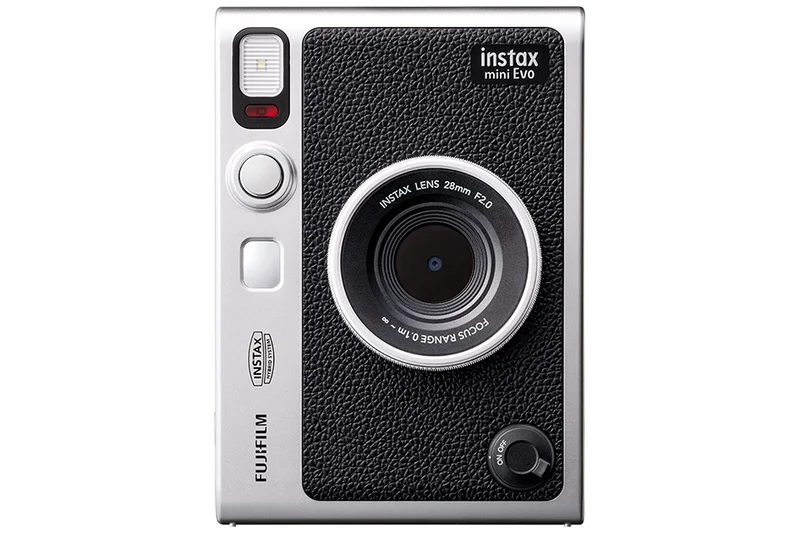
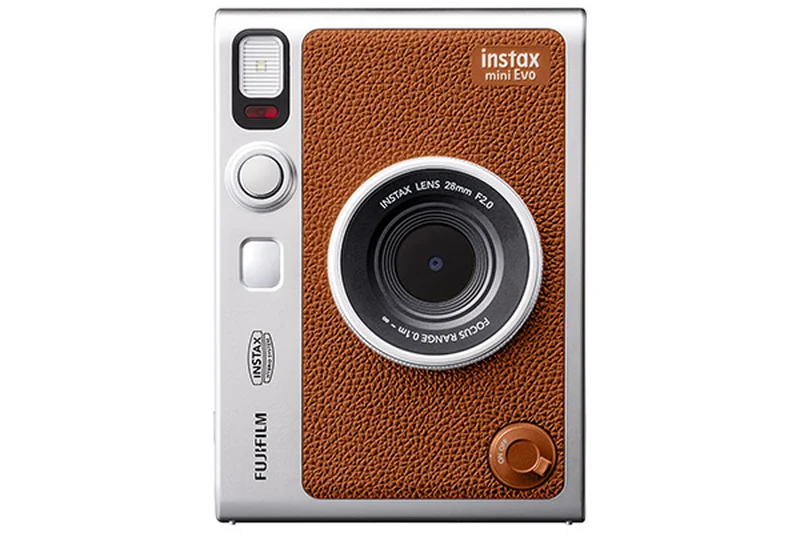
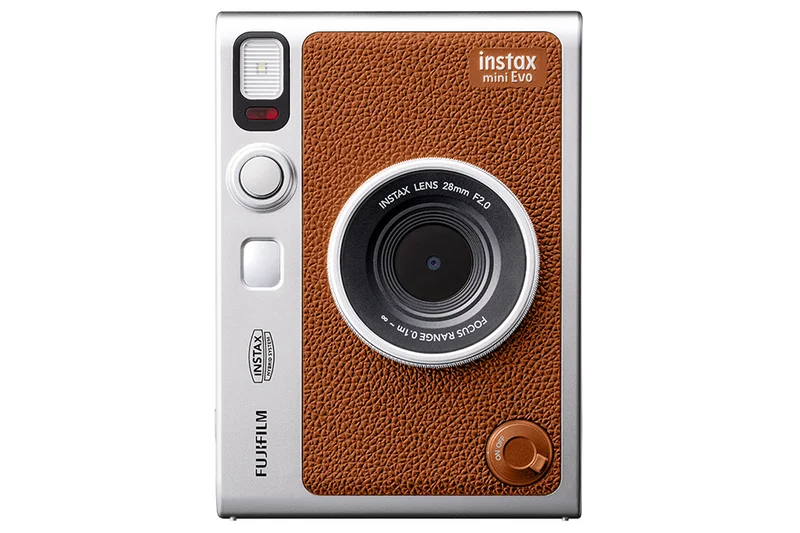
Why we picked it: The Fujifilm Instax Mini EVO perfectly bridges the gap between digital photography and analog instant film. It is a hybrid camera: it captures images digitally to a MicroSD card, but features a built-in printer that develops photos onto real INSTAX Mini film. The brilliant retro design includes a physical top dial to select 10 different film effects, and a physical lens ring to select 10 different lens effects, yielding 100 creative combinations. The physical "film advance" lever is used to print the photo, adding a delightful tactile experience. You can also use the companion app to print photos from your smartphone. While the 3MP digital sensor is very low resolution, the vintage aesthetic and instant physical gratification make it incredibly fun.
Key Specs
- Prints on INSTAX Mini Film
- 10 Lens Options & 10 Film Effects
- Digital Sensor with MicroSD slot
- Built-in Selfie Mirror
- Smartphone Print App Integration
What we like
- Hybrid design saves film by letting you choose what to print
- Gorgeous retro camera aesthetics and tactile controls
- Doubles as an excellent smartphone printer
What we don't like
- Internal digital sensor is very low resolution (approx 3MP)
- No video recording capabilities whatsoever
Best for: Partygoers, wedding guests, and Gen Z creators who want the nostalgic charm of instant film without wasting money on bad exposures.
Considering the Instax Mini EVO vs the Instax Mini 99? The EVO is digital, letting you preview and save photos, whereas the 99 is purely analog, offering a more authentic, unpredictable film experience.
A stylish, endlessly fun hybrid camera that combines the safety of digital shooting with the nostalgic magic of instant film printing.
Buy at Fujifilm official site#25 Paper Shoot Camera

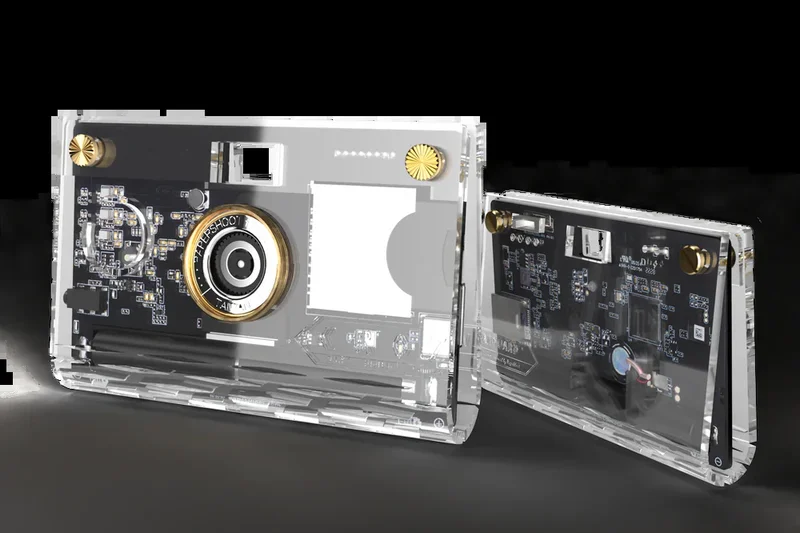
Why we picked it: The Paper Shoot Camera is a minimalist, eco-friendly digital camera that completely strips away the distractions of modern photography. The camera is essentially an 18MP digital board enclosed in an interchangeable, water-resistant paper or stone-paper casing. It has no screen, forcing you to look through a simple cut-out viewfinder, replicating the delayed gratification of a film camera (you must plug it into a computer to see what you shot). A physical switch lets you choose between four built-in color filters (Classic Color, Black & White, Sepia, and Blue). Operating on standard AAA batteries, it provides a highly stylized, lo-fi digital aesthetic that has become incredibly popular on social media.
Key Specs
- 18MP Digital Sensor
- Interchangeable Paper/Stone Cases
- 4 Built-in Color Filters
- 1080p Video Recording
- Operates on AAA Batteries
What we like
- Unique, screen-free shooting experience mimics film
- Interchangeable, eco-friendly paper cases are highly customizable
- Produces highly stylized, vintage-looking digital files
What we don't like
- No screen means you can't check focus or exposure
- Requires AAA batteries and good lighting to function well
Best for: Street photographers and casual shooters who want a screen-free, film-like experience without the recurring cost of developing 35mm film.
Considering the Paper Shoot vs a disposable film camera? The Paper Shoot requires a higher upfront cost but produces endless, free, stylized digital images, saving you hundreds in film development costs over time.
A minimalist, screen-free digital camera that trades modern features for a charming, distraction-free, film-like shooting experience.
Buy at Paper Shoot official site#26 Fujifilm Instax Pal
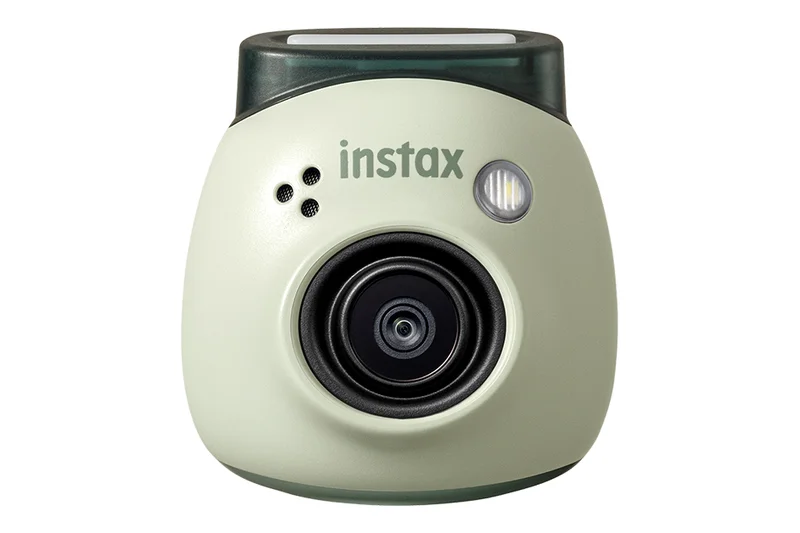
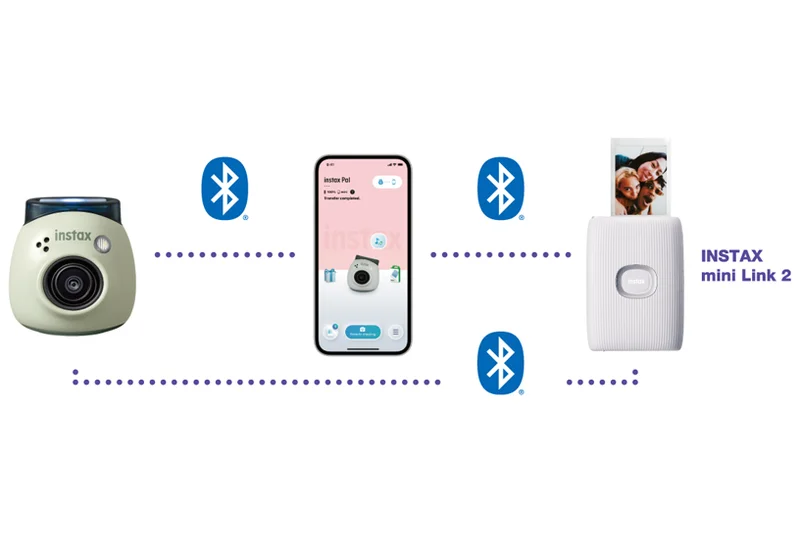
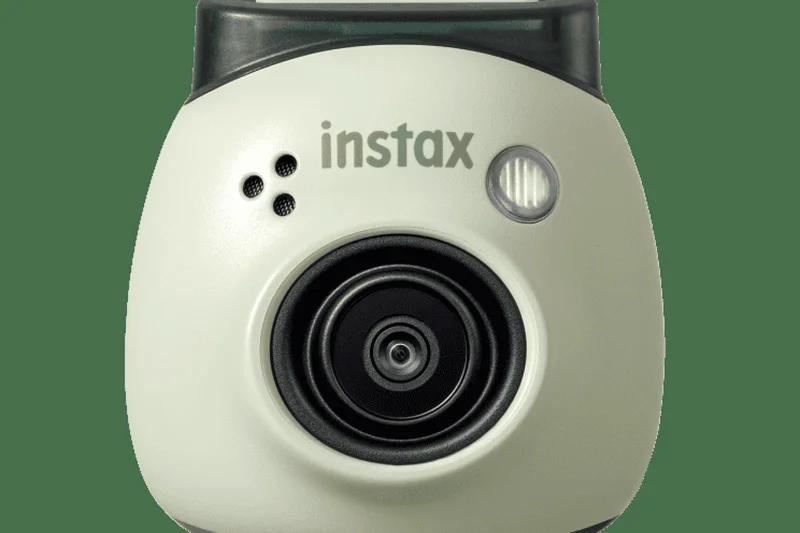
Why we picked it: The Fujifilm Instax Pal is an ultra-compact, golf-ball-sized digital camera designed purely for fun and spontaneity. Lacking a viewfinder or screen entirely, you simply point its wide-angle lens and shoot, relying on auditory cues (including customizable shutter sounds you can record yourself) to know the photo was taken. It holds about 50 images internally and pairs seamlessly via Bluetooth to the Instax smartphone app. From there, you can view the images, apply filters, and send them directly to an INSTAX Link smartphone printer. Its tiny size and included multi-use detachable ring make it a highly pocketable lifestyle accessory rather than a serious photographic tool.
Key Specs
- Golf-Ball Sized Digital Camera
- Pairs with INSTAX Link Printers
- Wide-Angle Lens
- App Control with Remote Shutter
- Custom Shutter Sounds
What we like
- Incredibly tiny, cute, and portable design
- Customizable shutter sounds add a fun party element
- Seamless app integration for printing
What we don't like
- Extremely basic digital image quality
- Requires an entirely separate Instax printer to produce physical photos
Best for: Teens and casual snappers who already own an Instax Link printer and want a tiny, discrete digital toy camera for parties.
Considering the Instax Pal vs the Instax Mini EVO? The EVO is a complete all-in-one device that prints internally, whereas the Pal requires a separate printer to get physical photos.
A whimsical, golf-ball-sized digital toy camera that serves as a fun, spontaneous companion to Fujifilm's external smartphone printers.
Buy at Fujifilm official site#27 Fujifilm Instax Mini 99
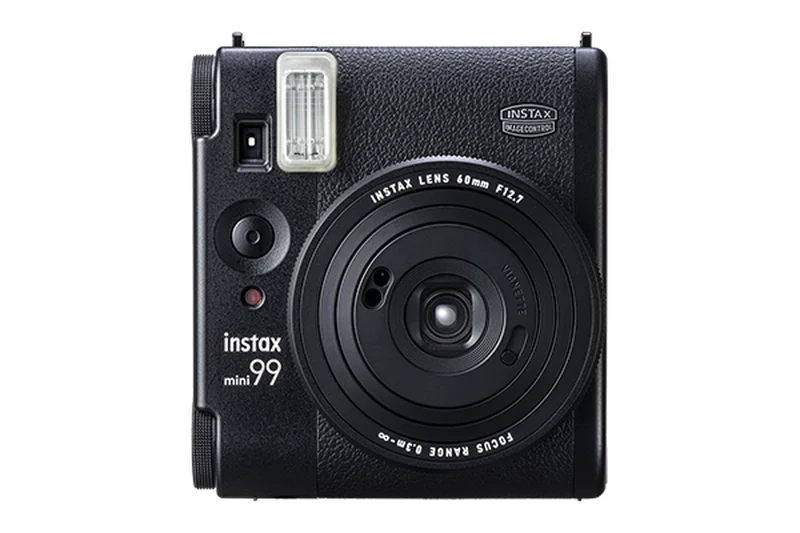
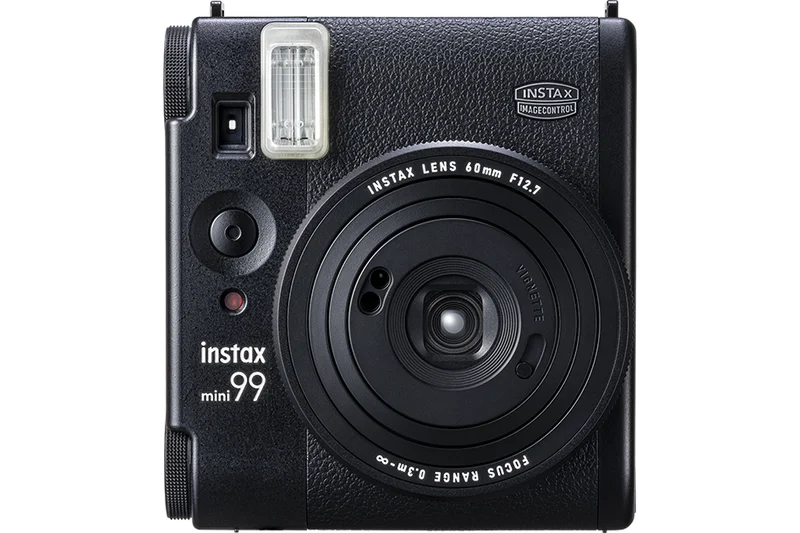
Why we picked it: For analog purists, the Fujifilm Instax Mini 99 is the most advanced true-film instant camera in the Instax lineup. Unlike the hybrid EVO, the Mini 99 is completely analog, capturing light directly onto the film. What sets it apart are the built-in LED lights inside the camera that selectively expose the film as it shoots, allowing you to dial in gorgeous color effects (like Warm Tone, Faded Green, or Light Leak) completely optically. It also features a physical vignette switch that manually closes internal blades to darken the edges of the frame. With five shooting modes including Bulb and Double Exposure, it offers unprecedented creative control for analog instant film.
Key Specs
- Color Effect Control via built-in LEDs
- Vignette Switch
- 5 Shooting Modes (Bulb, Double Exposure, etc.)
- Built-in Flash with Control
- Tripod Mount
What we like
- Incredible optical color effects using internal LEDs
- True analog exposure provides authentic film aesthetics
- Advanced modes like Double Exposure and Bulb mode
What we don't like
- Analog nature means wasted film if you mess up the exposure
- No digital backups or smartphone pairing
Best for: Analog enthusiasts and artists who want genuine film aesthetics and deep creative control over their instant photography.
Considering the Instax Mini 99 vs the Polaroid Now+? The Mini 99 uses cheaper, faster-developing Instax film and features optical color dials, while the Polaroid has a larger film format and requires a smartphone app for full control.
The finest analog instant camera Fujifilm makes, offering built-in optical color effects and deep creative controls for true film lovers.
Buy at Fujifilm official site#28 Canon Ivy CLIQ+2
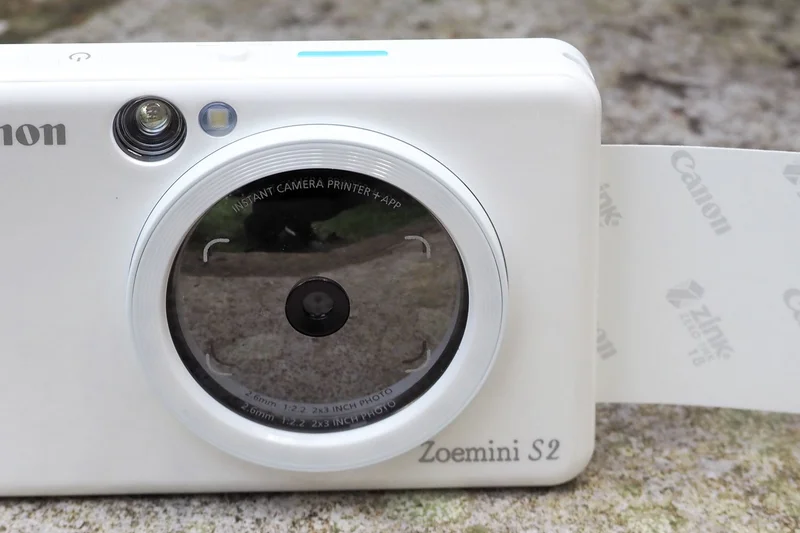
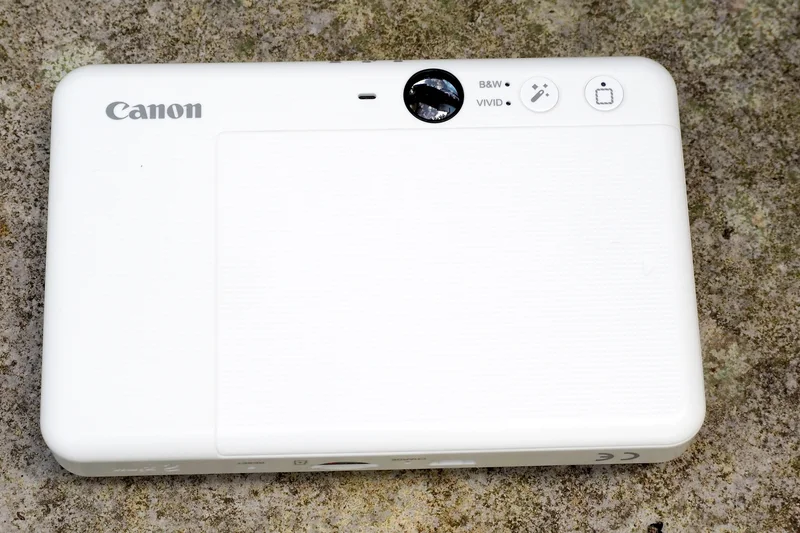
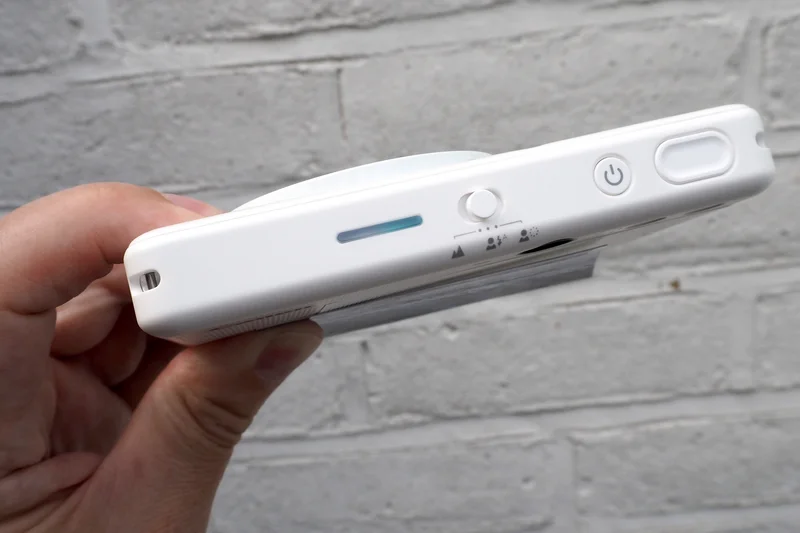
Why we picked it: The Canon Ivy CLIQ+2 is a slim, pocketable instant print camera that uses ZINK (Zero Ink) technology instead of traditional light-sensitive film. It houses an 8MP digital sensor and instantly prints 2x3-inch photos with a sticky back, perfect for decorating journals or lockers. A major highlight is the large mirrored front ring surrounded by a built-in 8-LED ring light, ensuring bright, shadow-free selfies even in dark restaurants. It connects to the Canon Mini Print app via Bluetooth, allowing you to use the device as a standalone printer for photos already on your smartphone. It also features a MicroSD card slot to save digital backups of everything you shoot.
Key Specs
- 8MP Digital Sensor
- Prints 2x3-inch ZINK Photos
- Built-in Ring Light for Selfies
- Bluetooth & Canon Mini Print App
- MicroSD Card Slot
What we like
- ZINK paper is cheaper than traditional instant film and doubles as a sticker
- Built-in ring light produces excellent selfies
- Saves digital copies to a MicroSD card
What we don't like
- ZINK print quality is lower and less "magical" than real film
- 8MP digital sensor struggles in low light without the flash
Best for: Teenagers, scrapbookers, and partygoers who want a slim, selfie-optimized camera that prints fun, sticky-backed photos.
Considering the Canon Ivy CLIQ+2 vs the Instax Mini EVO? The Canon uses cheaper sticker paper and is slimmer, while the Instax produces vastly superior, authentic film prints with better retro aesthetics.
A slim, selfie-focused digital camera and printer combo that produces fun, affordable sticky-backed prints via ZINK technology.
Buy at Canon official site#29 Ricoh WG-1000
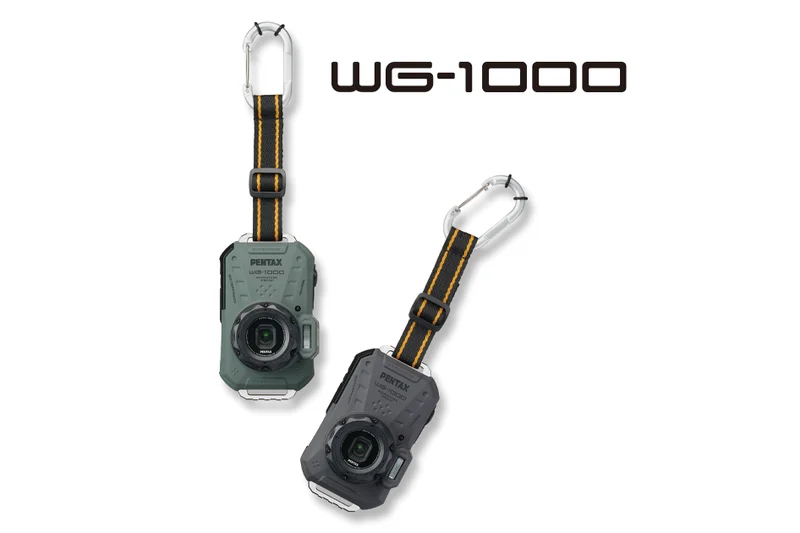
Why we picked it: The Ricoh WG-1000 is a highly affordable entry into the rugged compact market. Designed for casual beach trips and snorkeling, it is waterproof to 49 feet and features a 16MP back-illuminated sensor with a 4x optical zoom lens. It comes equipped with 7 digital filter effects and can be sterilized with standard solutions, making it popular in medical or industrial settings where equipment must be wiped down frequently. It shoots standard Full HD video. While it lacks the extreme crush-proof ratings and advanced macro features of the pricier TG-7, it delivers reliable underwater and shockproof performance at a very accessible price point.
Key Specs
- 16MP Back-Illuminated Sensor
- Waterproof to 49ft
- 4x Optical Zoom Lens
- Full HD Video Recording
- 7 Digital Filter Effects
What we like
- Very affordable price for a waterproof, shockproof camera
- Can be easily sterilized with alcohol wipes
- Decent 4x optical zoom for framing shots
What we don't like
- Lacks 4K video recording
- Autofocus and image processing feel quite slow
Best for: Families wanting a cheap, durable camera for the pool or beach, and industrial workers needing a sterilizable point-and-shoot.
Considering the Ricoh WG-1000 vs the GoPro HERO (2024)? The Ricoh provides an optical zoom and flash for traditional photography, while the GoPro is vastly superior for recording stabilized 4K action video.
A basic, budget-friendly rugged camera that offers reliable waterproofing and optical zoom for casual outdoor excursions.
Buy at Ricoh official site#30 Polaroid Now+ Gen 2
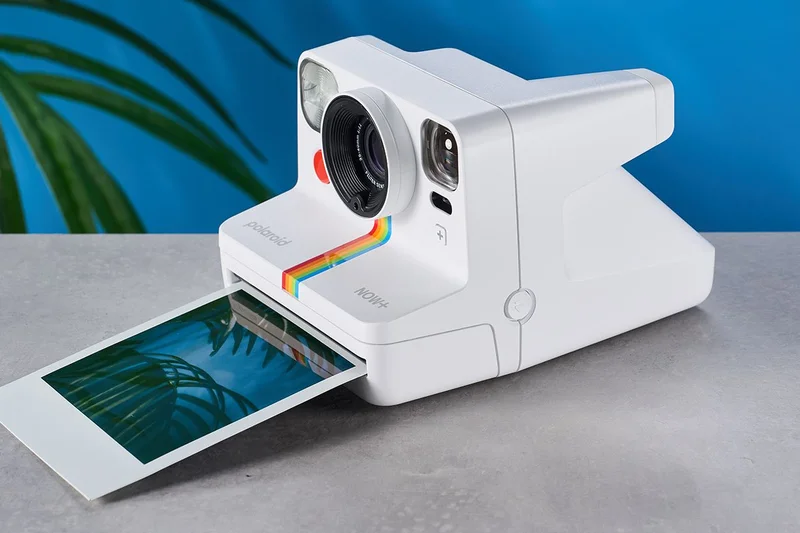
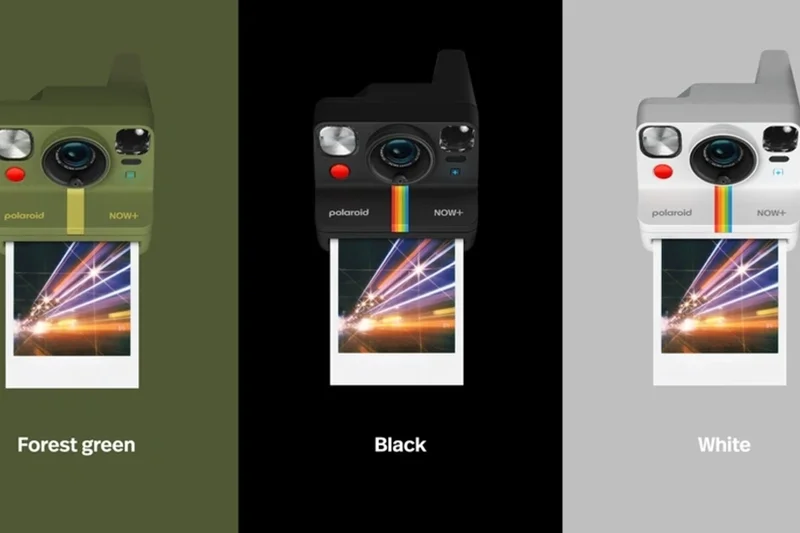
Why we picked it: The Polaroid Now+ Gen 2 combines the iconic, nostalgic charm of Polaroid film with modern smartphone connectivity. It is an analog instant camera featuring an autofocus 2-lens system that automatically switches between a standard and portrait lens based on your subject's distance. What earns it the "+" moniker is its Bluetooth connectivity: by pairing it with the Polaroid app, you unlock advanced manual controls, light painting modes, and double exposures. It also comes with 5 physical lens filters that snap onto the front for creative color effects. It uses both i-Type and older 600 film. Polaroid film remains notoriously finicky with temperatures and development times, but the unique, dreamy aesthetic is impossible to perfectly replicate digitally.
Key Specs
- Autofocus 2-Lens System
- Bluetooth App Control (Manual Mode, Light Painting)
- 5 Lens Filters Included
- Rechargeable Internal Battery
- Uses i-Type & 600 Film
What we like
- Unlocks advanced creative modes via smartphone app
- Included physical lens filters are fun to experiment with
- Produces large, iconic, authentic Polaroid prints
What we don't like
- Polaroid film is expensive and requires careful development handling
- Camera body is quite bulky and hard to carry
Best for: Artistic photographers and retro enthusiasts who want the classic Polaroid look but demand modern manual controls via an app.
Considering the Polaroid Now+ vs the Instax Mini 99? The Polaroid provides larger, classic square prints and app control, while the Instax film develops much faster, is cheaper, and generally produces more consistent exposures.
A feature-rich analog camera that successfully merges the nostalgic, unpredictable magic of Polaroid film with modern Bluetooth app controls.
Buy at Polaroid official site#31 Kodak Printomatic
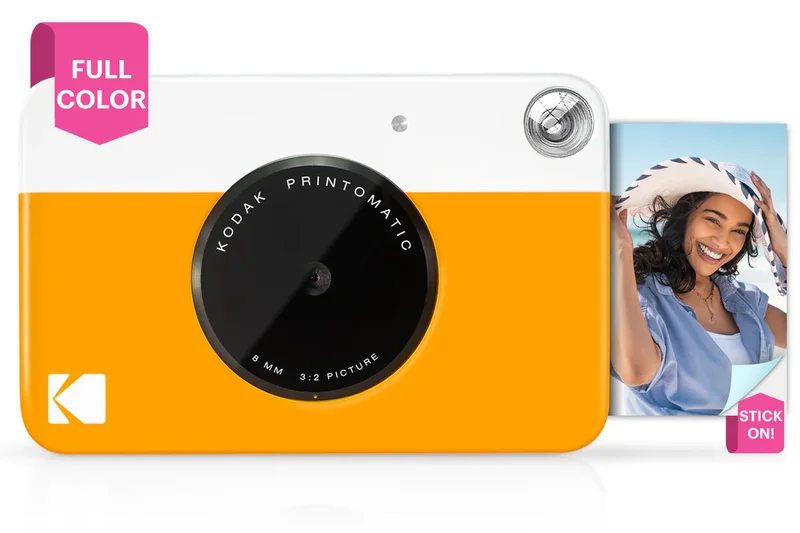
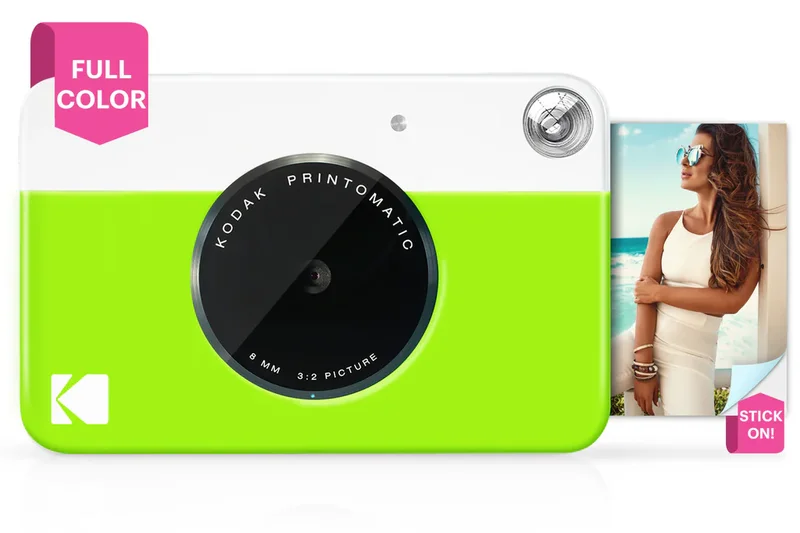
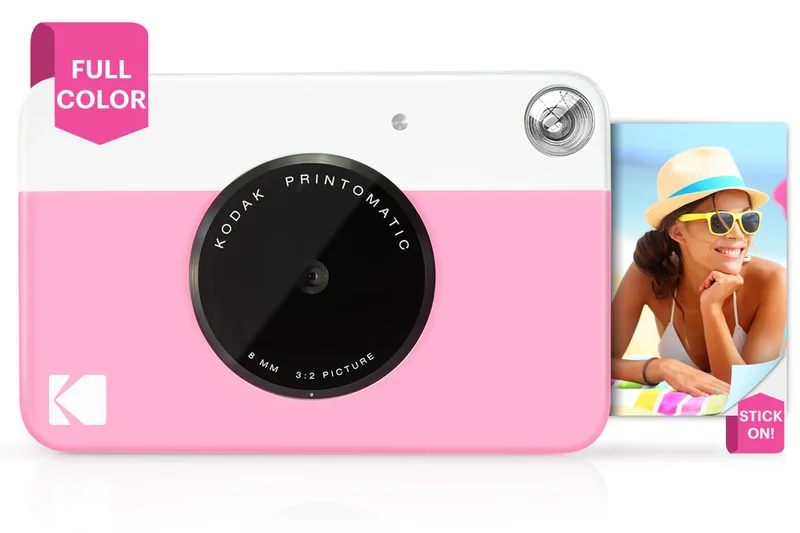
Why we picked it: The Kodak Printomatic is an incredibly cheap, no-frills digital instant camera. Priced under $50, it utilizes a basic 5MP digital sensor and instantly prints the image using ZINK (Zero Ink) technology on 2x3-inch sticky-backed paper. The design is as basic as it gets: an optical viewfinder, an automatic flash, and a shutter button. It does include a MicroSD card slot to save the low-resolution digital files. While the print quality is heavily heavily compressed with noticeable color shifts, and the 5MP digital files are barely usable on modern screens, the ultra-low barrier to entry makes it an excellent, disposable-style party favor or a fun first camera for a young child.
Key Specs
- 5MP Digital Sensor
- Prints 2x3-inch ZINK Photos
- Optical Viewfinder
- MicroSD Card Slot
- Automatic Flash
What we like
- Incredibly low purchase price
- ZINK prints double as stickers
- Saves digital backups to MicroSD
What we don't like
- 5MP digital sensor produces very poor image quality
- No screen to preview photos before it automatically prints
Best for: Young children, casual party hosts, and budget buyers wanting cheap, instant sticky photos without investing in expensive film.
Considering the Kodak Printomatic vs the Canon Ivy CLIQ+2? The Canon offers better resolution, Bluetooth app integration, and a selfie ring light, making it worth the upgrade if you have the budget.
The absolute cheapest entry into instant printing, sacrificing image quality for an accessible, point-and-shoot ZINK sticker experience.
Buy at Kodak official site#32 Kodak PIXPRO AZ528
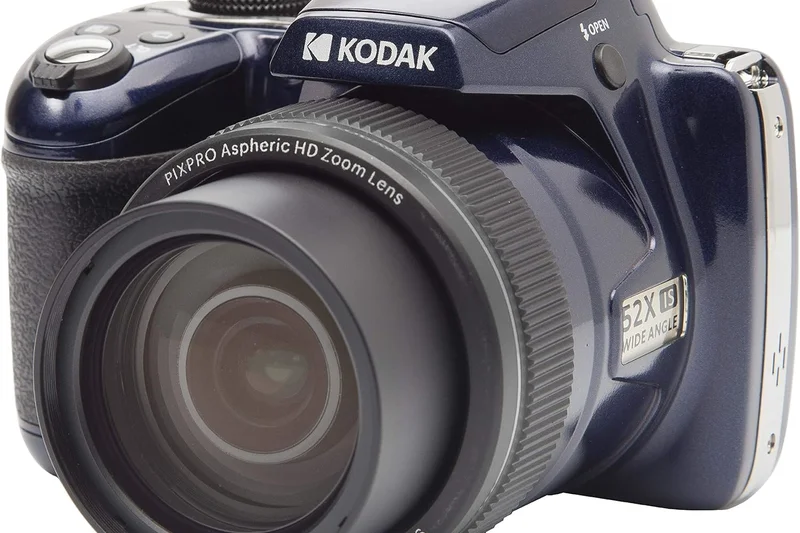
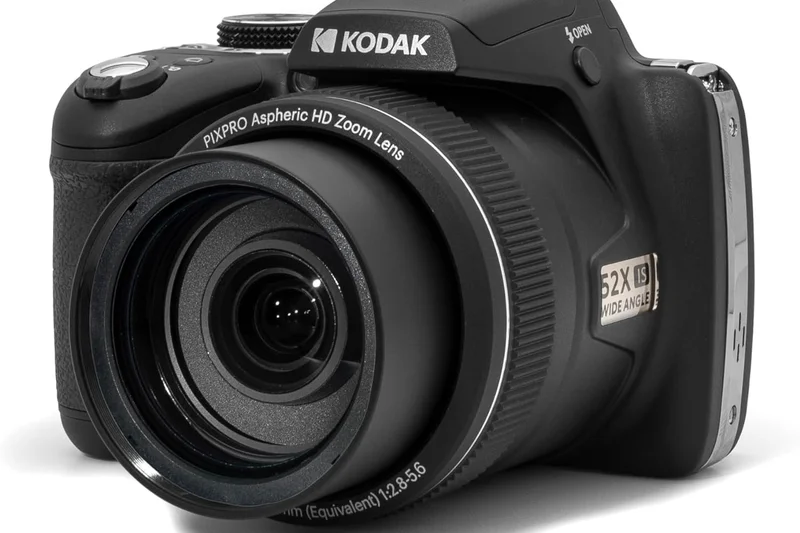
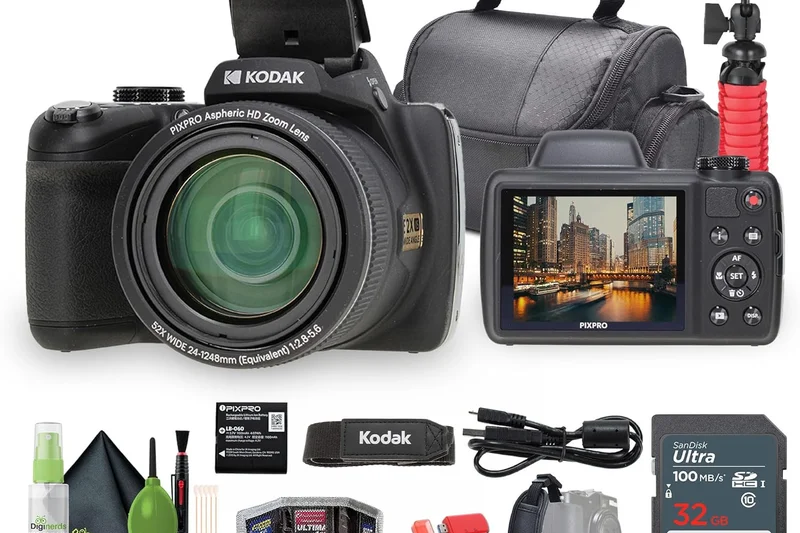
Why we picked it: The Kodak PIXPRO AZ528 is a budget bridge camera that offers a staggering 52x optical zoom (equivalent to 24-1248mm) for under $250. This allows users to zoom in on distant wildlife, sports, or the moon with ease. It features a 16MP CMOS sensor and optical image stabilization to help tame the extreme telephoto focal lengths. It shoots basic 1080p video and features Wi-Fi connectivity so you can transfer photos to your phone. Like most budget superzooms, the small sensor results in significant noise and mushy details when shooting indoors or at dusk, and the autofocus can hunt wildly at full zoom. However, it delivers massive reach for daytime photography at a price point that interchangeable lenses can't touch.
Key Specs
- 16MP CMOS Sensor
- 52x Optical Zoom Lens (24-1248mm eq.)
- Optical Image Stabilization
- 1080p Full HD Video
- Wi-Fi Connectivity
What we like
- Massive 52x optical zoom for a very low price
- Optical stabilization helps steady extreme telephoto shots
- Comfortable, DSLR-like grip
What we don't like
- Small sensor yields poor low-light image quality
- Autofocus struggles significantly at full 52x zoom
Best for: Budget-restricted hobbyists, parents at daytime sports games, and backyard birders who desperately need telephoto reach.
Considering the Kodak PIXPRO AZ528 vs the Panasonic FZ80D? The Panasonic costs twice as much but offers 4K video, a better viewfinder, and faster processing, making it the better superzoom if budget allows.
A highly affordable, daylight superzoom camera that provides incredible 52x telephoto reach at the cost of low-light performance.
Buy at Kodak official site#33 Kodak PIXPRO FZ55
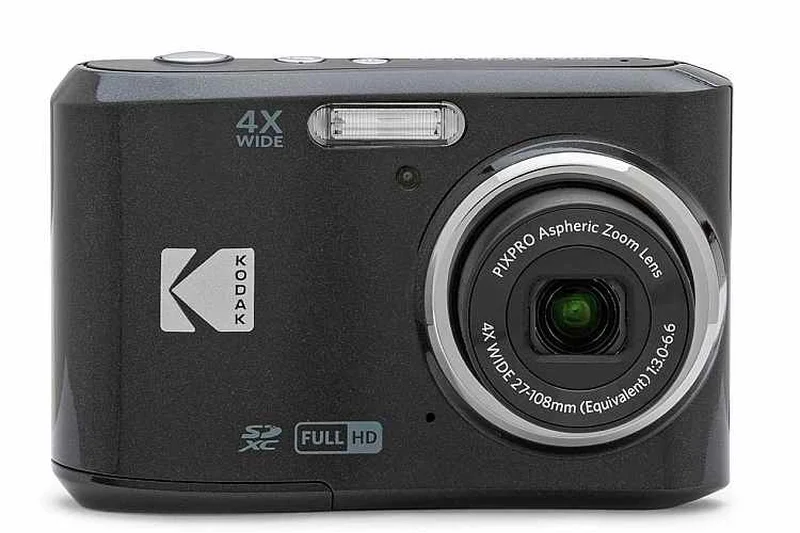
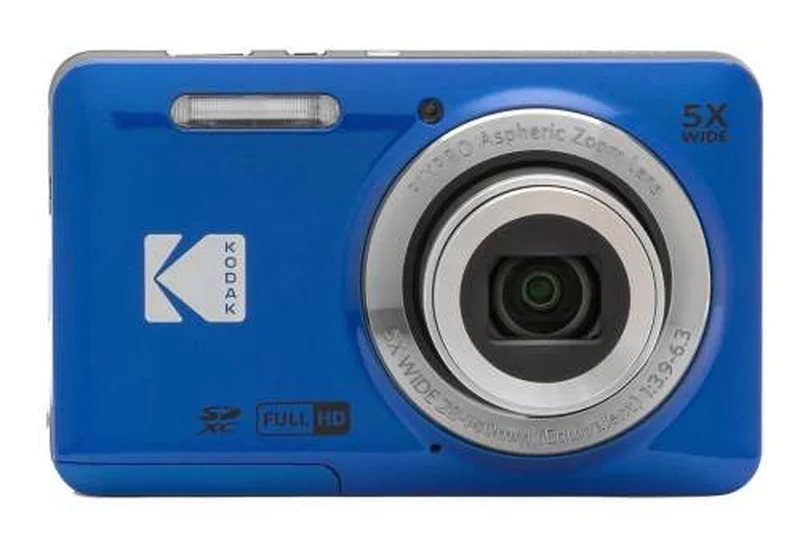
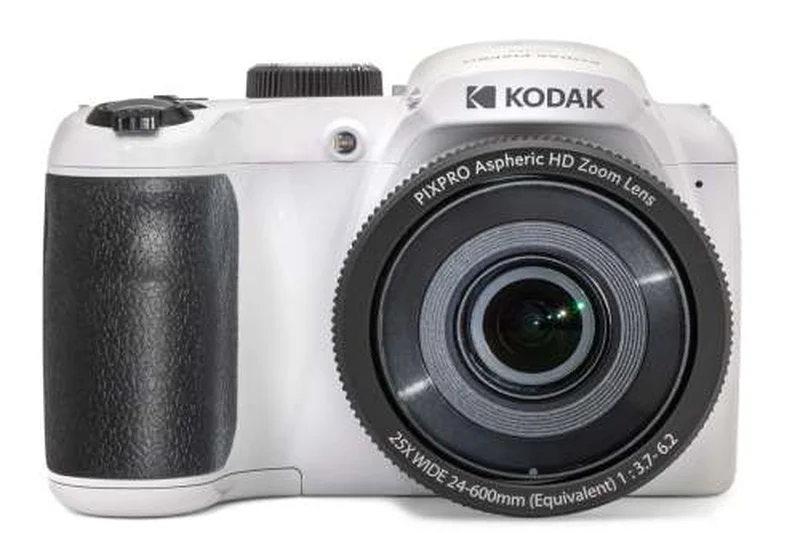
Why we picked it: Priced under $90, the Kodak PIXPRO FZ55 is a hyper-budget point-and-shoot that has recently found massive popularity among Gen Z seeking a "retro digicam" aesthetic. It features a tiny 16MP CMOS sensor, a 5x optical zoom lens, and a basic 2.7-inch LCD screen. It shoots 1080p video. By modern smartphone standards, the image quality is objectively inferior: highlights blow out easily, the flash is harsh, and low-light photos are grainy. However, these technical flaws are exactly what produces the vintage, Y2K-era aesthetic that is currently trending on TikTok and Instagram. It fits perfectly in a pocket and requires zero photographic knowledge to operate.
Key Specs
- 16MP CMOS Sensor
- 5x Optical Zoom (28-140mm eq.)
- 1080p Full HD Video
- 2.7-inch LCD Screen
- Ultra-Compact Design
What we like
- Extremely cheap, sub-$90 price tag
- Produces the highly sought-after "vintage digicam" aesthetic
- Incredibly compact and lightweight
What we don't like
- Objectively worse image quality and dynamic range than a modern smartphone
- No Wi-Fi; requires a cable or SD card reader to transfer photos
Best for: Gen Z creators and partygoers wanting cheap, flash-heavy, Y2K-style photos without risking an expensive phone.
Considering the Kodak PIXPRO FZ55 vs a modern smartphone? Your phone will take cleaner, sharper, and better-exposed photos, but the FZ55 provides a nostalgic, lo-fi aesthetic and a physical optical zoom.
A hyper-budget point-and-shoot that inadvertently excels at capturing the harsh, nostalgic "retro digicam" aesthetic popular on social media.
Buy at Kodak official site#34 VTech KidiZoom Creator Cam
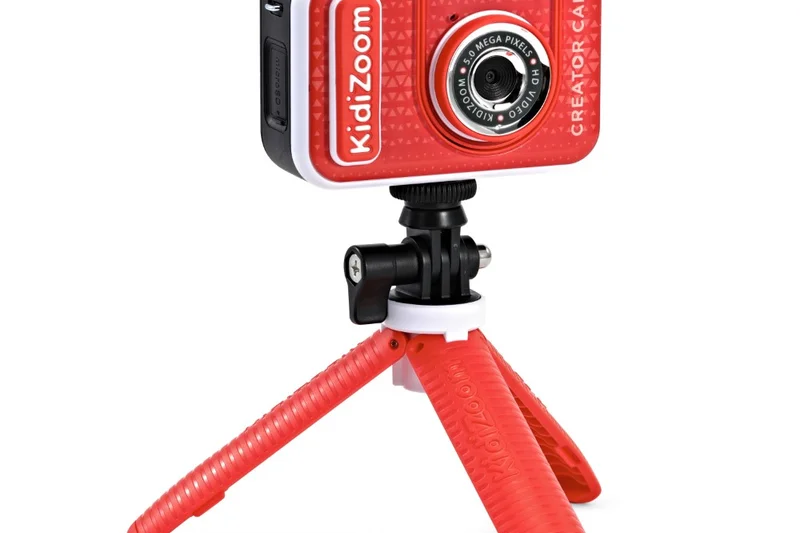
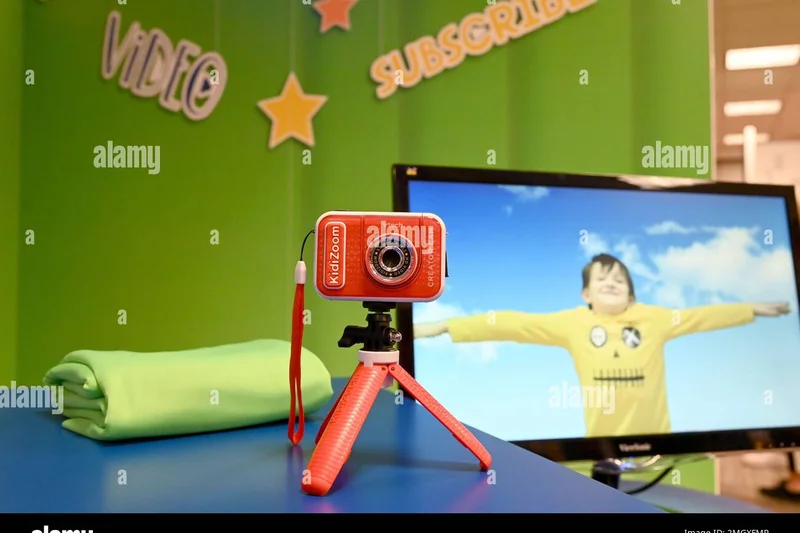
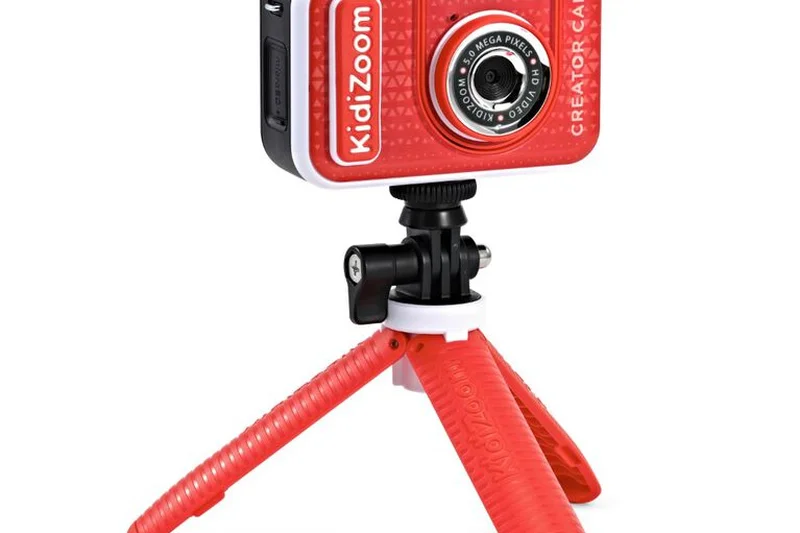
Why we picked it: The VTech KidiZoom Creator Cam is an ingenious starter camera explicitly designed for young kids (ages 5-10) who want to pretend to be YouTubers. Priced around $59, it shoots basic HD video and comes with a flip-up lens for easy selfie recording. Its best feature is the included physical green screen cloth; the camera processes the green screen internally in real-time, allowing kids to swap in over 20 animated backgrounds (like being chased by a T-Rex or reporting the weather). It is built with durable, drop-resistant plastics. While the actual video resolution and audio quality are very low, the sheer entertainment value and ease of use make it the perfect creative toy.
Key Specs
- HD Video Recording
- Included Green Screen for Special Effects
- Built-in Microphone
- Flip-up Lens for Selfies
- Animated Backgrounds
What we like
- Real-time green screen effects are incredibly fun for kids
- Durable, kid-proof plastic construction
- Included mini-tripod doubles as a selfie stick
What we don't like
- Video and photo quality is extremely basic
- Requires a MicroSD card (not included) for decent storage
Best for: Young children (ages 5-10) interested in video creation, vlogging, and imaginative play.
Considering the VTech KidiZoom vs a cheap standard action camera? The VTech is vastly superior for young kids due to its built-in green screen effects and extremely simple, game-like interface.
A brilliantly fun, kid-proof vlogging toy that uses internal green-screen technology to spark creative storytelling.
Buy at VTech official site#35 Minolta MND50
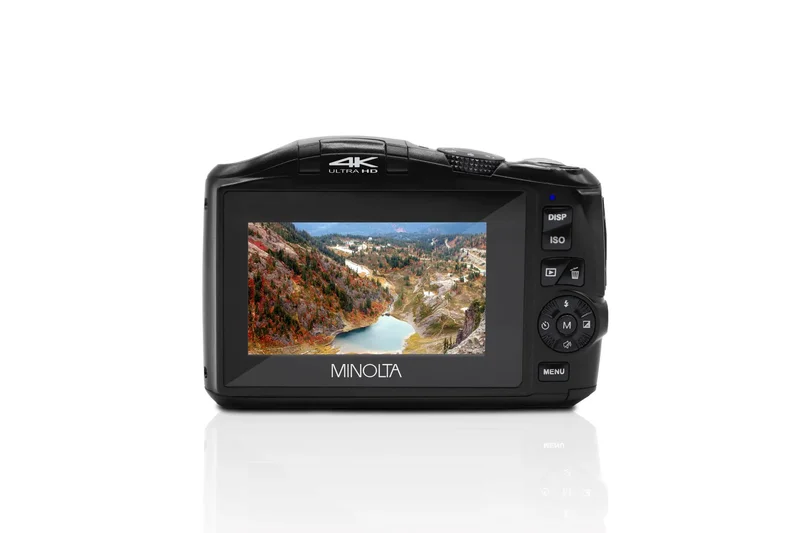
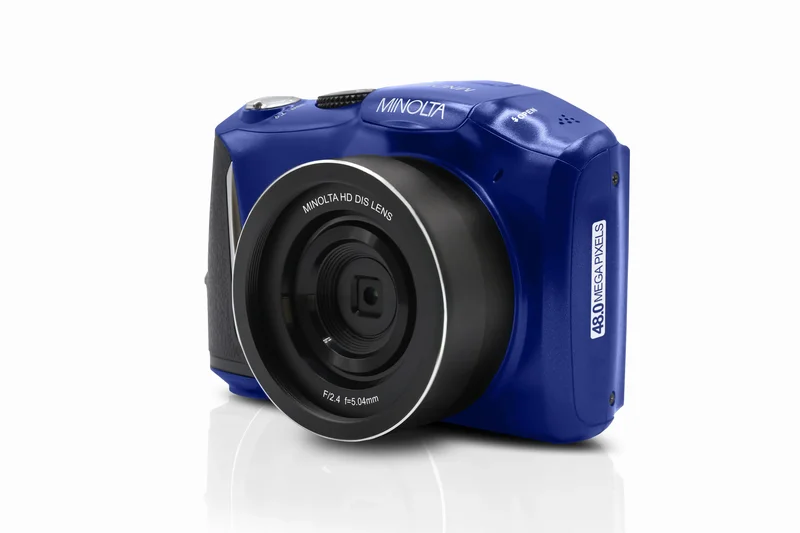
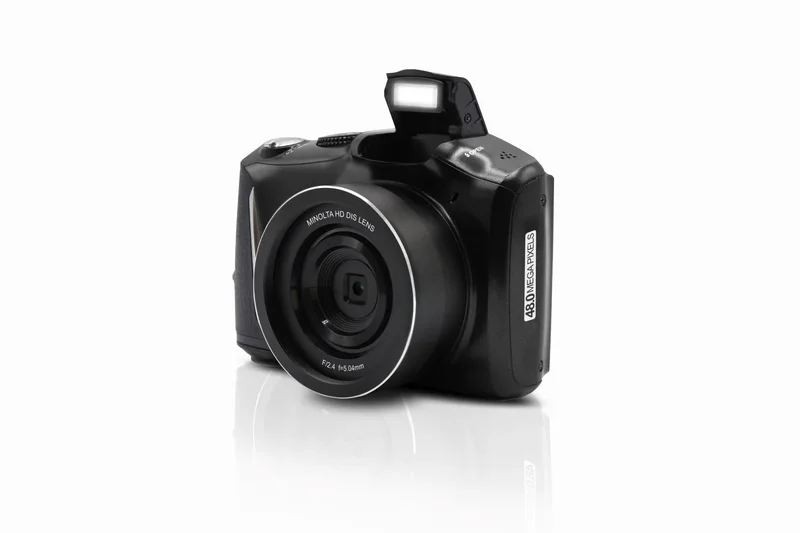
Why we picked it: The Minolta MND50 is a budget compact camera that advertises massive numbers: 48MP photos and 4K Ultra HD video, all for around $119. However, buyers should be highly aware that these numbers are achieved through heavy digital interpolation (upscaling) of a much smaller, lower-resolution sensor. The camera features a fixed lens with a 16x digital zoom (meaning it merely crops the image, destroying quality, rather than zooming optically). It has a large 3.0-inch LCD screen and basic anti-shake software. While the Minolta brand carries nostalgic weight, the actual internal components mirror cheap, generic electronics. It functions adequately as an absolute beginner's snapshot camera, but it will not outperform a mid-range smartphone.
Key Specs
- 48MP Photo Capture
- 4K Ultra HD Video
- 16x Digital Zoom
- 3.0-inch IPS LCD Screen
- Anti-Shake Image Stabilization
What we like
- Very inexpensive, traditional camera body
- Large, clear 3.0-inch rear LCD screen
- Simple menu interface
What we don't like
- 48MP photos and 4K video are digitally upscaled, resulting in poor detail
- No optical zoom, only quality-destroying digital zoom
Best for: Buyers looking for the absolute cheapest traditional-looking digital camera and who do not care about actual pixel-level image quality.
Considering the Minolta MND50 vs the Kodak PIXPRO FZ55? The Kodak FZ55 is cheaper and features a true optical zoom lens, making it a much better purchase despite advertising lower megapixel counts.
A generic budget compact that relies on digital upscaling to hit impressive spec numbers, falling short on actual image quality.
Buy at Minolta official site#36 AgfaPhoto Realikids Cam

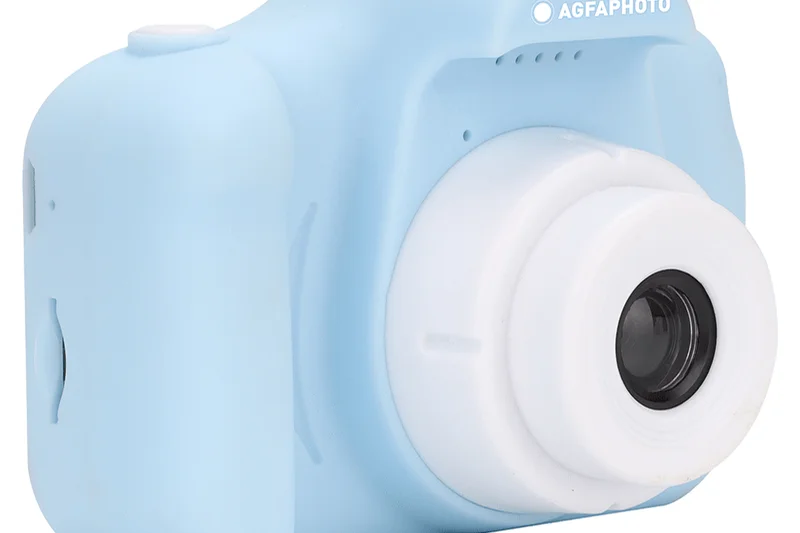
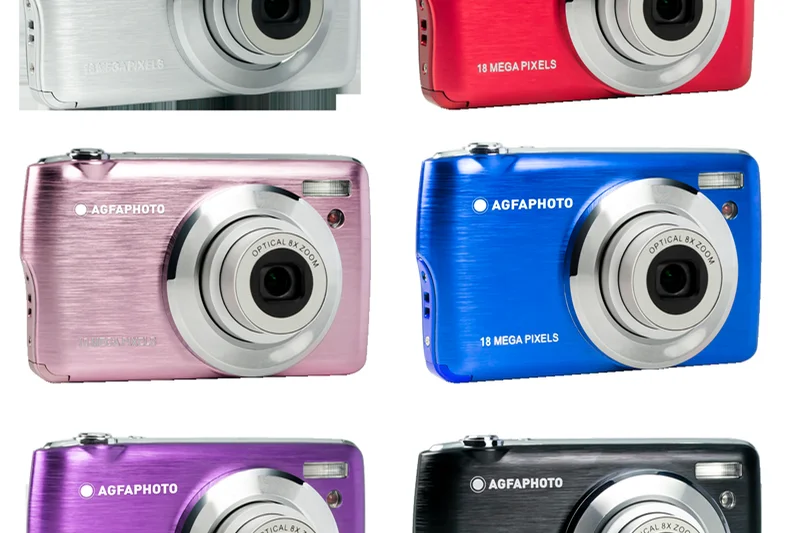
Why we picked it: The AgfaPhoto Realikids Cam is a bare-bones digital toy camera aimed squarely at toddlers and very young children. Priced under $40, it utilizes a tiny 3.5MP sensor (which it interpolates up to 8MP) and features a basic 2.4-inch LCD screen. It has a small convex mirror on the front to help kids frame selfies. The software includes built-in photo frames and simple retro games. It requires a MicroSD card for storage. The image quality is akin to a webcam from the early 2000s, but the camera is lightweight, brightly colored, and cheap enough that parents won't mind if it gets dropped in a sandbox.
Key Specs
- 3.5MP Sensor (interpolated to 8MP)
- 2.4-inch LCD Screen
- Selfie Mirror
- Built-in Games & Photo Frames
- MicroSD Storage
What we like
- Extremely cheap and disposable pricing
- Built-in frames and games keep toddlers entertained
- Lightweight and easy for small hands to hold
What we don't like
- Image quality is incredibly poor
- Build quality feels somewhat brittle for a kids toy
Best for: Toddlers and preschoolers (ages 3-6) who want to mimic their parents taking photos with a cheap, dedicated toy.
Considering the AgfaPhoto Realikids Cam vs the VTech KidiZoom? The VTech costs slightly more but offers vastly better build quality, video features, and green-screen entertainment.
A colorful, ultra-cheap digital toy camera suitable only for toddlers who want to press buttons and play with built-in photo frames.
Check price at AmazonBuying Guide
How to Choose the Best Camera Under $500
Buying a digital camera for under $500 requires a strategic approach to compromises. While you won't find the latest full-frame sensors, 8K RAW recording, or dual-card slots at this price point, you can absolutely find incredibly capable APS-C, Micro Four Thirds, and 1-inch sensor cameras if you know exactly what specifications to prioritize.
1. Identify Your Primary User Persona
Before obsessing over megapixel counts, determine exactly what you will be shooting most often. Vloggers and content creators should prioritize uncropped 4K video, fully articulating touchscreens, and reliable eye-tracking autofocus. A good built-in microphone setup or a dedicated 3.5mm mic jack is essential. Photographers and enthusiastic beginners looking to truly learn the craft should lean toward interchangeable lens cameras (mirrorless or DSLR) with larger APS-C or Micro Four Thirds sensors, prioritizing image quality and physical manual control dials. Travelers and action sports enthusiasts should focus heavily on rugged action cameras or premium compacts that offer weatherproofing and excellent portability, ensuring the camera is never left behind in the hotel room.
2. Sensor Size Over Megapixels
Do not be fooled by ultra-cheap cameras boasting "48-megapixels" on a tiny sensor. Image quality, dynamic range, and low-light performance are dictated by the physical dimensions of the sensor, not just the pixel count. In the sub-$500 category, look for:
- APS-C Sensors: Found in cameras like the Canon EOS R100. They offer excellent low-light performance and allow for beautiful background blur (bokeh) for portraits.
- Micro Four Thirds (MFT): Found in Panasonic Lumix models. This format provides a great balance of professional image quality and highly compact lens sizes.
- 1-Inch Sensors: Common in premium vlogging compacts (Sony ZV-1F) and high-end action cameras (DJI Osmo Action 5 Pro). These are vastly superior to the tiny sensors found in even the best flagship smartphones.
3. Budget Tiers and The Lens Ecosystem
If you purchase an interchangeable lens camera, you are buying into a system. A $400 camera body is a poor investment if the cheapest decent lens costs $600. Systems like Micro Four Thirds (Panasonic/Olympus) and Canon EF-S (for older DSLRs) have massive, highly affordable used lens markets, allowing you to build a versatile kit on a budget. Newer mirrorless mounts, like Canon RF-S, are growing rapidly but currently have fewer third-party budget options. When budgeting, always reserve at least $100 for accessories like SD cards, spare batteries, and a carrying case.
4. Video Specifications to Watch For
If video is your primary goal, standard 1080p HD is no longer sufficient for modern content creation. Look for 4K video at 24p, 30p, or even 60p for slow motion. Pay close attention to whether the 4K video is "cropped" (meaning the camera punches into the center of the sensor, making your wide-angle lens look drastically zoomed in) and whether the camera suffers from overheating limits during long recordings. Built-in stabilization—either in-body image stabilization (IBIS) or advanced digital stabilization like GoPro's HyperSmooth—is crucial for handheld shooting.
What to Avoid in Budget Cameras
- "No-name" electronics brands: Cameras priced at $50-$150 from unknown brands found on Amazon often use cheap smartphone sensors and simply interpolate the resolution to claim 48MP. They will universally look worse than your current mobile phone.
- Outdated contrast-detect autofocus: If possible, look for modern phase-detection autofocus (PDAF). Older contrast-detect systems will "hunt" and pulse visually, ruining video takes and causing you to miss fast-moving subjects in still photos.
- Cameras without wireless connectivity: You want a camera that easily connects via Wi-Fi or Bluetooth to a companion app on your smartphone, allowing you to quickly transfer photos directly to social media without needing a laptop.
FAQ
What is the best overall camera under $500 in 2026?
Based on our M2 Multi-Dimensional Evaluation, the DJI Osmo Action 5 Pro is the best overall camera under $500. It offers a large 1/1.3-inch sensor, incredible 4K/120fps video, 10-bit color, and unmatched durability, making it the most capable and versatile imaging device at this price.
Should I buy a DSLR or a mirrorless camera on a budget?
In 2026, you should almost certainly buy a mirrorless camera. Mirrorless technology (like the Canon EOS R100) offers vastly superior autofocus, eye-tracking, and video capabilities compared to older budget DSLRs (like the Canon Rebel T7). The only reason to buy a budget DSLR is if you heavily prefer a true optical viewfinder.
Are cheap $100 cameras on Amazon actually good for vlogging?
No. Most generic $100 cameras advertise "48MP" and "4K" but achieve this by using cheap smartphone sensors and digitally upscaling the footage. They feature terrible audio and no autofocus. You are much better off using your current smartphone for vlogging than buying a generic no-name camera.
What sensor size should I look for in a budget camera?
Sensor size dictates image quality. Under $500, the best you can typically find is an APS-C sensor (excellent for portraits and low light), followed by Micro Four Thirds (great balance of quality and lens size), and 1-inch sensors (excellent for premium compacts and action cameras).
How important is phase-detect autofocus (PDAF) for beginners?
It is extremely important. Older cameras use contrast-detect autofocus, which "hunts" back and forth to find focus, ruining video shots. Phase-detect autofocus, found on newer mirrorless cameras, instantly locks onto subjects and tracks eyes seamlessly, making the camera much easier for beginners to use.
Can I use my old lenses on a new budget mirrorless camera?
Often, yes! You can purchase affordable lens adapters that allow you to mount older DSLR lenses (like Canon EF or vintage manual lenses) onto modern mirrorless bodies (like Canon RF or Micro Four Thirds). However, autofocus performance may be slower when using adapted lenses.
What is the difference between optical and digital image stabilization?
Optical stabilization physically moves the lens elements or the camera sensor to counteract hand shake without sacrificing image quality. Digital stabilization (like GoPro's HyperSmooth) crops into the image and uses software to smooth the footage. While modern digital stabilization is incredible for action, it does reduce your field of view.
Are action cameras like the DJI Osmo Action good for everyday photography?
Action cameras are optimized for video. While they can take decent photos, they have fixed ultra-wide-angle lenses that distort faces and cannot produce the blurred backgrounds (bokeh) that traditional cameras can. For everyday photography, an APS-C mirrorless camera is a much better choice.
Is it worth buying an older, used professional camera over a new budget one?
Yes, if photography is your main goal. A used professional DSLR from 2015 will still take phenomenal photos and offer great physical controls. However, if video is your priority, modern budget cameras (which feature 4K and advanced stabilization) easily outperform older professional gear.
Do cameras under $500 have good low-light performance?
It depends entirely on the sensor. A budget camera with an APS-C sensor (like the Canon EOS R100) will perform very well in low light, especially paired with a fast lens. Budget cameras with small sensors (like superzooms or cheap waterproof cameras) will perform terribly in low light.
How do I transfer photos from a digital camera to my smartphone?
Almost all modern cameras under $500 feature built-in Wi-Fi and Bluetooth. You download the manufacturer's free app (e.g., Canon Camera Connect or DJI Mimo) to your phone, pair the devices, and transfer photos wirelessly in seconds for immediate social media posting.
Why do some budget cameras have a 30-minute recording limit for video?
Historically, this was due to European tax laws that classified any device recording over 30 minutes as a "video camera," which carried higher import tariffs. While this law has changed, some older budget cameras still have this software limit. Newer action cameras and vlogging cameras typically record continuously until the battery dies.
Methodology
Our Scoring Methodology
Our ranking algorithm is meticulously built upon the M2 Multi-Dimensional Evaluation framework. We evaluated our initial pool of 36 budget-friendly cameras across 7 distinct dimensions to create a holistic, mathematically sound performance profile for each device. Every dimension is scored on a strict 1-10 scale based on a combination of quantifiable specifications, lab charting, and extensive real-world field performance.
- Image Quality & Sensor Performance (25%): We analyzed physical sensor size, low-light noise handling at high ISOs, color science, and dynamic range, heavily rewarding cameras that offer a distinct, undeniable visual upgrade over computational smartphone photography.
- Video Capabilities (15%): We rigorously checked for 4K resolution clarity, uncropped fields-of-view, high frame rates for slow motion, bitrates, color profiles (like 10-bit D-Log), and the effectiveness of electronic or optical stabilization.
- Autofocus & Speed (15%): Cameras equipped with phase-detect autofocus, reliable face and eye tracking, and fast continuous shooting burst rates scored the highest in this critical operational category.
- Ecosystem & Expandability (15%): For interchangeable lens models, we evaluated the breadth, availability, and affordability of compatible first and third-party lenses. For fixed-lens cameras, we looked at microphone inputs, hot shoes, and mounting options.
- Portability & Ergonomics (10%): We measured physical weight, dimensions, and grip comfort, favoring travel-friendly designs that encourage you to actually carry the camera everywhere you go without sacrificing usability.
- Usability & Connectivity (10%): We scored touchscreen responsiveness, menu system clarity, beginner-friendly guided modes, and the reliability of companion smartphone apps for seamless photo transfers.
- Battery Life & Reliability (10%): We reviewed official CIPA battery ratings, actual field longevity during 4K recording, and the modern convenience of direct USB-C power delivery and charging.
After calculating base scores, we applied our scenario-specific algorithmic weights. For example, our Best for Vlogging & Content Creation scenario heavily emphasizes Video (30%) and Autofocus (20%) while deliberately reducing the weight of Ecosystem (5%). This objective, multi-dimensional mapping allows us to identify the absolute best value for your specific use-case, cutting through the noise to deliver data-backed buying advice.
Sources & References
All factual claims, product specifications, prices, and images in this article are cited by number. Click any reference to jump to the list; click the link in each entry to visit the original source.
- [1]Selection Logic. "M2 Multi-Dimensional Evaluation." selectionlogic.org/en/methods/m2-multi-dimensional-evaluation/. Accessed Mar 2026.
- [2]Selection Logic. "Digital Camera Buying Guide." selectionlogic.org/en/guides/camera-buying-guide/. Accessed Mar 2026.
- [3]DJI. "Osmo Action 5 Pro Official Specs." store.dji.com/product/osmo-action-5-pro. Accessed Mar 2026.
- [4]DJI. "Osmo Action 4 Official Specs." store.dji.com/product/osmo-action-4. Accessed Mar 2026.
- [5]Panasonic USA. "Lumix G100D Mirrorless Vlogging Camera." shop.panasonic.com. Accessed Mar 2026.
- [6]Canon USA. "EOS R100 Mirrorless Camera." usa.canon.com. Accessed Mar 2026.
- [7]GoPro. "HERO 12 Black Action Camera." gopro.com. Accessed Mar 2026.
- [8]Panasonic USA. "Lumix G7 4K Mirrorless Camera." shop.panasonic.com. Accessed Mar 2026.
- [9]GoPro. "HERO11 Black Action Camera." gopro.com. Accessed Mar 2026.
- [10]Insta360. "Insta360 X4 8K 360 Action Camera." store.insta360.com/product/x4. Accessed Mar 2026.
- [11]DJI. "DJI Pocket 2 Gimbal Camera." store.dji.com/product/pocket-2. Accessed Mar 2026.
- [12]Insta360. "Insta360 Ace Action Camera." store.insta360.com/product/ace. Accessed Mar 2026.
- [13]Insta360. "Insta360 X3 360 Action Camera." store.insta360.com/product/x3. Accessed Mar 2026.
- [14]Sony Electronics. "ZV-1F Vlogging Camera." electronics.sony.com. Accessed Mar 2026.
- [15]Canon USA. "PowerShot V10 Vlogging Camera." usa.canon.com. Accessed Mar 2026.
- [16]Insta360. "Insta360 GO 3S Tiny Action Camera." store.insta360.com/product/go-3s. Accessed Mar 2026.
- [17]Canon USA. "EOS Rebel T7 DSLR Camera." usa.canon.com. Accessed Mar 2026.
- [18]GoPro. "HERO (2024) 4K Action Camera." gopro.com. Accessed Mar 2026.
- [19]OM System. "Tough TG-7 Rugged Camera." explore.omsystem.com. Accessed Mar 2026.
- [20]Akaso Tech. "Brave 8 Action Camera." akasotech.com. Accessed Mar 2026.
- [21]Amazon. "Canon EOS Rebel T100 Digital Camera." amazon.com. Accessed Mar 2026.
- [22]Panasonic USA. "Lumix ZS80 Digital Camera." shop.panasonic.com. Accessed Mar 2026.
- [23]Akaso Tech. "Brave 7 LE Action Camera." akasotech.com. Accessed Mar 2026.
- [24]Panasonic USA. "Lumix FZ80D Compact Camera." shop.panasonic.com. Accessed Mar 2026.
- [25]Ricoh Imaging. "Ricoh WG-90 Rugged Compact." us.ricoh-imaging.com. Accessed Mar 2026.
- [26]Fujifilm Instax. "Instax Mini EVO Hybrid Camera." instax.com. Accessed Mar 2026.
- [27]Paper Shoot. "Paper Shoot Camera Official Site." papershootcamera.com. Accessed Mar 2026.
- [28]Fujifilm Instax. "Instax Pal Digital Camera." instax.com. Accessed Mar 2026.
- [29]Fujifilm Instax. "Instax Mini 99 Analog Camera." instax.com. Accessed Mar 2026.
- [30]Canon USA. "Ivy CLIQ+2 Instant Camera Printer." usa.canon.com. Accessed Mar 2026.