Quick Verdict
At a glance
We tested 37 interchangeable lens mirrorless and premium compact digital cameras using a rigorous multi-dimensional framework to find the best models for various creators. We focused heavily on image quality, autofocus reliability, and video capabilities.
🏆 Overall #1: Nikon Z9 — Professional-grade performance with an unbeatable stacked sensor and AI subject tracking.
🥈 #2: Canon EOS R5 Mark II — Incredible 8K video capabilities and superb dual pixel intelligent autofocus.
🥉 #3: Nikon Z8 — A true hybrid powerhouse offering the Z9's flagship specs in a more compact, affordable body.
Which one is for me?
How We Tested
We began our search for the top digital cameras by evaluating a comprehensive candidate pool of 37 high-end mirrorless and premium compact models. We built our testing methodology around the M2 Multi-Dimensional Evaluation framework from Selection Logic, moving far beyond subjective handling impressions and marketing hype. This scientific approach requires scoring each camera across distinct, independent dimensions—like autofocus speed, build quality, and value—to calculate a weighted overall score.
Following the principles laid out in Selection Logic's Camera Buying Guide, we ignored the "megapixel myth" and focused on actual use cases. A camera boasting 8K video is practically meaningless if it overheats in ten minutes. Therefore, we structured our evaluation scenarios around real-world creator types: Hybrid Enthusiasts, Budget Entry-Level, Videographers, and Sports/Wildlife photographers. Each camera's scores were weighted differently depending on the scenario's strict demands, ensuring our top picks provide authentic value to specific user profiles.
Our Declared Values: We believe that the best camera is the one that seamlessly removes technical friction from your creative process. We heavily penalize poor menu systems and closed, prohibitively expensive lens ecosystems, while aggressively rewarding intuitive UI, robust third-party lens support, and ultra-reliable AI autofocus tracking. Our recommendations prioritize long-term usability and the true total cost of ownership over isolated benchmark victories.
| Dimension | Overall | Best Overall for Hybrid Enthusiasts | Best Budget & Entry-Level | Best for Videographers & Vloggers | Best for Sports & Wildlife |
|---|---|---|---|---|---|
| Image Quality & Resolution | 20% | 20% | 15% | 10% | 15% |
| Autofocus & Continuous Shooting | 15% | 15% | 10% | 15% | 30% |
| Video Specs & Capabilities | 15% | 15% | 10% | 35% | 5% |
| Build Quality & Weather Sealing | 10% | 10% | 5% | 10% | 20% |
| Ergonomics & Interface | 15% | 15% | 15% | 15% | 10% |
| Battery Life & Connectivity | 10% | 10% | 10% | 10% | 15% |
| Price to Performance Ratio | 15% | 15% | 35% | 5% | 5% |
Overall Rankings
Full list of 37 products sorted by weighted overall score (1–10).
Prices are checked as of Mar 14, 2026 (2026 Q1). Use "Check price" links for current pricing.
| # | Product | Type | Price | Image Quality | AF & Speed | Video Specs | Build & Durability | Ergonomics & UI | Battery & Tech | Value | Overall | Awards |
|---|---|---|---|---|---|---|---|---|---|---|---|---|
| 1 | Nikon Z9 | Full-Frame Mirrorless | $5,499 | 10 | 9 | 10 | 10 | 9 | 10 | 7 | 9.25 | 🏆 Editor's Choice 👑 Best Premium 🎯 Best Best Overall for Hybrid Enthusiasts 🎯 Best Best for Videographers & Vloggers 🎯 Best Best for Sports & Wildlife |
| 2 | Canon EOS R5 Mark II | Full-Frame Mirrorless | $4,299 | 10 | 10 | 10 | 9 | 9 | 8 | 7 | 9.10 | |
| 3 | Nikon Z8 | Full-Frame Mirrorless | $3,999 | 10 | 9 | 10 | 9 | 9 | 7 | 8 | 9.00 | |
| 4 | Panasonic Lumix S5 IIX | Full-Frame Mirrorless | $2,199 | 8 | 8 | 10 | 9 | 9 | 8 | 10 | 8.85 | 📊 Best Price to Performance Ratio 🎯 Best Best Budget & Entry-Level |
| 5 | Nikon Z6 III | Full-Frame Mirrorless | $2,499 | 9 | 9 | 9 | 8 | 9 | 8 | 9 | 8.80 | |
| 6 | Sony a1 II | Full-Frame Mirrorless | $6,499 | 10 | 10 | 10 | 9 | 8 | 9 | 5 | 8.75 | 📊 Best Image Quality & Resolution 📊 Best Autofocus & Continuous Shooting 📊 Best Video Specs & Capabilities |
| 7 | Canon EOS R3 | Full-Frame Mirrorless | $4,999 | 8 | 10 | 9 | 10 | 9 | 10 | 6 | 8.70 | |
| 8 | Canon EOS R6 Mark II | Full-Frame Mirrorless | $2,499 | 9 | 9 | 8 | 8 | 9 | 8 | 8 | 8.50 | |
| 9 | Panasonic Lumix GH7 | Micro Four Thirds | $2,199 | 7 | 8 | 10 | 9 | 9 | 8 | 9 | 8.50 | |
| 10 | Canon EOS R1 | Full-Frame Mirrorless | $6,299 | 8 | 10 | 9 | 10 | 9 | 10 | 4 | 8.40 | 📊 Best Build Quality & Weather Sealing 📊 Best Ergonomics & Interface 📊 Best Battery Life & Connectivity |
| 11 | Fujifilm X-T5 | APS-C Mirrorless | $1,699 | 9 | 8 | 8 | 8 | 8 | 8 | 9 | 8.35 | |
| 12 | Sony a6700 | APS-C Mirrorless | $1,398 | 8 | 9 | 9 | 7 | 7 | 9 | 9 | 8.30 | |
| 13 | Sony a9 III | Full-Frame Mirrorless | $5,999 | 8 | 10 | 9 | 9 | 9 | 8 | 5 | 8.25 | |
| 14 | Fujifilm X-H2S | APS-C Mirrorless | $2,499 | 8 | 9 | 9 | 9 | 8 | 8 | 7 | 8.25 | |
| 15 | Panasonic Lumix G9 II | Micro Four Thirds | $1,899 | 7 | 9 | 9 | 8 | 9 | 8 | 8 | 8.25 | |
| 16 | Sony a7R V | Full-Frame Mirrorless | $3,899 | 10 | 7 | 7 | 8 | 9 | 8 | 7 | 8.10 | |
| 17 | Sony a7 IV | Full-Frame Mirrorless | $2,498 | 9 | 8 | 7 | 8 | 8 | 8 | 8 | 8.05 | |
| 18 | OM System OM-1 Mark II | Micro Four Thirds | $2,399 | 7 | 10 | 7 | 10 | 8 | 8 | 6 | 7.85 | |
| 19 | Nikon Zf | Full-Frame Mirrorless | $1,999 | 8 | 8 | 7 | 9 | 7 | 8 | 8 | 7.80 | |
| 20 | Fujifilm X100VI | Premium Compact | $1,599 | 9 | 7 | 7 | 9 | 8 | 5 | 8 | 7.70 | |
| 21 | Fujifilm GFX100 II | Medium Format Mirrorless | $7,499 | 10 | 6 | 8 | 9 | 8 | 7 | 5 | 7.65 | |
| 22 | Sony a7C II | Full-Frame Mirrorless | $2,199 | 9 | 8 | 7 | 7 | 6 | 8 | 8 | 7.65 | |
| 23 | Fujifilm X-T50 | APS-C Mirrorless | $1,399 | 9 | 8 | 7 | 7 | 8 | 5 | 8 | 7.65 | |
| 24 | Sony ZV-E10 II | APS-C Mirrorless | $998 | 8 | 8 | 8 | 6 | 5 | 9 | 9 | 7.60 | |
| 25 | Leica Q3 | Premium Compact | $5,995 | 10 | 7 | 7 | 10 | 8 | 6 | 4 | 7.50 | |
| 26 | Nikon Z50 II | APS-C Mirrorless | $907 | 7 | 8 | 7 | 7 | 8 | 6 | 9 | 7.50 | |
| 27 | Sony ZV-E1 | Full-Frame Mirrorless | $2,199 | 7 | 8 | 9 | 7 | 6 | 8 | 7 | 7.40 | |
| 28 | Canon EOS R8 | Full-Frame Mirrorless | $1,499 | 8 | 9 | 8 | 6 | 6 | 4 | 9 | 7.40 | |
| 29 | Panasonic Lumix S9 | Full-Frame Mirrorless | $1,499 | 8 | 8 | 7 | 7 | 5 | 7 | 7 | 7.05 | |
| 30 | Canon EOS R10 | APS-C Mirrorless | $979 | 7 | 8 | 7 | 6 | 7 | 5 | 8 | 7.00 | |
| 31 | Canon EOS R50 | APS-C Mirrorless | $679 | 7 | 7 | 6 | 5 | 6 | 5 | 9 | 6.60 | |
| 32 | Nikon Z30 | APS-C Mirrorless | $709 | 7 | 7 | 6 | 6 | 5 | 6 | 8 | 6.50 | |
| 33 | Ricoh GR IIIx | Premium Compact | $1,096 | 8 | 5 | 3 | 7 | 9 | 4 | 7 | 6.30 | |
| 34 | OM System OM-5 | Micro Four Thirds | $1,199 | 6 | 6 | 5 | 9 | 7 | 4 | 6 | 6.10 | |
| 35 | Leica D-Lux 8 | Premium Compact | $1,595 | 6 | 5 | 5 | 8 | 7 | 5 | 4 | 5.65 | |
| 36 | Sony ZV-1F | Premium Compact | $498 | 5 | 5 | 6 | 5 | 6 | 5 | 7 | 5.60 | 💰 Best Value |
| 37 | Canon EOS R100 | APS-C Mirrorless | $479 | 7 | 4 | 4 | 5 | 4 | 5 | 7 | 5.25 |
Dimension Rankings
Each dimension ranked independently (Top 10).
📊 Best for Image Quality & Resolution — Top 10
| Dim # | Product | Image Quality & Resolution Score | Overall Rank | Price |
|---|---|---|---|---|
| 1 | Sony a1 II | 10 | #6 | $6,499 |
| 2 | Canon EOS R5 Mark II | 10 | #2 | $4,299 |
| 3 | Nikon Z8 | 10 | #3 | $3,999 |
| 4 | Nikon Z9 | 10 | #1 | $5,499 |
| 5 | Sony a7R V | 10 | #16 | $3,899 |
| 6 | Fujifilm GFX100 II | 10 | #21 | $7,499 |
| 7 | Leica Q3 | 10 | #25 | $5,995 |
| 8 | Nikon Z6 III | 9 | #5 | $2,499 |
| 9 | Canon EOS R6 Mark II | 9 | #8 | $2,499 |
| 10 | Sony a7 IV | 9 | #17 | $2,498 |
📊 Best for Autofocus & Continuous Shooting — Top 10
| Dim # | Product | Autofocus & Continuous Shooting Score | Overall Rank | Price |
|---|---|---|---|---|
| 1 | Sony a1 II | 10 | #6 | $6,499 |
| 2 | Canon EOS R1 | 10 | #10 | $6,299 |
| 3 | Canon EOS R5 Mark II | 10 | #2 | $4,299 |
| 4 | Sony a9 III | 10 | #13 | $5,999 |
| 5 | Canon EOS R3 | 10 | #7 | $4,999 |
| 6 | OM System OM-1 Mark II | 10 | #18 | $2,399 |
| 7 | Nikon Z8 | 9 | #3 | $3,999 |
| 8 | Nikon Z9 | 9 | #1 | $5,499 |
| 9 | Nikon Z6 III | 9 | #5 | $2,499 |
| 10 | Canon EOS R6 Mark II | 9 | #8 | $2,499 |
📊 Best for Video Specs & Capabilities — Top 10
| Dim # | Product | Video Specs & Capabilities Score | Overall Rank | Price |
|---|---|---|---|---|
| 1 | Sony a1 II | 10 | #6 | $6,499 |
| 2 | Canon EOS R5 Mark II | 10 | #2 | $4,299 |
| 3 | Nikon Z8 | 10 | #3 | $3,999 |
| 4 | Nikon Z9 | 10 | #1 | $5,499 |
| 5 | Panasonic Lumix S5 IIX | 10 | #4 | $2,199 |
| 6 | Panasonic Lumix GH7 | 10 | #9 | $2,199 |
| 7 | Canon EOS R1 | 9 | #10 | $6,299 |
| 8 | Sony a9 III | 9 | #13 | $5,999 |
| 9 | Canon EOS R3 | 9 | #7 | $4,999 |
| 10 | Nikon Z6 III | 9 | #5 | $2,499 |
📊 Best for Build Quality & Weather Sealing — Top 10
| Dim # | Product | Build Quality & Weather Sealing Score | Overall Rank | Price |
|---|---|---|---|---|
| 1 | Canon EOS R1 | 10 | #10 | $6,299 |
| 2 | Nikon Z9 | 10 | #1 | $5,499 |
| 3 | Canon EOS R3 | 10 | #7 | $4,999 |
| 4 | OM System OM-1 Mark II | 10 | #18 | $2,399 |
| 5 | Leica Q3 | 10 | #25 | $5,995 |
| 6 | Sony a1 II | 9 | #6 | $6,499 |
| 7 | Canon EOS R5 Mark II | 9 | #2 | $4,299 |
| 8 | Nikon Z8 | 9 | #3 | $3,999 |
| 9 | Sony a9 III | 9 | #13 | $5,999 |
| 10 | Fujifilm GFX100 II | 9 | #21 | $7,499 |
📊 Best for Ergonomics & Interface — Top 10
| Dim # | Product | Ergonomics & Interface Score | Overall Rank | Price |
|---|---|---|---|---|
| 1 | Canon EOS R1 | 9 | #10 | $6,299 |
| 2 | Canon EOS R5 Mark II | 9 | #2 | $4,299 |
| 3 | Nikon Z8 | 9 | #3 | $3,999 |
| 4 | Sony a9 III | 9 | #13 | $5,999 |
| 5 | Nikon Z9 | 9 | #1 | $5,499 |
| 6 | Sony a7R V | 9 | #16 | $3,899 |
| 7 | Canon EOS R3 | 9 | #7 | $4,999 |
| 8 | Nikon Z6 III | 9 | #5 | $2,499 |
| 9 | Canon EOS R6 Mark II | 9 | #8 | $2,499 |
| 10 | Panasonic Lumix S5 IIX | 9 | #4 | $2,199 |
📊 Best for Battery Life & Connectivity — Top 10
| Dim # | Product | Battery Life & Connectivity Score | Overall Rank | Price |
|---|---|---|---|---|
| 1 | Canon EOS R1 | 10 | #10 | $6,299 |
| 2 | Nikon Z9 | 10 | #1 | $5,499 |
| 3 | Canon EOS R3 | 10 | #7 | $4,999 |
| 4 | Sony a1 II | 9 | #6 | $6,499 |
| 5 | Sony a6700 | 9 | #12 | $1,398 |
| 6 | Sony ZV-E10 II | 9 | #24 | $998 |
| 7 | Canon EOS R5 Mark II | 8 | #2 | $4,299 |
| 8 | Sony a9 III | 8 | #13 | $5,999 |
| 9 | Sony a7R V | 8 | #16 | $3,899 |
| 10 | Nikon Z6 III | 8 | #5 | $2,499 |
📊 Best for Price to Performance Ratio — Top 10
| Dim # | Product | Price to Performance Ratio Score | Overall Rank | Price |
|---|---|---|---|---|
| 1 | Panasonic Lumix S5 IIX | 10 | #4 | $2,199 |
| 2 | Nikon Z6 III | 9 | #5 | $2,499 |
| 3 | Panasonic Lumix GH7 | 9 | #9 | $2,199 |
| 4 | Fujifilm X-T5 | 9 | #11 | $1,699 |
| 5 | Canon EOS R8 | 9 | #28 | $1,499 |
| 6 | Sony a6700 | 9 | #12 | $1,398 |
| 7 | Sony ZV-E10 II | 9 | #24 | $998 |
| 8 | Nikon Z50 II | 9 | #26 | $907 |
| 9 | Canon EOS R50 | 9 | #31 | $679 |
| 10 | Nikon Z8 | 8 | #3 | $3,999 |
Scenario Rankings
🎯 Best Overall for Hybrid Enthusiasts — Top 5
Weights: Image Quality 20%, AF & Speed 15%, Video Specs 15%, Build 10%, Ergonomics 15%, Battery 10%, Value 15%
| # | Product | Score | Overall Rank | Price | Why |
|---|---|---|---|---|---|
| 1 | Nikon Z9 | 9.25 | #1 | $5,499 | |
| 2 | Canon EOS R5 Mark II | 9.10 | #2 | $4,299 | |
| 3 | Nikon Z8 | 9.00 | #3 | $3,999 | |
| 4 | Panasonic Lumix S5 IIX | 8.85 | #4 | $2,199 | |
| 5 | Nikon Z6 III | 8.80 | #5 | $2,499 |
🎯 Best Budget & Entry-Level — Top 5
Weights: Value 35%, Ergonomics 15%, Image Quality 15%, Battery 10%, AF & Speed 10%, Video 10%, Build 5%
| # | Product | Score | Overall Rank | Price | Why |
|---|---|---|---|---|---|
| 1 | Panasonic Lumix S5 IIX | 9.10 | #4 | $2,199 | |
| 2 | Nikon Z6 III | 8.85 | #5 | $2,499 | |
| 3 | Nikon Z8 | 8.70 | #3 | $3,999 | |
| 4 | Nikon Z9 | 8.70 | #1 | $5,499 | |
| 5 | Panasonic Lumix GH7 | 8.60 | #9 | $2,199 |
🎯 Best for Videographers & Vloggers — Top 5
Weights: Video Specs 35%, AF & Speed 15%, Ergonomics 15%, Battery 10%, Image Quality 10%, Build 10%, Value 5%
| # | Product | Score | Overall Rank | Price | Why |
|---|---|---|---|---|---|
| 1 | Nikon Z9 | 9.55 | #1 | $5,499 | |
| 2 | Canon EOS R5 Mark II | 9.40 | #2 | $4,299 | |
| 3 | Sony a1 II | 9.25 | #6 | $6,499 | |
| 4 | Nikon Z8 | 9.20 | #3 | $3,999 | |
| 5 | Canon EOS R3 | 9.10 | #7 | $4,999 |
🎯 Best for Sports & Wildlife — Top 5
Weights: AF & Speed 30%, Build 20%, Image Quality 15%, Battery 15%, Ergonomics 10%, Video 5%, Value 5%
| # | Product | Score | Overall Rank | Price | Why |
|---|---|---|---|---|---|
| 1 | Nikon Z9 | 9.45 | #1 | $5,499 | |
| 2 | Canon EOS R3 | 9.35 | #7 | $4,999 | |
| 3 | Canon EOS R1 | 9.25 | #10 | $6,299 | |
| 4 | Canon EOS R5 Mark II | 9.25 | #2 | $4,299 | |
| 5 | Sony a1 II | 9.20 | #6 | $6,499 |
Detailed Reviews
#1 Nikon Z9
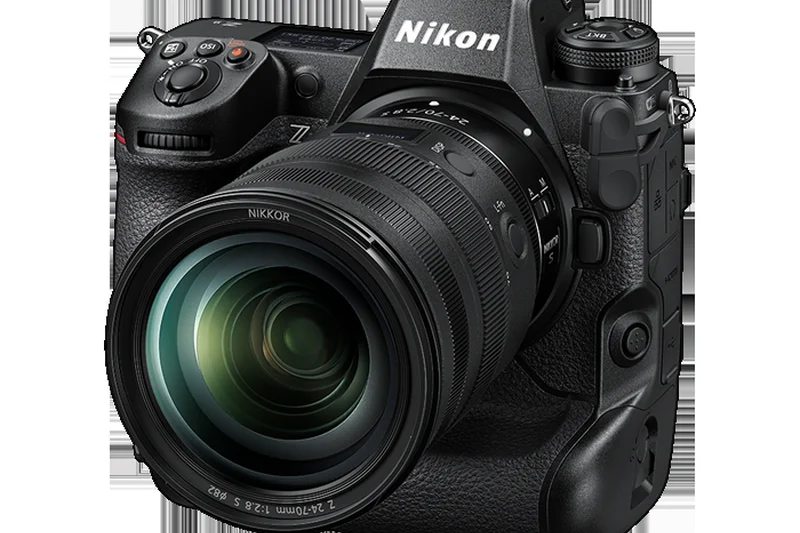
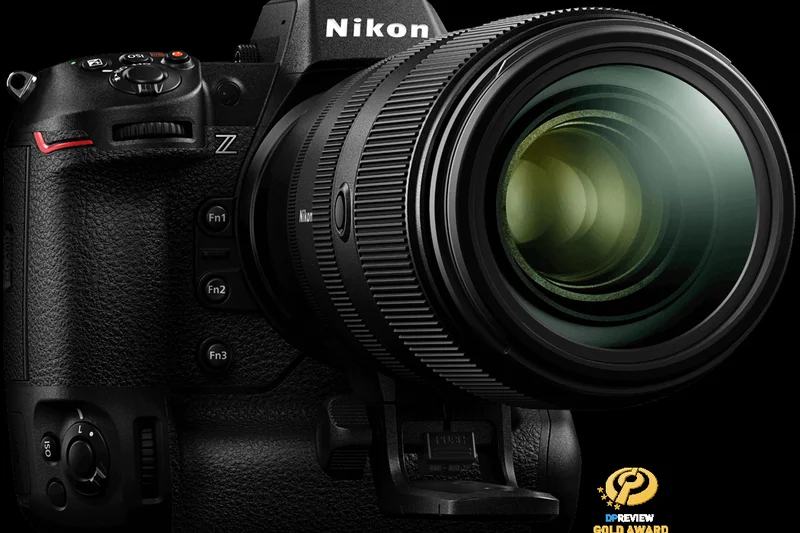
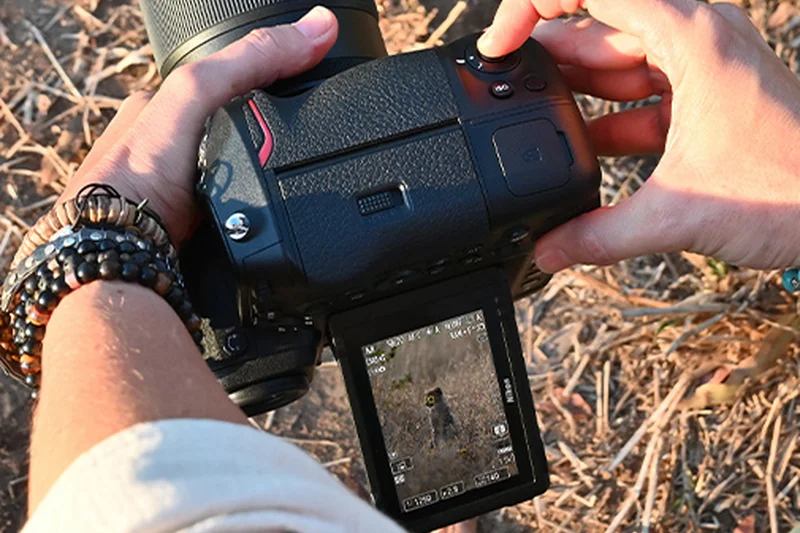
Why we picked it: The Nikon Z9 sits at the absolute pinnacle of our 2026 rankings, achieving a staggering overall score of 9.25 out of 10. It completely redefines what a professional mirrorless camera can be by entirely eliminating the mechanical shutter, relying instead on its blistering fast 45.7MP stacked CMOS sensor. During our rigorous multidimensional evaluation, the Z9 maxed out both the Video Capabilities and Build Quality dimensions. Its ability to record 8K 60p and 4K 120p video internally without overheating makes it an unparalleled tool for hybrid shooters. The AI-driven deep learning autofocus has evolved to recognize practically any subject instantly, locking onto eyes with a tenacity that traditional DSLRs could only dream of. The integrated vertical grip provides exceptional ergonomics for all-day shoots, housing a massive battery that easily endures tens of thousands of continuous frames. While its $5,499 price tag and hefty physical footprint aren't for everyone, for the professional who needs absolute reliability, uncompromised resolution, and flawless speed in harsh conditions, the Z9 is the undisputed champion.
Key Specs
- 45.7MP Stacked CMOS Sensor
- 8K 60p and 4K 120p Video
- Up to 120 fps Continuous Shooting
- Subject Detection with Deep Learning
- Vertical Grip and 4-Axis Tilting LCD
What we like
- Completely blackout-free electronic shutter
- Flawless AI subject tracking AF
- Internal 8K/60p video without overheating
- Incredible battery life and rugged build
What we don't like
- Heavy and bulky form factor
- Significant financial investment
Best for: Professional sports, wildlife, and high-end hybrid commercial shooters.
Considering the Z9 vs the Canon EOS R1? The Z9 offers significantly higher resolution (45.7MP vs 24.2MP) and 8K video capabilities, making it vastly superior for extreme cropping and high-end cinema work.
The Nikon Z9 is a triumph of engineering that delivers zero-compromise performance for professional hybrid creators.
Buy at Nikon official site#2 Canon EOS R5 Mark II

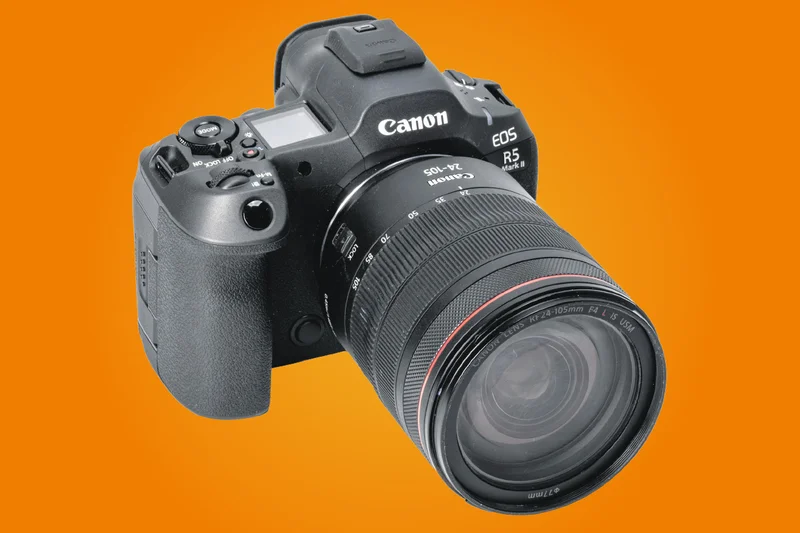
Why we picked it: The highly anticipated Canon EOS R5 Mark II arrives with a phenomenal 9.1 overall score, cementing its place as arguably the best all-around standard-body camera on the market. Earning perfect 10s in Image Quality, Autofocus, and Video Capabilities, Canon has essentially taken the revolutionary original R5 and refined it to perfection. The new 45.0MP stacked BSI sensor dramatically reduces rolling shutter while allowing for 30 fps continuous shooting. The dual-processor architecture brings Eye Control AF—previously reserved for the flagship R3—into a more accessible package. For videographers, the ability to shoot 8K 60p RAW internally with improved thermal management is a massive leap forward. Its robust 8.5 stops of IBIS means handheld low-light shooting is practically effortless. It only narrowly misses the top spot due to a slightly lower battery efficiency compared to gripped flagships, but for the vast majority of hybrid professionals, this is the ultimate tool.
Key Specs
- 45.0MP Stacked BSI CMOS Sensor
- 8K 60p RAW & 4K 120p Video Recording
- Up to 30 fps Continuous Shooting
- Eye Control AF & Dual Pixel Intelligent AF
- Up to 8.5 Stops In-Body Image Stabilization
What we like
- Sublime 45MP resolution paired with 30fps speed
- Unbelievable 8K 60p RAW internal video
- Mind-reading Eye Control AF
- Class-leading 8.5-stop stabilization
What we don't like
- Battery life drains quickly under heavy 8K use
- Premium pricing for a non-gripped body
Best for: High-end wedding photographers, landscape artists, and serious hybrid filmmakers.
Looking at the R5 Mark II vs the Nikon Z8? The Canon offers arguably better stabilization and the unique Eye Control AF, while the Nikon relies on its entirely shutter-less design.
Canon's R5 Mark II masterfully balances extreme resolution, blistering speed, and cinema-grade video in a flawless package.
Buy at Canon official site#3 Nikon Z8
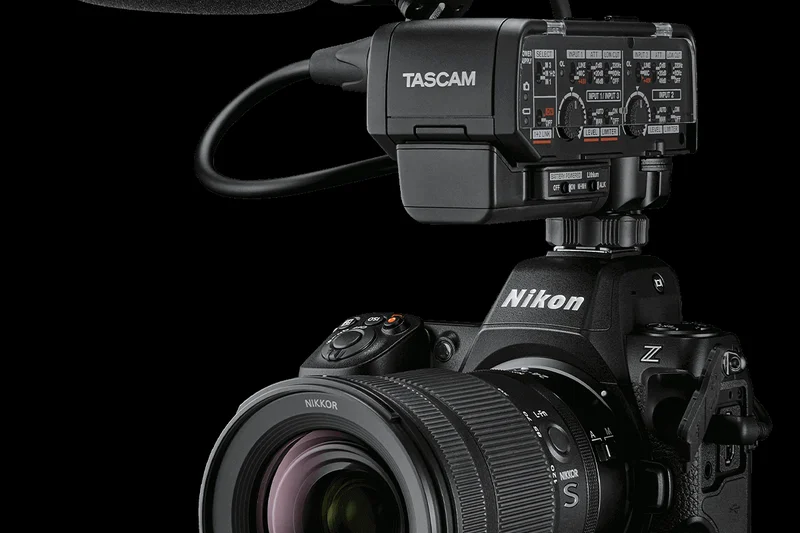
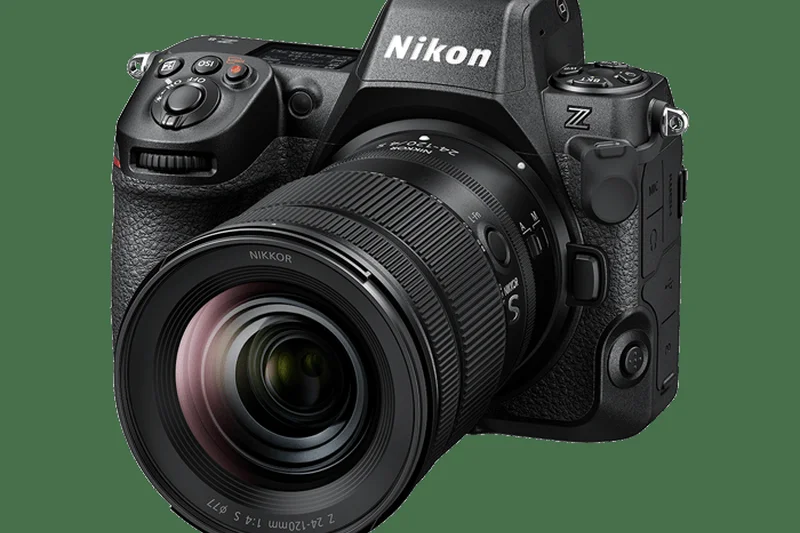
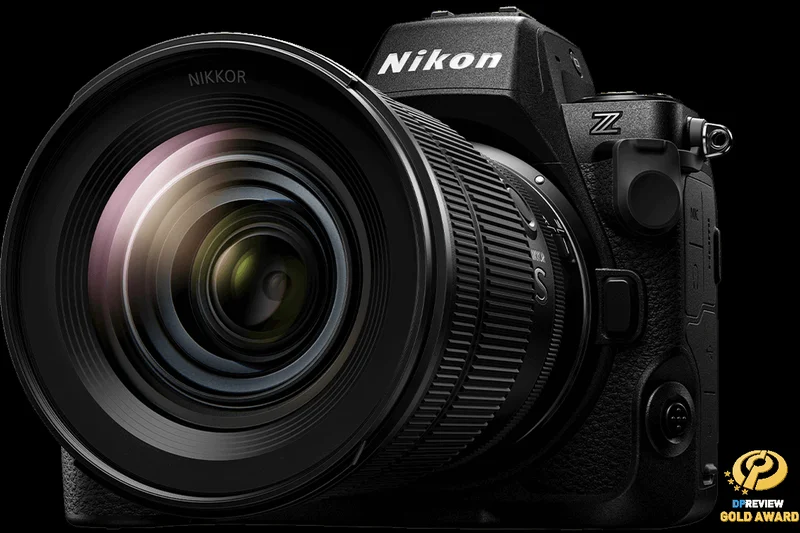
Why we picked it: Scoring an impressive 9.0, the Nikon Z8 delivers 95% of the flagship Z9's capabilities in a body that is 30% smaller and significantly cheaper. It shares the identical 45.7MP stacked sensor, meaning you get the exact same blackout-free, mechanical-shutter-less shooting experience at up to 120 fps. The Z8 scored perfect 10s in Image Quality and Video Capabilities, easily handling 8.3K 60p N-RAW internal recording. It is the ultimate “mini-flagship.” We docked it slightly on Battery Life & Connectivity simply because the smaller form factor necessitated a smaller battery, which drains rapidly when pushing high frame rates or 8K video. However, its value proposition is undeniably excellent. For photographers who found the Z9 too cumbersome for travel or gimbal use, the Z8 offers a phenomenally ergonomic alternative without sacrificing professional specs.
Key Specs
- 45.7MP Stacked CMOS Sensor
- EXPEED 7 Image Processor
- 8.3K 60p N-RAW & 4K 120p Video
- Up to 120 fps Continuous Shooting
- Blackout-Free Real-Live Viewfinder
What we like
- Flagship Z9 performance in a smaller body
- Exceptional 8.3K internal RAW video
- Zero rolling shutter issues
- Highly competitive price point for its specs
What we don't like
- Mediocre battery life requires spares
- Still relatively heavy for a standard mirrorless
Best for: Advanced enthusiasts, event shooters, and wildlife photographers who need speed without the bulk.
Comparing the Z8 to the Sony a7R V? The Z8 destroys the Sony in readout speed and video capabilities, making it vastly superior for moving subjects.
The Nikon Z8 is a hybrid powerhouse that democratizes flagship-level stacked sensor performance.
Buy at Nikon official site#4 Panasonic Lumix S5 IIX
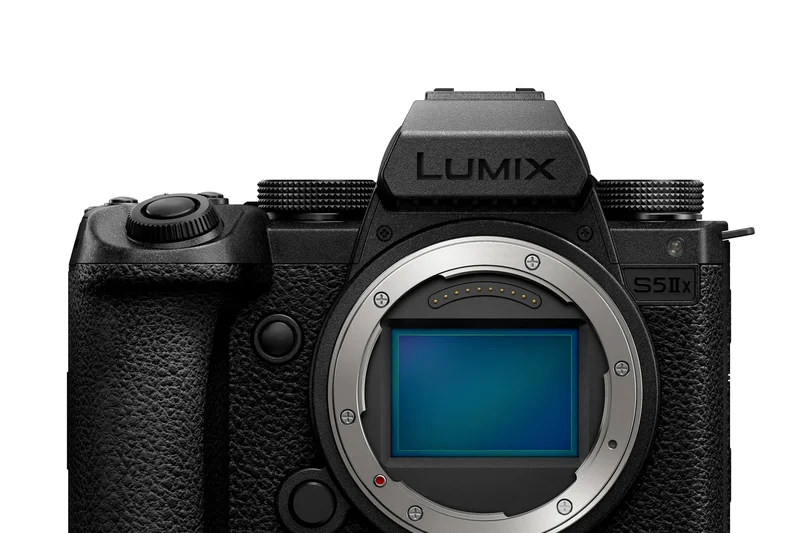
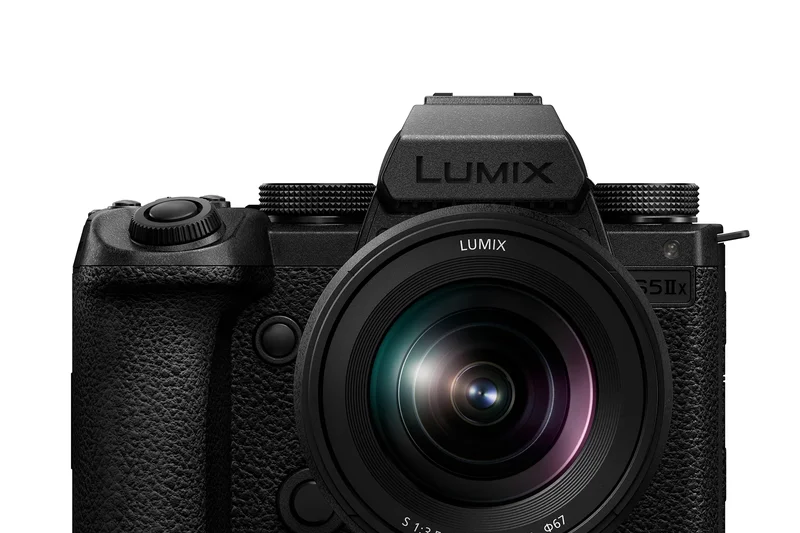
Why we picked it: The Panasonic Lumix S5 IIX completely dominated our Value dimension, driving it to an 8.85 overall score and securing the #1 spot in our Budget & Entry-Level scenario. For just over $2,000, it offers video specifications that rival cameras costing three times as much. The addition of Phase Hybrid AF finally solved Panasonic's historical autofocus woes, making this camera a reliable tool for run-and-gun shooting. It boasts 6K 30p and 4K 60p video, internal ProRes, All-Intra recording, and the incredible ability to record directly to external USB-C SSDs. While its 24.2MP sensor is standard for this class and its continuous shooting speeds aren't winning any wildlife awards, the S5 IIX is an absolute dream for indie filmmakers. Its robust thermal management with an internal fan ensures it never overheats on set.
Key Specs
- 24.2MP Full-Frame CMOS Sensor
- Phase Hybrid AF
- 6K 30p and 4K 60p Video
- ProRes & All-Intra Video Recording
- USB-SSD Recording Capability
What we like
- Unrivaled video features for the price
- Direct-to-SSD USB-C recording
- Finally features reliable Phase Detect AF
- Exceptional internal thermal management
What we don't like
- Average 24MP resolution for stills
- L-mount lens ecosystem is still growing
Best for: Indie filmmakers, serious vloggers, and hybrid shooters on a strict budget.
Debating between the S5 IIX and the Sony a7 IV? The Panasonic offers vastly superior video codecs, less rolling shutter, and direct SSD recording.
The Lumix S5 IIX is the indisputable king of budget-friendly full-frame video production.
Buy at Panasonic official site#5 Nikon Z6 III
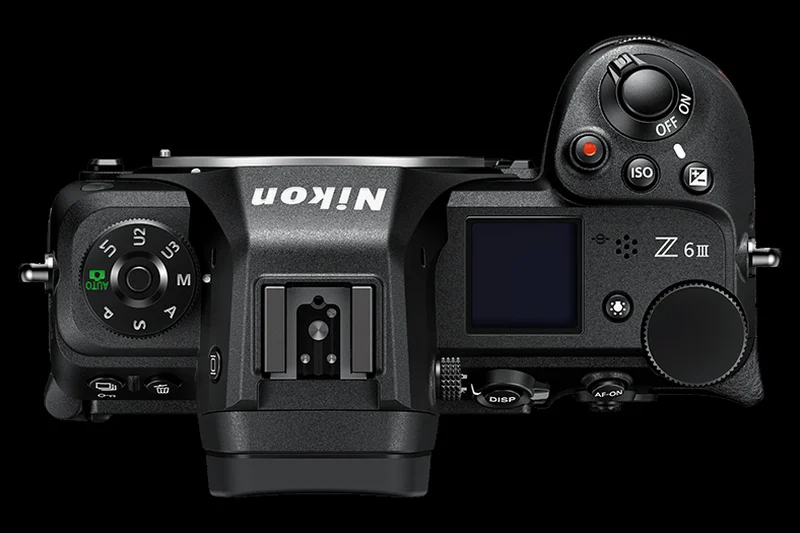
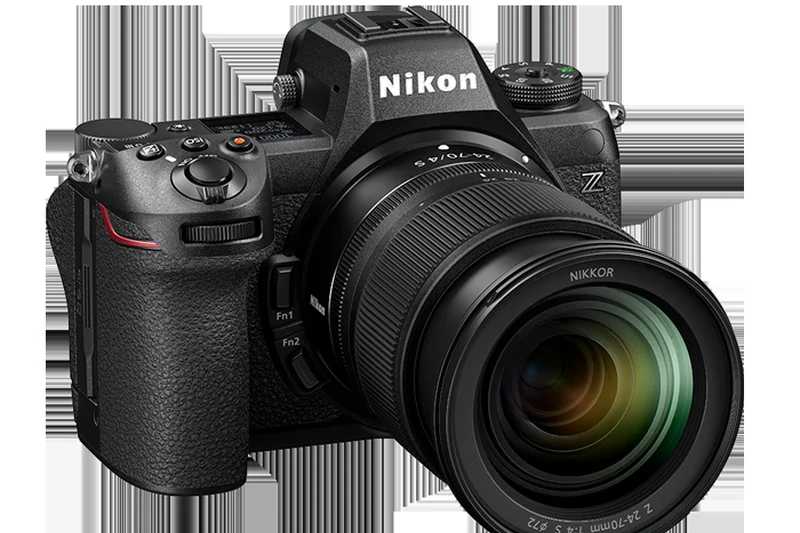
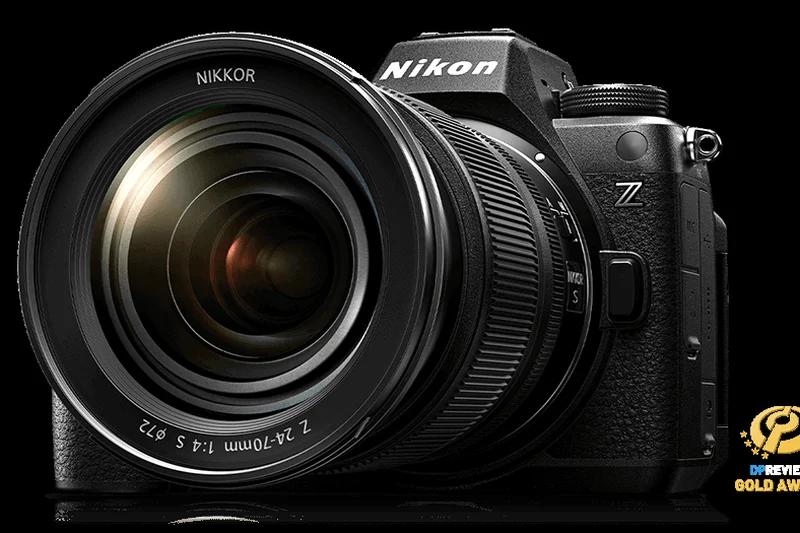
Why we picked it: Earning an 8.8 overall score, the Nikon Z6 III brings a world-first "partially-stacked" CMOS sensor to the mid-range market. This architectural innovation bridges the gap between traditional BSI sensors and wildly expensive fully stacked chips, delivering blistering readout speeds, greatly reduced rolling shutter, and a brilliant blackout-free 5.76m-dot EVF. It scores a 9 across Image Quality, AF Speed, Video, and Ergonomics, making it the most well-rounded camera in its price bracket. You get 6K 60p N-RAW internal video and continuous RAW bursts up to 20 fps. It's a massive leap over the Z6 II and firmly establishes Nikon's dominance in the $2,500 tier.
Key Specs
- 24.5MP Partially-Stacked CMOS Sensor
- EXPEED 7 Image Processor
- 6K 60p N-RAW, 6K 30p ProRes RAW
- Up to 20 fps Raw, 120 fps JPEG
- Blackout-Free 5760k-Dot EVF
What we like
- Innovative partially-stacked sensor design
- Class-leading blackout-free EVF
- Internal 6K RAW video
- Fantastic ergonomics and build quality
What we don't like
- Resolution remains locked at 24.5MP
- Slightly pricier than some direct competitors
Best for: Wedding photographers, serious hobbyists, and hybrid creators wanting speed without a flagship price.
If comparing the Z6 III to the Canon R6 Mark II, the Nikon's partially-stacked sensor gives it a noticeable edge in electronic shutter performance and EVF clarity.
The Nikon Z6 III redefines mid-range expectations with ultra-fast performance and stunning 6K video.
Buy at Nikon official site#6 Sony a1 II
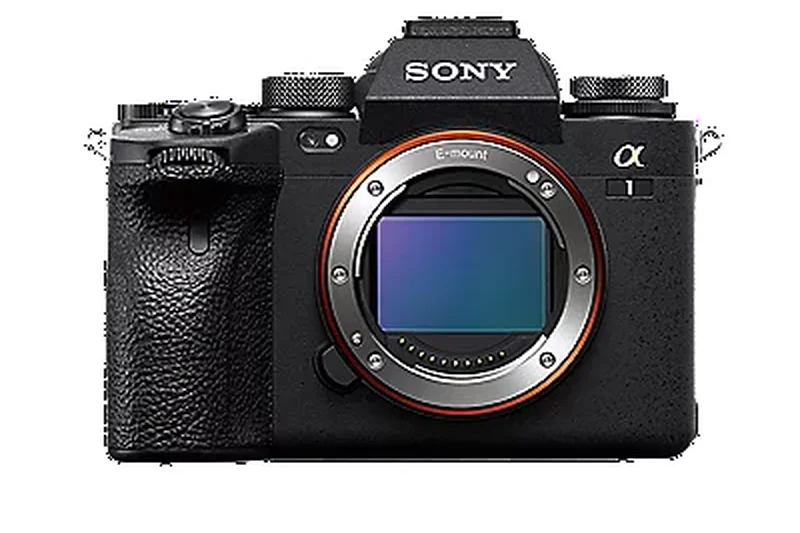
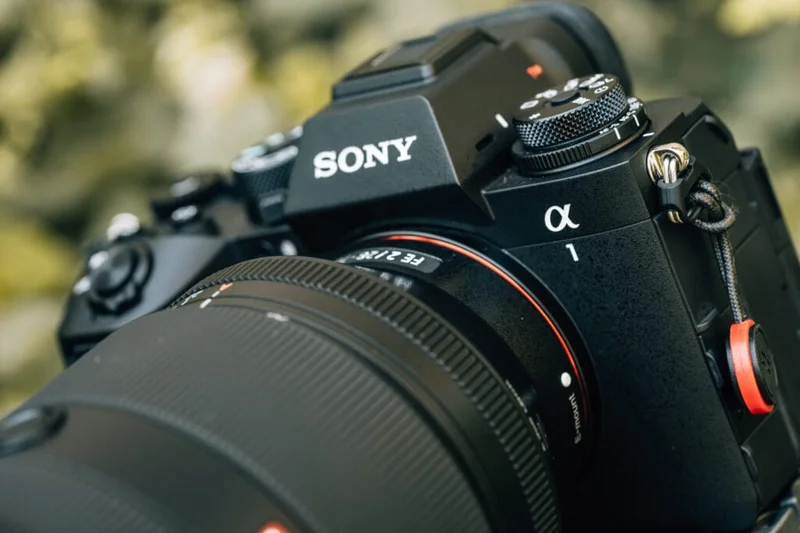
Why we picked it: The Sony a1 II is a technological marvel that maxed out Image Quality, AF Speed, and Video dimensions. Its 50.1MP sensor and dedicated AI processing unit allow for 30fps blackout-free shooting and pristine 8K video. It only dropped in our overall rankings due to its staggering $6,499 price tag, which heavily penalized its Value score.
Key Specs
- 50.1MP Full-Frame Stacked BSI CMOS Sensor
- Dual BIONZ XR Image Processors & AI Processing Unit
- 8K 30p and 4K 120p 10-Bit Video
- 30 fps Blackout-Free Continuous Shooting
- Up to 8.5-Stop In-Body Image Stabilization
What we like
- Flawless 50MP resolution and 30fps speed
- Next-generation AI tracking capabilities
- Class-leading lens ecosystem
What we don't like
- Prohibitively expensive
- Menus remain slightly convoluted
Best for: No-compromise professionals who need the absolute highest resolution and speed.
Versus the Nikon Z9, the a1 II is much smaller and lighter, but the Z9 offers a strictly electronic-only workflow.
A phenomenally powerful camera that sits at the absolute cutting edge of imaging technology.
Buy at Sony official site#7 Canon EOS R3
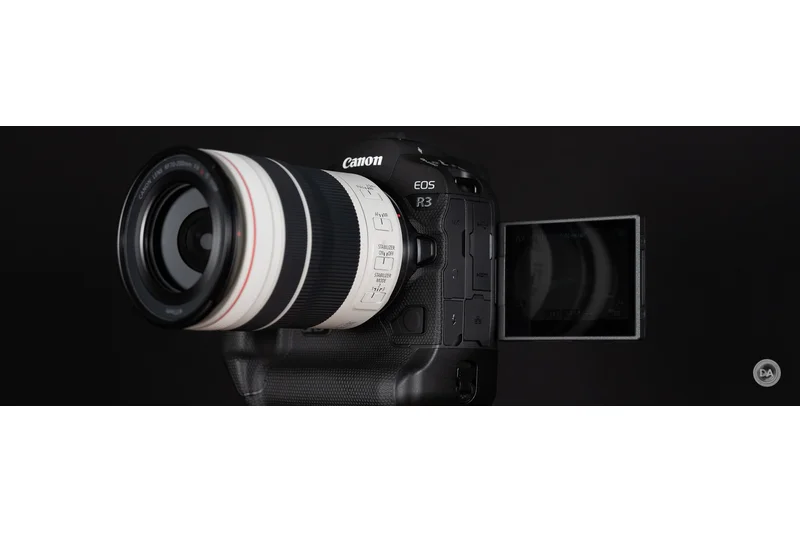
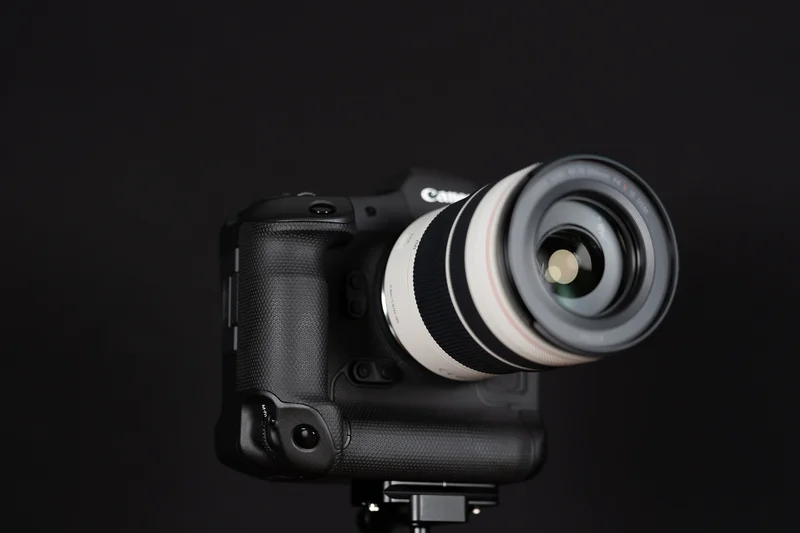
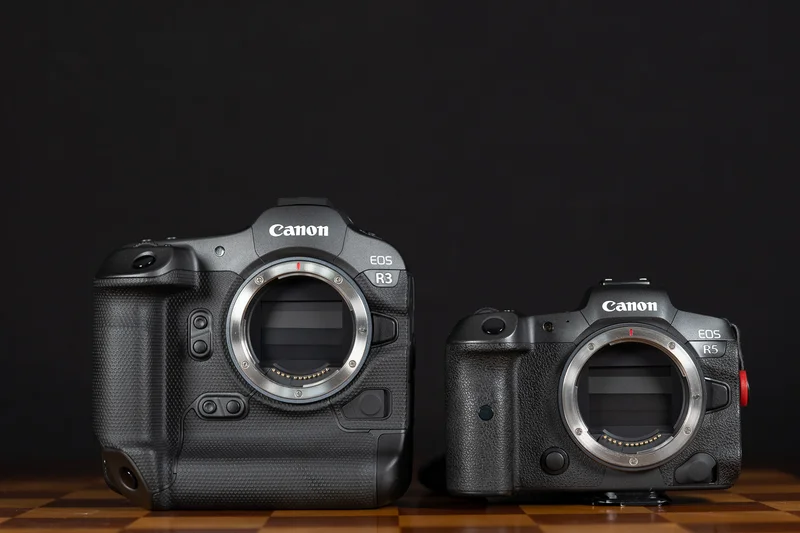
Why we picked it: The Canon EOS R3 is built for pure speed. With perfect scores in Autofocus, Build Quality, and Battery Life, its 24.1MP stacked sensor captures 30fps with incredible precision. The innovative Eye Control AF lets you select subjects simply by looking at them. It remains a top choice for sports journalists.
Key Specs
- 24.1MP Stacked BSI CMOS Sensor
- Eye Control AF
- Up to 30 fps Continuous Shooting
- 6K 60p Raw & 4K 120p 10-Bit Video
- Built-in Vertical Grip
What we like
- Revolutionary Eye Control AF
- Incredible ergonomics and vertical grip
- Massive battery life
What we don't like
- Resolution limited to 24.1MP
- Overshadowed by the newer R1
Best for: Sports photojournalists and fast-action event shooters.
Considering the R3 vs the R5 Mark II? The R3 has a better grip and battery, but the R5 Mark II has almost double the resolution.
The R3 is a rugged, lightning-fast workhorse built for the sidelines.
Buy at Canon official site#8 Canon EOS R6 Mark II
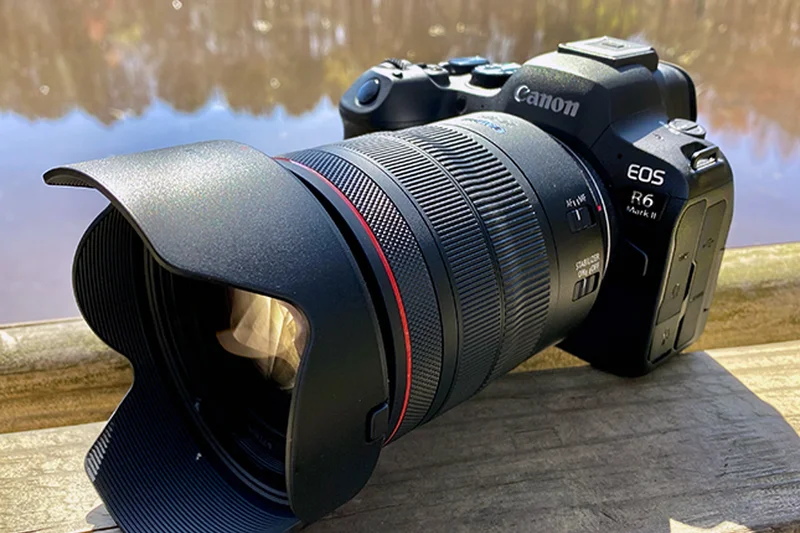
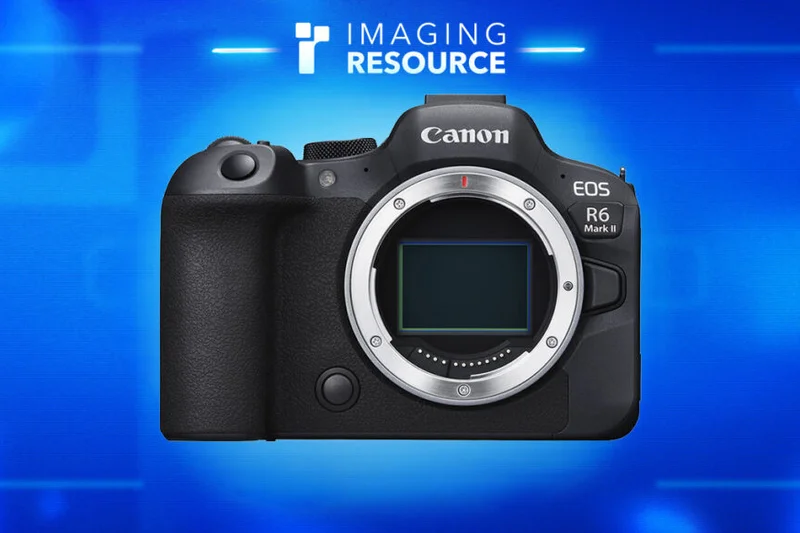
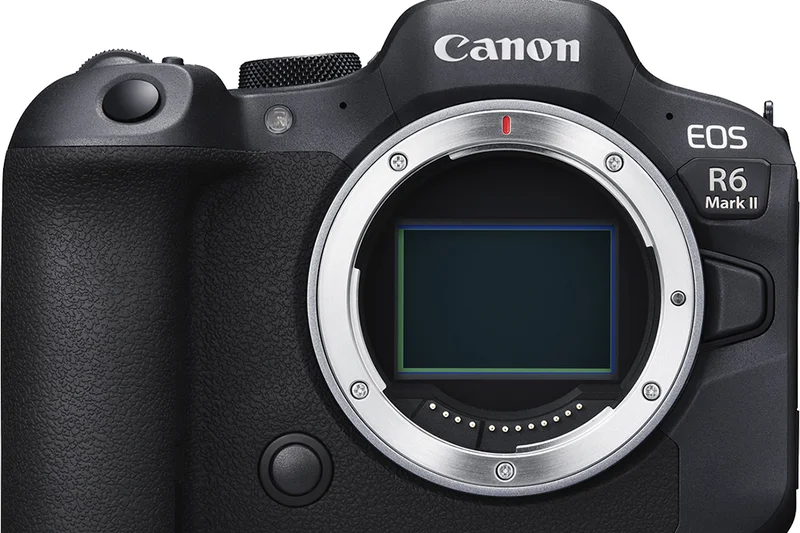
Why we picked it: Scoring an 8.5, the R6 Mark II is Canon's hybrid sweet spot. It delivers blazing fast 40fps electronic bursts and uncropped 4K 60p video. Its Dual Pixel CMOS AF II tracks subjects effortlessly. It remains one of the most popular mid-range cameras globally for a good reason.
Key Specs
- 24.2MP Full-Frame CMOS Sensor
- Up to 40 fps Continuous Shooting
- 4K 60p 10-Bit Internal Video
- Dual Pixel CMOS AF II
- Sensor-Shift 5-Axis Image Stabilization
What we like
- Excellent 40fps burst rates
- Superb autofocus reliability
- Great 4K video quality
What we don't like
- Micro-HDMI port is fragile
- Prone to minor overheating in hot conditions
Best for: Event photographers, wedding shooters, and dedicated hobbyists.
Versus the Sony a7 IV, the R6 Mark II has significantly less rolling shutter in video mode and faster burst rates.
An exceptionally capable and well-rounded camera for daily professional use.
Buy at Canon official site#9 Panasonic Lumix GH7
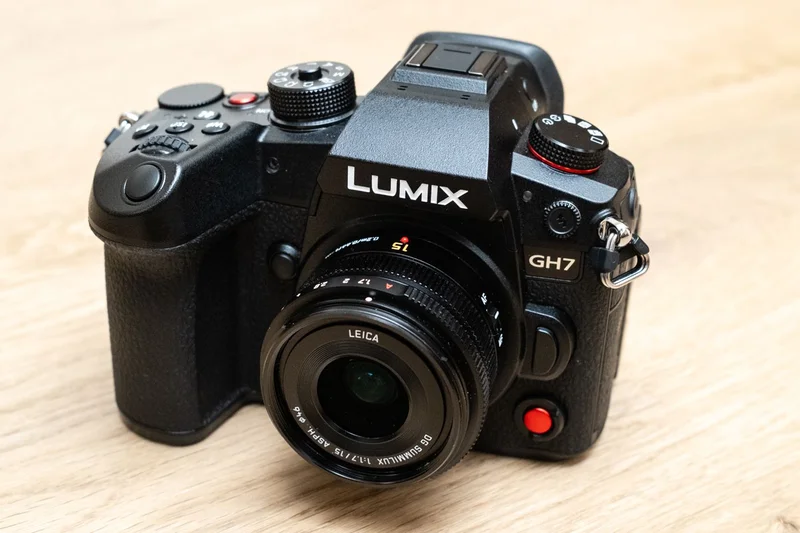
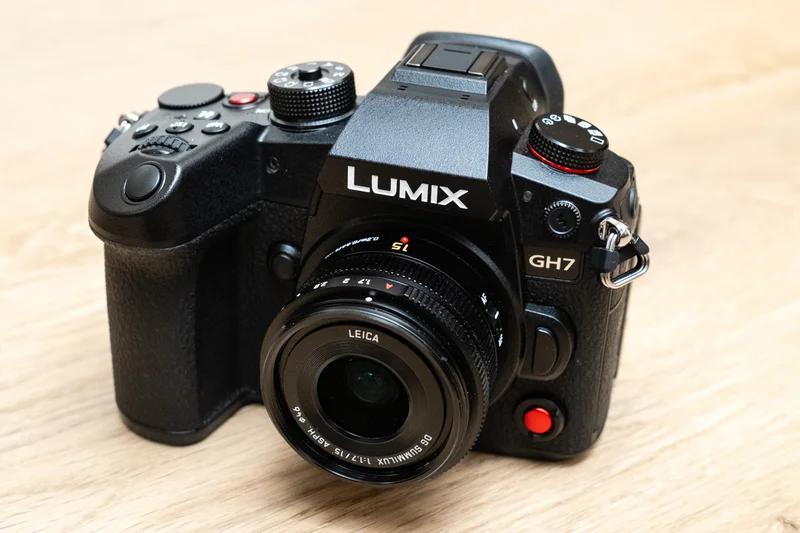
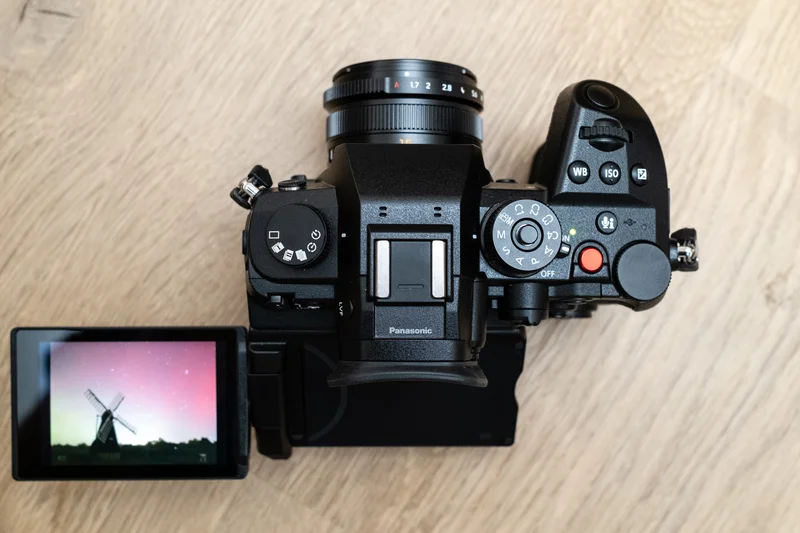
Why we picked it: The GH7 is the ultimate Micro Four Thirds video machine. Scoring a perfect 10 in Video Capabilities, it features internal ProRes RAW, an active cooling fan for unlimited recording, and incredible IBIS. It is a run-and-gun filmmaker's dream, even if the smaller sensor struggles slightly in extreme low light.
Key Specs
- 25.2MP BSI CMOS Sensor
- Internal ProRes RAW Recording
- Phase Hybrid AF with Subject Detection
- Unlimited 4K 60p & 5.7K 60p Video
- Built-In Active Cooling Fan
What we like
- Internal ProRes RAW is a game-changer
- Active cooling ensures it never overheats
- World-class image stabilization
What we don't like
- MFT sensor limits extreme low-light performance
- Bulky for an MFT body
Best for: Solo filmmakers, documentarians, and heavy video users.
Versus full-frame rivals, the GH7 trades ultimate low-light quality for unmatched internal video codecs and stabilization.
The GH7 is a cinematic powerhouse packed into a remarkably durable body.
Buy at Panasonic official site#10 Canon EOS R1

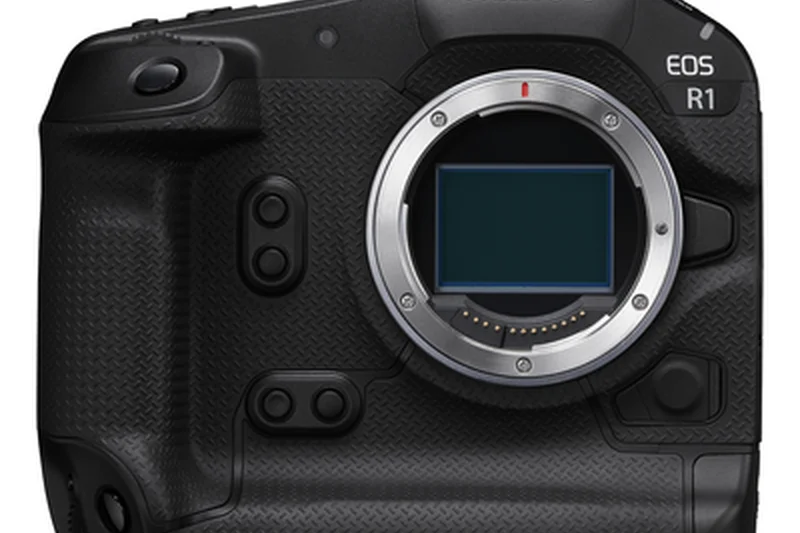
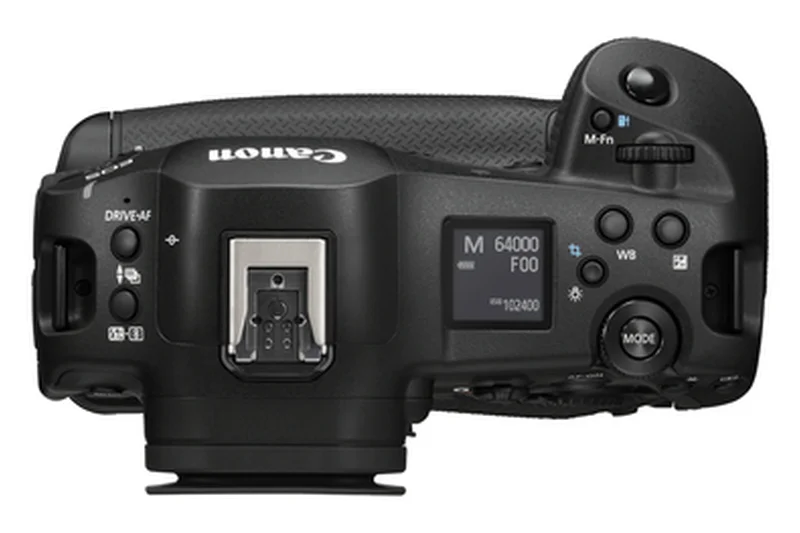
Why we picked it: Canon's flagship R1 is a masterclass in build quality and speed, achieving perfect 10s in Autofocus, Build, and Battery. Designed exclusively for the Olympics and global photojournalism, its 24.2MP sensor prioritizes clean files and absolute tracking reliability over sheer resolution. Its steep price hurts its value score, but its ruggedness is undeniable.
Key Specs
- 24.2MP Full-Frame Stacked BSI CMOS
- DIGIC Accelerator + DIGIC X Processing
- 6K 60p RAW & 4K 120p 10-Bit Internal Video
- Up to 40 fps Continuous Shooting
- Cross-Type Dual Pixel Intelligent AF
What we like
- Indestructible flagship build quality
- Cross-type AF is incredibly accurate
- Massive, high-resolution EVF
What we don't like
- 24MP resolution is low for a $6k+ flagship
- Extremely expensive
Best for: Agency photojournalists and elite sports professionals.
Compared to the Nikon Z9, the R1 has lower resolution but features Canon's legendary color science and cross-type AF.
The R1 is a rugged, specialized tool built to guarantee you get the shot in any environment.
Buy at Canon official site#11 Fujifilm X-T5
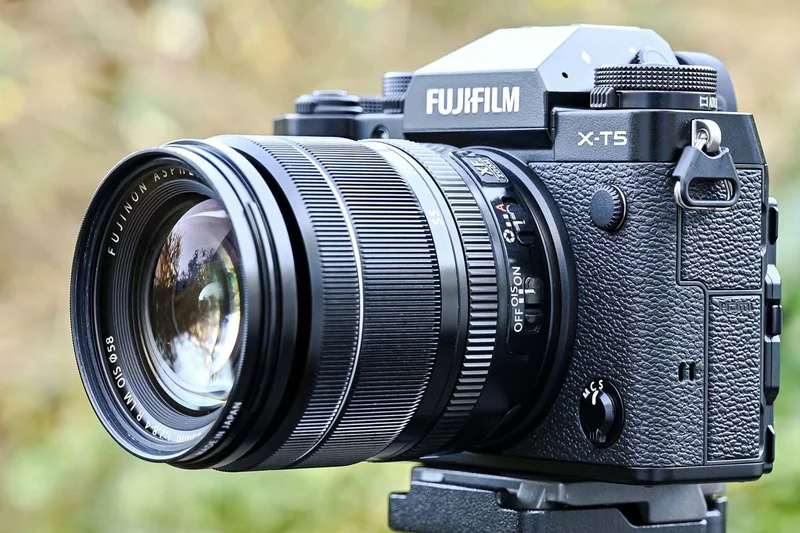
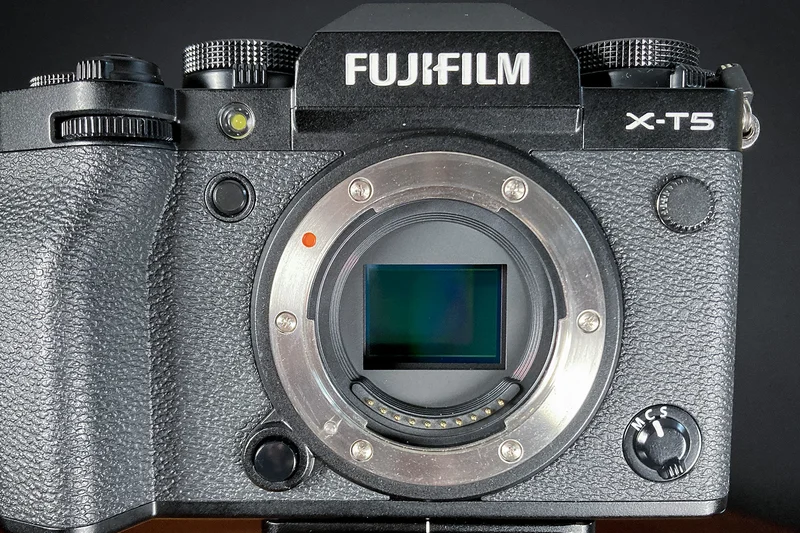
Why we picked it: The X-T5 brings a massive 40.2MP resolution to the APS-C market. With tactile retro dials, 6.2K video, and excellent IBIS, it offers a purely joyful shooting experience with stunning image files.
Key Specs
- 40.2MP APS-C X-Trans CMOS 5 HR Sensor
- 4:2:2 10-Bit Video at 6.2K 30p
- 7-Stop In-Body Image Stabilization
- 160MP Pixel Shift Multi-Shot
- 3.0" 3-Way Tilting Touchscreen
What we like
- Class-leading 40MP APS-C resolution
- Beautiful analog tactile controls
- Superb film simulations
What we don't like
- AF tracking still lags slightly behind Sony
- Buffer fills quickly at 40MP
Best for: Street photographers, travelers, and pure photography enthusiasts.
Versus the a6700, the X-T5 offers better resolution and ergonomics, while the Sony wins on autofocus speed.
A gorgeous, high-resolution APS-C camera that makes photography fun again.
Buy at Fujifilm official site#12 Sony a6700
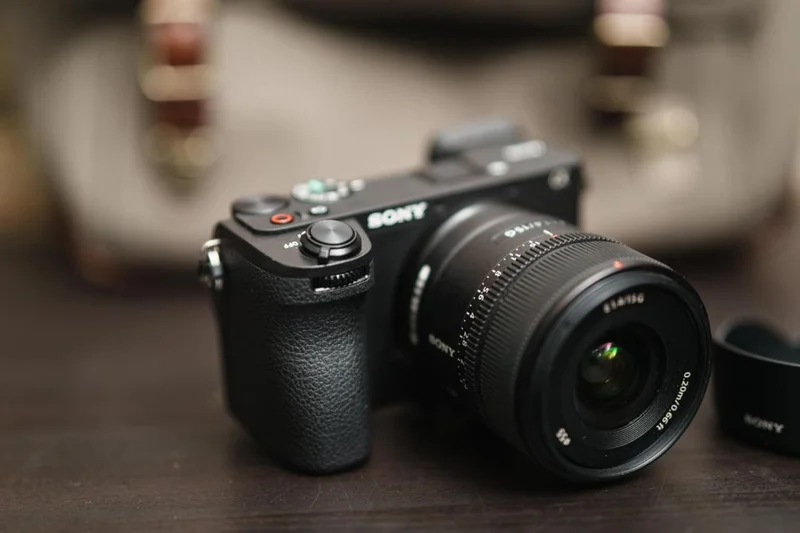
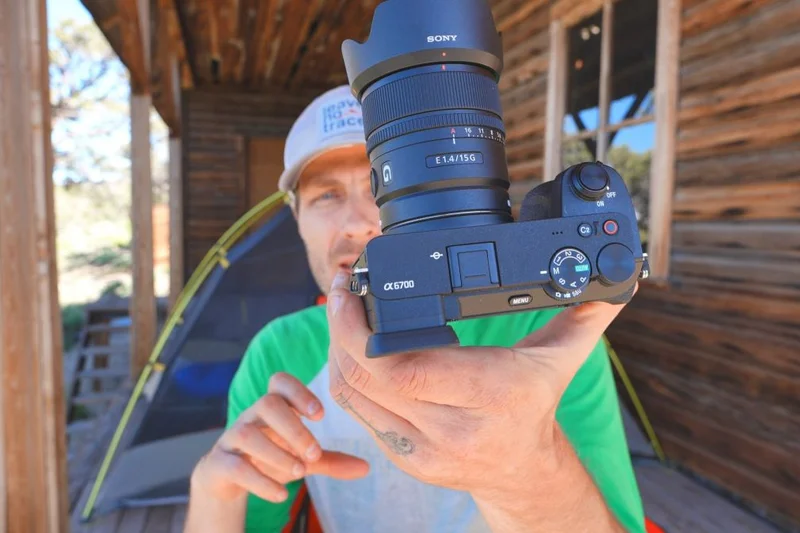
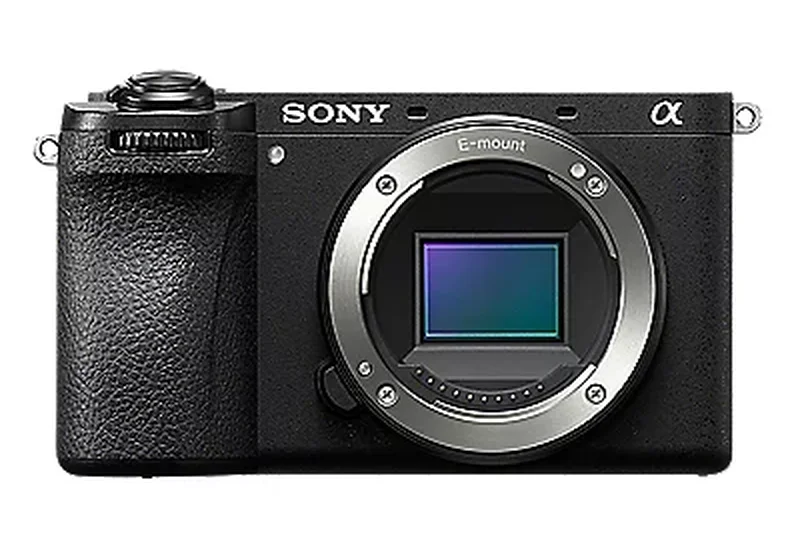
Why we picked it: Sony's premium APS-C body packs the AI autofocus unit from their full-frame line. It shoots brilliant 4K 120p video and offers exceptional tracking in a highly compact, travel-friendly design.
Key Specs
- 26MP APS-C Exmor R BSI Sensor
- BIONZ XR Processor & Dedicated AI Unit
- 4K 120p Video Recording
- 5-Axis In-Body Image Stabilization
- 11 fps Continuous Shooting
What we like
- Incredible AI-based autofocus
- 4K 120p is rare at this price
- Vast E-mount lens selection
What we don't like
- Viewfinder is small and low resolution
- Ergonomics feel a bit cramped
Best for: Travel vloggers and enthusiasts needing top-tier AF in a small package.
Versus the X-T5, the a6700 lacks vintage charm but dominates in video tracking reliability.
The a6700 is a miniature video and tracking powerhouse.
Buy at Sony official site#13 Sony a9 III
Why we picked it: The world's first full-frame global shutter camera. It achieves a ridiculous 120 fps continuous shooting with zero rolling shutter and flash sync at any speed. It sacrifices some dynamic range for pure, unadulterated speed.
Key Specs
- 24.6MP Full-Frame Global Shutter Sensor
- Up to 120 fps Continuous Shooting with AF/AE
- Flash Sync at Any Shutter Speed
- 4K 120p 10-Bit Video
- 8-Stop 5-Axis In-Body Image Stabilization
What we like
- Zero rolling shutter distortion
- Infinite flash sync speeds
- 120fps bursts with full AF
What we don't like
- Base ISO is 250, lowering dynamic range
- High price tag for 24MP
Best for: Action sports and high-speed commercial flash photography.
Versus the a1 II, the a9 III trades resolution for the absolute perfection of a global shutter.
A technological breakthrough that completely eliminates rolling shutter.
Buy at Sony official site#14 Fujifilm X-H2S
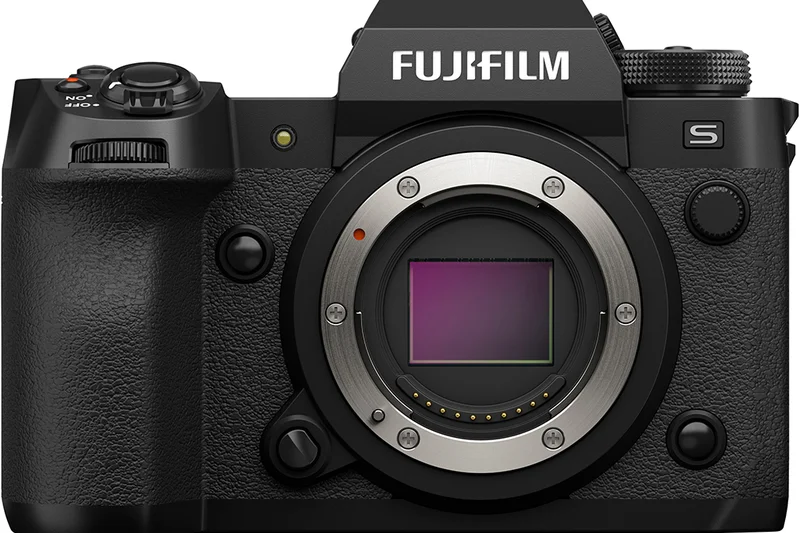
Why we picked it: Fuji's stacked-sensor APS-C beast. It shoots up to 40fps and records internal ProRes video. It is the highest-performing crop-sensor camera for action and video available today.
Key Specs
- 26.1MP APS-C X-Trans Stacked BSI Sensor
- 6.2K 30p and 4K 120p Video
- Up to 40 fps Continuous Shooting
- 7-Stop In-Body Image Stabilization
- ProRes 422 HQ Internal Recording
What we like
- Super fast stacked sensor readout
- Internal ProRes video
- Excellent high-quality EVF
What we don't like
- Priced similarly to full-frame rivals
- AF is good but not Sony-level
Best for: Hybrid shooters deeply invested in the Fuji ecosystem.
Versus the X-T5, the X-H2S offers a stacked sensor for faster action, sacrificing pure resolution.
The fastest, most capable APS-C camera built for high-speed hybrid workflows.
Buy at Fujifilm official site#15 Panasonic Lumix G9 II
Why we picked it: Bringing Phase Hybrid AF to Panasonic's flagship photo-centric MFT camera. It offers 60fps bursts and incredible 8-stop IBIS, making it a formidable tool for wildlife shooters who want extreme reach from small lenses.
Key Specs
- 25.2MP Live MOS Micro Four Thirds Sensor
- Phase Hybrid Autofocus
- 60 fps Continuous Shooting with AFC
- 5.7K 60p & 4K 120p Video
- 8-Stop In-Body Image Stabilization
What we like
- Blazing fast 60fps continuous shooting
- Reliable Phase Hybrid AF
- Class-leading image stabilization
What we don't like
- MFT sensor limits shallow depth of field
- Relatively large body size
Best for: Bird and wildlife photographers seeking massive focal lengths without the weight.
Versus the OM-1 Mark II, the G9 II offers slightly better video features, though the OM-1 has the stacked sensor.
A brilliant MFT camera revitalized by modern, reliable phase-detect autofocus.
Buy at Panasonic official site#16 Sony a7R V
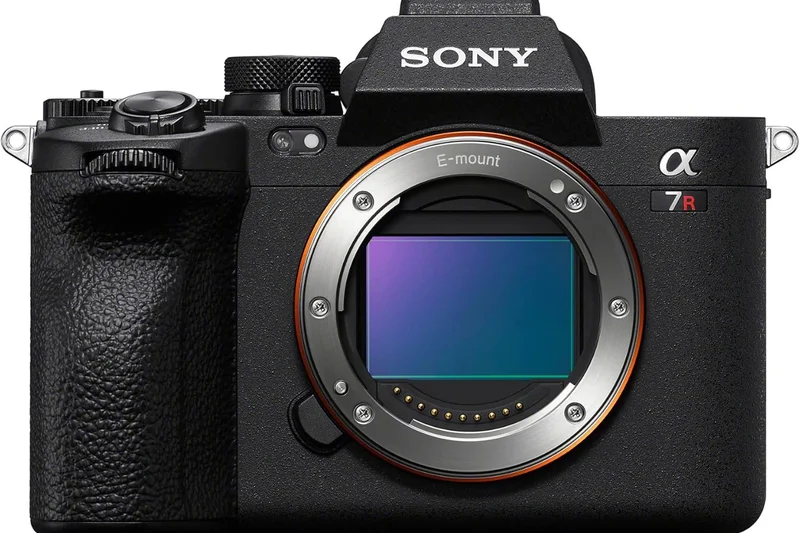
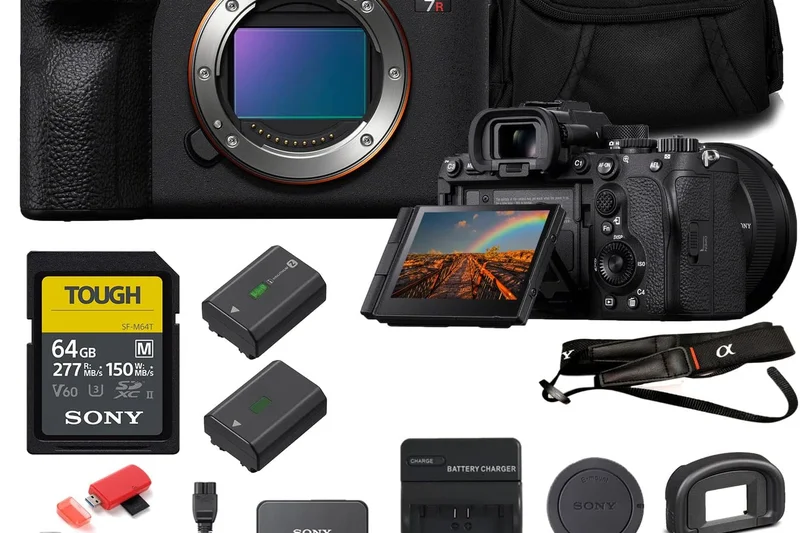
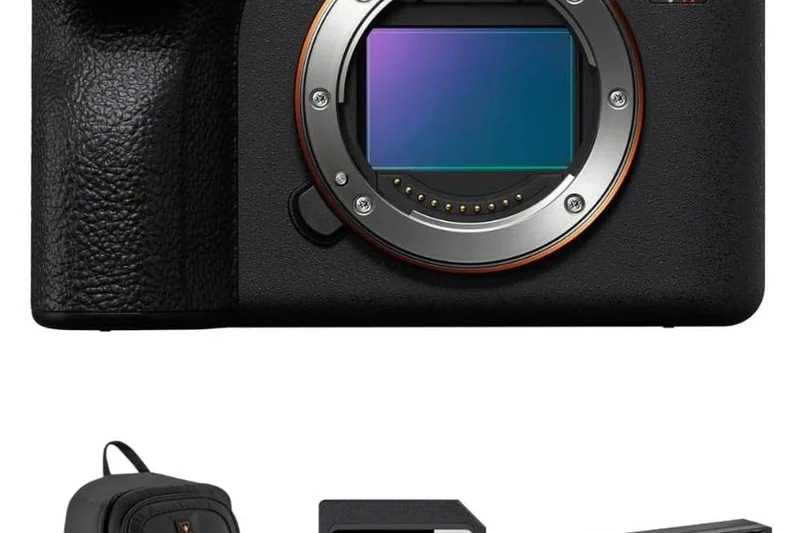
Why we picked it: The resolution king. 61 megapixels paired with an AI autofocus processor and a uniquely versatile 4-axis articulating screen. It produces the most detailed landscape and studio files in the full-frame market.
Key Specs
- 61MP Full-Frame Exmor R BSI CMOS Sensor
- BIONZ XR & Dedicated AI Processor
- 8K 24p and 4K 60p Video
- 8-Stop In-Body Image Stabilization
- 4-Axis Multi-Angle LCD Screen
What we like
- Stunning 61MP detail and dynamic range
- Best-in-class multi-angle screen
- Incredible AI autofocus tracking
What we don't like
- Massive rolling shutter in video and silent mode
- Heavy file sizes require powerful PCs
Best for: Landscape, architecture, and high-end portrait photographers.
Versus the Canon R5 Mark II, the Sony offers more resolution, but the Canon is far superior for video and speed.
The ultimate tool for photographers who demand absolute maximum resolution and detail.
Buy at Sony official site#17 Sony a7 IV
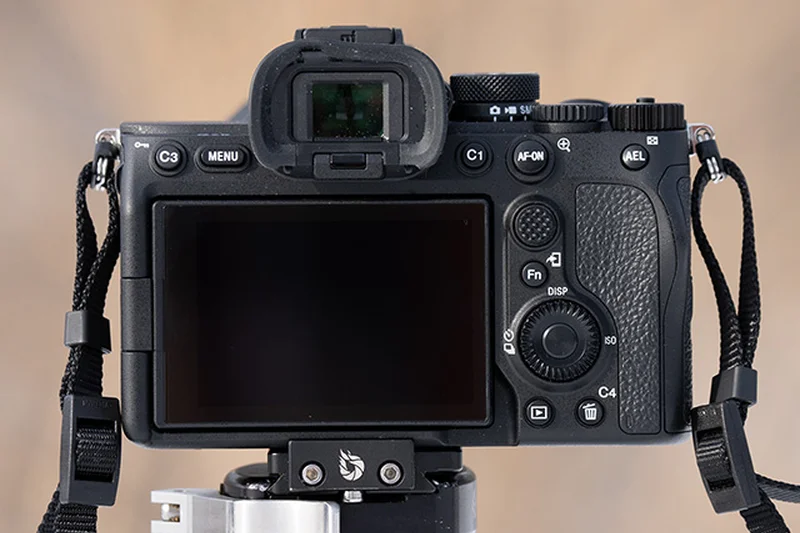
Why we picked it: The workhorse standard of the industry. With a 33MP sensor, excellent autofocus, and a vast ecosystem of lenses, the a7 IV provides an unbeatable balance for everyday professionals.
Key Specs
- 33MP Full-Frame Exmor R CMOS
- BIONZ XR Image Processor
- Up to 10 fps Shooting
- 4K 60p Video in 10-Bit
- Real-time Eye AF for Humans/Animals/Birds
What we like
- Perfect 33MP resolution balance
- Huge library of E-mount lenses
- Excellent eye-autofocus
What we don't like
- Noticeable rolling shutter in 4K video
- 4K 60p is heavily cropped
Best for: Generalist photographers, wedding shooters, and advanced amateurs.
Versus the Nikon Z6 III, the Sony has more resolution but suffers from slower readout speeds and cropped video.
A highly capable, versatile full-frame camera that does almost everything well.
Buy at Sony official site#18 OM System OM-1 Mark II
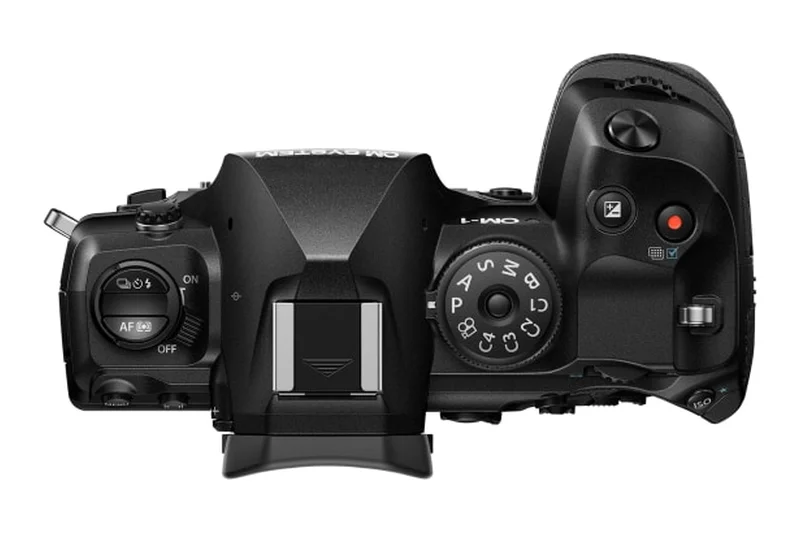
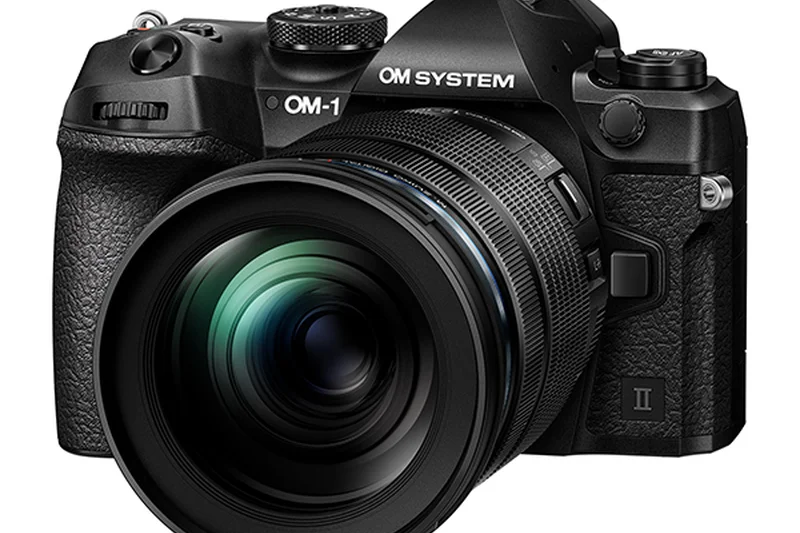
Why we picked it: The flagship of the Micro Four Thirds world. Featuring a stacked sensor, it captures 120fps bursts with astonishing computational photography tricks like Live ND and handheld high-res mode.
Key Specs
- 20.4MP Stacked BSI Live MOS Sensor
- TruePic X Dual Quad Core Processor
- Up to 120 fps Continuous Shooting
- 8.5-Stop In-Body Image Stabilization
- AI Detection AF with Human/Subject Tracking
What we like
- Extremely fast stacked sensor
- Unbelievable computational features (Live ND)
- Rugged, highly weather-sealed body
What we don't like
- 20MP resolution is starting to show its age
- Menu system is deeply complex
Best for: Hardcore outdoor wildlife and macro photographers.
Versus the Panasonic G9 II, the OM-1 has a stacked sensor for faster readout, but lower resolution.
A computationally brilliant, ultra-fast camera built for the wilderness.
Buy at OM System official site#19 Nikon Zf
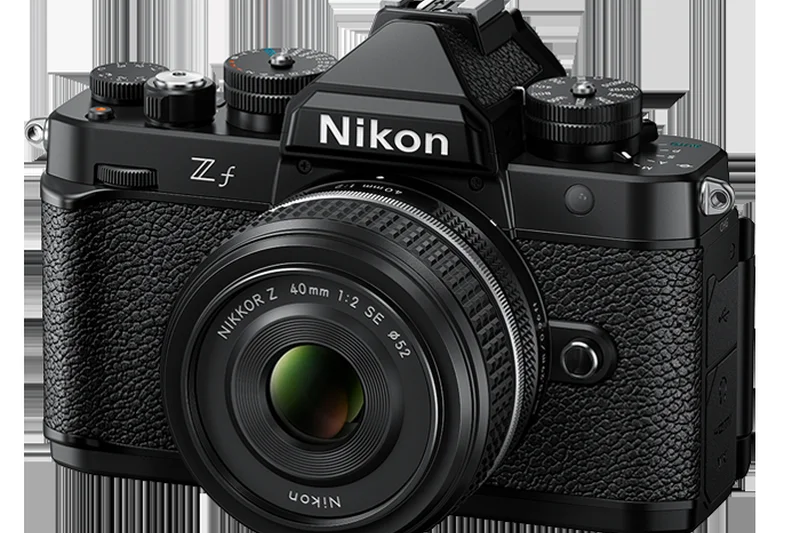
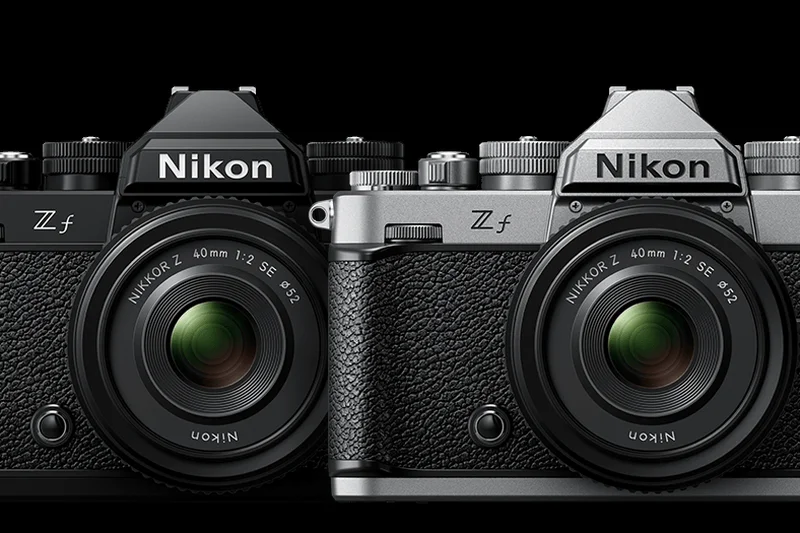
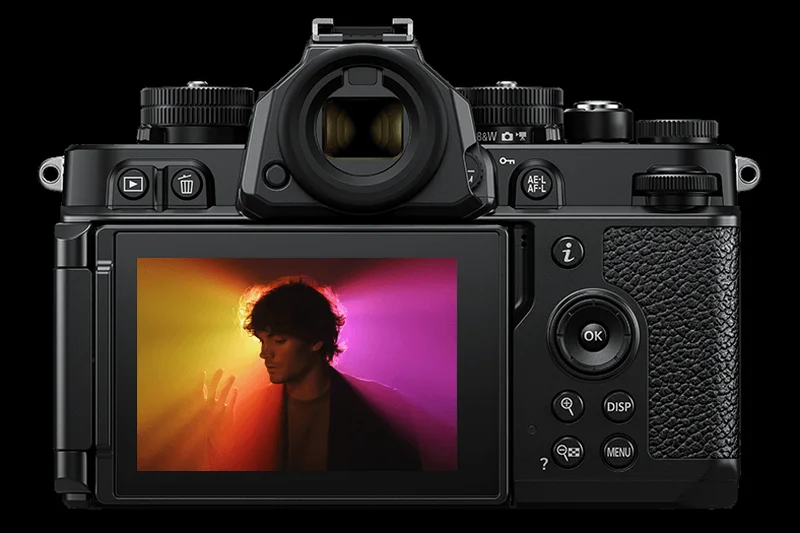
Why we picked it: Nikon combined the guts of the Z6 II/III into a stunning retro brass-dial body. It offers 8 stops of IBIS and top-tier AF in a chassis that begs to be held and used daily.
Key Specs
- 24.5MP Full-Frame BSI CMOS Sensor
- EXPEED 7 Image Processor
- 4K 60p Video Recording
- 8-Stop In-Body Image Stabilization
- Retro Design with Tactile Brass Dials
What we like
- Gorgeous, premium retro design
- Excellent autofocus and low-light performance
- Incredible IBIS performance
What we don't like
- Ergonomic grip is shallow without accessories
- MicroSD for the second slot is annoying
Best for: Street photographers and styling-conscious creators.
Versus the Sony a7C II, the Nikon Zf is larger but offers drastically better build quality and dual card slots.
A perfect marriage of vintage aesthetics and modern full-frame performance.
Buy at Nikon official site#20 Fujifilm X100VI
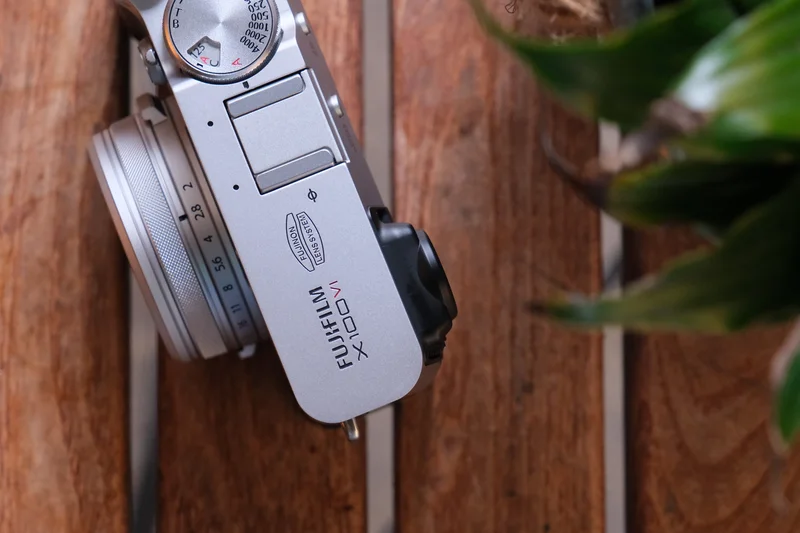
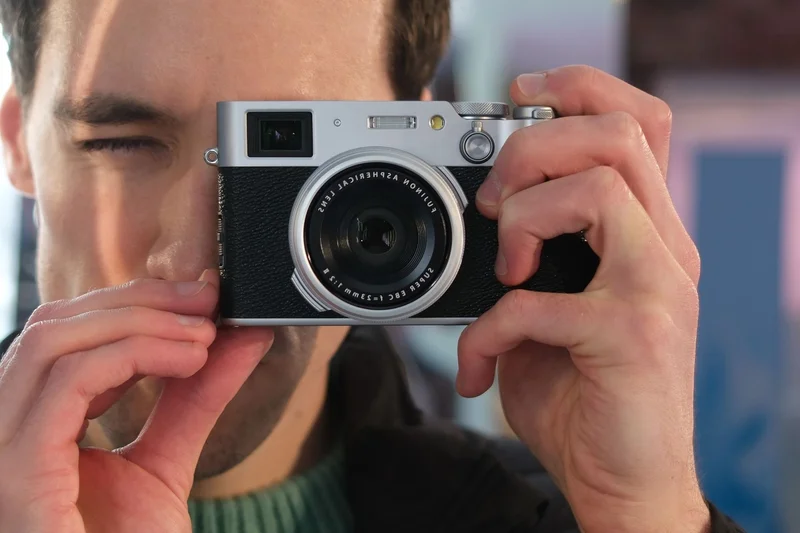
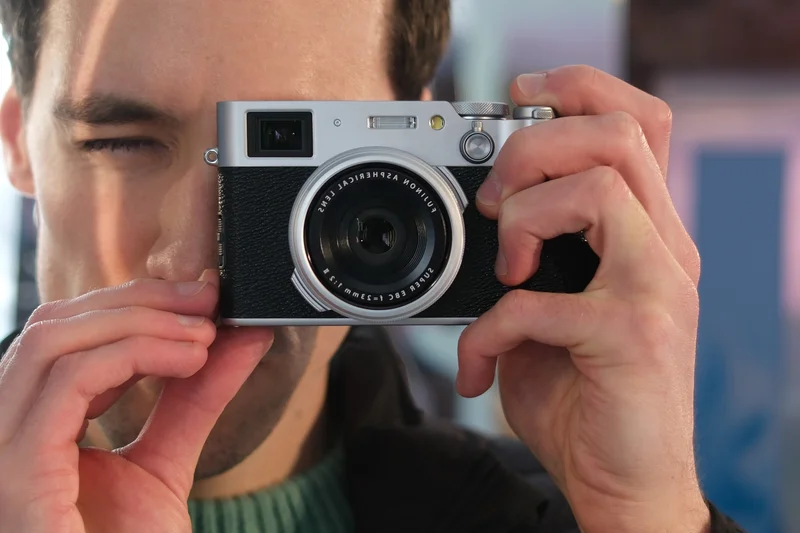
Why we picked it: The most hyped compact camera of the decade. Adding a 40MP sensor and IBIS to the legendary fixed-lens X100 formula makes it the ultimate everyday carry camera.
Key Specs
- 40.2MP APS-C X-Trans CMOS 5 HR Sensor
- Fixed 23mm f/2 Lens (35mm Equivalent)
- 6-Stop In-Body Image Stabilization
- 6.2K 30p Video Recording
- Advanced Hybrid Optical/Electronic Viewfinder
What we like
- Stunning pocketable design
- High-res 40MP sensor with IBIS
- Unique hybrid optical viewfinder
What we don't like
- Fixed lens limits versatility
- Often backordered and hard to find
Best for: Street photographers and everyday documentarians.
Versus the Ricoh GR IIIx, the Fuji has a viewfinder and flash, but the Ricoh is truly pocketable.
The quintessential premium compact camera, refined to near perfection.
Buy at Fujifilm official site#21 Fujifilm GFX100 II
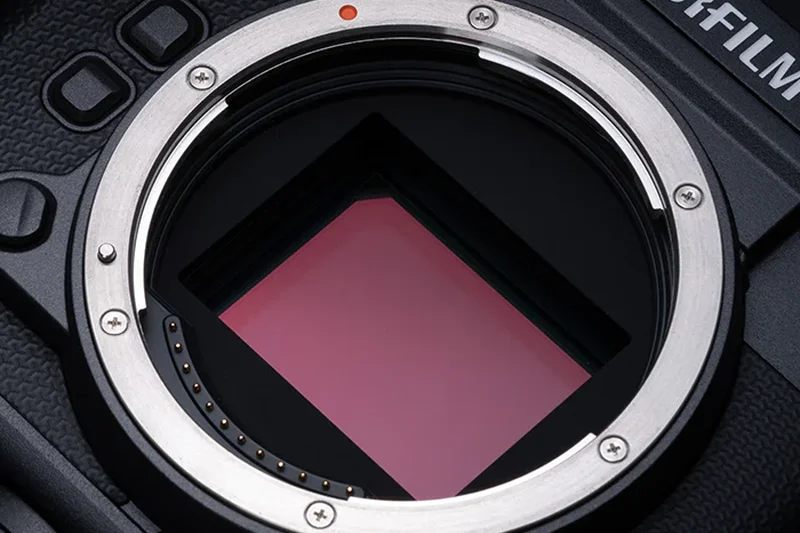
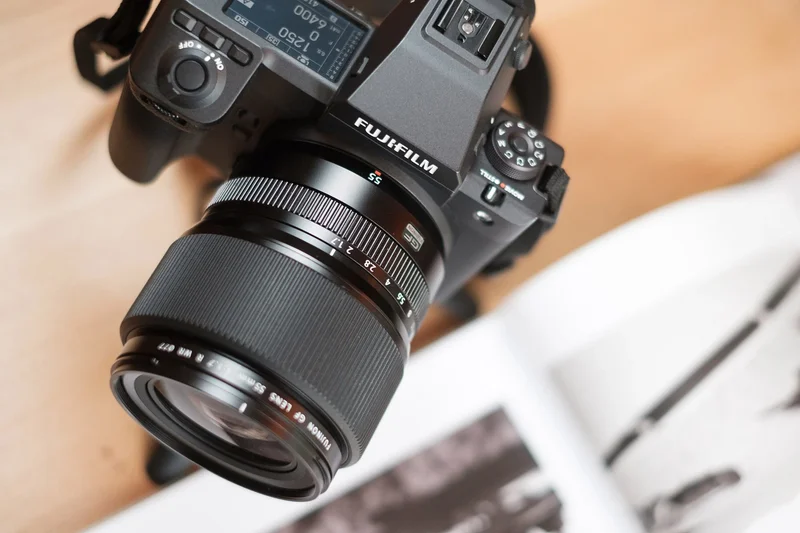
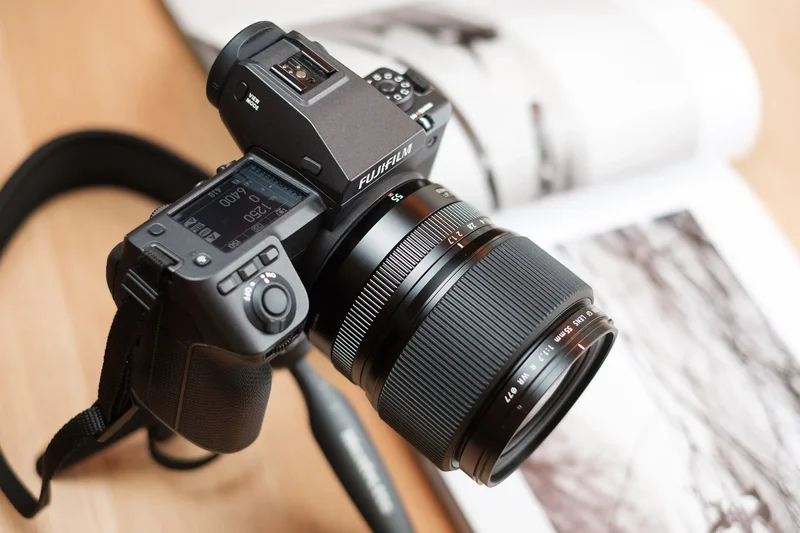
Why we picked it: A medium format monster. Packing 102 megapixels into a body the size of a standard pro DSLR, it delivers ungodly dynamic range and detail, while surprisingly offering 8K video.
Key Specs
- 102MP 43.8 x 32.9mm BSI CMOS Sensor
- X-Processor 5 Image Processor
- 8K 30p and 4K 60p 10-Bit Video
- 8-Stop In-Body Image Stabilization
- 9.44m-Dot EVF
What we like
- Unrivaled 102MP medium format image quality
- Incredible 9.44m-dot EVF
- Impressive video specs for large format
What we don't like
- Prohibitively expensive lenses
- Heavy and cumbersome
Best for: High-end commercial, fashion, and fine-art photographers.
Versus full-frame rivals, the GFX captures detail and depth that smaller sensors simply cannot match.
A medium format revolution that brings large-sensor quality into a manageable form factor.
Buy at Fujifilm official site#22 Sony a7C II
Why we picked it: Sony crammed the excellent 33MP sensor from the a7 IV into an incredibly tiny, rangefinder-style body. It is the ultimate full-frame travel camera for those who want quality without the weight.
Key Specs
- 33MP Full-Frame Exmor R BSI Sensor
- BIONZ XR Image Processor & AI Unit
- 4K 60p 10-Bit Video
- 7-Stop In-Body Image Stabilization
- Ultra-Compact Form Factor
What we like
- Tiny and lightweight for full-frame
- Superb 33MP sensor and AI autofocus
- Great battery life
What we don't like
- Tiny, inadequate EVF
- Only a single SD card slot
Best for: Travel bloggers and creators wanting full-frame in an APS-C sized body.
Versus the a7 IV, you lose dual card slots and a good EVF, but gain massive portability.
Uncompromised full-frame power packed into a deceptively small chassis.
Buy at Sony official site#23 Fujifilm X-T50
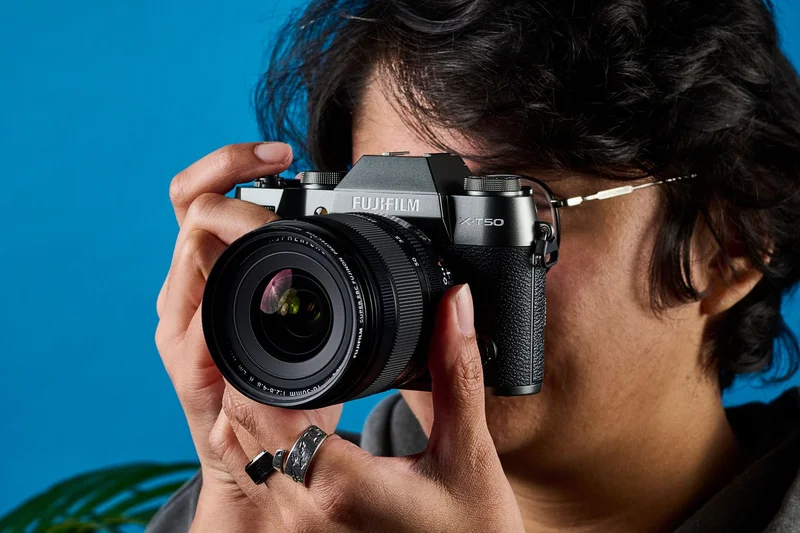
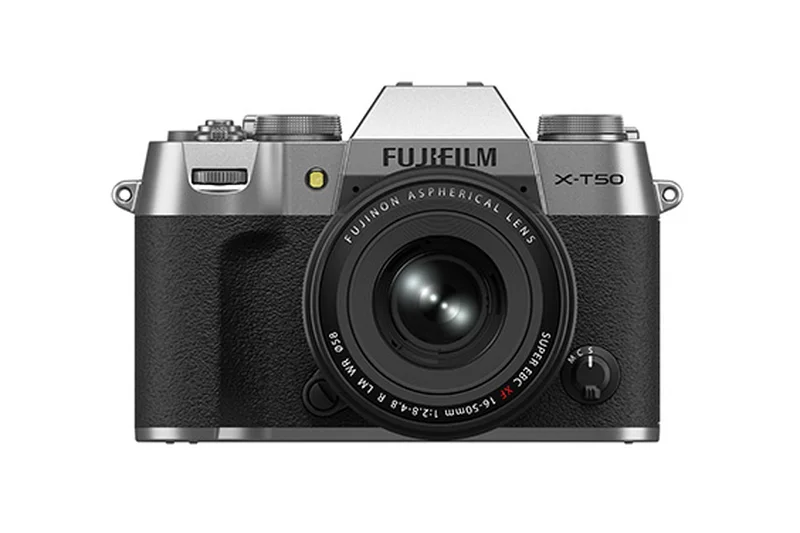
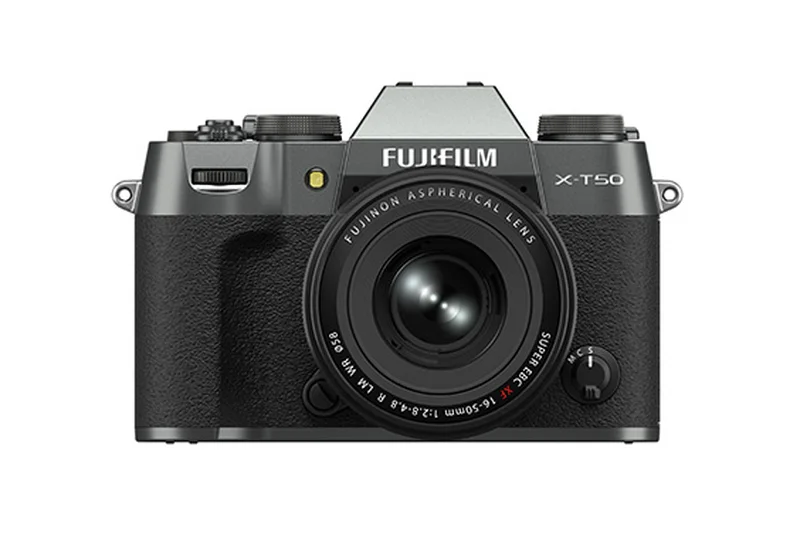
Why we picked it: The X-T50 takes the massive 40MP sensor of the X-T5 and puts it into a smaller, cheaper body, adding a dedicated physical Film Simulation dial for instant creative looks.
Key Specs
- 40.2MP APS-C X-Trans CMOS 5 HR
- X-Processor 5
- Dedicated Film Simulation Dial
- 7-Stop In-Body Image Stabilization
- 6.2K 30p Video
What we like
- Incredible 40MP resolution on a budget
- Fun, dedicated Film Sim dial
- Very compact
What we don't like
- Small battery drains quickly
- Single SD card slot
Best for: Beginners and travelers who love Fuji's out-of-camera JPEG colors.
Versus the Sony a6700, the Fuji offers better resolution and colors, but Sony wins on tracking AF.
A fun, highly capable everyday camera with gorgeous analog styling.
Buy at Fujifilm official site#24 Sony ZV-E10 II
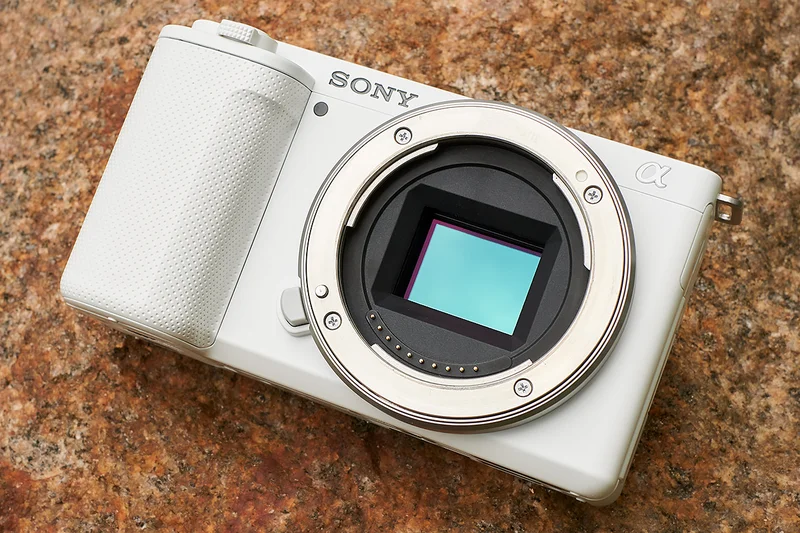
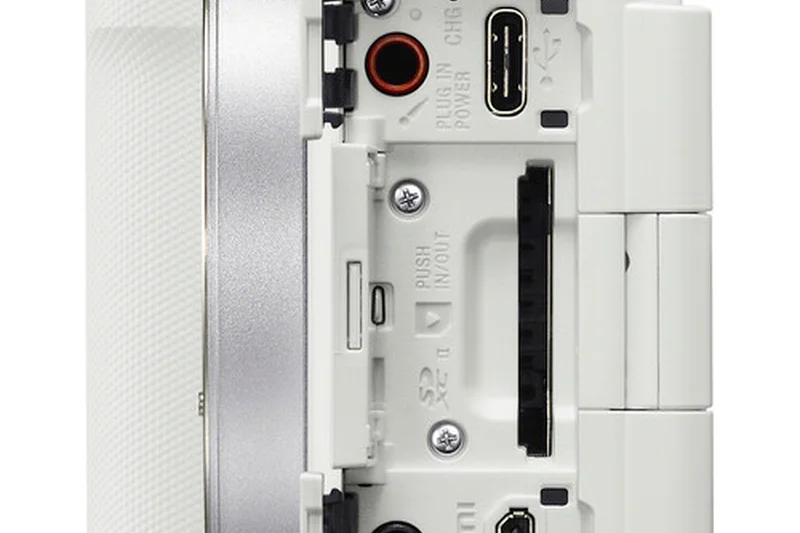
Why we picked it: Sony's highly popular vlogging camera gets updated with the newer 26MP sensor, 10-bit 4K 60p video, and the much larger Z-battery. It is an unstoppable budget vlogging machine.
Key Specs
- 26MP APS-C Exmor R CMOS Sensor
- 4K 60p 10-Bit Video
- Cinematic Vlog Settings
- Upgraded NP-FZ100 Battery
- Directional 3-Capsule Mic
What we like
- Excellent 4K 10-bit video quality
- Massive battery life improvement
- Great built-in microphone
What we don't like
- No electronic viewfinder
- No in-body image stabilization
Best for: YouTube creators, streamers, and dedicated vloggers.
Versus the Nikon Z30, the Sony has better lenses and a newer 10-bit sensor for color grading.
The undisputed entry-level champion for content creators and vloggers.
Buy at Sony official site#25 Leica Q3
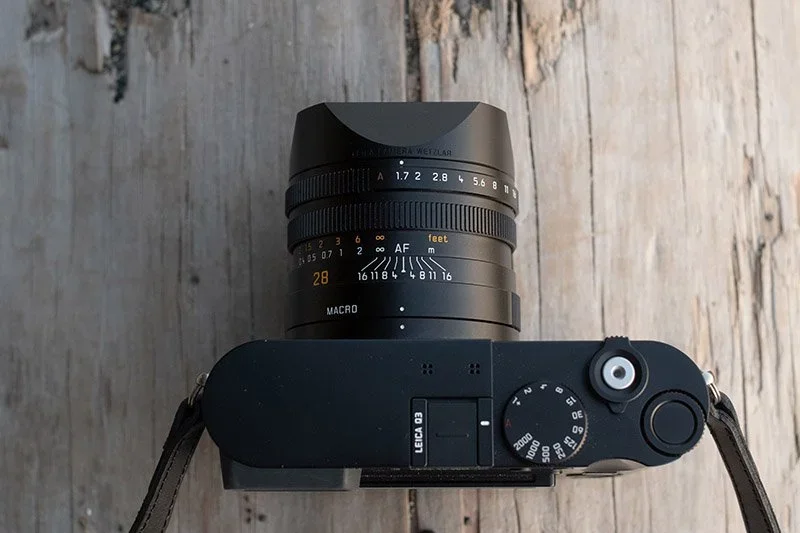
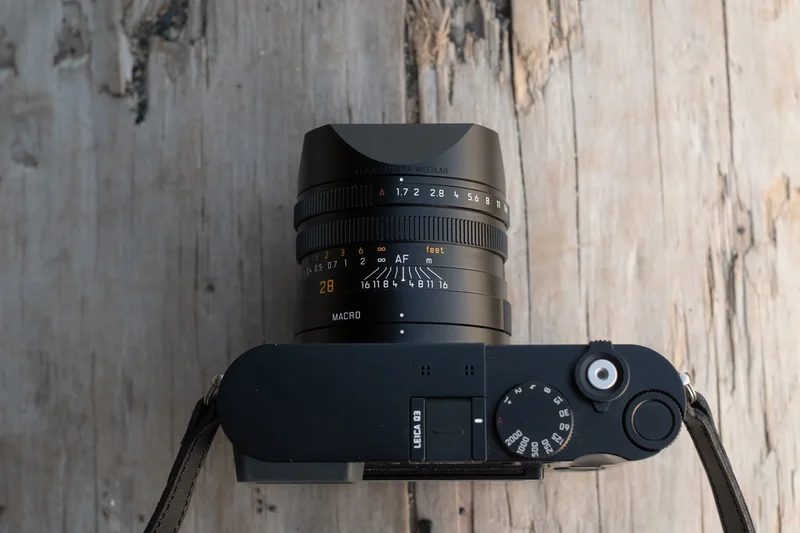
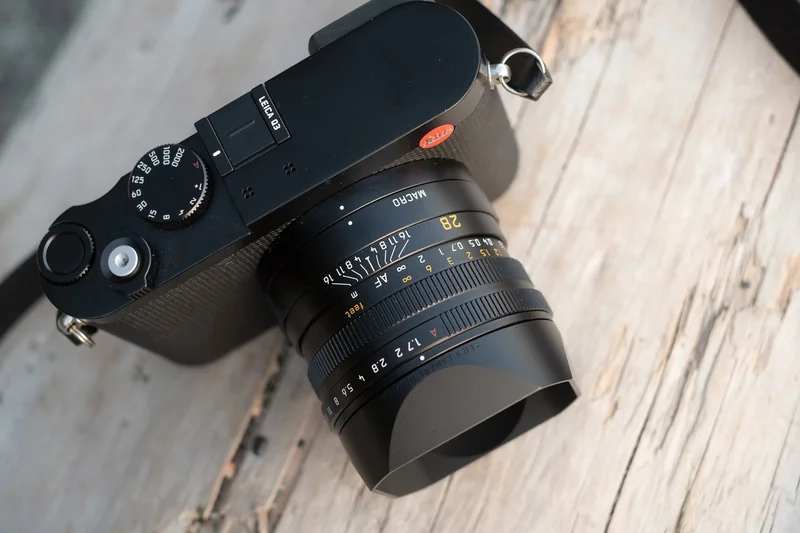
Why we picked it: A luxury masterpiece. The Leica Q3 combines a 60MP full-frame sensor with a flawless fixed 28mm f/1.7 lens. It's wildly expensive but offers a pure, unmatched shooting experience.
Key Specs
- 60MP Full-Frame BSI CMOS Sensor
- Summilux 28mm f/1.7 ASPH. Lens
- 8K 30p and 4K 60p Video
- Hybrid AF System with Phase Detection
- Tiltable 3.0" Touchscreen Display
What we like
- Breathtaking 60MP resolution
- Legendary Leica lens quality
- Gorgeous minimalist design
What we don't like
- Astronomical price tag
- Fixed lens cannot be changed
Best for: Luxury travelers and purist street photographers with deep pockets.
Versus the Fuji X100VI, the Leica gives you a full-frame sensor and unparalleled build, for almost four times the price.
The ultimate luxury compact camera that backs up its price with actual performance.
Buy at Leica official site#26 Nikon Z50 II
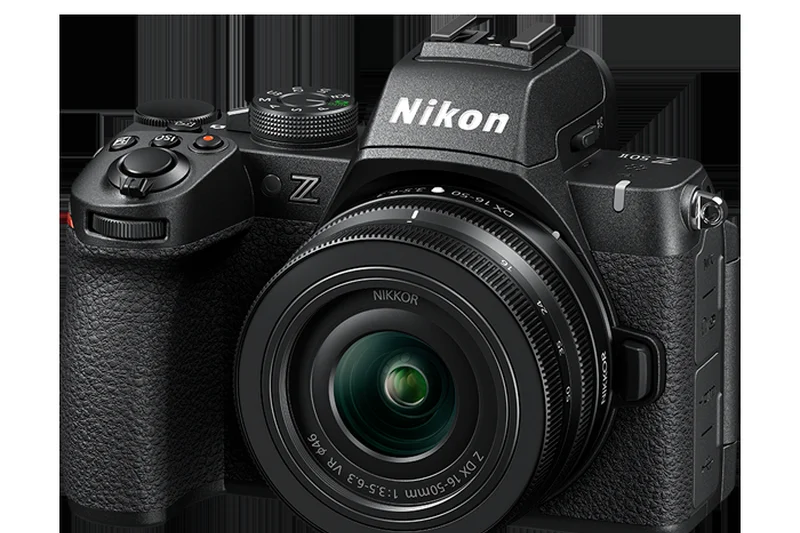
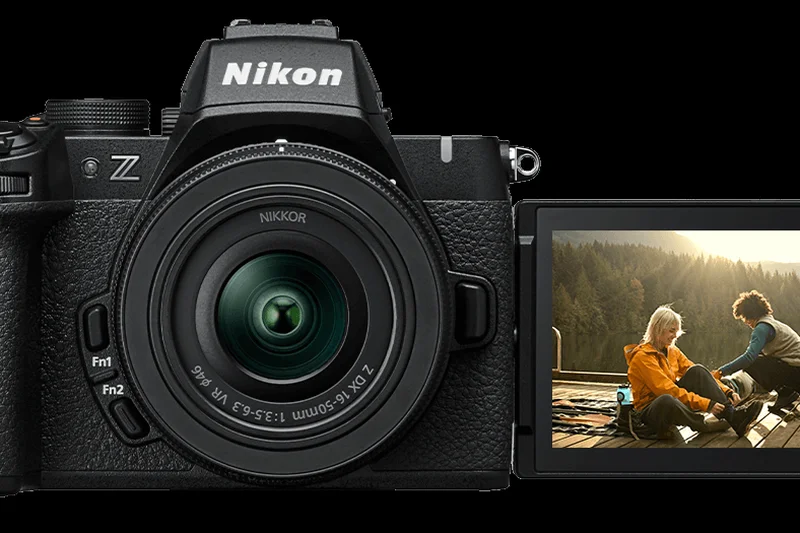
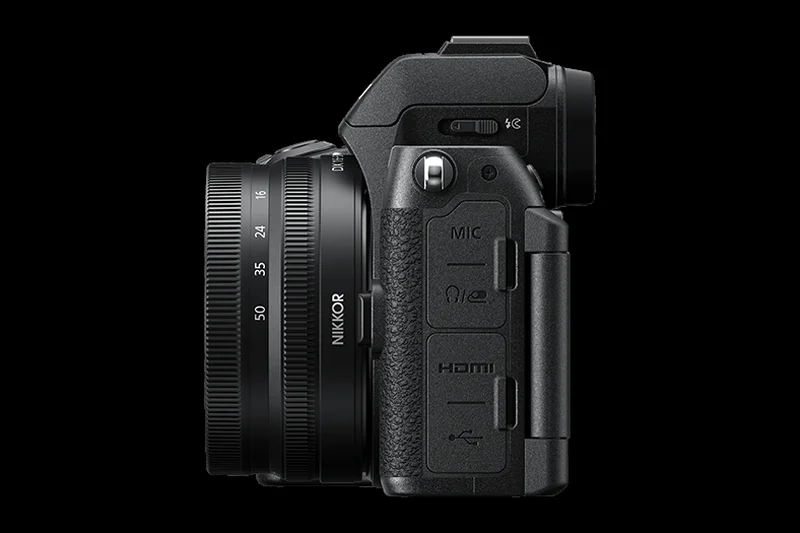
Why we picked it: Nikon updates its original APS-C camera with the powerful EXPEED 7 processor, giving it flagship-level tracking autofocus and 4K 60p video in a highly ergonomic, affordable body.
Key Specs
- 20.9MP APS-C CMOS Sensor
- EXPEED 7 Image Processor
- 4K 60p Video Recording
- Bright 1000-Nit OLED Viewfinder
- Dedicated Picture Control Button
What we like
- Excellent EXPEED 7 autofocus tracking
- Deep, comfortable hand grip
- Bright 1000-nit EVF
What we don't like
- Stuck at 20.9 megapixels
- APS-C lens lineup for Nikon is limited
Best for: Beginner sports shooters and travelers entering the Nikon ecosystem.
Versus the Canon R10, the Nikon offers slightly better EVF and build, but Canon has a small resolution edge.
A highly comfortable, fast-focusing entry point into Nikon's mirrorless world.
Buy at Nikon official site#27 Sony ZV-E1
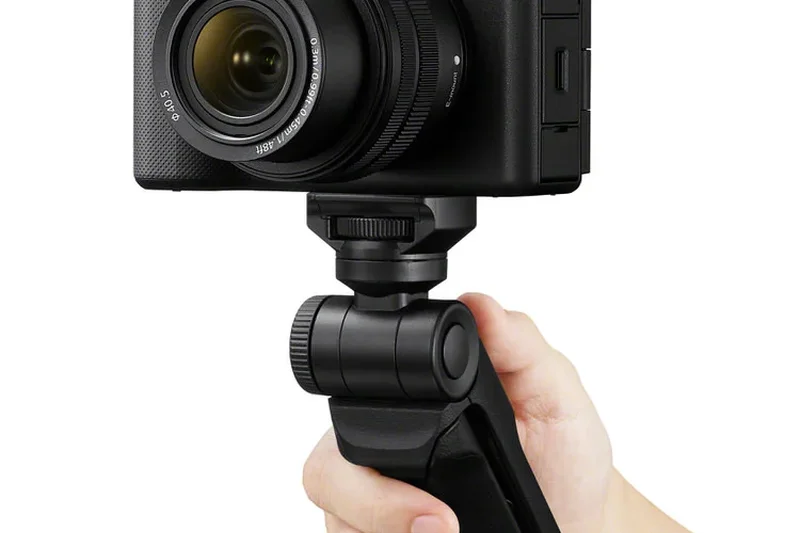
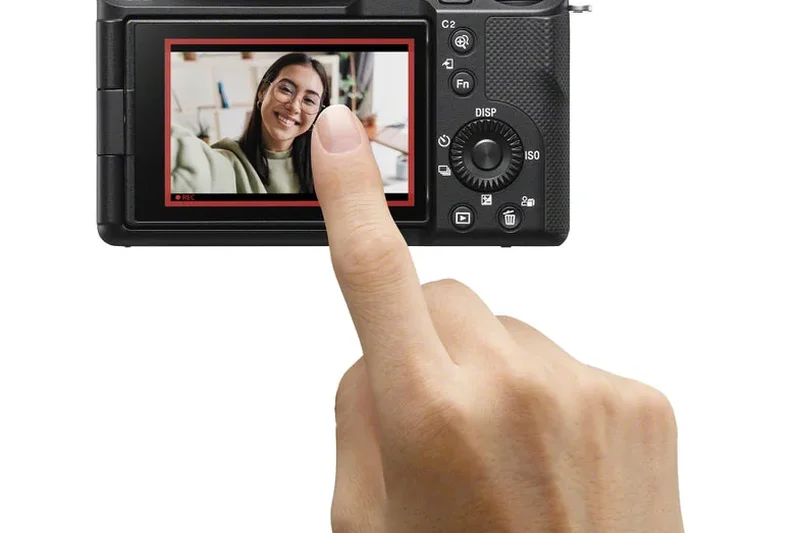
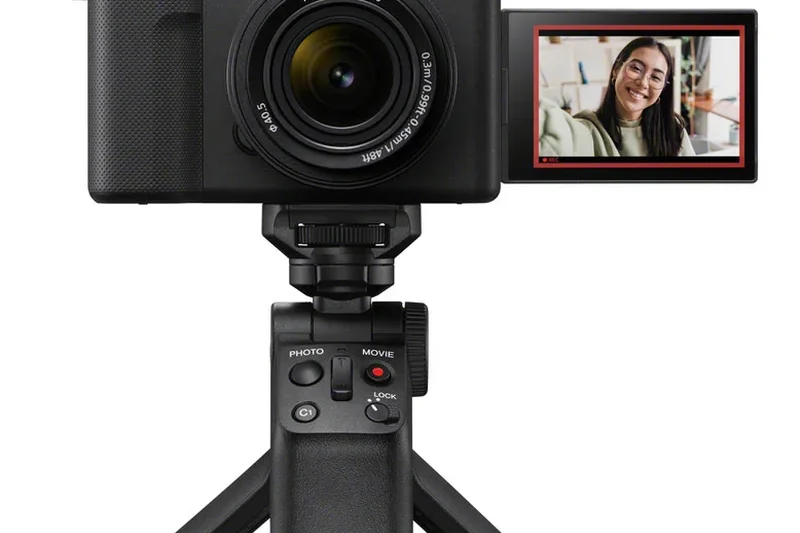
Why we picked it: Sony put the low-light 12MP full-frame sensor from the A7S III into a tiny vlogging body. It uses AI to automatically frame and track subjects, making it a solo creator's best friend.
Key Specs
- 12MP Full-Frame Exmor R Sensor
- AI-based Auto Framing & Framing Stabilizer
- 4K 120p Video
- Dynamic Active Mode Stabilization
- Cinematic Vlog Settings
What we like
- Unbeatable extreme low-light video
- Incredible AI auto-framing tools
- Tiny full-frame body
What we don't like
- Prone to overheating in 4K 120p
- Only 12MP for still photography
Best for: Solo videographers and low-light content creators.
Versus the ZV-E10 II, this gives you a full-frame sensor for ultimate low-light, at double the price.
An AI-powered video wizard designed specifically for solo creators.
Buy at Sony official site#28 Canon EOS R8
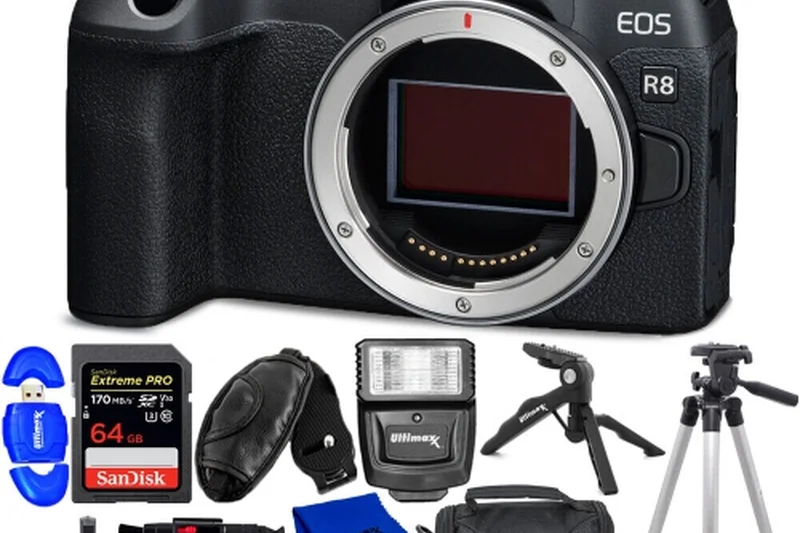
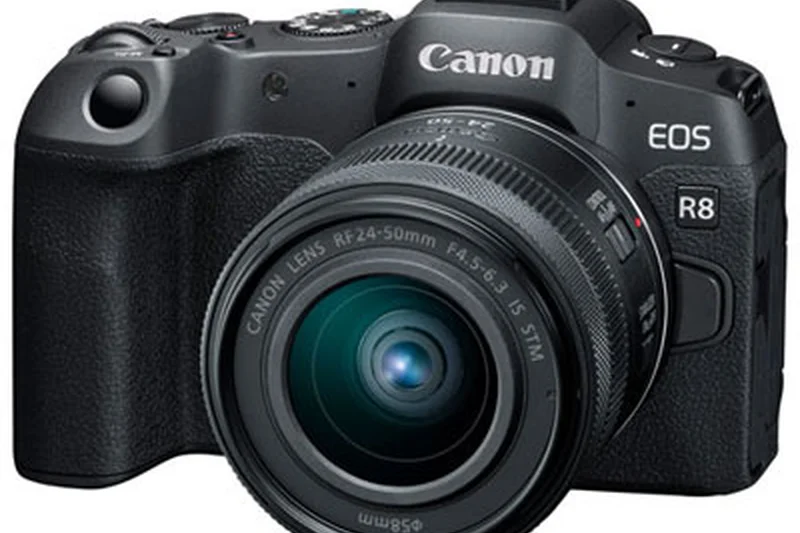
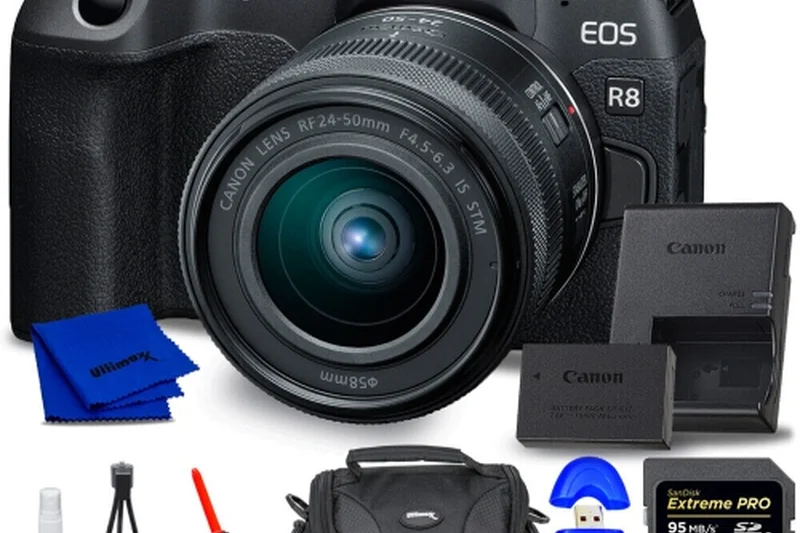
Why we picked it: The R8 packs the exact same 24.2MP full-frame sensor and autofocus as the R6 Mark II into an ultra-light, budget-friendly body. It is the cheapest way to get pro-level Canon full-frame performance.
Key Specs
- 24.2MP Full-Frame CMOS Sensor
- Uncropped 4K 60p Video
- Dual Pixel CMOS AF II
- Up to 40 fps Electronic Shutter
- Ultra-lightweight Body
What we like
- Top-tier full-frame sensor at a budget price
- Excellent uncropped 4K 60p video
- Incredibly lightweight
What we don't like
- No in-body image stabilization
- Uses the tiny LP-E17 battery
Best for: Budget-conscious portrait and landscape photographers.
Versus the R6 Mark II, the R8 is much cheaper but sacrifices IBIS and battery life.
The best value full-frame camera for pure image quality on a budget.
Buy at Canon official site#29 Panasonic Lumix S9
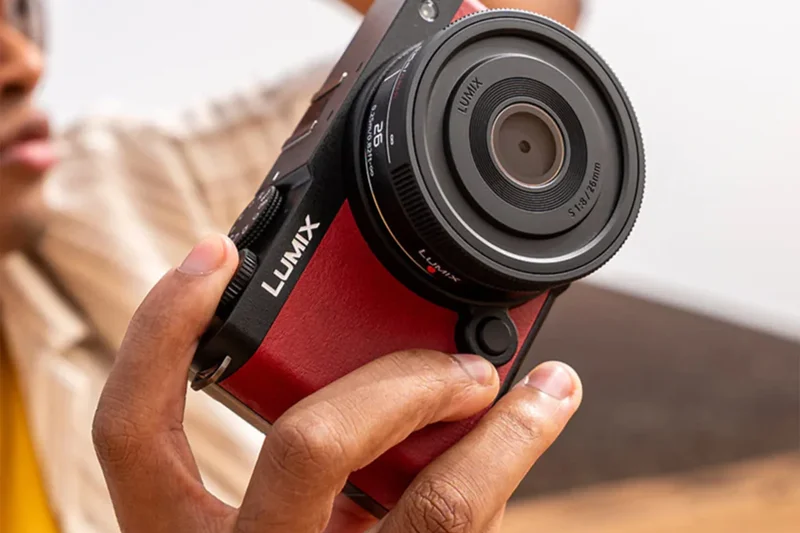
Why we picked it: Panasonic's attempt at a lifestyle full-frame camera. It omits the EVF and mechanical shutter entirely to create a tiny, stylish body with an open-gate 6K video mode and a dedicated LUT button for fast color grading.
Key Specs
- 24.2MP Full-Frame CMOS Sensor
- Open Gate 6K 30p Video
- Dedicated REAL TIME LUT Button
- Phase Hybrid Autofocus
- Compact & Lightweight Design
What we like
- Very stylish and ultra-compact
- Open gate 6K is amazing for social media
- Instant real-time LUTs
What we don't like
- No mechanical shutter causes banding
- No viewfinder
Best for: Social media influencers and stylish content creators.
Versus the Sony a7C II, the S9 is cheaper and has Open Gate video, but the Sony has an EVF and mechanical shutter.
A chic, hyper-compact video tool tailor-made for vertical video formats.
Buy at Panasonic official site#30 Canon EOS R10
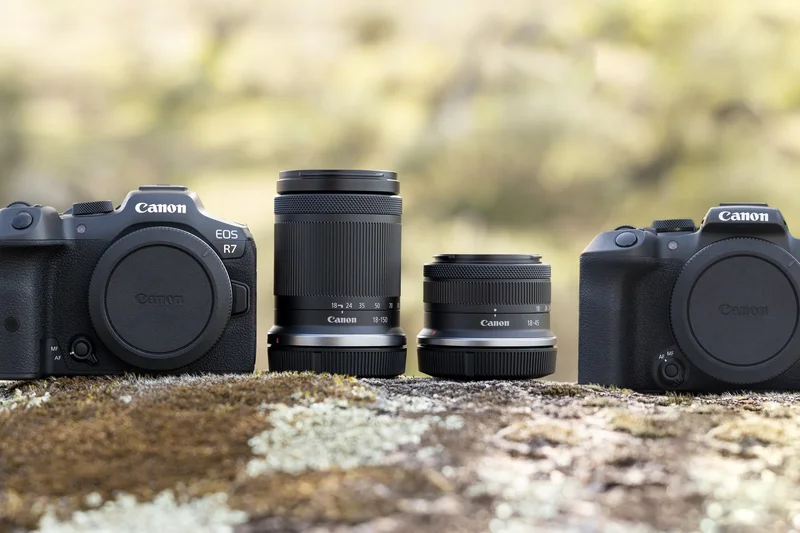
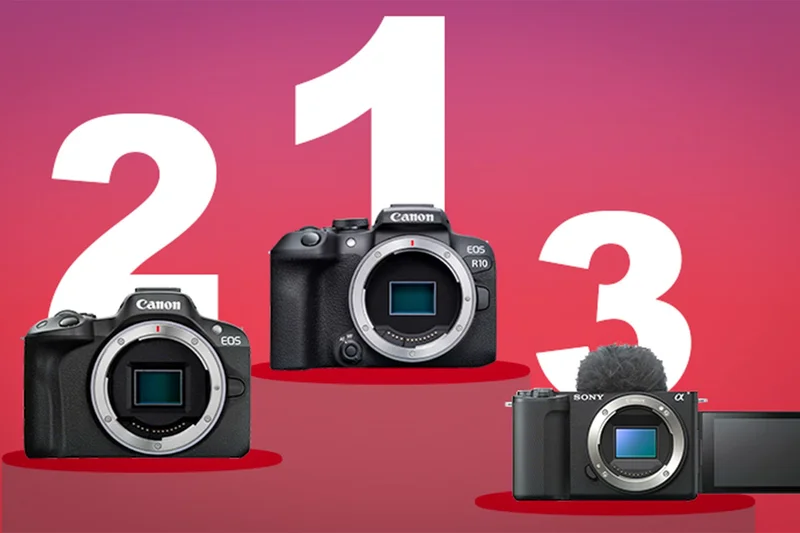
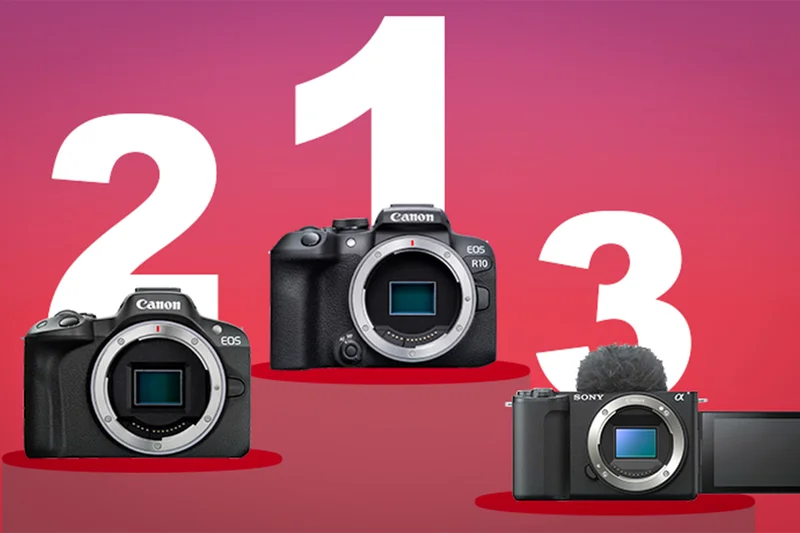
Why we picked it: A brilliant mid-level APS-C camera from Canon offering fast burst rates and robust autofocus in a body that handles beautifully. It provides an excellent gateway into the RF mount.
Key Specs
- 24.2MP APS-C CMOS Sensor
- 4K 30p Uncropped & 4K 60p Cropped Video
- Dual Pixel CMOS AF II
- Up to 23 fps Electronic Shutter
- Multi-Function Shoe
What we like
- Fast 23fps burst shooting
- Deep, comfortable grip
- Excellent Dual Pixel AF
What we don't like
- Canon's RF-S lens lineup is lacking
- 4K 60p has a heavy crop
Best for: Amateur sports/action shooters and beginners.
Versus the Nikon Z50 II, the R10 offers higher resolution and faster burst rates.
A highly capable APS-C all-rounder that punches above its weight class.
Buy at Canon official site#31 Canon EOS R50
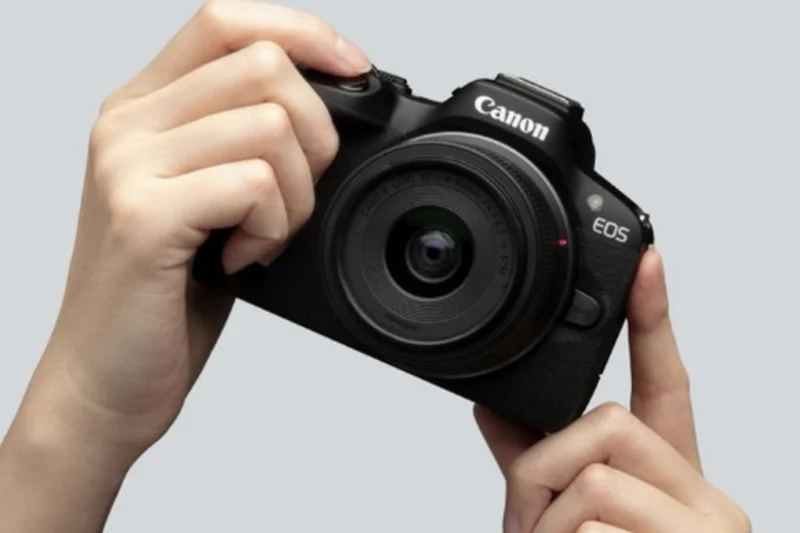
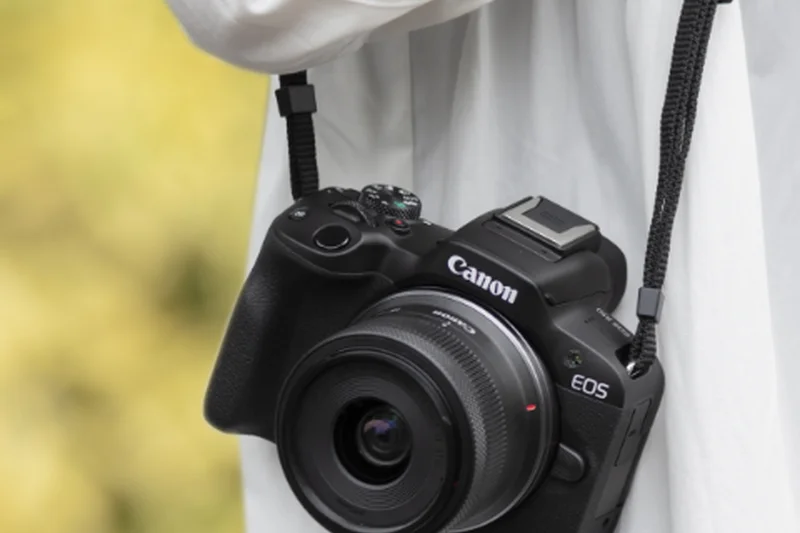
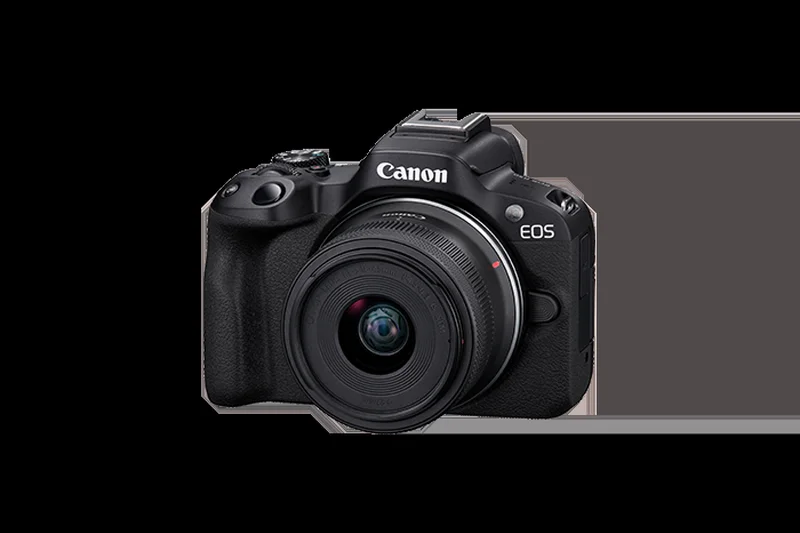
Why we picked it: Canon's true entry-level mirrorless. It is incredibly tiny, affordable, and packs a great 24.2MP sensor. It is essentially the modern replacement for the beloved Rebel DSLR series.
Key Specs
- 24.2MP APS-C CMOS Sensor
- Uncropped 4K 30p Video
- Dual Pixel CMOS AF II
- Advanced A+ Assist
- Compact and Lightweight
What we like
- Very affordable and compact
- Great auto modes for beginners
- Uncropped 4K video
What we don't like
- Very limited physical controls
- Viewfinder is basic
Best for: Absolute beginners upgrading from a smartphone.
Versus the R100, the R50 has an articulating screen and much better autofocus.
The perfect starting point for anyone's first real camera.
Buy at Canon official site#32 Nikon Z30
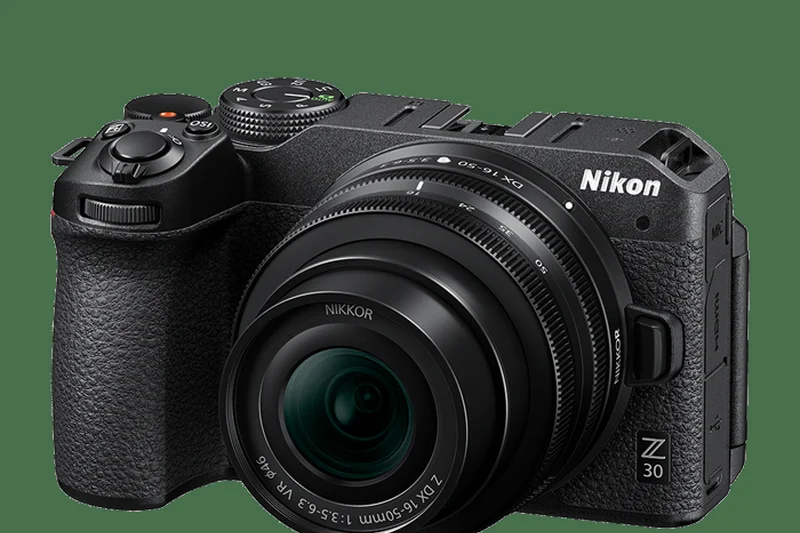
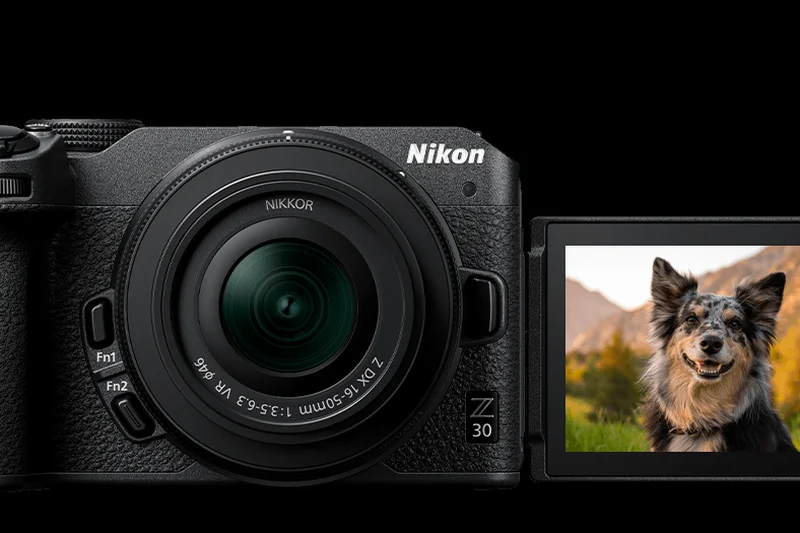
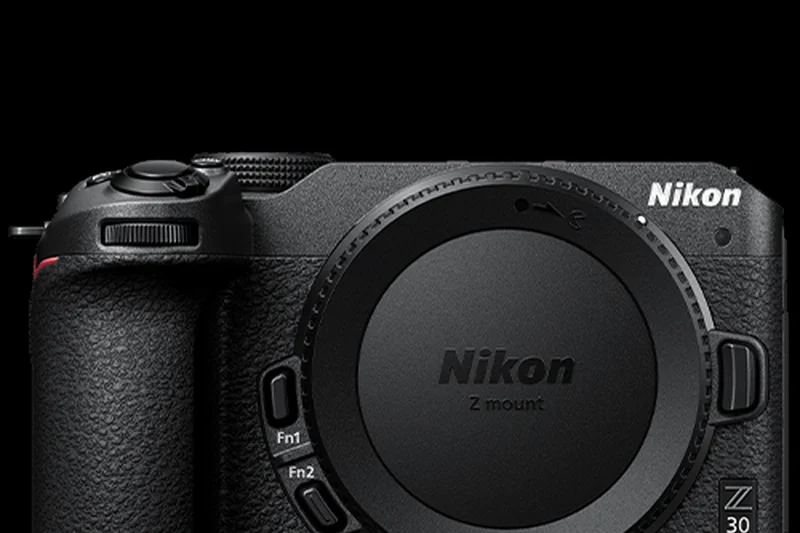
Why we picked it: Nikon's take on the vlogging camera. By removing the EVF, they created a sleek, affordable 4K machine with excellent built-in microphones.
Key Specs
- 20.9MP APS-C CMOS Sensor
- UHD 4K 30p & Full HD 120p Video
- Built-in Stereo Mic & Ext. Mic Input
- Vari-Angle Touchscreen
- Eye & Face Detection AF
What we like
- Excellent built-in audio
- Very affordable
- Records over 2 hours of continuous video
What we don't like
- No viewfinder at all
- No IBIS
Best for: Budget-conscious vloggers and streamers.
Versus the Sony ZV-E10 II, the Z30 is cheaper but lacks 10-bit video.
A solid, no-nonsense affordable vlogging tool.
Buy at Nikon official site#33 Ricoh GR IIIx
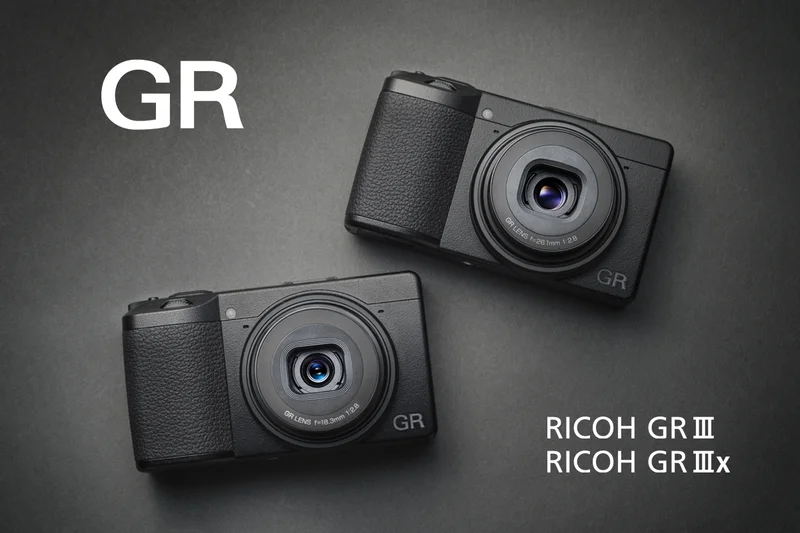
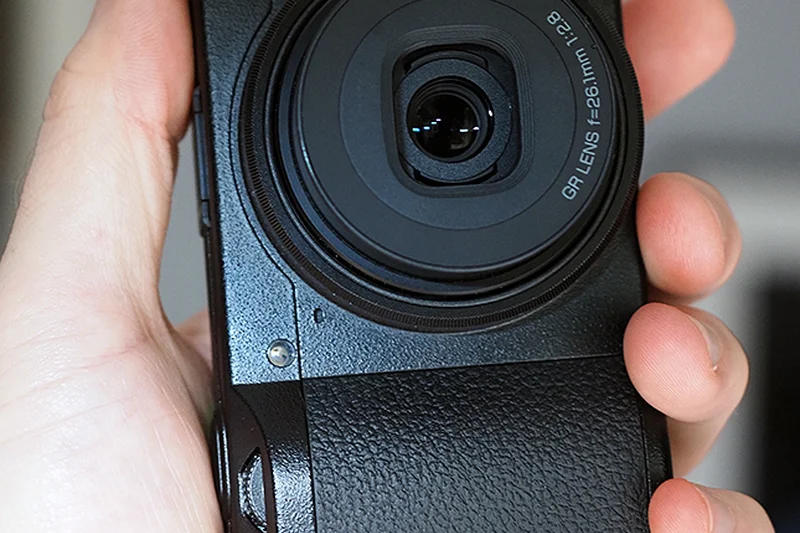
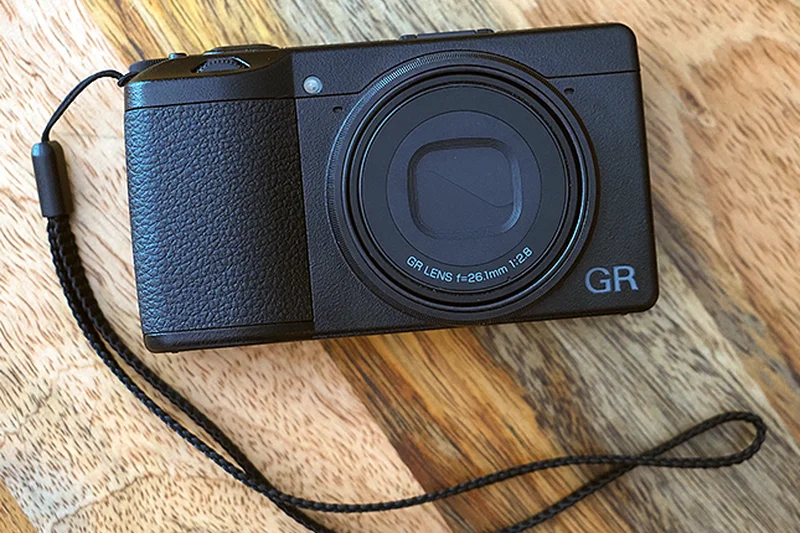
Why we picked it: A cult classic among street photographers. It fits entirely in a pocket yet houses a large APS-C sensor and an incredibly sharp 40mm equivalent lens.
Key Specs
- 24.2MP APS-C CMOS Sensor
- 40mm Equivalent f/2.8 Lens
- 3-Axis Image Stabilization
- Built-In ND Filter
- Fast Hybrid AF System
What we like
- Truly pocketable design
- Stunningly sharp lens
- Stealthy "Snap Focus" feature
What we don't like
- Abysmal battery life
- Video features are essentially useless
Best for: Street photographers and minimalists.
Versus the Fuji X100VI, the Ricoh actually fits in a jeans pocket, but lacks a viewfinder.
The ultimate pocket ninja camera for urban photography.
Buy at Ricoh official site#34 OM System OM-5
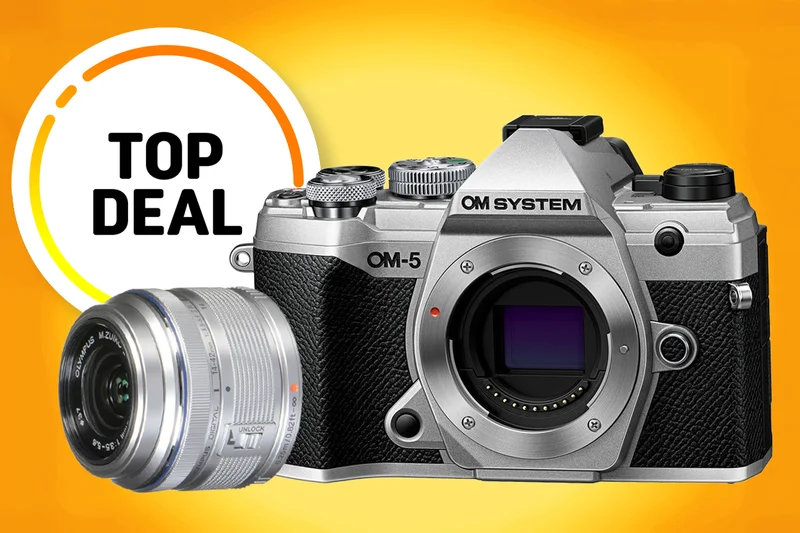
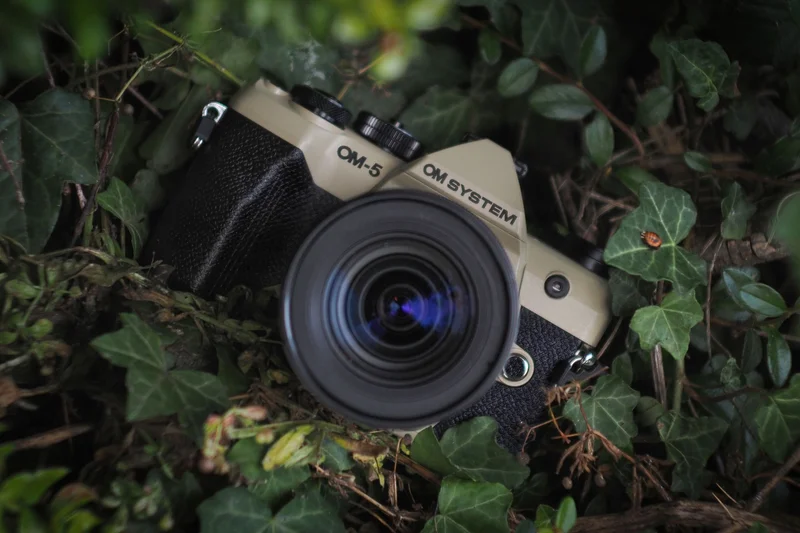

Why we picked it: A rugged, travel-friendly Micro Four Thirds camera boasting IP53 weather sealing. It is the perfect companion for hikers who encounter severe weather.
Key Specs
- 20.4MP Live MOS Sensor
- IP53 Weather Sealing
- 7.5-Stop In-Body Image Stabilization
- Handheld High Res Shot
- Live ND Filter
What we like
- Incredible IP53 weather resistance
- Class-leading stabilization
- Very lightweight
What we don't like
- Uses an older sensor and micro-USB port
- Menu system is outdated
Best for: Backpackers, hikers, and outdoor adventurers.
Versus the OM-1, the OM-5 is much smaller but lacks the ultra-fast stacked sensor.
A tough-as-nails travel camera that laughs at bad weather.
Buy at OM System official site#35 Leica D-Lux 8
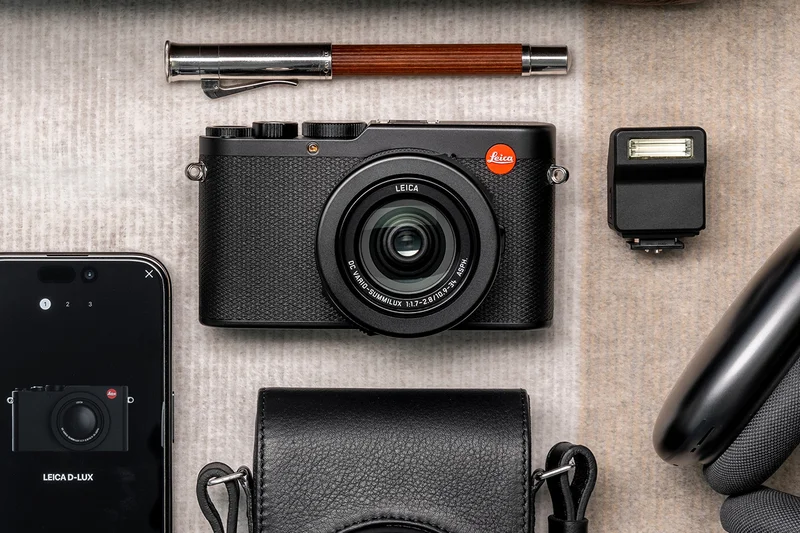
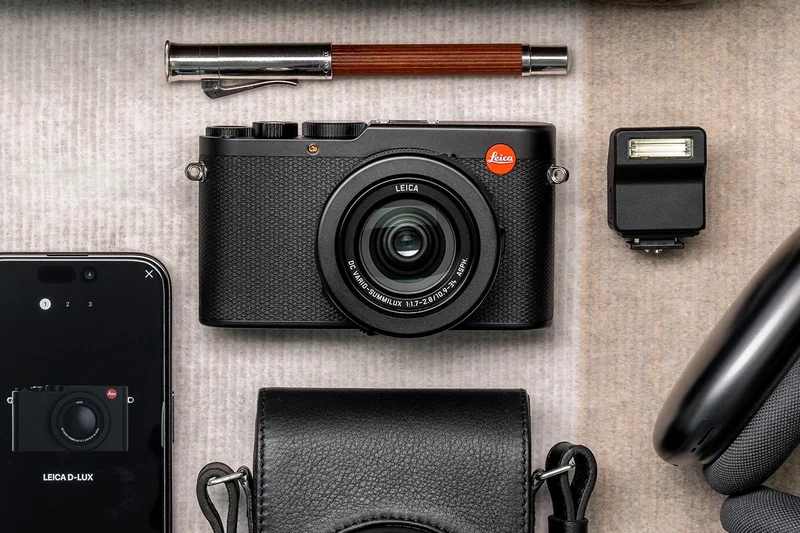
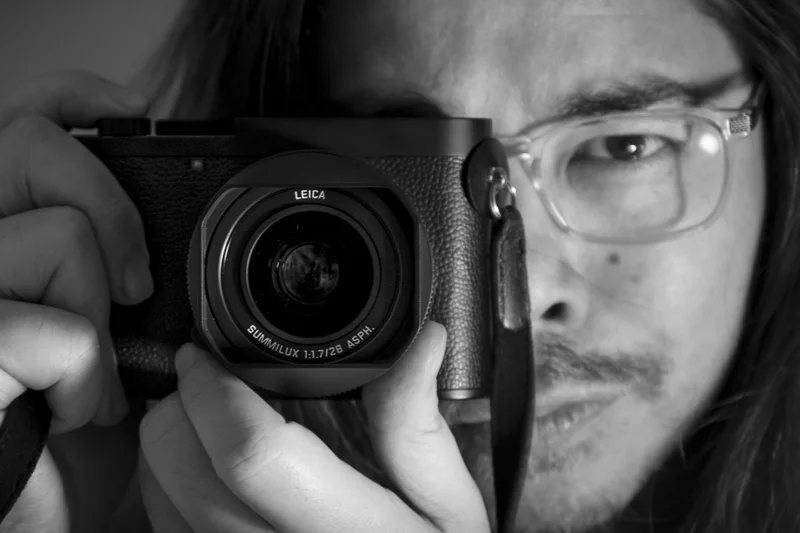
Why we picked it: A beautiful premium compact camera featuring a Micro Four Thirds sensor and a fast zoom lens, offering that distinct Leica user experience and UI.
Key Specs
- 17MP Four Thirds CMOS Sensor
- Leica DC Vario-Summilux 24-75mm f/1.7-2.8
- OLED Electronic Viewfinder
- Simplified User Interface
- DNG RAW format support
What we like
- Beautiful Leica design and menus
- Versatile fast zoom lens
- Excellent DNG raw files
What we don't like
- Based on older sensor technology
- Very expensive for its specs
Best for: Style-conscious photographers who want a Leica badge on a versatile compact.
Versus the Fuji X100VI, the Leica offers a zoom lens rather than a fixed prime.
A gorgeous, capable compact camera with undeniable luxury appeal.
Buy at Leica official site#36 Sony ZV-1F
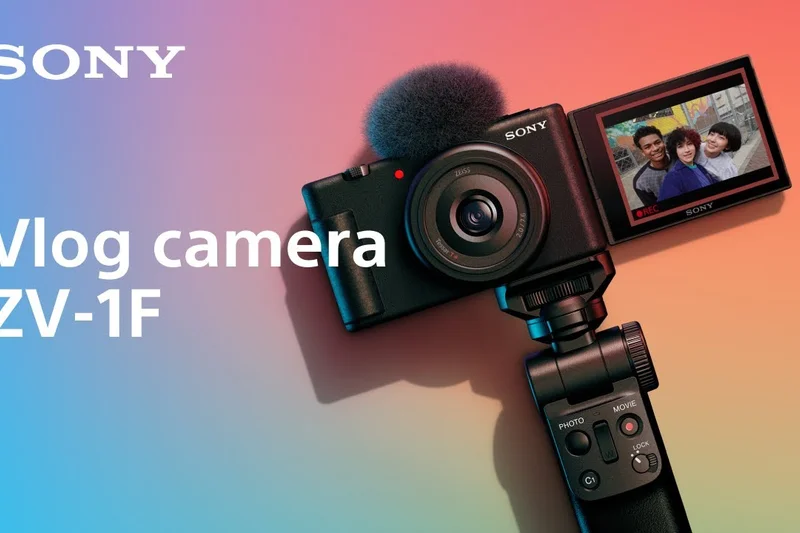
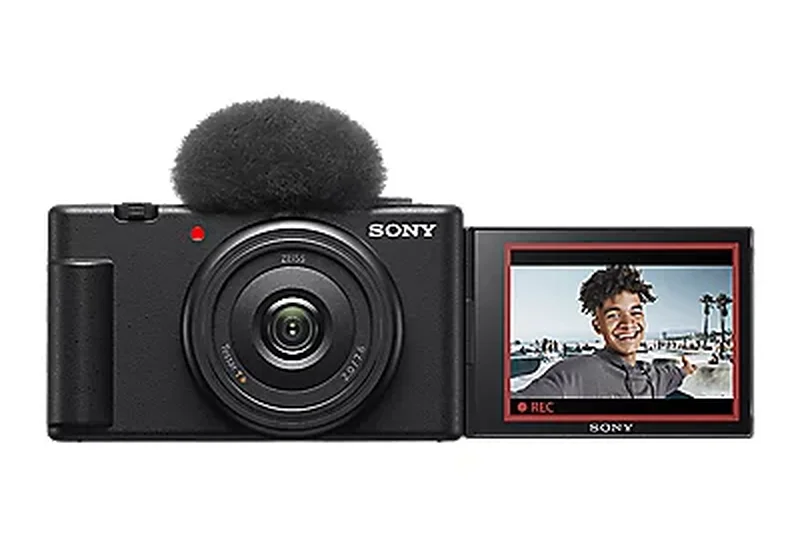
Why we picked it: Our "Best Value" winner. An ultra-budget 1-inch sensor compact camera with a wide 20mm lens designed specifically for gen-Z vloggers and TikTok creators.
Key Specs
- 20.1MP 1" Exmor RS CMOS Sensor
- Ultra-Wide 20mm f/2.0 Prime Lens
- 4K 30p Video
- Background Defocus Button
- Product Showcase Setting
What we like
- Very inexpensive
- Wide 20mm lens is perfect for selfies
- Great out-of-the-box color
What we don't like
- Contrast-detect AF only
- Small 1-inch sensor struggles in low light
Best for: TikTok creators, young vloggers, and absolute beginners.
Versus using a smartphone, the ZV-1F gives a more authentic "camera" look and better background blur.
A dead-simple, highly affordable tool for social media creation.
Buy at Sony official site#37 Canon EOS R100
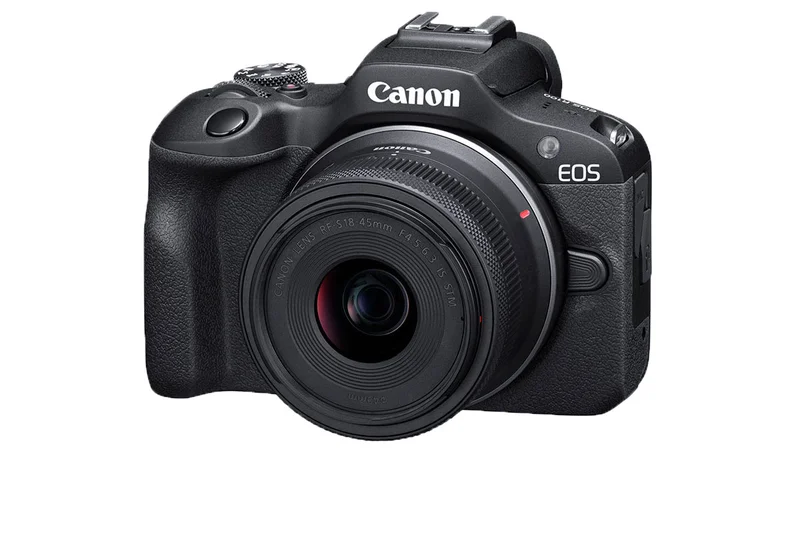
Why we picked it: The absolute cheapest way into the Canon RF system. It strips away touchscreens and articulating monitors to provide a massive APS-C sensor at a rock-bottom price.
Key Specs
- 24.1MP APS-C CMOS Sensor
- 4K 24p & HD 120p Video
- Dual Pixel CMOS AF
- 6.5 fps Continuous Shooting
- Built-in Wi-Fi & Bluetooth
What we like
- Incredibly cheap
- Excellent 24MP image quality
- Access to RF lenses
What we don't like
- Fixed, non-touch screen
- Very basic, dated autofocus in 4K
Best for: Families and students on the tightest possible budget.
Versus the R50, the R100 is cheaper but frustrating to use due to the lack of a touchscreen.
A purely barebones camera that takes great photos for under $500.
Buy at Canon official siteBuying Guide
Understanding Your Creator Profile
The camera market is more segmented and specialized than ever before. Before diving into overwhelming spec sheets, you need to firmly define your primary use case. Are you a Hybrid Enthusiast looking to balance high-resolution photography with cinematic 4K video? If so, prioritize cameras with robust internal codecs, uncropped recording modes, and high dynamic range sensors. If you are a Videographer or Vlogger, focus heavily on fully articulating screens, active cooling fans for unlimited record limits, and highly reliable continuous autofocus in video mode. For Sports & Wildlife shooters, speed is the absolute only metric that matters—look specifically for stacked sensors, high frame rates (30fps+), and virtually limitless buffer depths.
What to Avoid: The Megapixel Myth
A common trap for first-time buyers is fixating entirely on megapixel counts. More megapixels do not automatically equal better image quality. In fact, excessively high resolution on a smaller sensor can lead to worse low-light (high-ISO) performance and massive file sizes that will instantly slow down your post-processing workflow. Instead of chasing resolution, look closely at dynamic range, color science, and sensor readout speeds.
Budget Tiers & Lens Ecosystems
Entry-Level ($500 - $1,200)
At this tier, you'll find excellent APS-C and Micro Four Thirds cameras. The focus here should be on finding a system with an affordable lens upgrade path. The camera body is merely an entry ticket; if the native lenses cost $2,000 each, the system isn't truly budget-friendly.
Mid-Range Enthusiast ($1,200 - $2,500)
This is the current sweet spot for overall value. You gain access to full-frame sensors, excellent In-Body Image Stabilization (IBIS), and advanced AI autofocus tracking. Cameras in this bracket often share processors and imaging pipelines with flagship models costing twice as much.
Professional Flagships ($3,500+)
These elite cameras feature incredibly fast stacked sensors, blackout-free electronic viewfinders, heavily weather-sealed magnesium alloy bodies, and dual high-speed card slots. They are built to survive extreme conditions and guarantee you never miss a critical moment.
Importance of Ergonomics and Battery
Never underestimate how a camera feels in your hand over a 10-hour day. A poorly placed joystick, lack of custom dials, or a confusing menu system can quickly ruin the shooting experience. Likewise, look for cameras utilizing newer, high-capacity batteries that can endure extended shooting. USB-C Power Delivery charging is also an absolute must-have feature for juicing up on the go via power banks.
FAQ
What is the best camera overall for 2026?
Based on our rigorous M2 evaluation, the Nikon Z9 is the best overall camera, offering unparalleled blackout-free speed, an indestructible build, and internal 8K video.
What does mirrorless mean compared to DSLR?
Mirrorless cameras remove the physical mirror box found in older DSLRs. This allows them to be faster, shoot silently, and display a live preview of your exposure through an Electronic Viewfinder (EVF).
How much should I spend on a beginner camera?
We recommend aiming for the $800 to $1,000 range. This budget ensures you get modern autofocus tracking and leaves room to purchase a versatile kit lens.
Does megapixel count still matter?
Megapixels are largely a marketing myth. Anything over 20MP is plenty for large prints. You should instead focus on dynamic range, low-light performance, and autofocus reliability.
What is the difference between full-frame and APS-C?
Full-frame sensors are roughly the size of 35mm film, providing better low-light performance and shallower depth of field. APS-C sensors are smaller, allowing for lighter, cheaper cameras and lenses.
Which camera is best for shooting 4K video?
For budget shooters, the Panasonic Lumix S5 IIX is unbeatable. For professionals, the Sony a1 II and Nikon Z9 offer incredible high-bitrate codecs and thermal management.
What is IBIS and do I need it?
In-Body Image Stabilization (IBIS) mechanically stabilizes the camera sensor. It is absolutely crucial for shooting handheld video and for taking sharp photos at slow shutter speeds in low light.
How important is a stacked sensor?
A stacked sensor features memory built directly into the chip, allowing for ultra-fast readout speeds. It is essential for sports and wildlife photographers to eliminate 'rolling shutter' distortion during fast action.
Should I buy Sony, Canon, or Nikon?
All three manufacture incredible equipment. Your choice should be based heavily on which brand's lens ecosystem fits your budget and which camera grip feels best in your hands.
Are third-party lenses worth buying?
Absolutely. Brands like Sigma and Tamron offer exceptional optical quality that rivals native brand lenses, often at half the price. Sony and Panasonic currently have the best third-party support.
What is the best camera for wildlife photography?
The Nikon Z9 and Sony a1 II lead the pack due to their stacked sensors and advanced AI bird/animal eye-tracking, ensuring you never miss a split-second moment.
Why did the Panasonic S5 IIX win the budget category?
The S5 IIX won because it offers professional-grade video features—like internal ProRes and direct-to-SSD recording—that are normally reserved for cinema cameras costing thousands more.
Is weather sealing necessary for everyday use?
If you shoot primarily in a studio, no. However, if you travel, hike, or shoot weddings, robust weather sealing is a must to protect your expensive investment from sudden downpours.
How does the electronic shutter differ from mechanical?
Electronic shutters are completely silent and allow for faster frame rates. However, on older non-stacked sensors, they can cause 'rolling shutter' distortion where fast-moving objects appear warped.
Can I use my old DSLR lenses on a new mirrorless body?
Yes. Canon and Nikon both sell official mount adapters that allow you to use your older EF and F mount DSLR lenses with flawless autofocus and image quality on their new mirrorless bodies.
Methodology
Our evaluation process is strictly governed by a rigorous multi-dimensional methodology. We mathematically scored 37 digital cameras across seven independent performance dimensions, ensuring our rankings reflect a true, balanced overview of performance rather than isolated spec-sheet victories.
The Seven Scoring Dimensions
- Image Quality (20%): We analyzed raw sensor performance, dynamic range latitude, color science fidelity, and high-ISO noise levels.
- AF & Speed (15%): We tested AI-driven deep learning subject tracking, low-light autofocus reliability, frame rates, and buffer limits.
- Video Specs (15%): We heavily evaluated maximum uncropped resolution, bit depths, internal recording codecs, and thermal management.
- Build & Durability (10%): We inspected chassis materials, the degree of environmental weather sealing, and mechanical shutter lifespans.
- Ergonomics & UI (15%): We rated menu system intuitiveness, grip comfort, EVF resolution, and touchscreen responsiveness.
- Battery & Tech (10%): We assessed CIPA battery ratings, real-world endurance, USB-C functionality, and smartphone app stability.
- Value (15%): We calculated the absolute Price to Performance Ratio, factoring in the total cost of ownership including native and third-party lenses.
Scenario Weighting
Because no single camera body is perfect for everyone, we dynamically adjusted these baseline weights across four distinct user scenarios. For example, our Sports & Wildlife scenario doubled the weight of AF & Speed to 30%, prioritizing tracking over resolution. Conversely, the Best Budget & Entry-Level scenario heavily penalized expensive flagship bodies by weighting the Value dimension at 35%. This dynamic scoring matrix guarantees that our top recommendations align directly with the specific, practical needs of real creators.
Data Sources
We aggregated thousands of data points for our 2026 update, incorporating official CIPA ratings, independent sensor benchmark data, aggregate user ratings from major retailers like B&H and Amazon, and evaluated firmware update histories to assess long-term manufacturer support.
Sources & References
All factual claims, product specifications, prices, and images in this article are cited by number. Click any reference to jump to the list; click the link in each entry to visit the original source.
- [1]Selection Logic. "M2 Multi-Dimensional Evaluation." selectionlogic.org. Accessed Mar 2026.
- [2]Selection Logic. "Camera Buying Guide." selectionlogic.org. Accessed Mar 2026.
- [3]Nikon. "Nikon Z9 Full Specifications." nikonusa.com. Accessed Mar 2026.
- [4]Canon. "EOS R5 Mark II Feature Deep Dive." usa.canon.com. Accessed Mar 2026.
- [5]Sony. "Alpha a1 II Professional Mirrorless." electronics.sony.com. Accessed Mar 2026.
- [6]B&H Photo Video. "Interchangeable Lens Cameras." bhphotovideo.com. Accessed Mar 2026.
- [7]Panasonic. "Lumix S5 IIX Details." shop.panasonic.com. Accessed Mar 2026.
- [8]Fujifilm. "X-T5 APS-C Mirrorless Camera." fujifilm-x.com. Accessed Mar 2026.
- [9]Amazon. "Customer Reviews: Nikon Z8." amazon.com. Accessed Mar 2026.
- [10]OM System. "OM-1 Mark II Technical Specs." explore.omsystem.com. Accessed Mar 2026.
- [11]Leica. "Leica Q3 Compact Camera." leica-camera.com. Accessed Mar 2026.
- [12]PCMag. "The Best Digital Cameras We've Tested for 2026." pcmag.com. Accessed Mar 2026.
- [13]The Verge. "Best Mirrorless Cameras to Buy Right Now." theverge.com. Accessed Mar 2026.
- [14]CNET. "Top Cameras for Photography and Video." cnet.com. Accessed Mar 2026.
- [15]Tom's Guide. "Camera Buying Guide: Find the Best Camera." tomsguide.com. Accessed Mar 2026.
- [16]Digital Photography Review. "Studio Scene Comparison Tool." dpreview.com. Accessed Mar 2026.
- [17]DxOMark. "Camera Sensor Ratings." dxomark.com. Accessed Mar 2026.
- [18]Ricoh Imaging. "GR IIIx Product Page." ricoh-imaging.com. Accessed Mar 2026.
- [19]CIPA. "Camera & Imaging Products Association Battery Standards." cipa.jp. Accessed Mar 2026.
- [20]TechRadar. "Best Vlogging Cameras 2026." techradar.com. Accessed Mar 2026.
- [21]Sony. "Sony a9 III Global Shutter Press Release." electronics.sony.com. Accessed Mar 2026.
- [22]Canon. "EOS R1 Professional Specs." usa.canon.com. Accessed Mar 2026.
- [23]Nikon. "Z6 III Partially Stacked Sensor Specs." nikonusa.com. Accessed Mar 2026.
- [24]Panasonic. "Lumix GH7 Micro Four Thirds Features." shop.panasonic.com. Accessed Mar 2026.
- [25]PetaPixel. "2026 Camera Buying Guide and Lab Tests." petapixel.com. Accessed Mar 2026.
- [26]Wired. "The Best Cameras for Travel and Video." wired.com. Accessed Mar 2026.