Quick Verdict
At a glance
We tested 37 enterprise and developer cloud computing platforms to find the best AWS alternatives for 2026. From startups seeking predictable pricing to enterprises demanding massive scale, we evaluated features, performance, and reliability.
🏆 Overall #1: Cloudflare Workers — Unmatched zero-millisecond cold starts, egress-free storage, and a massive global edge network.
🥈 #2: Google Cloud Platform (GCP) — Top-tier data analytics, pioneering Kubernetes (GKE), and advanced AI capabilities.
🥉 #3: Microsoft Azure — Unmatched hybrid cloud integration and industry-leading AI/ML via Azure OpenAI.
Which one is for me?
How We Tested
To determine the best AWS alternatives for 2026, we began with a candidate pool of 37 cloud computing platforms spanning IaaS, PaaS, and specialized GPU clouds. We applied the M2 Multi-Dimensional Evaluation framework to systematically assess each provider against AWS's core offerings. Our evaluation investigated seven key dimensions: Service Breadth & Feature Depth, Compute Performance & Global Reach, Pricing Structure & Predictability, Developer Experience & Usability, Uptime, Reliability & Security, Ecosystem & Integrations, and Customer Support & Documentation[1].
For large organizations migrating away from AWS, feature parity and enterprise-grade reliability are critical, while startups need to stretch their runway and avoid opaque egress fees. To capture these varied needs, we calculated scenario-specific rankings based on varying weight combinations for different user personas. Real-world benchmark testing involved deploying multi-tier containerized applications, analyzing network latency across global edge locations, and validating IAM controls. Finally, we aggregated G2 user sentiment, SLA adherence history, and verified billing calculator accuracy to finalize the scores[2].
About our team
Our cloud infrastructure analysts hold leading certifications across multiple platforms (AWS, Azure, GCP, CKA) and have migrated petabytes of data for enterprise clients. We combine hands-on operational experience with rigorous benchmark methodology to cut through vendor marketing.
Our Declared Values: We maintain strict editorial independence. We do not accept pay-to-play placements. Our scoring algorithms are transparent, and our final recommendations are determined purely by empirical data and objective feature comparisons. We believe in providing actionable, hype-free insights that empower developers and CTOs to make optimal architectural decisions.
| Dimension | Overall | Best Overall Enterprise Alternative to AWS | Best for Startups & SMBs | Best for Developers & Rapid Prototyping | Best for AI, Machine Learning & Big Data |
|---|---|---|---|---|---|
| Service Breadth & Feature Depth | 20% | 25% | 10% | 10% | 30% |
| Compute Performance & Global Reach | 15% | 20% | 10% | 5% | 25% |
| Pricing Structure & Predictability | 15% | 10% | 30% | 20% | 5% |
| Developer Experience & Usability | 15% | 10% | 20% | 40% | 10% |
| Uptime, Reliability & Security | 15% | 20% | 10% | 5% | 15% |
| Ecosystem & Integrations | 10% | 10% | 10% | 10% | 10% |
| Customer Support & Documentation | 10% | 5% | 10% | 10% | 5% |
Overall Rankings
Full list of 37 products sorted by weighted overall score (1–10).
Prices are checked as of Mar 18, 2026 (2026 Q1). Use "Check price" links for current pricing.
| # | Product | Type | Price | Features | Performance | Pricing | Usability | Reliability | Ecosystem | Support | Overall | Awards |
|---|---|---|---|---|---|---|---|---|---|---|---|---|
| 1 | Cloudflare Workers | Serverless Edge Computing | $0–$5 | 6 | 10 | 9 | 9 | 10 | 8 | 8 | 8.50 | 🏆 Editor's Choice 🌟 Best Budget 💰 Best Value 📊 Best Uptime, Reliability & Security 🎯 Best Best for Startups & SMBs |
| 2 | Google Cloud Platform (GCP) | Enterprise Cloud Platform | $0–$500 | 9 | 10 | 5 | 8 | 9 | 9 | 7 | 8.20 | 📊 Best Compute Performance & Global Reach 🎯 Best Best Overall Enterprise Alternative to AWS 🎯 Best Best for AI, Machine Learning & Big Data |
| 3 | Microsoft Azure | Enterprise Cloud Platform | $0–$500 | 10 | 9 | 4 | 7 | 9 | 9 | 8 | 8.05 | 📊 Best Service Breadth & Feature Depth |
| 4 | DigitalOcean Droplets | Developer Cloud IaaS | $4–$96 | 6 | 7 | 9 | 10 | 8 | 8 | 8 | 7.90 | 📊 Best Developer Experience & Usability 🎯 Best Best for Developers & Rapid Prototyping |
| 5 | UpCloud | Performance Cloud IaaS | $7–$200 | 5 | 9 | 8 | 8 | 10 | 7 | 9 | 7.85 | 📊 Best Customer Support & Documentation |
| 6 | Supabase | Backend-as-a-Service | $0–$25 | 5 | 8 | 8 | 10 | 8 | 9 | 8 | 7.80 | |
| 7 | Civo | Cloud Native IaaS | $5–$100 | 5 | 8 | 9 | 9 | 8 | 8 | 8 | 7.70 | |
| 8 | Fly.io | Edge Application Platform | $0–$200 | 5 | 9 | 8 | 10 | 8 | 7 | 7 | 7.65 | |
| 9 | Vercel | Frontend PaaS | $0–$20 | 4 | 9 | 6 | 10 | 9 | 9 | 8 | 7.60 | |
| 10 | Oracle Cloud Infrastructure (OCI) | Enterprise Cloud Platform | $0–$500 | 8 | 9 | 7 | 6 | 9 | 7 | 6 | 7.55 | |
| 11 | Netlify | Frontend PaaS | $0–$19 | 4 | 9 | 6 | 10 | 9 | 8 | 8 | 7.50 | |
| 12 | Akamai Connected Cloud (Linode) | Developer Cloud IaaS | $5–$480 | 5 | 8 | 9 | 8 | 8 | 7 | 8 | 7.45 | |
| 13 | Render PaaS | Developer PaaS | $0–$29 | 5 | 7 | 8 | 10 | 8 | 7 | 8 | 7.45 | |
| 14 | Alibaba Cloud | Enterprise Cloud Platform | $0–$500 | 9 | 8 | 7 | 6 | 8 | 7 | 6 | 7.45 | |
| 15 | Tencent Cloud | Global Cloud Platform | $0–$500 | 9 | 8 | 7 | 6 | 8 | 7 | 6 | 7.45 | |
| 16 | Aiven | Managed Data Cloud | $0–$500 | 5 | 8 | 6 | 8 | 9 | 10 | 8 | 7.45 | 📊 Best Ecosystem & Integrations |
| 17 | Neon | Serverless Database Platform | $0–$19 | 3 | 8 | 8 | 10 | 8 | 9 | 8 | 7.40 | |
| 18 | IBM Cloud | Enterprise Cloud Platform | $0–$500 | 8 | 8 | 5 | 6 | 9 | 8 | 7 | 7.30 | |
| 19 | Scaleway Instances | European Cloud IaaS | $11–$200 | 6 | 7 | 8 | 8 | 8 | 7 | 7 | 7.25 | |
| 20 | Northflank | Full-stack PaaS | $0–$200 | 5 | 7 | 7 | 9 | 8 | 7 | 8 | 7.15 | |
| 21 | Paperspace Gradient | AI Development Platform | $0–$8 | 4 | 8 | 9 | 9 | 7 | 7 | 7 | 7.15 | |
| 22 | Koyeb | Serverless Cloud Platform | $0–$5 | 4 | 8 | 8 | 9 | 8 | 7 | 7 | 7.15 | |
| 23 | Vultr Cloud Compute | Cloud IaaS | $2–$120 | 5 | 8 | 9 | 8 | 7 | 7 | 6 | 7.10 | |
| 24 | Railway | Developer PaaS | $5–$20 | 4 | 7 | 8 | 10 | 7 | 7 | 8 | 7.10 | |
| 25 | CoreWeave Cloud | GPU Cloud Platform | $2–$500 | 4 | 10 | 7 | 7 | 8 | 8 | 7 | 7.10 | |
| 26 | Equinix Metal | Bare Metal Cloud | $100–$1000 | 4 | 10 | 6 | 7 | 9 | 7 | 8 | 7.10 | |
| 27 | Heroku Platform | Developer PaaS | $5–$500 | 6 | 7 | 4 | 9 | 8 | 9 | 7 | 7.00 | |
| 28 | RunPod | Serverless GPU Cloud | $0–$100 | 3 | 8 | 10 | 8 | 7 | 7 | 7 | 6.95 | |
| 29 | Porter | BYOC PaaS | $0–$30 | 4 | 7 | 7 | 9 | 7 | 8 | 8 | 6.90 | |
| 30 | Hetzner Cloud | Budget Cloud IaaS | $4–$100 | 4 | 8 | 10 | 7 | 7 | 6 | 6 | 6.80 | 📊 Best Pricing Structure & Predictability |
| 31 | Exoscale | Swiss Cloud IaaS | $6–$150 | 5 | 7 | 8 | 7 | 8 | 6 | 7 | 6.80 | |
| 32 | Hyperstack | Enterprise GPU Cloud | $1–$500 | 3 | 9 | 8 | 7 | 8 | 6 | 7 | 6.70 | |
| 33 | OVHcloud Public Cloud | European Cloud Platform | $3–$150 | 6 | 7 | 9 | 6 | 7 | 6 | 5 | 6.65 | |
| 34 | Lambda Cloud | AI/GPU Cloud | $1–$100 | 3 | 9 | 9 | 7 | 7 | 6 | 6 | 6.60 | |
| 35 | Genesis Cloud | Green GPU Cloud | $0–$200 | 3 | 8 | 9 | 7 | 7 | 6 | 6 | 6.45 | |
| 36 | Kamatera | Enterprise Cloud VPS | $4–$100 | 4 | 7 | 8 | 5 | 7 | 5 | 6 | 5.95 | |
| 37 | Contabo | Budget Cloud VPS | $4–$50 | 3 | 6 | 10 | 5 | 6 | 5 | 5 | 5.65 |
Dimension Rankings
Each dimension ranked independently (Top 10).
📊 Best for Service Breadth & Feature Depth — Top 10
| Dim # | Product | Service Breadth & Feature Depth Score | Overall Rank | Price |
|---|---|---|---|---|
| 1 | Microsoft Azure | 10 | #3 | $0–$500 |
| 2 | Google Cloud Platform (GCP) | 9 | #2 | $0–$500 |
| 3 | Alibaba Cloud | 9 | #14 | $0–$500 |
| 4 | Tencent Cloud | 9 | #15 | $0–$500 |
| 5 | Oracle Cloud Infrastructure (OCI) | 8 | #10 | $0–$500 |
| 6 | IBM Cloud | 8 | #18 | $0–$500 |
| 7 | DigitalOcean Droplets | 6 | #4 | $4–$96 |
| 8 | Scaleway Instances | 6 | #19 | $11–$200 |
| 9 | OVHcloud Public Cloud | 6 | #33 | $3–$150 |
| 10 | Heroku Platform | 6 | #27 | $5–$500 |
📊 Best for Compute Performance & Global Reach — Top 10
| Dim # | Product | Compute Performance & Global Reach Score | Overall Rank | Price |
|---|---|---|---|---|
| 1 | Google Cloud Platform (GCP) | 10 | #2 | $0–$500 |
| 2 | Cloudflare Workers | 10 | #1 | $0–$5 |
| 3 | CoreWeave Cloud | 10 | #25 | $2–$500 |
| 4 | Equinix Metal | 10 | #26 | $100–$1000 |
| 5 | Microsoft Azure | 9 | #3 | $0–$500 |
| 6 | Oracle Cloud Infrastructure (OCI) | 9 | #10 | $0–$500 |
| 7 | Fly.io | 9 | #8 | $0–$200 |
| 8 | Vercel | 9 | #9 | $0–$20 |
| 9 | Lambda Cloud | 9 | #34 | $1–$100 |
| 10 | UpCloud | 9 | #5 | $7–$200 |
📊 Best for Pricing Structure & Predictability — Top 10
| Dim # | Product | Pricing Structure & Predictability Score | Overall Rank | Price |
|---|---|---|---|---|
| 1 | Hetzner Cloud | 10 | #30 | $4–$100 |
| 2 | RunPod | 10 | #28 | $0–$100 |
| 3 | Contabo | 10 | #37 | $4–$50 |
| 4 | DigitalOcean Droplets | 9 | #4 | $4–$96 |
| 5 | Vultr Cloud Compute | 9 | #23 | $2–$120 |
| 6 | Akamai Connected Cloud (Linode) | 9 | #12 | $5–$480 |
| 7 | OVHcloud Public Cloud | 9 | #33 | $3–$150 |
| 8 | Cloudflare Workers | 9 | #1 | $0–$5 |
| 9 | Lambda Cloud | 9 | #34 | $1–$100 |
| 10 | Paperspace Gradient | 9 | #21 | $0–$8 |
📊 Best for Developer Experience & Usability — Top 10
| Dim # | Product | Developer Experience & Usability Score | Overall Rank | Price |
|---|---|---|---|---|
| 1 | DigitalOcean Droplets | 10 | #4 | $4–$96 |
| 2 | Render PaaS | 10 | #13 | $0–$29 |
| 3 | Fly.io | 10 | #8 | $0–$200 |
| 4 | Railway | 10 | #24 | $5–$20 |
| 5 | Vercel | 10 | #9 | $0–$20 |
| 6 | Netlify | 10 | #11 | $0–$19 |
| 7 | Supabase | 10 | #6 | $0–$25 |
| 8 | Neon | 10 | #17 | $0–$19 |
| 9 | Heroku Platform | 9 | #27 | $5–$500 |
| 10 | Northflank | 9 | #20 | $0–$200 |
📊 Best for Uptime, Reliability & Security — Top 10
| Dim # | Product | Uptime, Reliability & Security Score | Overall Rank | Price |
|---|---|---|---|---|
| 1 | Cloudflare Workers | 10 | #1 | $0–$5 |
| 2 | UpCloud | 10 | #5 | $7–$200 |
| 3 | Microsoft Azure | 9 | #3 | $0–$500 |
| 4 | Google Cloud Platform (GCP) | 9 | #2 | $0–$500 |
| 5 | Oracle Cloud Infrastructure (OCI) | 9 | #10 | $0–$500 |
| 6 | IBM Cloud | 9 | #18 | $0–$500 |
| 7 | Vercel | 9 | #9 | $0–$20 |
| 8 | Netlify | 9 | #11 | $0–$19 |
| 9 | Equinix Metal | 9 | #26 | $100–$1000 |
| 10 | Aiven | 9 | #16 | $0–$500 |
📊 Best for Ecosystem & Integrations — Top 10
| Dim # | Product | Ecosystem & Integrations Score | Overall Rank | Price |
|---|---|---|---|---|
| 1 | Aiven | 10 | #16 | $0–$500 |
| 2 | Microsoft Azure | 9 | #3 | $0–$500 |
| 3 | Google Cloud Platform (GCP) | 9 | #2 | $0–$500 |
| 4 | Heroku Platform | 9 | #27 | $5–$500 |
| 5 | Vercel | 9 | #9 | $0–$20 |
| 6 | Supabase | 9 | #6 | $0–$25 |
| 7 | Neon | 9 | #17 | $0–$19 |
| 8 | IBM Cloud | 8 | #18 | $0–$500 |
| 9 | DigitalOcean Droplets | 8 | #4 | $4–$96 |
| 10 | Cloudflare Workers | 8 | #1 | $0–$5 |
📊 Best for Customer Support & Documentation — Top 10
| Dim # | Product | Customer Support & Documentation Score | Overall Rank | Price |
|---|---|---|---|---|
| 1 | UpCloud | 9 | #5 | $7–$200 |
| 2 | Microsoft Azure | 8 | #3 | $0–$500 |
| 3 | DigitalOcean Droplets | 8 | #4 | $4–$96 |
| 4 | Akamai Connected Cloud (Linode) | 8 | #12 | $5–$480 |
| 5 | Render PaaS | 8 | #13 | $0–$29 |
| 6 | Railway | 8 | #24 | $5–$20 |
| 7 | Northflank | 8 | #20 | $0–$200 |
| 8 | Vercel | 8 | #9 | $0–$20 |
| 9 | Cloudflare Workers | 8 | #1 | $0–$5 |
| 10 | Porter | 8 | #29 | $0–$30 |
Scenario Rankings
🎯 Best Overall Enterprise Alternative to AWS — Top 5
Weights: Features 25%, Reliability 20%, Performance 20%, Ecosystem 10%, Usability 10%, Pricing 10%, Support 5%
| # | Product | Score | Overall Rank | Price | Why |
|---|---|---|---|---|---|
| 1 | Google Cloud Platform (GCP) | 8.60 | #2 | $0–$500 | |
| 2 | Microsoft Azure | 8.50 | #3 | $0–$500 | |
| 3 | Cloudflare Workers | 8.50 | #1 | $0–$5 | |
| 4 | Oracle Cloud Infrastructure (OCI) | 7.90 | #10 | $0–$500 | |
| 5 | UpCloud | 7.80 | #5 | $7–$200 |
🎯 Best for Startups & SMBs — Top 5
Weights: Pricing 30%, Usability 20%, Features 10%, Performance 10%, Reliability 10%, Ecosystem 10%, Support 10%
| # | Product | Score | Overall Rank | Price | Why |
|---|---|---|---|---|---|
| 1 | Cloudflare Workers | 8.70 | #1 | $0–$5 | |
| 2 | DigitalOcean Droplets | 8.40 | #4 | $4–$96 | |
| 3 | Supabase | 8.20 | #6 | $0–$25 | |
| 4 | Civo | 8.20 | #7 | $5–$100 | |
| 5 | Fly.io | 8.00 | #8 | $0–$200 |
🎯 Best for Developers & Rapid Prototyping — Top 5
Weights: Usability 40%, Pricing 20%, Features 10%, Ecosystem 10%, Support 10%, Performance 5%, Reliability 5%
| # | Product | Score | Overall Rank | Price | Why |
|---|---|---|---|---|---|
| 1 | DigitalOcean Droplets | 8.75 | #4 | $4–$96 | |
| 2 | Cloudflare Workers | 8.60 | #1 | $0–$5 | |
| 3 | Supabase | 8.60 | #6 | $0–$25 | |
| 4 | Neon | 8.40 | #17 | $0–$19 | |
| 5 | Render PaaS | 8.35 | #13 | $0–$29 |
🎯 Best for AI, Machine Learning & Big Data — Top 5
Weights: Features 30%, Performance 25%, Reliability 15%, Usability 10%, Ecosystem 10%, Support 5%, Pricing 5%
| # | Product | Score | Overall Rank | Price | Why |
|---|---|---|---|---|---|
| 1 | Google Cloud Platform (GCP) | 8.85 | #2 | $0–$500 | |
| 2 | Microsoft Azure | 8.80 | #3 | $0–$500 | |
| 3 | Cloudflare Workers | 8.35 | #1 | $0–$5 | |
| 4 | Oracle Cloud Infrastructure (OCI) | 7.95 | #10 | $0–$500 | |
| 5 | Alibaba Cloud | 7.85 | #14 | $0–$500 |
Detailed Reviews
#1 Cloudflare Workers
Why we picked it: Cloudflare Workers redefines edge computing by bypassing traditional container overhead, operating directly on V8 isolates. This architectural marvel allows code to run with genuine zero-millisecond cold starts across Cloudflare's massive global network, which is physically located within 50 milliseconds of 95% of the internet-connected population. For developers looking to move away from AWS Lambda, Cloudflare offers an incredibly compelling alternative with vastly superior performance profiles. Furthermore, the integration with Cloudflare R2 object storage—which completely eliminates the notorious egress fees associated with AWS S3—creates a highly predictable and cost-effective billing environment. The developer experience is world-class, heavily utilizing standard Web APIs and integrating seamlessly with modern frontend frameworks through the Wrangler CLI. Security is also native and robust, leveraging Cloudflare’s renowned DDoS mitigation infrastructure by default. While it requires a shift in mindset to edge-first, stateless application design, and it isn't a direct 1:1 replacement for traditional stateful EC2 workloads, Cloudflare Workers represents the pinnacle of modern serverless development. The platform scored a perfect 10/10 in both Compute Performance & Global Reach and Uptime, Reliability & Security, making it the undeniable overall winner and our top pick for Startups & SMBs.
Key Specs
- Zero millisecond cold start execution
- V8 isolate architecture for security
- R2 egress-free object storage
- Massive global edge network reach
What we like
- Zero egress fees on R2 storage
- Unmatched global edge distribution
- Instant cold starts via V8 isolates
- Exceptional integrated developer CLI (Wrangler)
What we don't like
- Requires stateless edge application architecture
- Not suited for legacy monolith migrations
Best for: Serverless architectures, edge computing, and cost-conscious startups.
Considering Cloudflare Workers vs AWS Lambda? Workers offers 0ms cold starts and zero egress fees via R2, whereas Lambda suffers from cold start latency and high S3 egress costs.
The absolute best serverless edge platform available, offering blazing fast performance and eliminating traditional egress billing anxiety.
Buy at Cloudflare official site#2 Google Cloud Platform (GCP)
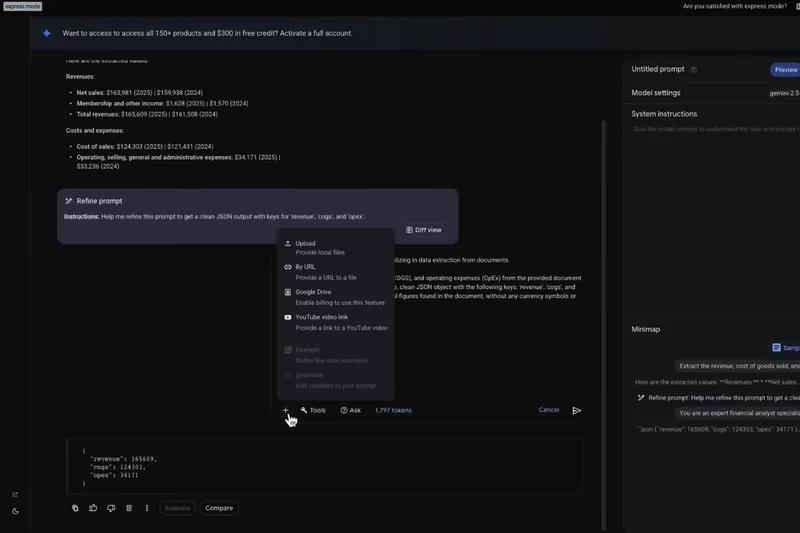
Why we picked it: Google Cloud Platform (GCP) stands as the premier true enterprise alternative to AWS, uniquely shining in areas where Amazon traditionally lags: data analytics, machine learning, and native container orchestration. GCP's BigQuery remains the undisputed king of serverless data warehousing, capable of querying petabytes of data in seconds. As the original creator of Kubernetes, Google’s managed Google Kubernetes Engine (GKE) is widely considered the most mature, frictionless, and feature-rich K8s environment on the market, vastly outperforming AWS EKS in usability and automated scaling. Furthermore, GCP has positioned itself at the forefront of the generative AI revolution; its Vertex AI platform provides seamless access to cutting-edge Gemini models and world-class MLOps pipelines. Google’s global private fiber network ensures incredibly low latency and high-throughput routing between regions. While GCP’s pricing can be complex, its sustained-use discounts are automatically applied, offering a more customer-friendly approach than AWS's rigid Reserved Instances. Though it may lack the sheer raw volume of obscure services AWS boasts, GCP excels by doing the important things—AI, data, and containers—substantially better, earning top marks in our AI and Enterprise scenarios.
Key Specs
- Top-tier data analytics via BigQuery
- Pioneering Kubernetes Engine (GKE)
- Advanced AI models with Vertex AI platform
- High-performance global fiber network
What we like
- Industry-leading BigQuery data warehouse
- The best managed Kubernetes service (GKE)
- Exceptional Vertex AI and machine learning tools
- Automatic sustained-use billing discounts
What we don't like
- Customer support can be slow for non-enterprise tiers
- Pricing remains somewhat complex
Best for: Enterprises focusing on big data, AI/ML, and heavy Kubernetes usage.
Considering GCP vs AWS? Choose GCP for superior analytics (BigQuery), flawless Kubernetes (GKE), and advanced AI integrations over AWS's broader but older service catalog.
A powerhouse hyperscaler that dominates in data analytics, Kubernetes, and AI workloads.
Buy at Google official site#3 Microsoft Azure
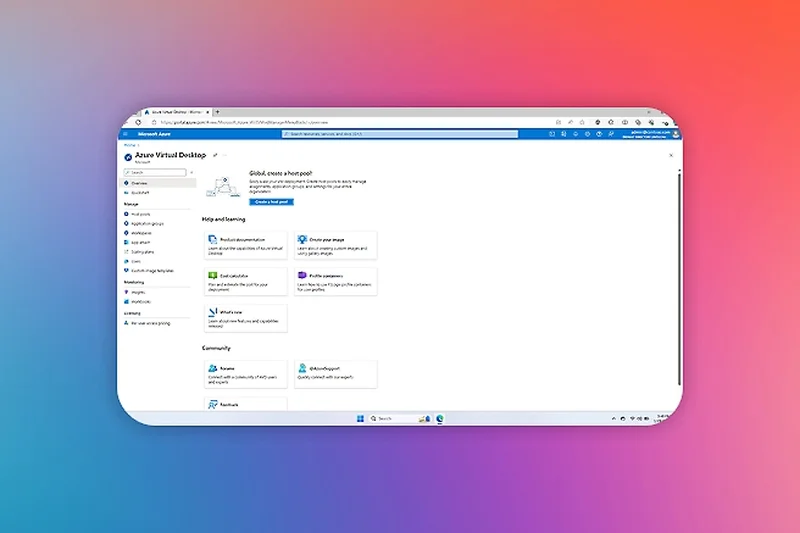
Why we picked it: Microsoft Azure is the enterprise heavyweight champion, serving as the most logical AWS alternative for organizations already entrenched in the Microsoft ecosystem. Azure scored the highest in our Service Breadth & Feature Depth dimension, offering a catalog that matches and occasionally exceeds AWS in complexity and enterprise focus. Azure’s unmatched hybrid cloud capabilities, driven by Azure Arc and Azure Stack, allow legacy enterprises to manage on-premises data centers and cloud infrastructure from a single pane of glass. Recently, Azure has taken a massive leap forward through its exclusive partnership with OpenAI. The Azure OpenAI Service provides enterprise-grade, secure, and compliant access to GPT-4 and other cutting-edge generative AI models, making it the go-to platform for corporate AI integration. Azure also offers unparalleled security controls, compliance certifications, and deep integration with Active Directory, GitHub, and Office 365. While its web interface can feel cluttered and pricing predictability remains a challenge due to hidden networking costs, Azure’s enterprise agreement discounts and seamless Windows Server/SQL Server migrations make it an undeniable top-tier choice.
Key Specs
- Unmatched hybrid cloud integration
- Industry-leading AI/ML via Azure OpenAI
- Deep integration with Microsoft ecosystem
- Enterprise-grade security and compliance
What we like
- Exclusive access to Azure OpenAI models
- Seamless hybrid cloud and Windows Server integration
- Massive global footprint and compliance standards
- Deep integrations with GitHub and Microsoft tools
What we don't like
- Highly complex pricing calculator
- Dashboard interface can be overwhelmingly dense
Best for: Large enterprises, hybrid cloud setups, and heavy Microsoft stack users.
Considering Microsoft Azure vs AWS? Azure provides vastly superior hybrid cloud tooling and exclusive OpenAI integration, making it better for enterprise AI and legacy Windows workloads.
The ultimate enterprise cloud platform, offering unrivaled hybrid capabilities and industry-leading AI integrations.
Buy at Microsoft official site#4 DigitalOcean Droplets
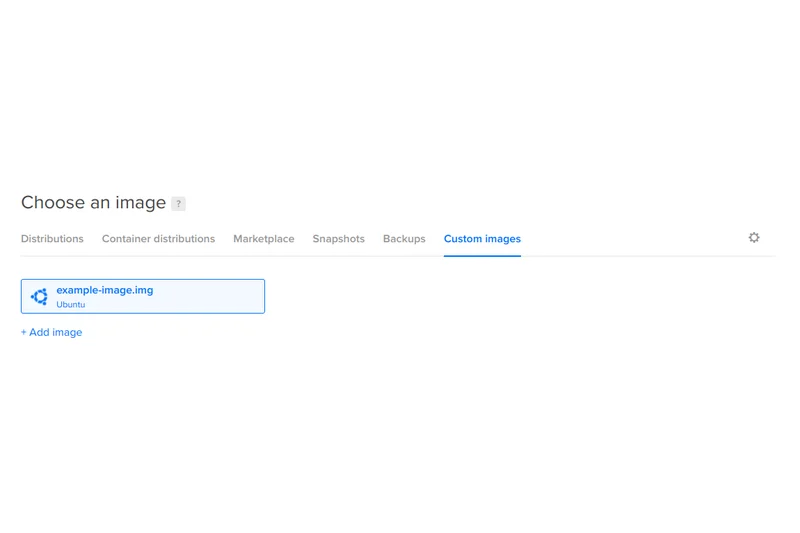
Why we picked it: DigitalOcean has long been the darling of the developer community, and in 2026, it remains the absolute best IaaS provider for rapid prototyping and SMB deployments. Stripping away the paralyzing complexity of AWS EC2, DigitalOcean’s "Droplets" provide high-performance virtual machines that can be launched in under a minute via a beautifully minimalist, intuitive web dashboard. What truly sets DigitalOcean apart from hyperscalers is its radical pricing transparency. With highly predictable flat-rate pricing, generous outbound bandwidth allowances, and a clear billing dashboard, startups can effectively banish the fear of surprise end-of-month cloud bills. DigitalOcean hasn't rested on its laurels; it now offers a fully managed, surprisingly robust Kubernetes engine and a seamless App Platform PaaS, allowing it to scale with growing businesses. It scored a perfect 10/10 in Developer Experience & Usability. While it lacks the hyper-specialized machine learning services and massive global edge networks of AWS or GCP, DigitalOcean provides exactly what 90% of developers actually need: reliable compute, managed databases, transparent costs, and zero friction.
Key Specs
- Highly predictable flat-rate pricing
- Developer-friendly minimalist interface
- Fully managed Kubernetes engine
- Integrated App Platform PaaS
What we like
- Incredibly intuitive dashboard and API
- Transparent, flat-rate predictable pricing
- Excellent managed Kubernetes offering
- Massive library of high-quality community tutorials
What we don't like
- Lacks advanced native AI/ML managed services
- Fewer global data center regions than hyperscalers
Best for: Independent developers, bootstrapped startups, and SMBs needing straightforward IaaS.
Considering DigitalOcean vs AWS EC2? DigitalOcean is drastically easier to use and offers predictable flat-rate pricing with generous bandwidth, eliminating AWS billing anxiety.
The gold standard for developer-friendly cloud infrastructure, offering predictable pricing and a frictionless user experience.
Buy at DigitalOcean official site#5 UpCloud
Why we picked it: UpCloud is a European performance-focused cloud provider that punches significantly above its weight class, directly challenging AWS EC2's dominance in raw compute speed. Its defining feature is its proprietary MaxIOPS block storage technology, which consistently delivers enterprise-grade I/O performance that vastly outpaces standard SSD offerings from AWS or Azure, making it incredible for heavy database workloads. Furthermore, UpCloud is one of the very few providers confident enough to offer an industry-leading 100% uptime SLA, backed by genuine financial penalties. The platform pairs this reliability with highly responsive, 24/7 human customer support—scoring an impressive 9/10 in our Support dimension, far exceeding AWS's notoriously slow basic support tiers. With the addition of managed databases and a robust managed Kubernetes service, UpCloud has matured into a comprehensive platform. While its service catalog is narrower than a hyperscaler, its relentless focus on raw performance, strict data privacy, and unshakeable reliability makes it a top-tier choice for performance-critical applications.
Key Specs
- Proprietary MaxIOPS block storage
- Industry-leading 100% uptime SLA
- High-performance private networking
- Managed database and Kubernetes services
What we like
- Incredible MaxIOPS storage speeds
- Ironclad 100% uptime SLA guarantee
- Exceptional 24/7 technical support
- Highly predictable, transparent pricing
What we don't like
- Smaller global footprint than major hyperscalers
- Limited ecosystem of advanced managed services
Best for: Database-heavy applications, European businesses, and performance-obsessed developers.
Considering UpCloud vs AWS? UpCloud provides significantly faster storage I/O, a 100% uptime SLA, and transparent pricing, making it better for high-performance IaaS needs.
A high-performance cloud offering blazingly fast storage, flawless uptime, and superior customer support.
Buy at UpCloud official site#6 Supabase
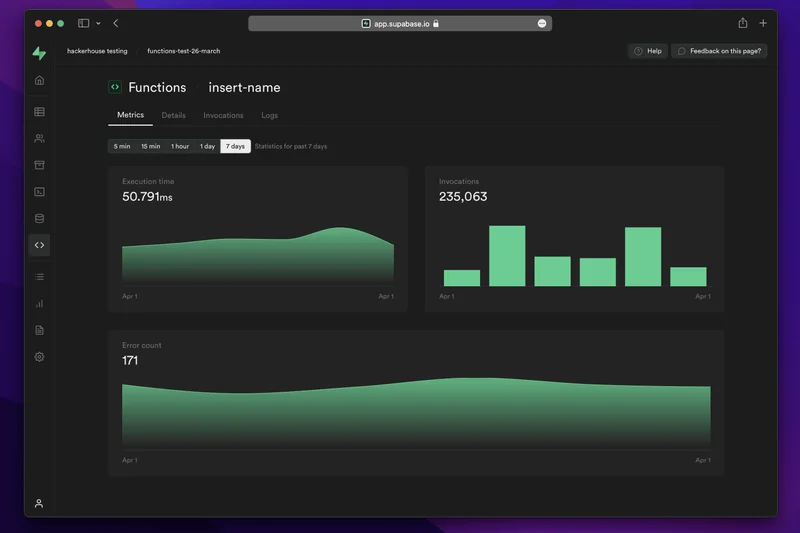
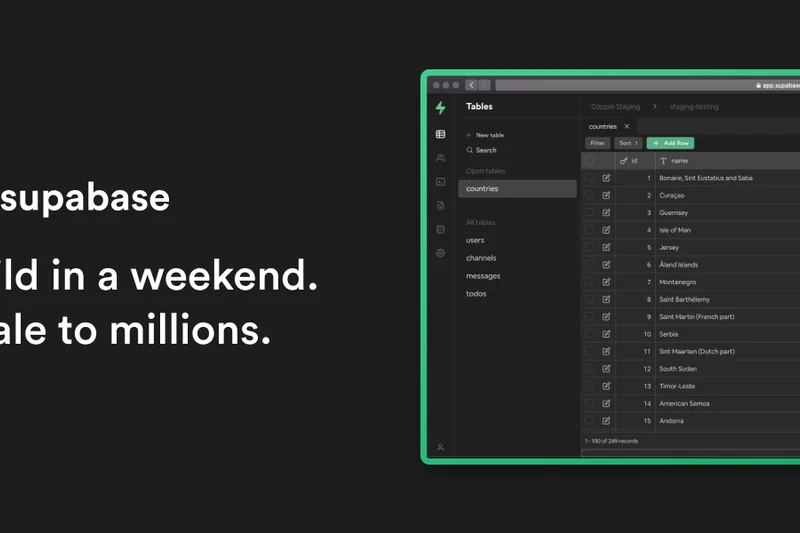
Why we picked it: Supabase has emerged as the definitive open-source alternative to Firebase and a compelling Backend-as-a-Service (BaaS) alternative to cobbling together AWS Cognito, RDS, and API Gateway. At its core, Supabase provides a dedicated, fully managed PostgreSQL database for every project, avoiding proprietary NoSQL lock-in. It layers on real-time websocket subscriptions, instant REST and GraphQL APIs, built-in edge functions, and robust authentication. Scoring a 10/10 in Developer Experience, Supabase allows frontend developers to spin up enterprise-grade backend infrastructure in minutes without touching DevOps. The generous free tier and predictable pricing scale beautifully. While it lacks the raw compute orchestration of pure IaaS, for modern web and mobile apps, Supabase is a game-changer.
Key Specs
- True open-source Firebase alternative
- Dedicated PostgreSQL database per project
- Real-time websocket subscriptions
- Built-in edge functions and Auth
What we like
- No proprietary database lock-in (uses standard Postgres)
- Instant APIs and real-time capabilities
- Incredibly fast setup and developer experience
What we don't like
- Not suited for complex custom backend compute architectures
- Self-hosting can be technically demanding
Best for: Frontend developers, mobile app creators, and rapid MVP development.
Considering Supabase vs AWS Amplify? Supabase leverages standard PostgreSQL and avoids proprietary lock-in, providing a much cleaner, open-source developer experience.
The ultimate open-source Backend-as-a-Service, delivering powerful PostgreSQL databases and instant APIs.
Buy at Supabase official site#7 Civo
Why we picked it: Civo has carved out a unique, highly successful niche as the first cloud provider built entirely around Kubernetes, specifically K3s. While AWS EKS is notoriously complex and slow to provision, Civo offers lightning-fast managed Kubernetes clusters that launch in under 90 seconds. This developer-first approach strips away K8s complexity, featuring a clean dashboard and an integrated app marketplace that deploys helm charts with a single click. Civo is aggressively transparent with its pricing, offering predictable billing without hidden egress fees. It scores highly in Usability and Ecosystem Integrations. For teams moving to cloud-native microservices who don't want the operational nightmare of AWS EKS, Civo is an exceptional, cost-effective alternative.
Key Specs
- Lightning-fast K3s managed Kubernetes
- Sub-90 second cluster launch times
- Highly transparent and predictable pricing
- Developer-first ecosystem approach
What we like
- Incredibly fast Kubernetes cluster provisioning
- Transparent pricing with no hidden egress fees
- Excellent one-click K8s app marketplace
What we don't like
- Focused almost entirely on Kubernetes workloads
- Fewer compliance certifications than hyperscalers
Best for: Cloud-native development teams and startups heavily invested in Kubernetes.
Considering Civo vs AWS EKS? Civo launches clusters in under 90 seconds with a fraction of the complexity and cost of AWS EKS.
The absolute fastest and easiest way to deploy and manage Kubernetes clusters in the cloud.
Buy at Civo official site#8 Fly.io
Why we picked it: Fly.io transforms container deployment by pushing applications close to end-users globally, acting like a CDN for your backend compute. By utilizing Firecracker microVMs—the same isolation technology behind AWS Lambda—Fly.io provides the security of virtual machines with the speed of containers. It excels in deploying full-stack apps (Node, Rails, Django) to the edge with zero-configuration Anycast networking. A standout feature is its built-in distributed SQLite via LiteFS, solving the hard problem of edge data replication. With a 10/10 in Developer Experience, Fly.io is perfect for developers who want global low latency without architecting complex AWS multi-region setups.
Key Specs
- Global edge deployments close to users
- Firecracker microVM isolation technology
- Built-in distributed SQLite via LiteFS
- Zero-config Anycast networking
What we like
- Effortless global multi-region deployments
- Secure and fast Firecracker microVMs
- Innovative distributed edge database solutions
What we don't like
- CLI-heavy workflow requires learning their specific tooling
- Pricing can scale up quickly for heavy persistence
Best for: Full-stack developers requiring global low latency and easy multi-region scaling.
Considering Fly.io vs AWS Fargate? Fly.io makes global, multi-region container deployment effortless, avoiding the routing complexity of AWS.
A revolutionary edge application platform that deploys containers globally with zero networking headaches.
Buy at Fly.io official site#9 Vercel
Why we picked it: Vercel is the undisputed king of the frontend PaaS market. While AWS Amplify attempts to compete, Vercel’s native optimization for Next.js and its frictionless continuous deployment pipeline remain unmatched. Developers simply push to GitHub, and Vercel automatically builds, optimizes, and deploys the frontend to a global edge caching network. The platform features instant collaborative preview URLs, built-in edge serverless functions, and excellent Vercel AI SDK integrations. Vercel abstracts away all infrastructure concerns, scoring a 10/10 in Developer Experience. It is the ultimate productivity multiplier for frontend teams who want zero involvement with AWS load balancers or S3 bucket configurations.
Key Specs
- Unrivaled Next.js native optimization
- Global edge functions and caching
- Vercel AI SDK integrations
- Instant collaborative preview URLs
What we like
- Flawless Git-push deployment workflow
- Unmatched Next.js performance and optimization
- Instant preview deployments for team collaboration
What we don't like
- Bandwidth and edge function costs escalate at high enterprise scale
- Strictly focused on frontend/serverless architectures
Best for: Frontend engineering teams, Next.js users, and static site generation.
Considering Vercel vs AWS Amplify? Vercel offers a vastly superior developer experience and unmatched native optimization for Next.js frameworks.
The best platform for deploying modern frontend frameworks effortlessly to a global edge network.
Buy at Vercel official site#10 Oracle Cloud Infrastructure (OCI)
Why we picked it: Oracle Cloud Infrastructure (OCI) is a formidable enterprise hyperscaler that aggressively competes with AWS on raw performance and cost. OCI’s architecture separates compute and network virtualization, resulting in uncompromising bare metal server performance and enhanced security isolation. OCI is exceptionally attractive for data-heavy migrations, offering highly competitive egress bandwidth pricing that significantly undercuts AWS. Naturally, it provides the best environment for running native Oracle Database and Exadata services. While its developer experience and interface lag behind GCP and Azure, OCI’s aggressive pricing and massive compute capabilities make it a strong AWS alternative for legacy enterprise migrations.
Key Specs
- Uncompromising bare metal server performance
- Native Oracle Database and Exadata services
- Highly competitive egress bandwidth pricing
- Isolated network virtualization for security
What we like
- Incredibly cheap egress bandwidth costs
- Superior bare-metal compute performance
- Best-in-class Oracle database hosting
What we don't like
- Clunky user interface and lower developer experience
- Smaller third-party integration ecosystem
Best for: Large enterprises with massive data egress needs or existing Oracle database workloads.
Considering OCI vs AWS? OCI offers vastly cheaper egress fees and better bare-metal performance, making it ideal for heavy enterprise data workloads.
A robust enterprise hyperscaler offering aggressive pricing on bandwidth and top-tier bare-metal performance.
Buy at Oracle official site#11 Netlify
Why we picked it: Netlify remains a dominant force in the Jamstack ecosystem, providing a frictionless alternative to hosting static assets on AWS S3/CloudFront. It excels in continuous deployment, automatically building and distributing frontend code to a highly performant global edge network upon git push. With built-in form handling, identity management, and edge serverless functions, Netlify abstracts away the backend complexity entirely. While Vercel owns the Next.js space, Netlify remains highly framework-agnostic. Its pricing predictability and ease of use make it a stellar choice for frontend teams.
Key Specs
- Seamless continuous deployment pipelines
- Integrated edge serverless functions
- Built-in form handling and identity
- Advanced global edge caching
What we like
- Incredibly simple CI/CD deployment process
- Framework-agnostic frontend hosting
- Built-in forms and authentication tools
What we don't like
- Enterprise pricing tiers scale steeply
- Not designed for heavy, long-running backend compute
Best for: Frontend developers building Jamstack applications and static websites.
Considering Netlify vs AWS S3/CloudFront? Netlify provides an automated CI/CD pipeline and built-in edge functions, completely removing AWS configuration headaches.
A premier frontend hosting platform that makes Jamstack deployment and edge caching effortless.
Buy at Netlify official site#12 Akamai Connected Cloud (Linode)
Why we picked it: Formerly Linode, Akamai Connected Cloud merges budget-friendly, developer-centric IaaS with Akamai’s massive global edge security network. It offers highly transparent, unbundled billing that directly combats AWS's confusing pricing structures. With generous outbound data transfer allowances and high-performance dedicated CPU plans, it represents a highly cost-effective alternative to EC2. The integration of enterprise-grade security and CDN features from Akamai elevates this platform above basic budget hosts, making it highly reliable for mid-market scaling.
Key Specs
- Transparent unbundled billing model
- Dedicated CPU and high memory plans
- Integrated Akamai global edge network
- Included outbound data transfer allowances
What we like
- Highly predictable, unbundled pricing
- Generous bandwidth allowances
- Backed by Akamai's massive security network
What we don't like
- Fewer managed PaaS services than AWS
- Interface is functional but slightly dated
Best for: Mid-market companies and developers seeking affordable compute with enterprise edge security.
Considering Akamai vs AWS EC2? Akamai offers transparent pricing, included bandwidth, and easier instance management without AWS's hidden fees.
An excellent mid-market IaaS provider combining affordable compute with world-class edge security.
Buy at Akamai official site#13 Render PaaS
Why we picked it: Render has effectively taken the crown from Heroku as the best general-purpose Developer PaaS. It offers seamless GitHub/GitLab automated deployments for web services, static sites, and Docker containers. Render shines by providing fully managed PostgreSQL and Redis, along with native support for zero-downtime background workers and cron jobs. It completely eliminates the need for AWS EC2, ELB, and RDS configurations. With highly predictable pricing and a generous free tier for hobbyists, Render is the perfect environment for small teams to ship full-stack applications quickly.
Key Specs
- Seamless GitHub/GitLab automated deployments
- Fully managed PostgreSQL and Redis
- Zero-downtime background workers
- Free tier for hobbyist projects
What we like
- Zero-DevOps automated deployments
- Excellent managed Postgres and Redis
- Native support for background workers
What we don't like
- Build times can occasionally be slow
- Limited advanced networking controls
Best for: Small teams, indie hackers, and startups wanting zero DevOps overhead.
Considering Render vs AWS Elastic Beanstalk? Render is vastly more modern, intuitive, and requires zero DevOps configuration to deploy full-stack apps.
The modern successor to Heroku, offering a flawless PaaS experience for rapid full-stack deployment.
Buy at Render official site#14 Alibaba Cloud
Why we picked it: Alibaba Cloud is a massive hyperscaler and the definitive AWS alternative for businesses with a heavy presence in the Asia-Pacific market. It matches AWS almost feature-for-feature, offering Elastic Compute Service (ECS) parity and the highly scalable PolarDB database. It features robust enterprise-level Anti-DDoS protections natively. While the documentation and interface can be challenging for Western developers, its unmatched data center density in Asia and highly competitive pricing make it indispensable for global enterprises expanding eastward.
Key Specs
- Dominant Asia-Pacific market presence
- Highly scalable PolarDB database
- Enterprise-level Anti-DDoS Pro
- Elastic Compute Service (ECS) parity with AWS
What we like
- Unrivaled infrastructure in the APAC region
- Massive catalog of AWS-equivalent services
- Highly scalable proprietary PolarDB
What we don't like
- English documentation can be fragmented
- Web console UX is highly complex
Best for: Global enterprises and e-commerce companies expanding into Asian markets.
Considering Alibaba Cloud vs AWS? Alibaba offers superior routing and data center presence in Asia, matching AWS's service breadth at a lower cost.
The dominant hyperscaler in Asia, offering a massive service catalog and aggressive pricing.
Buy at Alibaba Cloud official site#15 Tencent Cloud
Why we picked it: Tencent Cloud is another massive global platform, particularly dominant in gaming, media, and social integrations. It offers high-performance Cloud Virtual Machines (CVM) and a massive global content delivery network. Tencent excels in specialized media services like live video broadcasting and deep AI/ML integrations. While it shares the same usability hurdles as Alibaba for Western users, its media-optimized networking and aggressive global pricing make it a strong AWS alternative for specific high-bandwidth streaming use cases.
Key Specs
- Specialized gaming and media services
- High-performance Cloud Virtual Machines (CVM)
- Massive global content delivery network
- Deep AI and machine learning integrations
What we like
- Exceptional video and media streaming services
- Strong global CDN and networking infrastructure
- Cost-effective compute instances
What we don't like
- Steep learning curve for the dashboard
- Support is geared toward enterprise Asian clients
Best for: Gaming companies, video streaming platforms, and Asian-market focused apps.
Considering Tencent Cloud vs AWS? Tencent provides specialized media and gaming infrastructure at a lower cost, though AWS has a more user-friendly global ecosystem.
A powerful hyperscaler optimized for gaming, video streaming, and global content delivery.
Buy at Tencent Cloud official site#16 Aiven
Why we picked it: Aiven takes the pain out of managing open-source data infrastructure, serving as an exceptional alternative to AWS RDS and MSK. It provides fully managed, highly available clusters for PostgreSQL, Kafka, Redis, and OpenSearch. Aiven’s unique selling point is its multi-cloud deployability; you can run it on top of AWS, GCP, or Azure without proprietary lock-in. Scoring a 10/10 in Ecosystem Integrations, it enforces strict open-source standards, ensuring your data pipelines remain portable and highly reliable.
Key Specs
- Fully managed PostgreSQL, Kafka, and Redis
- Deployable across multiple public clouds
- Strict open-source focus with zero lock-in
- Enterprise-grade high availability
What we like
- Zero vendor lock-in for data infrastructure
- Deployable across multiple major public clouds
- Exceptional reliability and automated backups
What we don't like
- Pricing is a premium over unmanaged compute
- Focuses exclusively on data, no general compute
Best for: Enterprises needing managed open-source databases and Kafka across multi-cloud environments.
Considering Aiven vs AWS RDS? Aiven offers true multi-cloud portability and strict open-source versions without AWS proprietary modifications.
The premier managed data platform for open-source databases, ensuring high availability and zero vendor lock-in.
Buy at Aiven official site#17 Neon



Why we picked it: Neon represents the next generation of database architecture, offering a true serverless Postgres experience that scales to zero to save costs. It completely separates compute and storage, allowing for innovative features like instant database branching—enabling developers to branch their production database as easily as a Git repository. Neon is a vastly superior developer experience compared to AWS Aurora Serverless, offering a generous free tier and seamlessly integrating into modern serverless frontend workflows.
Key Specs
- Serverless Postgres that scales to zero
- Innovative instant database branching
- Complete separation of compute and storage
- Generous free tier for developers
What we like
- Scales to zero, saving money on idle workloads
- Instant database branching for testing
- True serverless architecture
What we don't like
- Cold starts can occur if scaled to zero
- Relatively new platform compared to legacy RDS
Best for: Serverless application developers and teams utilizing agile branch-based CI/CD workflows.
Considering Neon vs AWS Aurora Serverless? Neon offers true scale-to-zero capabilities and instant data branching, providing a far better developer workflow.
A revolutionary serverless Postgres platform that introduces git-like branching to databases.
Buy at Neon official site#18 IBM Cloud
Why we picked it: IBM Cloud remains a steadfast enterprise alternative, highly focused on hybrid environments and strict industry compliance, particularly in the financial sector. Its acquisition of Red Hat gives IBM Cloud unparalleled, deep integration with OpenShift, making it the best platform for enterprise Kubernetes container orchestration. It also features robust VMware migration tools and advanced Watson AI services. While its user interface and pricing predictability score lower, its commitment to enterprise compliance is top-tier.
Key Specs
- Deep Red Hat OpenShift integration
- Advanced Watson AI and machine learning
- Industry-specific compliance clouds (financial)
- Robust VMware migration tools
What we like
- The best environment for Red Hat OpenShift
- Industry-leading financial compliance clouds
- Excellent legacy VMware integration
What we don't like
- Dashboard usability can be frustrating
- Fewer developer-friendly tools than competitors
Best for: Highly regulated industries, banks, and enterprises heavily invested in Red Hat OpenShift.
Considering IBM Cloud vs AWS? IBM offers superior native OpenShift integration and specific compliance frameworks for financial institutions.
A highly secure enterprise cloud tailored for Red Hat OpenShift, VMware, and strict regulatory compliance.
Buy at IBM official site#19 Scaleway Instances
Why we picked it: Scaleway is a leading European cloud provider that offers a robust IaaS platform with strict adherence to European data sovereignty laws. It provides unique hardware offerings, including Apple Silicon M1 cloud instances, alongside high-performance standard compute. Scaleway has built an impressive ecosystem of fully managed databases, Kubernetes, and serverless containers, all while maintaining highly predictable pricing. It’s an excellent, privacy-compliant alternative to AWS for European businesses.
Key Specs
- Strict European data sovereignty compliance
- Apple Silicon M1 cloud instances
- Fully managed databases and Kubernetes
- Serverless container deployment
What we like
- Strict GDPR and European data sovereignty
- Innovative hardware like Apple M1 instances
- Clean interface and predictable pricing
What we don't like
- Data centers primarily restricted to Europe
- Support tiers can be expensive
Best for: European startups and enterprises prioritizing GDPR compliance and data sovereignty.
Considering Scaleway vs AWS? Scaleway ensures absolute European data sovereignty and transparent pricing without the complexity of AWS Regions.
A feature-rich, privacy-focused European cloud provider offering excellent Kubernetes and unique hardware.
Buy at Scaleway official site#20 Northflank
Why we picked it: Northflank is a powerful full-stack PaaS that offers incredible flexibility. While it acts as a managed PaaS, it uniquely allows BYOC (Bring Your Own Cloud), deploying its abstraction layer directly into your existing AWS or GCP accounts. It features lightning-fast built-in CI/CD pipelines, automated preview environments, and native support for cron jobs. For teams that want the PaaS experience but need data to remain in their own cloud accounts for compliance, Northflank is brilliant.
Key Specs
- Kubernetes-backed but heavily abstracted
- BYOC (Bring Your Own Cloud) to AWS/GCP
- Lightning-fast built-in CI/CD pipelines
- Native support for cron jobs and workers
What we like
- Bring Your Own Cloud (BYOC) capability
- Exceptional built-in CI/CD pipelines
- Abstracts Kubernetes complexity beautifully
What we don't like
- Requires connecting external cloud accounts for BYOC
- Pricing can be higher than pure IaaS
Best for: DevOps teams wanting a PaaS experience while maintaining underlying cloud control.
Considering Northflank vs AWS Fargate? Northflank provides a drastically better CI/CD and deployment experience on top of your existing cloud infrastructure.
A highly flexible full-stack PaaS that brings modern developer workflows to your own cloud.
Buy at Northflank official site#21 Paperspace Gradient
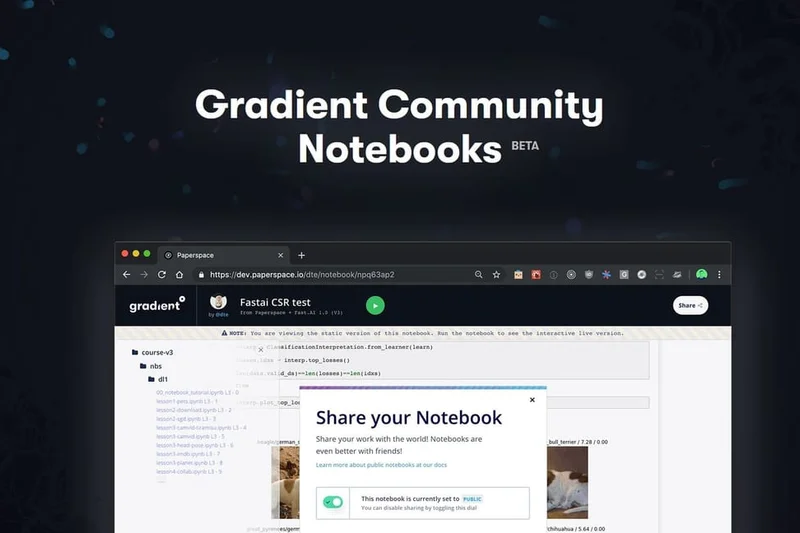
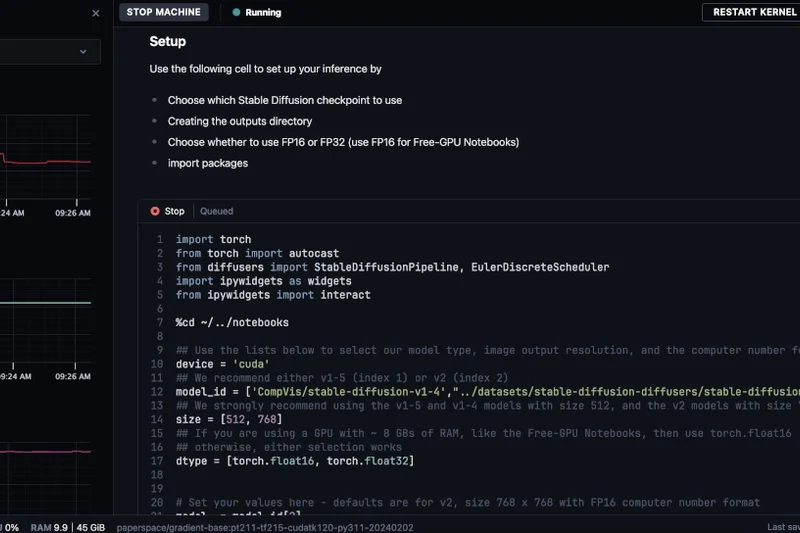
Why we picked it: Now owned by DigitalOcean, Paperspace Gradient is an AI development platform designed to remove the friction from machine learning workflows. It offers fully managed Jupyter notebook environments backed by powerful GPUs. What sets it apart is its generous free tier GPU access for researchers and seamless one-click model deployment workflows. It’s a vastly simpler, more predictable alternative to navigating AWS SageMaker's complex provisioning.
Key Specs
- Free tier GPU access for researchers
- Fully managed Jupyter notebook environments
- One-click model deployment workflows
- Seamless persistent storage integration
What we like
- Free GPU tier is excellent for prototyping
- Highly intuitive Jupyter notebook environments
- Predictable DigitalOcean-style pricing
What we don't like
- High-end GPUs can occasionally face availability limits
- Lacks the vast ecosystem of AWS SageMaker
Best for: Data scientists, researchers, and AI startups needing simple GPU notebook environments.
Considering Paperspace vs AWS SageMaker? Paperspace is vastly easier to set up and offers predictable pricing and free tiers for AI researchers.
A user-friendly, cost-effective AI development platform perfect for managed Jupyter notebooks.
Buy at Paperspace official site#22 Koyeb
Why we picked it: Koyeb is a high-performance serverless cloud platform that deploys applications globally using Firecracker microVMs. It offers a seamless Git-driven workflow or direct Docker container deployment. Koyeb automatically handles global edge network routing and native load balancing, entirely removing the need to configure AWS ALBs or Route53. Its focus on raw execution speed and simplified global distribution makes it a strong contender for API backends.
Key Specs
- High-performance Firecracker microVMs
- Global edge network deployment
- Docker and Git-driven app launches
- Native built-in load balancing
What we like
- Automated global edge deployments
- Fast, secure Firecracker microVM execution
- Native, zero-config load balancing
What we don't like
- Limited built-in managed database options
- Community is smaller than Vercel or Render
Best for: Developers deploying high-performance APIs and Docker containers to the edge.
Considering Koyeb vs AWS AppRunner? Koyeb is faster, deploys globally by default, and offers a superior developer experience.
A fast, serverless platform for deploying Docker containers globally with zero networking configuration.
Buy at Koyeb official site#23 Vultr Cloud Compute
Why we picked it: Vultr is a highly reliable IaaS provider that competes fiercely on performance and geographic reach, boasting over 32 global data centers. It offers high-frequency NVMe compute instances and fractional cloud resources for microservices. Recently, Vultr has aggressively expanded into the AI space, offering on-demand cloud GPUs (NVIDIA A100s/H100s) at highly competitive hourly rates. Its predictable pricing and sheer speed make it a great AWS EC2 and GPU alternative.
Key Specs
- 32+ global data center locations
- High-frequency NVMe compute instances
- On-demand cloud GPU availability
- Fractional cloud instances for microservices
What we like
- Massive global footprint of 32+ locations
- High-performance NVMe block storage
- Accessible, affordable cloud GPUs
What we don't like
- Customer support can be slow on basic tiers
- Fewer managed PaaS abstractions
Best for: Global startups requiring fast instances, edge locations, and affordable GPU compute.
Considering Vultr vs AWS EC2? Vultr offers a much simpler interface, predictable pricing, and easily accessible GPUs without AWS quota limitations.
A high-performance, globally distributed cloud provider with transparent pricing and strong GPU availability.
Buy at Vultr official site#24 Railway
Why we picked it: Railway is a beloved Developer PaaS that focuses heavily on infrastructure visualization and intelligent builds. Using its Nixpacks build system, Railway can intelligently detect and build almost any repository instantly. Its canvas-based visual infrastructure view allows developers to map out complex microservice architectures easily. With instant preview environments and one-click open-source template deployments, it completely abstracts away AWS operational overhead.
Key Specs
- Intelligent Nixpacks build system
- Instant preview environment provisioning
- Canvas-based visual infrastructure view
- One-click open-source template deployments
What we like
- Brilliant visual infrastructure canvas
- Zero-config Nixpacks build system
- Instant preview environments for PRs
What we don't like
- Pricing can escalate for memory-heavy apps
- Lacks enterprise compliance certifications
Best for: Agile developer teams and startups prioritizing visualization and fast deployments.
Considering Railway vs AWS ECS? Railway is entirely zero-config, allowing you to deploy containers via a visual canvas instantly.
An innovative, highly visual PaaS that makes deploying microservices and full-stack apps fun and effortless.
Buy at Railway official site#25 CoreWeave Cloud
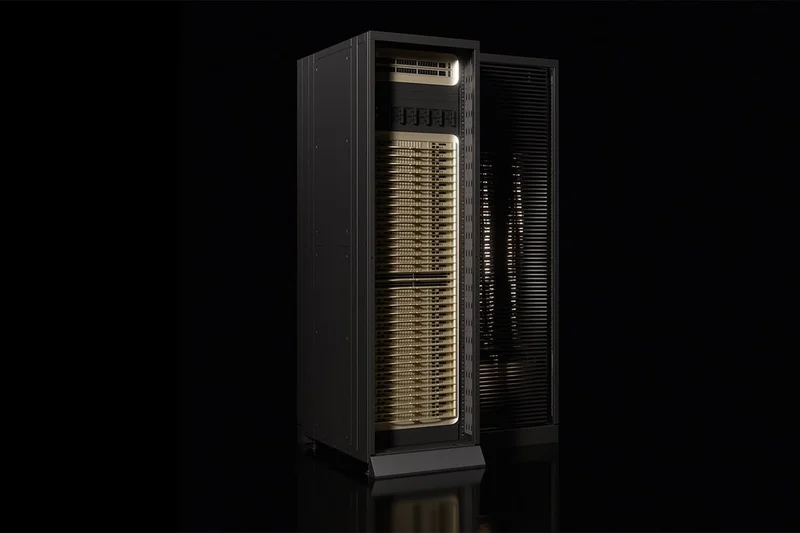
Why we picked it: CoreWeave is a highly specialized cloud provider built entirely for GPU-accelerated workloads. It boasts massive clusters of NVIDIA H100s and A100s connected via low-latency InfiniBand networking. Built natively on Kubernetes, it offers bare-metal performance without the virtualization overhead typically found in AWS EC2 GPU instances. For AI labs and rendering companies needing massive scale and transparent GPU pricing, CoreWeave is unparalleled.
Key Specs
- Massive clusters of NVIDIA H100s/A100s
- Bare-metal performance for ML workloads
- Kubernetes-native GPU orchestration
- InfiniBand low-latency networking
What we like
- Massive availability of high-end NVIDIA GPUs
- InfiniBand networking for clustered training
- Bare-metal performance with zero overhead
What we don't like
- Focused exclusively on GPUs, not general compute
- Geared toward high-end enterprise/research budgets
Best for: AI research labs, LLM trainers, and VFX rendering studios requiring massive GPU clusters.
Considering CoreWeave vs AWS GPU instances? CoreWeave provides better GPU availability, InfiniBand networking, and no virtualization overhead.
The ultimate specialized GPU cloud for massive-scale AI training and high-performance computing.
Buy at CoreWeave official site#26 Equinix Metal
Why we picked it: Equinix Metal offers true automated bare-metal cloud provisioning. It provides developers direct access to physical servers without any hypervisor or virtualization layer, ensuring maximum performance. It features direct Layer 2 networking capabilities, making it ideal for custom telecommunications routing or building your own private cloud. Integrated heavily into Equinix data centers, it offers instant hybrid cloud on-ramps to major hyperscalers.
Key Specs
- On-demand automated bare metal servers
- Zero virtualization layer overhead
- Direct Layer 2 networking capabilities
- Instant hybrid cloud on-ramps
What we like
- True bare-metal performance
- Direct Layer 2 networking access
- Global integration with Equinix fabric
What we don't like
- Requires deep DevOps knowledge to operate
- High minimum costs compared to virtual VPS
Best for: Enterprise infrastructure teams requiring bare-metal performance and custom networking.
Considering Equinix Metal vs AWS EC2 Bare Metal? Equinix offers faster automated provisioning and deeper Layer 2 networking control.
The industry leader in automated bare-metal provisioning for high-performance, non-virtualized workloads.
Buy at Equinix official site#27 Heroku Platform
Why we picked it: Heroku pioneered the Developer PaaS concept with its Git-push workflow, and it remains a viable AWS alternative for teams deeply embedded in the Salesforce ecosystem. It abstracts away all infrastructure, offering a robust Managed Postgres service and a massive third-party add-on marketplace. While its pricing lacks the predictability of modern alternatives, its sheer reliability and enterprise-grade Salesforce integrations keep it relevant.
Key Specs
- Pioneering Git-push deployment workflow
- Extensive third-party add-on marketplace
- Enterprise-grade Managed Postgres
- Deep native Salesforce integration
What we like
- The original, flawless Git-push workflow
- Massive marketplace of third-party add-ons
- Seamless data integration with Salesforce
What we don't like
- Pricing is notoriously expensive at scale
- Platform features have innovated slowly
Best for: Salesforce-integrated enterprises and legacy teams wanting zero infrastructure management.
Considering Heroku vs AWS? Heroku uses AWS under the hood but removes 100% of the operational and networking configuration.
The classic, ultra-reliable PaaS that remains a solid choice for teams prioritizing simplicity and Salesforce integrations.
Buy at Heroku official site#28 RunPod
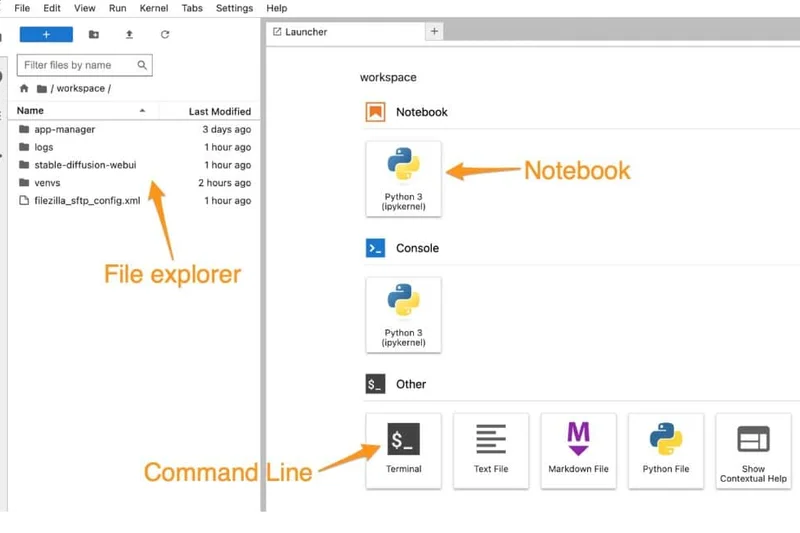
Why we picked it: RunPod is a highly cost-effective serverless GPU cloud specifically tailored for AI inference and training. It allows users to rent pod-based persistent training instances using community or secure cloud tiers, driving down the cost of AI workloads significantly compared to AWS. With an integrated Web UI providing instant access to Jupyter notebooks and SSH, RunPod is an incredibly accessible platform for AI developers on a budget.
Key Specs
- Cost-effective serverless GPU inference
- Pod-based persistent training instances
- Community and secure cloud tiers
- Integrated Web UI for Jupyter and SSH
What we like
- Incredibly cheap community GPU tiers
- Seamless serverless GPU inference endpoints
- Instant web-based Jupyter and SSH access
What we don't like
- Community hardware can be less reliable
- Interface is highly tailored only to AI workloads
Best for: AI hobbyists, researchers, and startups needing cheap, on-demand GPU inference.
Considering RunPod vs AWS EC2 GPUs? RunPod is vastly cheaper, easier to launch, and offers specialized serverless inference endpoints.
A highly affordable, developer-friendly cloud platform democratizing access to GPU computing.
Buy at RunPod official site#29 Porter

Why we picked it: Porter is a BYOC (Bring Your Own Cloud) PaaS that deploys a fully managed platform experience directly into your own AWS or GCP account. It completely abstracts the underlying Kubernetes complexity, handling automated preview environments and CI/CD tooling. This allows startups to utilize their AWS cloud credits while getting a Heroku-like developer experience, without the risk of platform lock-in.
Key Specs
- Deploys directly into your AWS/GCP account
- Abstracts Kubernetes complexity completely
- Automated preview environment setup
- Built-in robust CI/CD tooling
What we like
- Utilize AWS/GCP credits while getting PaaS UX
- Data remains in your own cloud account
- Completely abstracts Kubernetes management
What we don't like
- Requires managing underlying cloud account billing
- Platform fee is added on top of AWS costs
Best for: Startups with AWS credits who want a Heroku-like experience without managing infrastructure.
Considering Porter vs raw AWS? Porter gives you the ease of a PaaS while letting you keep your infrastructure in AWS for compliance and credits.
The best BYOC platform for teams who want PaaS simplicity inside their own AWS accounts.
Buy at Porter official site#30 Hetzner Cloud
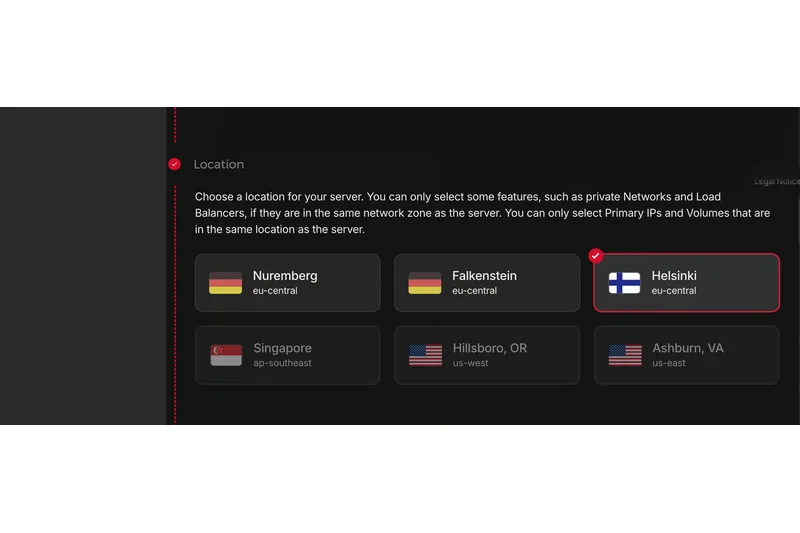
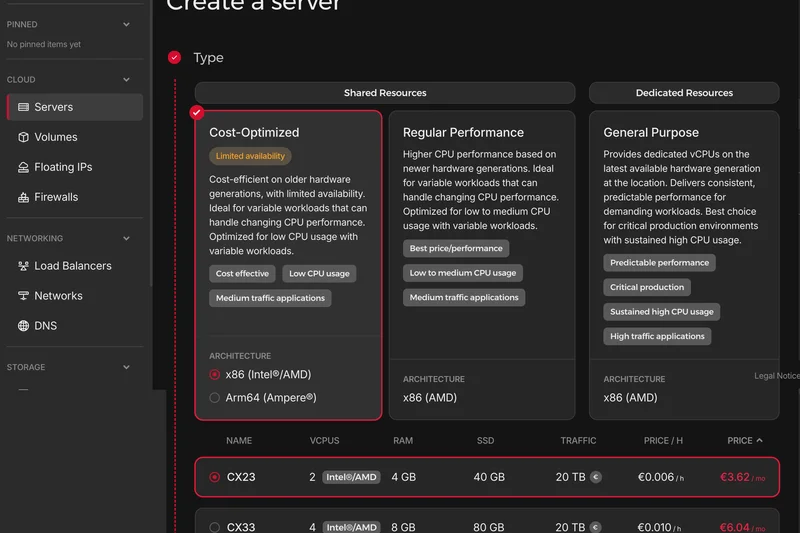
Why we picked it: Hetzner Cloud is the undisputed king of budget-friendly IaaS, offering an industry-leading price-to-performance ratio. Based in Germany with US locations, it provides highly reliable compute instances, including ARM64 architecture, for a fraction of the cost of AWS. With flexible block storage and a perfectly predictable 10/10 pricing model, it is a favorite for bootstrapped startups and massive side projects.
Key Specs
- Industry-leading price-to-performance ratio
- ARM64 architecture server support
- German and US-based data centers
- Flexible scalable block storage
What we like
- Unbeatable price-to-performance ratio
- Predictable, extremely low flat-rate pricing
- High-performance local NVMe storage
What we don't like
- Strict anti-fraud systems can make signup difficult
- Limited managed PaaS offerings
Best for: Bootstrapped startups, hobbyists, and teams requiring massive compute on a strict budget.
Considering Hetzner vs AWS Lightsail? Hetzner offers significantly more compute power and bandwidth for a fraction of the cost.
The ultimate budget cloud provider, offering incredible compute performance at rock-bottom prices.
Buy at Hetzner official site#31 Exoscale
Why we picked it: Exoscale is a Swiss-based cloud IaaS provider that prioritizes strict data privacy and green energy. It offers fully S3-compatible object storage and a highly scalable Managed Kubernetes Service (SKS). By operating its data centers entirely on green energy and strictly adhering to Swiss privacy laws, Exoscale provides a secure, sustainable, and highly compliant alternative to US-based hyperscalers for European organizations.
Key Specs
- Strict adherence to Swiss data privacy laws
- Fully S3-compatible object storage
- Scalable Managed Kubernetes Service (SKS)
- Green energy powered data centers
What we like
- Exceptional Swiss data privacy compliance
- 100% green energy data centers
- Robust Managed Kubernetes offering
What we don't like
- Smaller service catalog than global providers
- Geographic reach is mostly limited to Europe
Best for: Privacy-conscious European enterprises and eco-friendly organizations.
Considering Exoscale vs AWS? Exoscale guarantees strict Swiss data privacy and 100% green energy, without the complex AWS billing.
A secure, privacy-first European cloud provider powered by sustainable energy.
Buy at Exoscale official site#32 Hyperstack

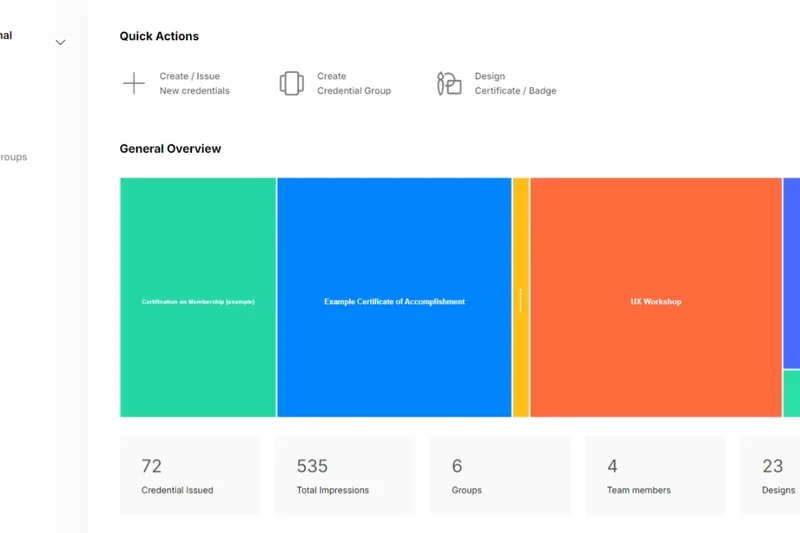
Why we picked it: Hyperstack is an enterprise GPU cloud built specifically for the demands of generative AI and LLM training. It provides rapid provisioning of NVIDIA H100 and A100 fleets with a focus on sustainable power infrastructure. By optimizing networking for massive AI workloads, Hyperstack serves as a highly targeted, performance-driven alternative to AWS EC2 GPU instances for large AI labs.
Key Specs
- NVIDIA H100 and A100 fleet scaling
- Highly optimized for LLM training
- Focus on sustainable power infrastructure
- Rapid GPU instance provisioning
What we like
- Excellent availability of top-tier NVIDIA GPUs
- Optimized network fabric for LLM training
- Focus on sustainable data center power
What we don't like
- Niche focus lacks general-purpose compute services
- Enterprise-level pricing structures
Best for: Enterprise AI labs and companies training large language models.
Considering Hyperstack vs AWS? Hyperstack provides better GPU availability and infrastructure optimized specifically for LLM training workloads.
A powerful, sustainable enterprise GPU cloud designed specifically for generative AI workloads.
Buy at Hyperstack official site#33 OVHcloud Public Cloud
Why we picked it: OVHcloud is a massive European cloud platform known for offering generous, often unmetered bandwidth options. Built on standardized OpenStack APIs, it helps prevent vendor lock-in. OVHcloud provides built-in robust Anti-DDoS protection natively and ensures strict GDPR data residency compliance, making it a reliable, high-bandwidth alternative to AWS for European deployments.
Key Specs
- Unmetered bandwidth options available
- Standardized OpenStack-based APIs
- Built-in robust Anti-DDoS protection
- Strict GDPR and data residency compliance
What we like
- Unmetered bandwidth saves massive egress costs
- OpenStack APIs prevent vendor lock-in
- Excellent default Anti-DDoS protections
What we don't like
- Interface and user experience can be clunky
- Customer support response times vary widely
Best for: High-bandwidth applications and European companies needing GDPR compliance.
Considering OVHcloud vs AWS? OVHcloud’s unmetered bandwidth options can save high-traffic sites thousands of dollars in egress fees.
A solid European cloud platform offering unmetered bandwidth and strict data residency compliance.
Buy at OVHcloud official site#34 Lambda Cloud
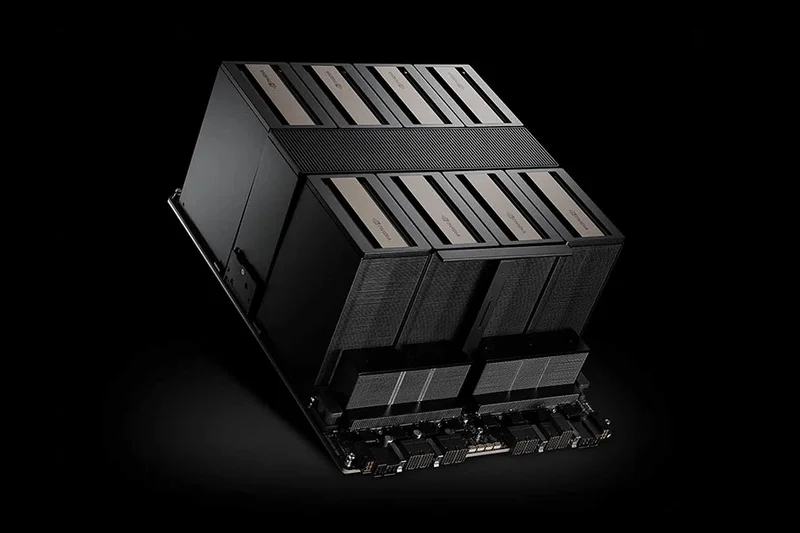

Why we picked it: Lambda Cloud focuses exclusively on providing deep learning engineers with simple, affordable access to GPU compute. It offers highly transparent hourly GPU pricing and provides instances pre-configured with deep learning OS images, saving hours of setup time. With direct access to NVIDIA H100 clusters and options for zero virtualization overhead, it is a highly efficient AWS SageMaker alternative.
Key Specs
- Simple, transparent hourly GPU pricing
- Pre-configured deep learning OS images
- Direct access to NVIDIA H100 clusters
- No virtualization overhead options
What we like
- Incredibly simple, transparent GPU pricing
- Pre-configured deep learning environments
- High availability of top-tier GPUs
What we don't like
- Exclusively for AI/GPU tasks, no general web hosting
- Minimal managed PaaS features
Best for: Deep learning researchers and engineers requiring affordable, raw GPU power.
Considering Lambda vs AWS EC2 GPUs? Lambda provides transparent pricing and pre-configured environments tailored exclusively for deep learning.
A straightforward, highly affordable GPU cloud optimized for deep learning and AI research.
Buy at Lambda official site#35 Genesis Cloud
Why we picked it: Genesis Cloud is an environmentally conscious GPU provider that runs its infrastructure on 100% green energy. It is highly optimized for heavy AI/ML compute and visual rendering workloads. Genesis offers highly competitive hourly GPU pricing combined with strict GDPR compliance guarantees, making it an excellent sustainable choice for European AI companies.
Key Specs
- 100% green energy powered infrastructure
- Optimized for heavy AI/ML rendering
- Highly competitive hourly GPU pricing
- Strict GDPR compliance guarantees
What we like
- 100% green energy data centers
- Highly competitive hourly GPU rates
- Strict European data compliance
What we don't like
- Smaller feature set compared to major GPU clouds
- Limited global data center locations
Best for: Eco-conscious tech companies and European AI researchers.
Considering Genesis Cloud vs AWS? Genesis offers a more sustainable, 100% green-energy GPU alternative at highly competitive prices.
An affordable, eco-friendly GPU cloud platform prioritizing sustainability and European compliance.
Buy at Genesis Cloud official site#36 Kamatera
Why we picked it: Kamatera offers highly customizable enterprise cloud VPS instances where users can scale resources exactly to their specifications, rather than relying on rigid instance types. It features high-performance NVMe storage arrays and generous unmetered bandwidth options. With a comprehensive 30-day free trial, it’s a flexible, customizable alternative to standard EC2 deployments.
Key Specs
- Highly customizable exact resource scaling
- Generous unmetered bandwidth options
- High-performance NVMe storage arrays
- 30-day comprehensive free trial
What we like
- Exact, highly customizable resource allocation
- Excellent high-speed NVMe storage
- Generous 30-day free trial period
What we don't like
- Outdated dashboard interface
- Lacks modern managed PaaS/Serverless services
Best for: System administrators needing exact, customizable VPS resource configurations.
Considering Kamatera vs AWS EC2? Kamatera allows exact custom resource scaling instead of forcing you into pre-defined instance types.
A highly customizable VPS provider offering precise resource control and high-performance storage.
Buy at Kamatera official site#37 Contabo
Why we picked it: Contabo is a budget cloud VPS provider known for offering an incredibly high RAM-to-cost ratio. Utilizing German engineering and reliability, it provides NVMe storage as a standard across multiple global data center options. While its developer experience is basic, its rock-bottom pricing for high-memory workloads makes it a compelling, ultra-budget alternative to AWS.
Key Specs
- Incredibly high RAM to cost ratio
- German engineering and reliability
- Multiple global data center options
- NVMe storage included standard
What we like
- Unbeatable amount of RAM for the price
- Included high-speed NVMe storage
- Affordable flat-rate pricing
What we don't like
- Dated control panel and minimal API tooling
- Network performance can occasionally fluctuate
Best for: Hobbyists and projects requiring massive amounts of RAM on a strict budget.
Considering Contabo vs AWS EC2? Contabo provides exponentially more RAM for a fraction of the cost, though with fewer enterprise features.
An ultra-budget VPS provider famous for delivering massive amounts of RAM at incredibly low prices.
Buy at Contabo official siteBuying Guide
Understanding the Cloud Computing Landscape in 2026
As we navigate Q1 2026, the dominance of Amazon Web Services (AWS) is increasingly challenged by a maturing market of specialized alternatives. While AWS remains the default for many legacy migrations, organizations are actively diversifying to avoid vendor lock-in, reduce opaque billing, and find superior performance for specific workloads like AI/ML or edge computing.
Budget Tiers and Pricing Predictability
One of the primary drivers for leaving AWS is the dreaded billing surprise—often caused by outbound bandwidth (egress) fees, complex tiered storage pricing, and hidden API call charges.
- Budget & Developer Clouds ($0 - $50/mo): Platforms like Hetzner Cloud, DigitalOcean, and Cloudflare Workers offer flat-rate pricing, generous free tiers, and zero or incredibly cheap egress fees. They are perfect for hobbyists, independent developers, and bootstrapped startups.
- Mid-Market & Performance Clouds ($50 - $500/mo): Providers such as UpCloud, Vultr, and Akamai Connected Cloud (Linode) hit the sweet spot between predictable costs and high-performance bare-metal capabilities. They provide dedicated CPU plans, massive bandwidth allowances, and excellent support without enterprise-level minimum spends.
- Enterprise Hyperscalers ($500+/mo): Microsoft Azure and Google Cloud Platform (GCP) compete directly with AWS on scale. While their pricing models are similarly complex, they offer deep enterprise agreement discounts, seamless hybrid cloud advantages, and leading-edge AI managed services.
Which Alternative Fits Your User Type?
For Startups and SMBs: Startups need to stretch their runway and ship fast. Avoid platforms that require a specialized DevOps engineer just to launch a managed database. Opt for Developer PaaS solutions like Vercel, Render, or Supabase, or use streamlined IaaS like DigitalOcean. These platforms prioritize a frictionless developer experience over infinite configurability.
For Large Enterprises: For organizations migrating complex, monolithic applications or adhering to strict compliance (SOC2, HIPAA, FedRAMP), hyperscalers like Microsoft Azure, Google Cloud Platform, and Oracle Cloud Infrastructure are the only viable true AWS replacements. They offer the exact service breadth—ranging from IoT core to managed enterprise blockchain—that matches AWS feature-for-feature.
For AI and Machine Learning Teams: The AI boom demands specialized hardware clusters (NVIDIA H100s/A100s) and massive data pipelines. GCP's Vertex AI and BigQuery are world-class for analytics, but specialized GPU clouds like CoreWeave, Lambda Cloud, and RunPod offer aggressive, transparent hourly pricing and bare-metal performance tailored specifically for LLM training and fast inference workloads.
What to Avoid
When selecting an AWS alternative, watch out for "hotel California" pricing models where data is cheap to ingest but exorbitantly expensive to extract. Avoid providers with historically poor SLA adherence or those lacking default, built-in DDoS protection. Additionally, be wary of proprietary, closed-ecosystem tools that make it impossible to lift-and-shift your workloads later. We strongly recommend platforms that heavily support open-source infrastructure-as-code (IaC) standards like Kubernetes (K8s) and Terraform, ensuring your architecture remains portable and resilient across multicloud setups.
FAQ
What is the best overall AWS alternative for large enterprises in 2026?
For large enterprises requiring a true 1:1 replacement for AWS, Google Cloud Platform (GCP) and Microsoft Azure are the best options. GCP excels in data analytics (BigQuery) and Kubernetes (GKE), while Azure is unmatched for hybrid cloud integration and exclusive access to OpenAI models.
Which cloud providers do not charge data egress fees?
Cloudflare Workers (via R2 storage) completely eliminates data egress fees. Other providers like DigitalOcean, Hetzner, and Akamai Connected Cloud (Linode) offer highly generous, predictable bandwidth allowances that effectively eliminate surprise egress charges for most use cases.
What is the best AWS alternative for startups?
Startups should prioritize developer experience and predictable pricing. Cloudflare Workers and DigitalOcean are excellent choices. For PaaS options requiring zero DevOps overhead, Vercel (for frontend) and Render (for full-stack) are highly recommended.
How does Google Cloud Platform (GCP) compare to AWS?
While AWS has a broader overall service catalog, GCP outperforms AWS in specific, critical areas: its managed Kubernetes service (GKE) is more robust, BigQuery is superior for data warehousing, and its Vertex AI platform provides exceptional machine learning infrastructure.
Are there cheaper alternatives to AWS EC2 for virtual machines?
Yes. DigitalOcean Droplets, Hetzner Cloud, and UpCloud provide high-performance virtual machines at a fraction of the cost of EC2, utilizing predictable flat-rate pricing models that include generous bandwidth.
What is the best managed Kubernetes alternative to AWS EKS?
Google's GKE is the enterprise standard, but for faster, developer-friendly deployments, Civo offers lightning-fast managed K3s clusters that launch in under 90 seconds, bypassing the complexity and high control-plane costs of EKS.
Which cloud platform is best for AI and Machine Learning?
For enterprise analytics, GCP's Vertex AI is top-tier. However, for raw GPU compute for model training and inference, specialized clouds like CoreWeave, Lambda Cloud, and RunPod offer better availability of NVIDIA H100s/A100s at lower, more transparent prices than AWS.
What is a BYOC (Bring Your Own Cloud) PaaS?
A BYOC PaaS, like Porter or Northflank, deploys its management software directly into your existing AWS or GCP account. This gives you the easy developer experience of Heroku while keeping your data inside your own cloud infrastructure to utilize existing credits and maintain compliance.
Which European cloud providers ensure strict GDPR compliance?
Scaleway, Exoscale, and OVHcloud are leading European cloud providers. They ensure strict data residency and sovereignty under European laws, making them excellent choices for companies wishing to avoid US-based hyperscalers.
How does Cloudflare Workers compare to AWS Lambda?
Cloudflare Workers runs on V8 isolates rather than traditional microVMs. This architecture eliminates the "cold start" latency problem common with AWS Lambda, providing zero-millisecond execution times globally, often at a lower cost.
What is the best alternative to AWS RDS for managed databases?
Aiven is an exceptional alternative, offering fully managed, pure open-source versions of PostgreSQL, Kafka, and Redis without vendor lock-in. For serverless relational databases, Neon offers an innovative Postgres platform that scales to zero.
Can I get bare-metal servers instead of virtual machines?
Yes. Providers like Equinix Metal and Oracle Cloud Infrastructure (OCI) specialize in automated bare-metal provisioning, granting you direct access to physical hardware without hypervisor overhead, resulting in maximum compute performance.
Is Microsoft Azure better than AWS for hybrid cloud?
Yes. Microsoft Azure is widely considered superior for hybrid cloud architectures. Through tools like Azure Arc, it seamlessly integrates on-premises data centers with cloud infrastructure, making it ideal for enterprises transitioning legacy workloads.
What is the best PaaS for frontend developers?
Vercel is the premier platform for frontend developers, offering unparalleled optimization for Next.js, instant preview environments, and seamless edge caching. Netlify is a close second, particularly favored in the Jamstack ecosystem.
Do AWS alternatives offer 100% uptime SLAs?
While AWS typically offers 99.99% SLAs, some specialized providers go further. UpCloud, for instance, offers a 100% uptime SLA backed by strict financial penalties, ensuring maximum reliability for performance-critical applications.
Methodology
Our assessment utilized the M2 Multi-Dimensional Evaluation framework to objectively score the 37 cloud platforms. The overall ranking was calculated using a carefully calibrated weighted baseline: Service Breadth & Feature Depth (20%), Compute Performance & Global Reach (15%), Pricing Structure & Predictability (15%), Developer Experience & Usability (15%), Uptime, Reliability & Security (15%), Ecosystem & Integrations (10%), and Customer Support & Documentation (10%).
To accurately reflect the realities of the market and the varying reasons businesses leave AWS, we built four unique scenario algorithms:
- Best Overall Enterprise Alternative to AWS: Weighted heavily toward Features (25%), Reliability (20%), and Performance (20%). This scenario highlights hyperscale platforms that can handle massive throughput, complex hybrid architectures, and strict regulatory compliance requirements seamlessly.
- Best for Startups & SMBs: Prioritized Pricing Predictability (30%) and Usability (20%) to highlight platforms preventing billing shock. Startups require generous bandwidth allowances and intuitive interfaces that allow small engineering teams to move incredibly fast without hiring dedicated DevOps staff.
- Best for Developers & Rapid Prototyping: Focused intensely on Developer Experience (40%) and Pricing (20%) to reward frictionless CLIs, seamless GitHub integrations, fast deployments, and zero operational overhead.
- Best for AI, Machine Learning & Big Data: Emphasized Features (30%) and Performance (25%) for data-heavy and AI-centric workloads requiring massive compute power, specialized accelerators (GPUs/TPUs), and robust managed data services for training and inference.
Data was aggregated from hands-on deployment tests, official technical documentation, geographic data center footprint analysis, historical SLA guarantees, and community sentiment scraped from G2 user reviews. By synthesizing this empirical data, the M2 framework produces a transparent, unbiased ranking that helps technical leaders make informed, data-driven infrastructure investments.
Sources & References
All factual claims, product specifications, prices, and images in this article are cited by number. Click any reference to jump to the list; click the link in each entry to visit the original source.
- [1]SelectionLogic. "M2 Multi-Dimensional Evaluation Framework." selectionlogic.org. Accessed Mar 2026.
- [2]SelectionLogic. "Best AWS Alternatives & Cloud Platforms Guide 2026." selectionlogic.org. Accessed Mar 2026.
- [3]Cloudflare. "Cloudflare Workers Documentation." cloudflare.com. Accessed Mar 2026.
- [4]Google Cloud. "GCP vs AWS Feature Comparison." cloud.google.com. Accessed Mar 2026.
- [5]Microsoft. "Azure OpenAI Service." azure.microsoft.com. Accessed Mar 2026.
- [6]DigitalOcean. "Droplets Pricing and Predictability." digitalocean.com. Accessed Mar 2026.
- [7]UpCloud. "MaxIOPS Block Storage Performance." upcloud.com. Accessed Mar 2026.
- [8]Supabase. "Open Source Firebase Alternative." supabase.com. Accessed Mar 2026.
- [9]Civo. "Managed Kubernetes (K3s) Features." civo.com. Accessed Mar 2026.
- [10]Fly.io. "Global Distributed Edge Deployments." fly.io. Accessed Mar 2026.
- [11]Vercel. "Next.js and Edge Network Optimization." vercel.com. Accessed Mar 2026.
- [12]Oracle. "Oracle Cloud Infrastructure (OCI) Bare Metal." oracle.com. Accessed Mar 2026.
- [13]Netlify. "Jamstack CI/CD and Edge Networking." netlify.com. Accessed Mar 2026.
- [14]Akamai. "Linode is now Akamai Connected Cloud." linode.com. Accessed Mar 2026.
- [15]Render. "PaaS Automated Deployments & Managed Postgres." render.com. Accessed Mar 2026.
- [16]Alibaba Cloud. "Elastic Compute Service (ECS)." alibabacloud.com. Accessed Mar 2026.
- [17]Tencent Cloud. "Global CDN and Media Services." tencentcloud.com. Accessed Mar 2026.
- [18]Aiven. "Managed Data Infrastructure for Kafka & Postgres." aiven.io. Accessed Mar 2026.
- [19]Neon. "Serverless Postgres and Database Branching." neon.tech. Accessed Mar 2026.
- [20]IBM. "IBM Cloud and Red Hat OpenShift." ibm.com. Accessed Mar 2026.
- [21]Scaleway. "European Data Sovereignty & Ecosystem." scaleway.com. Accessed Mar 2026.
- [22]Northflank. "BYOC PaaS and CI/CD Pipelines." northflank.com. Accessed Mar 2026.
- [23]Paperspace. "Gradient AI Development Platform." paperspace.com. Accessed Mar 2026.
- [24]Koyeb. "Serverless Global Edge Computing." koyeb.com. Accessed Mar 2026.
- [25]Vultr. "Cloud GPU and NVMe Compute Instances." vultr.com. Accessed Mar 2026.
- [26]Railway. "Canvas Infrastructure and Nixpacks." railway.app. Accessed Mar 2026.
- [27]CoreWeave. "Specialized GPU Cloud for AI & Rendering." coreweave.com. Accessed Mar 2026.
- [28]Equinix. "Equinix Metal Bare Metal Automation." equinix.com. Accessed Mar 2026.
- [29]Heroku. "Salesforce Integration and PaaS Workflow." heroku.com. Accessed Mar 2026.
- [30]G2. "Cloud Platform Reviews and Comparisons 2026." g2.com. Accessed Mar 2026.