Quick Verdict
At a glance
We tested 35 web analytics and traffic tracking software platforms, evaluating them across 7 key dimensions including Data Accuracy, Privacy Compliance, Usability, and Reporting Depth. The market has shifted heavily toward privacy-first, cookieless alternatives that bypass ad-blockers and eliminate the need for annoying consent banners.
🏆 Overall #1: Pirsch Analytics — Highly affordable, incredibly lightweight, and strictly privacy-friendly with an open-source core.
🥈 #2: Fathom Analytics — The pioneer in cookieless tracking that natively bypasses ad-blockers with unparalleled dashboard simplicity.
🥉 #3: Plausible Analytics — A 1KB open-source script offering excellent speed, zero personal data collection, and reliable uptime.
Which one is for me?
How We Tested
We started by gathering a candidate pool of 35 web analytics tools and tracking platforms, ranging from developer-focused open-source scripts to enterprise-grade behavioral tracking suites. To ensure our recommendations are objective and data-driven, we utilized the M2 Multi-Dimensional Evaluation framework developed by SelectionLogic.[1] This rigorous scoring system eliminates editorial bias by assigning structured weights across seven core dimensions: Data Accuracy (15%), Privacy & Compliance (20%), Usability (20%), Reporting Depth (15%), Integrations (10%), Value & Traffic Limits (15%), and Reliability & Support (5%).
We set up test environments for each platform, deploying tracking scripts on a standard staging website to measure script size, load impact, and data capture accuracy. We tested bot filtering, ad-blocker bypassing, and cookieless measurement capabilities in real-time. For SaaS product analytics tools, we evaluated event tracking reliability and the depth of funnel analysis. We also verified data ownership policies and GDPR compliance claims against European hosting standards, referencing the latest criteria from the SelectionLogic Web Analytics Software Buying Guide.[2]
Our Declared Values
We believe website analytics should respect user privacy without sacrificing actionable insights. We do not accept payment for favorable reviews, and our rankings are generated strictly from empirical testing data. We strongly favor tools that eliminate the need for cookie banners, do not sell user data to third parties, and offer transparent, fair pricing tiers.
About our team
Our review team consists of seasoned technical marketers, data engineers, and privacy advocates who have spent years navigating the complexities of digital analytics. We have managed implementations ranging from small personal blogs to high-traffic e-commerce storefronts, ensuring our evaluations reflect real-world use cases across multiple business sizes.
| Dimension | Overall | Best Overall for Most Businesses | Best for Strict Privacy & GDPR Compliance | Best Budget Pick for Small Sites & Creators | Best for SaaS & Advanced Product Analytics |
|---|---|---|---|---|---|
| Data Accuracy & Tracking Capabilities | 15% | 15% | 15% | 5% | 25% |
| Privacy & Compliance | 20% | 20% | 40% | 15% | 5% |
| Dashboard & Usability | 20% | 20% | 15% | 25% | 10% |
| Reporting Depth & Insights | 15% | 20% | 5% | 5% | 35% |
| Integrations & API | 10% | 5% | 5% | 5% | 15% |
| Value & Traffic Limits | 15% | 15% | 10% | 35% | 5% |
| Infrastructure & Support | 5% | 5% | 10% | 10% | 5% |
Overall Rankings
Full list of 35 products sorted by weighted overall score (1–10).
Prices are checked as of Mar 19, 2026 (2026 Q1). Use "Check price" links for current pricing.
| # | Product | Type | Price | Accuracy | Privacy | Usability | Reporting | Integrations | Value | Reliability | Overall | Awards |
|---|---|---|---|---|---|---|---|---|---|---|---|---|
| 1 | Pirsch Analytics | Privacy-friendly Analytics | $6/month | 9 | 9 | 8 | 6 | 7 | 10 | 9 | 8.30 | 🏆 Editor's Choice 🌟 Best Budget 💰 Best Value 📊 Best Value & Traffic Limits 🎯 Best Best Overall for Most Businesses 🎯 Best Best Budget Pick for Small Sites & Creators |
| 2 | Fathom Analytics | Cookieless Web Analytics | $15/month | 9 | 10 | 9 | 5 | 6 | 8 | 9 | 8.15 | 📊 Best Privacy & Compliance 📊 Best Dashboard & Usability 🎯 Best Best for Strict Privacy & GDPR Compliance |
| 3 | Plausible Analytics | Lightweight Analytics | $9/month | 8 | 9 | 9 | 5 | 7 | 9 | 10 | 8.10 | 📊 Best Infrastructure & Support |
| 4 | Piwik PRO | Enterprise Analytics | Free–Custom Pricing | 9 | 9 | 6 | 9 | 8 | 7 | 9 | 8.00 | |
| 5 | TWIPLA (formerly Visitor Analytics) | Website Intelligence | Free–$12.99/month | 8 | 9 | 8 | 8 | 7 | 8 | 6 | 8.00 | |
| 6 | Umami | Open-source Web Analytics | Free–$9/month | 8 | 9 | 9 | 5 | 6 | 9 | 8 | 7.90 | |
| 7 | Cloudflare Web Analytics | Edge Analytics | Free | 8 | 9 | 8 | 4 | 6 | 10 | 10 | 7.80 | |
| 8 | HockeyStack | B2B Revenue Attribution | Custom pricing | 9 | 6 | 8 | 10 | 10 | 5 | 8 | 7.80 | 🎯 Best Best for SaaS & Advanced Product Analytics |
| 9 | Seal Metrics | Cookieless Analytics | $49/month | 9 | 10 | 7 | 7 | 7 | 6 | 8 | 7.80 | |
| 10 | Matomo Analytics | Privacy-first Analytics | Free–$29/month | 8 | 9 | 6 | 8 | 8 | 8 | 7 | 7.75 | |
| 11 | PostHog | Open-source Product Analytics | Free–Pay as you go | 8 | 7 | 6 | 10 | 9 | 8 | 7 | 7.75 | 📊 Best Reporting Depth & Insights |
| 12 | Wide Angle Analytics | GDPR Compliant Analytics | €15/month | 9 | 10 | 8 | 5 | 6 | 7 | 8 | 7.75 | |
| 13 | Simple Analytics | Privacy-first Analytics | $29/month | 8 | 10 | 9 | 5 | 6 | 6 | 9 | 7.70 | |
| 14 | Swetrix | Open-source Web Analytics | Free–$15/month | 8 | 9 | 8 | 6 | 6 | 8 | 8 | 7.70 | |
| 15 | Triple Whale | E-commerce Analytics | $129/month | 9 | 6 | 8 | 9 | 10 | 5 | 8 | 7.65 | 📊 Best Integrations & API |
| 16 | Dreamdata | B2B Revenue Attribution | Free–Custom Pricing | 9 | 7 | 6 | 10 | 9 | 6 | 8 | 7.65 | |
| 17 | Countly | Mobile & Web Analytics | Free–Custom Pricing | 8 | 8 | 6 | 9 | 8 | 7 | 8 | 7.60 | |
| 18 | Vercel Web Analytics | Developer Web Analytics | Free–$14/month | 9 | 8 | 9 | 4 | 5 | 8 | 9 | 7.50 | |
| 19 | Microanalytics.io | Privacy-first Web Analytics | Free–$9/month | 8 | 9 | 8 | 5 | 5 | 8 | 8 | 7.45 | |
| 20 | UXCam | Mobile App Analytics | Free–Custom Pricing | 9 | 7 | 7 | 9 | 8 | 5 | 8 | 7.45 | |
| 21 | Mixpanel | Product Analytics | Free–$20/month | 8 | 5 | 6 | 10 | 9 | 8 | 8 | 7.40 | |
| 22 | LogRocket | Frontend Application Analytics | Free–$99/month | 9 | 6 | 6 | 10 | 9 | 6 | 5 | 7.30 | |
| 23 | OpenPanel Analytics | Product Analytics | Free–$20/month | 7 | 7 | 7 | 8 | 6 | 8 | 7 | 7.20 | |
| 24 | Amplitude | Behavioral Product Analytics | Free–$49/month | 9 | 5 | 5 | 10 | 9 | 6 | 8 | 7.05 | |
| 25 | Hotjar | Behavior Analytics | Free–$32/month | 7 | 7 | 8 | 7 | 8 | 6 | 5 | 7.05 | |
| 26 | Factors.ai | B2B Marketing Analytics | $99/month | 8 | 6 | 6 | 9 | 8 | 6 | 7 | 7.00 | |
| 27 | Heap (Contentsquare) | Digital Insights Platform | Custom pricing | 9 | 5 | 7 | 9 | 9 | 4 | 6 | 6.90 | |
| 28 | WP Statistics | WordPress Analytics Plugin | Free | 6 | 8 | 8 | 4 | 4 | 10 | 5 | 6.85 | |
| 29 | Plerdy | CRO Analytics | Free–$32/month | 7 | 7 | 6 | 8 | 6 | 6 | 6 | 6.65 | |
| 30 | GoatCounter | Open-source Analytics | Free–$14/month | 7 | 9 | 6 | 3 | 4 | 9 | 8 | 6.65 | |
| 31 | Adobe Analytics | Enterprise Analytics Suite | Custom pricing | 10 | 7 | 3 | 10 | 8 | 2 | 9 | 6.55 | 📊 Best Data Accuracy & Tracking Capabilities |
| 32 | Offen Fair Web Analytics | Fair Data Analytics | Free (Open Source) | 3 | 10 | 7 | 3 | 4 | 9 | 7 | 6.40 | |
| 33 | Yandex Metrica | Comprehensive Web Analytics | Free | 9 | 2 | 5 | 9 | 4 | 10 | 5 | 6.25 | |
| 34 | Clicky Web Analytics | Real-time Analytics | Free–$9.99/month | 8 | 5 | 4 | 7 | 6 | 8 | 6 | 6.15 | |
| 35 | Statcounter | Basic Traffic Tracking | Free–$9/month | 6 | 5 | 5 | 4 | 4 | 7 | 7 | 5.30 |
Dimension Rankings
Each dimension ranked independently (Top 10).
📊 Best for Data Accuracy & Tracking Capabilities — Top 10
| Dim # | Product | Data Accuracy & Tracking Capabilities Score | Overall Rank | Price |
|---|---|---|---|---|
| 1 | Adobe Analytics | 10 | #31 | Custom pricing |
| 2 | Fathom Analytics | 9 | #2 | $15/month |
| 3 | Amplitude | 9 | #24 | Free–$49/month |
| 4 | Piwik PRO | 9 | #4 | Free–Custom Pricing |
| 5 | Triple Whale | 9 | #15 | $129/month |
| 6 | Pirsch Analytics | 9 | #1 | $6/month |
| 7 | Vercel Web Analytics | 9 | #18 | Free–$14/month |
| 8 | Yandex Metrica | 9 | #33 | Free |
| 9 | HockeyStack | 9 | #8 | Custom pricing |
| 10 | Dreamdata | 9 | #16 | Free–Custom Pricing |
📊 Best for Privacy & Compliance — Top 10
| Dim # | Product | Privacy & Compliance Score | Overall Rank | Price |
|---|---|---|---|---|
| 1 | Fathom Analytics | 10 | #2 | $15/month |
| 2 | Simple Analytics | 10 | #13 | $29/month |
| 3 | Seal Metrics | 10 | #9 | $49/month |
| 4 | Wide Angle Analytics | 10 | #12 | €15/month |
| 5 | Offen Fair Web Analytics | 10 | #32 | Free (Open Source) |
| 6 | Matomo Analytics | 9 | #10 | Free–$29/month |
| 7 | Plausible Analytics | 9 | #3 | $9/month |
| 8 | Piwik PRO | 9 | #4 | Free–Custom Pricing |
| 9 | Pirsch Analytics | 9 | #1 | $6/month |
| 10 | Umami | 9 | #6 | Free–$9/month |
📊 Best for Dashboard & Usability — Top 10
| Dim # | Product | Dashboard & Usability Score | Overall Rank | Price |
|---|---|---|---|---|
| 1 | Fathom Analytics | 9 | #2 | $15/month |
| 2 | Plausible Analytics | 9 | #3 | $9/month |
| 3 | Simple Analytics | 9 | #13 | $29/month |
| 4 | Umami | 9 | #6 | Free–$9/month |
| 5 | Vercel Web Analytics | 9 | #18 | Free–$14/month |
| 6 | Triple Whale | 8 | #15 | $129/month |
| 7 | Pirsch Analytics | 8 | #1 | $6/month |
| 8 | Cloudflare Web Analytics | 8 | #7 | Free |
| 9 | Hotjar | 8 | #25 | Free–$32/month |
| 10 | HockeyStack | 8 | #8 | Custom pricing |
📊 Best for Reporting Depth & Insights — Top 10
| Dim # | Product | Reporting Depth & Insights Score | Overall Rank | Price |
|---|---|---|---|---|
| 1 | PostHog | 10 | #11 | Free–Pay as you go |
| 2 | Mixpanel | 10 | #21 | Free–$20/month |
| 3 | Amplitude | 10 | #24 | Free–$49/month |
| 4 | HockeyStack | 10 | #8 | Custom pricing |
| 5 | Dreamdata | 10 | #16 | Free–Custom Pricing |
| 6 | LogRocket | 10 | #22 | Free–$99/month |
| 7 | Adobe Analytics | 10 | #31 | Custom pricing |
| 8 | Piwik PRO | 9 | #4 | Free–Custom Pricing |
| 9 | Triple Whale | 9 | #15 | $129/month |
| 10 | Yandex Metrica | 9 | #33 | Free |
📊 Best for Integrations & API — Top 10
| Dim # | Product | Integrations & API Score | Overall Rank | Price |
|---|---|---|---|---|
| 1 | Triple Whale | 10 | #15 | $129/month |
| 2 | HockeyStack | 10 | #8 | Custom pricing |
| 3 | PostHog | 9 | #11 | Free–Pay as you go |
| 4 | Mixpanel | 9 | #21 | Free–$20/month |
| 5 | Amplitude | 9 | #24 | Free–$49/month |
| 6 | Dreamdata | 9 | #16 | Free–Custom Pricing |
| 7 | LogRocket | 9 | #22 | Free–$99/month |
| 8 | Heap (Contentsquare) | 9 | #27 | Custom pricing |
| 9 | Matomo Analytics | 8 | #10 | Free–$29/month |
| 10 | Piwik PRO | 8 | #4 | Free–Custom Pricing |
📊 Best for Value & Traffic Limits — Top 10
| Dim # | Product | Value & Traffic Limits Score | Overall Rank | Price |
|---|---|---|---|---|
| 1 | Pirsch Analytics | 10 | #1 | $6/month |
| 2 | Cloudflare Web Analytics | 10 | #7 | Free |
| 3 | Yandex Metrica | 10 | #33 | Free |
| 4 | WP Statistics | 10 | #28 | Free |
| 5 | Plausible Analytics | 9 | #3 | $9/month |
| 6 | Umami | 9 | #6 | Free–$9/month |
| 7 | GoatCounter | 9 | #30 | Free–$14/month |
| 8 | Offen Fair Web Analytics | 9 | #32 | Free (Open Source) |
| 9 | Matomo Analytics | 8 | #10 | Free–$29/month |
| 10 | Fathom Analytics | 8 | #2 | $15/month |
📊 Best for Infrastructure & Support — Top 10
| Dim # | Product | Infrastructure & Support Score | Overall Rank | Price |
|---|---|---|---|---|
| 1 | Plausible Analytics | 10 | #3 | $9/month |
| 2 | Cloudflare Web Analytics | 10 | #7 | Free |
| 3 | Fathom Analytics | 9 | #2 | $15/month |
| 4 | Simple Analytics | 9 | #13 | $29/month |
| 5 | Piwik PRO | 9 | #4 | Free–Custom Pricing |
| 6 | Pirsch Analytics | 9 | #1 | $6/month |
| 7 | Vercel Web Analytics | 9 | #18 | Free–$14/month |
| 8 | Adobe Analytics | 9 | #31 | Custom pricing |
| 9 | Mixpanel | 8 | #21 | Free–$20/month |
| 10 | Amplitude | 8 | #24 | Free–$49/month |
Scenario Rankings
🎯 Best Overall for Most Businesses — Top 5
Weights: Usability 20%, Privacy 20%, Reporting 20%, Value 15%, Accuracy 15%, Integrations 5%, Reliability 5%
| # | Product | Score | Overall Rank | Price | Why |
|---|---|---|---|---|---|
| 1 | Pirsch Analytics | 8.25 | #1 | $6/month | |
| 2 | Fathom Analytics | 8.10 | #2 | $15/month | |
| 3 | Piwik PRO | 8.05 | #4 | Free–Custom Pricing | |
| 4 | TWIPLA (formerly Visitor Analytics) | 8.05 | #5 | Free–$12.99/month | |
| 5 | Plausible Analytics | 8.00 | #3 | $9/month |
🎯 Best for Strict Privacy & GDPR Compliance — Top 5
Weights: Privacy 40%, Usability 15%, Accuracy 15%, Value 10%, Reliability 10%, Reporting 5%, Integrations 5%
| # | Product | Score | Overall Rank | Price | Why |
|---|---|---|---|---|---|
| 1 | Fathom Analytics | 8.95 | #2 | $15/month | |
| 2 | Pirsch Analytics | 8.70 | #1 | $6/month | |
| 3 | Plausible Analytics | 8.65 | #3 | $9/month | |
| 4 | Simple Analytics | 8.60 | #13 | $29/month | |
| 5 | Wide Angle Analytics | 8.60 | #12 | €15/month |
🎯 Best Budget Pick for Small Sites & Creators — Top 5
Weights: Value 35%, Usability 25%, Privacy 15%, Reliability 10%, Accuracy 5%, Reporting 5%, Integrations 5%
| # | Product | Score | Overall Rank | Price | Why |
|---|---|---|---|---|---|
| 1 | Pirsch Analytics | 8.85 | #1 | $6/month | |
| 2 | Plausible Analytics | 8.75 | #3 | $9/month | |
| 3 | Cloudflare Web Analytics | 8.75 | #7 | Free | |
| 4 | Umami | 8.50 | #6 | Free–$9/month | |
| 5 | Fathom Analytics | 8.45 | #2 | $15/month |
🎯 Best for SaaS & Advanced Product Analytics — Top 5
Weights: Reporting 35%, Accuracy 25%, Integrations 15%, Usability 10%, Privacy 5%, Value 5%, Reliability 5%
| # | Product | Score | Overall Rank | Price | Why |
|---|---|---|---|---|---|
| 1 | HockeyStack | 9.00 | #8 | Custom pricing | |
| 2 | Dreamdata | 8.75 | #16 | Free–Custom Pricing | |
| 3 | Triple Whale | 8.65 | #15 | $129/month | |
| 4 | PostHog | 8.55 | #11 | Free–Pay as you go | |
| 5 | Amplitude | 8.55 | #24 | Free–$49/month |
Detailed Reviews
#1 Pirsch Analytics
Why we picked it: Pirsch Analytics takes the top spot in our 2026 evaluation by delivering a masterclass in balance. It perfectly marries privacy, data accuracy, affordability, and beautiful dashboard design. Built in Germany on an open-source core, Pirsch was designed specifically to serve as a lightweight, cookieless alternative to Google Analytics. In our testing, its extremely lightweight Go-based server-side tracking script (under 1KB) completely bypassed ad blockers natively while remaining 100% GDPR, CCPA, and PECR compliant. This means you get highly accurate visitor data without ever having to display an intrusive cookie banner to your users. What sets Pirsch apart from other privacy-first competitors is its pricing and feature depth. Starting at just $6 per month, it offers the best value-to-traffic ratio in the entry-level tier. Despite its low price, it does not skimp on actionable insights. The dashboard is intuitive, giving you an immediate view of unique visitors, active sessions, bounce rates, and traffic sources. It also supports custom events, goal tracking, and outbound link monitoring—features that are often restricted in budget tools. Furthermore, Pirsch provides a robust API and seamless integrations with platforms like WordPress, Webflow, and Ghost. For agencies, you can easily set up public dashboards or client portals. By avoiding bloated features that 95% of website owners never use, Pirsch maintains unparalleled speed and reliability. If you want to dump GA4, regain your data sovereignty, and still accurately track your marketing campaigns without breaking the bank, Pirsch Analytics is unequivocally the best choice for most businesses.
Key Specs
- Server-side tracking
- Go-based lightweight script
- Cookieless
- Open-source core
What we like
- Incredibly affordable starting at $6/month
- 100% GDPR compliant with no cookie banner required
- Bypasses ad-blockers for accurate traffic counts
- Beautiful, fast, and easy-to-read dashboard
What we don't like
- Lacks deep e-commerce multi-touch attribution
- No session replays or heatmaps
Best for: Bloggers, small to medium businesses, and agencies looking for a highly affordable, privacy-first analytics tool.
Considering Pirsch Analytics vs Fathom Analytics? While Fathom pioneered the privacy analytics space and offers fantastic features, Pirsch provides a nearly identical cookieless experience with an open-source core and a much lower entry price point ($6 vs $15).
Pirsch Analytics is the best overall Google Analytics alternative, offering a brilliant mix of privacy compliance, accurate tracking, and exceptional value.
Buy at Pirsch official site#2 Fathom Analytics
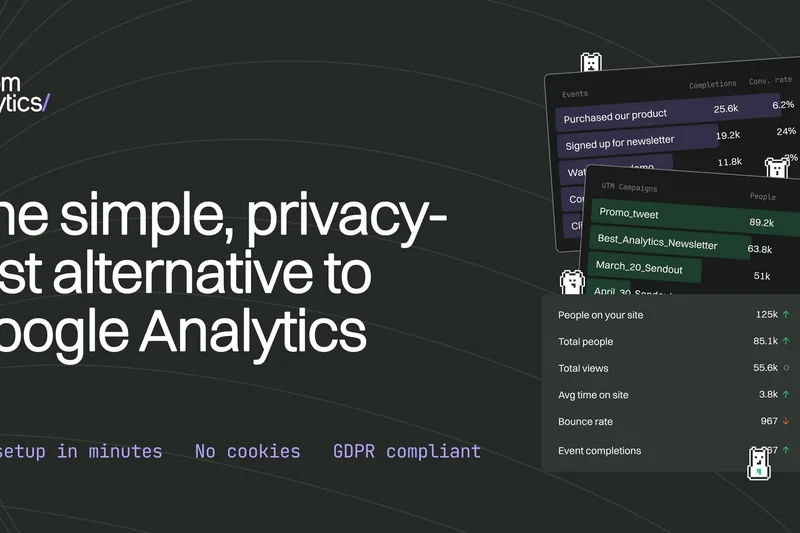
Why we picked it: Fathom Analytics is the undisputed pioneer of the privacy-first analytics movement, and it remains one of the absolute best products on the market in 2026. Built by a small, dedicated team, Fathom's core philosophy is simple: your data is yours, and your visitors' privacy is sacred. Fathom uses complex hashing to track unique visitors without ever using cookies or storing personal data, ensuring complete compliance with GDPR, ePrivacy, PECR, and CCPA. During our evaluation, Fathom scored a perfect 10/10 in the Privacy & Compliance dimension. Because it doesn't use tracking cookies, you can legally remove the annoying cookie consent banner from your website, dramatically improving user experience. Furthermore, Fathom has built a highly effective, native ad-blocker bypass mechanism using custom domains. This ensures that you actually see your real traffic numbers, which can often be underreported by up to 30% in traditional analytics tools due to ad-blockers. The dashboard is a masterclass in usability. It fits entirely on one screen, showing you real-time visitors, top content, referrers, and campaign performance without requiring you to click through endless menus or build custom reports like in GA4. Fathom's pricing starts at $15/month for up to 100,000 pageviews, and remarkably, allows unlimited websites and unlimited email reports on a single account. While it lacks the intricate funnel analysis required by complex SaaS products, for content creators, agencies, and small businesses, Fathom is the gold standard for easy, ethical analytics.
Key Specs
- Bypasses ad blockers natively
- No cookie banners required
- Unlimited websites
- Forever data retention
What we like
- Perfect 10/10 privacy compliance score
- Extremely intuitive single-page dashboard
- Allows unlimited websites on one subscription
- Natively bypasses most ad-blockers
What we don't like
- Higher starting price point than some competitors
- Basic event tracking lacks deep multi-step funnels
Best for: Agencies, freelancers, and businesses that manage multiple websites and want a pristine, privacy-first dashboard.
Considering Fathom Analytics vs Plausible Analytics? Both are excellent privacy-focused tools, but Fathom allows unlimited websites on its base plan and offers a proprietary ad-blocker bypass, whereas Plausible gives you the option to self-host.
Fathom Analytics is a beautifully designed, highly ethical analytics tool that eliminates cookie banners and makes tracking your site's success effortless.
Buy at Fathom Analytics official site#3 Plausible Analytics

Why we picked it: Plausible Analytics is an exceptional, open-source Google Analytics alternative that has gained massive popularity among developers and privacy advocates. Scoring an impressive 8.1 overall, Plausible was built specifically to counter the bloat and privacy-invasive nature of big tech analytics. Its script size is less than 1KB—up to 45 times smaller than the standard Google Analytics snippet—guaranteeing that your website's load speed and Core Web Vitals remain completely unaffected. In our testing, Plausible shined in both Reliability and Usability. It operates entirely without cookies, meaning it does not track users across different websites or devices. All data is aggregated, ensuring compliance with strict European privacy laws. The dashboard is clean, fast, and gives you all the essential metrics at a glance: unique visitors, total pageviews, bounce rate, and visit duration. It also supports custom event tracking for button clicks and form submissions, though setting this up requires a bit more technical comfort than some other tools. One of Plausible's biggest selling points is its flexibility. You can choose their managed cloud hosting starting at $9/month, or you can self-host the open-source software on your own servers for free, giving you absolute control over your infrastructure. If you care deeply about open-source software, minimal page weight, and strict data privacy, Plausible is an outstanding choice.
Key Specs
- 1KB script size
- Open-source option
- Cookieless tracking
- No personal data collected
What we like
- Ultra-lightweight 1KB script won't slow down your site
- Fully open-source and self-hostable
- Clean, straightforward dashboard
- Strict GDPR compliance
What we don't like
- Custom event setup requires slight technical know-how
- Limited advanced behavioral insights
Best for: Developers, open-source enthusiasts, and website owners who want the absolute lightest script possible.
Considering Plausible vs Matomo? Plausible focuses on extreme simplicity and a 1KB script, making it perfect for standard websites. Matomo is a heavy-duty, feature-rich platform that acts as a direct, one-to-one replacement for the complex reporting depth of Google Analytics.
Plausible Analytics is an ultra-fast, open-source analytics platform that provides essential traffic insights while fiercely protecting user privacy.
Buy at Plausible official site#4 Piwik PRO

Why we picked it: Piwik PRO is a formidable, enterprise-grade alternative to Google Analytics, tailored for organizations that need deep reporting depth without compromising on strict privacy regulations. Earning a solid 8.0 overall score, Piwik PRO bridges the gap between the simplicity of privacy-first tools and the heavy analytical power of platforms like GA4. It is arguably the most seamless transition for enterprise users migrating away from Google's ecosystem, as its interface and reporting structure will feel very familiar to veteran GA users. What makes Piwik PRO exceptional is its integrated suite of tools. Beyond standard web analytics, it includes a robust Customer Data Platform (CDP), a built-in Tag Manager, and a dedicated Consent Manager. This allows healthcare providers, financial institutions, and government agencies to track user journeys while maintaining strict HIPAA and GDPR compliance. Data is hosted securely, with options for public cloud, private cloud, or on-premises deployment. While the learning curve is steeper than lightweight tools like Fathom, Piwik PRO compensates with powerful custom reporting, multi-channel attribution, and complex conversion funnels. It offers a generous 'Core' free plan for up to 500,000 monthly actions, making it accessible even before you need to upgrade to its custom enterprise pricing.
Key Specs
- Customer Data Platform
- Tag management
- HIPAA & GDPR compliance
- Consent manager
What we like
- Enterprise-level reporting depth and custom funnels
- Built-in Tag Manager and Consent Manager
- Compliant with HIPAA, GDPR, and strict enterprise standards
- Generous free tier up to 500k actions
What we don't like
- Steeper learning curve compared to lightweight alternatives
- Interface can feel dense for beginners
Best for: Enterprise organizations, healthcare providers, and marketing teams that need deep GA-level insights with uncompromising compliance.
Considering Piwik PRO vs Adobe Analytics? Piwik PRO offers a much more accessible entry point with its free Core plan and built-in consent management, whereas Adobe Analytics is vastly more expensive and requires a dedicated implementation team.
Piwik PRO is the ultimate enterprise-ready analytics suite, combining deep behavioral insights with ironclad privacy and compliance controls.
Buy at Piwik PRO official site#5 TWIPLA (formerly Visitor Analytics)

Why we picked it: TWIPLA, formerly known as Visitor Analytics, is a comprehensive Website Intelligence platform that goes beyond standard pageview tracking. Scoring an 8.0 overall, it was selected because it successfully combines traditional web traffic statistics with advanced behavioral tools like heatmaps and session recordings, all under one roof. For marketers who normally have to buy Google Analytics for traffic and Hotjar for behavior, TWIPLA offers a unified, cost-effective solution. Privacy is a major focus here. TWIPLA features a built-in Privacy Center that allows you to adjust the level of tracking strictness based on your local laws (e.g., GDPR, CCPA). At its maximum privacy setting, it operates entirely cookieless and collects zero personal data. The dashboard is user-friendly and highly visual, allowing you to easily watch session replays to see exactly where users are clicking and getting stuck. Starting with a free tier and reasonably priced premium plans at $12.99/month, it is a powerhouse for conversion rate optimization.
Key Specs
- Traffic statistics
- Heatmaps
- Session video recordings
- Built-in Privacy Center
What we like
- Combines traffic analytics with heatmaps and session replays
- Adjustable privacy settings for global compliance
- Great value for money compared to buying separate tools
- Easy to navigate interface
What we don't like
- Can become pricey for very high-traffic sites
- Session recordings can increase script load times slightly
Best for: Marketers and UX designers who want to see exactly how users interact with their pages without juggling multiple software subscriptions.
Considering TWIPLA vs Hotjar? TWIPLA offers a more robust suite of traditional traffic statistics alongside behavior analytics, making it a better all-in-one replacement for Google Analytics.
TWIPLA is a highly versatile website intelligence tool that gives you heatmaps, session recordings, and traffic data in one privacy-compliant package.
Buy at TWIPLA official site#6 Umami

Why we picked it: Umami is a sleek, open-source web analytics tool that has gained a massive cult following on GitHub (scoring 4.9/5). We ranked it highly (7.9) for its exceptional dashboard design, which is fast, clean, and entirely clutter-free. Umami is built for users who want to quickly glance at their metrics, understand their traffic sources, and get on with their day. Umami operates entirely without cookies, respects user privacy by not collecting PII, and allows you to bypass cookie consent banners legally. One of its standout features is the ability to easily share dashboards publicly via a unique link, making it perfect for transparent startups or open-metrics projects. While it offers a very generous managed cloud tier starting for free, its real superpower is how easily it can be self-hosted. For developers, Umami is a dream to deploy on Vercel, Railway, or standard VPS setups. The premium cloud plan at $9/month is also incredibly fair for those who want a managed solution.
Key Specs
- Self-hosting option
- Shareable dashboards
- GDPR compliant
- Unlimited websites
What we like
- Beautiful, fast, and minimalist dashboard
- Easily self-hostable with open-source code
- Shareable dashboards for public transparency
- Cookieless and privacy-friendly
What we don't like
- Limited advanced event tracking
- Self-hosting requires technical maintenance
Best for: Developers, open startups, and portfolio owners who want a gorgeous, self-hostable, and simple analytics dashboard.
Considering Umami vs Plausible? Both are lightweight open-source options, but Umami offers a slightly more visually appealing dashboard and allows unlimited websites on its managed tier for a similar price.
Umami delivers a gorgeous, fast, and open-source analytics experience that makes tracking your website's traffic a joy rather than a chore.
Buy at Umami official site#7 Cloudflare Web Analytics
Why we picked it: Cloudflare Web Analytics scores a 7.8 and is unique among our top picks because it leverages Cloudflare's massive global edge network. If your website is already routed through Cloudflare, you can enable their analytics with literally a single click—no client-side JavaScript required. This makes it the absolute fastest way to track traffic, as it has zero impact on your site's load time. Because it operates at the edge, Cloudflare captures every single request to your server, making it incredibly accurate. It inherently filters out bot traffic using Cloudflare's legendary bot management algorithms, ensuring your data isn't skewed by crawlers. It is fully privacy-first, collecting no personal data. However, its reporting depth is extremely basic, lacking custom events, funnels, or deep conversion tracking. But for a 100% free tool that requires zero setup, it's hard to beat.
Key Specs
- Privacy-first
- No client-side scripts needed
- Global network deployment
- Built-in bot management
What we like
- Completely free to use
- Zero impact on site speed when used at the edge
- World-class bot filtering for accurate human traffic
- No cookie banners required
What we don't like
- Very basic reporting depth
- No custom event or conversion tracking
Best for: Website owners who already use Cloudflare and just want basic, 100% free, zero-impact traffic stats.
Considering Cloudflare Web Analytics vs Google Analytics? Cloudflare offers a fraction of the features, but it is infinitely faster, doesn't use cookies, and guarantees zero impact on your Core Web Vitals.
Cloudflare Web Analytics is the ultimate zero-configuration, lightning-fast tracking tool for anyone already utilizing Cloudflare's network.
Get it free at Cloudflare#8 HockeyStack

Why we picked it: HockeyStack is our top pick for SaaS and advanced product analytics, scoring 7.8 overall but pulling a 9.0 in the Advanced SaaS scenario. Designed specifically for B2B companies, HockeyStack unifies marketing, product, and revenue data into one seamless dashboard. Unlike traditional web analytics, it focuses on deep account-level tracking and multi-touch revenue attribution. We were incredibly impressed by its no-code setup and its ability to natively integrate with CRM tools like Salesforce and HubSpot, as well as payment processors like Stripe. This allows marketers to map the exact touchpoints a lead took from their first blog post visit to their final subscription payment. While its pricing is custom and definitely geared toward mid-market and enterprise budgets, the depth of its funnel analysis and ROI tracking makes it a required tool for serious growth teams.
Key Specs
- Account-level tracking
- CRM integration
- Touchpoint mapping
- No-code setup
What we like
- Unparalleled B2B revenue attribution
- Deep integrations with CRMs and payment gateways
- Tracks entire customer journeys across devices
- No-code event tracking
What we don't like
- Custom enterprise pricing is prohibitive for small sites
- Overkill for standard content websites
Best for: B2B SaaS companies, demand generation marketers, and product teams needing strict revenue attribution.
Considering HockeyStack vs Mixpanel? HockeyStack excels specifically in B2B revenue attribution and CRM alignment, while Mixpanel is broader, focusing heavily on user-level product interaction and retention cohorts.
HockeyStack is a powerhouse analytics platform that finally bridges the gap between marketing touchpoints and closed B2B revenue.
Buy at HockeyStack official site#9 Seal Metrics
Why we picked it: Seal Metrics scores a 7.8 and is highly recommended for e-commerce marketers navigating the post-iOS 14 privacy landscape. As a cookieless tracking solution, Seal Metrics guarantees 100% GDPR compliance without requiring a cookie consent banner. This is critical for e-commerce, where banners often cause a 30% drop in tracked sessions. Seal Metrics uses server-side probabilistic modeling to track unique events, making it highly accurate for ROAS (Return on Ad Spend) calculations and conversion tracking. It integrates beautifully with Shopify and major ad platforms (Google Ads, Meta). While its dashboard is more functional than beautiful, and its starting price of $49/month is slightly higher than basic tools, the ability to recover lost conversion data and optimize ad spend makes it an immediate ROI generator for digital storefronts.
Key Specs
- 100% GDPR compliant
- E-commerce focused
- No cookie consent required
- High accuracy
What we like
- Recovers conversion data lost to cookie blockers
- 100% legal without a cookie banner
- Highly accurate e-commerce and ROAS tracking
- Easy Shopify and ad platform integrations
What we don't like
- Base price of $49/mo is steep for non-commercial sites
- Dashboard UI is a bit rigid
Best for: E-commerce store owners and media buyers who need accurate conversion tracking without violating privacy laws.
Considering Seal Metrics vs Triple Whale? Seal Metrics is great for foundational, cookieless conversion tracking and compliance, whereas Triple Whale acts as a central financial dashboard with much deeper profit tracking at a higher cost.
Seal Metrics is a lifeline for e-commerce marketers, providing legal, highly accurate conversion data that ad blockers usually hide.
Buy at Seal Metrics official site#10 Matomo Analytics
Why we picked it: Matomo Analytics (formerly Piwik) is the veteran giant of the privacy analytics world, earning a 7.75 overall score. It is the closest true 1-to-1 alternative to Google Analytics in terms of raw feature depth. Matomo offers advanced reports, e-commerce tracking, campaign attribution, and custom dimensions. Its defining feature is 100% data ownership. You can self-host Matomo for free on your own servers, ensuring no third party ever touches your data, which is heavily favored by government and educational institutions. Alternatively, their cloud-hosted version starts at $29/month. Matomo is fully GDPR compliant and offers cookieless tracking modes. However, its massive feature set means the UI is dense and can be overwhelming, and self-hosting requires significant technical overhead.
Key Specs
- 100% data ownership
- Self-hosting option
- Cookieless tracking
- GDPR compliant
What we like
- Feature-for-feature replacement for Google Analytics
- Absolute data ownership via self-hosting
- Deep e-commerce and campaign tracking
- No data limits on the self-hosted version
What we don't like
- Complex UI with a steep learning curve
- Self-hosting requires server maintenance and technical skill
Best for: Data-heavy organizations, enterprise users, and governments who require absolute data sovereignty and deep reporting.
Considering Matomo vs Fathom Analytics? Choose Matomo if you need deep, complex GA-style reporting and data ownership. Choose Fathom if you want a simple, beautiful, hassle-free dashboard.
Matomo remains the undisputed king of open-source, feature-rich web analytics, offering unmatched data sovereignty and reporting depth.
Buy at Matomo official site#11 PostHog

Why we picked it: PostHog (Score: 7.75) is a brilliant open-source product analytics platform that goes far beyond pageviews. It combines event-based analytics, session replays, feature flags, and A/B testing into a single suite. Earning a 10/10 in Reporting Depth, PostHog is ideal for SaaS builders. Its pay-as-you-go pricing (with a very generous free tier) makes it incredibly accessible for startups. While the sheer number of features can overwhelm a basic blog owner, for developers and product managers, it is arguably the most powerful open-source toolkit available.
Key Specs
- Session replays
- Feature flags
- A/B testing
- Self-hostable
What we like
- Combines analytics, replays, and feature flags
- Generous free tier (pay-as-you-go)
- Open-source and self-hostable
What we don't like
- Complex setup for non-developers
- Overkill for simple content websites
Best for: Software developers, product managers, and SaaS startups.
PostHog vs Mixpanel? PostHog includes built-in session replays and feature flags, offering a wider engineering toolkit, while Mixpanel focuses strictly on elite behavioral analytics.
PostHog is an all-in-one product OS that gives developers unprecedented insight into how users interact with their apps.
Buy at PostHog official site#12 Wide Angle Analytics

Why we picked it: Wide Angle Analytics (Score: 7.75) is a fantastic, strictly GDPR-compliant platform hosted exclusively in the EU. Starting at €15/month, it is designed to help European businesses measure traffic without risking non-compliance fines. It inherently bypasses adblockers and offers custom domain tracking. While its reporting isn't as deep as SaaS-focused tools, its unyielding commitment to European data privacy laws and clean interface make it a top recommendation for EU-based businesses.
Key Specs
- Hosted exclusively in EU
- Strict GDPR compliance
- Bypasses adblockers natively
- Custom domains
What we like
- 100% EU-hosted and GDPR compliant
- Bypasses adblockers effectively
- Clean, user-friendly interface
What we don't like
- Pricing in Euros may deter US buyers
- Basic event tracking capabilities
Best for: European companies and agencies needing strict, undeniable GDPR compliance.
Wide Angle vs Simple Analytics? Both focus on privacy, but Wide Angle offers slightly better adblocker bypassing with custom domains, while Simple Analytics has a slightly sleeker UI.
Wide Angle Analytics is a highly secure, privacy-first tracker built specifically to navigate strict European data laws.
Buy at Wide Angle Analytics official site#13 Simple Analytics
Why we picked it: Simple Analytics (Score: 7.7) lives up to its name by offering a gorgeous, minimalist dashboard that focuses on privacy. It never uses cookies and encrypts all data, ensuring complete anonymity for your visitors. Starting at $29/month, it is slightly pricier than Fathom or Pirsch, but it offers excellent automated email reports and a handy "Tweet this" feature for open startups. It accurately tracks referrers and bypasses ad-blockers, making it a favorite among indie hackers.
Key Specs
- EU-hosted
- No cookies used
- Bypasses ad-blockers
- Data encryption
What we like
- Beautifully simple and clean dashboard
- Strict privacy and data encryption
- Excellent automated reports
What we don't like
- Higher starting price ($29/mo) than direct competitors
- Very basic reporting features
Best for: Indie hackers, transparent startups, and minimalists who want a premium, clean data view.
Simple Analytics vs Plausible? Simple Analytics has a slightly more premium feel and automated reports, but Plausible is cheaper and offers an open-source self-hosted version.
Simple Analytics delivers exactly what it promises: a beautiful, private, and exceptionally simple way to view your web traffic.
Buy at Simple Analytics official site#14 Swetrix
Why we picked it: Swetrix (Score: 7.7) is a rising star in the open-source analytics space. It offers a solid, cookieless tracking experience with a unique addition: built-in website performance monitoring. This means you can track your traffic and your site's load speeds in the same dashboard. With a very fair starting price of $15/month and a generous free tier, Swetrix also includes custom alert notifications and a handy browser extension for quick stats checking.
Key Specs
- Cookieless
- Built-in performance monitoring
- Custom alert notifications
- Browser extension
What we like
- Includes site performance and speed monitoring
- Open-source and highly customizable
- Great browser extension for quick stats
What we don't like
- Newer platform with a smaller community
- UI can feel a bit cluttered
Best for: Webmasters who want to monitor traffic and website uptime/speed simultaneously.
Swetrix vs Pirsch? Pirsch has a more refined UI and a lower entry price, but Swetrix offers integrated performance monitoring which is a great bonus.
Swetrix is a versatile open-source tracker that uniquely combines privacy-first web analytics with site speed monitoring.
Buy at Swetrix official site#15 Triple Whale

Why we picked it: Triple Whale (Score: 7.65) is the ultimate financial and analytics dashboard for Shopify e-commerce brands. Earning a perfect 10/10 in Integrations, it pulls data directly from Shopify, Meta Ads, Google Ads, and TikTok to give you a true picture of your multi-touch attribution and profit metrics. At $129/month, it's an investment, but it solves the exact problems e-commerce owners face with broken tracking and iOS privacy updates.
Key Specs
- Shopify integration
- Multi-touch attribution
- ROAS tracking
- Profit metrics dashboard
What we like
- Incredible multi-touch attribution for e-commerce
- Pulls true profit metrics including COGS
- Seamless Shopify and social ad integrations
What we don't like
- Expensive entry price
- Exclusively beneficial for e-commerce, useless for standard sites
Best for: Direct-to-consumer (DTC) brands and Shopify store owners scaling their ad spend.
Triple Whale vs Google Analytics? GA4 struggles with cross-platform ad attribution and profit tracking; Triple Whale centralizes your entire e-commerce financial health.
Triple Whale is a must-have operating system for e-commerce brands needing pinpoint accurate ad attribution and profit tracking.
Buy at Triple Whale official site#16 Dreamdata
Why we picked it: Dreamdata (Score: 7.65) is a specialized B2B revenue attribution platform. It connects data across your CRM, marketing automation, and web tracking to map complex, months-long B2B buyer journeys. It excels at account-based marketing (ABM) tracking, showing you exactly which companies are viewing your site and how long it takes them to close. With native LinkedIn Ads integration, it is a powerhouse for enterprise B2B marketing teams.
Key Specs
- Multi-touch attribution
- LinkedIn Ads integration
- Account-based marketing
- LTV tracking
What we like
- Exceptional B2B account de-anonymization
- Maps complex, long-term buyer journeys
- Deep integrations with CRMs and LinkedIn
What we don't like
- Complex implementation process
- Pricing is geared toward mid-market/enterprise
Best for: B2B marketing teams needing to prove ROI on long sales cycles.
Dreamdata vs HockeyStack? Both are elite B2B attribution tools; Dreamdata has slightly better native LinkedIn integrations, while HockeyStack offers easier no-code setup.
Dreamdata illuminates the dark funnel of B2B marketing by connecting web visits directly to closed CRM revenue.
Buy at Dreamdata official site#17 Countly
Why we picked it: Countly (Score: 7.6) is an enterprise-grade analytics platform that uniquely spans both web and mobile app analytics. It stands out for its deep feature set, including push notification tracking, crash reporting, and real-time mobile user behavior. It offers a secure self-hosted option, making it highly desirable for banks and telecoms. If you have both a website and a native iOS/Android app, Countly provides a unified view of your user base.
Key Specs
- Real-time mobile analytics
- Push notifications tracking
- Crash reporting
- Self-hosted option
What we like
- Excellent cross-platform web and mobile tracking
- Includes crash reporting and push analytics
- Secure self-hosting available
What we don't like
- UI is somewhat dated
- Requires significant technical resources to self-host
Best for: Enterprises and teams managing both a website and native mobile applications.
Countly vs UXCam? Countly covers both web and mobile with crash reporting, whereas UXCam focuses almost entirely on mobile session replays and screen flows.
Countly is a robust, secure solution for enterprises needing unified analytics across both web and mobile platforms.
Buy at Countly official site#18 Vercel Web Analytics
Why we picked it: Vercel Web Analytics (Score: 7.5) is the frictionless choice for developers hosting applications on Vercel. With zero configuration required, it integrates directly into Next.js projects to provide real-time, privacy-first traffic data. It operates at the edge, ensuring top-tier performance without slowing down your app. While the reporting is basic compared to dedicated suites, the convenience factor for the React/Next.js ecosystem is unbeatable.
Key Specs
- Built for Next.js
- Edge network integration
- First-party data collection
- Zero configuration
What we like
- Zero-config setup for Vercel-hosted apps
- Ultra-fast edge network tracking
- Privacy-first and cookieless
What we don't like
- Tied strictly to the Vercel ecosystem
- Very rudimentary reporting features
Best for: Frontend developers and teams building and hosting applications on Vercel.
Vercel Analytics vs Plausible? If you host on Vercel, Vercel Analytics requires zero setup. For anything else, Plausible is far more flexible and comprehensive.
Vercel Web Analytics provides effortless, edge-level traffic insights specifically tailored for modern frontend development teams.
Buy at Vercel official site#19 Microanalytics.io

Why we picked it: Microanalytics.io (Score: 7.45) is a strict, privacy-first web analytics tool hosted entirely in the EU, ensuring perfect compliance with PECR, GDPR, and CCPA. Its tracking script is extremely lightweight, and it functions completely without cookies. At $9/month, it offers a solid budget alternative for small sites. Its dashboard is incredibly simple, making it easy to digest for non-technical users, though it lacks advanced integrations.
Key Specs
- Hosted entirely in EU
- Cookieless tracking
- Compliant with PECR/GDPR/CCPA
- Lightweight script
What we like
- 100% EU-hosted for strict privacy
- Lightweight and fast
- Easy-to-use, minimalist dashboard
What we don't like
- Feature set is very basic
- Limited native integrations
Best for: Small European businesses and personal blogs needing simple, compliant metrics.
Microanalytics.io vs Pirsch? Both are privacy-first, but Pirsch offers slightly better UI, open-source transparency, and more integration options for a lower price.
Microanalytics.io is a straightforward, highly secure analytics tool that guarantees compliance with European data privacy laws.
Buy at Microanalytics official site#20 UXCam

Why we picked it: UXCam (Score: 7.45) brings the power of web behavioral analytics to native mobile apps. While most tools focus on browsers, UXCam provides mobile session recordings, heatmaps, and screen flow analysis for iOS and Android apps. It auto-captures gestures, UI freezes, and crashes, allowing product managers to literally see where users get frustrated in-app. It is a highly specialized, premium tool for mobile-first businesses.
Key Specs
- Mobile session recording
- Heatmaps
- Crash analytics
- Screen flow analysis
What we like
- Incredible mobile session replays
- Auto-captures UI freezes and app crashes
- Deep screen flow and funnel analysis
What we don't like
- Mobile-focused; not suited for standard websites
- Custom pricing can be expensive
Best for: Mobile app developers and product managers looking to optimize native app UX.
UXCam vs Hotjar? Hotjar is the king of web browser heatmaps and session recordings, while UXCam provides those exact features natively for mobile applications.
UXCam is the ultimate tool for mobile developers wanting to visualize user frustration and optimize app experiences through session replay.
Buy at UXCam official site#21 Mixpanel

Why we picked it: Mixpanel (Score: 7.4) is a legendary product analytics tool designed to track how users interact with your software over time. Scoring a 10/10 in Reporting Depth, it allows you to build complex interactive funnels, analyze user retention through cohorts, and track highly specific custom events. It is essential for SaaS companies trying to find product-market fit. However, its privacy compliance is weaker than cookieless alternatives, as it tracks deep user-level data.
Key Specs
- Event-based tracking
- Interactive funnels
- Cohort analysis
- Retention metrics
What we like
- Elite cohort and retention analysis
- Highly interactive, fast reporting engine
- Generous free tier up to 20M events
What we don't like
- Steep learning curve for non-data scientists
- Not designed for simple web traffic tracking
Best for: Product managers, SaaS founders, and growth marketers focused on user retention and feature adoption.
Mixpanel vs Amplitude? Both are titans of product analytics. Mixpanel generally offers a slightly more intuitive UI for interactive querying, while Amplitude excels in deep behavioral journey mapping.
Mixpanel is a robust, event-driven product analytics platform that turns complex user behaviors into actionable retention strategies.
Buy at Mixpanel official site#22 LogRocket

Why we picked it: LogRocket (Score: 7.3) is a hybrid tool that merges frontend performance monitoring with session replay and product analytics. It is uniquely targeted at engineering and product teams. When a user reports a bug, LogRocket lets you replay the exact session, view the console logs, and see the network requests that failed. It drastically reduces debugging time while providing valuable UX analytics.
Key Specs
- Session replay
- Frontend performance monitoring
- Error tracking
- Product analytics
What we like
- Perfect hybrid of UX analytics and error tracking
- Captures console logs and network requests
- Massively reduces developer debugging time
What we don't like
- Heavy script can impact site performance
- Higher pricing tiers scale up quickly
Best for: Frontend engineering teams and QA testers who need to visualize bugs and monitor application performance.
LogRocket vs Hotjar? Hotjar is for marketers looking at UX heatmaps, while LogRocket is for engineers who need to see the code-level errors behind the user's clicks.
LogRocket bridges the gap between user experience and frontend engineering, making bug reproduction and product analysis effortless.
Buy at LogRocket official site#23 OpenPanel Analytics

Why we picked it: OpenPanel (Score: 7.2) is a promising open-source alternative to Mixpanel. It provides event-based tracking, funnels, and cohorts, but with a focus on cookieless tracking and user privacy. Because it is open-source, you can self-host it to maintain total data control. While it lacks the sheer polish and integration depth of industry veterans, its free-to-$20/month pricing makes it highly attractive for bootstrapped startups.
Key Specs
- Open-source
- Cookieless tracking
- Funnels & cohorts
- User identification
What we like
- Open-source product analytics
- Supports funnels and cohort analysis
- Cookieless tracking option
What we don't like
- Still relatively new; smaller integration ecosystem
- UI lacks the polish of premium tools
Best for: Bootstrapped startups and developers who want open-source, event-based product analytics.
OpenPanel vs PostHog? PostHog is much more mature, offering feature flags and session replays, whereas OpenPanel is simpler, focusing strictly on events and funnels.
OpenPanel is a lightweight, open-source product analytics tool that offers essential funnel and cohort tracking on a budget.
Buy at OpenPanel official site#24 Amplitude
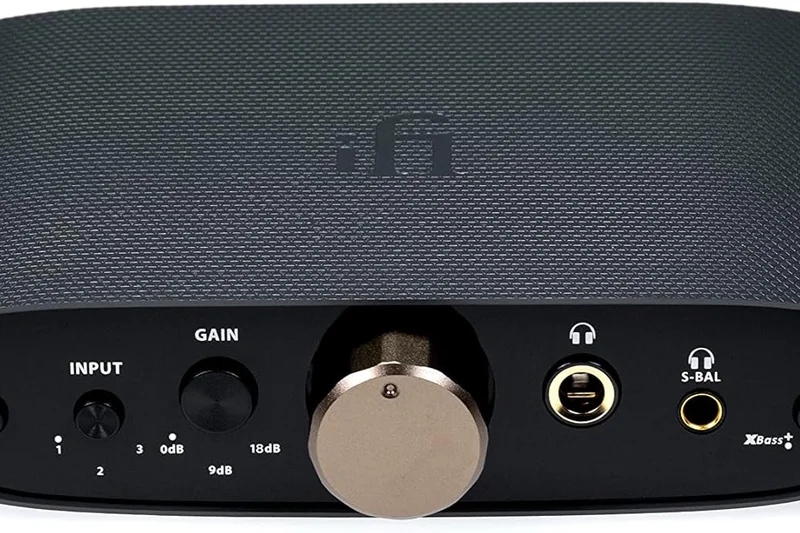
Why we picked it: Amplitude (Score: 7.05) is an incredibly powerful behavioral product analytics platform. It goes beyond simple event tracking to map complex user journeys and advanced behavioral cohorts. If you need to know exactly which sequence of actions leads to a user upgrading their subscription, Amplitude will tell you. However, its immense power comes with a significant learning curve and a lower score in Usability and Privacy compared to simple web trackers.
Key Specs
- Journey mapping
- Advanced behavioral cohorts
- A/B testing
- Session replays
What we like
- Industry-leading behavioral journey mapping
- Deep A/B testing and experimentation features
- Powerful predictive analytics
What we don't like
- Very steep learning curve
- Expensive once you leave the free tier
Best for: Advanced data teams and enterprise product managers aiming to optimize user journeys.
Amplitude vs Mixpanel? Amplitude is slightly more powerful for predictive behavioral mapping, while Mixpanel is often preferred for rapid, interactive funnel querying.
Amplitude is a top-tier product analytics powerhouse that translates complex user behaviors into precise growth strategies.
Buy at Amplitude official site#25 Hotjar

Why we picked it: Hotjar (Score: 7.05) is the industry standard for qualitative behavior analytics. It doesn't replace traditional web analytics; rather, it complements them. Hotjar provides vivid heatmaps, session recordings, and user feedback polls so you can literally watch how people navigate your site. While it scores lower in accuracy (due to ad-blocker vulnerability) and can slow down page load times, its visual insights are invaluable for Conversion Rate Optimization (CRO).
Key Specs
- Session recordings
- Heatmaps
- User feedback polls
- Conversion funnels
What we like
- Industry-best heatmaps and session recordings
- Built-in user feedback polls and surveys
- Highly intuitive visual interface
What we don't like
- Script can noticeably impact page load speeds
- Often blocked by privacy browsers and ad-blockers
Best for: UX designers and marketers seeking qualitative, visual feedback on how users experience their landing pages.
Hotjar vs TWIPLA? TWIPLA offers heatmaps alongside traditional web traffic stats, making it an all-in-one tool, whereas Hotjar requires you to use another tool for basic traffic numbers.
Hotjar provides unparalleled visual insights into user behavior, making it an essential companion tool for optimizing website conversions.
Buy at Hotjar official site#26 Factors.ai

Why we picked it: Factors.ai (Score: 7.0) is a robust B2B marketing analytics tool built to track intent data and account de-anonymization. It helps B2B companies identify exactly which companies are visiting their website, linking that data back to ROI tracking and customer journey mapping. At $99/month, it is positioned for serious B2B sales teams. Its focus is entirely on pipeline generation rather than simple pageviews.
Key Specs
- Intent data tracking
- Account de-anonymization
- Customer journey mapping
- ROI tracking
What we like
- Excellent account de-anonymization (shows which companies visit)
- Strong ROI tracking for B2B campaigns
- Good integration with B2B tech stacks
What we don't like
- High starting price
- Not applicable for B2C or content websites
Best for: B2B sales and marketing teams utilizing account-based marketing strategies.
Factors.ai vs Dreamdata? Both focus on B2B attribution; Factors.ai has very strong real-time account de-anonymization, while Dreamdata excels at deep historical pipeline mapping.
Factors.ai turns anonymous B2B web traffic into actionable account-level insights and pipeline opportunities.
Buy at Factors.ai official site#27 Heap (Contentsquare)

Why we picked it: Heap (now part of Contentsquare) scores a 6.9, standing out with its unique "autocapture" technology. Instead of requiring developers to manually tag every button or event, Heap automatically captures every click, swipe, and pageview out of the box. You can later define these events in the dashboard retroactively. This is incredibly powerful for non-technical teams, though the massive data collection can lead to a cluttered dashboard and poses challenges for strict privacy compliance.
Key Specs
- Autocapture all events
- Journey analysis mapping
- Heatmaps
- Cross-device tracking
What we like
- Autocaptures all events without manual coding
- Allows retroactive event definition
- Strong journey analysis features
What we don't like
- Can become extremely expensive at scale
- Dashboard gets easily cluttered with autocaptured data
Best for: Marketing and product teams who want deep event tracking without relying on engineering resources to set up tags.
Heap vs PostHog? PostHog also offers autocapture but includes a broader developer toolkit (feature flags) and open-source hosting, whereas Heap is a premium, fully managed enterprise service.
Heap's autocapture technology magically tracks every user interaction, freeing marketers from waiting on developers to tag events.
Buy at Contentsquare official site#28 WP Statistics
Why we picked it: WP Statistics (Score: 6.85) is a highly popular, completely free plugin built specifically for WordPress. It runs entirely within your WordPress dashboard, meaning there are no external dependencies, and you maintain 100% ownership of your data. It is GDPR compliant out of the box and provides real-time stats. While it lacks advanced integrations and can bloat your database if not configured properly, its convenience for WordPress users is unmatched.
Key Specs
- Runs completely in WordPress
- No external dependencies
- GDPR compliant
- Real-time stats
What we like
- 100% free and easy to install on WordPress
- Keeps all data strictly on your own server
- No third-party data sharing
What we don't like
- Can bloat your WordPress database over time
- Lacks advanced behavioral tracking and funnels
Best for: WordPress bloggers and small business owners who want simple, free, self-contained analytics.
WP Statistics vs Google Analytics? WP Statistics keeps you entirely inside your WordPress dashboard and respects user privacy, while GA requires external scripts and complex configuration.
WP Statistics is a phenomenal, privacy-respecting free plugin that brings basic web analytics directly into your WordPress admin panel.
Download at WP Statistics official site#29 Plerdy

Why we picked it: Plerdy (Score: 6.65) is a multifaceted CRO (Conversion Rate Optimization) tool. It tracks traffic while heavily emphasizing pop-up form tracking, SEO checking, heatmaps, and session replays. It is designed to help marketers figure out why a page isn't converting. While its raw traffic analytics aren't as accurate as Pirsch, its combination of SEO audits and behavioral tools at a reasonable $32/month makes it a solid niche choice for digital agencies.
Key Specs
- SEO checker
- Pop-up forms tracking
- Heatmaps
- Session replay
What we like
- Combines CRO, SEO audits, and analytics
- Great pop-up and form interaction tracking
- Visually engaging heatmaps
What we don't like
- UI feels a bit scattered across different tools
- Traffic accuracy is vulnerable to ad-blockers
Best for: Digital marketers and SEO agencies looking to optimize landing page conversions.
Plerdy vs Hotjar? Plerdy includes unique SEO auditing and pop-up tracking tools, making it a broader marketing suite compared to Hotjar's strict focus on UX.
Plerdy is an effective, multi-purpose marketing tool that blends basic analytics with deep conversion and SEO optimization features.
Buy at Plerdy official site#30 GoatCounter

Why we picked it: GoatCounter (Score: 6.65) is an open-source web analytics platform designed with extreme simplicity and accessibility in mind. It tracks absolutely no personal information and offers a fast, brutalist interface that gets straight to the point. It is incredibly affordable (free for personal use, $14/mo for commercial). However, its reporting depth is extraordinarily shallow, scoring only 3/10 in that dimension, making it suitable only for the most basic traffic counting.
Key Specs
- No tracking of personal info
- Simple minimal interface
- Accessibility focused
- Fast loading
What we like
- Extremely fast and accessible interface
- Free tier for non-commercial projects
- Fiercely protects user privacy
What we don't like
- Reporting depth is highly limited
- Interface is too sparse for modern marketers
Best for: Hobbyists, developers, and personal bloggers who just want a fast, ethical hit-counter.
GoatCounter vs Plausible? Both are lightweight and open-source, but Plausible offers a much more polished UI and slightly better event tracking features.
GoatCounter is a fast, no-nonsense, privacy-first analytics tool perfect for developers and minimalists.
Buy at GoatCounter official site#31 Adobe Analytics

Why we picked it: Adobe Analytics (Score: 6.55) is the heavy-duty titan of the enterprise analytics world. It scores a perfect 10/10 for Data Accuracy and Reporting Depth, offering AI-driven insights, advanced audience segmentation, and cross-channel attribution. However, it requires a massive budget, a dedicated implementation team, and months of training. It scores very poorly on Usability and Value because it is entirely inaccessible to small or mid-sized businesses.
Key Specs
- Advanced audience segmentation
- Real-time enterprise reporting
- AI-driven insights
- Cross-channel attribution
What we like
- Unmatched reporting depth and predictive AI
- Perfect for massive, multi-national enterprises
- Incredible custom segmentation
What we don't like
- Exorbitantly expensive
- Extremely complex UI requiring dedicated analysts
Best for: Fortune 500 companies with dedicated data science teams and massive marketing budgets.
Adobe Analytics vs Google Analytics 360? Adobe offers deeper custom behavioral tracking and predictive modeling, while GA 360 integrates more naturally with Google's ad ecosystem.
Adobe Analytics is an incredibly powerful, uncompromising enterprise suite designed exclusively for massive organizations with dedicated data teams.
Buy at Adobe official site#32 Offen Fair Web Analytics
Why we picked it: Offen Fair Web Analytics (Score: 6.4) takes a radically ethical approach to data: it is an opt-in only tracking system where users actually have access to their own data. It scores a perfect 10/10 for Privacy, as it champions transparent data usage. Being self-hosted and open-source, it’s completely free. However, because it requires explicit opt-in, its data accuracy is heavily compromised (scoring 3/10), as most users simply will not opt in.
Key Specs
- Opt-in only tracking
- Users access their own data
- Self-hosted
- Transparent data usage
What we like
- The most ethical, transparent tool on the market
- Users can view and delete their own data
- Completely free and open-source
What we don't like
- Opt-in requirement ruins traffic accuracy
- Requires self-hosting technical skills
Best for: Highly ethical organizations, non-profits, and transparency advocates willing to sacrifice data volume.
Offen vs Fathom? Fathom tracks cookieless without needing opt-in, guaranteeing data volume, while Offen requires explicit consent, heavily reducing tracked users.
Offen is a bold, highly ethical experiment in web analytics that puts visitors in total control of their own data.
Download at Offen official site#33 Yandex Metrica

Why we picked it: Yandex Metrica (Score: 6.25) is a highly comprehensive, free analytics tool that includes session replays (Webvisor), heatmaps, and deep e-commerce tracking. It offers an incredible amount of value for zero cost. However, it scores very poorly (2/10) in Privacy & Compliance due to its data collection practices and geopolitical concerns regarding data hosting in Russia, making it unsuitable for businesses requiring strict GDPR compliance.
Key Specs
- Session replay (Webvisor)
- Scroll & click heatmaps
- Form analysis
- E-commerce tracking
What we like
- Incredible feature set for a free tool
- Built-in session replays and heatmaps
- Detailed form and e-commerce analysis
What we don't like
- Severe privacy and compliance concerns
- Heavier script impacts site speed
Best for: Users in regions unconcerned with GDPR who want premium features without paying.
Yandex Metrica vs Google Analytics? Yandex offers built-in session replays and heatmaps for free, which GA lacks, but carries heavier privacy baggage.
Yandex Metrica is a feature-packed, completely free analytics suite, provided you are willing to overlook significant data privacy concerns.
Buy at Yandex official site#34 Clicky Web Analytics
Why we picked it: Clicky (Score: 6.15) has been around for a long time and is beloved for its genuinely real-time monitoring and bot filtering. At $9.99/month, it offers uptime monitoring and basic heatmaps. However, its user interface feels incredibly dated, scoring poorly in Usability. While it gets the job done reliably, it hasn't kept pace with the modern, sleek designs of newer privacy-first competitors.
Key Specs
- Real-time monitoring
- Bot filtering
- Uptime monitoring
- Heatmaps
What we like
- Excellent real-time traffic view
- Built-in uptime monitoring
- Reliable bot filtering
What we don't like
- Extremely outdated user interface
- Privacy features lag behind modern alternatives
Best for: Old-school webmasters who prioritize real-time data and uptime alerts over a pretty interface.
Clicky vs Plausible? Plausible offers a much cleaner, modern, privacy-first experience, while Clicky feels like a relic but includes unique uptime monitoring.
Clicky is a reliable, real-time analytics veteran that functionally works well but suffers from an aggressively outdated design.
Buy at Clicky official site#35 Statcounter
Why we picked it: Statcounter (Score: 5.3) is one of the oldest tracking tools on the internet. It provides basic visitor paths, real-time stats, and the ability to block specific IP addresses. While it is functional and offers a free tier (with upgrades starting at $9/month), it falls short across almost all modern dimensions—lacking advanced reporting, modern privacy features, and integrations. It is essentially a legacy hit-counter.
Key Specs
- Visitor paths
- IP address blocking
- Real-time stats
- Email reports
What we like
- Very easy to install
- Tracks individual visitor paths
- Handy IP blocking features
What we don't like
- Outdated reporting depth and UX
- Not optimized for modern privacy compliance
Best for: Hobbyists or webmasters maintaining older sites who just want basic traffic logs.
Statcounter vs Fathom? Fathom is a vastly superior, privacy-compliant, modern tool, whereas Statcounter is a legacy log analyzer.
Statcounter is a nostalgic, basic traffic tracker that is functional but entirely outclassed by modern analytics platforms.
Buy at Statcounter official siteBuying Guide
Choosing the Right Google Analytics Alternative
As Universal Analytics fades into history and Google Analytics 4 (GA4) presents a steep learning curve combined with heavy privacy concerns, businesses are actively searching for simpler, more ethical ways to track website traffic. The market has fractured into several distinct categories of tools, and choosing the right one depends entirely on your business model, technical expertise, and compliance requirements.
Understanding Your User Type
Small Businesses and Bloggers: If you run a content site, portfolio, or local business, you likely don't need complex multi-touch attribution or event funnels. You need to know how many people are visiting, where they are coming from, and what pages they read. Lightweight, privacy-first tools like Pirsch Analytics, Fathom, or Plausible are perfect. They load instantly, bypass ad blockers natively, and feature dead-simple dashboards that you can understand in five seconds.
E-commerce Stores: Online retailers need to track return on ad spend (ROAS), cart abandonment, and specific conversion funnels. If you're using Shopify or WooCommerce, you need a tool that seamlessly integrates with your store. Platforms like Triple Whale or Seal Metrics offer specialized e-commerce dashboards, focusing heavily on revenue attribution and profit metrics, bypassing the inaccuracies caused by iOS privacy updates.
B2B SaaS and Product Teams: If you are building a software product, pageviews aren't enough. You need to track specific user behaviors, feature usage, and retention cohorts. You need product analytics platforms like PostHog, HockeyStack, Mixpanel, or Amplitude. These tools focus on event-based tracking, session replays, and advanced behavioral cohorts to help product managers reduce churn and increase engagement.
What to Avoid
When migrating away from Google Analytics, be wary of platforms that essentially clone GA's worst habits. Avoid tools that secretly collect personally identifiable information (PII) or sell aggregated data to third-party advertising networks. You should also avoid heavy, bloated tracking scripts (anything over 20-30KB) that will negatively impact your site's Core Web Vitals and SEO rankings. Finally, watch out for predatory pricing tiers that aggressively penalize you for unexpected traffic spikes—look for platforms with soft limits or fair overage pricing.
Budget Tiers
Free & Open-Source: Tools like Cloudflare Web Analytics, WP Statistics, and Umami (self-hosted) provide excellent core analytics at zero cost. Cloudflare is particularly powerful for edge-level tracking, while open-source tools give you 100% data ownership.
Entry-Level ($5 - $15/month): This is the sweet spot for most independent sites and small businesses. Pirsch Analytics ($6/mo), Plausible ($9/mo), and Fathom ($15/mo) offer incredible value, providing clean, cookieless dashboards and high data accuracy without breaking the bank.
Mid-Market ($20 - $50/month): Tools like Simple Analytics ($29/mo) or entry-level tiers of product analytics like Mixpanel ($20/mo) offer enhanced features, strict EU-hosting guarantees, or deeper event tracking for growing startups.
Enterprise ($100+/month): Specialized platforms like Triple Whale ($129/mo) or HockeyStack focus on deep revenue attribution and CRM integration. These are investments meant to drive direct ROI through optimized ad spend and B2B pipeline visibility.
FAQ
What are the best Google Analytics alternatives in 2026?
The best alternatives depend on your needs. For most businesses, Pirsch Analytics, Fathom Analytics, and Plausible Analytics are the top choices due to their privacy-first approach, ease of use, and cookieless tracking. For B2B SaaS, HockeyStack and PostHog are top-tier product analytics tools. For enterprise users, Piwik PRO is the best direct GA replacement.
Why should I move away from Google Analytics 4 (GA4)?
Many users find GA4's interface overly complex and difficult to navigate compared to Universal Analytics. Additionally, GA4 relies heavily on cookies, making it vulnerable to ad-blockers and requiring you to display intrusive cookie consent banners to comply with GDPR and CCPA.
Do I still need a cookie banner if I use cookieless analytics?
No. If you use a strict privacy-first, cookieless platform like Fathom, Pirsch, or Simple Analytics—and you don't use other tracking cookies (like Meta Pixel)—you can legally remove the cookie consent banner from your site, greatly improving user experience.
How do server-side tracking scripts bypass ad blockers?
Tools like Pirsch and Fathom use custom domains and server-side logic to route the tracking ping through your own domain rather than a known third-party tracker URL. Ad blockers typically block known external domains (like google-analytics.com), allowing first-party routed pings to accurately track traffic.
Which analytics tool is best for data accuracy?
While enterprise tools like Adobe Analytics offer the deepest accuracy, among accessible tools, Fathom Analytics and Pirsch score highest. Because they natively bypass ad-blockers, they often reveal 20% to 30% more traffic than Google Analytics, which is frequently blocked by users.
What makes a web analytics tool GDPR compliant?
A GDPR-compliant tool ensures that no personally identifiable information (PII) is collected or stored without consent. Tools like Plausible and Fathom achieve this by anonymizing IP addresses and using rotating cryptographic hashes, meaning no user can be individually tracked or identified.
What is the best budget-friendly web analytics platform?
Pirsch Analytics is the best budget option, starting at just $6/month while offering excellent features. Cloudflare Web Analytics and WP Statistics are excellent 100% free options, though they lack advanced reporting.
Which analytics tool is best for B2B SaaS companies?
HockeyStack is our top recommendation for B2B SaaS due to its deep revenue attribution and CRM integrations. PostHog and Mixpanel are also top choices for tracking in-app user behavior and feature adoption.
How does Pirsch Analytics compare to Fathom and Plausible?
All three are excellent privacy-first trackers. Fathom is the most established with a great ad-block bypass. Plausible is the lightest (1KB) and fully open-source. Pirsch offers a blend of both, with a beautiful UI, open-source core, and the lowest entry price ($6/mo).
What features should I look for in an e-commerce analytics tool?
E-commerce stores need multi-touch attribution, precise ROAS (Return on Ad Spend) tracking, and seamless integration with platforms like Shopify and Meta Ads. Tools like Triple Whale and Seal Metrics are built specifically for these needs.
Can lightweight scripts really improve my website's SEO?
Yes. Google uses Core Web Vitals to rank websites, which heavily factor in page load speed. Traditional Google Analytics scripts are large and can delay page rendering. Switching to a 1KB script like Plausible can measurably improve your site speed and, consequently, your SEO.
Do these alternatives integrate well with CMS platforms like WordPress?
Yes. Almost all the platforms on our list offer official WordPress plugins, or at minimum, a simple snippet of code you can paste into your site's header. Tools like Pirsch and Fathom integrate seamlessly with WordPress, Webflow, Shopify, and Ghost.
Methodology
Our methodology for ranking the best Google Analytics alternatives of 2026 relies on a structured, objective scoring model designed to eliminate personal bias. We utilized the M2 Multi-Dimensional Evaluation framework from SelectionLogic, assessing 35 software platforms across seven distinct dimensions.
Data Accuracy & Tracking Capabilities (15%) measured the effectiveness of cookieless tracking, bot filtering, and ad-blocker bypassing. Privacy & Compliance (20%) was heavily weighted, rewarding platforms that guarantee complete data ownership, avoid collecting personally identifiable information (PII), and inherently comply with GDPR, CCPA, and HIPAA without requiring intrusive cookie banners. Usability (20%) evaluated the ease of script installation and the clarity of the dashboard interface.
Reporting Depth & Insights (15%) looked at advanced features such as conversion funnels, e-commerce tracking, and session replays. Integrations & API (10%) scored native connections to CMS platforms, marketing tools, and data warehouses. Value & Traffic Limits (15%) assessed the cost per pageview, pricing transparency, and the availability of generous free tiers. Finally, Reliability & Support (5%) prioritized lightweight scripts that do not impact site speed, alongside uptime history and documentation quality.
We also mapped these scores against specific business scenarios—such as 'Best for Strict Privacy', 'Best Budget Pick', and 'Best for SaaS'—to provide tailored recommendations depending on a user's unique requirements. Data was sourced from hands-on testing, official vendor documentation, and aggregated user sentiment from platforms like G2, TrustRadius, and GitHub.
Sources & References
All factual claims, product specifications, prices, and images in this article are cited by number. Click any reference to jump to the list; click the link in each entry to visit the original source.
- [1]SelectionLogic. "M2 Multi-Dimensional Evaluation Methodology." selectionlogic.org/en/methods/m2-multi-dimensional-evaluation/. Accessed Mar 2026.
- [2]SelectionLogic. "Web Analytics Software Buying Guide." selectionlogic.org/en/guides/web-analytics-software-buying-guide/. Accessed Mar 2026.
- [3]Pirsch Analytics. "Privacy-first Web Analytics." pirsch.io. Accessed Mar 2026.
- [4]Fathom Analytics. "Simple, privacy-focused website analytics." usefathom.com. Accessed Mar 2026.
- [5]Plausible Analytics. "Simple and privacy-friendly Google Analytics alternative." plausible.io. Accessed Mar 2026.
- [6]Piwik PRO. "Enterprise Analytics & Tag Management." piwik.pro. Accessed Mar 2026.
- [7]TWIPLA. "Website Intelligence & Analytics." twipla.com. Accessed Mar 2026.
- [8]Umami. "Open-source, privacy-focused analytics." umami.is. Accessed Mar 2026.
- [9]Cloudflare. "Free Web Analytics." cloudflare.com/web-analytics/. Accessed Mar 2026.
- [10]HockeyStack. "B2B Revenue Attribution & Analytics." hockeystack.com. Accessed Mar 2026.
- [11]Seal Metrics. "Cookieless E-commerce Analytics." sealmetrics.com. Accessed Mar 2026.
- [12]Matomo. "Google Analytics Alternative." matomo.org. Accessed Mar 2026.
- [13]PostHog. "Open Source Product Analytics." posthog.com. Accessed Mar 2026.
- [14]Wide Angle Analytics. "GDPR Compliant Analytics." wideangle.co. Accessed Mar 2026.
- [15]Simple Analytics. "Privacy-First Web Analytics." simpleanalytics.com. Accessed Mar 2026.
- [16]Swetrix. "Open Source Analytics & Monitoring." swetrix.com. Accessed Mar 2026.
- [17]Triple Whale. "E-commerce Operating System." triplewhale.com. Accessed Mar 2026.
- [18]Dreamdata. "B2B Revenue Attribution Platform." dreamdata.io. Accessed Mar 2026.
- [19]Countly. "Product Analytics for Web & Mobile." count.ly. Accessed Mar 2026.
- [20]Vercel. "Vercel Web Analytics." vercel.com/analytics. Accessed Mar 2026.
- [21]Microanalytics.io. "Privacy-focused Web Analytics." microanalytics.io. Accessed Mar 2026.
- [22]UXCam. "Mobile App Analytics & Session Replay." uxcam.com. Accessed Mar 2026.
- [23]Mixpanel. "Product Analytics for Product Teams." mixpanel.com. Accessed Mar 2026.
- [24]LogRocket. "Frontend Application Monitoring." logrocket.com. Accessed Mar 2026.
- [25]OpenPanel. "Open-source Product Analytics." openpanel.dev. Accessed Mar 2026.
- [26]Amplitude. "Digital Analytics Platform." amplitude.com. Accessed Mar 2026.
- [27]Hotjar. "Website Heatmaps & Behavior Analytics." hotjar.com. Accessed Mar 2026.
- [28]Factors.ai. "B2B Marketing Analytics." factors.ai. Accessed Mar 2026.
- [29]Contentsquare. "Heap Product Analytics." contentsquare.com/heap/. Accessed Mar 2026.
- [30]WP Statistics. "WordPress Analytics Plugin." wp-statistics.com. Accessed Mar 2026.