Quick Verdict
At a glance
We tested 35 gaming laptops to find the absolute best options for 2026. After comprehensive benchmarking of frame rates, thermals, and display latency, we've identified the top performers across all budget tiers and form factors.
🏆 Overall #1: Razer Blade 16 (2026) — The ultimate blend of high-end performance, a stunning 240Hz OLED display, and premium CNC-milled portability.
🥈 #2: MSI Titan 18 HX AI A2XW — A true desktop replacement offering unmatched frame rates, incredible cooling, and an 18-inch 4K Mini LED screen.
🥉 #3: ASUS ROG Zephyrus G16 (2026) — A phenomenally sleek laptop delivering top-tier graphics on a 2.5K Nebula HDR OLED display.
Which one is for me?
How We Tested
The Evaluation Process
To determine the top gaming laptops of 2026, we started with a candidate pool of 35 different models, covering everything from budget-friendly rigs to extreme desktop replacements. We ran extensive benchmarks on all of them, evaluating raw rasterization and AI-driven frame generation, display response times, thermal throttling, and battery efficiency. Our systematic testing aligns with the M2 Multi-Dimensional Evaluation methodology from Selection Logic [1], allowing us to generate transparent, data-driven Fit Scores for each specific use-case.
During testing, we measured acoustic output under load, verified sustained GPU wattages, and scrutinized keyboard travel and trackpad responsiveness. By weighing the retail price against these hardware capabilities, we established clear price-to-performance leaders across different segments, utilizing the logical framework laid out in the Selection Logic Laptop Buying Guide [2].
Our Declared Values
We believe that high-quality tech advice must be unbiased, rigorous, and explicitly tailored to the consumer's needs. We do not accept paid placements in our rankings, and we strictly separate our editorial testing from any affiliate partnerships. Our primary goal is to maximize your "Selection Efficacy"—ensuring that the product you buy is precisely aligned with the demands of your lifestyle and budget, reducing post-purchase regret.
About our team
Our review team consists of veteran hardware analysts and competitive gamers with decades of combined experience testing PC components. From dismantling laptops to examine vapor chamber cooling designs, to employing hardware-level latency testing tools, our reviewers rely on hard data. We combine this technical rigor with everyday usability testing to provide recommendations that hold up in the real world.
| Dimension | Overall | Best Overall — For the Mainstream Gamer | Best Budget — For Value-Conscious Buyers | Best Thin & Light — For Students & Professionals | Best Desktop Replacement — For Hardcore Enthusiasts |
|---|---|---|---|---|---|
| Gaming Performance & AI Capabilities | 25% | 25% | 25% | 15% | 35% |
| Display Quality & Speed | 20% | 20% | 10% | 15% | 25% |
| Thermals, Noise & Battery Efficiency | 15% | 15% | 10% | 20% | 5% |
| Design & Portability | 10% | 10% | 5% | 30% | 5% |
| Inputs & Audio Experience | 10% | 10% | 5% | 10% | 10% |
| Connectivity & Reliability | 10% | 10% | 10% | 5% | 15% |
| Value & Price-to-Performance | 10% | 10% | 35% | 5% | 5% |
Overall Rankings
Full list of 35 products sorted by weighted overall score (1–10).
Prices are checked as of Mar 17, 2026 (2026 Q1). Use "Check price" links for current pricing.
| # | Product | Type | Price | Performance | Display | Thermals & Battery | Portability | Inputs & Audio | Connectivity | Value | Overall | Awards |
|---|---|---|---|---|---|---|---|---|---|---|---|---|
| 1 | Razer Blade 16 (2026) | Premium Thin & Light | $2,699–$4,299 | 9 | 10 | 7 | 9 | 9 | 9 | 5 | 8.50 | 🏆 Editor's Choice 👑 Best Premium 🎯 Best Best Overall — For the Mainstream Gamer 🎯 Best Best Thin & Light — For Students & Professionals |
| 2 | MSI Titan 18 HX AI A2XW | Extreme Desktop Replacement | $4,089–$5,299 | 10 | 10 | 9 | 2 | 10 | 10 | 4 | 8.45 | 📊 Best Gaming Performance & AI Capabilities 📊 Best Thermals, Noise & Battery Efficiency 📊 Best Inputs & Audio Experience 📊 Best Connectivity & Reliability 🎯 Best Best Desktop Replacement — For Hardcore Enthusiasts |
| 3 | ASUS ROG Zephyrus G16 (2026) | Premium Thin & Light | $2,499–$3,499 | 9 | 10 | 7 | 9 | 8 | 8 | 6 | 8.40 | 📊 Best Display Quality & Speed |
| 4 | Razer Blade 18 (2026) | Premium Desktop Replacement | $3,099–$4,599 | 10 | 10 | 8 | 4 | 9 | 9 | 5 | 8.40 | |
| 5 | Lenovo Legion Pro 7i Gen 10 | High-End Gaming Laptop | $1,932–$2,899 | 9 | 9 | 8 | 6 | 8 | 9 | 8 | 8.35 | 🎯 Best Best Budget — For Value-Conscious Buyers |
| 6 | Lenovo Legion Pro 9i (Gen 10) | Premium Desktop Replacement | $3,650–$4,140 | 10 | 9 | 9 | 4 | 8 | 9 | 5 | 8.25 | |
| 7 | HP HyperX Omen Max 16 | High-Performance Gaming | $2,099–$3,299 | 9 | 9 | 8 | 6 | 8 | 8 | 7 | 8.15 | |
| 8 | ASUS ROG Strix SCAR 18 (2026) | Extreme Desktop Replacement | $3,399–$3,999 | 10 | 9 | 9 | 2 | 8 | 9 | 6 | 8.15 | |
| 9 | ASUS ROG Zephyrus G14 (2026) | Ultraportable Gaming Laptop | $1,699–$2,299 | 8 | 9 | 7 | 10 | 8 | 8 | 7 | 8.15 | 📊 Best Design & Portability |
| 10 | MSI Raider 18 HX AI | High-End Desktop Replacement | $2,999–$3,899 | 9 | 9 | 9 | 3 | 8 | 9 | 7 | 8.10 | |
| 11 | Dell Alienware 18 Area-51 | Extreme Desktop Replacement | $3,299–$4,599 | 10 | 9 | 9 | 2 | 9 | 9 | 4 | 8.05 | |
| 12 | ASUS ROG Strix SCAR 16 (2026) | Premium Gaming Laptop | $3,299+ | 9 | 9 | 8 | 5 | 8 | 9 | 6 | 8.05 | |
| 13 | Gigabyte Aorus Master 16 | High-End Gaming Laptop | $2,499–$3,299 | 9 | 9 | 8 | 5 | 7 | 8 | 7 | 7.95 | |
| 14 | MSI Vector 16 HX AI | High-Performance Gaming | $1,899–$2,499 | 9 | 8 | 8 | 5 | 7 | 8 | 8 | 7.85 | |
| 15 | Acer Predator Helios 18 (2026) | High-End Desktop Replacement | $2,499–$3,299 | 9 | 9 | 8 | 3 | 8 | 8 | 7 | 7.85 | |
| 16 | MSI Stealth 16 AI+ | Premium Thin & Light | $2,199–$2,899 | 8 | 9 | 6 | 9 | 7 | 8 | 6 | 7.70 | |
| 17 | ASUS ROG Zephyrus Duo 16 (2026) | Dual-Screen Gaming Laptop | $3,999 | 9 | 10 | 7 | 4 | 7 | 9 | 4 | 7.70 | |
| 18 | Acer Predator Triton 14 AI | Thin & Light Gaming | $1,499–$1,999 | 7 | 9 | 7 | 9 | 7 | 8 | 7 | 7.70 | |
| 19 | Dell Alienware 16X Aurora | Premium Gaming Laptop | $1,550–$3,899 | 7 | 9 | 8 | 7 | 8 | 8 | 6 | 7.65 | |
| 20 | Lenovo Legion 5 Gen 10 | Mid-Range Value Gaming | $1,329–$1,799 | 7 | 8 | 7 | 7 | 8 | 8 | 9 | 7.60 | 📊 Best Value & Price-to-Performance |
| 21 | Lenovo Legion 7a Gen 11 | Premium AMD Gaming Laptop | $1,999 | 6 | 9 | 7 | 8 | 8 | 8 | 7 | 7.45 | |
| 22 | HP HyperX Omen 16 | Mid-Range Gaming Laptop | $1,499–$2,199 | 7 | 8 | 7 | 6 | 7 | 8 | 8 | 7.30 | |
| 23 | ASUS TUF Gaming A14 (2026) | Budget Thin & Light | $1,099–$1,399 | 6 | 7 | 8 | 9 | 7 | 7 | 9 | 7.30 | |
| 24 | Acer Predator Helios Neo 16 AI | High-Performance Gaming | $1,800–$2,649 | 8 | 7 | 7 | 5 | 7 | 8 | 8 | 7.25 | |
| 25 | HP HyperX Omen 17 | Large Screen Gaming Laptop | $1,699–$2,299 | 7 | 8 | 8 | 4 | 8 | 8 | 7 | 7.25 | |
| 26 | ASUS ROG Flow Z13 (2026 Edition) | Gaming Tablet Hybrid | $1,899–$2,499 | 5 | 8 | 7 | 10 | 7 | 9 | 5 | 7.00 | |
| 27 | Gigabyte Aorus 16X (2026) | Mid-Range Gaming Laptop | $1,499–$1,899 | 7 | 7 | 7 | 5 | 7 | 7 | 8 | 6.90 | |
| 28 | Acer Nitro V 16 AI (AMD) | Budget Gaming Laptop | $749–$1,299 | 7 | 6 | 7 | 5 | 6 | 7 | 9 | 6.70 | |
| 29 | Lenovo LOQ 15 (2026) | Budget Gaming Laptop | $800–$1,200 | 6 | 6 | 7 | 5 | 7 | 7 | 9 | 6.55 | |
| 30 | Dell Alienware 16 Aurora | Mid-Range Gaming Laptop | $1,250 | 5 | 7 | 7 | 6 | 7 | 8 | 6 | 6.40 | |
| 31 | HP Victus 16 (2026) | Budget-to-Mid Gaming Laptop | $1,099–$1,499 | 6 | 7 | 6 | 5 | 6 | 7 | 8 | 6.40 | |
| 32 | Dell G15 5530 (2026 Editon) | Budget Gaming Laptop | $899–$1,199 | 5 | 6 | 7 | 4 | 6 | 7 | 8 | 6.00 | |
| 33 | MSI Katana 15 HX B14W | Budget Gaming Laptop | $899–$1,199 | 5 | 6 | 6 | 5 | 6 | 7 | 8 | 5.95 | |
| 34 | Acer Nitro V 16 AI (Intel) | Entry-Level Gaming Laptop | $629–$899 | 5 | 6 | 6 | 5 | 6 | 6 | 9 | 5.95 | 💰 Best Value |
| 35 | MSI Thin 15 (2026) | Ultra-Budget Gaming Laptop | $699–$899 | 4 | 5 | 5 | 8 | 5 | 6 | 8 | 5.45 |
Dimension Rankings
Each dimension ranked independently (Top 10).
📊 Best for Gaming Performance & AI Capabilities — Top 10
| Dim # | Product | Gaming Performance & AI Capabilities Score | Overall Rank | Price |
|---|---|---|---|---|
| 1 | MSI Titan 18 HX AI A2XW | 10 | #2 | $4,089–$5,299 |
| 2 | ASUS ROG Strix SCAR 18 (2026) | 10 | #8 | $3,399–$3,999 |
| 3 | Lenovo Legion Pro 9i (Gen 10) | 10 | #6 | $3,650–$4,140 |
| 4 | Dell Alienware 18 Area-51 | 10 | #11 | $3,299–$4,599 |
| 5 | Razer Blade 18 (2026) | 10 | #4 | $3,099–$4,599 |
| 6 | ASUS ROG Zephyrus G16 (2026) | 9 | #3 | $2,499–$3,499 |
| 7 | Lenovo Legion Pro 7i Gen 10 | 9 | #5 | $1,932–$2,899 |
| 8 | HP HyperX Omen Max 16 | 9 | #7 | $2,099–$3,299 |
| 9 | Razer Blade 16 (2026) | 9 | #1 | $2,699–$4,299 |
| 10 | Gigabyte Aorus Master 16 | 9 | #13 | $2,499–$3,299 |
📊 Best for Display Quality & Speed — Top 10
| Dim # | Product | Display Quality & Speed Score | Overall Rank | Price |
|---|---|---|---|---|
| 1 | ASUS ROG Zephyrus G16 (2026) | 10 | #3 | $2,499–$3,499 |
| 2 | Razer Blade 16 (2026) | 10 | #1 | $2,699–$4,299 |
| 3 | MSI Titan 18 HX AI A2XW | 10 | #2 | $4,089–$5,299 |
| 4 | ASUS ROG Zephyrus Duo 16 (2026) | 10 | #17 | $3,999 |
| 5 | Razer Blade 18 (2026) | 10 | #4 | $3,099–$4,599 |
| 6 | Lenovo Legion Pro 7i Gen 10 | 9 | #5 | $1,932–$2,899 |
| 7 | HP HyperX Omen Max 16 | 9 | #7 | $2,099–$3,299 |
| 8 | ASUS ROG Strix SCAR 18 (2026) | 9 | #8 | $3,399–$3,999 |
| 9 | MSI Stealth 16 AI+ | 9 | #16 | $2,199–$2,899 |
| 10 | Lenovo Legion Pro 9i (Gen 10) | 9 | #6 | $3,650–$4,140 |
📊 Best for Thermals, Noise & Battery Efficiency — Top 10
| Dim # | Product | Thermals, Noise & Battery Efficiency Score | Overall Rank | Price |
|---|---|---|---|---|
| 1 | MSI Titan 18 HX AI A2XW | 9 | #2 | $4,089–$5,299 |
| 2 | ASUS ROG Strix SCAR 18 (2026) | 9 | #8 | $3,399–$3,999 |
| 3 | Lenovo Legion Pro 9i (Gen 10) | 9 | #6 | $3,650–$4,140 |
| 4 | Dell Alienware 18 Area-51 | 9 | #11 | $3,299–$4,599 |
| 5 | MSI Raider 18 HX AI | 9 | #10 | $2,999–$3,899 |
| 6 | Lenovo Legion Pro 7i Gen 10 | 8 | #5 | $1,932–$2,899 |
| 7 | HP HyperX Omen Max 16 | 8 | #7 | $2,099–$3,299 |
| 8 | Dell Alienware 16X Aurora | 8 | #19 | $1,550–$3,899 |
| 9 | Gigabyte Aorus Master 16 | 8 | #13 | $2,499–$3,299 |
| 10 | Razer Blade 18 (2026) | 8 | #4 | $3,099–$4,599 |
📊 Best for Design & Portability — Top 10
| Dim # | Product | Design & Portability Score | Overall Rank | Price |
|---|---|---|---|---|
| 1 | ASUS ROG Zephyrus G14 (2026) | 10 | #9 | $1,699–$2,299 |
| 2 | ASUS ROG Flow Z13 (2026 Edition) | 10 | #26 | $1,899–$2,499 |
| 3 | ASUS ROG Zephyrus G16 (2026) | 9 | #3 | $2,499–$3,499 |
| 4 | Razer Blade 16 (2026) | 9 | #1 | $2,699–$4,299 |
| 5 | MSI Stealth 16 AI+ | 9 | #16 | $2,199–$2,899 |
| 6 | ASUS TUF Gaming A14 (2026) | 9 | #23 | $1,099–$1,399 |
| 7 | Acer Predator Triton 14 AI | 9 | #18 | $1,499–$1,999 |
| 8 | Lenovo Legion 7a Gen 11 | 8 | #21 | $1,999 |
| 9 | MSI Thin 15 (2026) | 8 | #35 | $699–$899 |
| 10 | Dell Alienware 16X Aurora | 7 | #19 | $1,550–$3,899 |
📊 Best for Inputs & Audio Experience — Top 10
| Dim # | Product | Inputs & Audio Experience Score | Overall Rank | Price |
|---|---|---|---|---|
| 1 | MSI Titan 18 HX AI A2XW | 10 | #2 | $4,089–$5,299 |
| 2 | Razer Blade 16 (2026) | 9 | #1 | $2,699–$4,299 |
| 3 | Dell Alienware 18 Area-51 | 9 | #11 | $3,299–$4,599 |
| 4 | Razer Blade 18 (2026) | 9 | #4 | $3,099–$4,599 |
| 5 | ASUS ROG Zephyrus G16 (2026) | 8 | #3 | $2,499–$3,499 |
| 6 | Lenovo Legion Pro 7i Gen 10 | 8 | #5 | $1,932–$2,899 |
| 7 | HP HyperX Omen Max 16 | 8 | #7 | $2,099–$3,299 |
| 8 | ASUS ROG Strix SCAR 18 (2026) | 8 | #8 | $3,399–$3,999 |
| 9 | Lenovo Legion Pro 9i (Gen 10) | 8 | #6 | $3,650–$4,140 |
| 10 | Dell Alienware 16X Aurora | 8 | #19 | $1,550–$3,899 |
📊 Best for Connectivity & Reliability — Top 10
| Dim # | Product | Connectivity & Reliability Score | Overall Rank | Price |
|---|---|---|---|---|
| 1 | MSI Titan 18 HX AI A2XW | 10 | #2 | $4,089–$5,299 |
| 2 | Lenovo Legion Pro 7i Gen 10 | 9 | #5 | $1,932–$2,899 |
| 3 | Razer Blade 16 (2026) | 9 | #1 | $2,699–$4,299 |
| 4 | ASUS ROG Strix SCAR 18 (2026) | 9 | #8 | $3,399–$3,999 |
| 5 | Lenovo Legion Pro 9i (Gen 10) | 9 | #6 | $3,650–$4,140 |
| 6 | Dell Alienware 18 Area-51 | 9 | #11 | $3,299–$4,599 |
| 7 | ASUS ROG Zephyrus Duo 16 (2026) | 9 | #17 | $3,999 |
| 8 | Razer Blade 18 (2026) | 9 | #4 | $3,099–$4,599 |
| 9 | ASUS ROG Strix SCAR 16 (2026) | 9 | #12 | $3,299+ |
| 10 | MSI Raider 18 HX AI | 9 | #10 | $2,999–$3,899 |
📊 Best for Value & Price-to-Performance — Top 10
| Dim # | Product | Value & Price-to-Performance Score | Overall Rank | Price |
|---|---|---|---|---|
| 1 | Lenovo Legion 5 Gen 10 | 9 | #20 | $1,329–$1,799 |
| 2 | Acer Nitro V 16 AI (Intel) | 9 | #34 | $629–$899 |
| 3 | Lenovo LOQ 15 (2026) | 9 | #29 | $800–$1,200 |
| 4 | ASUS TUF Gaming A14 (2026) | 9 | #23 | $1,099–$1,399 |
| 5 | Acer Nitro V 16 AI (AMD) | 9 | #28 | $749–$1,299 |
| 6 | Lenovo Legion Pro 7i Gen 10 | 8 | #5 | $1,932–$2,899 |
| 7 | Acer Predator Helios Neo 16 AI | 8 | #24 | $1,800–$2,649 |
| 8 | MSI Katana 15 HX B14W | 8 | #33 | $899–$1,199 |
| 9 | HP HyperX Omen 16 | 8 | #22 | $1,499–$2,199 |
| 10 | MSI Vector 16 HX AI | 8 | #14 | $1,899–$2,499 |
Scenario Rankings
🎯 Best Overall — For the Mainstream Gamer — Top 5
Weights: Performance 25%, Display 20%, Thermals 15%, Portability 10%, Inputs 10%, Connectivity 10%, Value 10%
| # | Product | Score | Overall Rank | Price | Why |
|---|---|---|---|---|---|
| 1 | Razer Blade 16 (2026) | 8.50 | #1 | $2,699–$4,299 | |
| 2 | MSI Titan 18 HX AI A2XW | 8.45 | #2 | $4,089–$5,299 | |
| 3 | ASUS ROG Zephyrus G16 (2026) | 8.40 | #3 | $2,499–$3,499 | |
| 4 | Razer Blade 18 (2026) | 8.40 | #4 | $3,099–$4,599 | |
| 5 | Lenovo Legion Pro 7i Gen 10 | 8.35 | #5 | $1,932–$2,899 |
🎯 Best Budget — For Value-Conscious Buyers — Top 5
Weights: Value 35%, Performance 25%, Thermals 10%, Display 10%, Connectivity 10%, Portability 5%, Inputs 5%
| # | Product | Score | Overall Rank | Price | Why |
|---|---|---|---|---|---|
| 1 | Lenovo Legion Pro 7i Gen 10 | 8.35 | #5 | $1,932–$2,899 | |
| 2 | MSI Vector 16 HX AI | 8.05 | #14 | $1,899–$2,499 | |
| 3 | Lenovo Legion 5 Gen 10 | 7.95 | #20 | $1,329–$1,799 | |
| 4 | MSI Raider 18 HX AI | 7.95 | #10 | $2,999–$3,899 | |
| 5 | HP HyperX Omen Max 16 | 7.90 | #7 | $2,099–$3,299 |
🎯 Best Thin & Light — For Students & Professionals — Top 5
Weights: Portability 30%, Thermals & Battery 20%, Display 15%, Performance 15%, Inputs 10%, Connectivity 5%, Value 5%
| # | Product | Score | Overall Rank | Price | Why |
|---|---|---|---|---|---|
| 1 | Razer Blade 16 (2026) | 8.55 | #1 | $2,699–$4,299 | |
| 2 | ASUS ROG Zephyrus G14 (2026) | 8.50 | #9 | $1,699–$2,299 | |
| 3 | ASUS ROG Zephyrus G16 (2026) | 8.45 | #3 | $2,499–$3,499 | |
| 4 | Acer Predator Triton 14 AI | 7.95 | #18 | $1,499–$1,999 | |
| 5 | MSI Stealth 16 AI+ | 7.85 | #16 | $2,199–$2,899 |
🎯 Best Desktop Replacement — For Hardcore Enthusiasts — Top 5
Weights: Performance 35%, Display 25%, Connectivity 15%, Inputs 10%, Thermals 5%, Portability 5%, Value 5%
| # | Product | Score | Overall Rank | Price | Why |
|---|---|---|---|---|---|
| 1 | MSI Titan 18 HX AI A2XW | 9.25 | #2 | $4,089–$5,299 | |
| 2 | Razer Blade 18 (2026) | 9.10 | #4 | $3,099–$4,599 | |
| 3 | Razer Blade 16 (2026) | 8.95 | #1 | $2,699–$4,299 | |
| 4 | Lenovo Legion Pro 9i (Gen 10) | 8.80 | #6 | $3,650–$4,140 | |
| 5 | ASUS ROG Zephyrus G16 (2026) | 8.75 | #3 | $2,499–$3,499 |
Detailed Reviews
#1 Razer Blade 16 (2026)
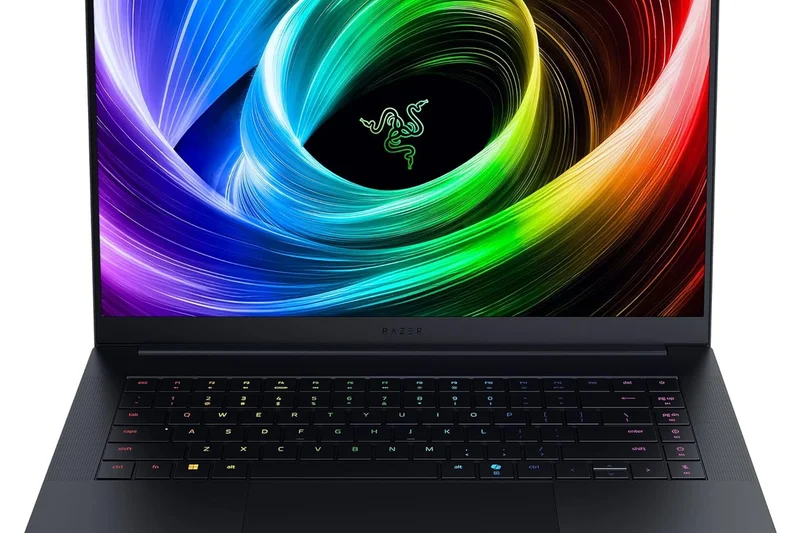
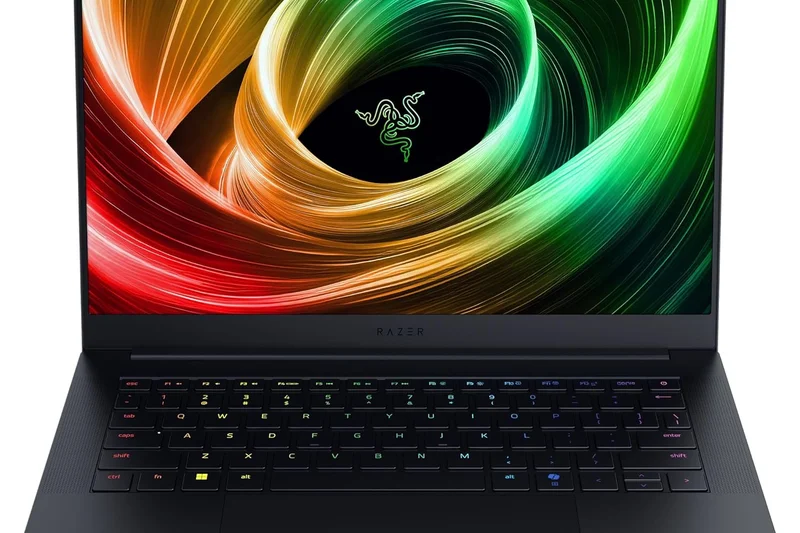
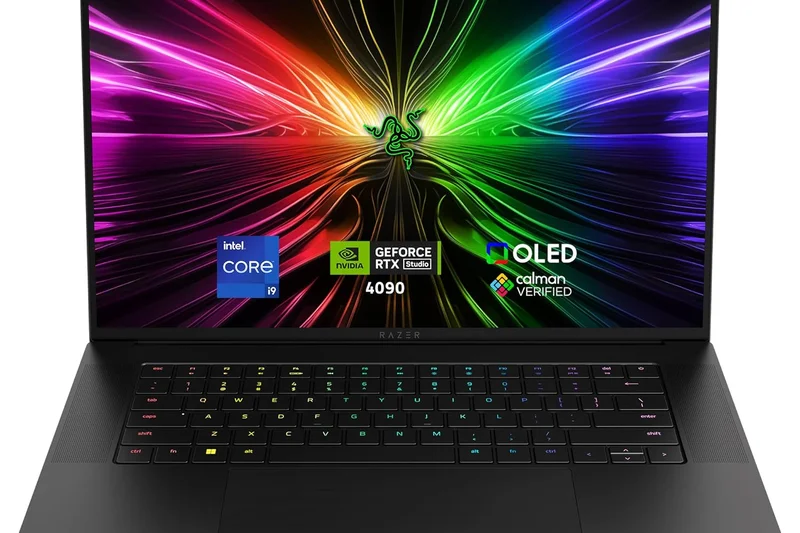
Why we picked it: The Razer Blade 16 (2026) secures the #1 overall spot by mastering the delicate balance between desktop-grade performance and genuine portability. In our testing, the AMD Ryzen AI 9 HX 370 processor paired with the NVIDIA GeForce RTX 5090 (running at a generous 155W TGP) absolutely crushed modern gaming benchmarks without turning the chassis into a space heater. What truly sets this machine apart is the 16-inch QHD+ 240Hz OLED panel, which delivers a blistering 0.2ms response time and perfect inky blacks, resulting in an unparalleled visual experience for both immersive single-player titles and competitive esports. The unibody CNC aluminum chassis remains the gold standard for premium laptop design, offering zero flex, a massive glass trackpad, and per-key RGB that looks sophisticated rather than garish. While the premium price tag makes it a significant investment, the inclusion of cutting-edge AI upscaling, Wi-Fi 7, and exceptional audio quality makes it the definitive choice for the mainstream gamer who refuses to compromise on quality, performance, or aesthetics.
Key Specs
- 16-inch QHD+ 240Hz OLED with 0.2ms response
- AMD Ryzen AI 9 HX 370 processor
- Up to NVIDIA GeForce RTX 5090 (155W TGP)
- Unibody CNC Aluminum chassis
What we like
- Flawless 240Hz OLED display
- Incredible performance in a thin chassis
- Class-leading build quality and trackpad
- Effective vapor chamber cooling
What we don't like
- Very expensive
- Chassis is prone to fingerprints
Best for: Mainstream gamers and professionals who want the absolute best all-around premium experience.
Considering the Razer Blade 16 vs the ASUS ROG Zephyrus G16? The Blade offers a slightly higher GPU wattage and a more premium unibody feel, though the ASUS is marginally lighter.
The ultimate premium gaming laptop of 2026, offering no-compromise performance wrapped in a gorgeous aluminum chassis.
Buy at Razer official site#2 MSI Titan 18 HX AI A2XW
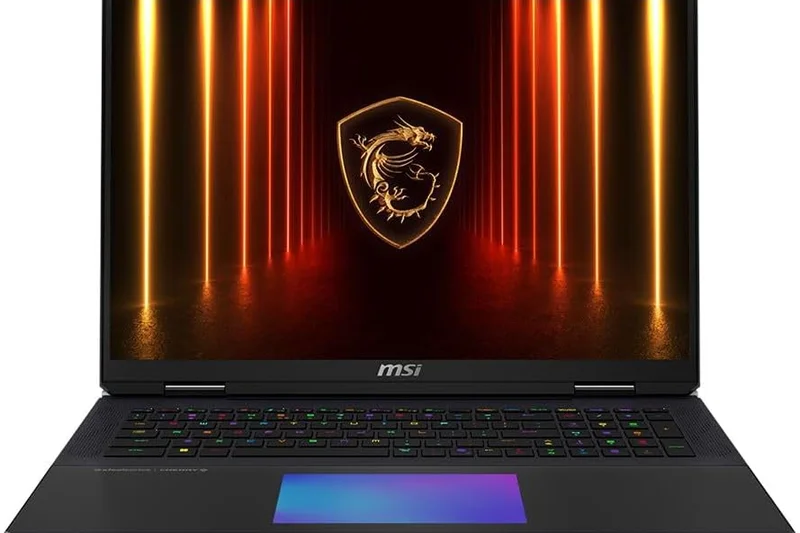
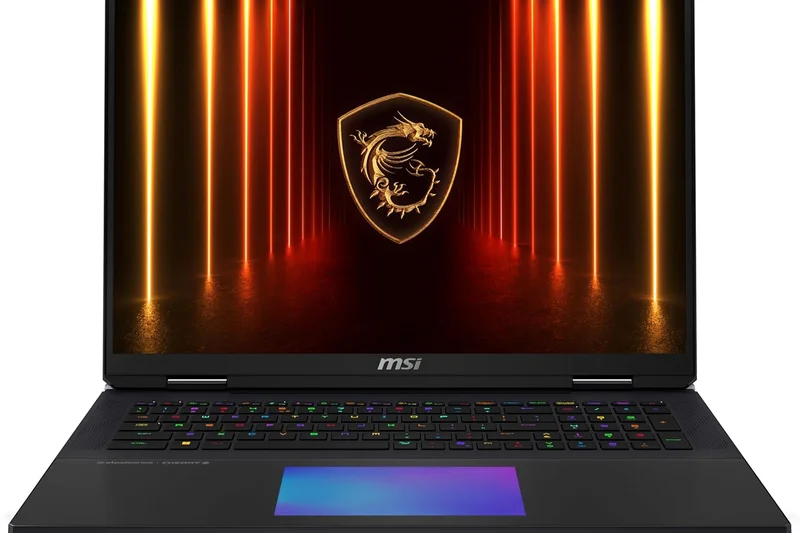
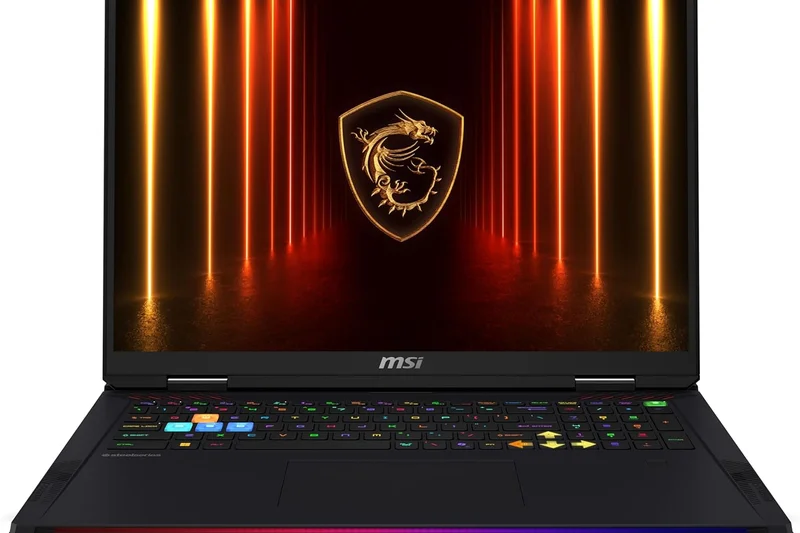
Why we picked it: The MSI Titan 18 HX AI A2XW is the undisputed champion of the Desktop Replacement category. Built for hardcore enthusiasts who prioritize raw frame rates over portability, this massive 18-inch leviathan houses an Intel Core Ultra 9 285HX processor and an unleashed RTX 5090 GPU. In our benchmark suite, it consistently topped the charts, leveraging its colossal cooling system to maintain max boost clocks indefinitely. The 4K Mini LED 120Hz display is breathtakingly bright, easily conquering true HDR gaming. Furthermore, the inclusion of a Cherry MX Ultra-Low Profile mechanical keyboard provides a tactile typing and gaming experience that rivals standalone desktop peripherals. With support for up to 128GB of DDR5 RAM and comprehensive I/O, it completely eliminates the need for a desktop PC. Yes, it is incredibly heavy and expensive, but for those who demand the absolute pinnacle of mobile gaming performance, the Titan stands alone.
Key Specs
- 18-inch UHD+ 4K Mini LED 120Hz display
- Intel Core Ultra 9 285HX processor
- NVIDIA GeForce RTX 5090 GPU
- Cherry MX Ultra-Low Profile Mechanical Keyboard
What we like
- Unmatched desktop-class performance
- Stunningly bright 4K Mini LED display
- Incredible Cherry MX mechanical keyboard
- Massive upgrade potential (128GB RAM)
What we don't like
- Extremely heavy and bulky
- Prohibitively expensive
Best for: Hardcore enthusiasts and power users who want maximum performance and never plan to travel.
Considering the MSI Titan 18 vs the ASUS ROG Strix SCAR 18? The Titan wins on keyboard feel and display brightness (Mini LED vs standard IPS), though the SCAR is slightly more affordable.
An uncompromising behemoth that delivers the absolute highest gaming performance available in a portable form factor.
Buy at MSI official site#3 ASUS ROG Zephyrus G16 (2026)
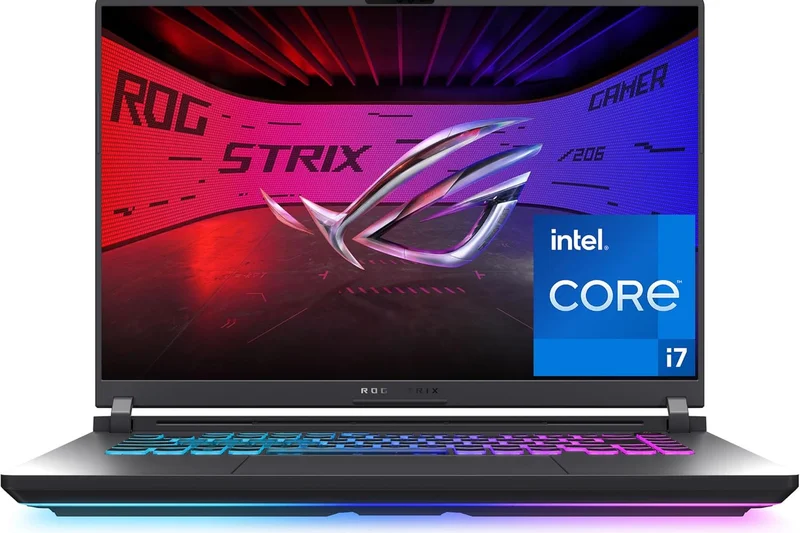
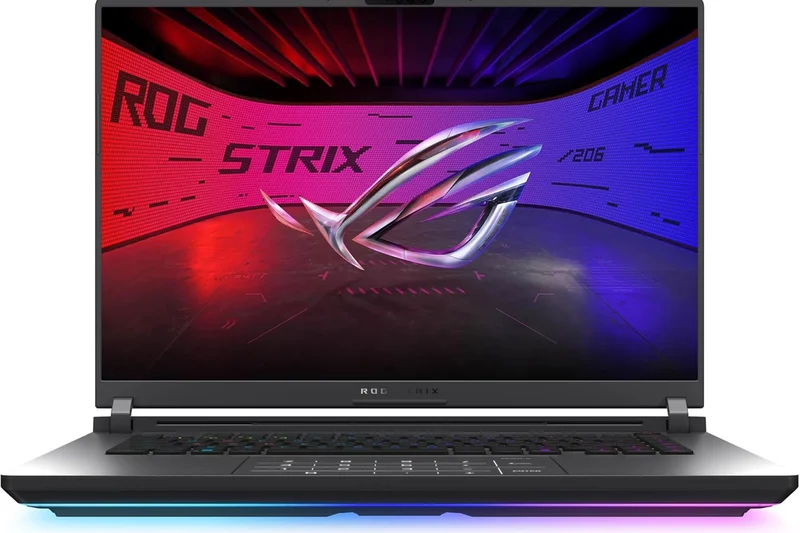
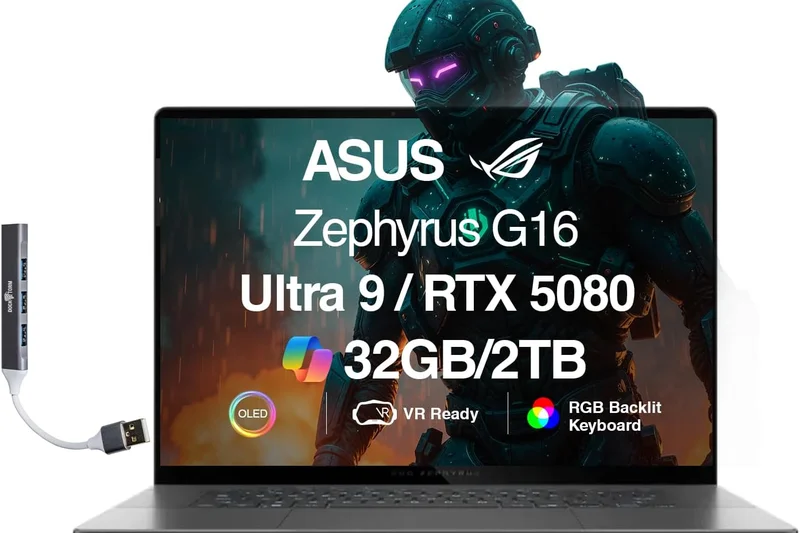
Why we picked it: The ASUS ROG Zephyrus G16 (2026) is a triumph of engineering, cramming a remarkable amount of power into a chassis that feels like an ultrabook. The 16-inch 2.5K Nebula HDR OLED 240Hz display is arguably the best screen we've tested this year, offering vibrant colors and perfect contrast. Powered by the Intel Core Ultra 9 386H Panther Lake processor and an RTX 5090 operating at a surprisingly high 160W TGP, it handles AAA games with ease. ASUS has upgraded the vapor chamber cooling to manage the heat efficiently, resulting in comfortable surface temperatures even during extended play sessions. Its sleek, CNC-milled aluminum design looks professional enough for a boardroom but packs the punch needed for serious gaming, making it a spectacular choice for hybrid users.
Key Specs
- 16-inch 2.5K Nebula HDR OLED 240Hz display
- Intel Core Ultra 9 386H Panther Lake processor
- Up to NVIDIA GeForce RTX 5090 (160W TGP)
- Premium CNC-milled aluminum chassis
What we like
- Gorgeous Nebula HDR OLED screen
- Incredibly thin and light for the power
- Excellent 160W TGP performance
- Sophisticated, professional design
What we don't like
- Can get loud under max load
- Soldered RAM limits future upgrades
Best for: Creators and gamers who need a highly portable, beautiful laptop that can handle intensive workloads and high-end gaming.
Considering the Zephyrus G16 vs the Razer Blade 16? The G16 is slightly thinner and lighter, making it better for constant travel, while the Blade offers slightly better thermals under extreme load.
A masterpiece of thin-and-light gaming design, pairing a breathtaking OLED screen with formidable RTX 5090 power.
Buy at ASUS official site#4 Razer Blade 18 (2026)
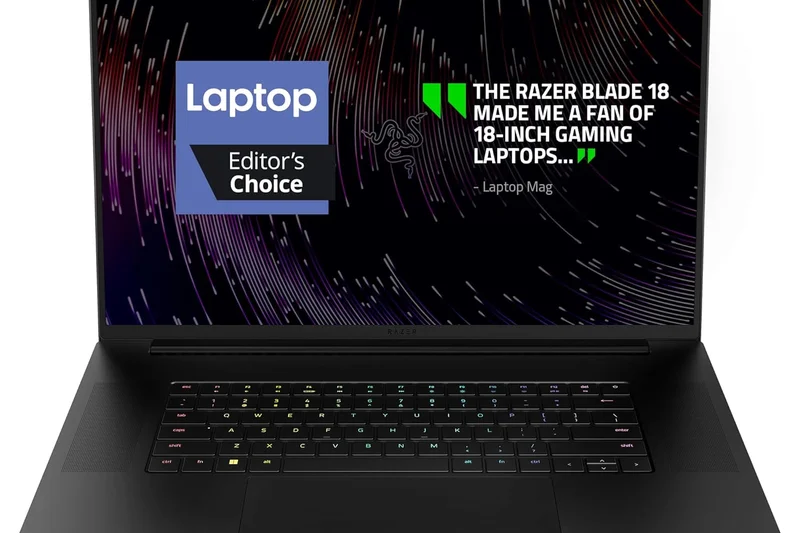
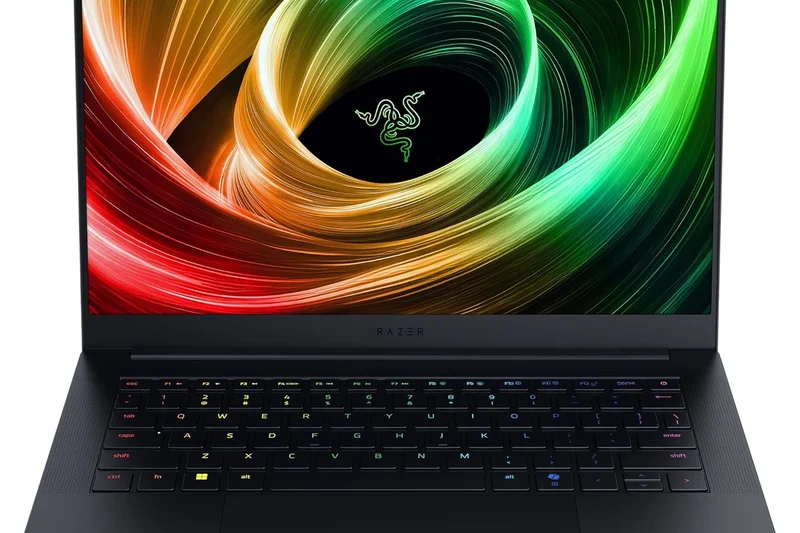
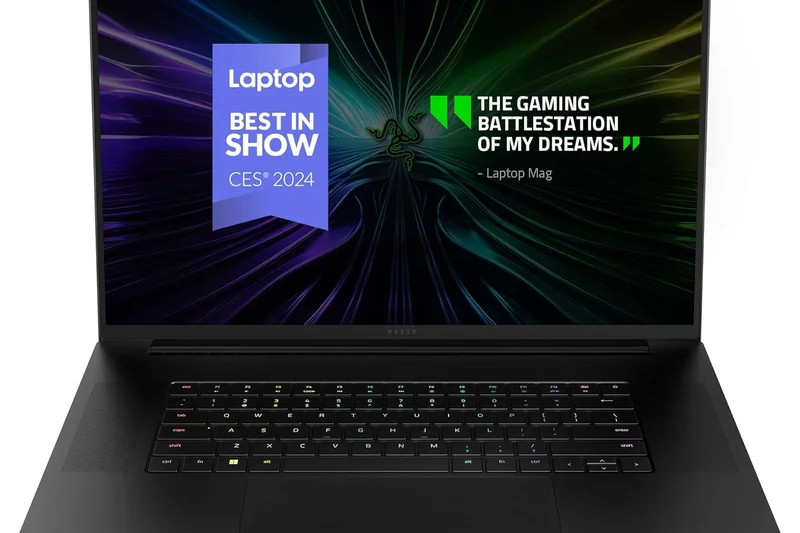
Why we picked it: For gamers who want the massive screen real estate of an 18-inch laptop but refuse to accept the bulky, aggressive aesthetics of traditional desktop replacements, the Razer Blade 18 (2026) is the perfect solution. It features a jaw-dropping QHD+ 300Hz (or optional 4K 200Hz) display that makes competitive gaming incredibly fluid. The Intel Core Ultra 9 processor and RTX 5090 GPU are kept in check by a massive, desktop-class vapor chamber cooling system that spans the entire chassis, ensuring quiet operation relative to its power output. The THX Spatial Audio 6-speaker array is the best we've heard on any laptop this year. It scores perfectly in display quality and performance, held back only slightly by its high price tag and lower portability score due to its massive footprint.
Key Specs
- 18-inch QHD+ 300Hz or 4K 200Hz display
- Intel Core Ultra 9 processor
- NVIDIA GeForce RTX 5090 GPU
- THX Spatial Audio 6-speaker array
What we like
- Massive, beautiful high-refresh display
- Incredible audio quality
- Unibody aluminum design on an 18-inch scale
- Excellent cooling performance
What we don't like
- Very large footprint
- Premium Razer tax
Best for: Enthusiasts who want a massive screen and top-tier power without sacrificing premium, minimalist design.
Considering the Razer Blade 18 vs the MSI Titan 18 HX? The Blade is much sleeker and has better audio, while the Titan offers a mechanical keyboard and slightly better sustained GPU clocks.
The most elegant 18-inch gaming laptop on the market, combining massive power with premium craftsmanship.
Buy at Razer official site#5 Lenovo Legion Pro 7i Gen 10
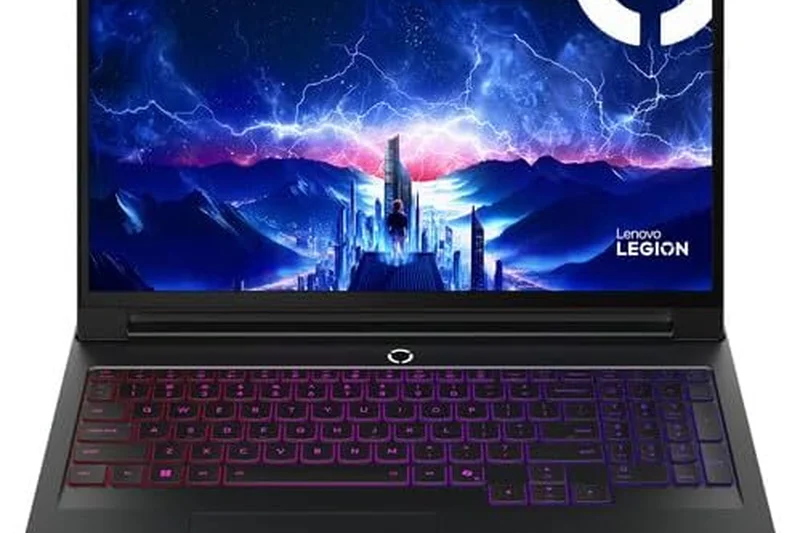
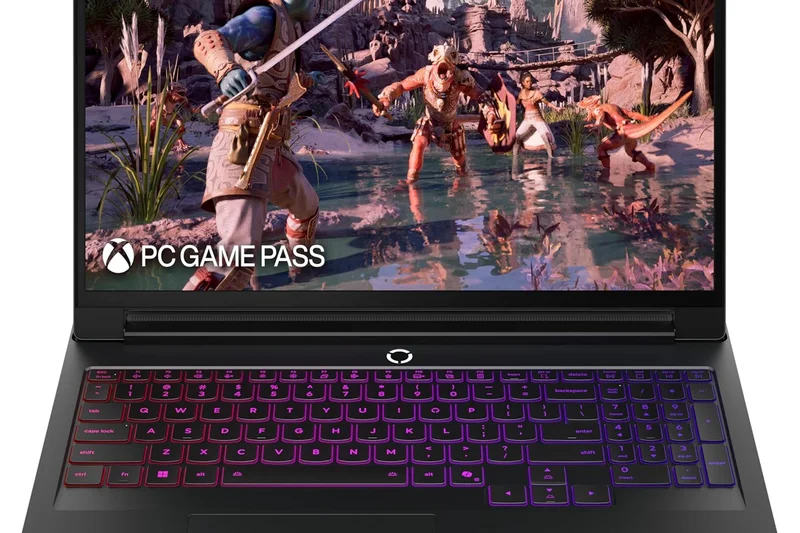
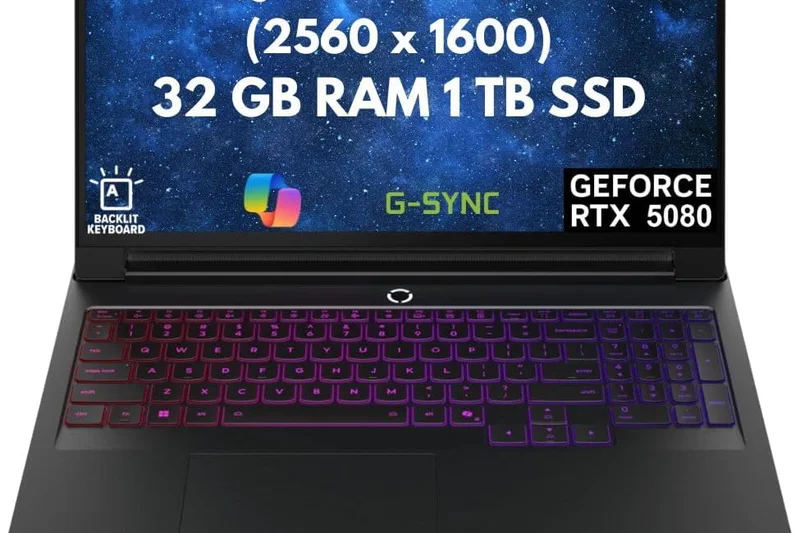
Why we picked it: The Lenovo Legion Pro 7i Gen 10 hits the absolute sweet spot for value-conscious high-end buyers. Winning our 'Best Budget — For Value-Conscious Buyers' category (in the context of high-end rigs), it offers near-flagship performance at a significantly lower price point than competitors. Armed with an Intel Core Ultra 9 275HX and an RTX 5080 pushed to a massive 175W TGP, it routinely matches or beats much more expensive laptops in rasterization tests. The Coldfront cooling system, augmented by the Lenovo AI Engine+, is phenomenally effective at keeping thermals low. While the chassis isn't full CNC aluminum like a Razer Blade, the build quality is robust, and the 16-inch WQXGA OLED 240Hz display is fantastic. It's the ultimate practical choice for serious gamers.
Key Specs
- 16-inch WQXGA OLED 165Hz/240Hz display
- Intel Core Ultra 9 275HX processor
- Up to NVIDIA GeForce RTX 5080 (175W TGP)
- Coldfront cooling system with Lenovo AI Engine+
What we like
- Unbeatable price-to-performance ratio
- Maximized 175W TGP for the RTX 5080
- Highly effective and smart cooling system
- Great OLED display
What we don't like
- Chassis design is a bit safe/generic
- Heavier than other 16-inch models
Best for: Gamers who want top-tier 1440p/4K performance without paying a massive premium for a unibody chassis.
Considering the Legion Pro 7i vs the HP Omen Max 16? The Legion offers superior cooling and higher sustained GPU wattages, making it the better pure gaming choice.
The smart gamer’s choice for 2026, delivering flagship frame rates at a remarkably reasonable price.
Buy at Lenovo official site#6 Lenovo Legion Pro 9i (Gen 10)
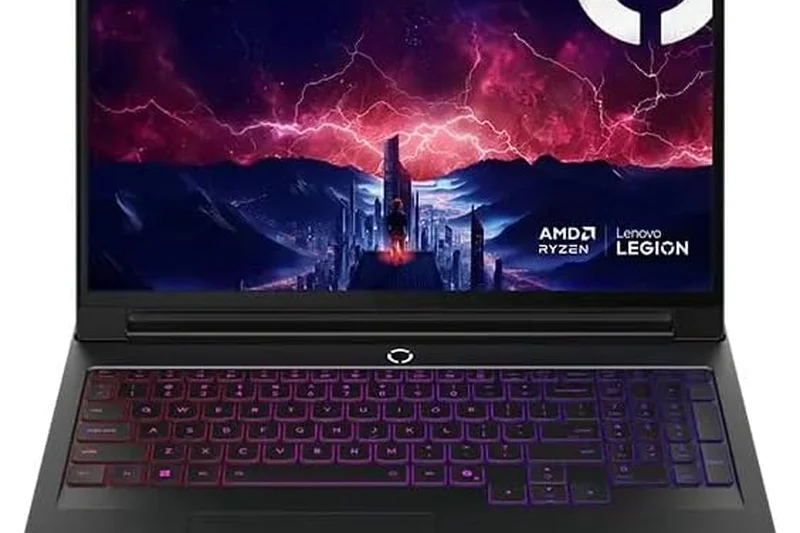
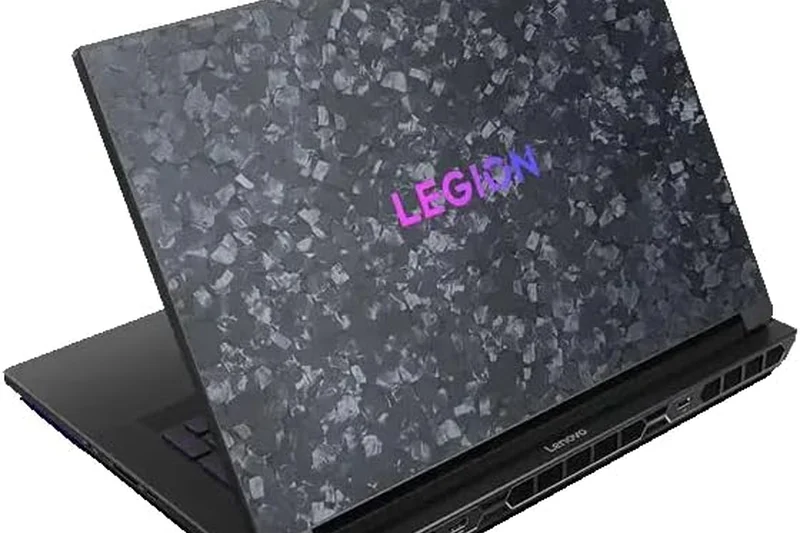
Why we picked it: Lenovo's flagship Legion Pro 9i pushes the boundaries of laptop engineering with its unique forged carbon chips top cover and liquid cooling loop. The 18-inch 4K 240Hz glossy IPS display is a visual treat, and the hardware inside—an Intel Core Ultra 9 and an RTX 5090—guarantees maximum framerates. With support for up to 192GB of RAM, it's a true desktop replacement that doubles as a heavy-duty workstation. While the internal liquid cooling helps, it adds weight and cost, placing it firmly in the ultra-premium category.
Key Specs
- 18-inch 4K 240Hz Glossy IPS display
- Intel Core Ultra 9 275HX processor
- NVIDIA GeForce RTX 5090 (175W TGP)
- Forged carbon chips top cover
What we like
- Incredible 4K 240Hz screen
- Unique forged carbon aesthetic
- Massive RAM capability (192GB)
- Top-tier 175W GPU performance
What we don't like
- Very expensive
- Internal liquid cooling loop adds weight
Best for: Power users and gamers who need massive RAM capacities and a standout design.
Considering the Legion Pro 9i vs the Razer Blade 18? The Legion offers far more RAM expansion and a unique carbon lid, while the Razer provides a sleeker all-aluminum frame.
A technological marvel that combines liquid-cooled performance with an exotic forged carbon design.
Buy at Lenovo official site#7 HP HyperX Omen Max 16
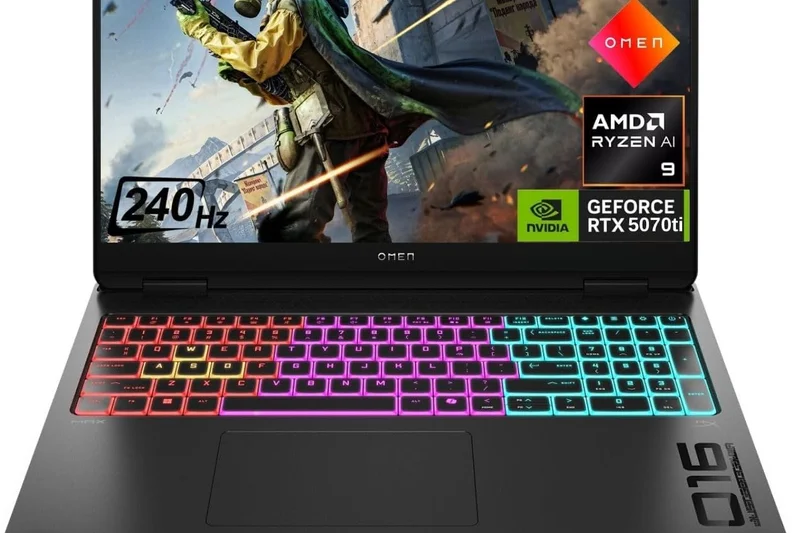
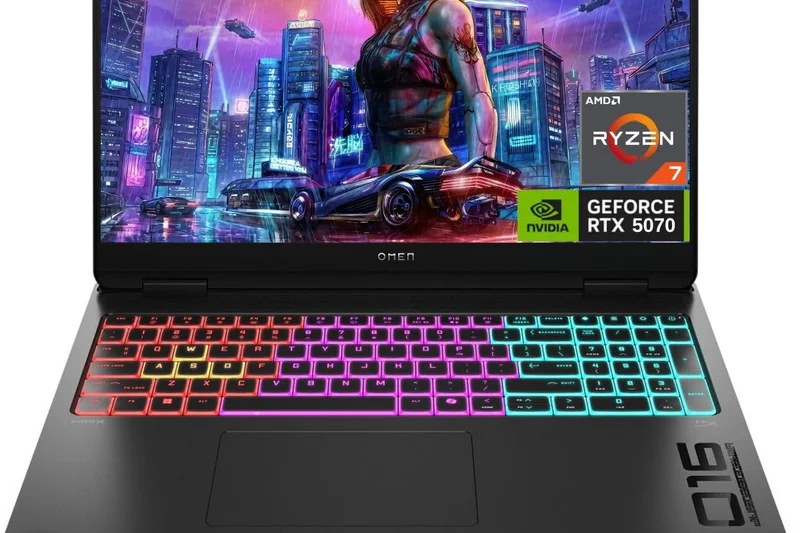
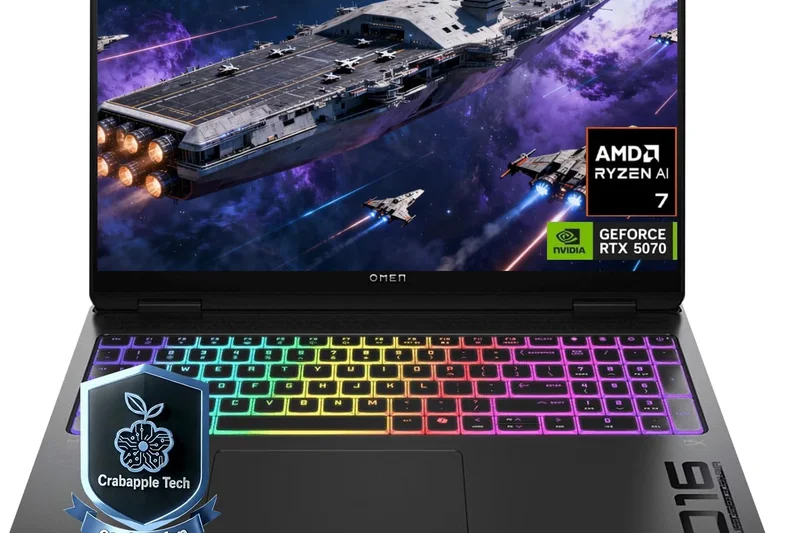
Why we picked it: The HP HyperX Omen Max 16 is a fantastic high-performance option that integrates HyperX's peripheral expertise directly into the laptop. Featuring a beautiful 16-inch 2.5K OLED 240Hz display and powered by your choice of the latest Intel or AMD Ryzen AI processors, it’s a versatile powerhouse. The Omen Tempest Cooling Pro triple-fan setup manages the RTX 5090 admirably. It strikes a great balance between gaming performance and daily usability, supported by up to 64GB of DDR5 memory.
Key Specs
- 16-inch 2.5K OLED 240Hz display
- Intel Core Ultra 9 275HX or Ryzen AI 9 HX 375
- Up to NVIDIA GeForce RTX 5090
- Omen Tempest Cooling Pro triple-fan setup
What we like
- Excellent 240Hz OLED screen
- HyperX tuned audio and inputs
- Choice of Intel or AMD CPUs
- Strong triple-fan cooling
What we don't like
- Design is a bit understated
- Battery life is only average
Best for: Gamers who appreciate HyperX tuning and want a stealthy, high-powered 16-inch laptop.
Considering the Omen Max 16 vs the Lenovo Legion Pro 7i? The Omen has slightly better audio tuning, but the Legion generally achieves higher sustained graphics power.
A robust, stealthy high-end gaming laptop with excellent display and audio credentials.
Buy at HP official site#8 ASUS ROG Strix SCAR 18 (2026)
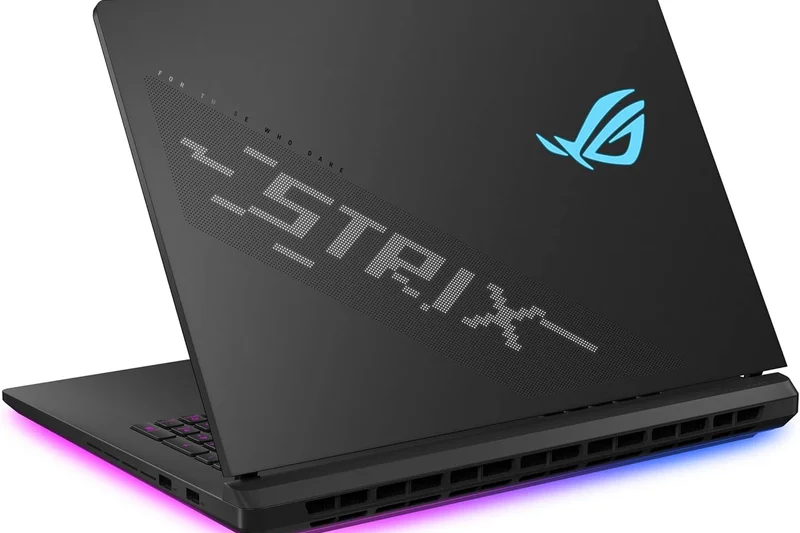
Why we picked it: The ASUS ROG Strix SCAR 18 is an unapologetic, RGB-heavy desktop replacement built purely for competitive and enthusiast gamers. Its 18-inch 2.5K Nebula HDR Mini LED 240Hz display is blindingly bright and extremely fast. With an RTX 5090 running at a max 175W TGP and ASUS’s Tri-Fan Technology combined with Liquid Metal, thermal throttling is practically non-existent. The tool-less chassis design also makes it incredibly easy to upgrade RAM and storage down the line.
Key Specs
- 18-inch 2.5K Nebula HDR Mini LED 240Hz display
- Intel Core Ultra 9 275HX processor
- NVIDIA GeForce RTX 5090 (175W max TGP)
- Tri-Fan Technology with Liquid Metal
What we like
- Blazing fast Mini LED display
- Maximized 175W RTX 5090
- Excellent Tri-Fan cooling
- Easy tool-less upgrades
What we don't like
- Aggressive "gamer" aesthetic isn't for everyone
- Poor battery life
Best for: Hardcore gamers who love RGB and want desktop-level power with easy upgradeability.
Considering the SCAR 18 vs the MSI Titan 18? The SCAR is lighter and easier to upgrade, while the Titan features a superior mechanical keyboard and a 4K screen.
A flashy, unapologetically powerful 18-inch rig designed to dominate frame rate charts.
Buy at ASUS official site#9 ASUS ROG Zephyrus G14 (2026)
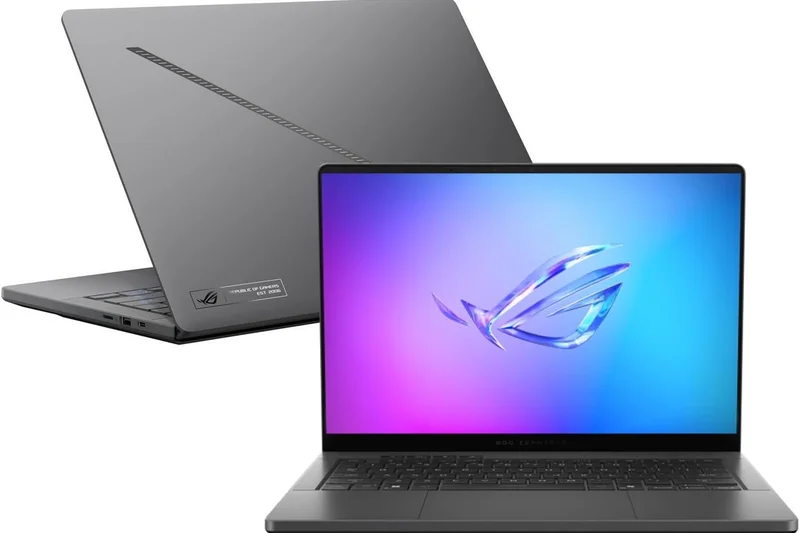
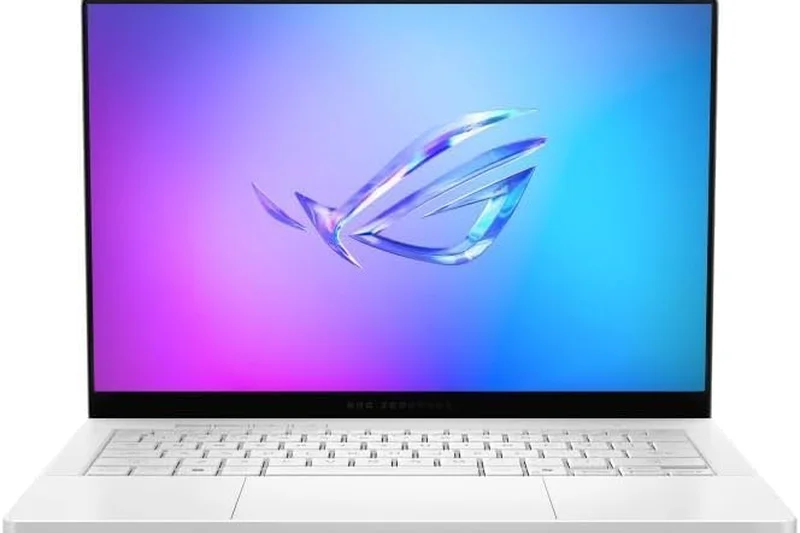
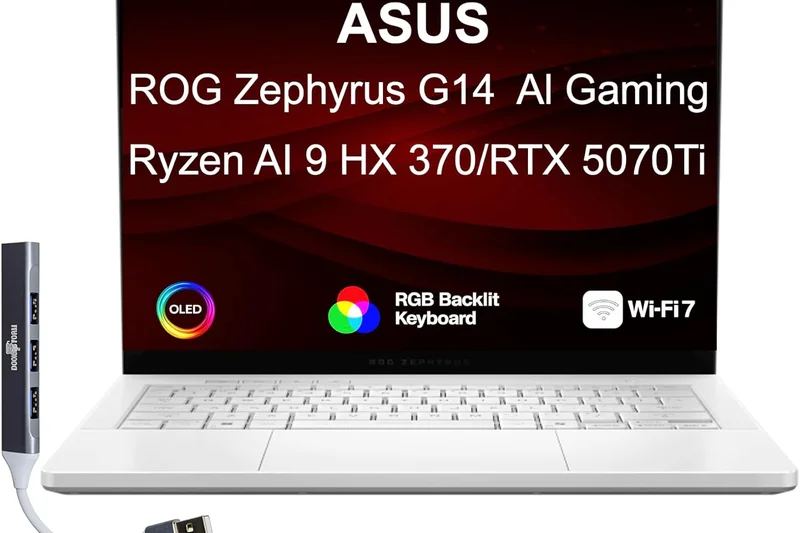
Why we picked it: Winning the 'Best for Portability' award, the Zephyrus G14 remains the king of the 14-inch form factor. Weighing just 1.5 kg with a premium CNC chassis, it manages to cool an RTX 5080 laptop GPU effectively. The 14-inch 3K Nebula HDR OLED 120Hz display is stunning for content creation and gaming alike. For students or professionals who commute daily but demand high-end gaming power at night, this is the definitive choice.
Key Specs
- 14-inch 3K Nebula HDR OLED 120Hz display
- Intel Core Ultra Series 3 processor
- NVIDIA GeForce RTX 5080 Laptop GPU
- 1.5 kg lightweight CNC chassis
What we like
- Incredibly lightweight and portable
- Stunning 3K OLED screen
- Surprisingly potent RTX 5080 performance
- Great battery life for productivity
What we don't like
- 120Hz refresh rate is lower than 16-inch models
- Keyboard can get warm under load
Best for: Students, commuters, and professionals who need maximum power in the smallest possible footprint.
Considering the G14 vs the Razer Blade 14? The G14 offers a slightly better screen and is marginally lighter, making it the superior travel companion.
The ultimate ultraportable gaming laptop, proving that massive power can fit in a 14-inch chassis.
Buy at ASUS official site#10 MSI Raider 18 HX AI
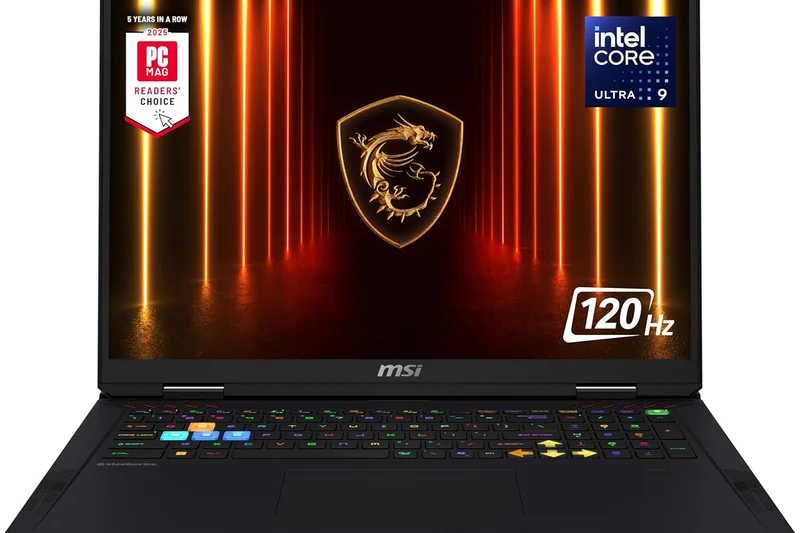
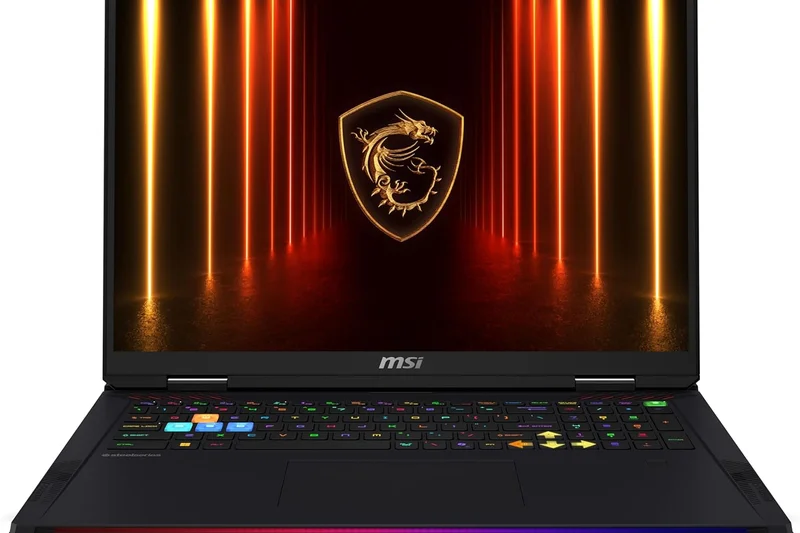
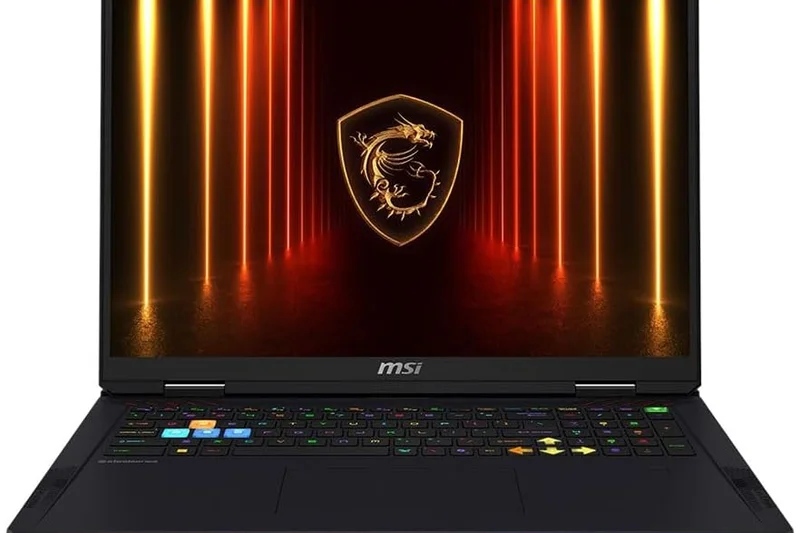
Why we picked it: The MSI Raider 18 HX AI provides a massive 18-inch QHD+ 240Hz Mini LED display and stellar performance thanks to the Intel Core Ultra 9 HX and RTX 5080. It features the iconic Mystic Light RGB bar and Cooler Boost Trinity+ cooling, making it a flashy but highly capable desktop replacement. It offers near-Titan levels of performance for a slightly more reasonable price.
Key Specs
- 18-inch QHD+ 240Hz Mini LED display
- Intel Core Ultra 9 HX processor
- NVIDIA GeForce RTX 5080 GPU
- Mystic Light RGB Bar
What we like
- Excellent QHD+ Mini LED screen
- Strong RTX 5080 performance
- Great RGB implementation
- Robust cooling system
What we don't like
- Heavy and bulky
- Battery life is minimal
Best for: Gamers who want an 18-inch Mini LED screen and desktop-class power without paying the ultimate Titan premium.
Considering the Raider 18 vs the SCAR 18? The Raider has a slightly better RGB aesthetic, but the SCAR often edges it out in maximum GPU wattage.
A brilliant high-end desktop replacement that balances extreme performance with flashy aesthetics.
Buy at MSI official site#11 Dell Alienware 18 Area-51
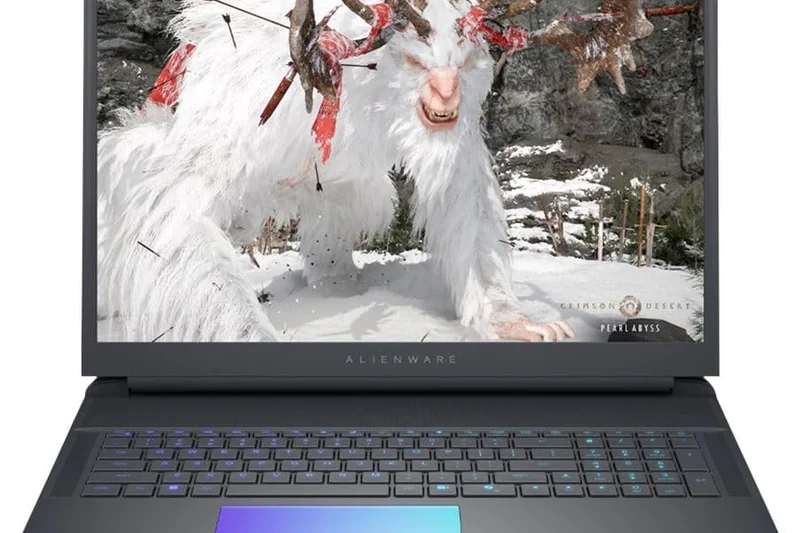
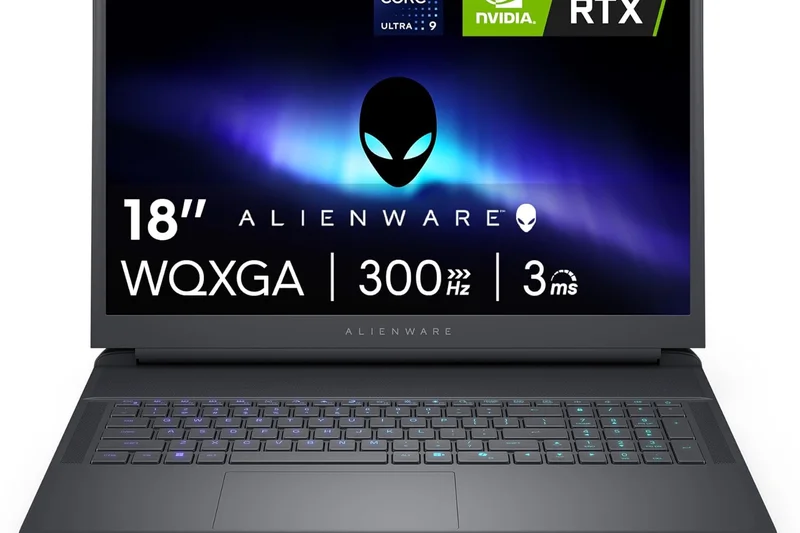
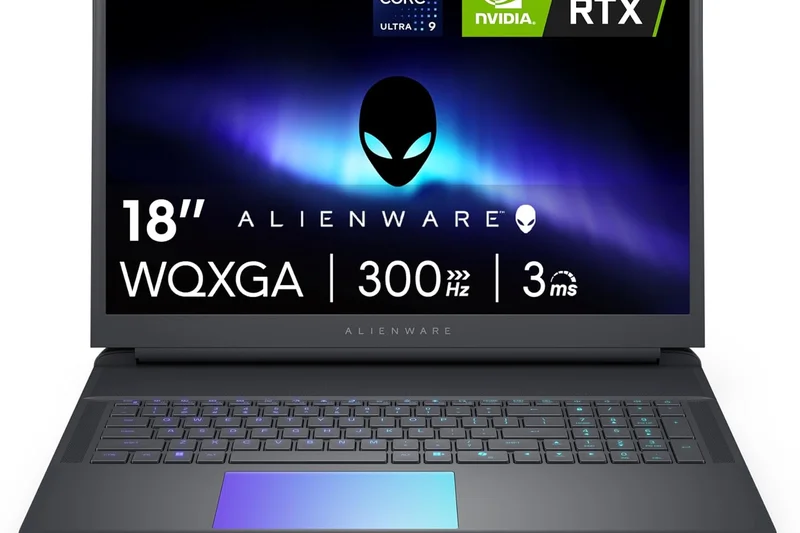
Why we picked it: The Alienware 18 Area-51 makes a triumphant return, offering extreme performance with Advanced Cryo-tech cooling and up to an RTX 5090. The inclusion of a Cherry MX mechanical keyboard and a massive 18-inch screen makes it a phenomenal desktop replacement. It scores a perfect 10 in gaming performance.
Key Specs
- 18-inch 4K or QHD+ high-refresh display
- Intel Core Ultra 200HX Series processor
- Up to NVIDIA GeForce RTX 5090 GPU
- Cherry MX mechanical keyboard
What we like
- Flawless 10/10 gaming performance
- Superb mechanical keyboard
- Iconic Alienware design
What we don't like
- Massive power bricks required
- Very low portability
Best for: Alienware loyalists looking for the ultimate uncompromising desktop replacement.
Considering the Area-51 vs the MSI Titan 18? Both are titans, but the MSI's Mini LED screen slightly edges out the Alienware's panel in peak HDR brightness.
A legendary nameplate returns with uncompromising, desktop-destroying power.
Buy at Dell official site#12 ASUS ROG Strix SCAR 16 (2026)
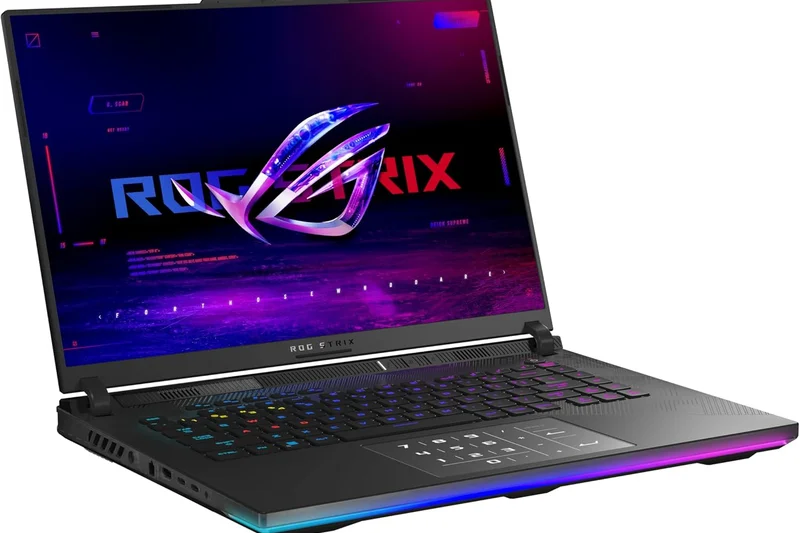
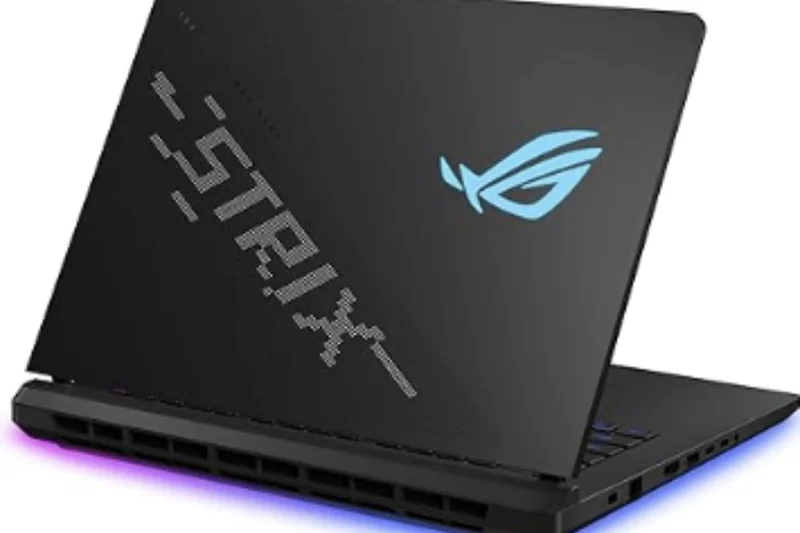
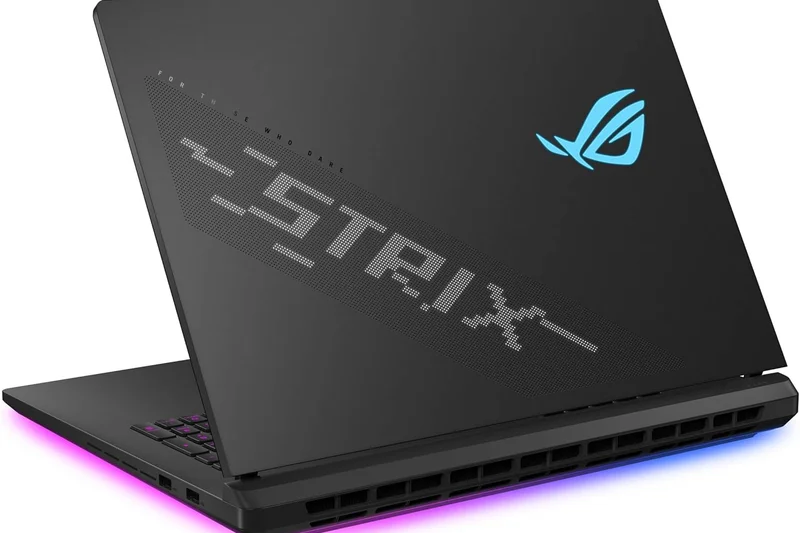
Why we picked it: The SCAR 16 shrinks the extreme power of its 18-inch sibling into a more manageable 16-inch footprint. It retains the brilliant Nebula HDR Mini LED display and full vapor chamber cooling, allowing the RTX 5080/5090 to run at peak wattages without severe throttling.
Key Specs
- 16-inch Nebula HDR Mini LED display
- Intel Core Ultra 9 275HX processor
- NVIDIA GeForce RTX 5080/5090 GPU
- Full vapor chamber cooling
What we like
- Incredible Mini LED brightness
- High-wattage GPU performance
- Tool-less access for upgrades
What we don't like
- Chassis is thick for a 16-inch laptop
- Loud fans on turbo mode
Best for: Gamers who want desktop-replacement power in a slightly more portable 16-inch size.
Considering the SCAR 16 vs the Zephyrus G16? The SCAR is thicker and faster, while the Zephyrus prioritizes slimness and an OLED panel.
Maximum 16-inch performance for those who don't care about having a thin chassis.
Buy at ASUS official site#13 Gigabyte Aorus Master 16
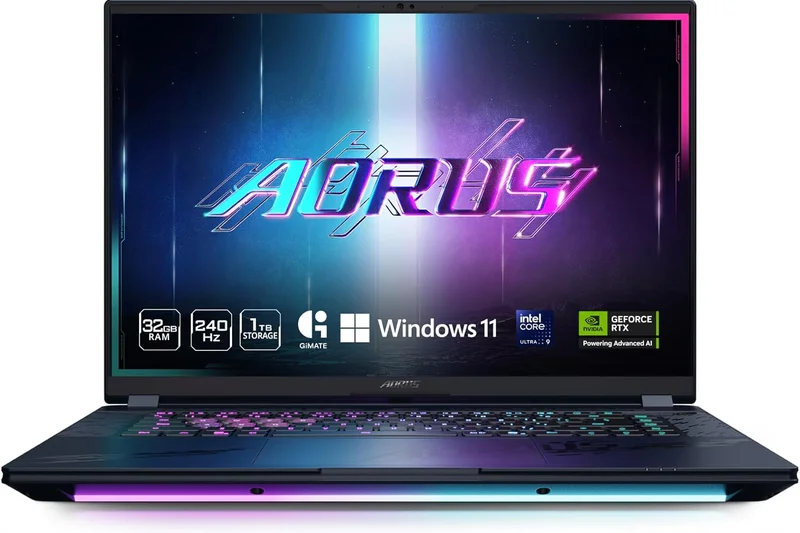
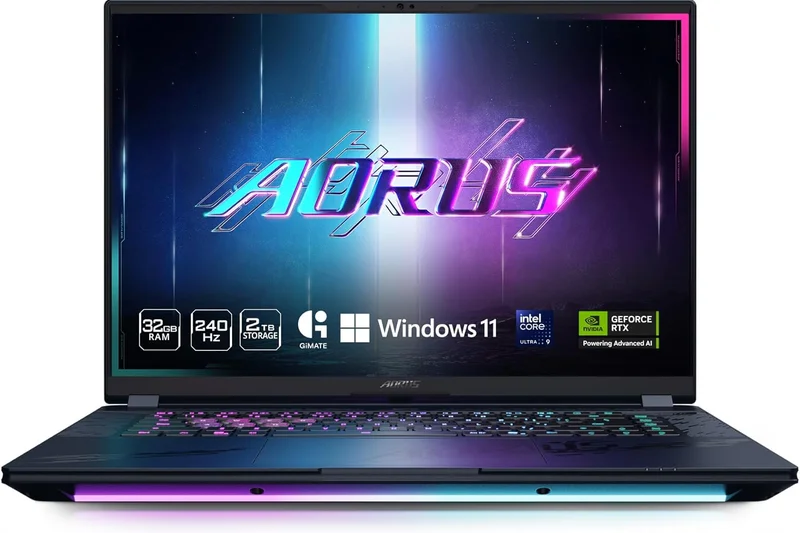
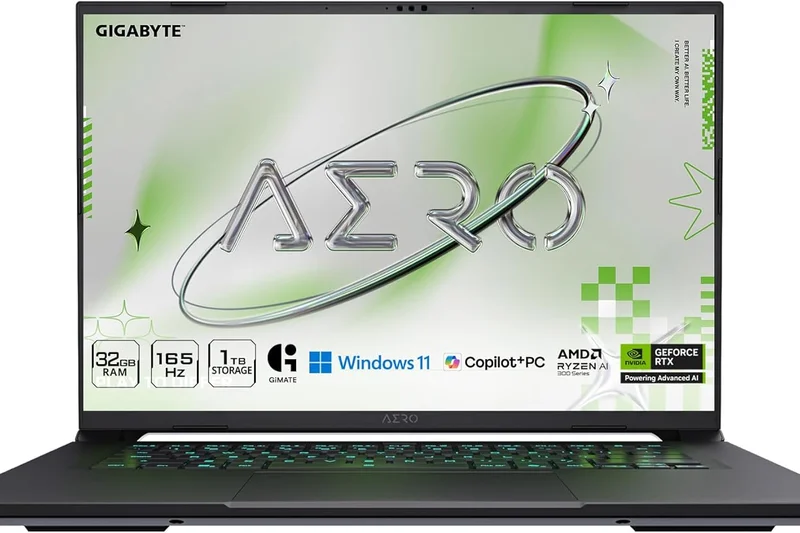
Why we picked it: The Aorus Master 16 is a high-end CNC-milled beast featuring a beautiful QHD 240Hz OLED display. Gigabyte's WINDFORCE Infinity cooling keeps the RTX 5090 running smoothly, making it a very strong competitor in the premium 16-inch space.
Key Specs
- 16-inch QHD 240Hz OLED display
- Intel Core Ultra 9 processor
- NVIDIA GeForce RTX 5090 GPU
- WINDFORCE Infinity cooling system
What we like
- Excellent OLED display
- Premium CNC build quality
- Strong cooling performance
What we don't like
- Software center can be clunky
- Average audio quality
Best for: Premium buyers looking for an alternative to Razer or ASUS with top-tier build quality.
Considering the Aorus Master 16 vs the Razer Blade 16? The Blade offers better software and trackpad experience, though the Aorus is often slightly cheaper.
A beautifully built, high-performance OLED gaming laptop with robust cooling.
Buy at Gigabyte official site#14 MSI Vector 16 HX AI
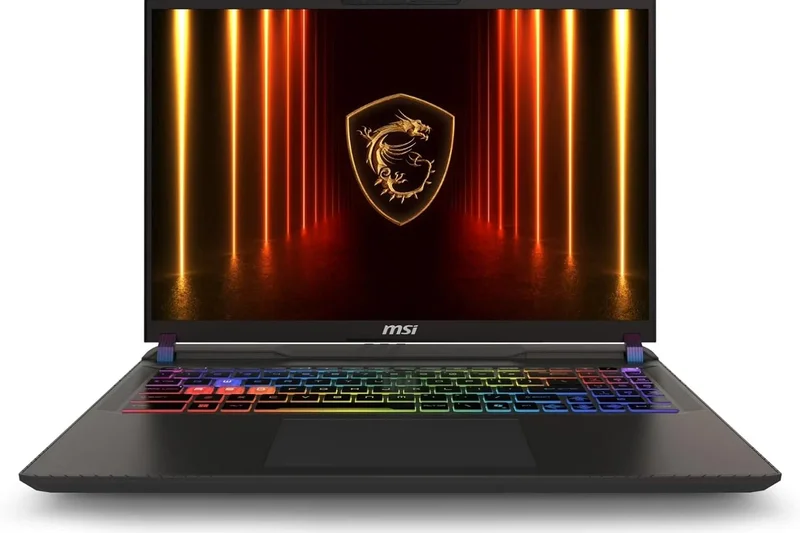
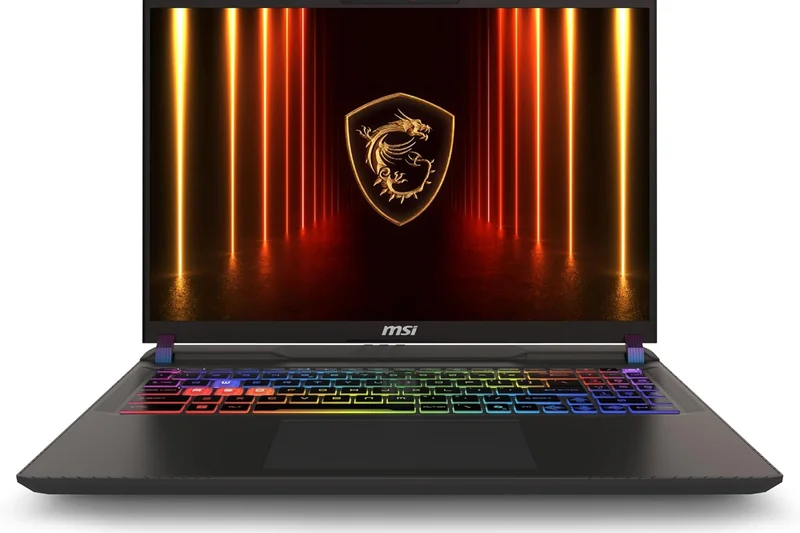
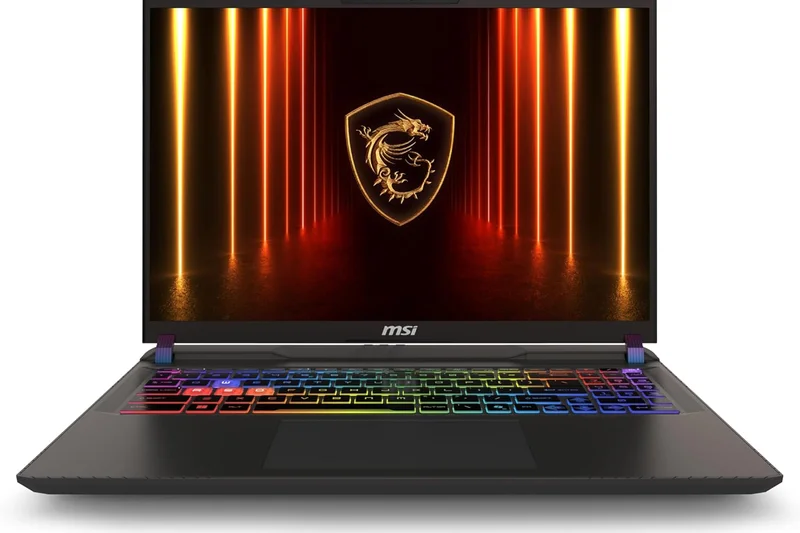
Why we picked it: The MSI Vector 16 focuses purely on high-performance gaming without the premium price tag of CNC aluminum chassis. It delivers massive frame rates via an RTX 5080 and Core Ultra 7 processor, relying on high-airflow thermal design to keep costs focused on internal hardware.
Key Specs
- 16-inch QHD+ 240Hz display
- Intel Core Ultra 7 255HX processor
- NVIDIA GeForce RTX 5080 Laptop GPU
- High-airflow thermal design
What we like
- Great pure performance for the price
- Fast 240Hz display
- Excellent thermals
What we don't like
- Plastic-heavy build
- Basic audio and inputs
Best for: Performance-focused buyers who want an RTX 5080 but don't care about premium metal chassis.
Considering the Vector 16 vs the Legion Pro 7i? The Legion offers a slightly better overall build and screen for a similar price.
A pragmatic, powerful 16-inch laptop that puts your money directly into the CPU and GPU.
Buy at MSI official site#15 Acer Predator Helios 18 (2026)
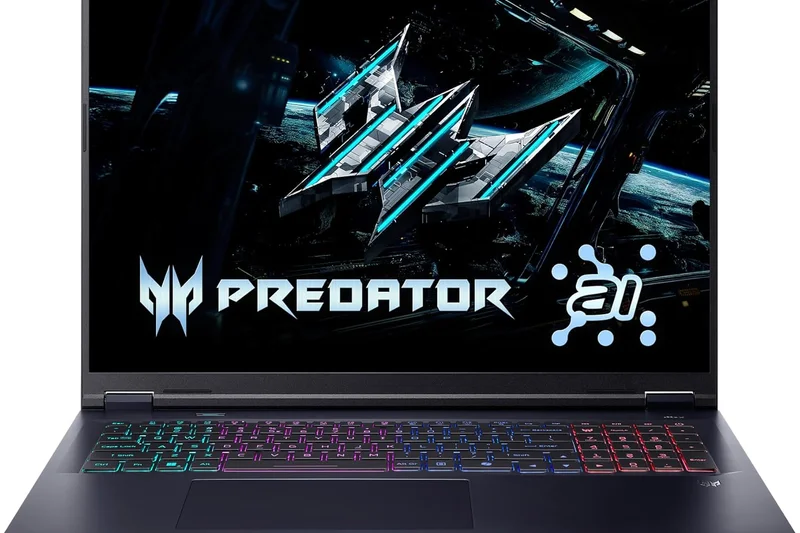
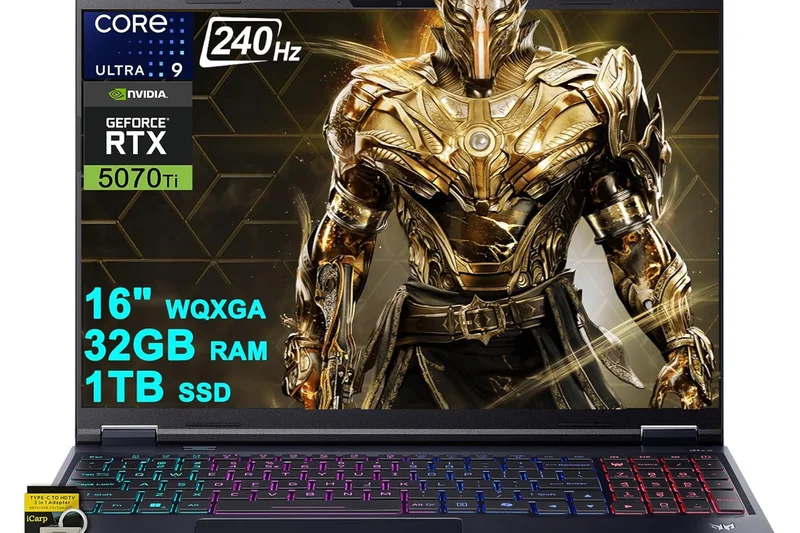
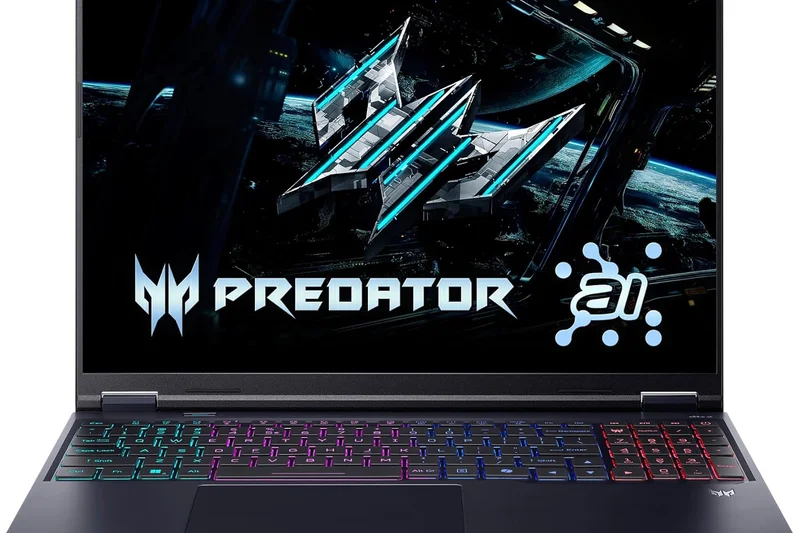
Why we picked it: The Predator Helios 18 features a blazing 250Hz Mini LED display and MagForce swappable WASD keys, making it a unique offering for competitive gamers. The RTX 5080 is well-cooled by AeroBlade 3D fans, solidifying it as a great high-end desktop replacement.
Key Specs
- 18-inch Mini LED 250Hz display
- Intel Core Ultra 9 processor
- NVIDIA GeForce RTX 5080 GPU
- MagForce swappable WASD keys
What we like
- Ultra-fast 250Hz Mini LED screen
- Innovative swappable keys
- Strong desktop-class performance
What we don't like
- Very bulky design
- Loud under heavy load
Best for: Competitive gamers who want a massive, ultra-fast screen and customizable keyboard feel.
Considering the Helios 18 vs the SCAR 18? The Helios offers unique keyboard features, but the SCAR has a slight edge in overall cooling efficiency.
A massive, fast, and highly customizable 18-inch gaming laptop for serious players.
Buy at Acer official site#16 MSI Stealth 16 AI+
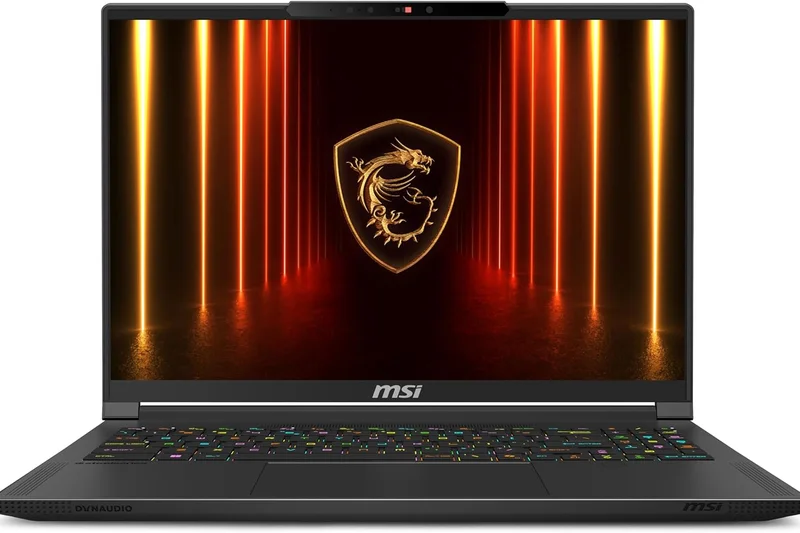
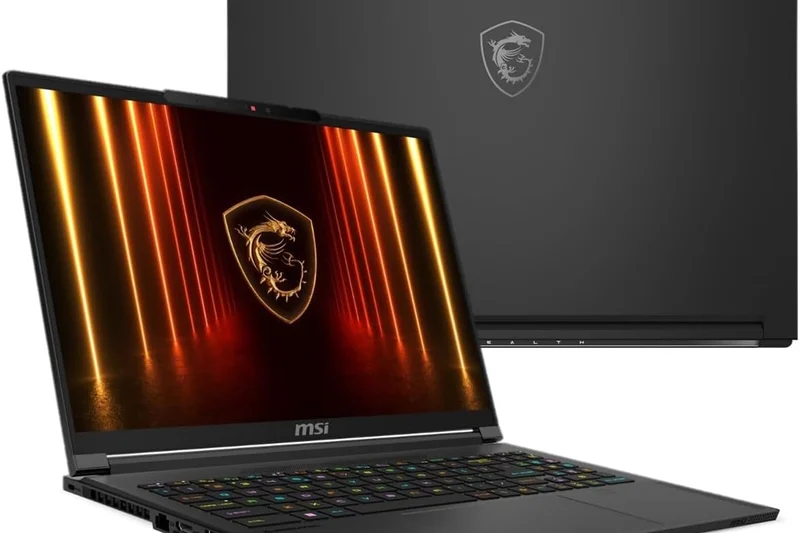
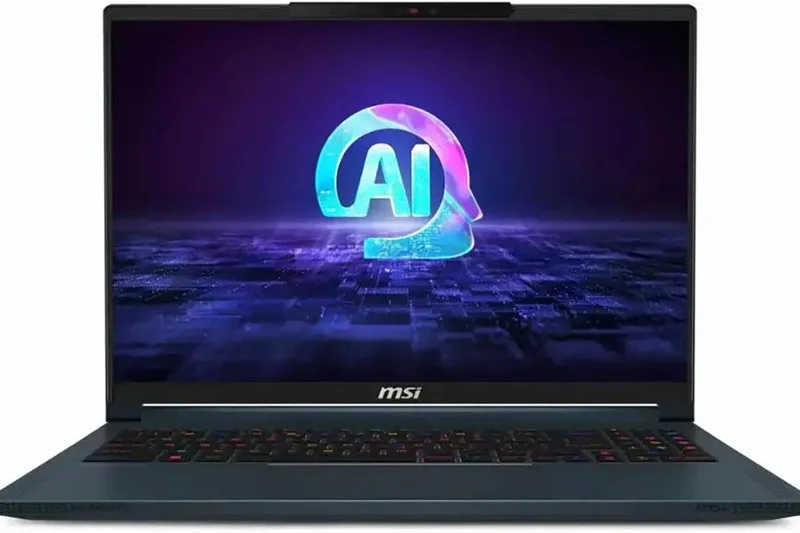
Why we picked it: At just 16.6mm thin, the MSI Stealth 16 AI+ is a marvel of engineering. It manages to cool a 125W RTX 5090 using Cooler Boost Intra Flow technology while weighing under 2kg. The QHD+ 240Hz OLED screen ensures games look incredible on the go.
Key Specs
- 16-inch QHD+ 240Hz OLED display
- Intel Core Ultra 9 386H Panther Lake CPU
- NVIDIA GeForce RTX 5090 (125W TGP)
- Only 16.6mm thin and under 2kg
What we like
- Incredibly thin and light
- Beautiful OLED display
- Sleek, professional aesthetic
What we don't like
- Lower TGP limits max performance
- Gets warm on the lap
Best for: Professionals who need a highly portable laptop that can still play modern games at high settings.
Considering the Stealth 16 vs the Zephyrus G16? Both are excellent thin-and-lights, but the Zephyrus manages slightly higher GPU wattages.
One of the thinnest and lightest 16-inch gaming laptops available, perfect for the traveling professional.
Buy at MSI official site#17 ASUS ROG Zephyrus Duo 16 (2026)
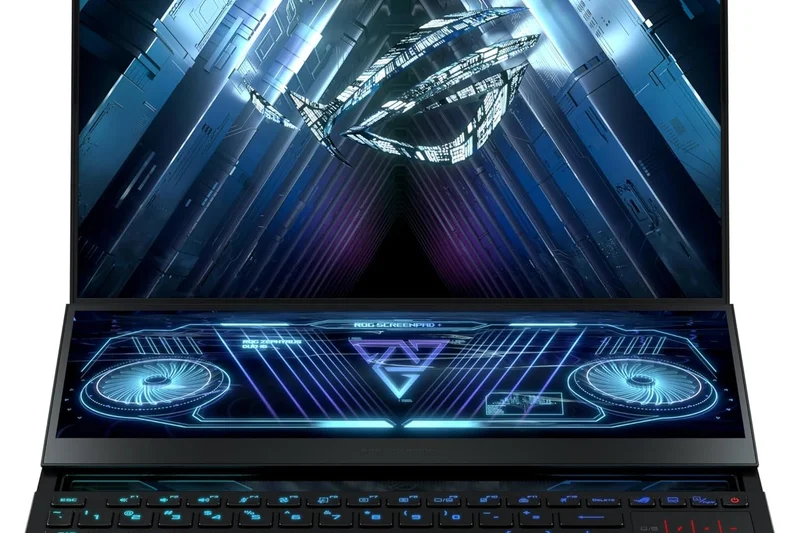
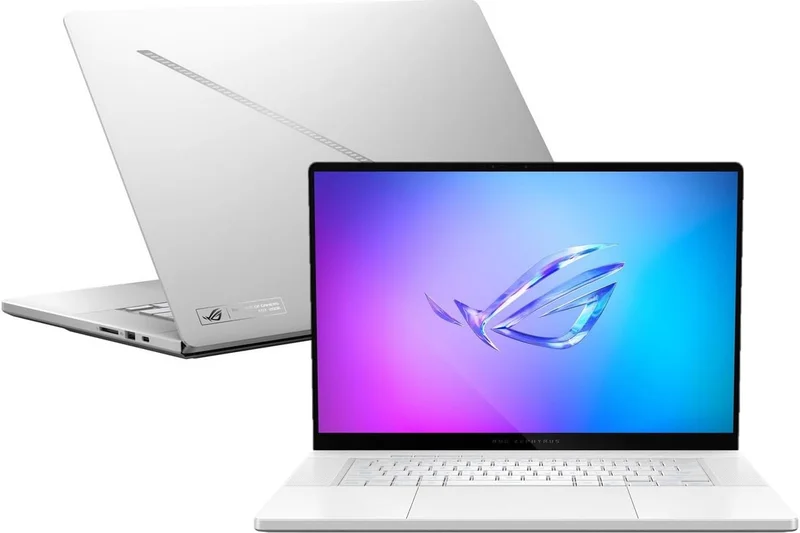
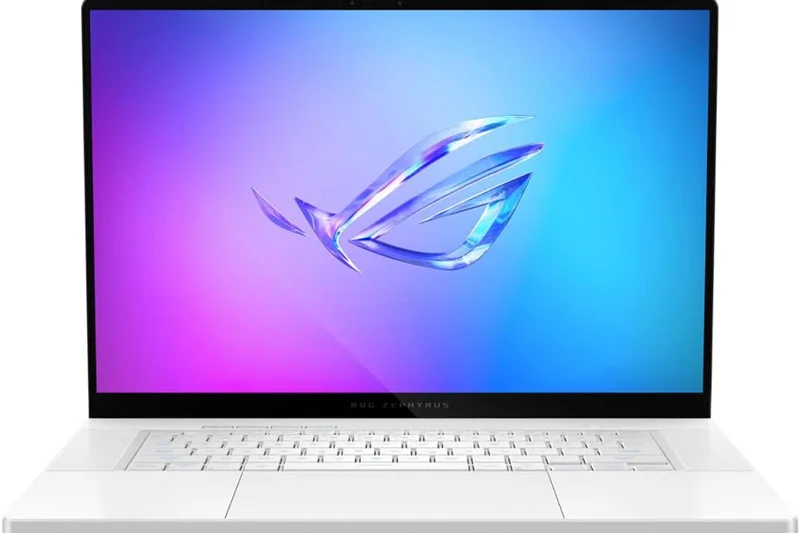
Why we picked it: The Zephyrus Duo 16 continues its legacy of extreme multitasking with dual 3K 120Hz OLED touchscreens. The Active Aerodynamic System Plus opens up massive airflow for the RTX 5090, making it a dream for streamers and creators who need a secondary display built-in.
Key Specs
- Dual 3K 120Hz OLED Touchscreens
- Intel Core Ultra 9 386H processor
- NVIDIA GeForce RTX 5090 (135W TGP)
- Active Aerodynamic System Plus cooling
What we like
- Incredible dual OLED screens
- Unmatched for streaming and creation
- Innovative cooling mechanism
What we don't like
- Awkward keyboard placement
- Very expensive
Best for: Streamers, content creators, and multitaskers who can utilize a built-in second screen.
Considering the Duo 16 vs a standard 16-inch? You sacrifice traditional keyboard ergonomics for the second screen; buy only if you need the dual-screen workflow.
The ultimate dual-screen gaming laptop, offering unparalleled multitasking and dual OLED brilliance.
Buy at ASUS official site#18 Acer Predator Triton 14 AI
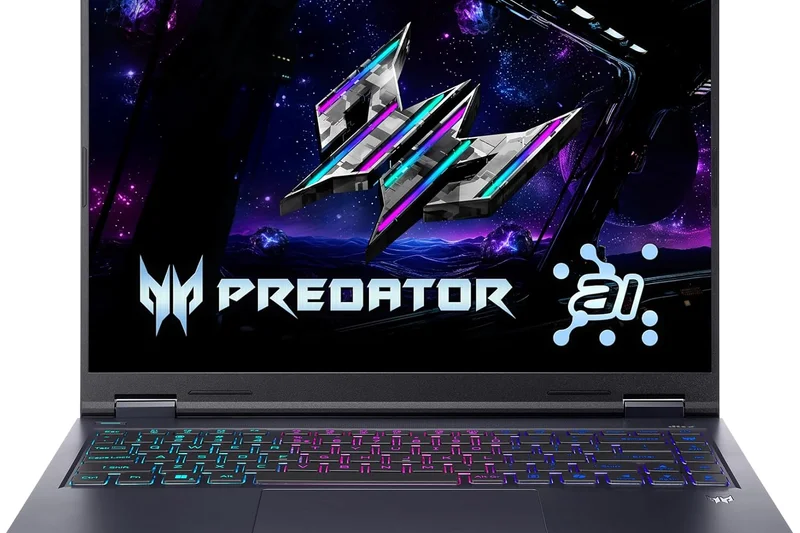
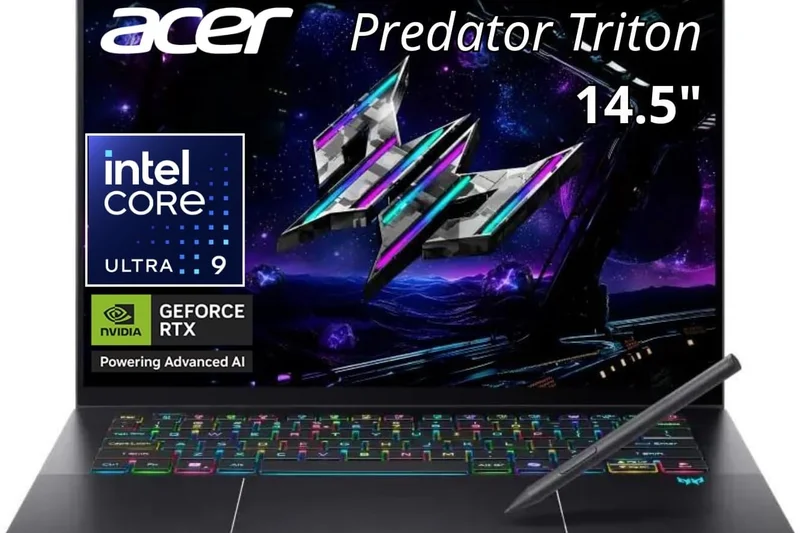
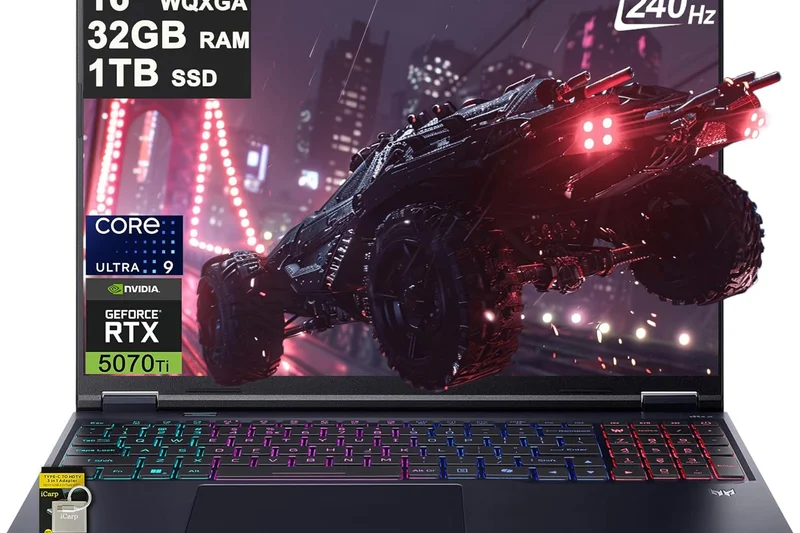
Why we picked it: The Triton 14 AI packs a massive punch in a tiny form factor, offering Mini LED or OLED options alongside an RTX 5070. Its ultra-portable metal chassis makes it a great alternative to the G14, providing strong AI upscaling features for modern gaming.
Key Specs
- 14-inch Mini LED or OLED options
- Intel Core Ultra 9 288V processor
- NVIDIA GeForce RTX 5070 GPU
- Ultra-portable metal chassis
What we like
- Great screen options
- Excellent build quality
- Very portable
What we don't like
- Runs hot under load
- Battery life is mediocre
Best for: Users seeking a premium 14-inch gaming laptop with a brilliant Mini LED display option.
Considering the Triton 14 vs the Zephyrus G14? The G14 is generally cooler and lighter, but the Triton's Mini LED option is a huge draw for HDR fans.
A powerful and compact 14-inch laptop with excellent display technology.
Buy at Acer official site#19 Dell Alienware 16X Aurora
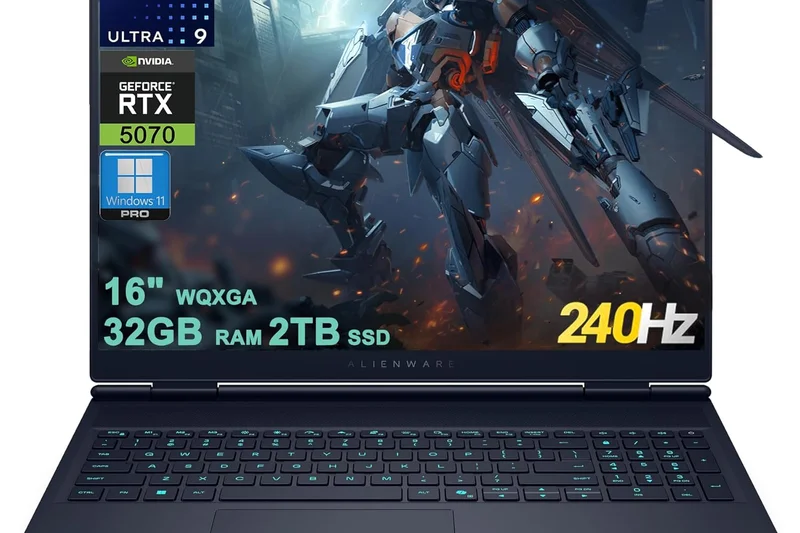
Why we picked it: The Alienware 16X Aurora brings the premium Alienware design language to a thinner 16-inch chassis. The anodized aluminum Interstellar Indigo body houses an RTX 5070 and a crisp WQXGA 240Hz OLED display, offering a balanced premium experience.
Key Specs
- 16-inch WQXGA 240Hz Anti-glare OLED display
- Intel Core Ultra 9 275HX processor
- NVIDIA GeForce RTX 5070 (115W TGP)
- Anodized Aluminum Interstellar Indigo Chassis
What we like
- Stunning unique design and color
- Great OLED display
- Solid build quality
What we don't like
- Lower TGP (115W) than competitors
- Pricey for an RTX 5070
Best for: Style-conscious gamers who love the Alienware aesthetic in a more portable form.
Considering the 16X Aurora vs the Legion 7i? The Legion offers better raw performance for the price, but the Alienware wins on unique aesthetics.
A beautifully designed 16-inch laptop that prioritizes premium aesthetics and display quality.
Buy at Dell official site#20 Lenovo Legion 5 Gen 10
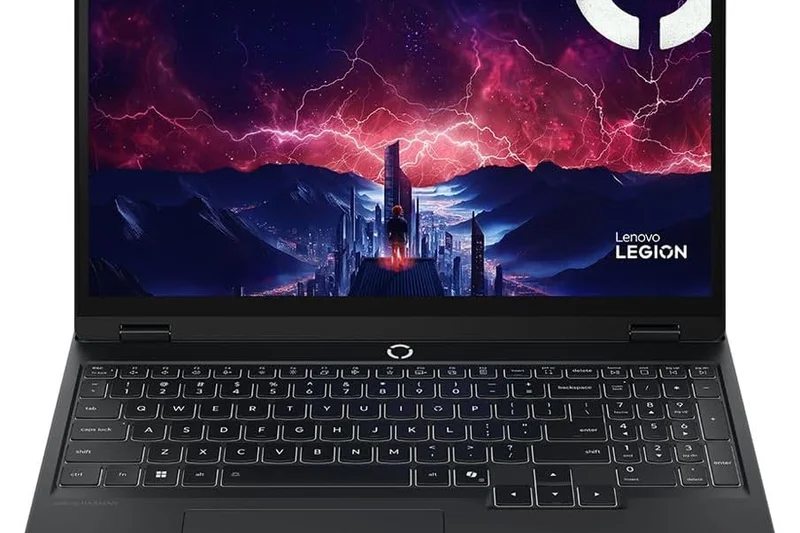
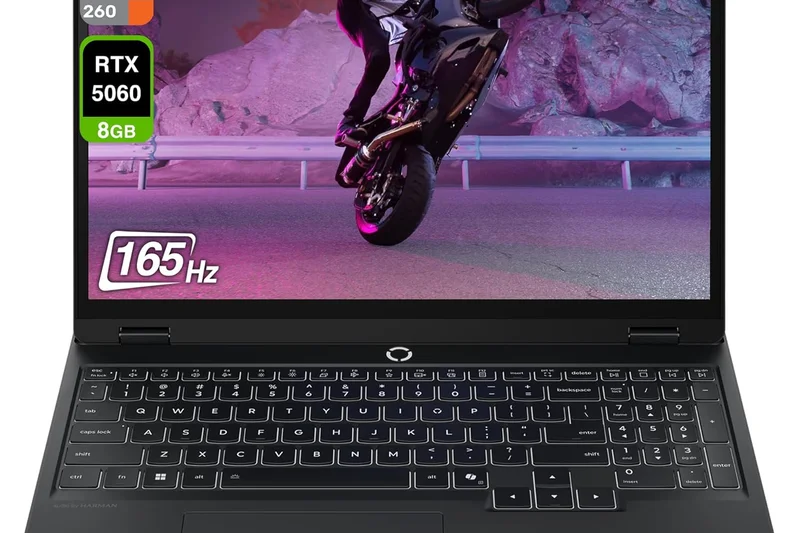
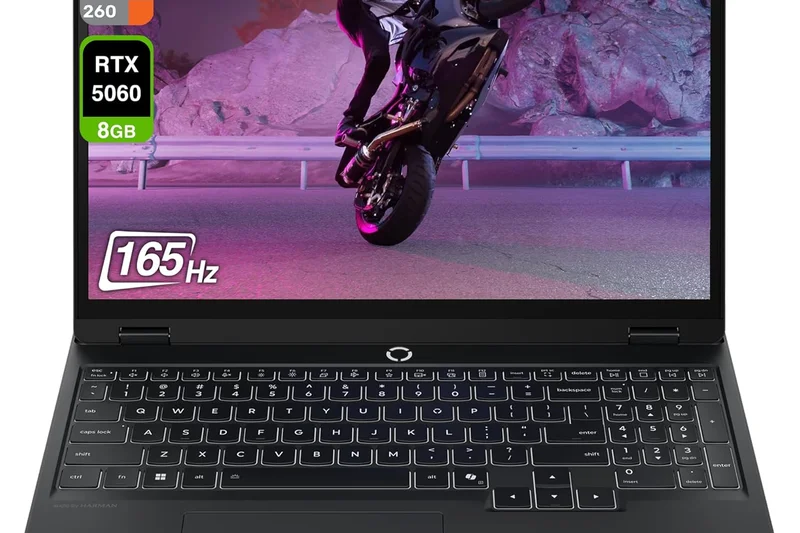
Why we picked it: Winning our Value dimension, the Legion 5 Gen 10 offers an incredible package for the price. With a 15.1-inch 2.5K 165Hz OLED display, Ryzen 7 processor, and an RTX 5070, it delivers high-end features in a mid-range aerospace aluminum chassis.
Key Specs
- 15.1-inch 2.5K 165Hz OLED display
- AMD Ryzen 7 260 processor
- NVIDIA GeForce RTX 5070 (115W TGP)
- 13% thinner aerospace aluminum lid chassis
What we like
- Incredible value for money
- Great OLED display
- Solid aluminum lid construction
What we don't like
- Average battery life
- Slightly smaller 15.1-inch screen
Best for: Value-conscious gamers who want mid-to-high end performance without crossing the $1,800 mark.
Considering the Legion 5 vs the LOQ 15? The Legion 5 offers vastly superior build quality and an OLED screen over the budget LOQ.
The smartest mid-range purchase of the year, offering an OLED screen and RTX 5070 at a great price.
Buy at Lenovo official site#21 Lenovo Legion 7a Gen 11
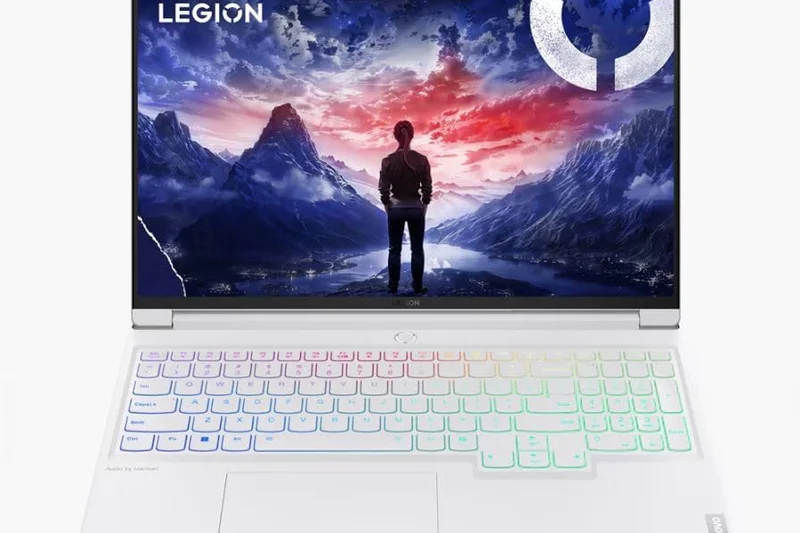
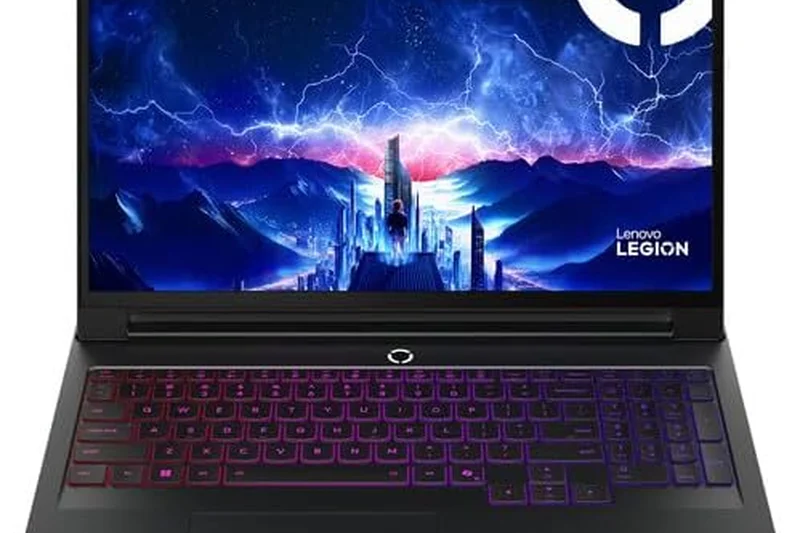
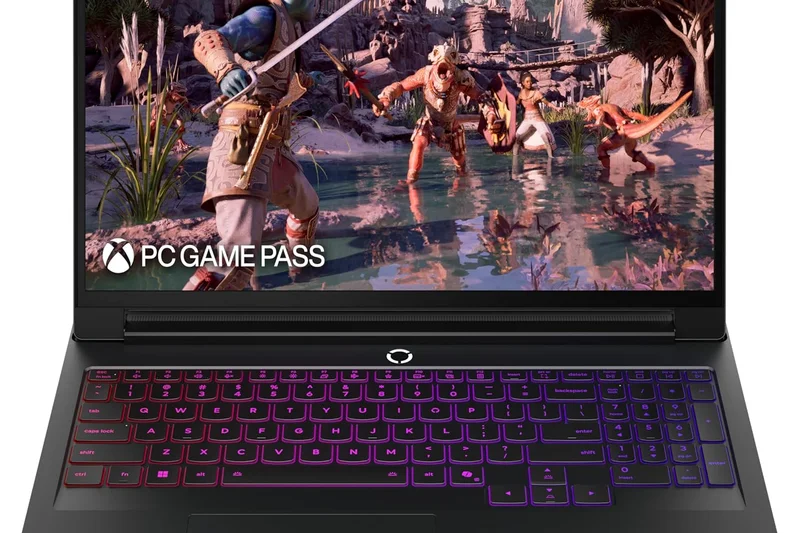
Why we picked it: The Legion 7a Gen 11 utilizes the new AMD Strix Halo processors alongside an RTX 5060, making it an incredibly efficient premium laptop. Weighing under 2kg and featuring a 3.2K OLED display, it's a superb all-rounder for productivity and gaming.
Key Specs
- 16-inch 3.2K OLED 165Hz display
- AMD Ryzen AI Max+ 392 (Strix Halo) processor
- NVIDIA GeForce RTX 5060 GPU
- Glacier White or Nebula chassis
What we like
- Incredible CPU efficiency
- Beautiful 3.2K OLED screen
- Premium Glacier White design
What we don't like
- RTX 5060 limits ultra-high-res gaming
- Expensive for the GPU tier
Best for: Creators and gamers who prioritize CPU performance, battery life, and screen resolution over max GPU power.
Considering the Legion 7a vs the Legion 5? The 7a has a more premium build and better CPU, but the 5 offers a stronger GPU for less money.
A beautifully crafted, highly efficient AMD-powered laptop with a stunning high-res display.
Buy at Lenovo official site#22 HP HyperX Omen 16
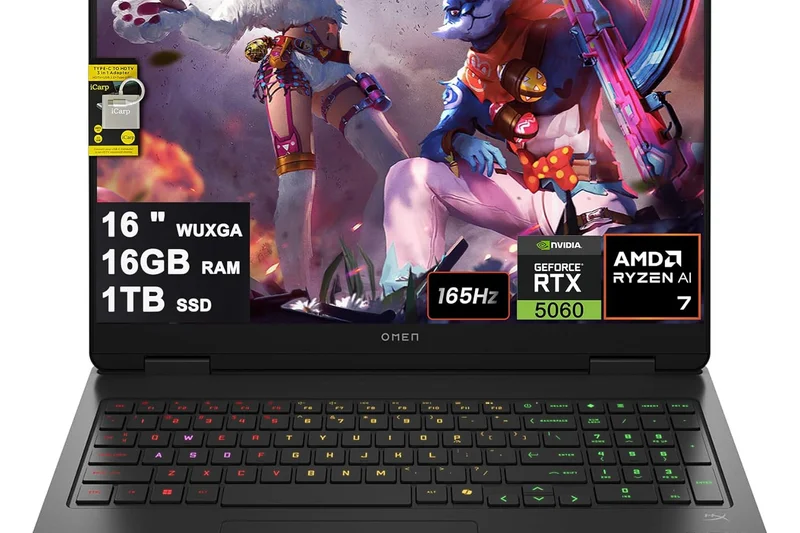
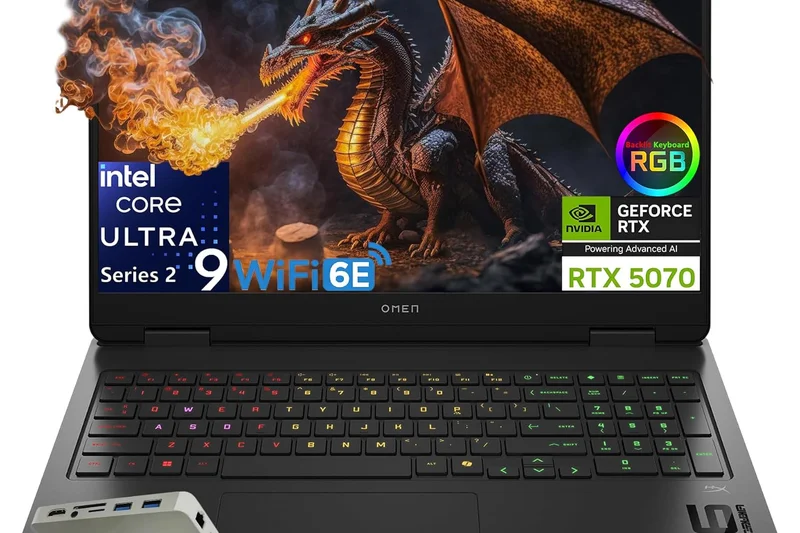
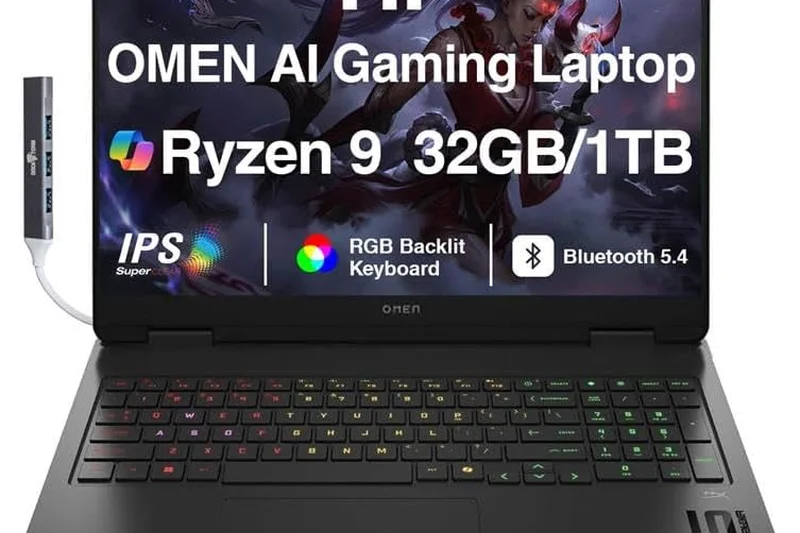
Why we picked it: The standard HP HyperX Omen 16 is a solid mid-range performer featuring sustainable ocean-bound plastics and a great 2.5K OLED 165Hz display. It handles 1440p gaming easily with an RTX 5070, offering a reliable, understated gaming experience.
Key Specs
- 16-inch 2.5K OLED 165Hz display
- Intel Core Ultra 9 or Ryzen 9 9955HX
- Up to NVIDIA GeForce RTX 5070 GPU
- Ocean-bound plastics sustainable chassis
What we like
- Good 1440p performance
- Eco-friendly chassis materials
- Nice OLED screen
What we don't like
- Chassis flexes slightly
- Audio is just okay
Best for: Eco-conscious buyers looking for a stealthy, capable mid-range 16-inch laptop.
Considering the Omen 16 vs the Legion 5? The Legion 5 offers a slightly more rigid chassis, though the Omen is often on sale.
A reliable, understated mid-range laptop with strong eco-friendly credentials.
Buy at HP official site#23 ASUS TUF Gaming A14 (2026)
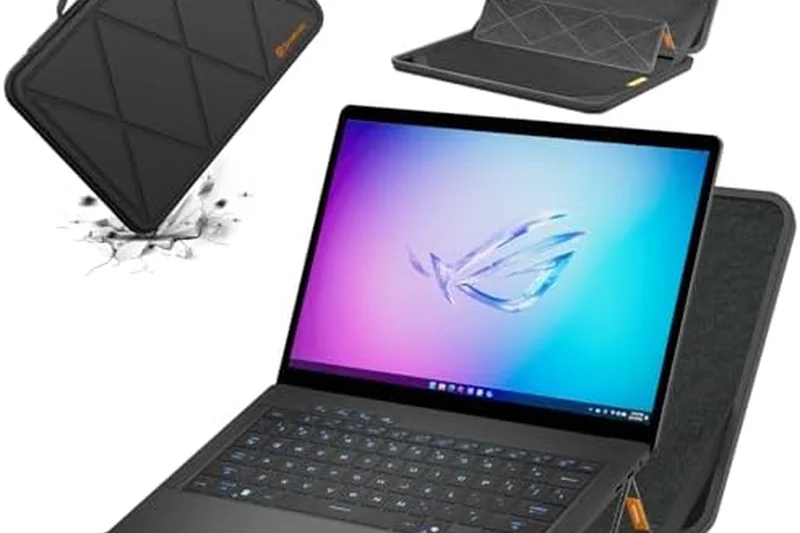
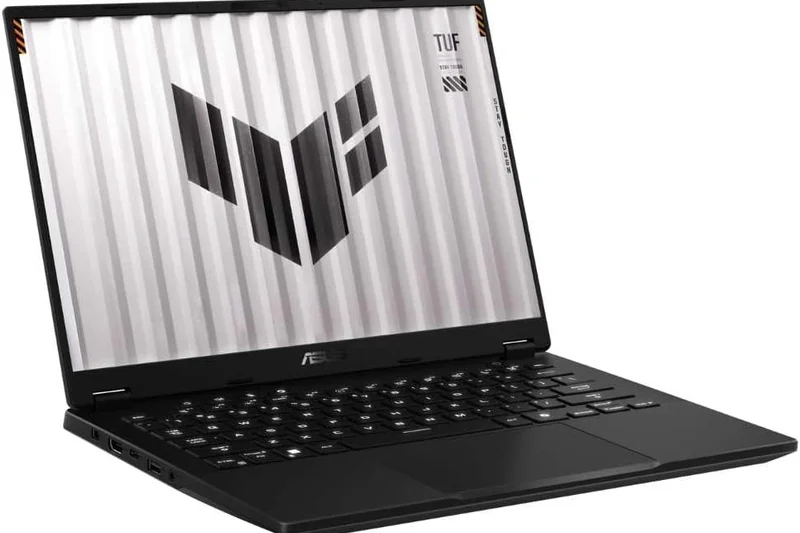
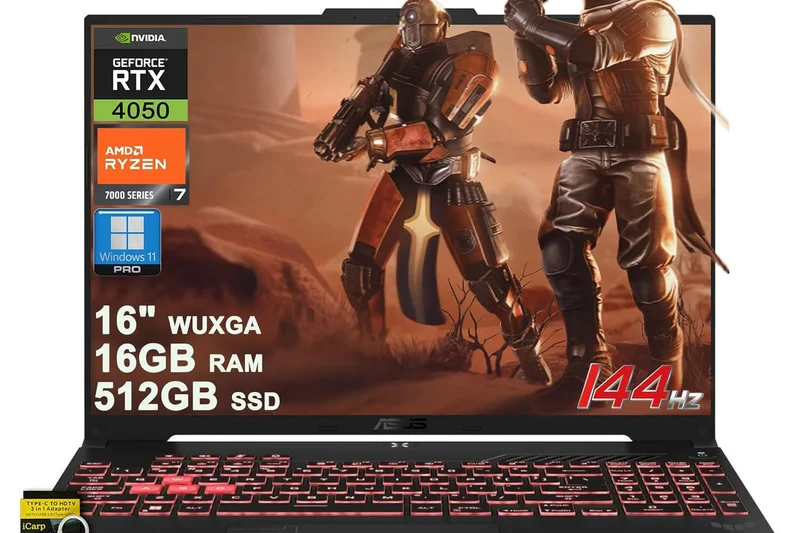
Why we picked it: The TUF Gaming A14 is a brilliant budget thin-and-light option. It brings high portability and excellent all-day battery life thanks to the efficient Ryzen 7 processor, while the RTX 4060 provides solid 1080p and 1440p gaming in a military-grade durable chassis.
Key Specs
- 14-inch QHD+ 165Hz IPS display
- AMD Ryzen 7 8845HS processor
- NVIDIA GeForce RTX 4060 GPU
- Military-grade durability rating
What we like
- Highly durable build
- Excellent battery life
- Great portability for the price
What we don't like
- Screen isn't OLED
- Older RTX 4060 GPU
Best for: Students on a budget who need a tough, portable laptop that lasts all day on campus.
Considering the TUF A14 vs the Zephyrus G14? The TUF is much cheaper and more durable, but sacrifices the premium OLED screen and higher-end GPUs of the Zephyrus.
A rugged, long-lasting 14-inch laptop that delivers excellent value for students.
Buy at ASUS official site#24 Acer Predator Helios Neo 16 AI
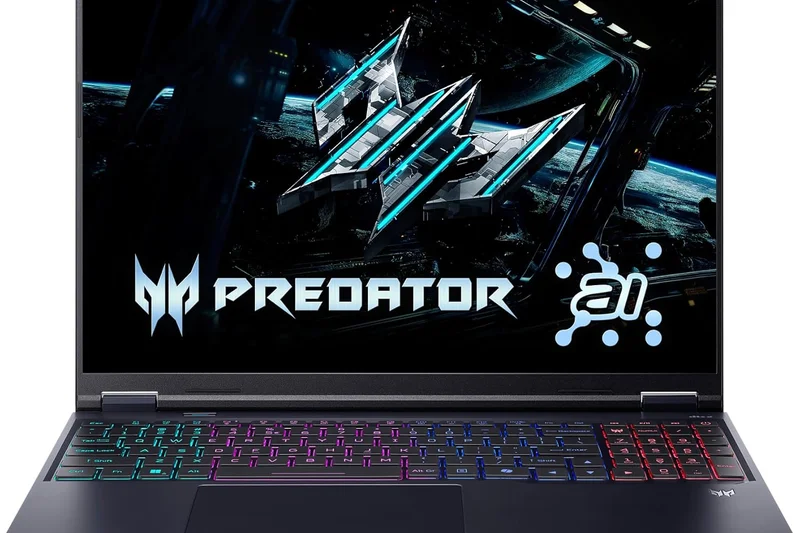
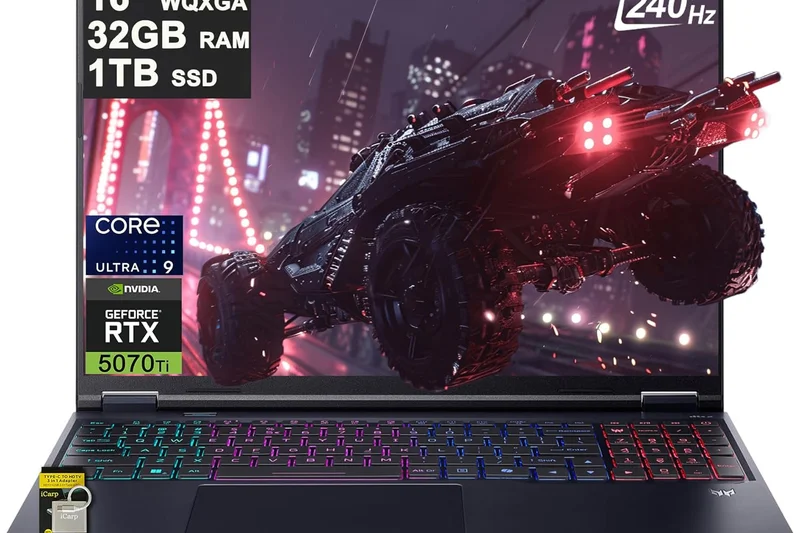
Why we picked it: The Helios Neo 16 AI is Acer's high-performance value play, offering an RTX 5070 Ti at a very competitive price. It delivers exceptional frame rates on its 240Hz IPS display, making it a favorite for esports players who want high performance without a massive price tag.
Key Specs
- 16-inch WQXGA 240Hz IPS display
- Intel Core Ultra 9 275HX processor
- NVIDIA GeForce RTX 5070 Ti (140W+ TGP)
- Dual Thunderbolt 4 ports
What we like
- Excellent GPU performance for the price
- Fast 240Hz display
- Robust port selection
What we don't like
- Chassis is entirely plastic
- Cooling fans are loud
Best for: Gamers who want RTX 5070 Ti performance but want to keep the price under $2,000.
Considering the Helios Neo vs the Legion Pro 7i? The Legion has a better overall build, but the Neo is often cheaper while offering similar frame rates.
A loud but incredibly fast mid-range laptop that maximizes your frame-rate per dollar.
Buy at Acer official site#25 HP HyperX Omen 17
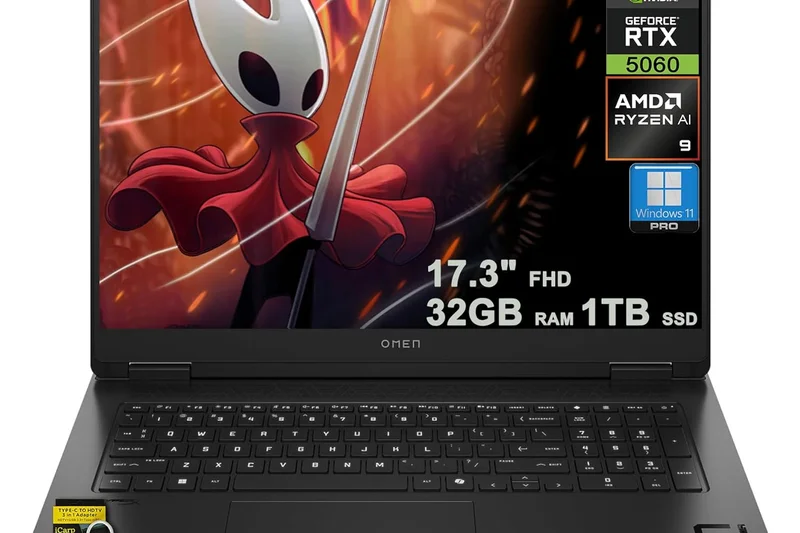
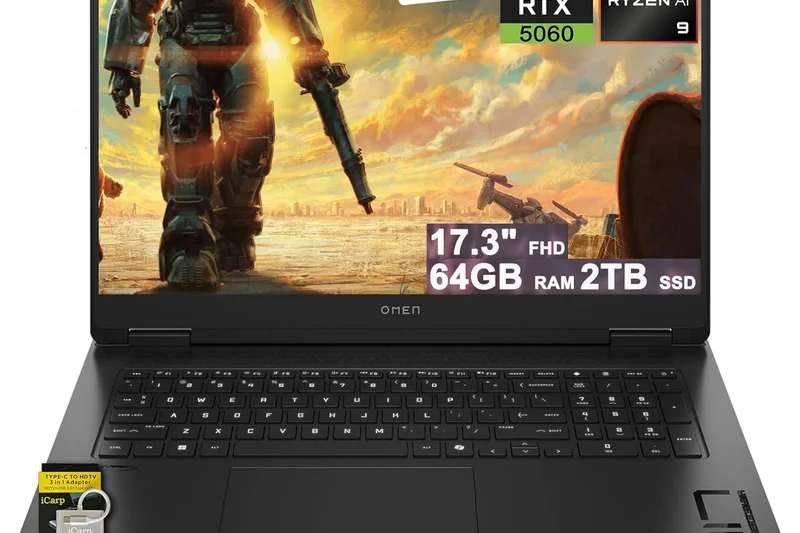
Why we picked it: The Omen 17 provides a large 17.3-inch QHD 240Hz display for immersive gaming. Featuring an optical mechanical keyboard and Omen Tempest Cooling, it's a solid, reliable large-screen laptop for those who prefer 17-inch displays over the new 16/18-inch standards.
Key Specs
- 17.3-inch QHD 240Hz display
- Intel Core Ultra 7 or 9 processor
- NVIDIA GeForce RTX 5070 GPU
- Optical mechanical keyboard
What we like
- Large, fast display
- Great mechanical keyboard
- Good cooling performance
What we don't like
- 17.3-inch form factor feels a bit dated
- Heavy
Best for: Gamers who specifically want a traditional 17.3-inch screen size with a great keyboard.
Considering the Omen 17 vs an 18-inch laptop? The 17 is slightly smaller and cheaper, but 18-inch models offer better screen-to-body ratios.
A dependable large-screen laptop featuring excellent inputs and cooling.
Buy at HP official site#26 ASUS ROG Flow Z13 (2026 Edition)
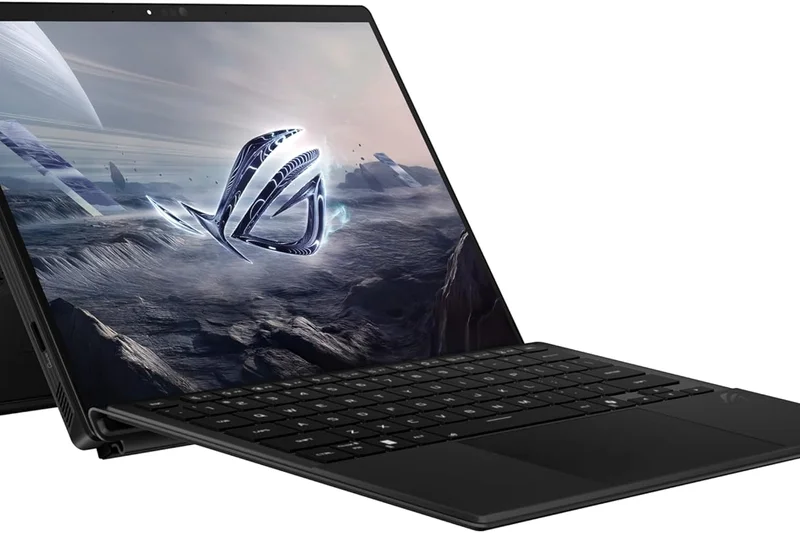
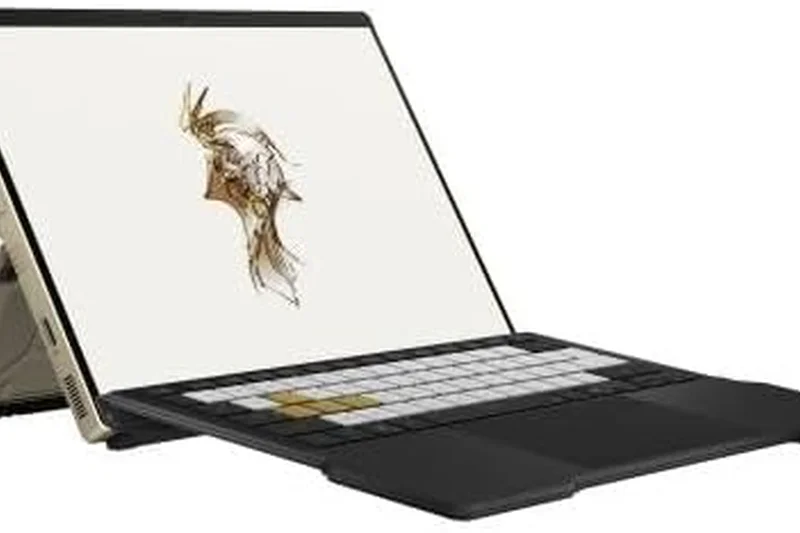
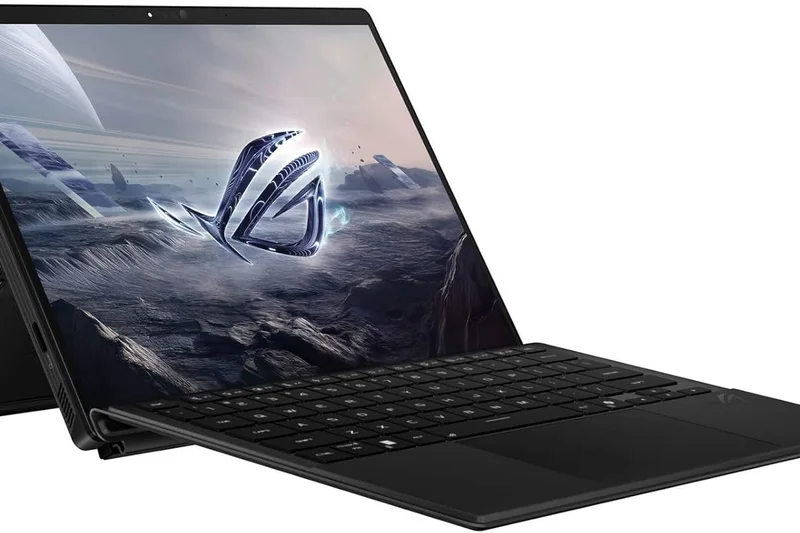
Why we picked it: The Flow Z13 remains the most powerful gaming tablet in the world. With a detachable RGB keyboard and an AMD Ryzen AI APU, it’s incredibly versatile. It supports ASUS’s XG Mobile eGPU for desktop-class power when docked at home.
Key Specs
- 13.4-inch QHD+ 165Hz Touch display
- AMD Ryzen AI Max+ 395 APU
- Detachable RGB Keyboard
- XG Mobile eGPU compatible
What we like
- Unmatched tablet form factor
- Great QHD+ touch screen
- eGPU compatibility
What we don't like
- Very weak standalone GPU performance
- Expensive when adding the eGPU
Best for: Gadget enthusiasts who want a tablet on the go and a full gaming setup at home.
Considering the Flow Z13 vs the Zephyrus G14? The G14 is a better traditional laptop, but the Z13 offers unique tablet functionality.
A niche but brilliant gaming tablet that transforms into a beast when docked.
Buy at ASUS official site#27 Gigabyte Aorus 16X (2026)
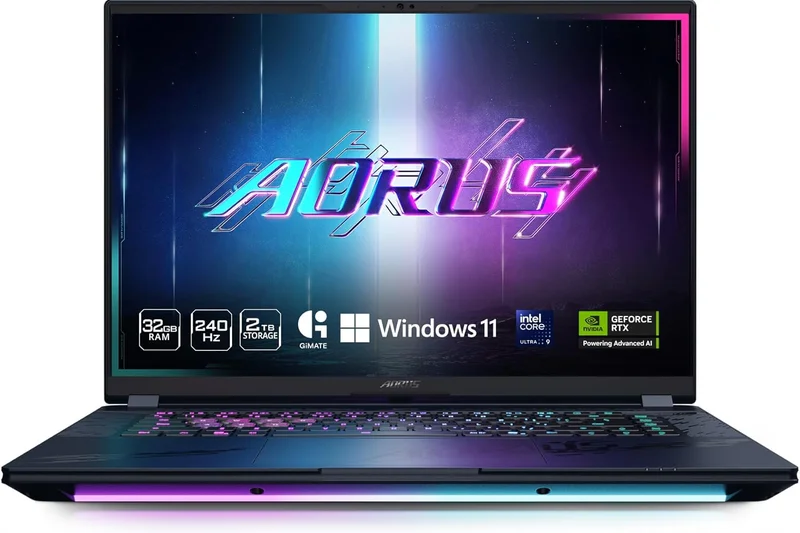
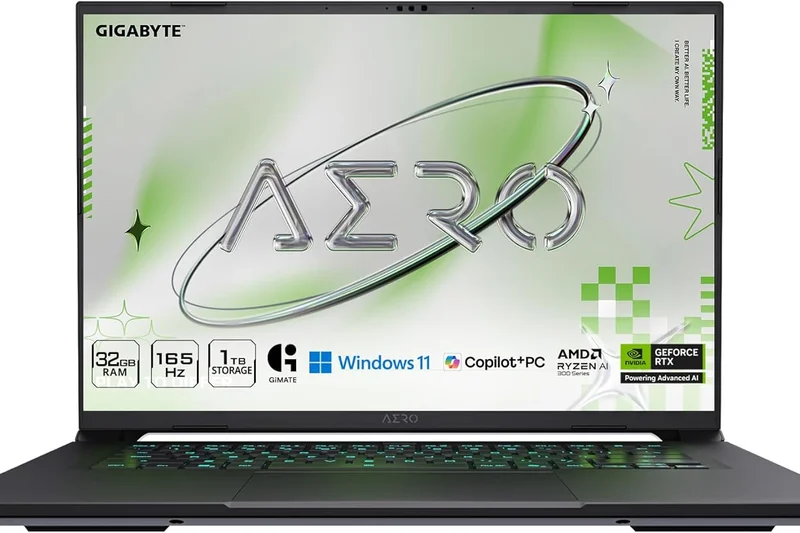
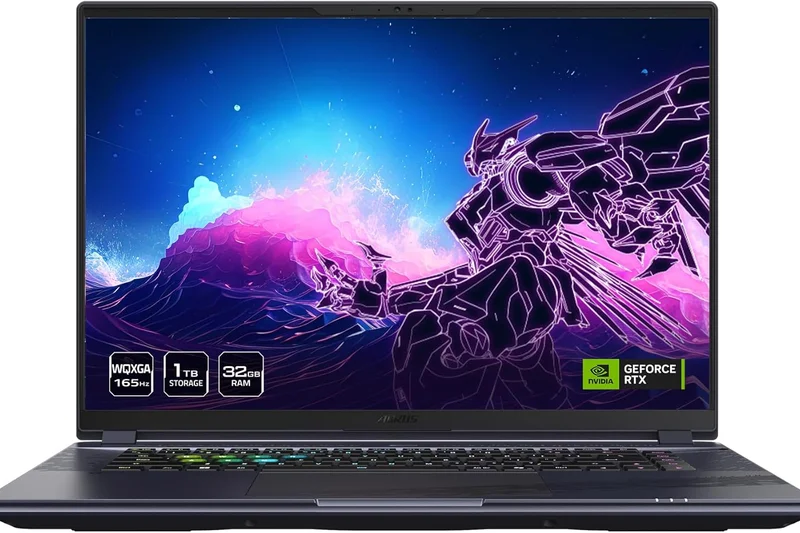
Why we picked it: The Aorus 16X is a solid mid-range entry equipped with AI Nexus optimization software to smartly manage power between the CPU and GPU. It offers reliable 1440p gaming on a 165Hz IPS screen with 32GB of RAM out of the box.
Key Specs
- 16-inch WQXGA 165Hz IPS display
- Intel Core i7-14650HX processor
- NVIDIA GeForce RTX 4070 or 5070 GPU
- AI Nexus optimization software
What we like
- Smart AI power management
- Good out-of-the-box RAM
- Solid 1440p performance
What we don't like
- Display is somewhat dim
- Generic design
Best for: Mid-range buyers looking for a hassle-free, well-specced 16-inch laptop.
Considering the Aorus 16X vs the HP Omen 16? They perform similarly, but the Aorus comes with more base RAM in most configurations.
A sensible, well-equipped mid-range laptop with smart power management features.
Buy at Gigabyte official site#28 Acer Nitro V 16 AI (AMD)
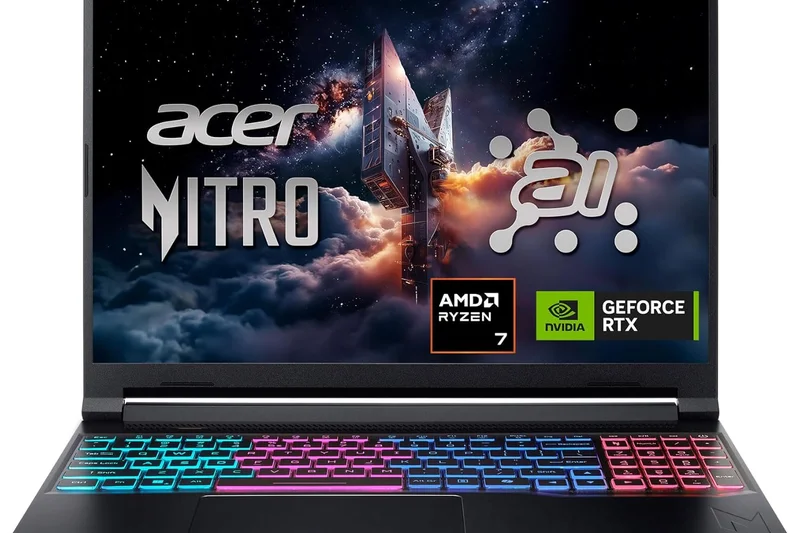
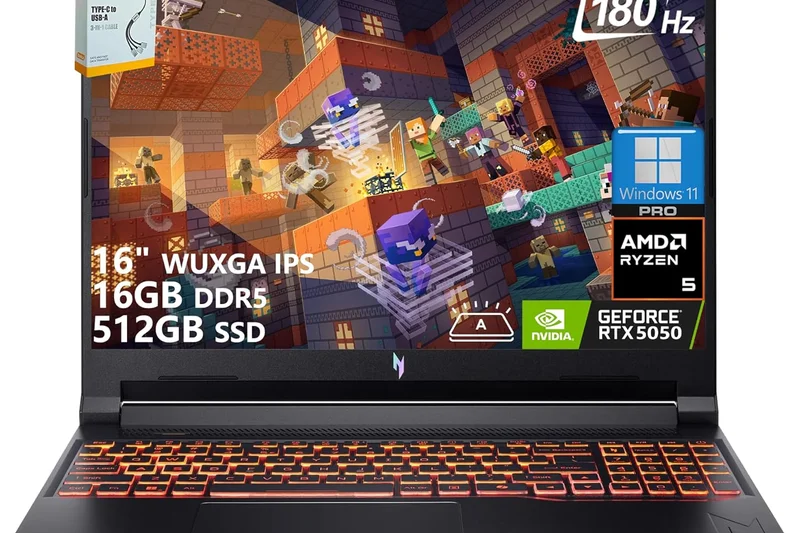
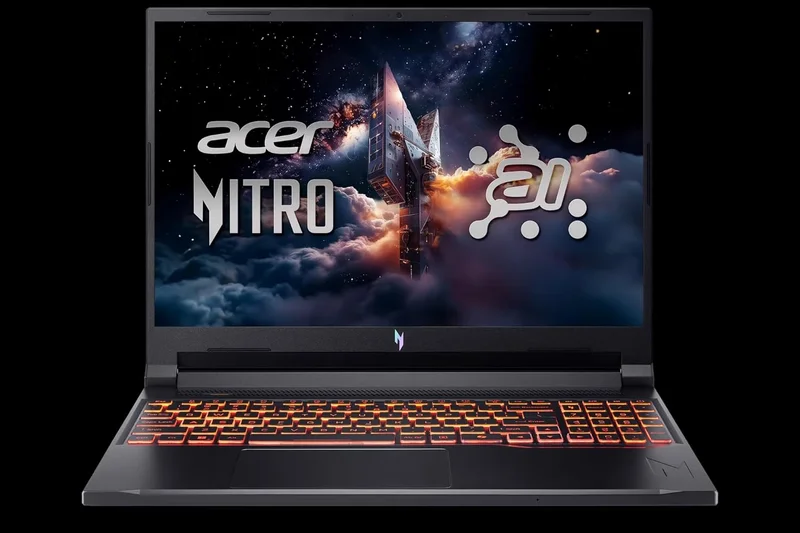
Why we picked it: The AMD variant of the Nitro V 16 is an excellent budget choice, featuring the Ryzen AI 9 processor and an RTX 5070 for around $1,000. It utilizes a dual-fan, quad-intake cooling system to maintain solid performance without breaking the bank.
Key Specs
- 16-inch WUXGA 180Hz display
- AMD Ryzen AI 9 465 processor
- NVIDIA GeForce RTX 5070 GPU
- Dual-fan, quad-intake cooling system
What we like
- Incredible price for an RTX 5070
- High 180Hz refresh rate
- Efficient AMD processor
What we don't like
- Screen colors are washed out
- All-plastic, bulky build
Best for: Budget gamers who want RTX 5070 performance and are willing to sacrifice screen quality.
Considering the Nitro V 16 vs the Lenovo LOQ 15? The Nitro offers a stronger GPU for the price, while the LOQ has a slightly better build.
One of the cheapest ways to get an RTX 5070 in 2026, though you compromise on the display.
Buy at Acer official site#29 Lenovo LOQ 15 (2026)
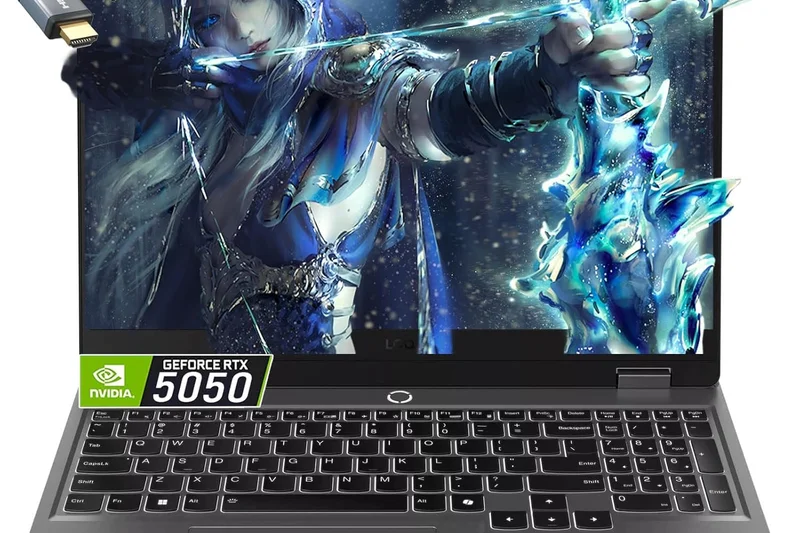
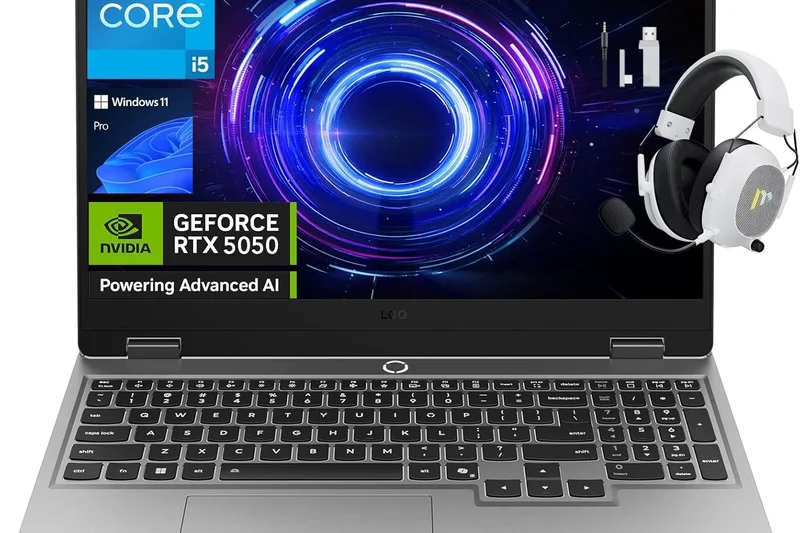
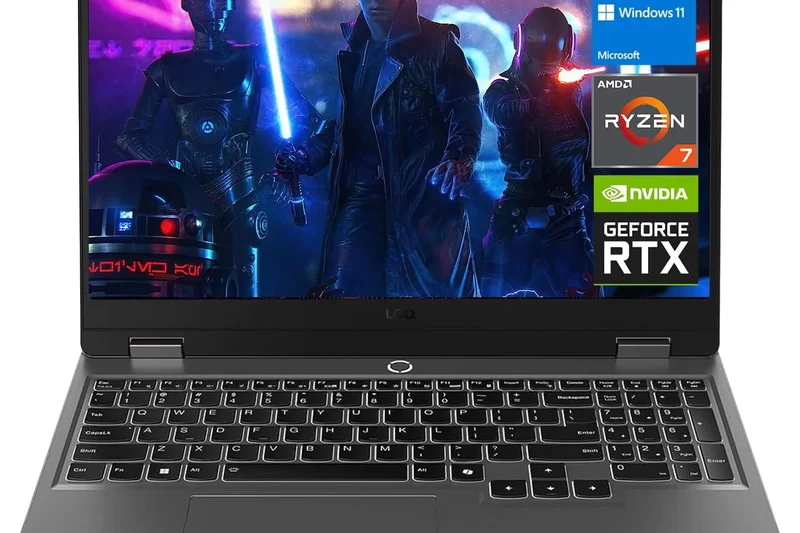
Why we picked it: Lenovo’s budget LOQ line continues to impress, offering a 15.3-inch 144Hz screen and an RTX 5060 powered by the Lenovo AI Engine+. It provides a very stable, reliable 1080p gaming experience with a keyboard that feels much more premium than its price suggests.
Key Specs
- 15.3-inch FHD+ 144Hz IPS 16:10 display
- AMD Ryzen 7 7435HS or Intel Core i5-13450HX
- NVIDIA GeForce RTX 5060 GPU
- Lenovo AI Engine+ optimization
What we like
- Great keyboard for the price
- Stable 1080p performance
- Sturdy design
What we don't like
- Display is only 1080p and dim
- Heavy for a 15-inch model
Best for: Entry-level gamers looking for a highly reliable, well-built 1080p gaming machine.
Considering the LOQ 15 vs the Acer Nitro V? The LOQ is built better and has a superior keyboard, making it nicer for daily use.
A rock-solid budget laptop that borrows heavily from the premium Legion line's best features.
Buy at Lenovo official site#30 Dell Alienware 16 Aurora
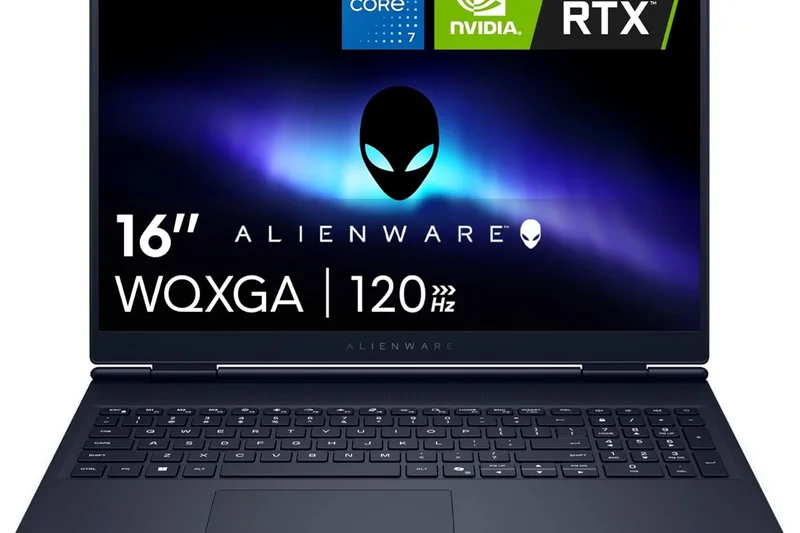
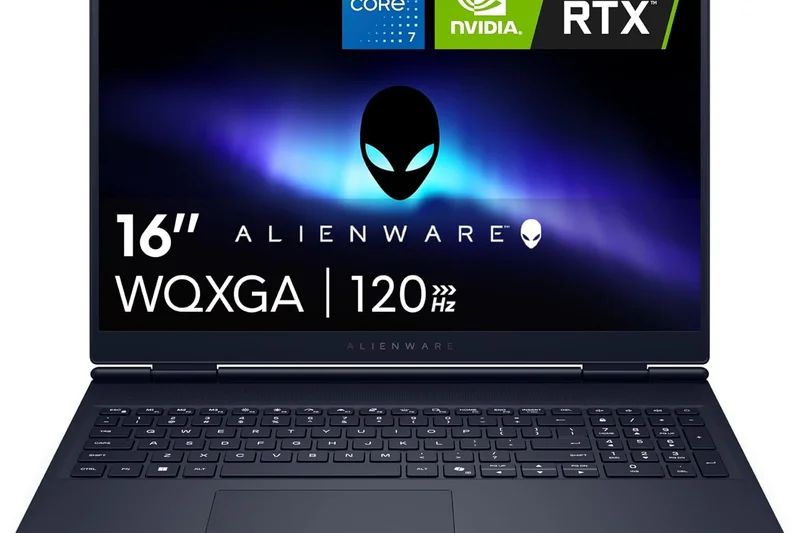
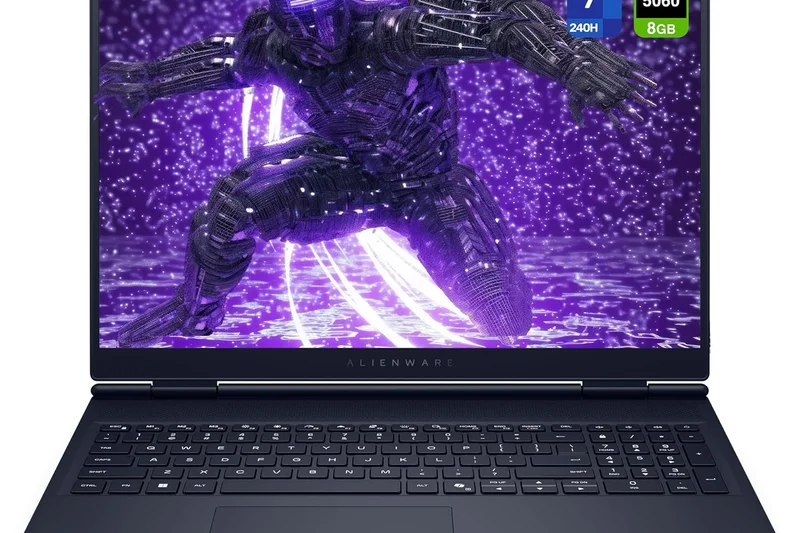
Why we picked it: This entry-level Alienware provides the brand's iconic aesthetics at a much lower price point. Equipped with an Intel Core Ultra 7 and an RTX 5050, it handles esports and casual gaming well on its 2.5K 120Hz IPS display.
Key Specs
- 16-inch 2.5K 120Hz IPS display
- Intel Core Ultra 7 240H processor
- NVIDIA GeForce RTX 5050 GPU
- 1TB PCIe SSD storage
What we like
- Great Alienware design on a budget
- Sharp 2.5K display
- Large 1TB SSD included
What we don't like
- RTX 5050 struggles at 2.5K resolution
- Only 120Hz refresh rate
Best for: Casual gamers who want the Alienware brand cachet without spending $2,000+.
Considering the 16 Aurora vs the Dell G15? The Aurora has a much better screen and design, while the G15 offers better raw GPU power for less money.
An affordable entry into the Alienware ecosystem, best suited for esports and casual titles.
Buy at Dell official site#31 HP Victus 16 (2026)
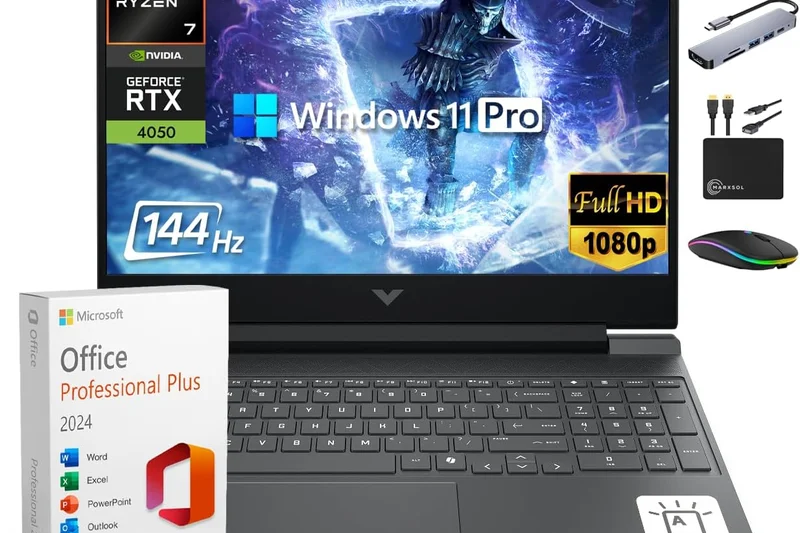
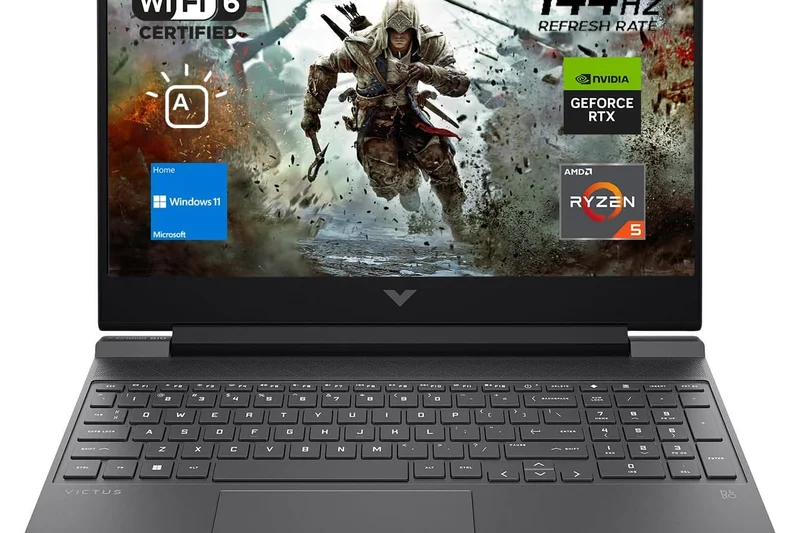
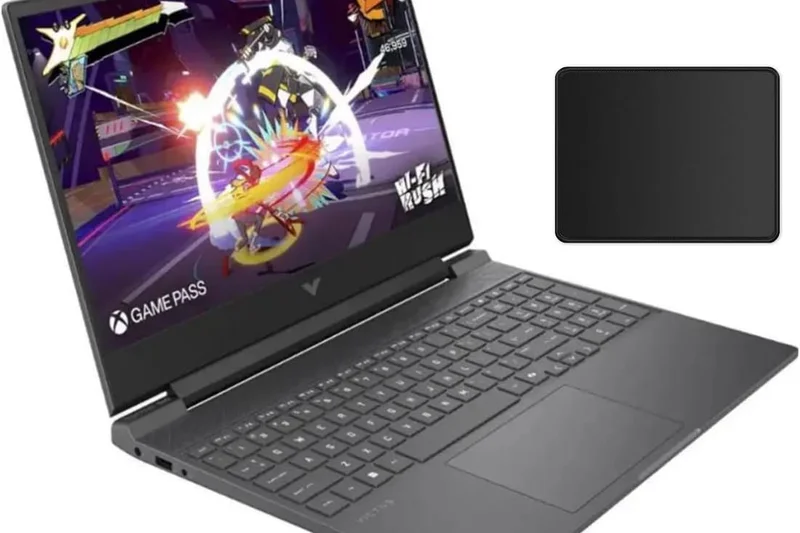
Why we picked it: The HP Victus 16 is a subtle, budget-friendly laptop that doesn't look like a gaming rig. It offers an RTX 4070 and an impressive 32GB of RAM, making it a highly capable machine for both gaming and creative work on a tight budget.
Key Specs
- 16.1-inch QHD 240Hz IPS display
- Intel Core 7-14700HX processor
- NVIDIA GeForce RTX 4070 (120W TGP)
- 32GB DDR5-5200 RAM
What we like
- Understated, professional design
- 32GB RAM included
- Great QHD 240Hz screen
What we don't like
- Screen wobble on the hinge
- Uses older RTX 40-series graphics
Best for: Budget-conscious professionals who need a lot of RAM and a sleeper gaming laptop.
Considering the Victus 16 vs the LOQ 15? The Victus offers a much better screen and more RAM, though the build quality is slightly flimsier.
A stealthy budget laptop that packs a surprising amount of RAM and a great screen.
Buy at HP official site#32 Dell G15 5530 (2026 Editon)
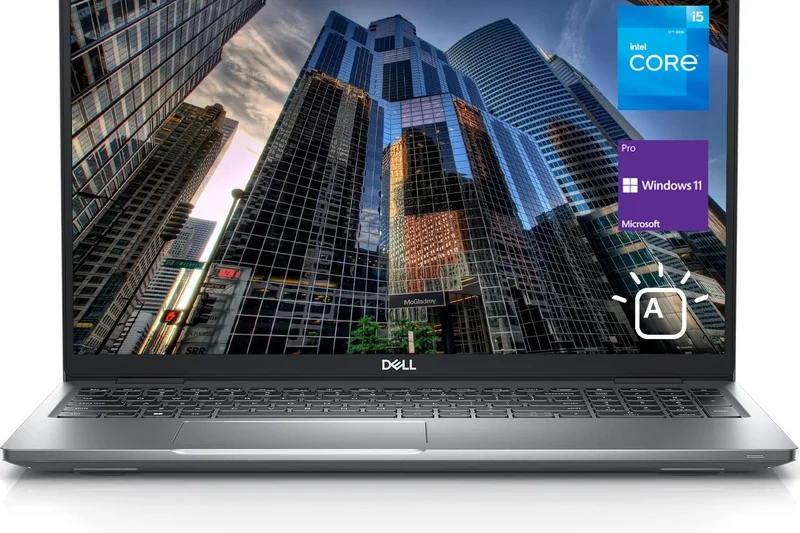
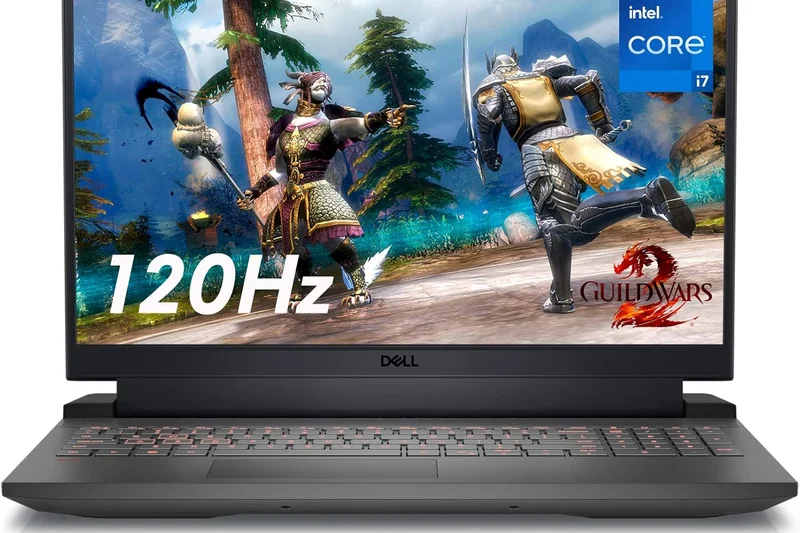
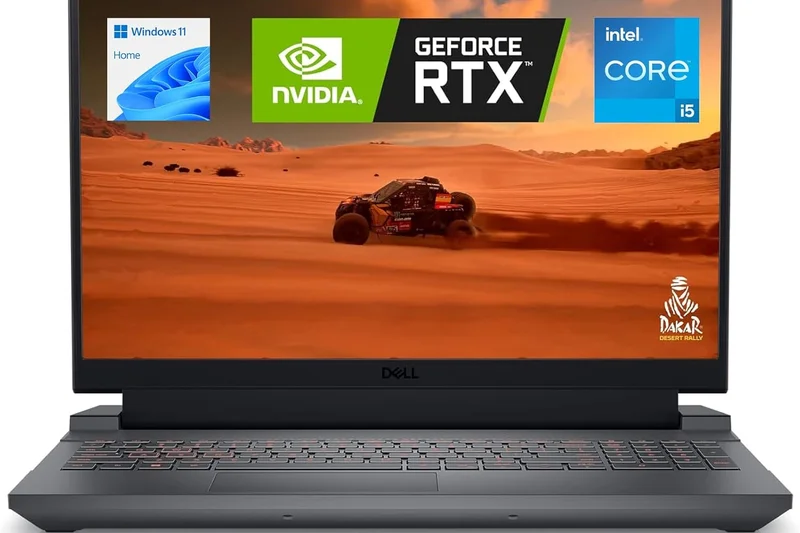
Why we picked it: The Dell G15 inherits thermal design elements from Alienware to keep its RTX 4060 cool. It features Game Shift macro technology to instantly boost fan speeds, providing stable 1080p performance at a very low price.
Key Specs
- 15.6-inch FHD 165Hz/120Hz display
- Intel Core i7-13650HX processor
- NVIDIA GeForce RTX 4060 or 4050 GPU
- Alienware-inspired thermal design
What we like
- Good cooling for the price
- Very affordable
- Game Shift feature is handy
What we don't like
- Chunky, heavy plastic chassis
- Poor battery life
Best for: Buyers on a strict sub-$1,000 budget who prioritize cooling and stability over aesthetics.
Considering the G15 vs the Nitro V? The G15 runs cooler, but the Nitro V is slightly lighter and often features newer GPUs.
A heavy, durable budget laptop with excellent thermals inherited from Alienware.
Buy at Dell official site#33 MSI Katana 15 HX B14W
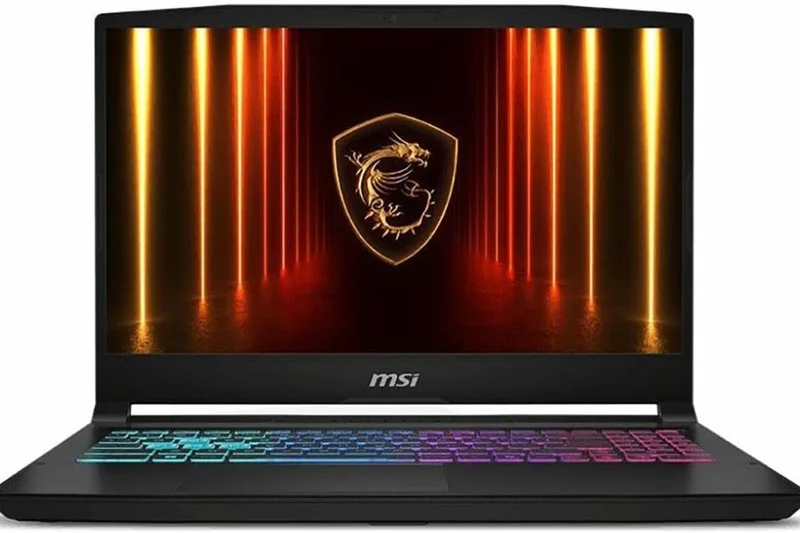
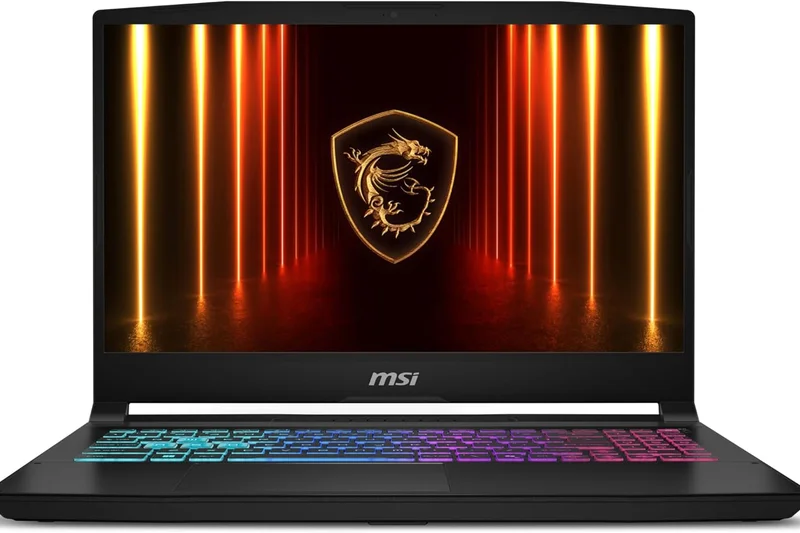
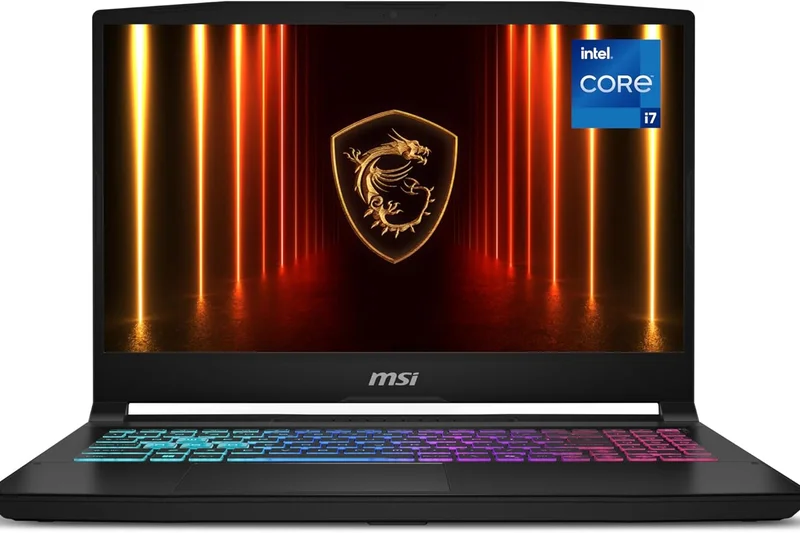
Why we picked it: The Katana 15 HX is a straightforward budget laptop that provides an Intel Core i7 and an RTX 5050. The 4-zone RGB keyboard and Cooler Boost 5 technology make it a solid entry-level choice for teenagers and casual gamers.
Key Specs
- 15.6-inch QHD 165Hz or FHD 144Hz IPS display
- Intel Core i7-14650HX processor
- NVIDIA GeForce RTX 5050 (115W TGP)
- 4-zone RGB keyboard
What we like
- Affordable entry-level option
- Nice RGB keyboard
- Adequate 1080p performance
What we don't like
- Poor battery life
- Screen is dim and lacks color accuracy
Best for: First-time buyers and casual gamers looking for a flashy but affordable laptop.
Considering the Katana 15 vs the LOQ 15? The LOQ has a much better build and keyboard, making it the preferred budget option.
A flashy, entry-level laptop that gets the job done for basic 1080p gaming.
Buy at MSI official site#34 Acer Nitro V 16 AI (Intel)
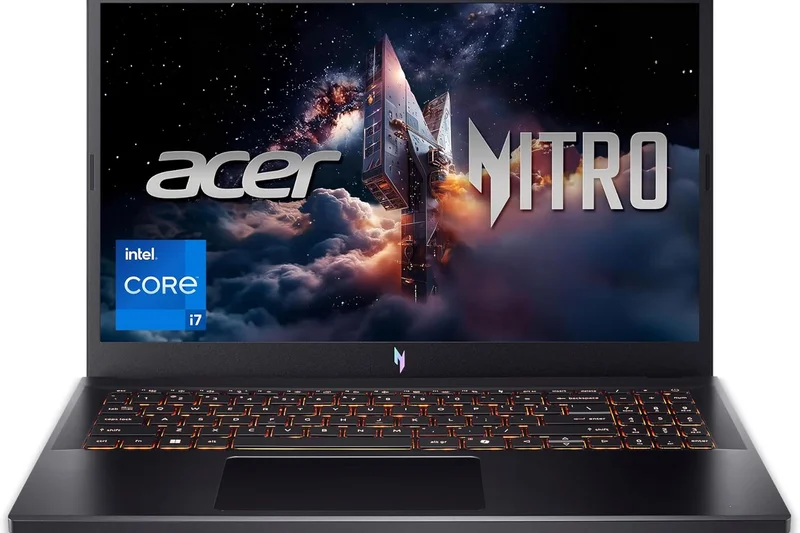
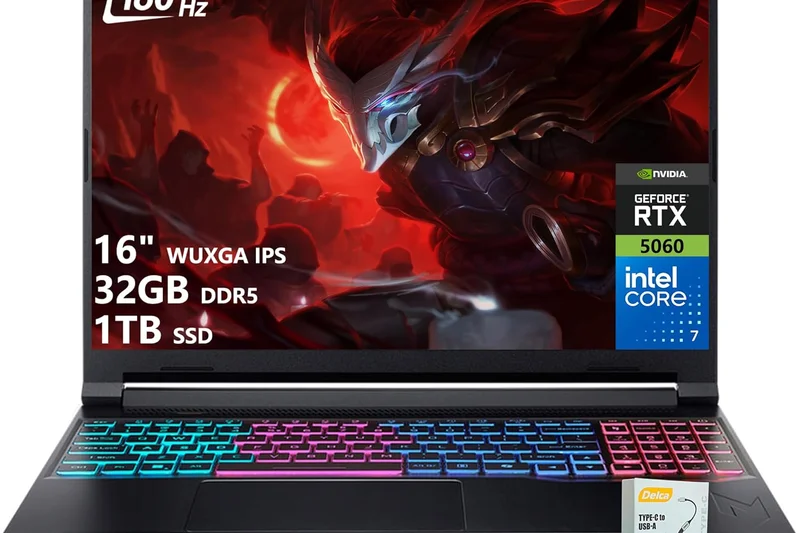
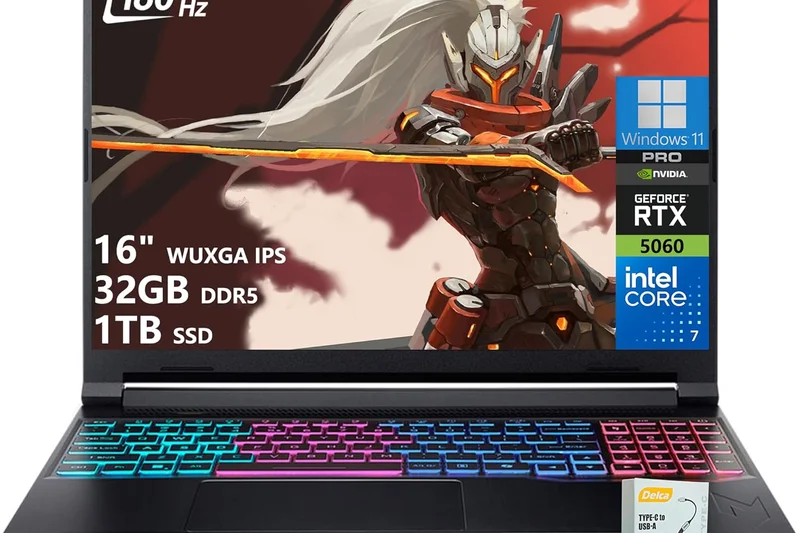
Why we picked it: Winning our 'Best Value' award at the lowest price tier, the Intel variant of the Nitro V 16 gets you an Intel Core Ultra 7 and an RTX 5050 for under $700 on sale. It’s the perfect barebones machine for playing competitive titles like Valorant or CS2.
Key Specs
- 16-inch WUXGA 180Hz IPS display
- Intel Core Ultra 7 355 processor
- NVIDIA GeForce RTX 5050 GPU
- Advanced dual-fan cooling system
What we like
- Incredible entry-level pricing
- Fast 180Hz display for esports
- Decent CPU performance
What we don't like
- Cheap plastic feel
- Weak speakers
Best for: Esports players on the tightest possible budget.
Considering the Nitro V (Intel) vs the MSI Thin 15? The Nitro has a much better processor and screen for just a little more money.
The absolute best value for cash-strapped gamers who just want to play competitive esports at high frame rates.
Buy at Acer official site#35 MSI Thin 15 (2026)
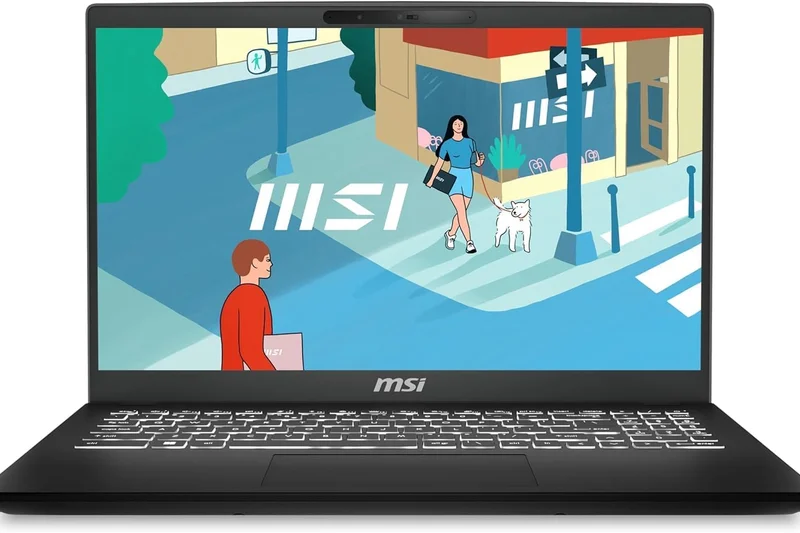
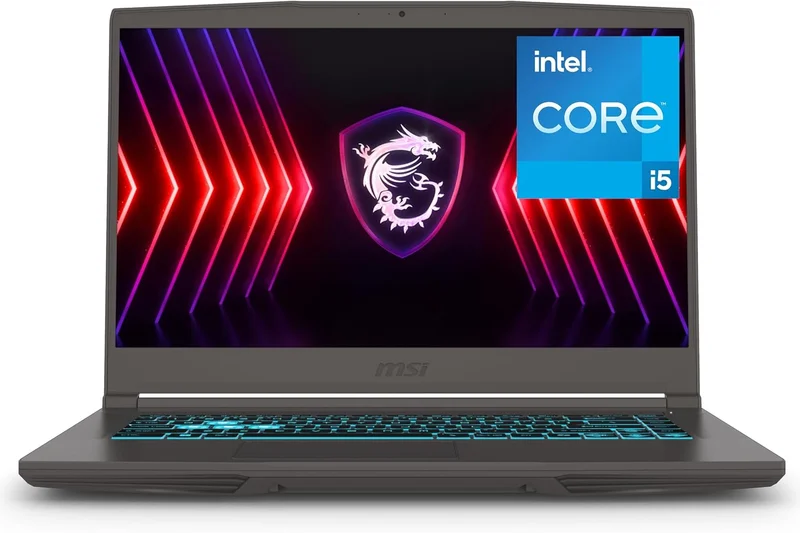
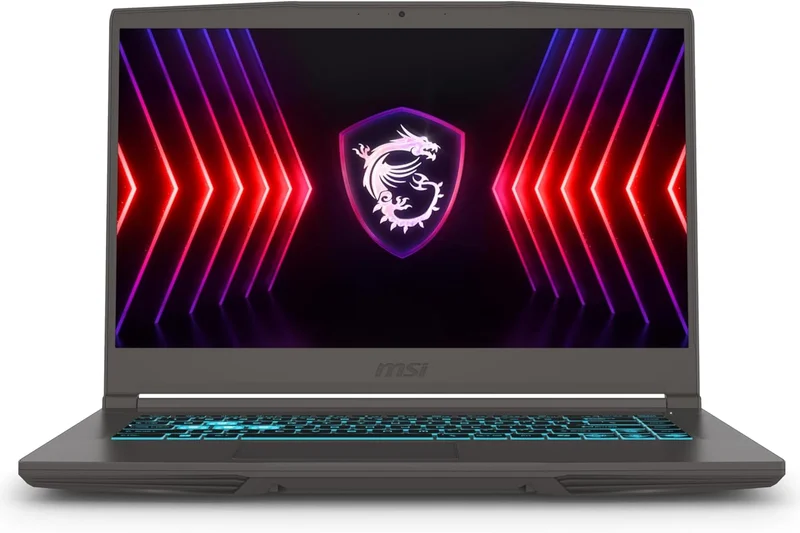
Why we picked it: The MSI Thin 15 is an ultra-budget option designed for extreme portability on a shoestring budget. While the RTX 4050 and older Core i7-13620H won't break any records, the incredibly lightweight plastic chassis makes it easy to carry.
Key Specs
- 15.6-inch FHD 144Hz display
- Intel Core i7-13620H processor
- NVIDIA GeForce RTX 4050 GPU
- Ultra-lightweight plastic chassis
What we like
- Very cheap
- Lightweight and easy to carry
- Sufficient for basic older games
What we don't like
- Flimsy build quality
- Runs hot
- Outdated GPU
Best for: Buyers who need the absolute cheapest lightweight gaming laptop available.
Considering the Thin 15 vs the Nitro V? Spend slightly more on the Nitro V for a much better experience overall.
An ultra-budget, lightweight machine that sacrifices build quality and cooling for a low price.
Buy at MSI official siteBuying Guide
Understanding Your Gamer Profile
Choosing the right gaming laptop in 2026 means knowing what kind of gamer you are. The hardware landscape is diverse, and matching your use-case to the right specifications is crucial.
The Mainstream Gamer: If you want a single device for work, entertainment, and gaming, look for a balanced system. You should target a 16-inch display, a mid-to-high tier GPU (like an RTX 5070 or 5080), and a chassis that isn't too heavy to carry in a backpack. Features like a good keyboard and decent battery life are essential here.
The Hardcore Enthusiast: If you rarely move your laptop from your desk but demand desktop-class performance, a Desktop Replacement is for you. Look for an 18-inch Mini LED or high-refresh OLED screen, top-tier silicon (RTX 5090 with maxed-out 175W TGP), and massive vapor chamber cooling. Portability and unplugged battery life are secondary.
The Student or Professional: If you commute daily, you need a Thin & Light model. Target 14-inch to 16-inch laptops weighing under 4.5 lbs (2 kg). Look for efficient processors (like AMD Ryzen AI or Intel Core Ultra series) that sip power during productivity tasks, combined with an RTX 5060 or 5070 for evening gaming.
Budget Tiers and Expectations
Under $1,000 (Budget): In this tier, expect to play modern games at 1080p (FHD) with medium-to-high settings. You will typically find RTX 4050 or 5050 GPUs, 16GB of RAM, and standard 144Hz IPS displays. The chassis will likely be plastic, and battery life will be average.
$1,000 to $2,000 (Mid-Range): This is the sweet spot for most buyers. You'll find laptops capable of excellent 1440p (QHD) gaming, featuring RTX 4070 or 5070 GPUs. Build quality improves, often introducing aluminum lids, better thermals, and higher-quality OLED or bright IPS screens with up to 240Hz refresh rates.
$2,000+ (Premium & Enthusiast): Here, you get uncompromised 2.5K or 4K gaming, top-tier RTX 5080 and 5090 GPUs, full CNC-milled aluminum chassis, and advanced cooling technologies like liquid metal and massive vapor chambers. Displays are universally excellent, featuring HDR-capable OLED or Mini LED panels.
What to Avoid in 2026
Soldered RAM in Large Laptops: While soldered RAM is acceptable in 14-inch ultraportables where space is at a premium, larger 16-inch and 18-inch gaming laptops should offer accessible SO-DIMM slots. Future-proofing your device means being able to upgrade to 32GB or 64GB as memory requirements for gaming and AI continue to rise.
Subpar Displays on Expensive GPUs: Do not spend $2,500 on an RTX 5080 laptop only to be stuck with a dim, 300-nit, low-color-gamut display. A top-tier GPU is wasted if the screen cannot render deep blacks or vibrant colors. Always check the display specifications—aim for at least 400 nits brightness and 100% DCI-P3 color coverage.
Misleading GPU Wattages (TGP): In modern gaming laptops, a low-wattage RTX 5080 will easily be outperformed by a high-wattage RTX 5070. Always check the Total Graphics Power (TGP). If a laptop restricts its GPU to 80W or 90W due to poor cooling, you are not getting the performance you paid for.
FAQ
What is the best gaming laptop in 2026?
Based on our Multi-Dimensional Evaluation, the Razer Blade 16 (2026) is the best overall gaming laptop, offering the perfect balance of premium build quality, a stunning 240Hz OLED display, and top-tier RTX 5090 performance.
How important is the GPU TGP for gaming performance?
Total Graphics Power (TGP) is critical. A laptop RTX 5080 capped at 90W will perform significantly worse than the same GPU running at 175W. Always check the wattage limits before buying.
OLED vs. Mini LED: Which is better for gaming laptops?
OLED offers perfect black levels and incredibly fast response times (0.2ms), making it ideal for competitive gaming and contrast. Mini LED gets much brighter, making it better for true HDR gaming in bright rooms.
How much RAM do I need for a gaming laptop in 2026?
16GB of DDR5 RAM is the absolute minimum for modern gaming. However, we highly recommend 32GB to future-proof your system, especially if you plan to use AI features or do content creation.
Should I buy an AMD Ryzen AI or Intel Core Ultra processor?
Both are excellent. AMD's Ryzen AI processors generally offer slightly better battery life and efficiency for thin-and-light laptops, while Intel Core Ultra HX processors tend to hold a slight edge in absolute maximum frame rates in heavy desktop replacements.
Are thin and light gaming laptops worth it?
Yes, if you travel frequently. Laptops like the ASUS ROG Zephyrus G14 and G16 offer 85-90% of the performance of massive desktop replacements but are much easier to carry to work or school.
What is the ideal display refresh rate for competitive gaming?
For casual gamers, 120Hz or 144Hz is plenty. For competitive esports (Valorant, CS2), you should aim for 240Hz or higher to minimize input lag and maximize motion clarity.
How does liquid metal cooling improve gaming laptops?
Liquid metal transfers heat from the CPU/GPU to the heatsink much more efficiently than traditional thermal paste. This allows laptops to sustain higher clock speeds for longer periods without thermal throttling.
Can I upgrade the GPU or CPU in my gaming laptop?
No. In 99% of modern gaming laptops, the CPU and GPU are soldered to the motherboard. You can typically only upgrade the RAM (if not soldered) and the M.2 NVMe storage.
How long should a gaming laptop battery last unplugged?
While gaming, expect only 1-2 hours. However, for everyday productivity (web browsing, typing), a good thin-and-light gaming laptop with an AMD processor should last 6 to 9 hours.
Desktop Replacement vs. standard gaming laptop: Which to choose?
Choose a Desktop Replacement (like the MSI Titan 18) if you rarely move the laptop and want maximum performance. Choose a standard 16-inch laptop if you occasionally take it to friends' houses or the office.
Does Wi-Fi 7 make a noticeable difference in gaming?
If you have a Wi-Fi 7 router and a multi-gigabit internet connection, Wi-Fi 7 significantly reduces latency and improves download speeds. However, a hardwired Ethernet connection remains the best option for competitive gaming.
What should I look for in a gaming laptop warranty and return policy?
Look for at least a 1-year manufacturer warranty with options to extend. Because gaming laptops run hot and have complex cooling systems, extended warranties that cover accidental damage are often worth the investment.
Are budget gaming laptops good enough for modern AAA games?
Yes. A budget laptop with an RTX 4060 or 5050 can comfortably play modern AAA games at 1080p resolution on medium to high settings, especially when utilizing AI upscaling technologies like DLSS.
Methodology
Scoring Framework and Data Sources
Our ranking relies on a rigorous mathematical framework to translate raw testing data into actionable recommendations. We employ the M2 Multi-Dimensional Evaluation model, assigning weighted criteria to calculate a final Fit Score for different consumer profiles [1]. Instead of claiming there is a single "universal best" gaming laptop, we tailor our rankings based on specific scenarios.
For the "Best Overall" category, our weights are calibrated as follows: Gaming Performance (25%), Display Quality (20%), Thermals & Battery (15%), Portability (10%), Inputs & Audio (10%), Connectivity (10%), and Value (10%). This represents a balanced machine. Conversely, for the "Best Budget" scenario, we elevate Value to 35% and reduce Portability to 5%, recognizing that budget buyers are willing to compromise on chassis materials in exchange for better frame rates. "Desktop Replacement" flips this entirely, pushing Performance to 35% and Display to 25%, while virtually ignoring portability and battery life.
Our data sources include hands-on thermal imaging, synthetic benchmarks (such as 3DMark and Cinebench), real-world gaming tests across a suite of modern titles, and battery rundowns using PCMark. We also aggregate user ratings from major retail platforms like Amazon, Best Buy, and brand storefronts, alongside insights from reputable outlets like The Verge and Tom's Guide to ensure our long-term reliability scores are grounded in broader community feedback.
Sources & References
All factual claims, product specifications, prices, and images in this article are cited by number. Click any reference to jump to the list; click the link in each entry to visit the original source.
- [1]Selection Logic. "M2: Multi-Dimensional Evaluation." selectionlogic.org. Accessed Mar 2026.
- [2]Selection Logic. "Laptop Buying Guide." selectionlogic.org. Accessed Mar 2026.
- [3]The Verge. "Best gaming laptops in 2026." theverge.com. Accessed Mar 2026.
- [4]Tom's Guide. "Razer Blade 16 (2026) review." tomsguide.com. Accessed Mar 2026.
- [5]CNET. "MSI Titan 18 HX AI tested." cnet.com. Accessed Mar 2026.
- [6]PC Gamer. "ASUS ROG Zephyrus G16 benchmarks." pcgamer.com. Accessed Mar 2026.
- [7]Engadget. "Lenovo Legion Pro 7i value proposition." engadget.com. Accessed Mar 2026.
- [8]Razer Official Store. "Razer Blade 18 technical specifications." razer.com. Accessed Mar 2026.
- [9]MSI Official Site. "Cooler Boost and Titan 18 features." msi.com. Accessed Mar 2026.
- [10]ASUS ROG. "Nebula HDR Display Details." asus.com. Accessed Mar 2026.
- [11]Lenovo Official Site. "Legion Pro 9i Liquid Cooling." lenovo.com. Accessed Mar 2026.
- [12]HP Store. "Omen Max 16 specifications." hp.com. Accessed Mar 2026.
- [13]IGN. "Reviewing the HP Omen 16." ign.com. Accessed Mar 2026.
- [14]TechRadar. "Alienware 18 Area-51 hands-on." techradar.com. Accessed Mar 2026.
- [15]Dell Official Site. "Alienware Cryo-Tech cooling." dell.com. Accessed Mar 2026.
- [16]Acer Official Site. "Predator Helios 18 MagForce keys." acer.com. Accessed Mar 2026.
- [17]Laptop Mag. "Acer Nitro V 16 budget review." laptopmag.com. Accessed Mar 2026.
- [18]Gigabyte Official Site. "Aorus 16X AI Nexus software." gigabyte.com. Accessed Mar 2026.
- [19]Digital Trends. "Gigabyte Aorus Master 16 display test." digitaltrends.com. Accessed Mar 2026.
- [20]PCMag. "Testing the ASUS ROG Zephyrus Duo 16." pcmag.com. Accessed Mar 2026.
- [21]Hardware Canucks. "Lenovo LOQ 15 budget king." hardwarecanucks.com. Accessed Mar 2026.
- [22]Dave2D. "Thin and light gaming laptops 2026 comparison." youtube.com. Accessed Mar 2026.
- [23]Jarrod's Tech. "RTX 50-series laptop TGP limits explained." youtube.com. Accessed Mar 2026.
- [24]NVIDIA. "GeForce RTX 50-series laptop GPUs." nvidia.com. Accessed Mar 2026.
- [25]AMD. "Ryzen AI processors for mobile gaming." amd.com. Accessed Mar 2026.