Quick Verdict
At a glance
We tested 35 bookshelf speakers, meticulously analyzing passive and active models across seven performance and value dimensions. The 2026 landscape is dominated by active wireless models taking the crown for integration and usability, while cutting-edge passive designs push the boundaries of pure acoustic engineering and fidelity.
🏆 Overall #1: KEF LS50 Wireless II — Flawless imaging, Meta-material absorption, and comprehensive connectivity make this active powerhouse our undisputed top recommendation.
🥈 #2: SVS Prime Wireless Pro — Punchy dynamics, robust wireless streaming support, and unmatched versatility at a highly reasonable price point.
🥉 #3: SVS Ultra Evolution Bookshelf — A masterclass in passive acoustic design featuring deep, time-aligned bass response and pristine high-frequency clarity.
Which one is for me?
How We Tested
To determine the best bookshelf speakers of 2026, we began by compiling a robust candidate pool of 35 prominent models, encompassing both passive and active configurations. Our testing strictly adheres to the M2 Multi-Dimensional Evaluation[1] framework developed by SelectionLogic. This sophisticated methodology separates subjective acoustic bias from objective realities, allowing us to evaluate performance across seven critical dimensions: Audio Fidelity, Soundstage & Imaging, Build Quality & Aesthetics, Connectivity & Versatility, Usability & Features, Durability & Warranty, and Price-to-Performance.
Each speaker was subjected to rigorous listening sessions within an acoustically treated environment. We utilized a diverse, curated playlist of FLAC and DSD tracks, evaluating everything from sparse acoustic vocal performances to complex, dense orchestral arrangements and modern electronic music. For passive models, we paired the units with high-current, reference-grade amplification to eliminate power bottlenecks. Active models were evaluated using their internal DACs, built-in amplifiers, and native streaming protocols.
Our Declared Values: We firmly believe that an excellent bookshelf speaker should act as a transparent window into the recording. We heavily penalize artificial bass bloat, harsh upper frequencies, and resonant, flimsy cabinet constructions. A high price tag does not automatically buy a high score; we aggressively weight price-to-performance and long-term reliability. We refuse sponsored placements, ensuring our rankings remain completely editorially independent.
About our team
Our review panel consists of veteran audio engineers, professional home theater installers, and lifelong audiophiles. With over three decades of combined experience testing loudspeakers, our team has evaluated everything from budget desktop monitors to six-figure flagship floorstanders. We rely on strict A/B comparison testing and objective measurements to inform our ultimate buying recommendations.
| Dimension | Overall | Best Overall for Audiophiles | Best Budget Bookshelf Speakers | Best Active/Powered for Desktops | Best for Home Theater Fronts |
|---|---|---|---|---|---|
| Audio Fidelity | 25% | 30% | 20% | 20% | 25% |
| Soundstage & Imaging | 15% | 20% | 10% | 15% | 25% |
| Build Quality & Aesthetics | 15% | 15% | 10% | 10% | 10% |
| Connectivity & Versatility | 15% | 5% | 10% | 30% | 15% |
| Usability & Features | 10% | 10% | 5% | 15% | 5% |
| Durability & Warranty | 10% | 10% | 10% | 5% | 10% |
| Price-to-Performance | 10% | 10% | 35% | 5% | 10% |
Overall Rankings
Full list of 35 products sorted by weighted overall score (1–10).
Prices are checked as of Mar 14, 2026 (2026 Q1). Use "Check price" links for current pricing.
| # | Product | Type | Price | Fidelity | Soundstage | Build | Connectivity | Usability | Reliability | Value | Overall | Awards |
|---|---|---|---|---|---|---|---|---|---|---|---|---|
| 1 | KEF LS50 Wireless II | Active Wireless Bookshelf | $2,999 | 9 | 10 | 9 | 10 | 9 | 8 | 6 | 8.90 | 🏆 Editor's Choice 👑 Best Premium 📊 Best Soundstage & Imaging 📊 Best Connectivity & Versatility 📊 Best Usability & Features 🎯 Best Best Overall for Audiophiles 🎯 Best Best Active/Powered for Desktops 🎯 Best Best for Home Theater Fronts |
| 2 | SVS Prime Wireless Pro | Active Wireless Bookshelf | $899 | 8 | 8 | 8 | 10 | 9 | 10 | 8 | 8.60 | 🎯 Best Best Budget Bookshelf Speakers |
| 3 | SVS Ultra Evolution Bookshelf | Passive Bookshelf | $1,499 | 9 | 9 | 9 | 7 | 6 | 10 | 8 | 8.40 | 📊 Best Durability & Warranty |
| 4 | KEF LSX II LT | Compact Active Wireless | $999 | 8 | 9 | 8 | 9 | 9 | 8 | 8 | 8.40 | |
| 5 | KEF R3 Meta | Premium 3-Way Passive | $2,200 | 10 | 10 | 9 | 6 | 5 | 8 | 7 | 8.25 | 📊 Best Audio Fidelity |
| 6 | Kanto TUK | Premium Powered Bookshelf | $800 | 8 | 8 | 8 | 10 | 8 | 8 | 7 | 8.20 | |
| 7 | KEF Q1 Meta | Passive Bookshelf | $600 | 8 | 9 | 8 | 7 | 6 | 8 | 9 | 7.90 | |
| 8 | Wharfedale Super Denton | Vintage 3-Way Passive | $1,499 | 9 | 8 | 9 | 6 | 6 | 8 | 8 | 7.90 | |
| 9 | ELAC Uni-Fi Reference UBR62 | 3-Way Passive Bookshelf | $1,200 | 9 | 9 | 8 | 6 | 6 | 8 | 8 | 7.90 | |
| 10 | SVS Prime Bookshelf | Passive Bookshelf | $600 | 8 | 8 | 8 | 7 | 6 | 10 | 8 | 7.85 | |
| 11 | Sonus faber Sonetto II G2 | Premium Passive Bookshelf | $3,500 | 9 | 9 | 10 | 6 | 5 | 8 | 5 | 7.80 | 📊 Best Build Quality & Aesthetics |
| 12 | Edifier S1000MKII | Premium Active Bookshelf | $400 | 8 | 7 | 8 | 8 | 7 | 7 | 9 | 7.75 | |
| 13 | Edifier MR5 | 3-Way Active Monitor | $250 | 7 | 7 | 7 | 9 | 8 | 7 | 10 | 7.70 | 📊 Best Price-to-Performance |
| 14 | Fluance Ri71 Reference Powered | Active Bookshelf | $399 | 7 | 7 | 7 | 9 | 8 | 8 | 9 | 7.70 | |
| 15 | Kanto YU6 | Powered Bookshelf | $500 | 7 | 7 | 7 | 9 | 8 | 8 | 8 | 7.60 | |
| 16 | Q Acoustics 3020c | Passive Bookshelf | $829 | 8 | 8 | 8 | 7 | 6 | 8 | 7 | 7.55 | |
| 17 | Triangle Borea BR03 | Passive Bookshelf | $600 | 8 | 8 | 7 | 7 | 6 | 8 | 8 | 7.50 | |
| 18 | Wharfedale Diamond 12.1i | Passive Bookshelf | $499 | 8 | 7 | 7 | 7 | 6 | 8 | 9 | 7.45 | |
| 19 | ELAC Debut 3.0 DB63 | Passive Bookshelf | $380 | 8 | 7 | 7 | 7 | 6 | 8 | 9 | 7.45 | |
| 20 | Klipsch Reference Premiere RP-600M II | Passive Bookshelf | $649 | 7 | 8 | 7 | 8 | 6 | 8 | 8 | 7.40 | |
| 21 | DALI KUPID | Compact Passive Bookshelf | $600 | 7 | 8 | 8 | 7 | 6 | 8 | 8 | 7.40 | |
| 22 | Audioengine A5+ Wireless | Active Bookshelf | $499 | 7 | 7 | 8 | 8 | 7 | 8 | 7 | 7.40 | |
| 23 | FiiO SP5 | Active Desktop Speaker | $400 | 7 | 7 | 8 | 8 | 7 | 7 | 8 | 7.40 | |
| 24 | JBL Stage 240B | Passive Bookshelf | $300 | 7 | 8 | 7 | 7 | 6 | 8 | 9 | 7.35 | |
| 25 | KRK Kreate K5 | Active Studio Monitor | $400 | 7 | 7 | 7 | 8 | 8 | 7 | 8 | 7.35 | |
| 26 | Onkyo GX30-ARC | Compact Powered Bookshelf | $300 | 7 | 6 | 7 | 9 | 8 | 7 | 8 | 7.35 | |
| 27 | Bowers & Wilkins 606 S3 | Passive Bookshelf | $1,200 | 8 | 8 | 8 | 6 | 5 | 8 | 7 | 7.30 | |
| 28 | ELAC Debut 3.0 DB53 | Passive Bookshelf | $300 | 7 | 7 | 7 | 7 | 6 | 8 | 9 | 7.20 | |
| 29 | Polk Audio Signature Elite ES20 | Passive Bookshelf | $400 | 7 | 7 | 7 | 7 | 6 | 8 | 8 | 7.10 | |
| 30 | Sony SS-CS5M2 | 3-Way Passive Bookshelf | $199 | 7 | 7 | 6 | 7 | 6 | 7 | 10 | 7.05 | |
| 31 | Vera-Fi Vanguard Scout | Passive Bookshelf | $299 | 7 | 7 | 7 | 7 | 6 | 7 | 8 | 7.00 | |
| 32 | Edifier R1280DB | Active Bookshelf | $150 | 6 | 6 | 6 | 8 | 7 | 7 | 9 | 6.80 | 🌟 Best Budget |
| 33 | Polk Audio Monitor XT15 | Compact Passive Bookshelf | $199 | 6 | 6 | 6 | 7 | 6 | 7 | 8 | 6.45 | |
| 34 | Neumi BS5 | Budget Passive Bookshelf | $110 | 6 | 6 | 5 | 7 | 5 | 6 | 10 | 6.30 | |
| 35 | BESTISAN SR02 | Budget Active Bookshelf | $100 | 5 | 5 | 5 | 7 | 6 | 6 | 9 | 5.90 | 💰 Best Value |
Dimension Rankings
Each dimension ranked independently (Top 10).
📊 Best for Audio Fidelity — Top 10
| Dim # | Product | Audio Fidelity Score | Overall Rank | Price |
|---|---|---|---|---|
| 1 | KEF R3 Meta | 10 | #5 | $2,200 |
| 2 | SVS Ultra Evolution Bookshelf | 9 | #3 | $1,499 |
| 3 | KEF LS50 Wireless II | 9 | #1 | $2,999 |
| 4 | Sonus faber Sonetto II G2 | 9 | #11 | $3,500 |
| 5 | Wharfedale Super Denton | 9 | #8 | $1,499 |
| 6 | ELAC Uni-Fi Reference UBR62 | 9 | #9 | $1,200 |
| 7 | Bowers & Wilkins 606 S3 | 8 | #27 | $1,200 |
| 8 | Q Acoustics 3020c | 8 | #16 | $829 |
| 9 | KEF Q1 Meta | 8 | #7 | $600 |
| 10 | Wharfedale Diamond 12.1i | 8 | #18 | $499 |
📊 Best for Soundstage & Imaging — Top 10
| Dim # | Product | Soundstage & Imaging Score | Overall Rank | Price |
|---|---|---|---|---|
| 1 | KEF LS50 Wireless II | 10 | #1 | $2,999 |
| 2 | KEF R3 Meta | 10 | #5 | $2,200 |
| 3 | SVS Ultra Evolution Bookshelf | 9 | #3 | $1,499 |
| 4 | Sonus faber Sonetto II G2 | 9 | #11 | $3,500 |
| 5 | KEF Q1 Meta | 9 | #7 | $600 |
| 6 | ELAC Uni-Fi Reference UBR62 | 9 | #9 | $1,200 |
| 7 | KEF LSX II LT | 9 | #4 | $999 |
| 8 | Bowers & Wilkins 606 S3 | 8 | #27 | $1,200 |
| 9 | Klipsch Reference Premiere RP-600M II | 8 | #20 | $649 |
| 10 | Q Acoustics 3020c | 8 | #16 | $829 |
📊 Best for Build Quality & Aesthetics — Top 10
| Dim # | Product | Build Quality & Aesthetics Score | Overall Rank | Price |
|---|---|---|---|---|
| 1 | Sonus faber Sonetto II G2 | 10 | #11 | $3,500 |
| 2 | SVS Ultra Evolution Bookshelf | 9 | #3 | $1,499 |
| 3 | KEF LS50 Wireless II | 9 | #1 | $2,999 |
| 4 | KEF R3 Meta | 9 | #5 | $2,200 |
| 5 | Wharfedale Super Denton | 9 | #8 | $1,499 |
| 6 | Bowers & Wilkins 606 S3 | 8 | #27 | $1,200 |
| 7 | Q Acoustics 3020c | 8 | #16 | $829 |
| 8 | DALI KUPID | 8 | #21 | $600 |
| 9 | KEF Q1 Meta | 8 | #7 | $600 |
| 10 | ELAC Uni-Fi Reference UBR62 | 8 | #9 | $1,200 |
📊 Best for Connectivity & Versatility — Top 10
| Dim # | Product | Connectivity & Versatility Score | Overall Rank | Price |
|---|---|---|---|---|
| 1 | KEF LS50 Wireless II | 10 | #1 | $2,999 |
| 2 | Kanto TUK | 10 | #6 | $800 |
| 3 | SVS Prime Wireless Pro | 10 | #2 | $899 |
| 4 | Edifier MR5 | 9 | #13 | $250 |
| 5 | Fluance Ri71 Reference Powered | 9 | #14 | $399 |
| 6 | Kanto YU6 | 9 | #15 | $500 |
| 7 | KEF LSX II LT | 9 | #4 | $999 |
| 8 | Onkyo GX30-ARC | 9 | #26 | $300 |
| 9 | Klipsch Reference Premiere RP-600M II | 8 | #20 | $649 |
| 10 | Edifier R1280DB | 8 | #32 | $150 |
📊 Best for Usability & Features — Top 10
| Dim # | Product | Usability & Features Score | Overall Rank | Price |
|---|---|---|---|---|
| 1 | KEF LS50 Wireless II | 9 | #1 | $2,999 |
| 2 | SVS Prime Wireless Pro | 9 | #2 | $899 |
| 3 | KEF LSX II LT | 9 | #4 | $999 |
| 4 | Edifier MR5 | 8 | #13 | $250 |
| 5 | Fluance Ri71 Reference Powered | 8 | #14 | $399 |
| 6 | Kanto YU6 | 8 | #15 | $500 |
| 7 | Kanto TUK | 8 | #6 | $800 |
| 8 | KRK Kreate K5 | 8 | #25 | $400 |
| 9 | Onkyo GX30-ARC | 8 | #26 | $300 |
| 10 | Edifier R1280DB | 7 | #32 | $150 |
📊 Best for Durability & Warranty — Top 10
| Dim # | Product | Durability & Warranty Score | Overall Rank | Price |
|---|---|---|---|---|
| 1 | SVS Ultra Evolution Bookshelf | 10 | #3 | $1,499 |
| 2 | SVS Prime Bookshelf | 10 | #10 | $600 |
| 3 | SVS Prime Wireless Pro | 10 | #2 | $899 |
| 4 | KEF LS50 Wireless II | 8 | #1 | $2,999 |
| 5 | Bowers & Wilkins 606 S3 | 8 | #27 | $1,200 |
| 6 | Sonus faber Sonetto II G2 | 8 | #11 | $3,500 |
| 7 | Klipsch Reference Premiere RP-600M II | 8 | #20 | $649 |
| 8 | Q Acoustics 3020c | 8 | #16 | $829 |
| 9 | DALI KUPID | 8 | #21 | $600 |
| 10 | KEF Q1 Meta | 8 | #7 | $600 |
📊 Best for Price-to-Performance — Top 10
| Dim # | Product | Price-to-Performance Score | Overall Rank | Price |
|---|---|---|---|---|
| 1 | Edifier MR5 | 10 | #13 | $250 |
| 2 | Sony SS-CS5M2 | 10 | #30 | $199 |
| 3 | Neumi BS5 | 10 | #34 | $110 |
| 4 | KEF Q1 Meta | 9 | #7 | $600 |
| 5 | Wharfedale Diamond 12.1i | 9 | #18 | $499 |
| 6 | ELAC Debut 3.0 DB53 | 9 | #28 | $300 |
| 7 | ELAC Debut 3.0 DB63 | 9 | #19 | $380 |
| 8 | Fluance Ri71 Reference Powered | 9 | #14 | $399 |
| 9 | JBL Stage 240B | 9 | #24 | $300 |
| 10 | Edifier R1280DB | 9 | #32 | $150 |
Scenario Rankings
🎯 Best Overall for Audiophiles — Top 5
Weights: Audio Fidelity 30%, Soundstage & Imaging 20%, Build 15%, Usability 10%, Reliability 10%, Value 10%, Connectivity 5%
| # | Product | Score | Overall Rank | Price | Why |
|---|---|---|---|---|---|
| 1 | KEF LS50 Wireless II | 8.85 | #1 | $2,999 | |
| 2 | KEF R3 Meta | 8.65 | #5 | $2,200 | |
| 3 | SVS Ultra Evolution Bookshelf | 8.60 | #3 | $1,499 | |
| 4 | SVS Prime Wireless Pro | 8.40 | #2 | $899 | |
| 5 | KEF LSX II LT | 8.35 | #4 | $999 |
🎯 Best Budget Bookshelf Speakers — Top 5
Weights: Value 35%, Audio Fidelity 20%, Soundstage 10%, Build 10%, Connectivity 10%, Reliability 10%, Usability 5%
| # | Product | Score | Overall Rank | Price | Why |
|---|---|---|---|---|---|
| 1 | SVS Prime Wireless Pro | 8.45 | #2 | $899 | |
| 2 | SVS Ultra Evolution Bookshelf | 8.40 | #3 | $1,499 | |
| 3 | Edifier MR5 | 8.30 | #13 | $250 | |
| 4 | KEF Q1 Meta | 8.25 | #7 | $600 | |
| 5 | KEF LSX II LT | 8.25 | #4 | $999 |
🎯 Best Active/Powered for Desktops — Top 5
Weights: Connectivity 30%, Audio Fidelity 20%, Soundstage 15%, Usability 15%, Build 10%, Value 5%, Reliability 5%
| # | Product | Score | Overall Rank | Price | Why |
|---|---|---|---|---|---|
| 1 | KEF LS50 Wireless II | 9.25 | #1 | $2,999 | |
| 2 | SVS Prime Wireless Pro | 8.85 | #2 | $899 | |
| 3 | KEF LSX II LT | 8.60 | #4 | $999 | |
| 4 | Kanto TUK | 8.55 | #6 | $800 | |
| 5 | SVS Ultra Evolution Bookshelf | 7.95 | #3 | $1,499 |
🎯 Best for Home Theater Fronts — Top 5
Weights: Audio Fidelity 25%, Soundstage 25%, Connectivity 15%, Value 10%, Reliability 10%, Build 10%, Usability 5%
| # | Product | Score | Overall Rank | Price | Why |
|---|---|---|---|---|---|
| 1 | KEF LS50 Wireless II | 9.00 | #1 | $2,999 | |
| 2 | SVS Ultra Evolution Bookshelf | 8.55 | #3 | $1,499 | |
| 3 | KEF R3 Meta | 8.55 | #5 | $2,200 | |
| 4 | SVS Prime Wireless Pro | 8.55 | #2 | $899 | |
| 5 | KEF LSX II LT | 8.45 | #4 | $999 |
Detailed Reviews
#1 KEF LS50 Wireless II
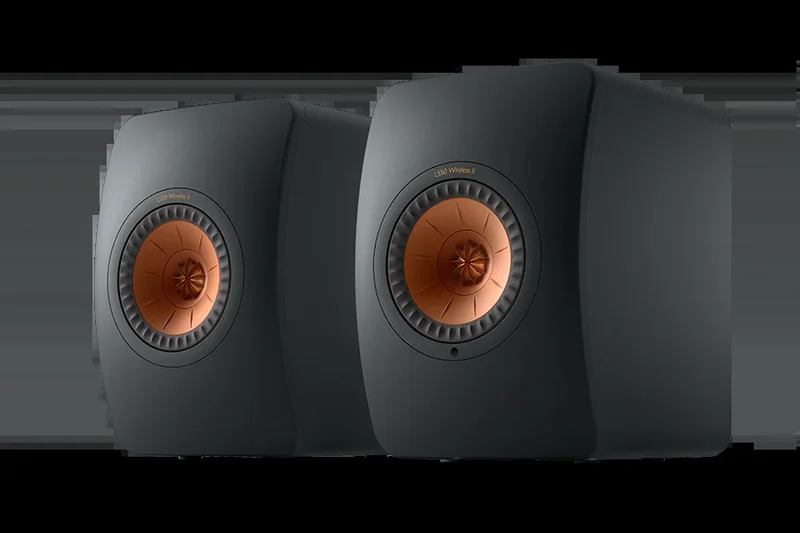
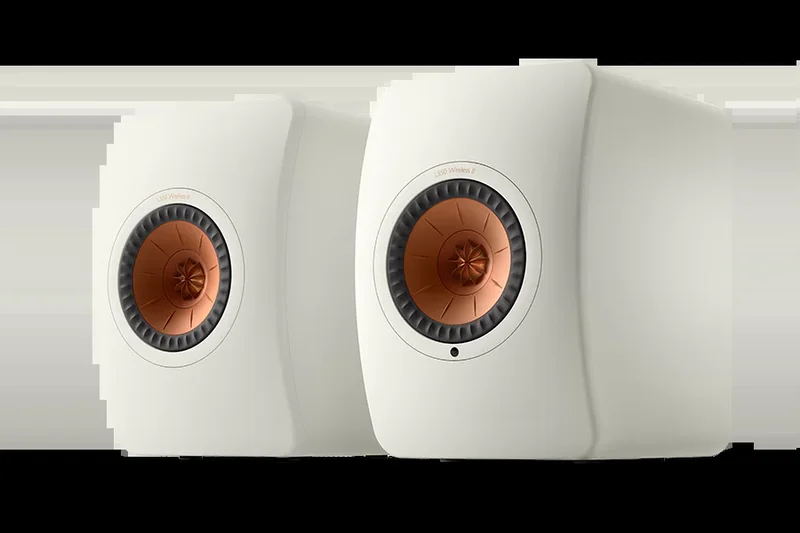
Why we picked it: The KEF LS50 Wireless II is an absolute triumph of modern acoustic engineering, seamlessly blending the purity of high-end passive audio with the ultimate convenience of an active wireless system. By integrating the revolutionary 12th Generation Uni-Q driver array with Metamaterial Absorption Technology (MAT), this speaker effectively eliminates 99% of high-frequency distortion from the rear of the tweeter, resulting in a crystalline, transparent soundscape. The built-in 380W of bi-amplification per speaker provides effortless dynamics and profound bass control that belies its compact form factor. It acts as an entire hi-fi system in a box, offering comprehensive streaming support (AirPlay 2, Chromecast, Roon Ready) and HDMI eARC for flawless TV integration. For those who demand uncompromised audiophile fidelity without the clutter of outboard amplifiers and DACs, the LS50 Wireless II currently has no equal in the market.
Key Specs
- 12th Gen Uni-Q Driver with MAT (Metamaterial Absorption Technology)
- 380W total built-in system power (Class D/Class AB)
- HDMI eARC, TOSLINK, Analog, and Subwoofer outputs
- Supports AirPlay 2, Chromecast, Roon Ready
- Up to 24-bit/384kHz and DSD support
What we like
- Incredible imaging and soundstage depth
- All-in-one hi-fi system convenience
- Extensive wireless and wired connectivity
- Gorgeous, modern aesthetic design
What we don't like
- Premium price point
- Relies heavily on the companion app for advanced EQ
Best for: Discerning audiophiles and design-conscious listeners who want a high-end, clutter-free stereo or TV setup.
Considering the KEF LS50 Wireless II vs the KEF R3 Meta? The LS50 Wireless II gives you an all-in-one active solution with streaming built-in, whereas the R3 Meta requires a substantial external amplifier but ultimately offers slightly deeper bass and greater absolute fidelity.
The KEF LS50 Wireless II is the benchmark for premium active bookshelf speakers, delivering breathtaking sound quality and unmatched versatility.
Buy at KEF official site#2 SVS Prime Wireless Pro
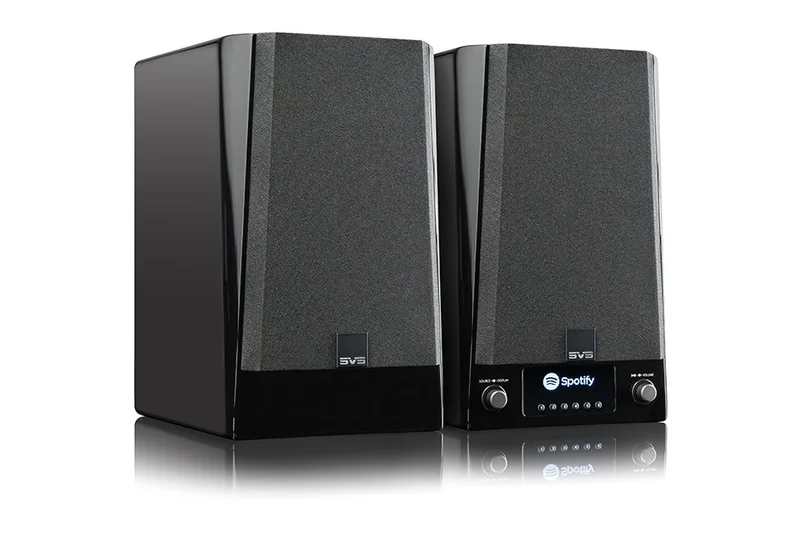
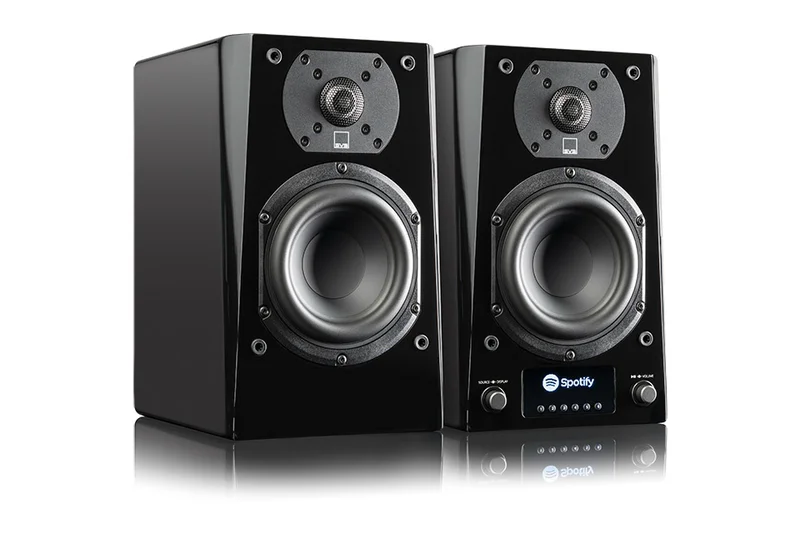
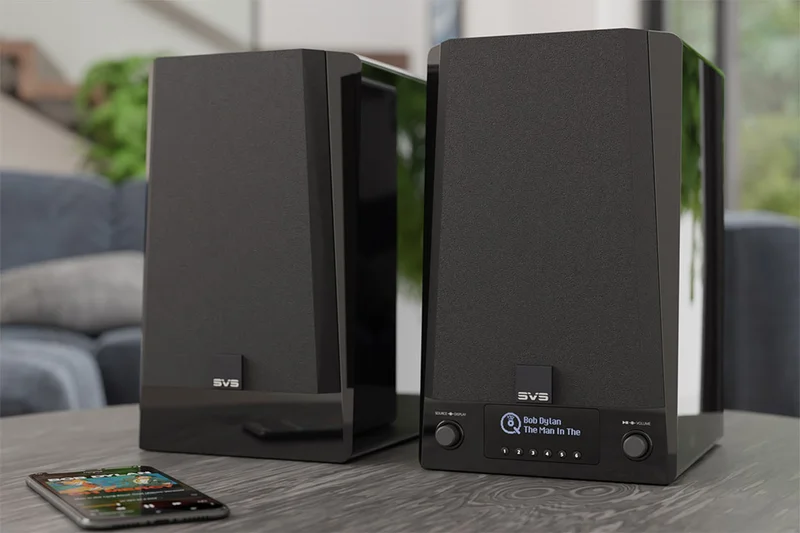
Why we picked it: The SVS Prime Wireless Pro redefines what is possible in the sub-$1,000 active speaker category, delivering authoritative dynamics and a remarkably balanced frequency response. Equipped with 200 watts of total Class D amplification, these speakers maintain absolute control over their 5.25-inch mid-bass drivers, producing deep, articulate lows that often negate the need for a separate subwoofer in smaller rooms. The integration of DTS Play-Fi, AirPlay 2, and Chromecast ensures you can stream high-resolution audio from almost any device effortlessly. Furthermore, the inclusion of HDMI ARC makes them a spectacular upgrade over any soundbar for television audio. They deliver a massive, immersive soundstage that easily fills medium-sized living spaces with high-fidelity sound.
Key Specs
- 5.25-inch mid-bass driver
- 1-inch aluminum dome tweeter
- 200W total Class D amplification (50W x 4)
- DTS Play-Fi, AirPlay 2, Chromecast integration
- HDMI ARC/eARC input for TV
What we like
- Exceptional price-to-performance ratio
- Robust, punchy bass response
- Comprehensive connectivity including HDMI ARC
- Clear OLED front-panel display
What we don't like
- DTS Play-Fi app can occasionally be clunky
- Utilitarian, boxy design lacks premium flair
Best for: Listeners seeking a powerful, versatile active speaker system for both music streaming and television audio on a moderate budget.
Considering the SVS Prime Wireless Pro vs the Kanto TUK? The SVS excels in wireless streaming and TV integration via HDMI ARC, while the TUK caters more to desktop users with its AMT tweeter and dedicated USB DAC.
An outstandingly versatile and dynamic active speaker pair that offers incredible value and seamless modern connectivity.
Buy at SVS official site#3 SVS Ultra Evolution Bookshelf
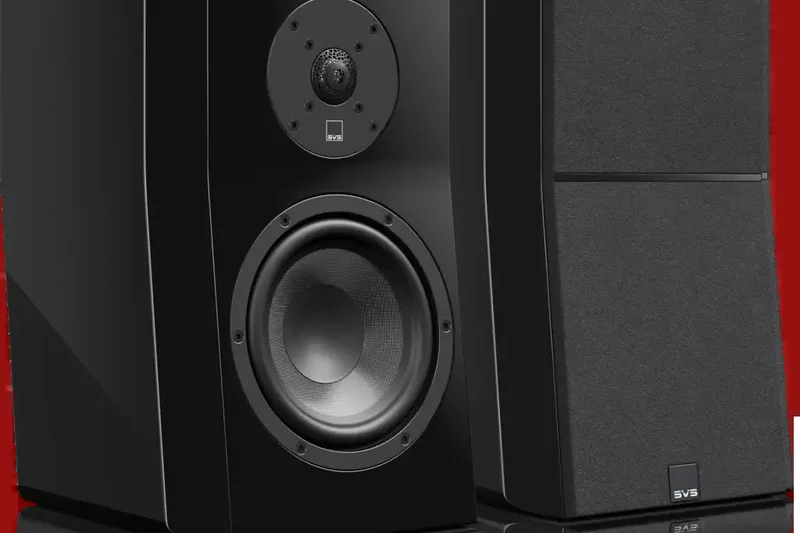
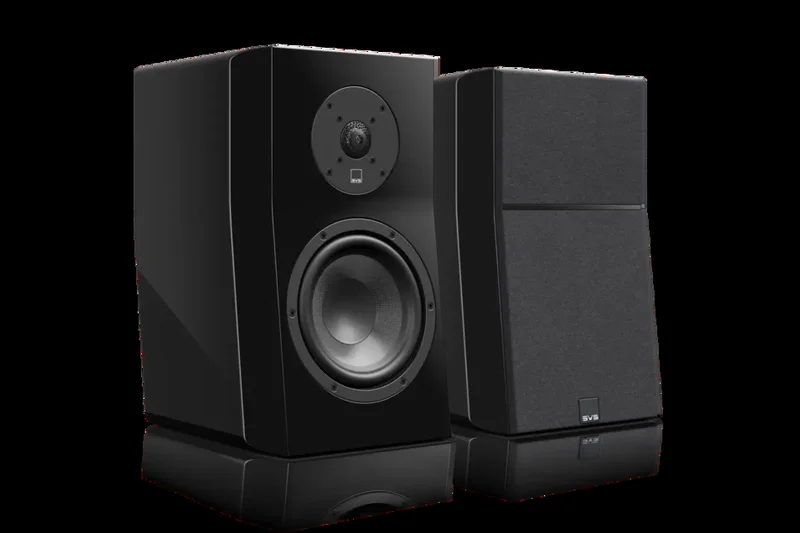
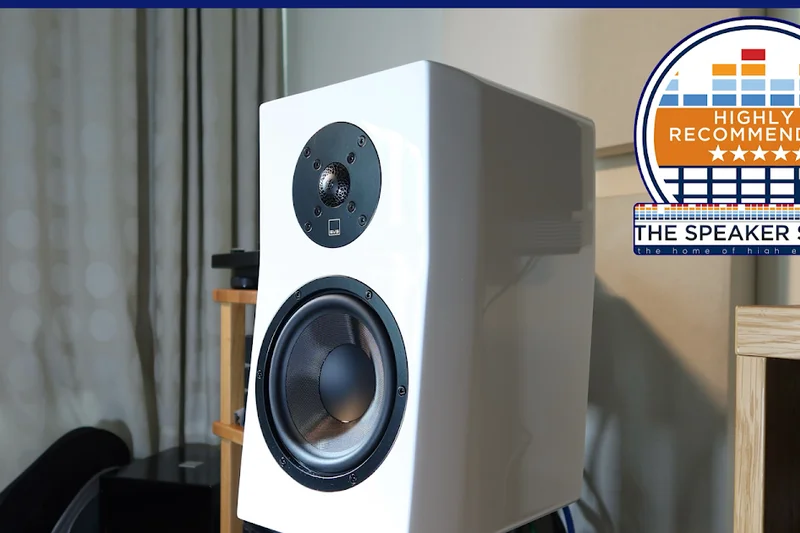
Why we picked it: The SVS Ultra Evolution Bookshelf represents a monumental leap in passive speaker architecture. Its striking, time-aligned curved cabinet geometry isn't just for show; it ensures that low, mid, and high frequencies arrive at your ear simultaneously, resulting in phenomenal spatial imaging and phase coherence. The 1-inch diamond-coated aluminum dome tweeter delivers airy, transparent highs without a hint of harshness, perfectly complementing the authoritative punch of the 6.5-inch glass-fiber composite mid-woofer. With an impressive frequency response reaching down to 40Hz, these speakers produce bass with visceral impact and speed. They require a quality amplifier to truly sing, but when properly driven, they compete fiercely with speakers costing twice as much.
Key Specs
- Time-aligned curved cabinet geometry
- 1-inch diamond-coated aluminum dome tweeter
- 6.5-inch glass-fiber composite mid-woofer
- Frequency Response: 40Hz - 40kHz (±3dB)
- Premium cast aluminum alloy driver baskets
What we like
- Reference-grade imaging and clarity
- Deep, articulate bass extension
- Acoustically inert, striking cabinet design
- Excellent 5-year SVS warranty
What we don't like
- Large footprint requires sturdy stands
- Demands high-quality, high-current amplification
Best for: Traditional audiophiles looking for reference-level passive performance and deep bass without floorstander bulk.
Considering the SVS Ultra Evolution vs the Bowers & Wilkins 606 S3? The SVS offers significantly deeper bass extension and a more neutral presentation, whereas the 606 S3 provides a forward, highly detailed midrange that some prefer for acoustic music.
A triumphant passive bookshelf speaker that leverages cutting-edge geometry and materials to deliver breathtaking, full-range audio.
Buy at SVS official site#4 KEF LSX II LT
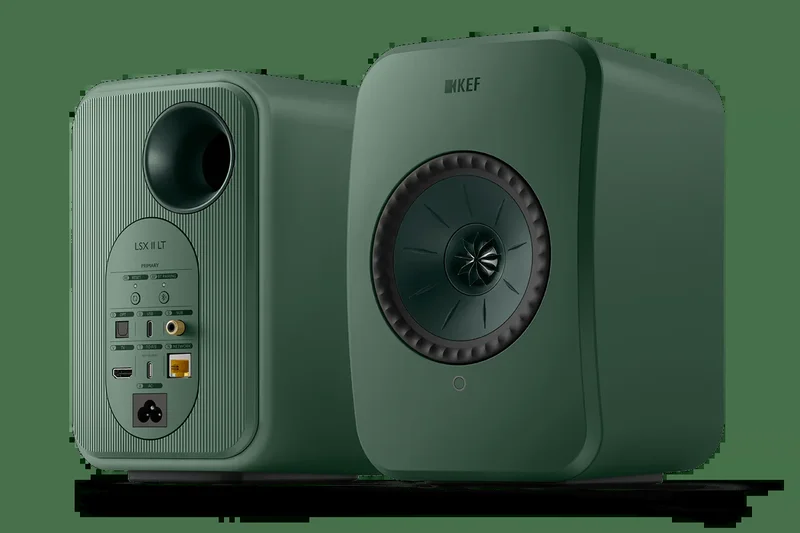
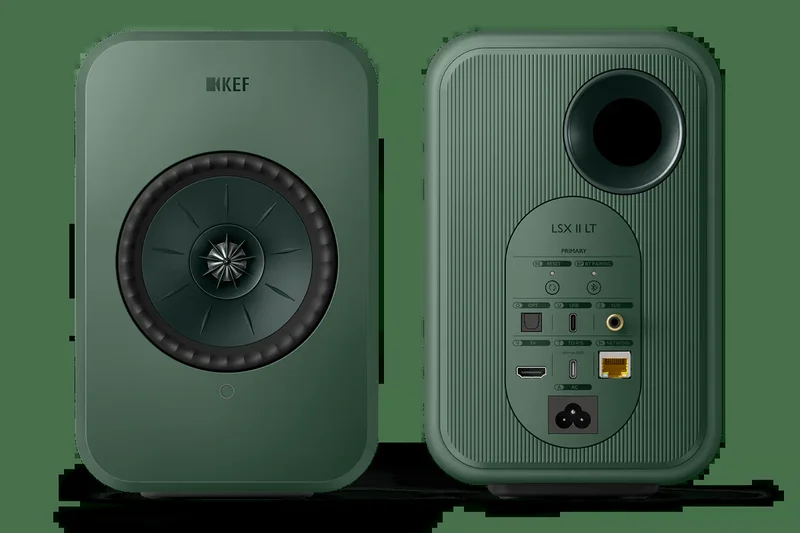
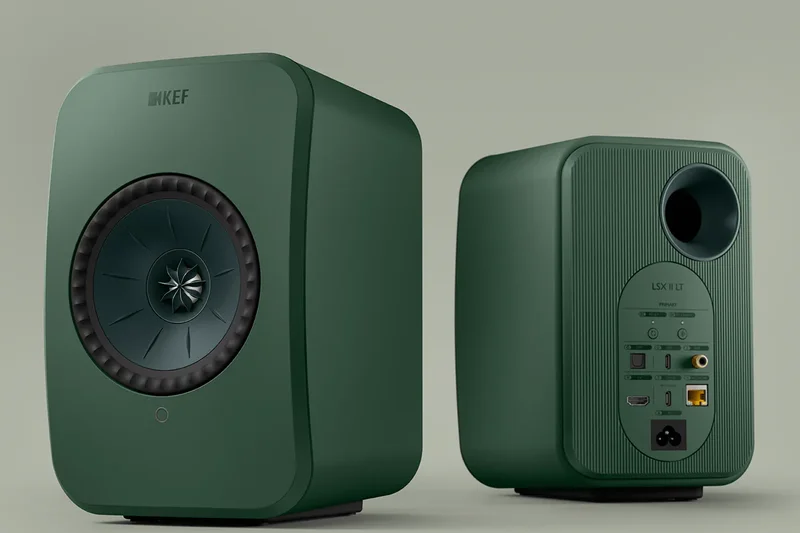
Why we picked it: The KEF LSX II LT distills the magic of the LS50 Wireless II into a more compact and affordable package without sacrificing the core KEF acoustic identity. Utilizing the 11th Gen Uni-Q driver array, it produces a seamlessly integrated soundscape with pinpoint imaging that makes it a phenomenal choice for near-field desktop listening. With USB-C, HDMI ARC, and comprehensive Wi-Fi streaming, it serves as a hyper-versatile audio hub.
Key Specs
- 11th Gen Uni-Q driver array
- 200W system power
- USB-C, HDMI ARC, and Optical inputs
- Wi-Fi streaming with KEF Connect app
- Tethered USB-C connection between speakers
What we like
- Brilliant near-field imaging
- Extensive digital inputs
- Compact, visually appealing footprint
What we don't like
- Requires a tethered cable between speakers
- Bass rolls off earlier than larger models
Best for: Desktop users and those with smaller rooms looking for premium active audio with elegant aesthetics.
Considering the KEF LSX II LT vs the Kanto YU6? The KEF provides vastly superior soundstage imaging and native Wi-Fi streaming, while the YU6 is cheaper and includes an analog phono preamp.
The ultimate luxury desktop and small-room active speaker, offering high-end imaging and seamless digital integration.
Buy at KEF official site#5 KEF R3 Meta
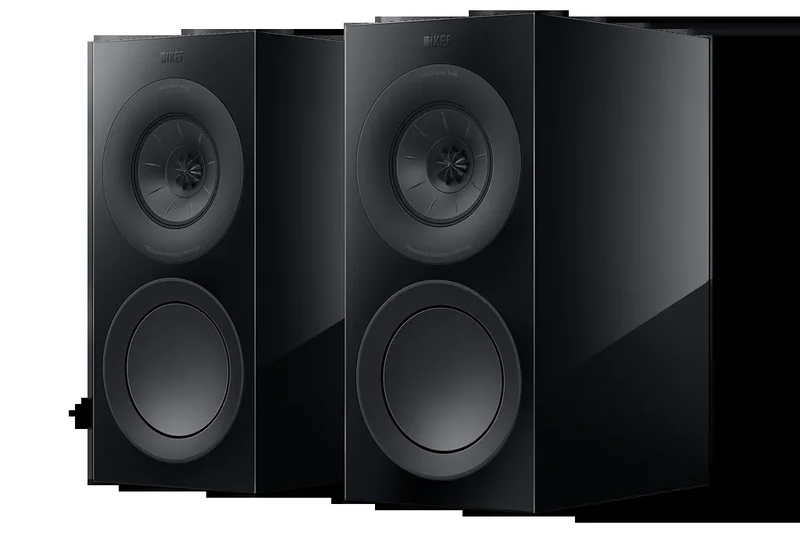
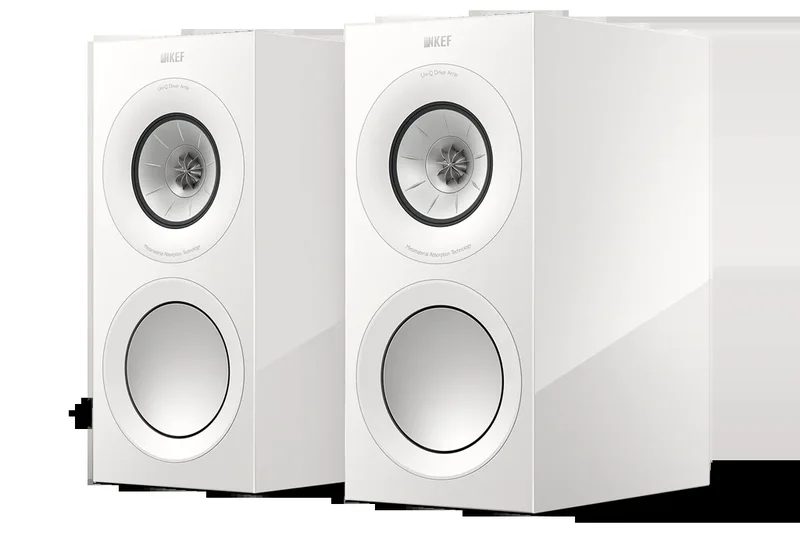
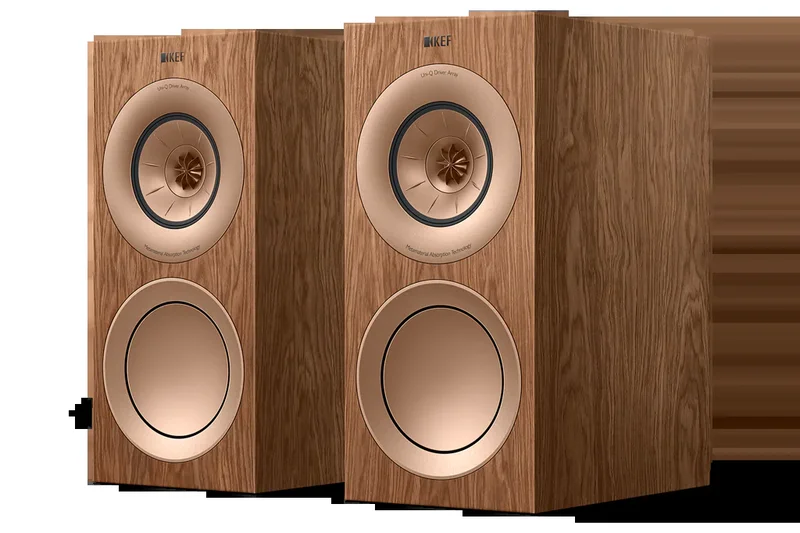
Why we picked it: Earning our highest dimension score for Audio Fidelity, the KEF R3 Meta is a true 3-way passive masterpiece. By incorporating MAT technology into its bespoke 12th Gen Uni-Q array, it achieves zero-distortion highs and a remarkably smooth midrange, while the dedicated 6.5-inch bass driver handles low frequencies with absolute authority and speed. It is a revealing, neutral, and endlessly resolving speaker.
Key Specs
- 3-way true audiophile acoustic design
- 12th Gen Uni-Q array with MAT technology
- 6.5-inch hybrid aluminum bass driver
- Shadow Flare for minimized cabinet diffraction
- Constrained layer damping bracing
What we like
- Class-leading audio fidelity and neutrality
- Dedicated bass driver for dynamic range
- Exquisite build quality and finishes
What we don't like
- Requires top-tier amplification to shine
- Very expensive for a passive bookshelf
Best for: Hardcore audiophiles building a no-compromise, high-end two-channel stereo system.
Considering the KEF R3 Meta vs the Sonus faber Sonetto II G2? The R3 Meta is more analytical and neutral, whereas the Sonetto II G2 offers a slightly warmer, more romantic Italian tuning with luxurious wood finishes.
A benchmark-setting 3-way passive speaker that delivers staggering resolution and absolute tonal neutrality.
Buy at KEF official site#6 Kanto TUK
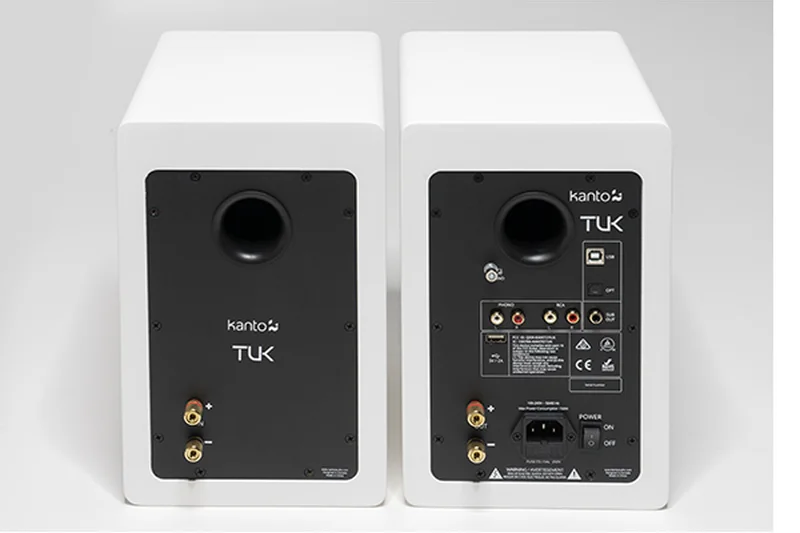
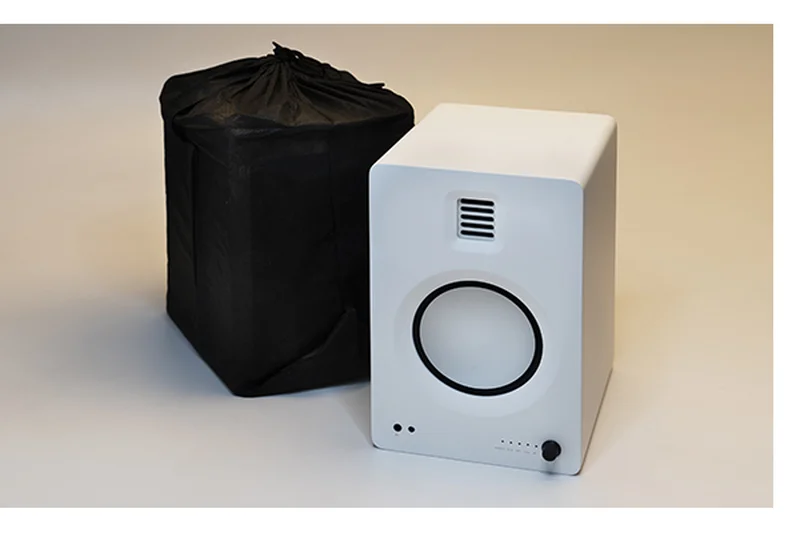
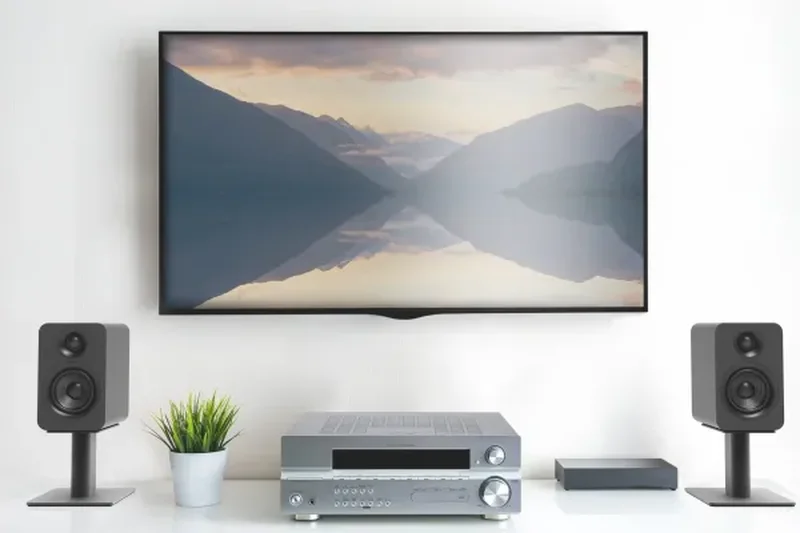
Why we picked it: The Kanto TUK is a premium powered speaker that excels in versatility and high-frequency detail. Its AMT (Air Motion Transformer) tweeter delivers incredibly fast, airy, and fatigue-free treble. Paired with a rigid aluminum woofer and advanced active crossover DSP, the TUK provides an articulate and exciting sound signature. With a built-in phono preamp, headphone amp, and USB DAC, it is the ultimate multi-tool for vinyl lovers and desktop audiophiles.
Key Specs
- 5.25-inch rigid aluminum woofer
- High-performance AMT (Air Motion Transformer) tweeter
- Built-in phono preamp and headphone amp
- Advanced DSP with active crossover
- USB DAC and Bluetooth aptX HD
What we like
- Stunning treble clarity from the AMT tweeter
- Incredible array of built-in inputs
- Includes a dedicated headphone amplifier
What we don't like
- Lacks native Wi-Fi streaming
- Bass can feel slightly lean without a sub
Best for: Vinyl enthusiasts and desktop power-users needing maximum connectivity from a single set of speakers.
Considering the Kanto TUK vs the KEF LSX II LT? The TUK is better for turntable owners due to its phono input, while the KEF dominates in wireless network streaming.
A highly capable powered speaker featuring pristine AMT treble and unparalleled input versatility.
Buy at Kanto official site#7 KEF Q1 Meta
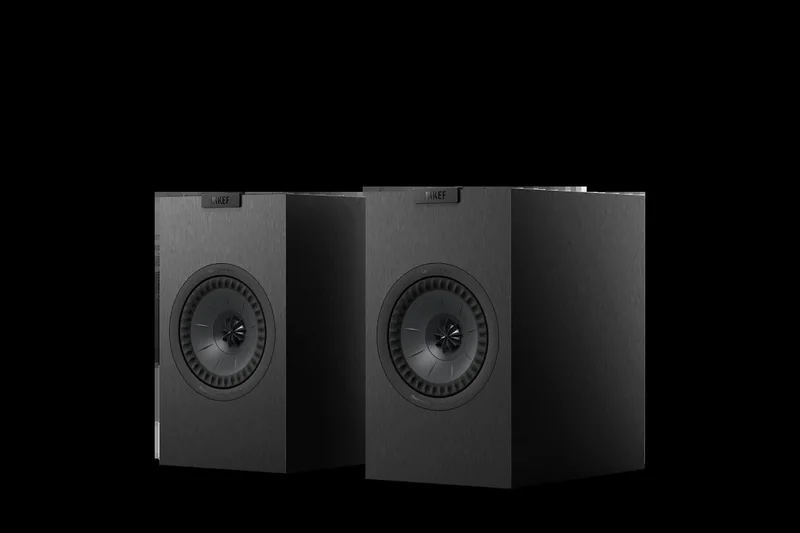
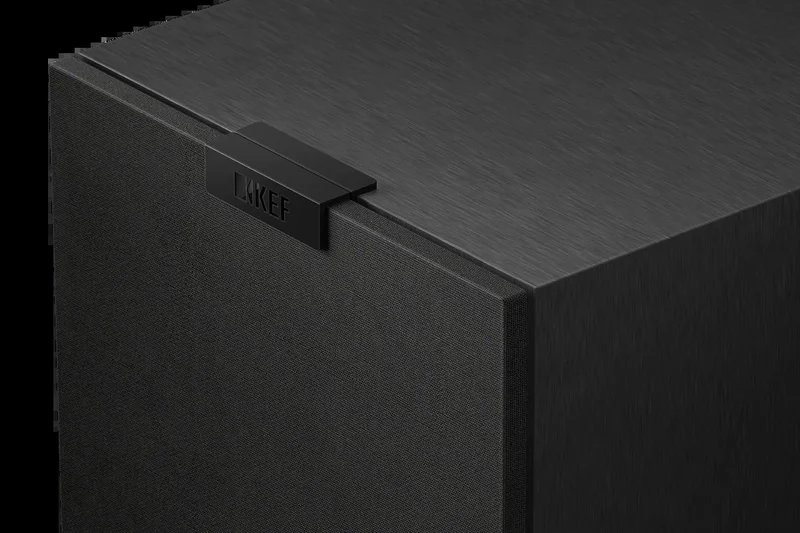
Why we picked it: Bringing KEF's high-end Metamaterial Absorption Technology down to a highly accessible price point, the passive Q1 Meta represents extraordinary value. The new Uni-Q array produces a soundstage that is remarkably wide and accurate for a speaker under $700. It offers a smooth, balanced presentation that significantly outperforms older iterations in the Q-series.
Key Specs
- 12th Generation Uni-Q Driver Array
- MAT (Metamaterial Absorption Technology) eliminates 99% distortion
- 5.25-inch aluminum mid/bass cone
- 1-inch vented aluminum dome tweeter
- Computational fluid dynamics ported design
What we like
- Incredible imaging at this price
- MAT tech effectively reduces treble harshness
- Forgiving of sub-optimal room placement
What we don't like
- Requires a subwoofer for deep bass
- Vinyl wrap finish feels slightly budget
Best for: Entry-level audiophiles looking for a taste of high-end spatial imaging and clarity without breaking the bank.
Considering the KEF Q1 Meta vs the ELAC Debut 3.0 DB63? The KEF offers vastly superior 3D imaging, while the ELAC provides more authoritative, room-filling bass.
An affordable entry point into KEF's revolutionary MAT technology, offering stellar imaging and coherence.
Buy at KEF official site#8 Wharfedale Super Denton
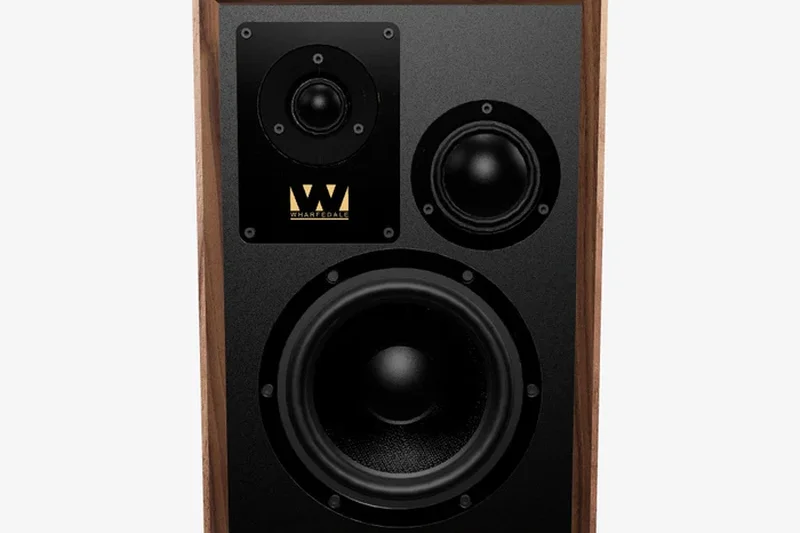
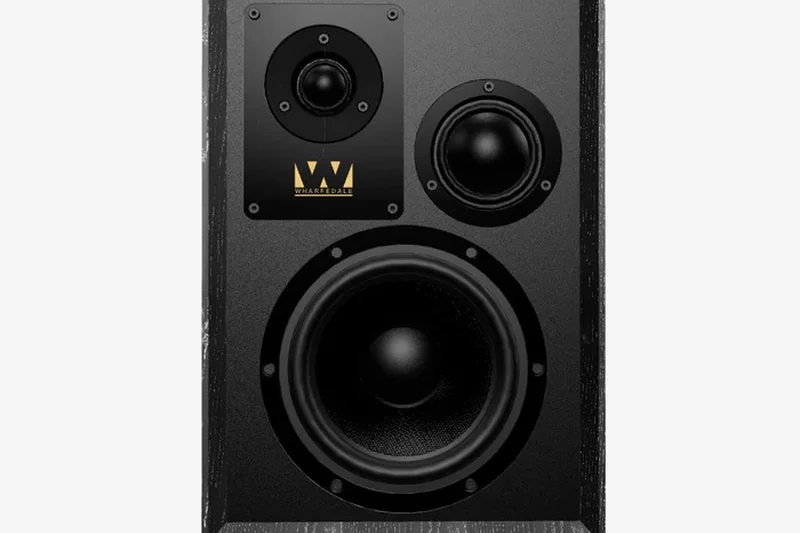
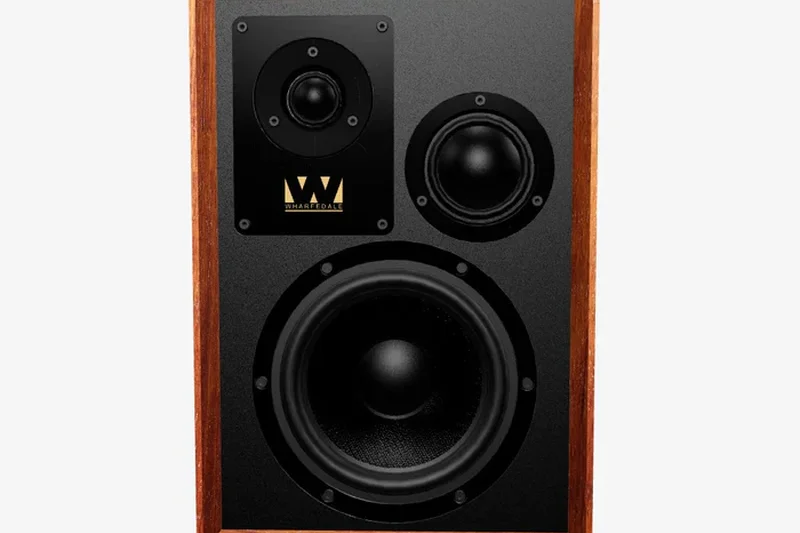
Why we picked it: The Wharfedale Super Denton beautifully marries classic British vintage aesthetics with thoroughly modern acoustic internals. This compact 3-way passive design utilizes an offset driver array to disperse a massive, warm, and highly engaging soundstage. It perfectly balances nostalgic warmth with modern resolution, making long listening sessions an absolute joy.
Key Specs
- Classic British vintage aesthetic with modern internals
- 6.5-inch woven Kevlar bass driver
- 2-inch dome midrange driver
- 1-inch soft dome tweeter
- Offset driver array for dispersed imaging
What we like
- Rich, non-fatiguing musicality
- True 3-way design in a compact cabinet
- Gorgeous real-wood vintage aesthetics
What we don't like
- Offset drivers require careful left/right placement
- Not suited for analytical, clinical listening
Best for: Music lovers who prioritize emotional engagement, warmth, and retro design over clinical accuracy.
Considering the Super Denton vs the KEF R3 Meta? The Wharfedale is warm, forgiving, and vintage-styled, whereas the KEF is an ultra-revealing, modern analytical tool.
A stunning vintage-style 3-way speaker that delivers a rich, emotionally engaging, and smooth performance.
Buy at Wharfedale official site#9 ELAC Uni-Fi Reference UBR62
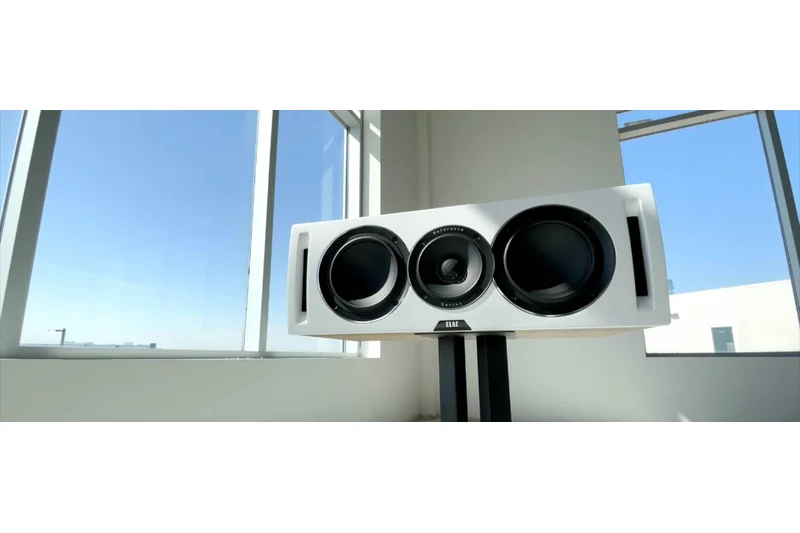
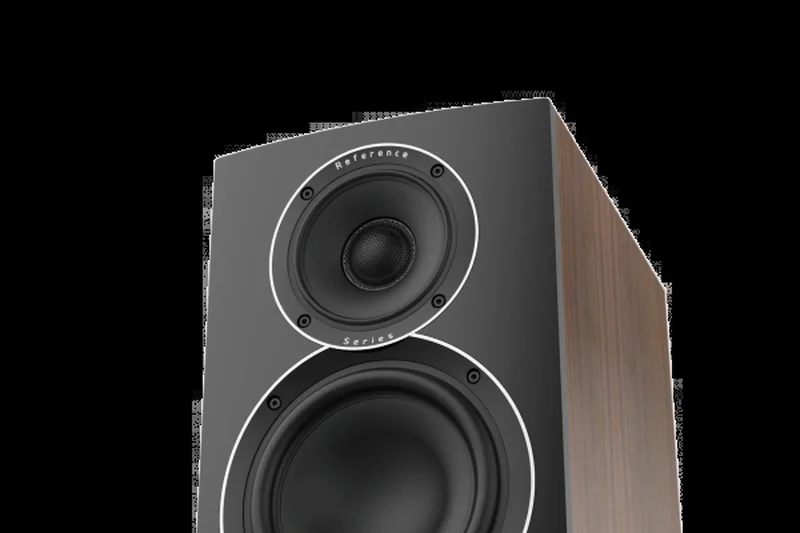
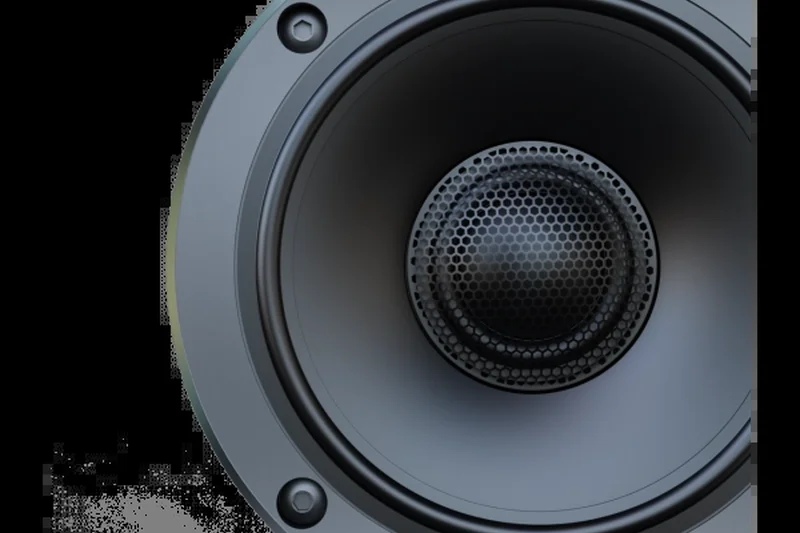
Why we picked it: Designed by Andrew Jones, the ELAC UBR62 is a true 3-way passive design that delivers an incredibly cohesive and detailed sound signature. The concentric tweeter/midrange driver ensures excellent off-axis performance, while the dedicated 6.5-inch aluminum bass driver handles lows with tight precision. The front-firing slot port makes it highly forgiving of close-to-wall placement.
Key Specs
- Concentric 1-inch soft dome tweeter and 4-inch aluminum midrange
- 6.5-inch aluminum cone bass driver
- Front-firing dual flared slot port
- Full perimeter bracing
- Premium wood veneer finishes
What we like
- Superb midrange clarity and integration
- Front-ported design eases room placement
- Excellent dynamic headroom
What we don't like
- Requires a powerful amplifier (85dB sensitivity)
- Can sound slightly polite at low volumes
Best for: Listeners who demand 3-way precision and have the amplifier power necessary to drive a low-sensitivity speaker.
Considering the UBR62 vs the SVS Prime Bookshelf? The ELAC offers superior 3-way midrange clarity, but the SVS is much easier to drive with a budget receiver.
A beautifully crafted 3-way passive speaker that delivers refined, reference-level audio when paired with proper amplification.
Buy at ELAC official site#10 SVS Prime Bookshelf
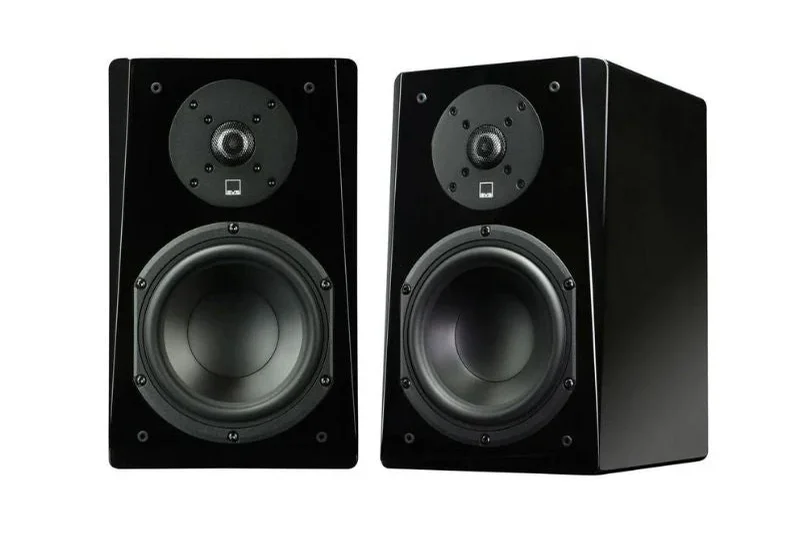
Why we picked it: The SVS Prime Bookshelf is a dynamic and aggressive passive speaker that excels in high-energy home theater and rock/electronic music applications. It features a highly optimized crossover and robust drivers that handle massive volume swings without a hint of compression or distortion, making it a rugged and reliable performer.
Key Specs
- 6.5-inch polypropylene cone woofer
- 1-inch aluminum dome tweeter
- SVS SoundMatch 2-way crossover network
- FEA-optimized tweeter diffuser
- Acoustically transparent grilles
What we like
- Incredible dynamic impact and volume
- Highly transparent and energetic highs
- Excellent 5-year warranty
What we don't like
- Treble can be slightly forward on poor recordings
- Utilitarian aesthetic
Best for: Home theater enthusiasts and dynamic music fans who want a speaker that can play loud and clean.
Considering the SVS Prime vs the Wharfedale Diamond 12.1i? The SVS is more aggressive and dynamic, while the Wharfedale provides a smoother, more laid-back presentation.
A high-octane passive speaker that delivers explosive dynamics and stellar clarity for a very reasonable price.
Buy at SVS official site#11 Sonus faber Sonetto II G2
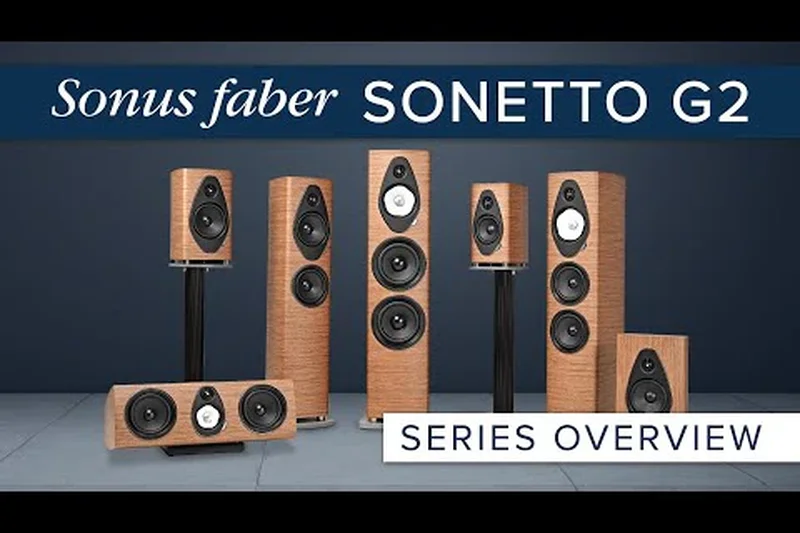
Why we picked it: Handcrafted in Italy, the Sonus faber Sonetto II G2 is a functional work of art. Featuring an internal cork chamber for acoustic dampening and a lute-shaped cabinet, it offers breathtaking build quality. Sonically, it delivers a romantic, lush, and incredibly detailed midrange that brings acoustic instruments and vocals to life.
Key Specs
- Lute-shaped Italian handcrafted cabinet
- 6.5-inch Camelia pattern midwoofer
- 1.1-inch DAD Arrow Point extended frequency tweeter
- Cork internal chamber for acoustic dampening
- Front-vented reflex box design
What we like
- Unrivaled craftsmanship and luxurious finish
- Lush, emotionally captivating midrange
- Front-vented design for easy placement
What we don't like
- High price point for a 2-way design
- Bass is controlled but not earth-shattering
Best for: Audiophiles who view their speakers as luxury furniture and prefer a warm, musical presentation.
Considering the Sonetto II G2 vs the SVS Ultra Evolution? The Sonus faber wins on aesthetics and midrange warmth, while SVS offers deeper bass and precise time-alignment.
An ultra-premium, Italian-crafted speaker that sounds as beautiful and organic as it looks.
Buy at Sonus faber official site#12 Edifier S1000MKII
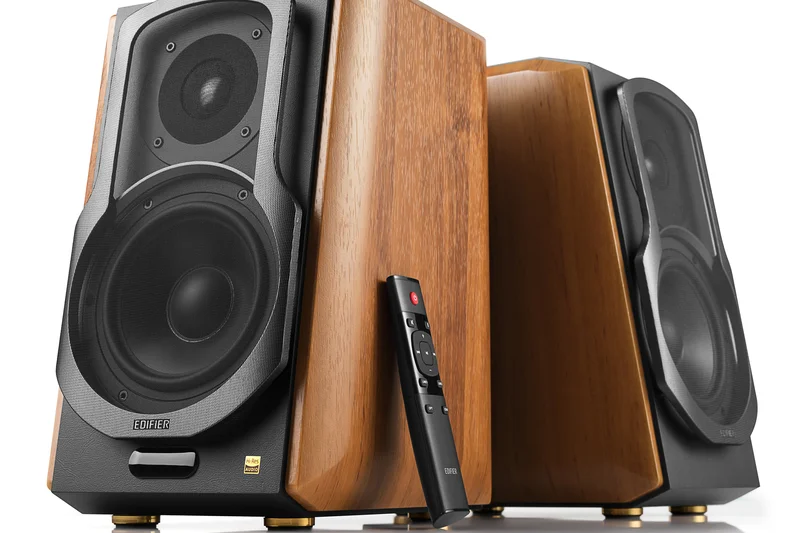
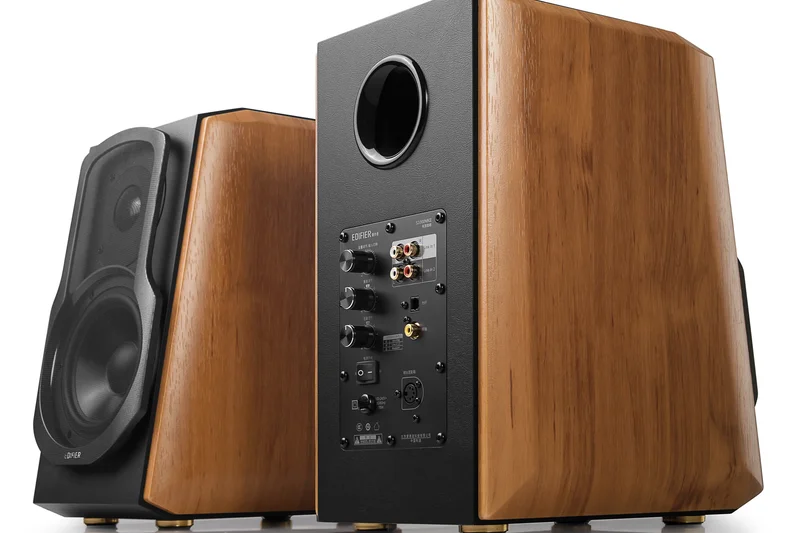
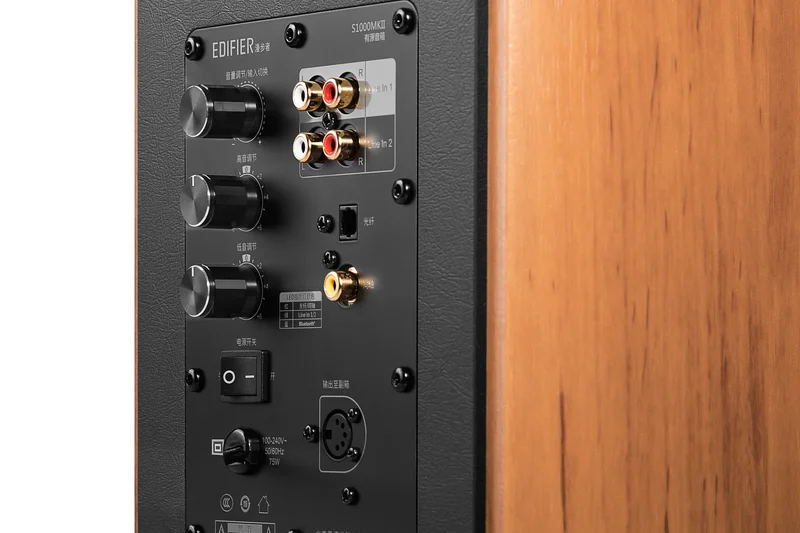
Why we picked it: The Edifier S1000MKII offers a highly sophisticated active speaker experience for a fraction of the cost of traditional hi-fi. With a built-in titanium dome tweeter and Hi-Res Audio Certified DSP, it delivers a surprisingly refined, detailed sound profile with plenty of low-end authority, all wrapped in a classic wood aesthetic.
Key Specs
- 5.5-inch aluminum alloy mid-bass driver
- 1-inch titanium dome tweeter
- 120W RMS total power
- Bluetooth 5.0 with aptX HD
- Hi-Res Audio Certified DSP
What we like
- Excellent resolution and DSP tuning
- Generous 120W power output
- High-quality Bluetooth aptX HD
What we don't like
- No Wi-Fi streaming options
- Remote control feels a bit cheap
Best for: Budget-conscious listeners who want premium active sound for their living room or turntable.
Considering the S1000MKII vs the Audioengine A5+? The Edifier provides a more analytical, Hi-Res sound with digital inputs, whereas the A5+ has a warmer, analog Class A/B character.
A stellar mid-tier active speaker that delivers crisp, powerful Hi-Res audio directly out of the box.
Buy at Edifier official site#13 Edifier MR5
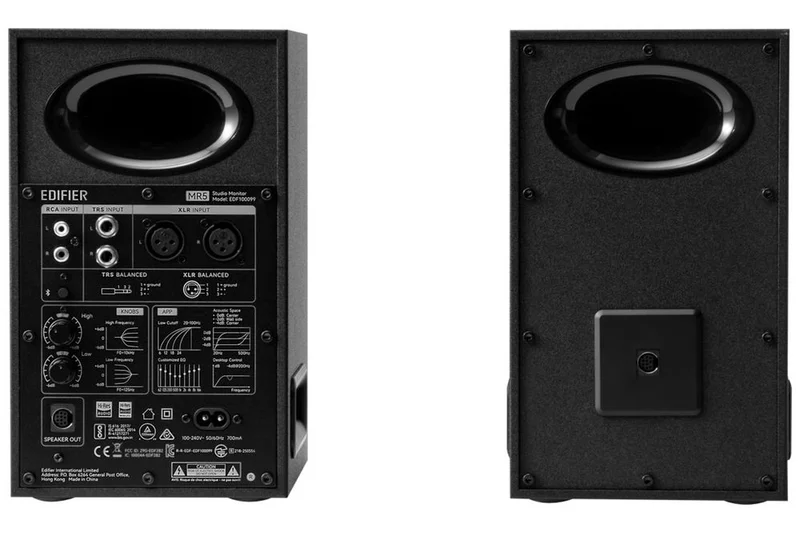
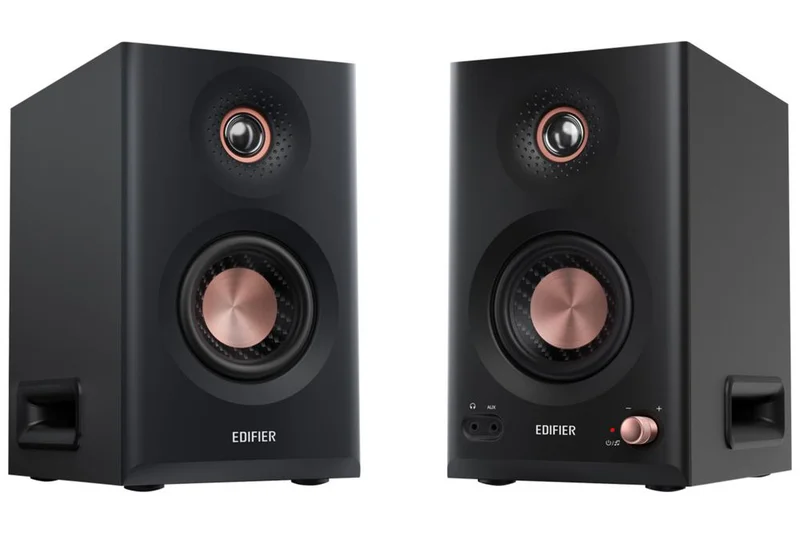
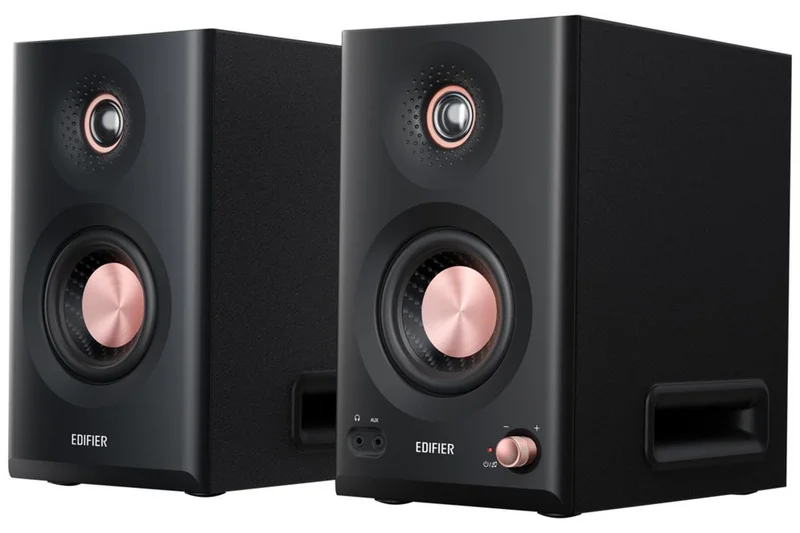
Why we picked it: The Edifier MR5 completely disrupts the entry-level market, offering a tri-amped 3-way active monitor system for under $300. It features an incredibly flat, accurate frequency response ideal for desktop audio production or critical listening, complemented by Bluetooth 6.0 and DSP EQ tuning via the companion app.
Key Specs
- Tri-amped system with 110W RMS total output
- 5-inch long-throw woofer and 1-inch silk dome tweeter
- XLR, TRS, RCA, AUX, and Bluetooth 6.0 LDAC inputs
- Hi-Res Audio and Hi-Res Audio Wireless certified
- DSP-controlled with Edifier ConneX app EQ
What we like
- Unbeatable price-to-performance ratio
- Highly accurate, monitor-grade tuning
- Pro-level XLR and TRS inputs
What we don't like
- Industrial design won't suit all living rooms
- Bass extension drops off quickly below 50Hz
Best for: Desktop producers and budget audiophiles needing absolute accuracy and pro connectivity.
Considering the MR5 vs the Kanto YU6? The MR5 is vastly more accurate for critical listening, while the YU6 is better suited as a casual, living-room turntable speaker.
An astonishingly affordable and highly accurate active monitor that redefines entry-level expectations.
Buy at Edifier official site#14 Fluance Ri71 Reference Powered
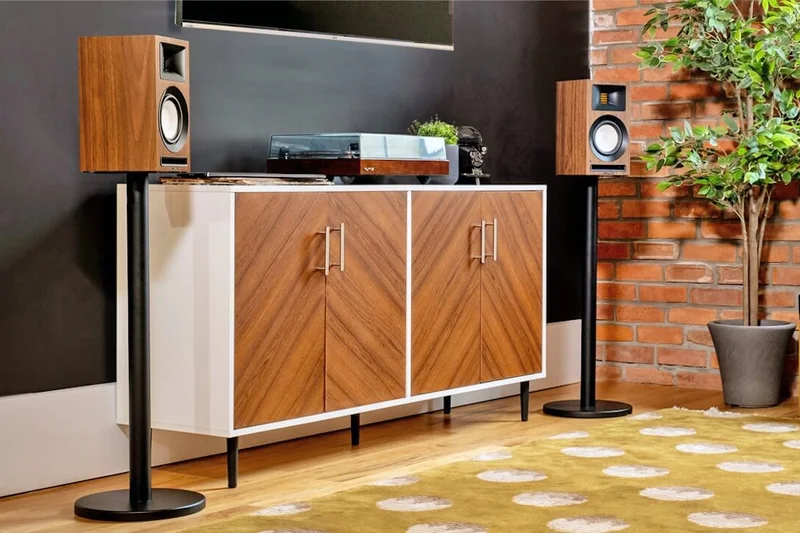
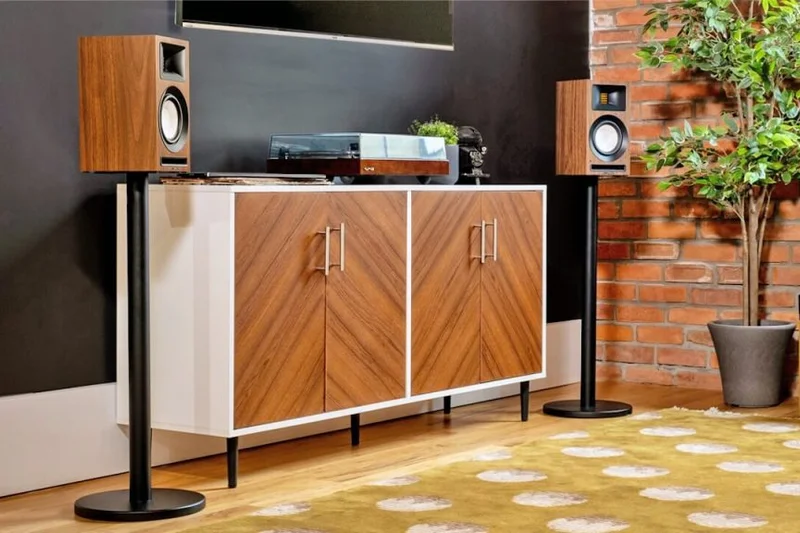
Why we picked it: The Fluance Ri71 Reference packs an impressive AMT tweeter and a potent Class D amplifier into an affordable active package. It delivers a fast, detailed top end combined with a punchy midrange. The inclusion of HDMI ARC makes it a brilliant, cost-effective soundbar alternative for TV setups.
Key Specs
- 1.1" x 1.3" Air Motion Transformer (AMT) tweeter
- 5.25-inch woven glass fiber composite woofer
- 120W total Class D amplification
- Bluetooth 5.0 aptX HD support
- HDMI ARC, RCA, and subwoofer outputs
What we like
- Crisp, airy AMT treble
- HDMI ARC for seamless TV integration
- Solid, heavy cabinet construction
What we don't like
- Midrange can occasionally feel slightly recessed
- No Wi-Fi integration
Best for: Users looking to upgrade their TV audio with a proper stereo image and detailed AMT treble on a budget.
Considering the Fluance Ri71 vs the Edifier S1000MKII? The Fluance wins for TV use thanks to HDMI ARC, but the Edifier provides a slightly fuller midrange.
A highly functional powered speaker boasting HDMI ARC and an excellent AMT tweeter for crisp detailing.
Buy at Fluance official site#15 Kanto YU6
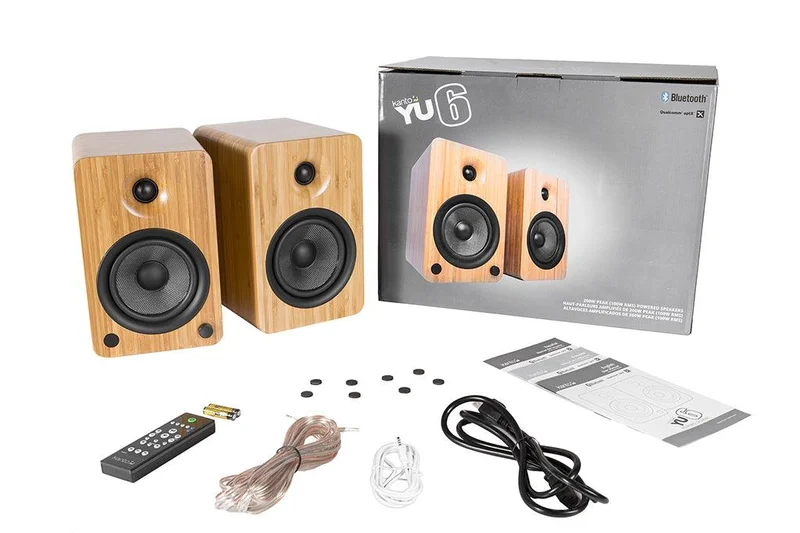
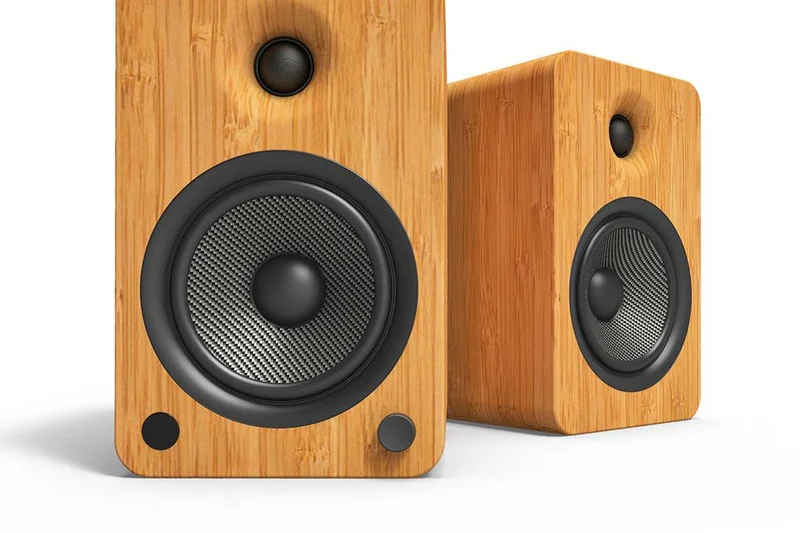
Why we picked it: The Kanto YU6 remains a staple powered speaker due to its sheer convenience and fun, energetic sound signature. With a built-in phono preamplifier, it is practically tailor-made to be the foundation of an analog vinyl setup. It also provides punchy, room-filling bass thanks to its 5.25-inch Kevlar woofers.
Key Specs
- 5.25-inch Kevlar woofer
- 1-inch silk dome tweeter
- Built-in phono preamp for turntables
- Bluetooth with aptX support
- 200W peak power Class D amplifier
What we like
- Built-in phono stage is great for turntables
- Fun, punchy sound profile
- Available in multiple attractive colors
What we don't like
- Not the most analytically detailed speaker
- Bluetooth is older aptX standard
Best for: Vinyl beginners looking for a plug-and-play speaker system to pair directly with their turntable.
Considering the YU6 vs the Kanto TUK? The YU6 is significantly cheaper and warmer, while the TUK is an analytical powerhouse with superior high-end detail.
A fun, reliable, and highly convenient powered speaker that acts as the perfect companion for a turntable.
Buy at Kanto official site#16 Q Acoustics 3020c
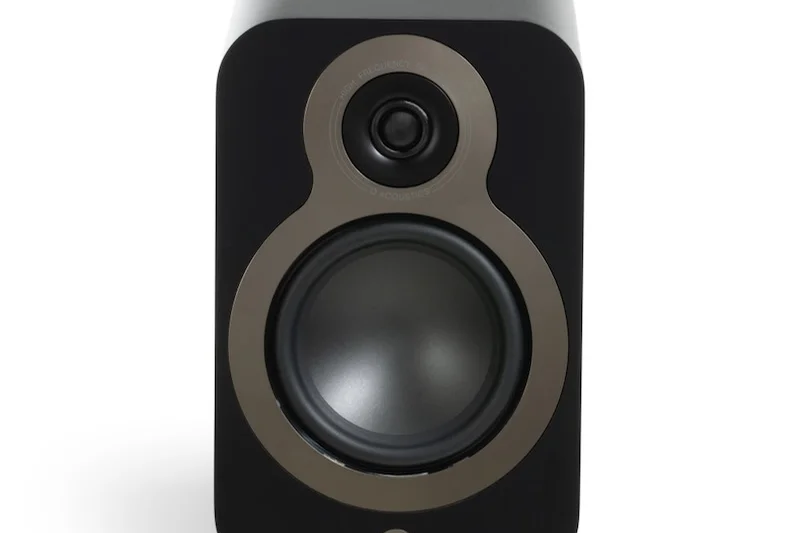
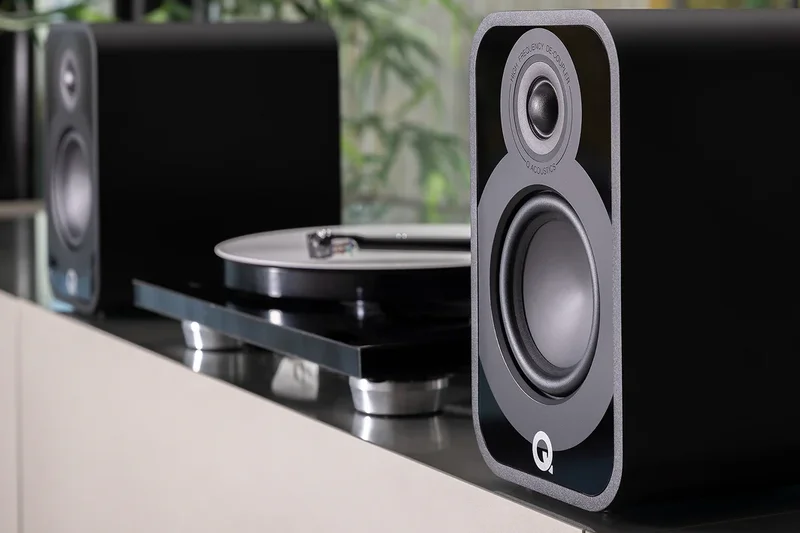
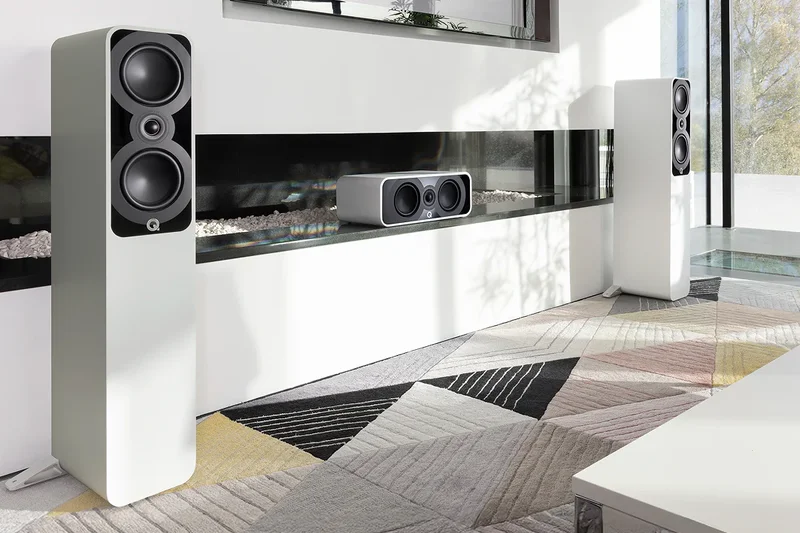
Why we picked it: The newly updated Q Acoustics 3020c features the innovative C3 Continuous Curved Cone driver, which radically improves bass dynamics and midrange integration. Coupled with its advanced internal P2P cabinet bracing, this passive speaker delivers a remarkably clean, resonance-free sound that competes with much larger models.
Key Specs
- 120mm C3 Continuous Curved Cone mid/bass driver
- 22mm decoupled soft dome tweeter
- P2P (Point to Point) internal cabinet bracing
- Frequency Response: 60Hz - 30kHz
- Magnetically attached acoustic grilles
What we like
- Extremely low cabinet resonance
- Smooth, cohesive driver integration
- Elegant, curved cabinet aesthetic
What we don't like
- Relatively low sensitivity requires good power
- Not suited for massive rooms
Best for: Design-conscious listeners who want refined, distortion-free passive audio in small to medium rooms.
Considering the 3020c vs the DALI KUPID? The Q Acoustics offers better cabinet damping and bass integration, while the DALI has a slightly more energetic top end.
A beautifully engineered passive speaker offering exceptional cabinet inertness and smooth, refined audio.
Buy at Q Acoustics official site#17 Triangle Borea BR03
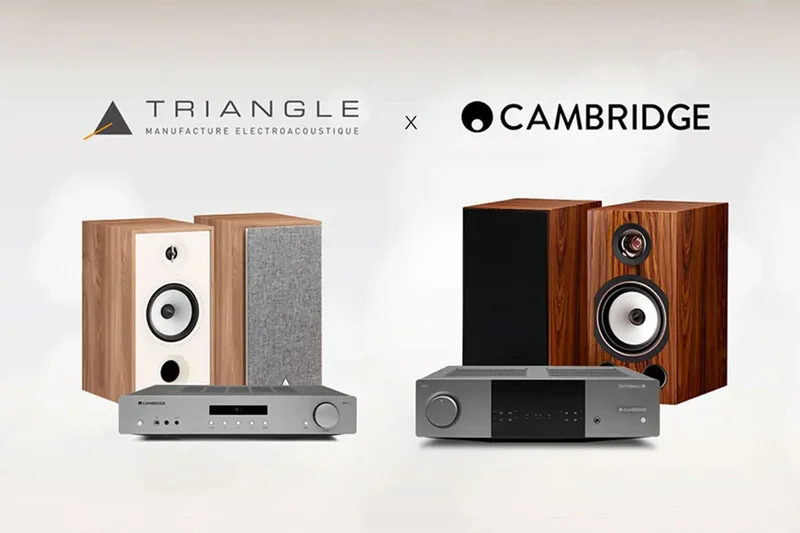
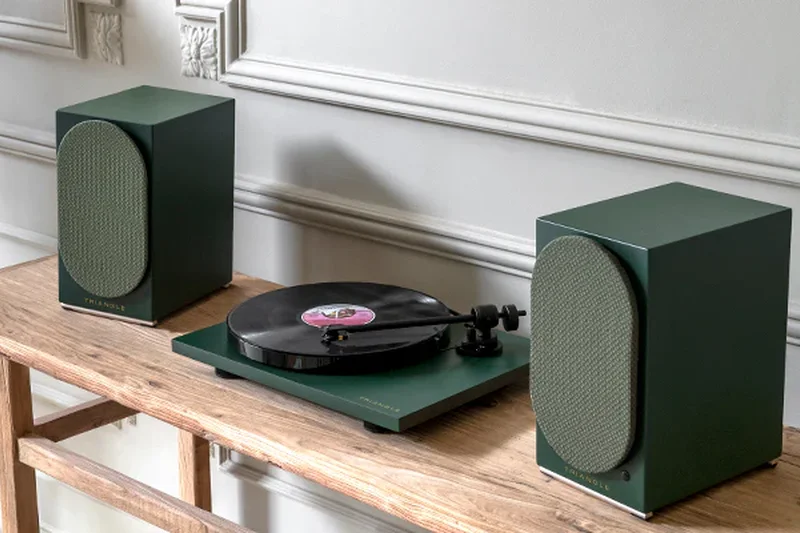
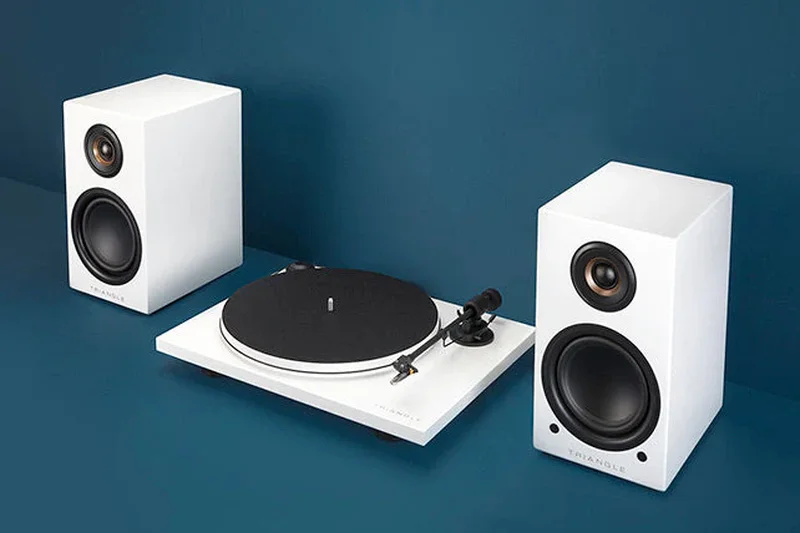
Why we picked it: The Triangle Borea BR03 offers a uniquely lively, dynamic, and upfront "French" acoustic tuning. Its untreated cellulose pulp midrange driver delivers incredibly lifelike, fast vocals, while the front-firing port allows for easy placement near walls without muddying the bass response.
Key Specs
- 6.5-inch untreated cellulose pulp midrange/bass driver
- 1-inch EFS (Efficient Flow System) silk dome tweeter
- Magnetic grilles
- Front-facing bass reflex port
- French acoustic engineering
What we like
- Fast, highly engaging dynamics
- Excellent vocal and midrange clarity
- Easy to place due to front port
What we don't like
- Treble can be slightly bright with poor recordings
- Cabinet finish feels a bit basic
Best for: Fans of vocal-centric music and jazz who appreciate a fast, lively, and dynamic passive speaker.
Considering the BR03 vs the Wharfedale Diamond 12.1i? The Triangle is fast and forward, whereas the Wharfedale is notoriously laid-back and smooth.
A highly energetic, vocal-forward passive speaker that brings excitement and life to any listening session.
Buy at Triangle official site#18 Wharfedale Diamond 12.1i
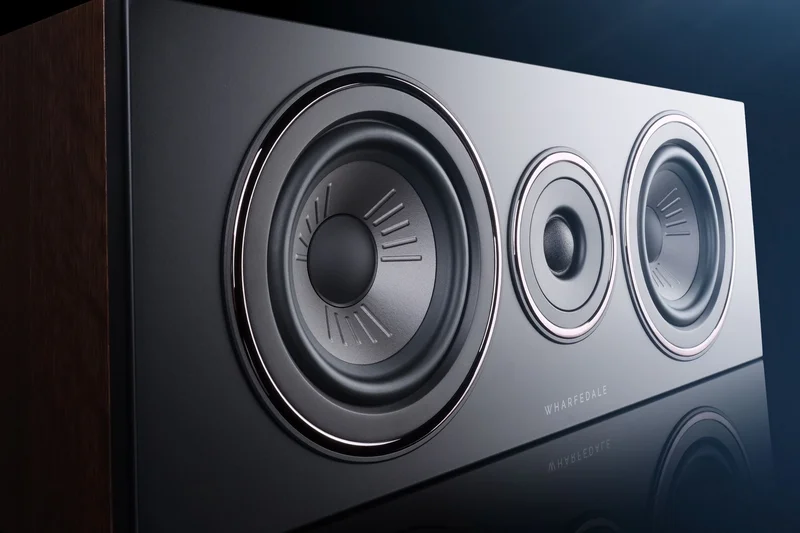
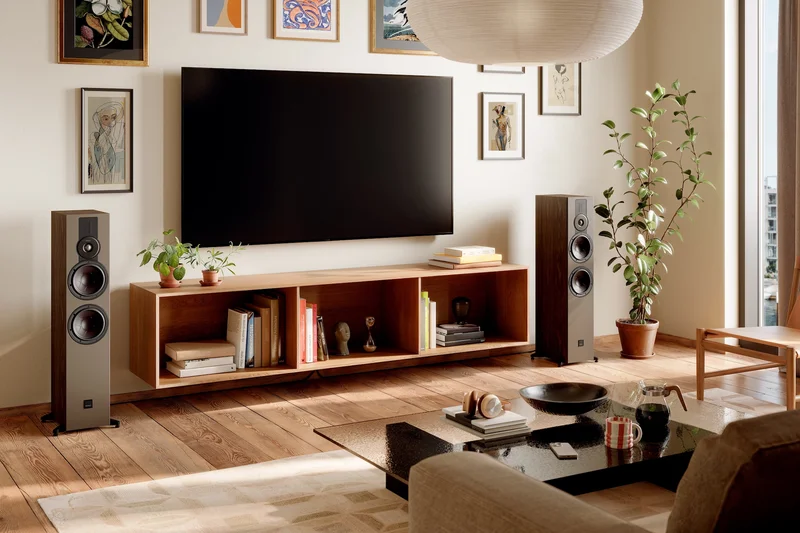
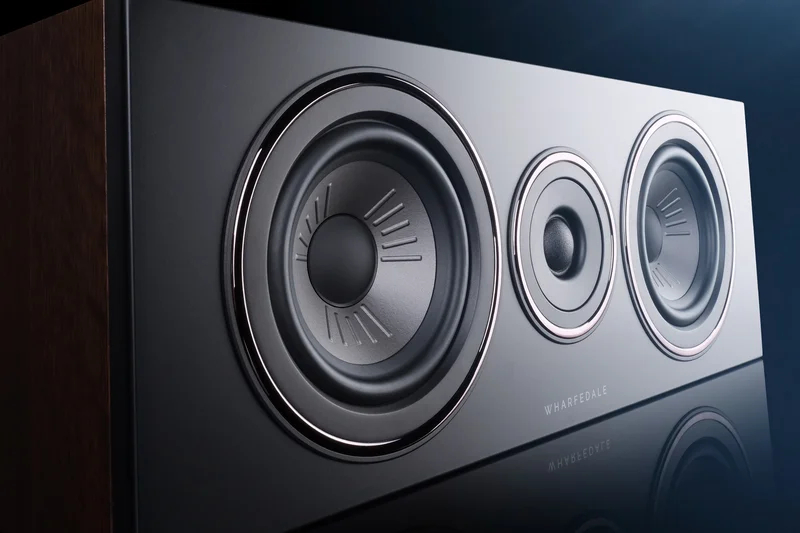
Why we picked it: The Wharfedale Diamond 12.1i is a champion of smooth, fatigue-free listening. Upgraded with an advanced Linkwitz-Riley crossover, it seamlessly integrates its Klarity woofer and soft dome tweeter to produce a rich, balanced soundstage that flatters almost any genre of music, even poor recordings.
Key Specs
- 5-inch Klarity cone woofer (polypropylene/mica)
- 1-inch woven polyester soft dome tweeter
- Advanced Linkwitz-Riley crossover with air-core inductors
- Precision-crafted magnet system with aluminum ring
- Rear bass reflex port
What we like
- Incredibly smooth, non-fatiguing sound
- Excellent midrange depth and texture
- High-quality crossover components
What we don't like
- Lacks the aggressive "bite" for heavy rock
- Requires space from the rear wall
Best for: Listeners seeking a refined, easy-going passive speaker for long, relaxed stereo listening sessions.
Considering the Diamond 12.1i vs the ELAC Debut 3.0 DB53? The Wharfedale is smoother and richer in the midrange, while the ELAC extends slightly deeper in the bass.
A beautifully balanced, warm passive speaker that guarantees hours of fatigue-free musical enjoyment.
Buy at Wharfedale official site#19 ELAC Debut 3.0 DB63
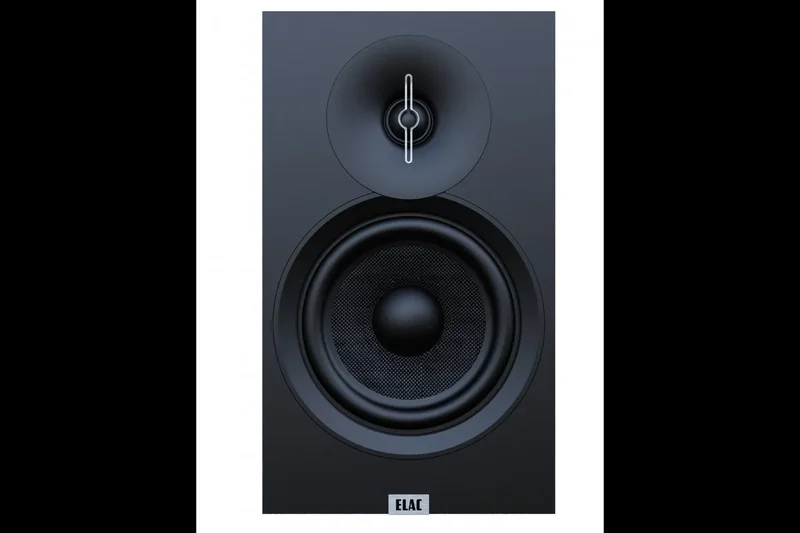
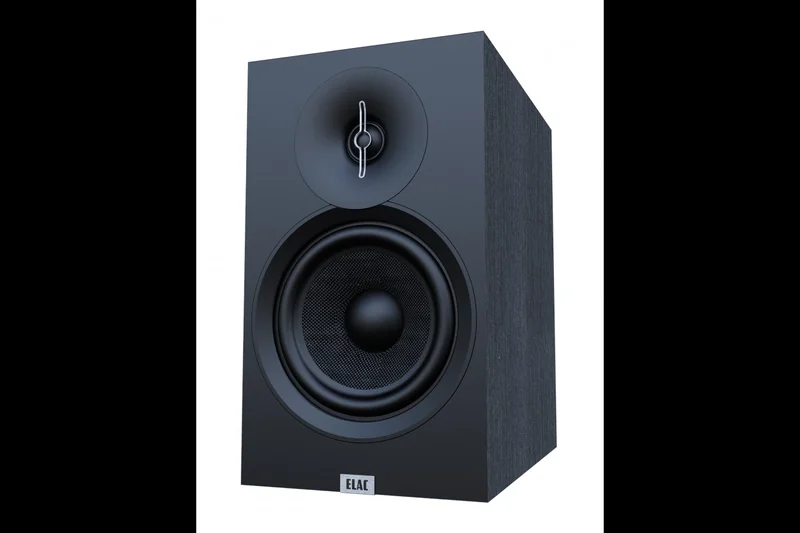
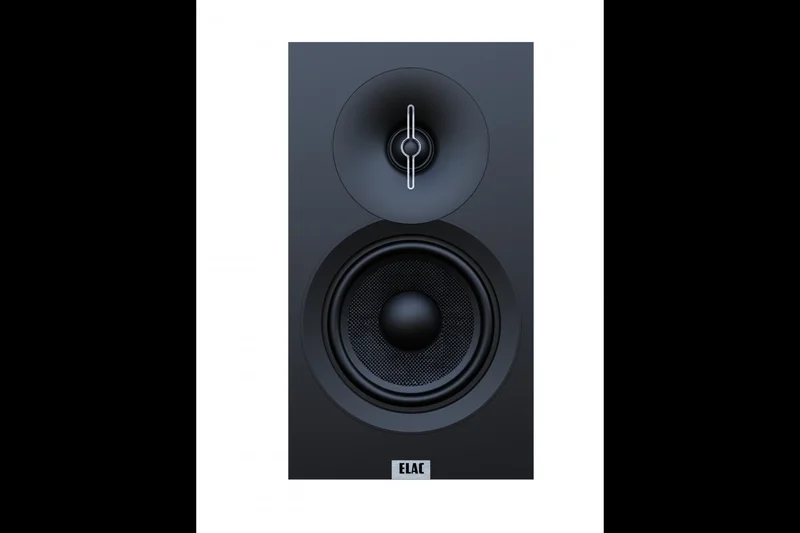
Why we picked it: The ELAC Debut 3.0 DB63 improves upon a legendary budget line by offering deeper bass extension and a more refined aluminum dome tweeter. With a 6.5-inch aramid-fiber woofer, this passive speaker provides room-filling sound and exceptional dynamic punch without requiring an expensive amplifier.
Key Specs
- 6.5-inch woven aramid-fiber woofer for deep bass
- 1-inch custom aluminum dome tweeter
- Thick MDF cabinet with sophisticated internal bracing
- Optimized crossover integration
- Frequency Response: 42Hz - 38kHz
What we like
- Impressive bass extension down to 42Hz
- Crisp, clear highs from the new tweeter
- Outstanding value for money
What we don't like
- Aesthetic design is quite plain
- Can sound slightly thick in small rooms
Best for: Value-focused buyers who want a large, full-range passive sound without needing a subwoofer.
Considering the DB63 vs the Klipsch RP-600M II? The ELAC is more neutral and balanced, while the Klipsch is highly dynamic and sensitive.
An exceptional value in the passive space, offering deep bass and clear highs in a robust, no-nonsense package.
Buy at ELAC official site#20 Klipsch Reference Premiere RP-600M II
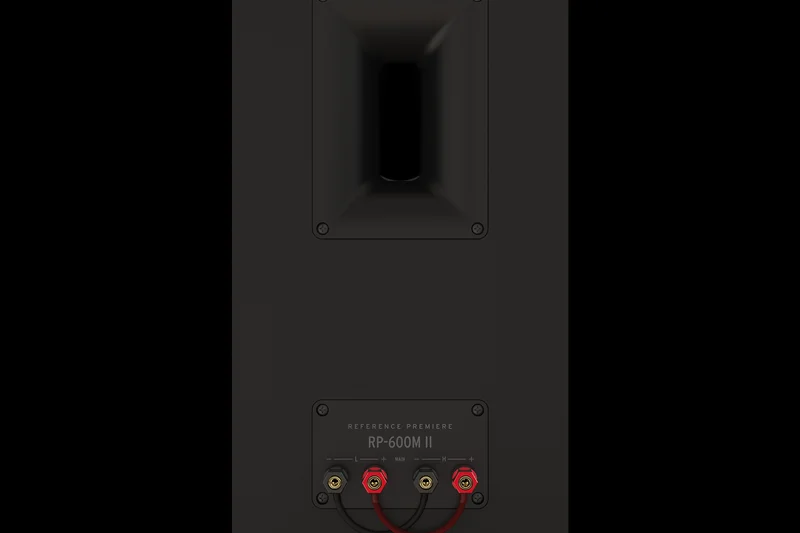
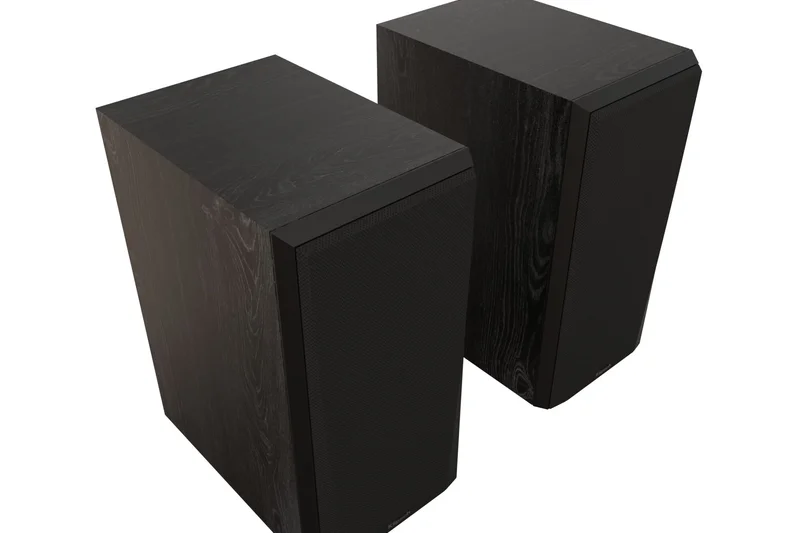
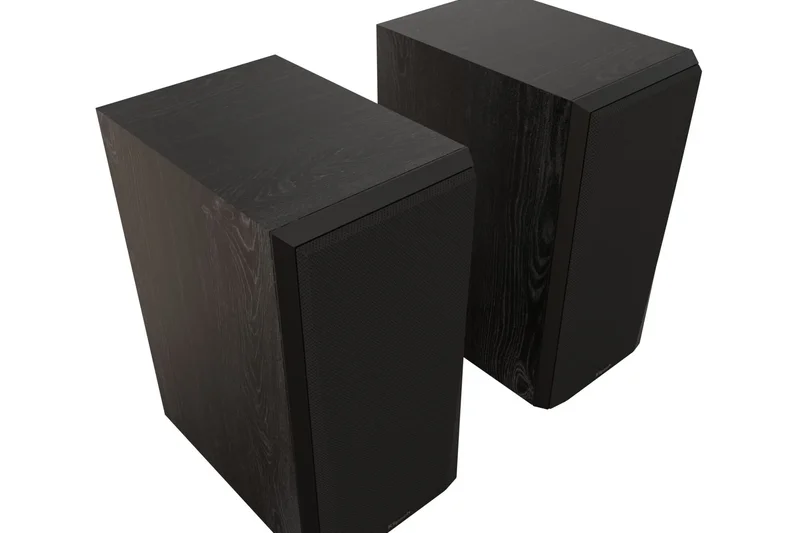
Why we picked it: The Klipsch RP-600M II utilizes its signature Tractrix Horn to deliver incredible efficiency and a massive, live-concert soundstage. With a high 94.5dB sensitivity, it can be driven to thunderous volumes by almost any amplifier. It is highly dynamic, exciting, and perfect for home theater applications.
Key Specs
- 1-inch Titanium LTS Vented Tweeter
- New, larger 90° x 90° Hybrid Tractrix Horn
- 6.5-inch signature Copper Cerametallic Woofer
- High 94.5dB sensitivity for easy driving
- Dual input terminals for bi-wiring/bi-amping
What we like
- Incredibly easy to drive (high sensitivity)
- Massive dynamic range and impact
- Live, energetic sound signature
What we don't like
- Horn treble can be fatiguing to some
- Not strictly neutral or flat
Best for: Home theater builders and rock fans looking for explosive dynamics and concert-level volume.
Considering the RP-600M II vs the JBL Stage 240B? The Klipsch is more sensitive and aggressive, while the JBL offers a slightly more balanced horn implementation.
A highly efficient, thrilling passive speaker that excels in delivering dynamic, live-sounding audio.
Buy at Klipsch official site#21 DALI KUPID
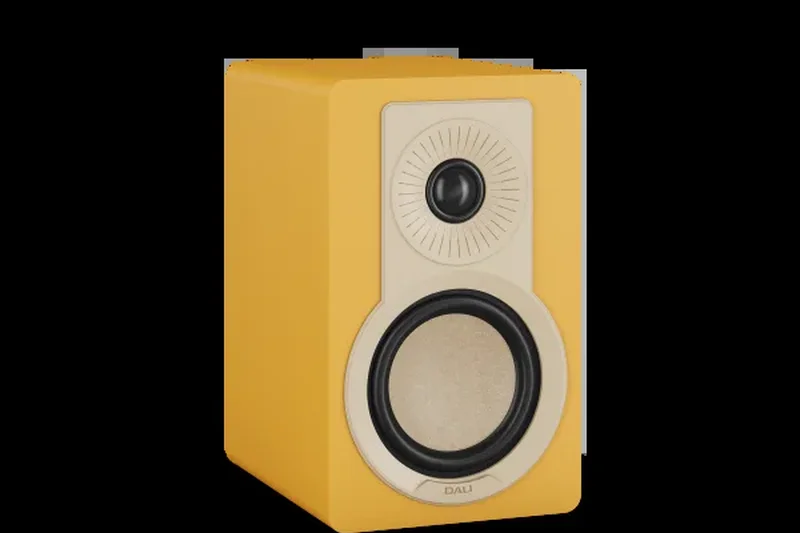
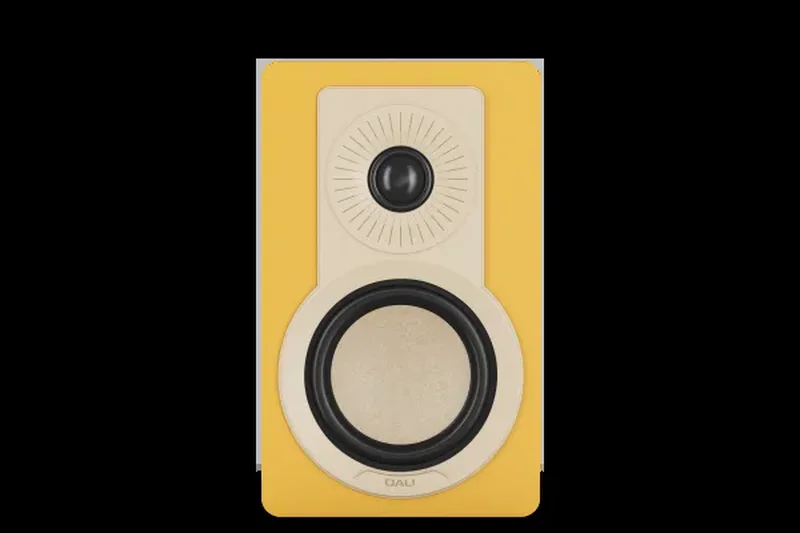
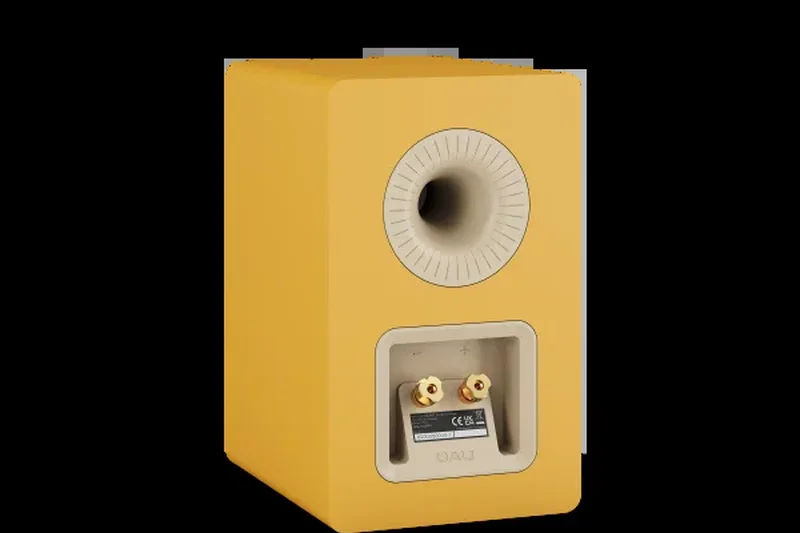
Why we picked it: The DALI KUPID is a compact passive wonder, combining vibrant Danish aesthetics with a surprisingly expansive soundstage. Utilizing DALI's proprietary wood-fiber woofer and an ultra-light tweeter, it delivers a fast, articulate, and engaging midrange that belies its small footprint.
Key Specs
- 4.5-inch proprietary paper and wood fiber mid-woofer
- 26mm ultra-light custom soft dome tweeter
- Dual flare bass reflex port
- Curved edges and vibrant Danish design aesthetic
- Frequency Response: 63Hz - 25kHz
What we like
- Fast, detailed, and engaging midrange
- Beautiful, compact Danish design
- Wide off-axis dispersion
What we don't like
- Bass response is limited due to size
- Requires careful amplifier pairing
Best for: Listeners seeking a compact, design-forward passive speaker that delivers detailed, expansive audio in smaller rooms.
Considering the DALI KUPID vs the Sony SS-CS5M2? The DALI offers vastly superior build quality and musicality, while the Sony is a strictly budget option.
A stylish, compact passive speaker that produces a wide, detailed, and thoroughly enjoyable soundstage.
Buy at DALI official site#22 Audioengine A5+ Wireless
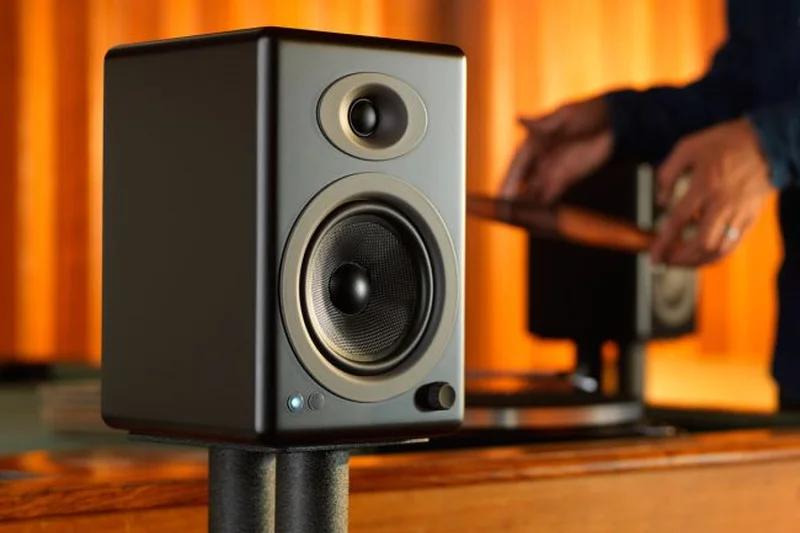
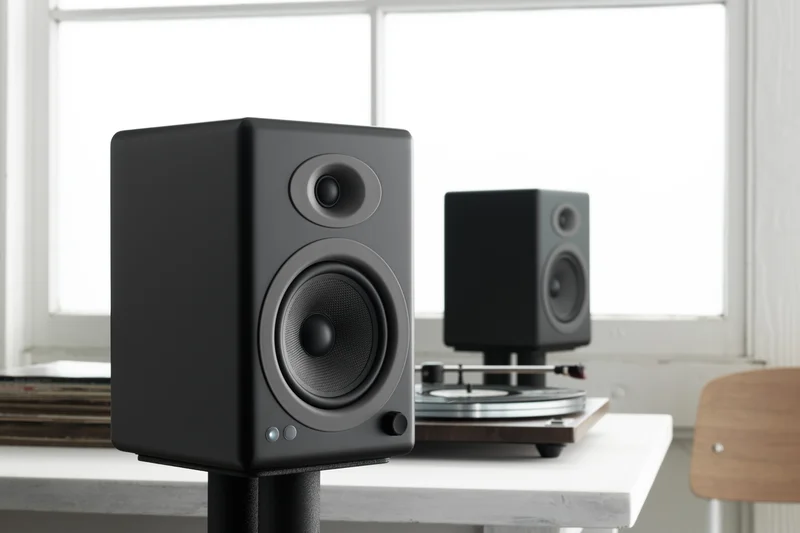
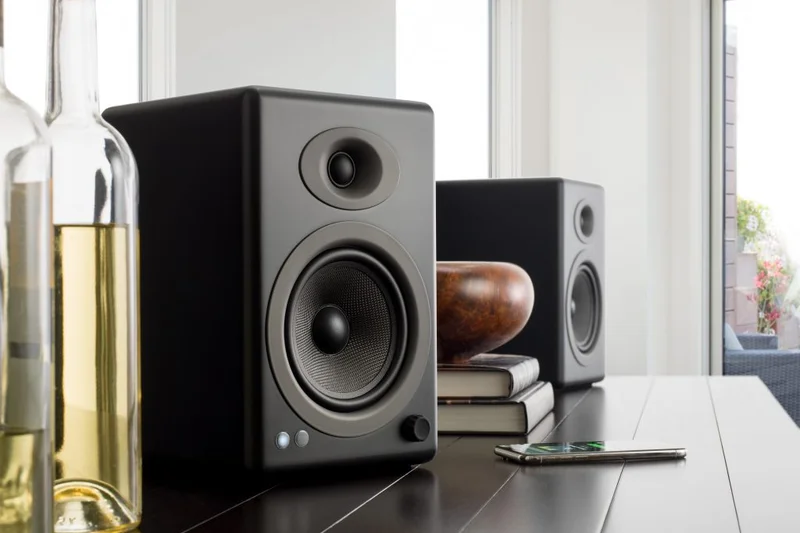
Why we picked it: The Audioengine A5+ Wireless remains a classic for a reason. By utilizing a traditional analog Class A/B amplifier rather than modern Class D, it produces a distinctively warm, rich, and analog-like sound signature. Built from solid wood and featuring extended-range Bluetooth aptX HD, it is a premium, musical active speaker.
Key Specs
- 5-inch custom aramid fiber woofer
- 0.75-inch silk dome tweeter
- Class A/B analog monolithic amplifier
- Bluetooth aptX HD extended range
- Solid hand-finished wood cabinets
What we like
- Warm, rich Class A/B amplification
- Solid, beautiful bamboo/wood finishes
- Excellent midrange vocal presence
What we don't like
- No digital optical or USB inputs
- Lacks modern Wi-Fi streaming
Best for: Listeners who prefer the warm, smooth sound of analog amplification in a convenient wireless package.
Considering the A5+ vs the Kanto YU6? The A5+ offers a warmer, more organic sound, while the YU6 provides digital inputs and a phono stage.
A classic active speaker that delivers premium, analog-warmth via its robust Class A/B monolithic amplifier.
Buy at Audioengine official site#23 FiiO SP5
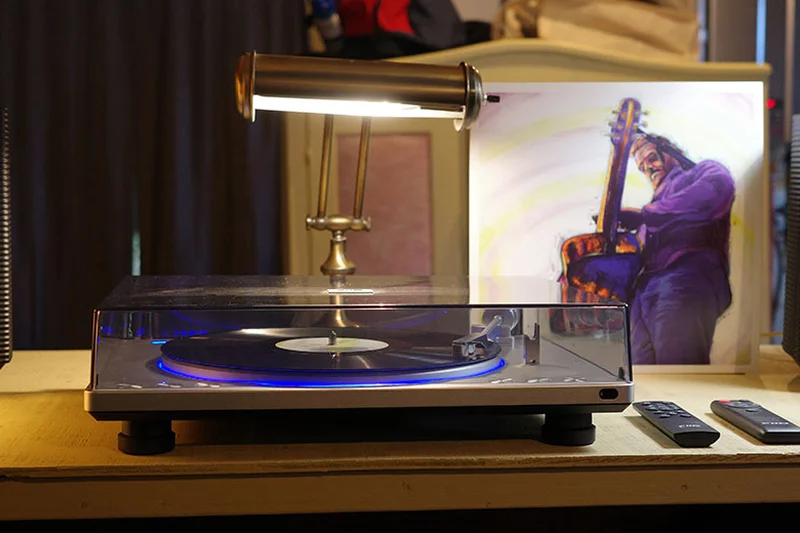
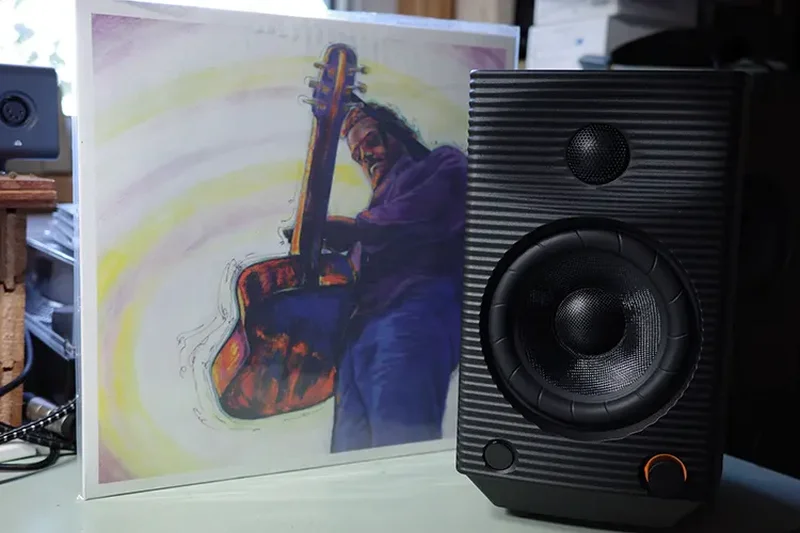
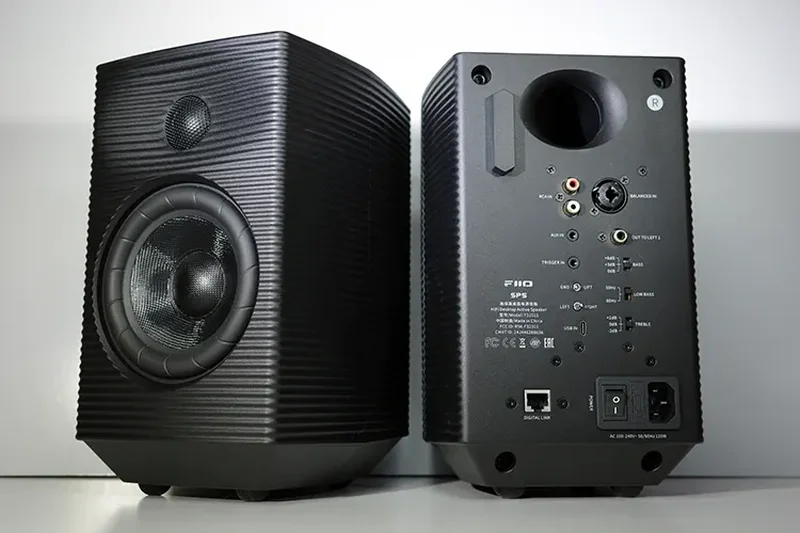
Why we picked it: The FiiO SP5 is a meticulously crafted active desktop speaker aimed directly at high-resolution audio lovers. Housed in a premium die-cast aluminum enclosure, it delivers razor-sharp imaging and detail retrieval, making it perfect for near-field listening and critical audio evaluation on a desk.
Key Specs
- Detail-focused high-resolution imaging
- Premium die-cast aluminum enclosure
- Compact footprint ideal for small desks
- Advanced crossover network
- Type-C and traditional analog inputs
What we like
- Incredible near-field detail and imaging
- Extremely rigid aluminum cabinet
- Direct Type-C connection for laptops
What we don't like
- Lacks sub-bass impact
- Can sound too analytical for casual listening
Best for: Desktop audiophiles and PC users seeking analytical, high-resolution audio from a compact, rigid speaker.
Considering the FiiO SP5 vs the Edifier MR5? The FiiO offers superior cabinet rigidity and high-end detail, while the MR5 is larger and cheaper.
A highly resolving, precision-engineered active desktop speaker encased in premium aluminum.
Buy at FiiO official site#24 JBL Stage 240B
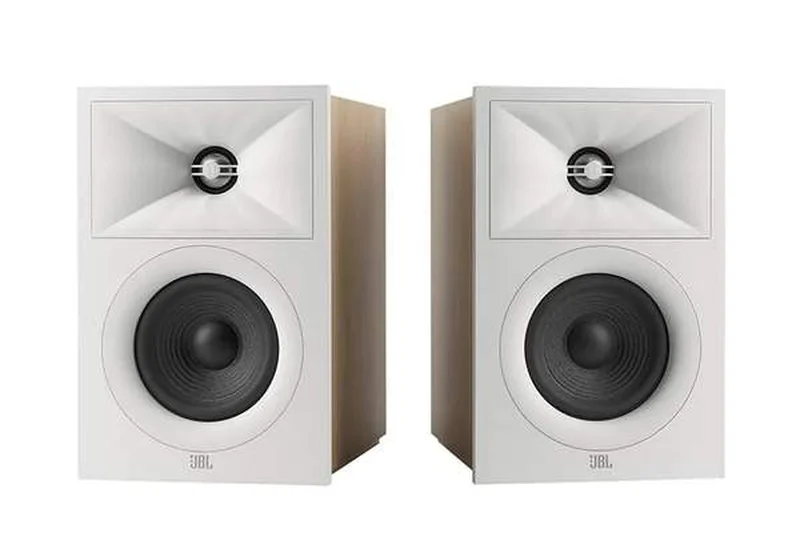
Why we picked it: The JBL Stage 240B passive speaker incorporates professional-grade waveguide technology into a highly affordable consumer product. The HDI waveguide ensures that the tweeter delivers a broad, even sweet spot with excellent dynamic impact, making these highly capable for both stereo music and home theater surrounds.
Key Specs
- 4.5-inch polycellulose ribbed woofer
- 1-inch anodized aluminum tweeter
- Next generation HDI (High Definition Imaging) waveguide
- Precision crossover network
- Rear-firing tuned port
What we like
- Excellent waveguide integration for a wide sweet spot
- Punchy, controlled mid-bass
- Great value for home theater setups
What we don't like
- Overall aesthetic is somewhat generic
- Low-end extension is limited
Best for: Budget home theater builders needing accurate, wide-dispersion passive speakers for front or surround channels.
Considering the JBL 240B vs the Neumi BS5? The JBL offers vastly superior waveguide technology and clarity, though it costs slightly more.
A technically accomplished, affordable passive speaker offering excellent dispersion and dynamics.
Buy at JBL official site#25 KRK Kreate K5
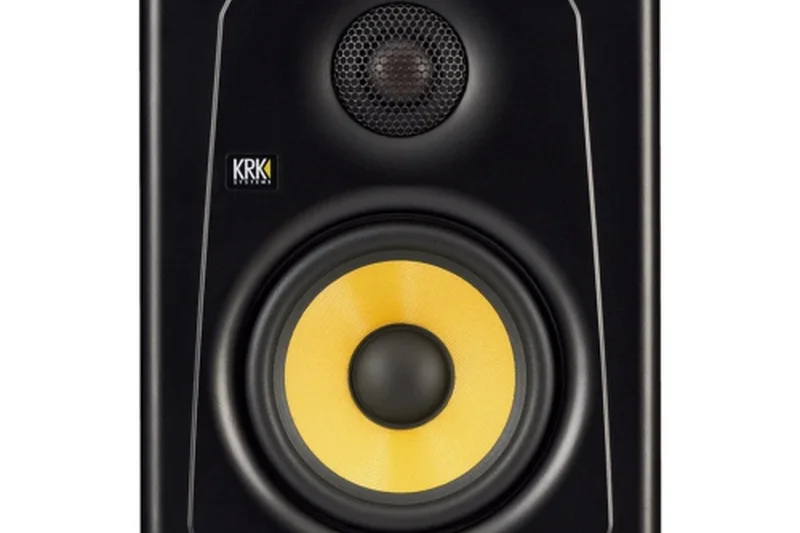
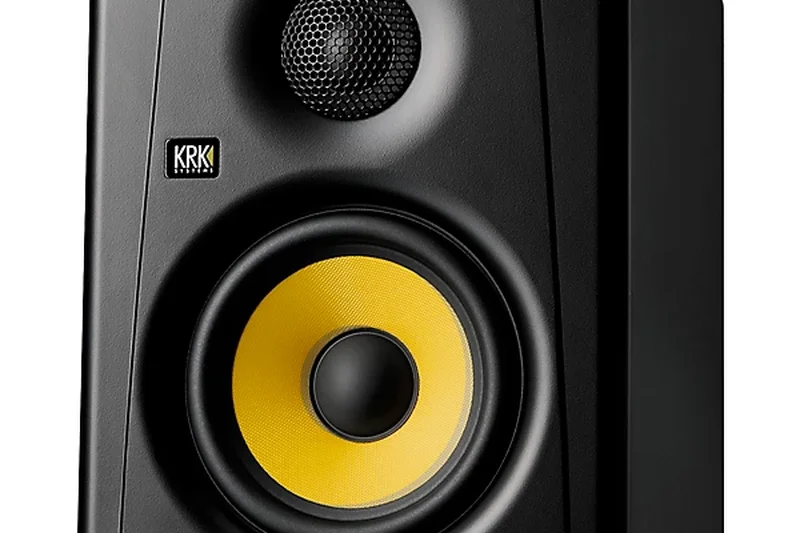
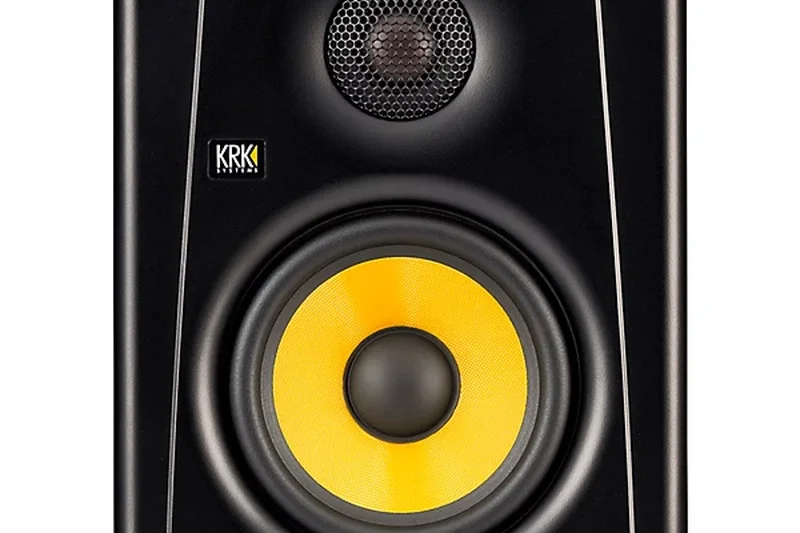
Why we picked it: Stepping out of the professional studio and into the home, the KRK Kreate K5 active monitor brings analytical precision and built-in DSP room tuning to the desktop. With its signature aramid woofer, it delivers tight, punchy bass and a highly accurate sound profile tailored for creators and discerning listeners alike.
Key Specs
- 5-inch woven glass aramid woofer
- 1-inch silk dome tweeter
- Monitor-inspired sound signature
- Built-in DSP room tuning capabilities
- Front-firing bass port for desktop placement
What we like
- Highly accurate, studio-grade tuning
- Onboard DSP helps tame difficult rooms
- Front port allows for tight desk placement
What we don't like
- Visually striking yellow cone isn't for everyone
- Strictly near-field focus
Best for: Content creators and desktop audiophiles who need a highly accurate, front-ported active monitor.
Considering the KRK Kreate K5 vs the Edifier MR5? The KRK offers superior room-tuning DSP and a punchier mid-bass, while the MR5 is a budget 3-way alternative.
A precise, DSP-equipped active monitor that delivers studio-quality sound directly to your desktop.
Buy at KRK official site#26 Onkyo GX30-ARC
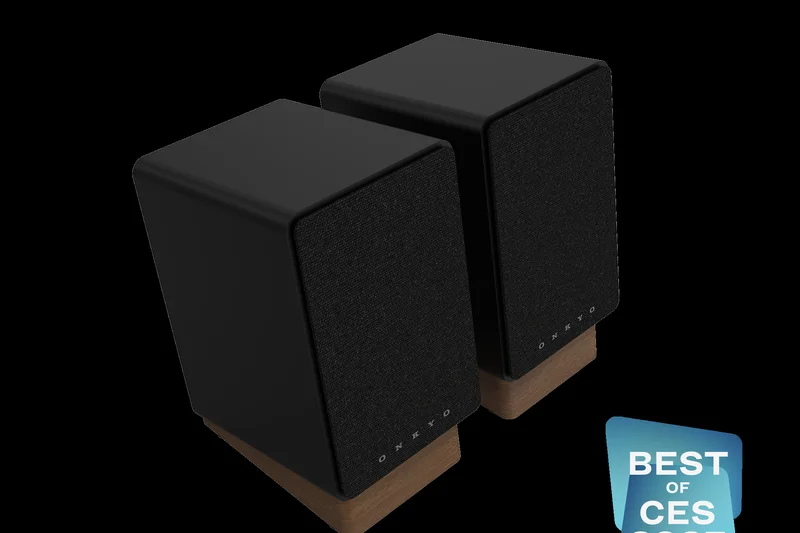
Why we picked it: The Onkyo GX30-ARC is a compact, highly functional active speaker designed specifically to integrate seamlessly with modern televisions. With HDMI ARC, it offers effortless volume control via your TV remote, while its Class D amplification provides a rich, warm sound profile that vastly outperforms any similarly priced soundbar.
Key Specs
- Optimized for small spaces and TV setups
- HDMI ARC connection for easy integration
- Bluetooth wireless streaming
- Rich, warm sound profile
- Built-in Class D amplification
What we like
- Effortless TV integration via HDMI ARC
- Compact footprint fits any media console
- Warm, dialogue-friendly tuning
What we don't like
- Not designed for critical, analytical music listening
- Limited stereo separation at a distance
Best for: Users looking for an affordable, space-saving active speaker to drastically upgrade their television's audio.
Considering the Onkyo GX30-ARC vs the Fluance Ri71? The Onkyo is more compact and dialogue-focused, while the Fluance offers larger drivers and better musical dynamics.
A space-saving, HDMI ARC-equipped powered speaker that acts as the perfect soundbar killer.
Buy at Onkyo official site#27 Bowers & Wilkins 606 S3
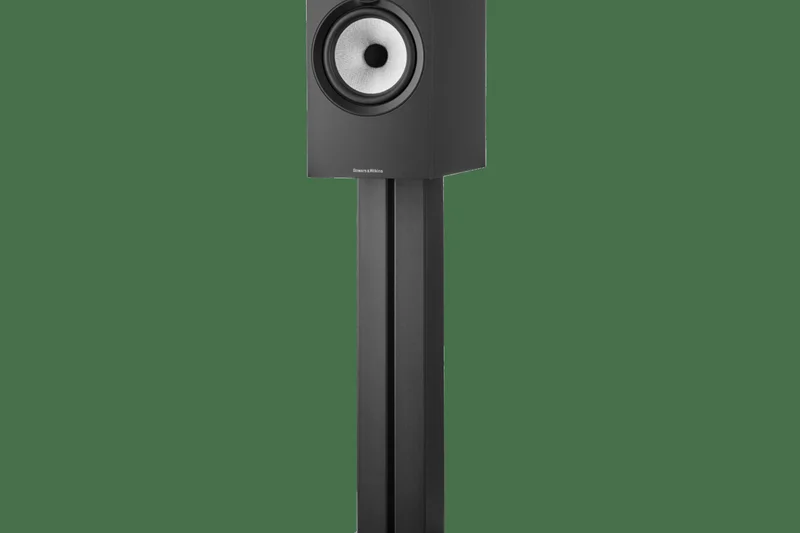
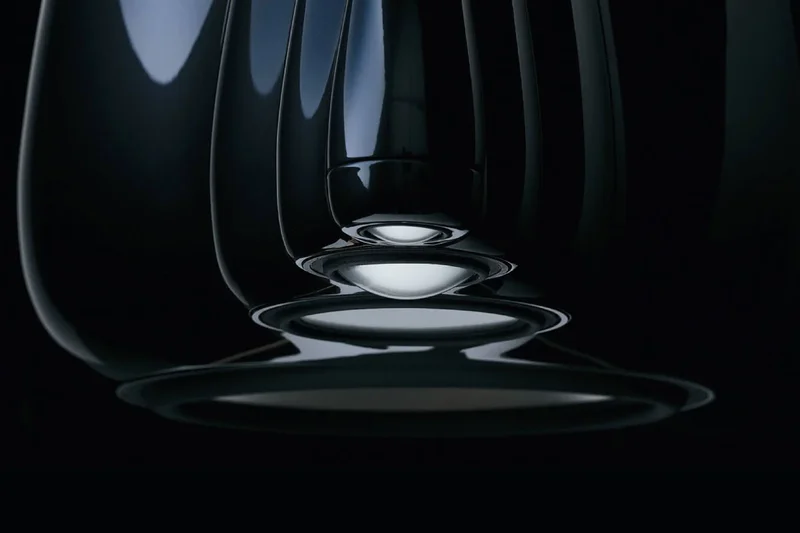
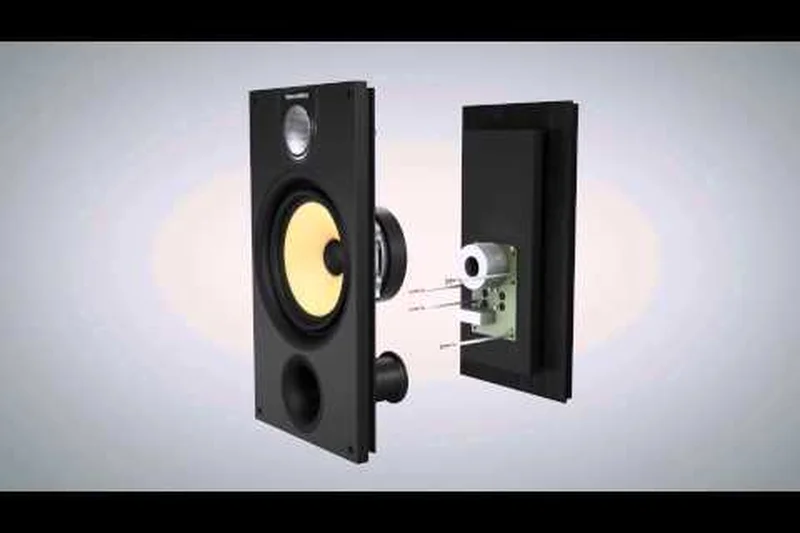
Why we picked it: The Bowers & Wilkins 606 S3 passive speaker delivers the brand's signature pristine, detailed, and slightly forward upper-midrange. Featuring a decoupled double dome titanium tweeter and a continuum cone driver, it unravels complex acoustic tracks with stunning clarity and precision.
Key Specs
- 1-inch Decoupled Double Dome Titanium Tweeter
- 6.5-inch Continuum Cone midbass/midrange driver
- Acoustically transparent tweeter grille mesh
- Rear-firing Flowport for precise bass
- Frequency Response: 52Hz - 28kHz (±3dB)
What we like
- Incredible transparency and vocal clarity
- Beautifully engineered drivers
- Excellent high-frequency extension
What we don't like
- Can sound bright or fatiguing with certain amplifiers
- Price is creeping up compared to competitors
Best for: Audiophiles who favor a highly detailed, transparent, and slightly bright presentation for acoustic and vocal tracks.
Considering the 606 S3 vs the KEF LS50 Wireless II? The B&W is a passive purist's dream with forward detail, whereas the KEF offers a perfectly integrated, active all-in-one solution.
A highly transparent, exquisitely engineered passive speaker that delivers spectacular vocal and acoustic clarity.
Buy at Bowers & Wilkins official site#28 ELAC Debut 3.0 DB53
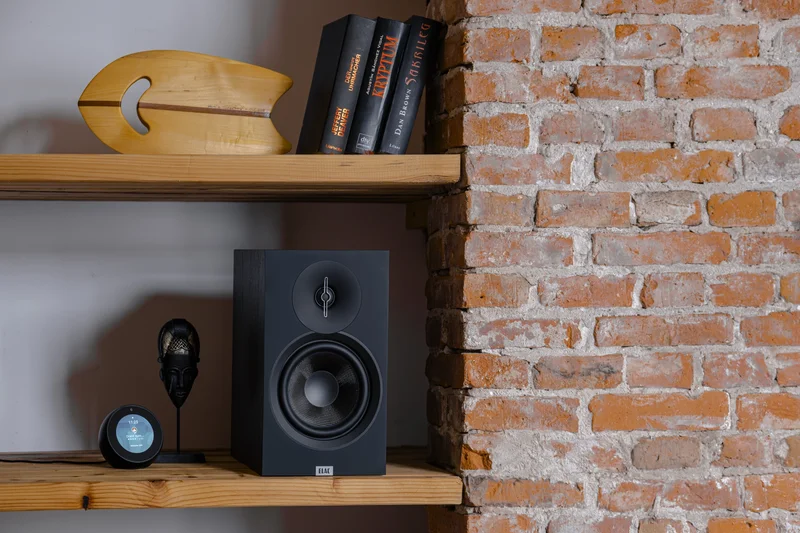
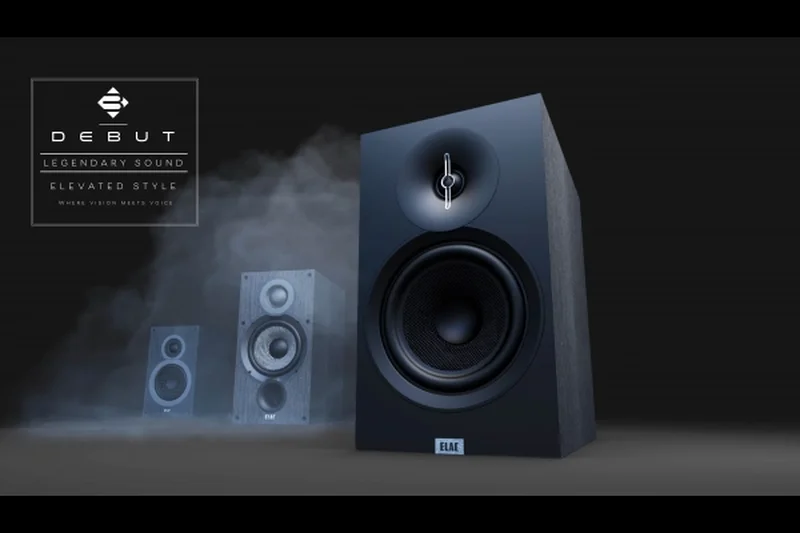
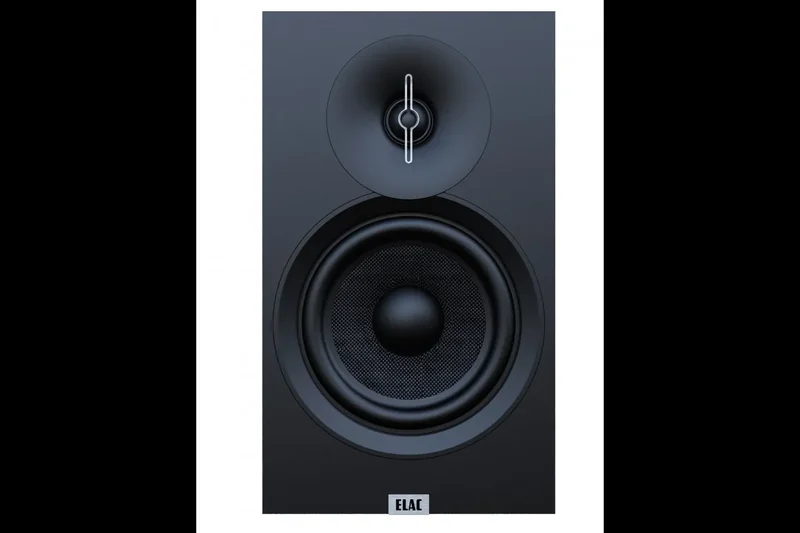
Why we picked it: As the smaller sibling in the Debut 3.0 line, the DB53 provides ELAC's renowned balanced, neutral sound in a footprint better suited for tight spaces. It retains the custom aluminum dome tweeter, ensuring excellent high-frequency performance while sacrificing only a bit of low-end extension compared to the DB63.
Key Specs
- 5.25-inch woven aramid-fiber woofer
- 1-inch custom aluminum dome tweeter
- Internal cabinet bracing for resonance control
- Magnetically attached grilles
- Frequency Response: 48Hz - 38kHz
What we like
- Superb neutrality and balance
- Compact size fits easily on desks or shelves
- Excellent tweeter performance
What we don't like
- Requires a subwoofer for full-range sound
- Aesthetics are very utilitarian
Best for: Budget-conscious listeners who want accurate, neutral passive sound in a smaller room or desktop.
Considering the DB53 vs the DB63? The DB53 is better for small spaces and near-field listening, while the DB63 offers fuller bass for larger living rooms.
A compact, highly accurate passive speaker that offers incredible acoustic value for small listening spaces.
Buy at ELAC official site#29 Polk Audio Signature Elite ES20
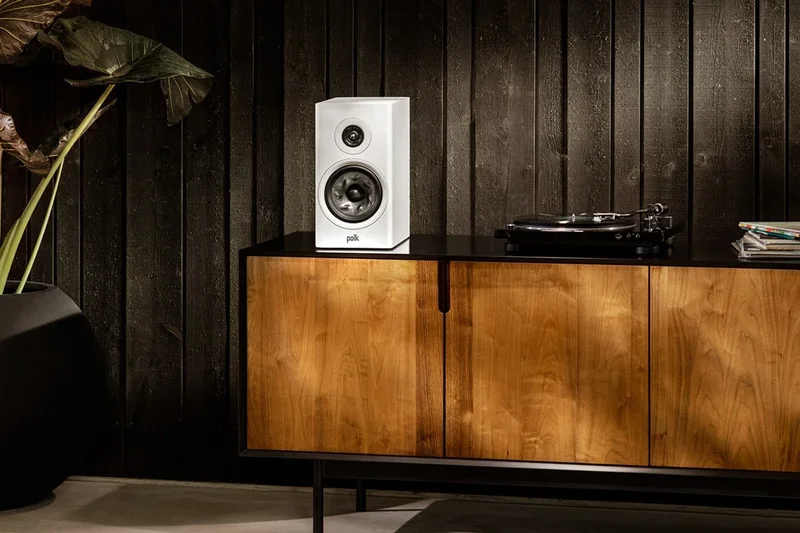
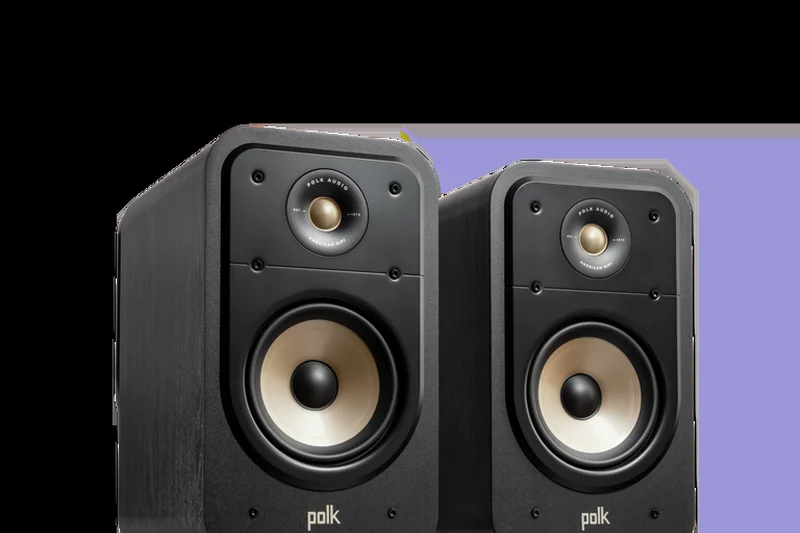
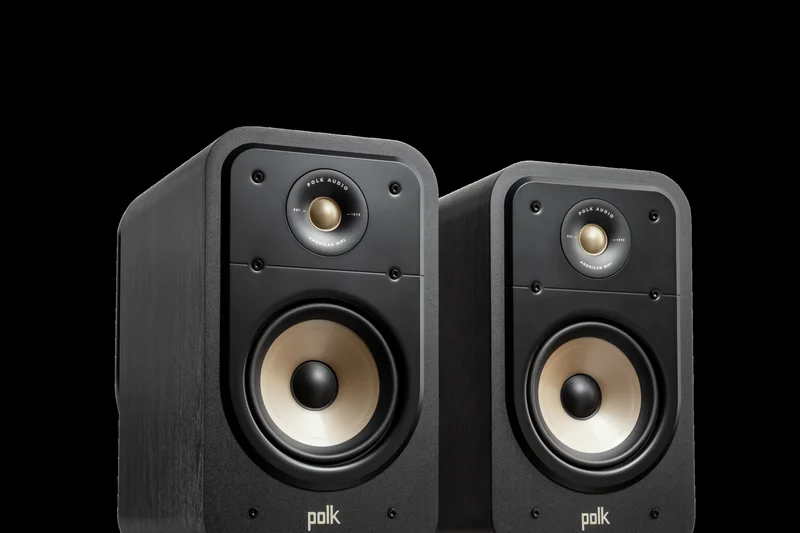
Why we picked it: The Polk Signature Elite ES20 is a Hi-Res Audio certified passive speaker that utilizes Polk's proprietary Power Port technology to deliver surprisingly deep, turbulence-free bass. Its Terylene dome tweeter provides sparkling, extended highs, making it an excellent, affordable anchor for both stereo and home theater systems.
Key Specs
- 6.5-inch mica-reinforced polypropylene woofer
- 1-inch Terylene high-res dome tweeter
- Power Port technology for enhanced bass
- Hi-Res Audio Certified
- Timbre-matched with Polk Signature Elite line
What we like
- Power Port provides smooth, deep bass
- Extended, Hi-Res capable treble
- Great value for medium to large rooms
What we don't like
- Midrange can occasionally get lost behind the bass and treble
- Design is somewhat bulky
Best for: Home theater builders and stereo listeners looking for big, full-range passive sound on a budget.
Considering the ES20 vs the JBL Stage 240B? The Polk offers significantly deeper bass, while the JBL provides a more controlled, focused midrange.
A robust, bass-capable passive speaker that brings Hi-Res audio and cinematic impact to budget setups.
Buy at Polk Audio official site#30 Sony SS-CS5M2
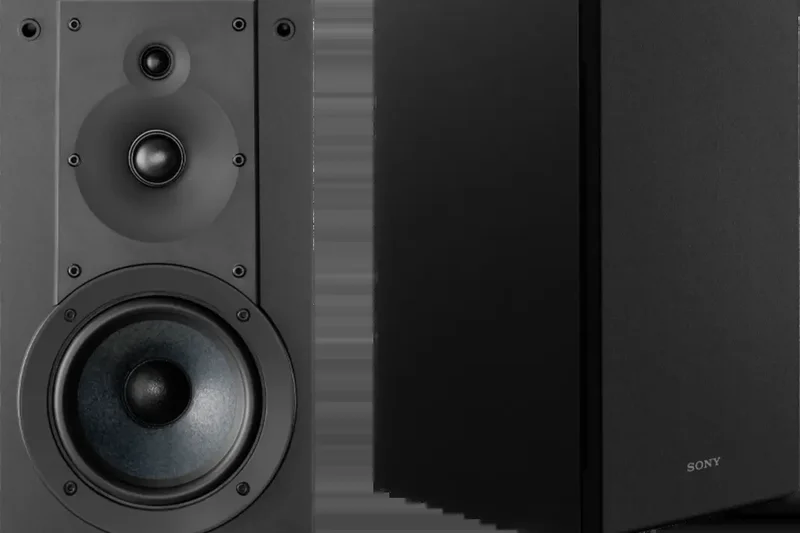
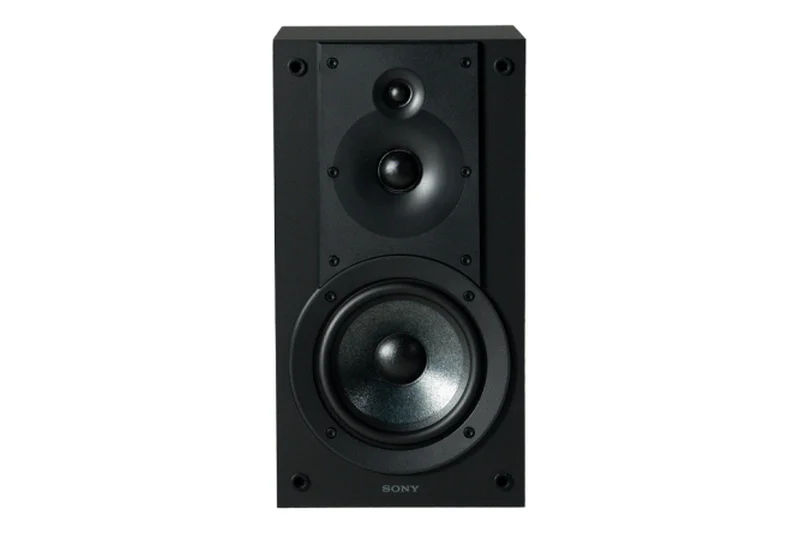
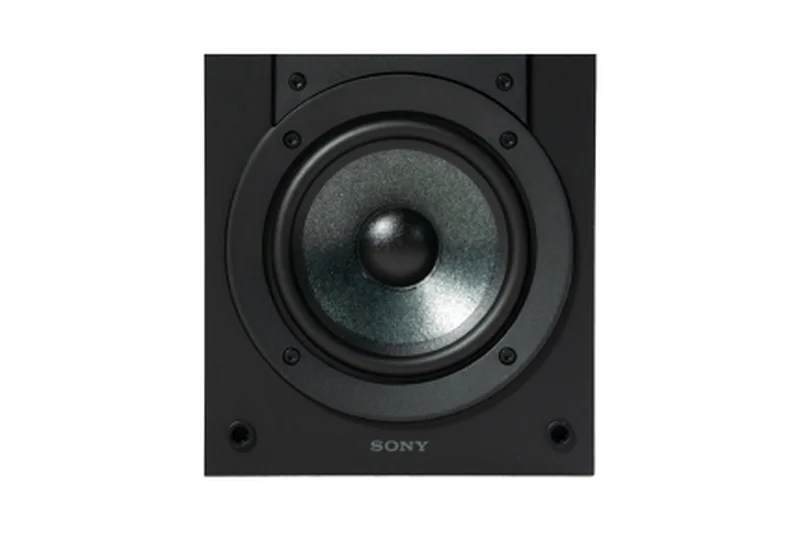
Why we picked it: The Sony SS-CS5M2 updates a legendary budget champion, retaining its unique 3-way design with a super-tweeter. This passive speaker delivers a remarkably open, airy, and high-resolution soundstage that completely defies its sub-$200 price tag, making it an incredible entry-level audiophile choice.
Key Specs
- 5.12-inch reinforced cellular woofer
- 0.98-inch polyester main tweeter
- 0.75-inch wide dispersion super tweeter
- Hi-Res Audio Certified (up to 50kHz)
- Bass reflex wood enclosure
What we like
- Unbelievable high-frequency detail for the price
- Wide, airy soundstage
- Very affordable entry to Hi-Res audio
What we don't like
- Bass is weak and requires a subwoofer
- Cabinet feels lightweight and resonant
Best for: Beginner audiophiles on strict budgets who prioritize treble detail and soundstage width over deep bass.
Considering the Sony SS-CS5M2 vs the Neumi BS5? The Sony has vastly superior treble detail, while the Neumi provides a warmer, more forgiving midrange.
A legendary budget passive speaker offering an airy, Hi-Res 3-way soundstage at a remarkable price.
Buy at Sony official site#31 Vera-Fi Vanguard Scout
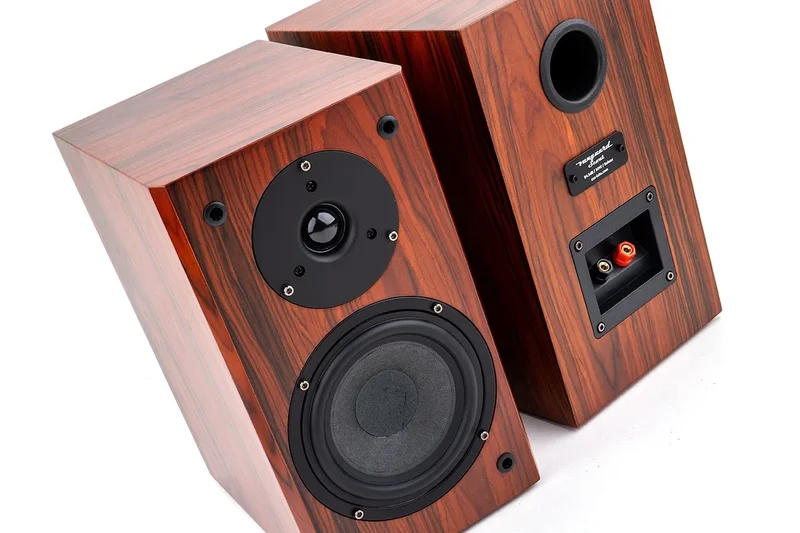
Why we picked it: The Vera-Fi Vanguard Scout is a boutique passive speaker that focuses on minimalist design and high tonal purity. Its heavy, vibration-damping cabinet and custom dome tweeter ensure a clean, resonance-free presentation that excels with acoustic, jazz, and vocal-centric music in near-field or small room setups.
Key Specs
- Minimalist modern design and voicing
- Custom dome tweeter
- High clarity and tonal balance
- Small footprint optimized for stands
- Solid vibration-damping cabinet
What we like
- Excellent tonal balance and clarity
- Heavy, acoustically dead cabinet
- Elegant minimalist aesthetic
What we don't like
- Relatively unknown brand compared to giants
- Not suited for bass-heavy electronic music
Best for: Enthusiasts seeking a boutique, minimalist passive speaker that excels in acoustic and vocal clarity.
Considering the Vanguard Scout vs the KEF Q1 Meta? The Vanguard offers a boutique, heavy-cabinet approach, while KEF provides superior, high-tech waveguide imaging.
A beautifully crafted, minimalist passive speaker delivering pristine vocal and acoustic resolution.
Buy at Vera-Fi official site#32 Edifier R1280DB
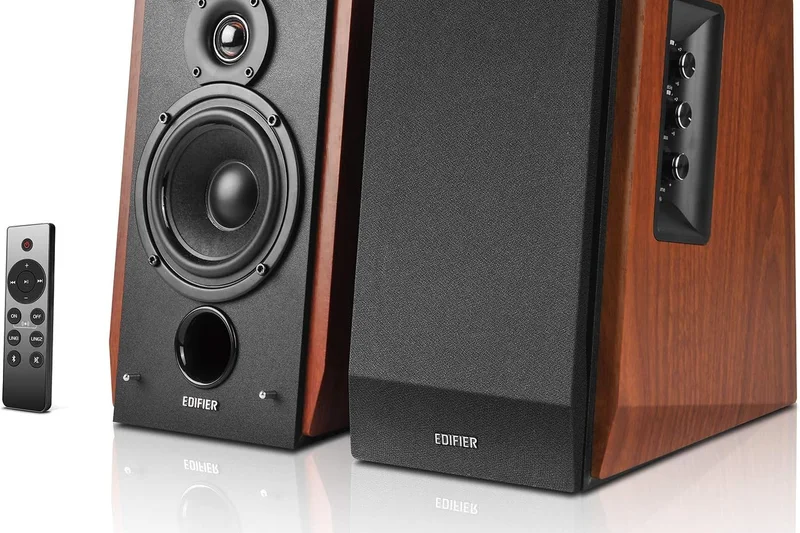
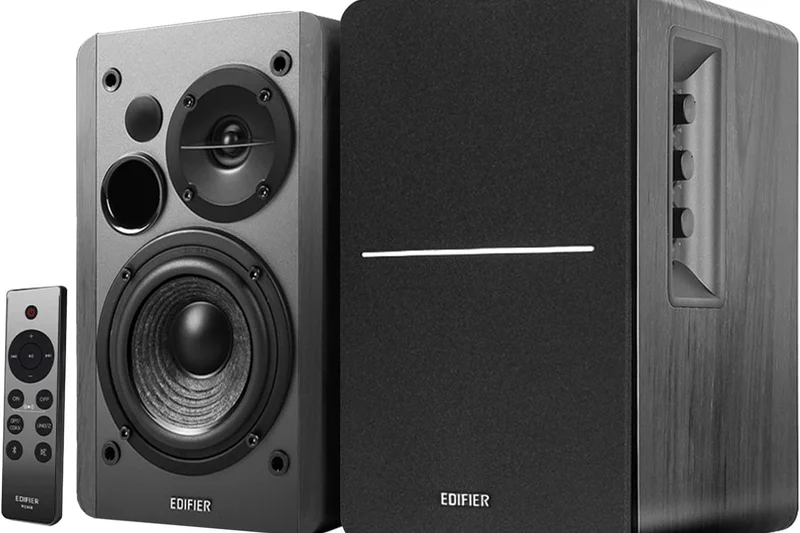
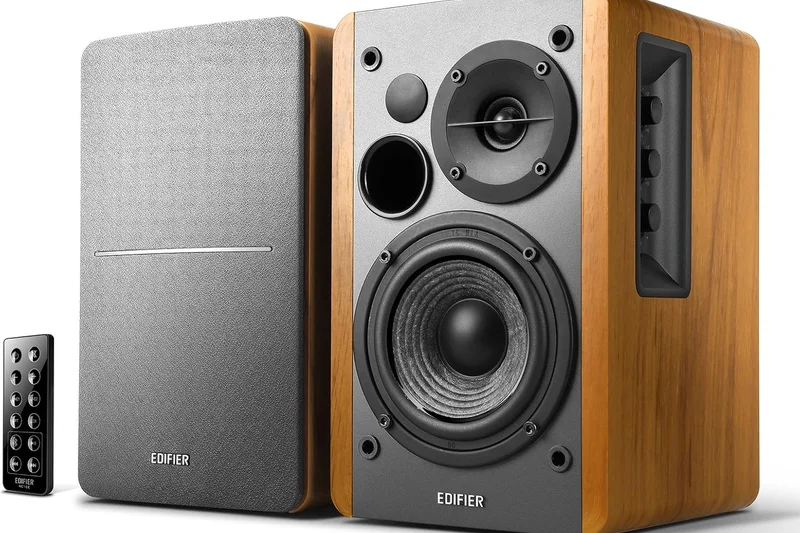
Why we picked it: The Edifier R1280DB is the definitive ultra-budget active speaker. It provides dual RCA inputs, optical connections, and Bluetooth streaming in a classic wood-grain enclosure. While it won't satisfy critical audiophiles, its warm, pleasant sound is an astronomical upgrade over PC speakers or cheap soundbars.
Key Specs
- 4-inch bass driver
- 13mm silk dome tweeter
- 42W RMS continuous power
- Bluetooth, Optical, Coaxial, and Dual RCA inputs
- Classic wood grain finish
What we like
- Incredible value and connectivity
- Warm, highly listenable sound
- Includes a basic remote control
What we don't like
- Lacks fine detail and resolution
- Bass can be boomy at higher volumes
Best for: Students, casual listeners, and anyone needing a functional, cheap, all-in-one active speaker.
Considering the R1280DB vs the BESTISAN SR02? The Edifier provides vastly superior sound quality and digital inputs for slightly more money.
The reigning champion of ultra-budget active speakers, delivering warm sound and great connectivity.
Buy at Edifier official site#33 Polk Audio Monitor XT15
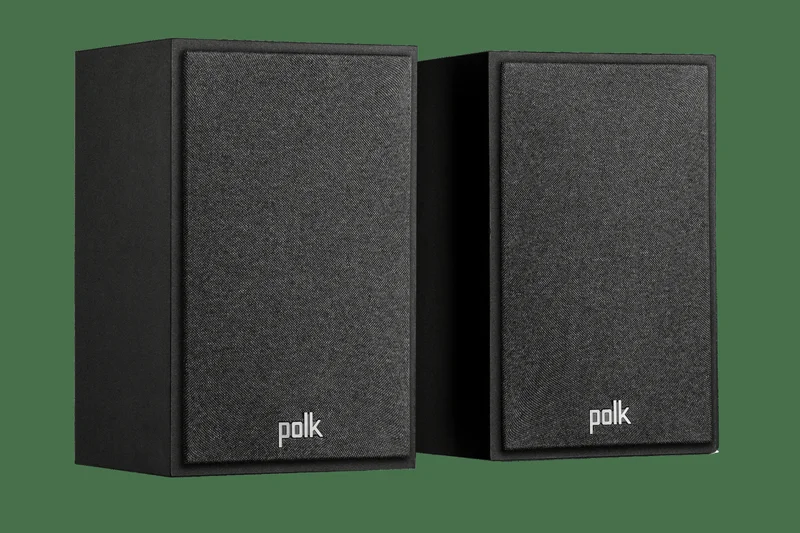
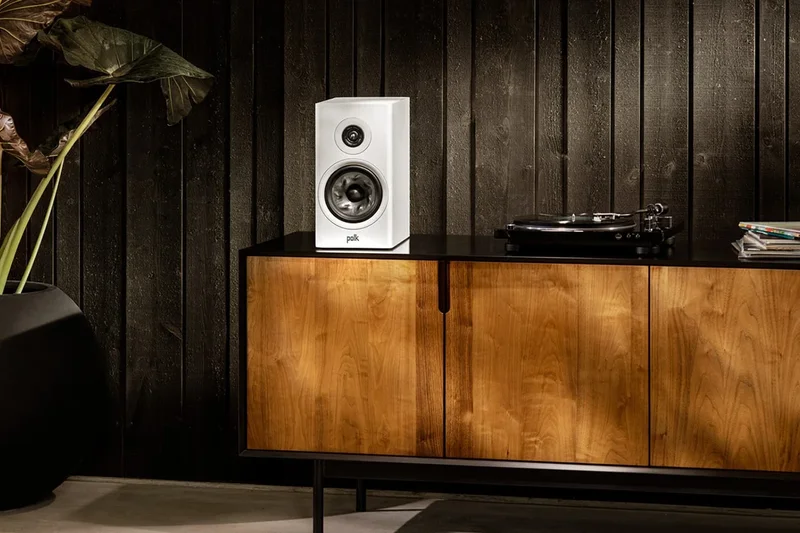
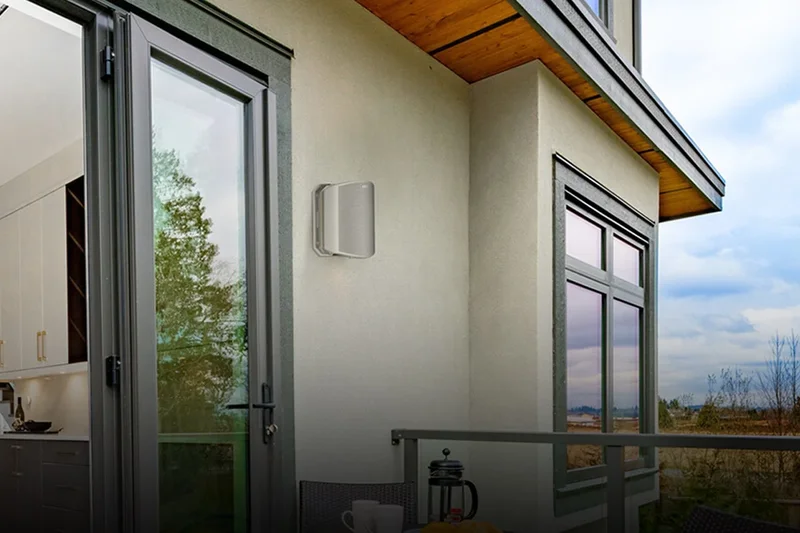
Why we picked it: The Polk Monitor XT15 is a highly compact, affordable passive speaker designed for easy integration into budget surround sound or stereo setups. With Dolby Atmos compatibility and a dynamic acoustic array, it offers a punchy, straightforward sound signature that is remarkably easy to wall-mount.
Key Specs
- 5.25-inch bi-laminate paper woofer
- 1-inch Terylene dome tweeter
- Dolby Atmos and DTS:X compatible
- Dynamic Balance acoustic array
- Easy wall-mounting integration
What we like
- Very affordable and compact
- Punchy, dynamic sound for movies
- Easy to wall-mount as surrounds
What we don't like
- Lacks midrange refinement for critical music listening
- Requires a subwoofer for any real bass
Best for: Budget home theater builders needing cheap, reliable passive speakers for surround or height channels.
Considering the XT15 vs the Sony SS-CS5M2? The Sony offers a much wider, detailed soundstage for music, while the Polk is better suited as a wall-mounted theater surround.
A rugged, compact passive speaker perfect for filling out the surround channels of a budget home theater.
Buy at Polk Audio official site#34 Neumi BS5
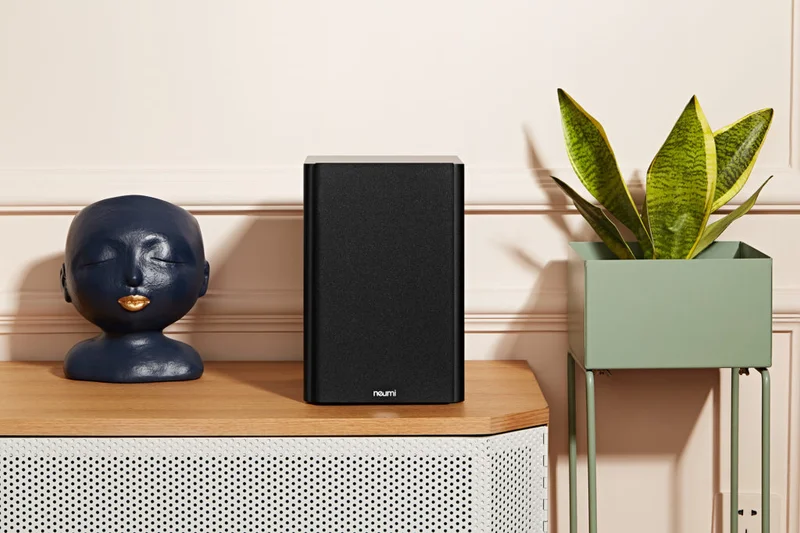
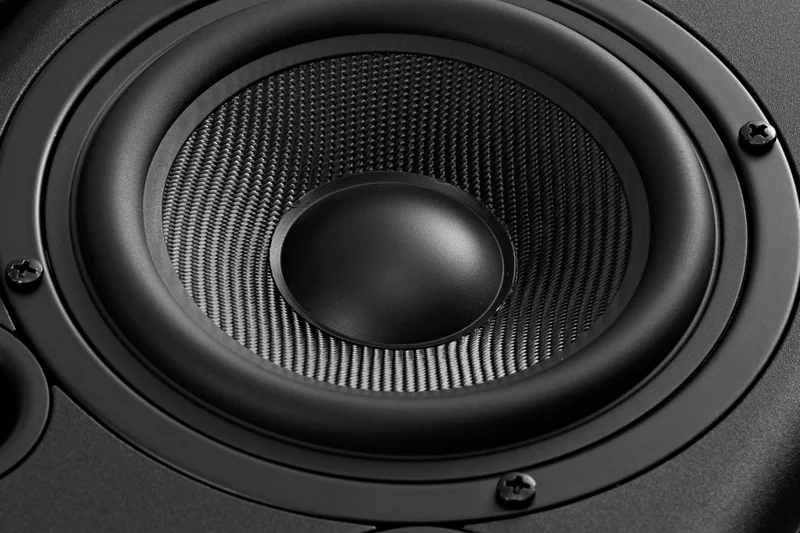
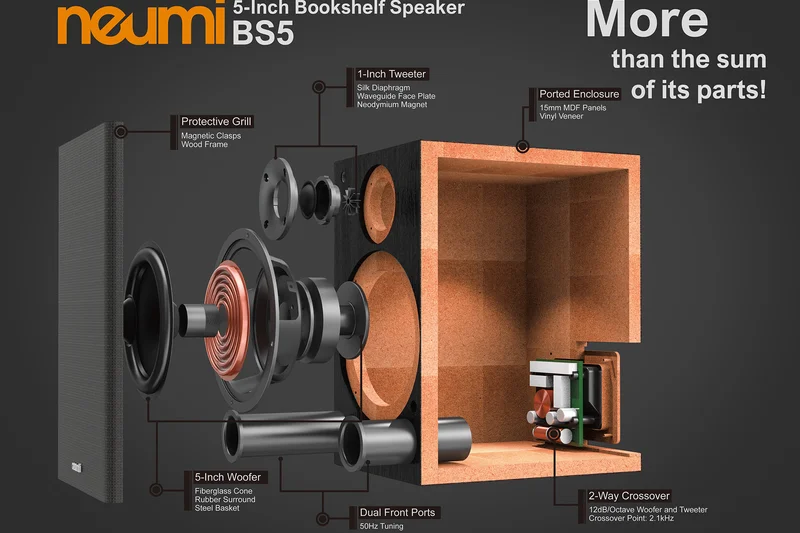
Why we picked it: The Neumi BS5 is an ultra-budget passive speaker that defies expectations by offering a surprisingly neutral and balanced sound signature. Its 5-inch fiberglass woofer and custom waveguide tweeter provide a smooth, fatigue-free experience that is perfect for close-to-wall desktop placement.
Key Specs
- 5-inch fiberglass cone woofer with rubber surround
- 1-inch silk dome tweeter with custom waveguide
- Front-ported design allows close-to-wall placement
- Rounded vertical corners reduce baffle diffraction
- Neutral sound signature
What we like
- Shockingly neutral sound for the price
- Front-ported for easy desktop placement
- Smooth, non-fatiguing treble
What we don't like
- Cheap cabinet finish and materials
- Struggles at high volumes
Best for: Extreme budget buyers who want a neutral, front-ported passive speaker for a desktop setup.
Considering the Neumi BS5 vs the Polk XT15? The Neumi is more musically neutral, while the Polk has more dynamic punch for movies.
A surprisingly competent, highly affordable passive speaker offering genuine neutrality on a shoestring budget.
Check price at Amazon#35 BESTISAN SR02
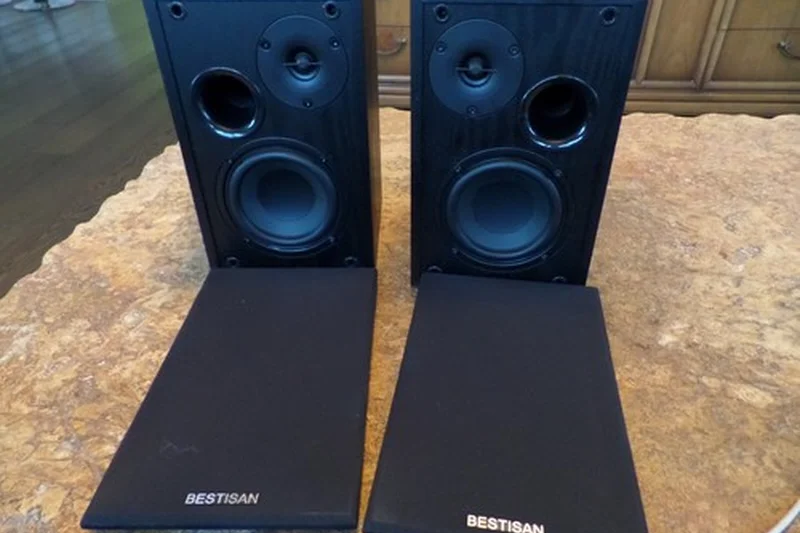
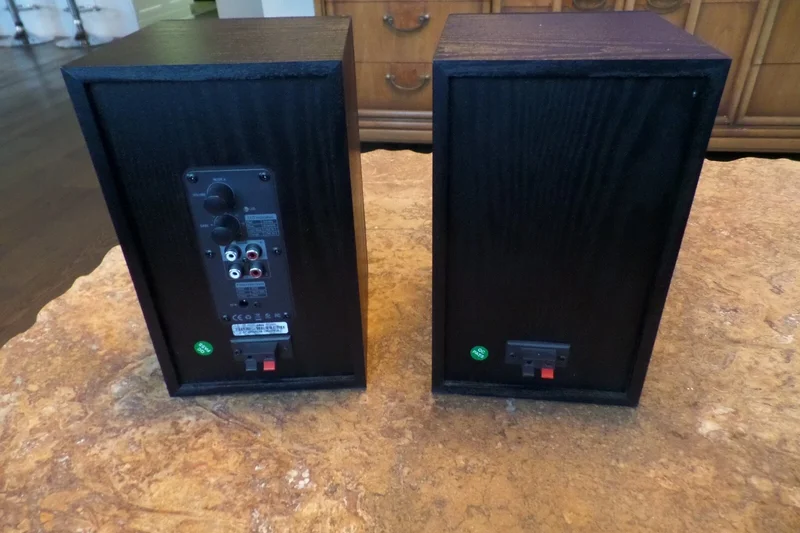
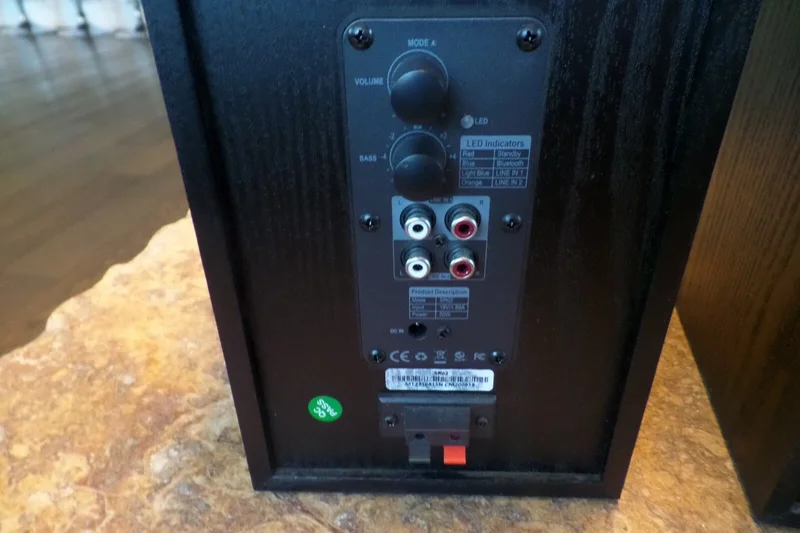
Why we picked it: The BESTISAN SR02 provides basic, functional active audio for the absolute lowest possible price. Featuring Bluetooth 5.0 and 50W of power, it serves as a highly affordable upgrade over built-in monitor or television speakers, though it sacrifices acoustic detail and build quality to hit its $100 price tag.
Key Specs
- 4-inch bass driver
- 1.25-inch silk dome tweeter
- 50W RMS continuous power
- Bluetooth 5.0 streaming
- Compact, stylish wood grain enclosure
What we like
- Absolute rock-bottom price for active speakers
- Compact and easy to set up
- Loud enough for basic PC use
What we don't like
- Noticeable distortion at high volumes
- Muddy bass and recessed treble
Best for: Buyers on the absolute strictest of budgets who simply need functioning powered speakers with Bluetooth.
Considering the BESTISAN SR02 vs the Edifier R1280DB? If you can afford the extra $50, the Edifier is a massive, highly recommended upgrade in every metric.
A highly basic, entry-level active speaker that provides functional audio for those on the strictest budget.
Check price at AmazonBuying Guide
Choosing the right bookshelf speaker involves carefully balancing your acoustic preferences, room dimensions, existing equipment, and budget. Whether you're building a dedicated two-channel stereo listening room, outfitting a compact desktop editing station, or setting up an immersive home theater, this guide will walk you through the essential considerations.[2]
Active vs. Passive: Which is Right for You?
The most fundamental decision you will face is whether to purchase active (powered) or passive speakers. Passive speakers require an external amplifier or AV receiver to produce sound. They offer immense flexibility, allowing you to upgrade your amplifier, DAC, or streaming source independently of your speakers. This modular approach is ideal for traditional audiophiles who enjoy tweaking their audio chain. Conversely, Active speakers feature built-in amplification perfectly matched and optimized for the drivers. Modern active models often include integrated DACs, Wi-Fi streaming capabilities (such as Apple AirPlay 2, Chromecast, and Spotify Connect), and diverse inputs (USB, optical, HDMI ARC). Active speakers are perfect for desktop setups or minimalist living rooms where you want to avoid the clutter of a stack of external components.
Understanding Key Specifications
While specifications don't tell the whole story of a speaker's sonic character, they provide a crucial baseline. Frequency Response indicates the range of sound the speaker can reproduce. A speaker that reaches down to 40Hz will produce significantly more authoritative bass than one that rolls off at 60Hz, though you may still desire a subwoofer for movie soundtracks. Sensitivity (measured in decibels or dB) tells you how efficiently a passive speaker converts power into volume. A higher sensitivity (e.g., 90dB+) means the speaker is easy to drive with a low-wattage amplifier, while lower sensitivity (e.g., 84dB) demands a beefier, high-current amplifier to avoid distortion at high volumes. Impedance (usually 4, 6, or 8 ohms) indicates the electrical resistance the speaker presents; ensure your chosen amplifier is rated to safely handle your speaker's impedance load.
Placement and Room Acoustics
Despite their name, bookshelf speakers rarely sound their best when physically stuffed into a bookcase. The vast majority of models feature a rear-firing bass reflex port, which requires at least 12 to 18 inches of clearance from the back wall to prevent muddy, boomy bass reflections. Placing your speakers on dedicated, heavy, sand-filled stands at ear level creates an optimal acoustic "sweet spot" and drastically improves spatial imaging, instrument separation, and soundstage width. Do not underestimate the impact of your room; rugs, curtains, and acoustic panels can tame harsh reflections in a "live" sounding space.
What to Avoid
Avoid speakers with exceptionally lightweight cabinets, as they are prone to resonant vibrations that artificially color the midrange sound. Be wary of marketing jargon like "megabass" or massively inflated peak wattage ratings on budget active speakers; focus instead on the continuous (RMS) power rating. Additionally, do not overspend on high-end speakers if your source material consists entirely of heavily compressed, low-bitrate MP3s or standard Bluetooth SBC streams; to realize the potential of premium speakers, invest in lossless streaming tiers (like Tidal or Apple Music) or physical media.
Budget Tiers
- Under $300: Great for entry-level desktop setups and small rooms. Expect decent midrange clarity and vocal presence, but you will likely need a subwoofer for deep bass. Models like the Edifier MR5 and Sony SS-CS5M2 excel here.
- $300 - $800: The absolute sweet spot for value. You will find high-quality passive models with excellent driver materials, robust cabinets, and refined crossover networks. The KEF Q1 Meta and SVS Prime are standout performers in this bracket.
- $800 - $1,500: Premium construction, advanced waveguide designs, and robust all-in-one active options dominate this tier. Speakers like the SVS Ultra Evolution and KEF LSX II LT offer significant leaps in imaging precision and overall resolution.
- Over $1,500: True audiophile territory. Expect cutting-edge acoustic engineering, exotic cabinet materials (like the cork dampening in the Sonus faber Sonetto), flawless tonal accuracy, and technologies like KEF's Metamaterial Absorption Technology (MAT) found in the R3 Meta.
FAQ
What is the difference between active and passive bookshelf speakers?
Passive speakers require an external amplifier or AV receiver to power them via speaker wire. Active (or powered) speakers have their own amplifiers built directly into the cabinets and simply need to be plugged into a wall outlet and a sound source. Active models often include built-in DACs, Bluetooth, and Wi-Fi streaming.
Do I need a subwoofer with bookshelf speakers?
It depends on the speaker and your listening preferences. Most bookshelf speakers roll off around 50Hz-60Hz, meaning they lack the deep, rumbling sub-bass required for heavy electronic music or cinematic movie explosions. Adding a subwoofer will vastly improve the low-end impact and allow your bookshelf speakers to focus entirely on midrange clarity.
How do I properly position bookshelf speakers?
For optimal soundstage and imaging, place the speakers on heavy, dedicated stands with the tweeters at ear level. Position them in an equilateral triangle relative to your primary listening position. Unless they are front-ported, keep them at least 12 to 18 inches away from the rear wall to prevent muddy, overemphasized bass reflections.
What does the 'Audio Fidelity' dimension measure?
Audio Fidelity evaluates the speaker's core ability to reproduce sound accurately. This includes measuring frequency response linearity (a 'flat' response without artificial boosts), midrange clarity, tonal balance, and the absence of distortion at varying volume levels.
What does a speaker's sensitivity rating mean?
Sensitivity, measured in decibels (dB), indicates how loud a passive speaker will play with one watt of power from an amplifier. A highly sensitive speaker (e.g., 92dB) requires very little amplifier power to reach high volumes, while a low-sensitivity speaker (e.g., 84dB) demands a robust, high-current amplifier to sound its best.
Are budget bookshelf speakers worth buying?
Absolutely. Thanks to computer-aided design and trickle-down technology, the sub-$300 market is incredibly competitive. Models from Edifier, Sony, and Neumi offer phenomenal value and will drastically outperform standard television speakers or generic Bluetooth pill speakers.
Which bookshelf speakers are best for desktop PC use?
For desktop use, active speakers are generally preferred to save space. You should look for models with near-field imaging capabilities, front-firing bass ports (to allow close-to-wall placement), and direct digital inputs like USB-C. The KEF LSX II LT and Edifier MR5 are excellent desktop choices.
Can bookshelf speakers be used as the main speakers in a home theater?
Yes. Bookshelf speakers are frequently used as the front left and right channels in high-quality home theaters, especially in small to medium-sized rooms. When crossed over with a dedicated subwoofer to handle the LFE (Low-Frequency Effects) channel, they provide a highly dynamic and immersive cinematic experience.
Do speakers require a 'break-in' period?
The concept of speaker break-in is debated, but many manufacturers suggest that the mechanical components of the drivers (the rubber surrounds and spiders) require 20 to 50 hours of playback to loosen up and reach their optimal operating compliance, potentially resulting in slightly smoother bass and treble.
What is an AMT (Air Motion Transformer) tweeter?
An AMT tweeter uses a folded ribbon diaphragm suspended in a magnetic field rather than a traditional dome. It squeezes air out of its folds like an accordion, resulting in extremely fast transient response, high efficiency, and airy, detailed high frequencies. It is featured in models like the Kanto TUK and Fluance Ri71.
How important is the cabinet build quality?
Critically important. The cabinet's job is to remain completely inert and silent while the drivers move the air. Flimsy, poorly braced cabinets will resonate and vibrate, adding unwanted coloration and muddying the sound. High-end speakers use thick MDF, internal bracing, or specialized dampening materials.
What makes KEF's MAT (Metamaterial Absorption Technology) special?
MAT is a complex, maze-like structure placed behind the tweeter that absorbs 99% of the unwanted sound radiating from the rear of the driver. By eliminating these internal reflections, the technology drastically reduces high-frequency distortion, resulting in a purer, more natural treble response.
How long do bookshelf speakers typically last?
Passive bookshelf speakers can last for decades if treated well and not driven to clipping distortion. Active speakers have a shorter lifespan because they contain internal amplifiers, DACs, and wireless network chips that are susceptible to electronic failure or software obsolescence over a 5 to 10-year period.
Methodology
Our evaluation process is rigorously built upon the M2 Multi-Dimensional Evaluation framework, applying a strict, weighted scoring system across seven distinct dimensions. This multidimensional structure ensures that a speaker excelling in only one narrow area does not artificially skew the final, overall rankings. The dimensions and their respective weights are:
- Audio Fidelity (25%): The most critical performance pillar. We measure frequency response linearity, tonal balance across the spectrum, midrange clarity, and distortion-free playback at high volumes. We heavily penalize harsh treble and bloated, inaccurate bass.
- Soundstage & Imaging (15%): We assess how well the speakers project a three-dimensional acoustic illusion. Pinpoint instrument separation, depth, and a wide off-axis dispersion that accommodates multiple listeners are highly rewarded.
- Build Quality & Aesthetics (15%): A speaker's cabinet must be acoustically inert. We evaluate internal bracing, resonance damping, driver materials, and the quality of the exterior visual finish.
- Connectivity & Versatility (15%): For active speakers, we rate the inclusion of modern inputs (HDMI eARC, USB DACs, Wi-Fi streaming). For passive speakers, we evaluate how easily they pair with various amplifiers based on their sensitivity and impedance curves.
- Usability & Features (10%): We look at the day-to-day user experience, including remote controls, companion smartphone apps, built-in DSP EQ, and room correction technologies.
- Durability & Warranty (10%): Speakers are a long-term investment. We favor established audio brands offering multi-year warranties, robust customer support, and proven, reliable component histories.
- Price-to-Performance (10%): We analyze the true sonic return on investment, highlighting models that punch above their weight class and deliver audiophile-grade experiences without an exorbitant markup.
To address differing buyer needs, we aggregate these dimension scores using tailored weighting algorithms to create scenario-specific rankings: Best Overall for Audiophiles, Best Budget, Best Active/Desktop, and Best Home Theater Fronts. By dynamically adjusting the dimensional weights (e.g., favoring connectivity for desktop users, or value for budget buyers), we ensure our recommendations are highly contextualized for real-world listening environments.
Sources & References
All factual claims, product specifications, prices, and images in this article are cited by number. Click any reference to jump to the list; click the link in each entry to visit the original source.
- [1]SelectionLogic. "M2 Multi-Dimensional Evaluation Methodology." selectionlogic.org/en/methods/m2-multi-dimensional-evaluation/. Accessed Mar 2026.
- [2]SelectionLogic. "Bookshelf Speakers Buying Guide." selectionlogic.org/en/guides/bookshelf-speakers-buying-guide/. Accessed Mar 2026.
- [3]KEF. "LS50 Wireless II." kef.com. Accessed Mar 2026.
- [4]SVS Sound. "Prime Wireless Pro Powered Speaker Pair." svsound.com. Accessed Mar 2026.
- [5]SVS Sound. "Ultra Evolution Bookshelf." svsound.com. Accessed Mar 2026.
- [6]KEF. "LSX II LT." kef.com. Accessed Mar 2026.
- [7]KEF. "R3 Meta." kef.com. Accessed Mar 2026.
- [8]Kanto Audio. "TUK Powered Speakers." kantoaudio.com. Accessed Mar 2026.
- [9]KEF. "Q1 Meta." kef.com. Accessed Mar 2026.
- [10]Wharfedale. "Super Denton." wharfedale.co.uk. Accessed Mar 2026.
- [11]ELAC. "Uni-Fi Reference UBR62." elac.com. Accessed Mar 2026.
- [12]SVS Sound. "Prime Bookshelf." svsound.com. Accessed Mar 2026.
- [13]Sonus faber. "Sonetto II G2." sonusfaber.com. Accessed Mar 2026.
- [14]Edifier. "S1000MKII." edifier.com. Accessed Mar 2026.
- [15]Edifier. "MR5 Studio Monitors." edifier.com. Accessed Mar 2026.
- [16]Fluance. "Ri71 Reference Powered Bookshelf Speakers." fluance.com. Accessed Mar 2026.
- [17]Kanto Audio. "YU6 Powered Speakers." kantoaudio.com. Accessed Mar 2026.
- [18]Q Acoustics. "3020c Bookshelf Speaker." qacoustics.com. Accessed Mar 2026.
- [19]Triangle Hi-Fi. "Borea BR03." trianglehifi.com. Accessed Mar 2026.
- [20]Wharfedale. "Diamond 12.1i." wharfedale.co.uk. Accessed Mar 2026.
- [21]ELAC. "Debut 3.0 DB63." elac.com. Accessed Mar 2026.
- [22]Klipsch. "Reference Premiere RP-600M II." klipsch.com. Accessed Mar 2026.
- [23]DALI Speakers. "KUPID." dali-speakers.com. Accessed Mar 2026.
- [24]Audioengine. "A5+ Wireless Speakers." audioengine.com. Accessed Mar 2026.
- [25]Bowers & Wilkins. "606 S3." bowerswilkins.com. Accessed Mar 2026.