Quick Verdict
At a glance
We tested 50 open-back over-ear headphones designed for critical listening, mixing, and immersive audio experiences to find the top performers of 2026. Applying the SelectionLogic M2 multi-dimensional evaluation framework, we analyzed 7 critical dimensions including Sound Quality, Soundstage, Comfort, and Driveability to definitively rank the market.
🏆 Overall #1: Empyrean II — Unmatched blend of premium CNC build, sublime comfort, and reference-class spatial imaging.
🥈 #2: 109 Pro — A remarkably versatile performer with outstanding comfort and repairable walnut wood construction.
🥉 #3: HD 800 S — The undisputed king of soundstage and positional accuracy for classical music and immersive gaming.
Which one is for me?
How We Tested
Our evaluation process for the Best Open Back Headphones of 2026 relies on a rigorous, data-driven methodology. We started with a candidate pool of 50 top-rated open-back and semi-open headphones, gathering extensive data on specifications, build materials, driver configurations, and user feedback. To score each model impartially, we applied the SelectionLogic M2 multi-dimensional evaluation framework [1], assessing every headphone across seven distinct acoustic and practical dimensions.
Each model was graded on a 1-10 scale for Sound Quality, Soundstage & Imaging, Build Quality, Comfort & Ergonomics, Driveability, Value for Money, and Reliability & Repairability. We didn't rely solely on subjective listening sessions; we cross-referenced frequency sweeps, analyzed harmonic distortion charts, measured clamping force for comfort over extended periods, and examined the availability of standard replacement parts [2].
Our Declared Values: We believe that true high-fidelity audio should be accessible, durable, and transparently reviewed. We heavily penalize luxury markups that fail to deliver proportional acoustic improvements, and we prioritize longevity and repairability. A great audiophile headphone is an investment that should perform flawlessly for decades, requiring only routine pad and cable replacements.
About our team
Our audio analysts have spent years working in studio production, acoustic engineering, and critical listening environments. By combining subjective listening tests with objective measurements and the strict SelectionLogic framework, we cut through marketing fluff to deliver unbiased, reliable recommendations.
| Dimension | Overall | Best Overall for Audiophiles | Best Budget Open-Back | Best for Gaming & Movies | Best for Studio Production & Mixing |
|---|---|---|---|---|---|
| Sound Quality & Accuracy | 25% | 25% | 20% | 15% | 30% |
| Soundstage & Spatial Imaging | 20% | 20% | 15% | 30% | 15% |
| Build Quality & Materials | 10% | 10% | 5% | 10% | 15% |
| Comfort & Ergonomics | 15% | 15% | 10% | 25% | 10% |
| Driveability & Scalability | 10% | 10% | 15% | 10% | 5% |
| Value & Price-to-Performance | 10% | 10% | 30% | 5% | 10% |
| Long-term Reliability & Repairability | 10% | 10% | 5% | 5% | 15% |
Overall Rankings
Full list of 50 products sorted by weighted overall score (1–10).
Prices are checked as of Mar 14, 2026 (2026 Q1). Use "Check price" links for current pricing.
| # | Product | Type | Price | Sound | Soundstage | Build | Comfort | Driveability | Value | Reliability | Overall | Awards |
|---|---|---|---|---|---|---|---|---|---|---|---|---|
| 1 | Empyrean II | Over-ear open-back | $2999 | 9 | 8 | 10 | 10 | 8 | 5 | 9 | 8.55 | 🏆 Editor's Choice 👑 Best Premium 📊 Best Comfort & Ergonomics 🎯 Best Best Overall for Audiophiles 🎯 Best Best for Gaming & Movies 🎯 Best Best for Studio Production & Mixing |
| 2 | 109 Pro | Over-ear open-back | $799 | 8 | 8 | 10 | 9 | 8 | 8 | 9 | 8.45 | 🎯 Best Best Budget Open-Back |
| 3 | HD 800 S | Over-ear open-back | $1699 | 9 | 10 | 8 | 9 | 4 | 6 | 9 | 8.30 | 📊 Best Soundstage & Spatial Imaging |
| 4 | MDR-MV1 | Over-ear open-back | $399 | 8 | 9 | 7 | 9 | 8 | 7 | 8 | 8.15 | |
| 5 | HE1000 Stealth | Over-ear open-back | $1399 | 9 | 9 | 8 | 8 | 6 | 8 | 7 | 8.15 | |
| 6 | ATH-ADX5000 | Over-ear open-back | $1999 | 9 | 9 | 8 | 10 | 4 | 6 | 8 | 8.15 | |
| 7 | Utopia 2022 | Over-ear open-back | $4999 | 10 | 8 | 10 | 7 | 7 | 4 | 8 | 8.05 | 📊 Best Sound Quality & Accuracy 📊 Best Build Quality & Materials |
| 8 | Arya Stealth Magnet Version | Over-ear open-back | $899 | 9 | 9 | 7 | 8 | 6 | 8 | 6 | 7.95 | |
| 9 | Fidelio X2HR | Over-ear open-back | $149 | 7 | 8 | 8 | 8 | 9 | 9 | 8 | 7.95 | 🌟 Best Budget |
| 10 | DT 900 Pro X | Over-ear open-back | $259 | 8 | 7 | 8 | 8 | 9 | 8 | 8 | 7.90 | |
| 11 | T1 (3rd Generation) | Over-ear open-back | $999 | 7 | 8 | 9 | 9 | 8 | 6 | 9 | 7.90 | |
| 12 | HD 490 PRO | Over-ear open-back | $399 | 8 | 7 | 8 | 9 | 6 | 8 | 9 | 7.85 | |
| 13 | Clear Mg | Over-ear open-back | $1499 | 9 | 7 | 9 | 8 | 8 | 6 | 7 | 7.85 | |
| 14 | LCD-5 | Over-ear open-back | $4500 | 10 | 7 | 9 | 7 | 8 | 4 | 8 | 7.85 | |
| 15 | Fidelio X3 | Over-ear open-back | $199 | 7 | 8 | 9 | 8 | 9 | 7 | 8 | 7.85 | |
| 16 | Expanse | Over-ear open-back | $3999 | 9 | 8 | 10 | 9 | 4 | 4 | 8 | 7.80 | |
| 17 | Ananda Stealth Magnet Version | Over-ear open-back | $399 | 8 | 9 | 6 | 7 | 8 | 9 | 6 | 7.75 | |
| 18 | LCD-X | Over-ear open-back | $1199 | 9 | 7 | 9 | 4 | 9 | 8 | 8 | 7.65 | 📊 Best Driveability & Scalability |
| 19 | HD 560S | Over-ear open-back | $229 | 8 | 7 | 6 | 8 | 7 | 9 | 8 | 7.60 | |
| 20 | DT 1990 Pro | Over-ear open-back | $549 | 8 | 7 | 9 | 7 | 5 | 8 | 9 | 7.55 | |
| 21 | MM-100 | Over-ear open-back | $399 | 8 | 6 | 8 | 7 | 9 | 8 | 8 | 7.55 | |
| 22 | K712 PRO | Over-ear open-back | $349 | 8 | 9 | 6 | 8 | 6 | 7 | 6 | 7.50 | |
| 23 | HD 599 SE | Over-ear open-back | $199 | 7 | 7 | 6 | 9 | 8 | 8 | 8 | 7.50 | |
| 24 | HD 600 | Over-ear open-back | $349 | 9 | 5 | 7 | 8 | 4 | 9 | 10 | 7.45 | 📊 Best Long-term Reliability & Repairability |
| 25 | ATH-R70x | Over-ear open-back | $349 | 8 | 8 | 7 | 9 | 3 | 8 | 7 | 7.45 | |
| 26 | MM-500 | Over-ear open-back | $1699 | 9 | 6 | 9 | 6 | 8 | 6 | 8 | 7.45 | |
| 27 | SHP9500 | Over-ear open-back | $74 | 6 | 7 | 6 | 9 | 9 | 10 | 7 | 7.45 | |
| 28 | Amiron Home | Over-ear open-back | $449 | 8 | 7 | 8 | 9 | 5 | 6 | 8 | 7.45 | |
| 29 | Edition XS | Over-ear open-back | $379 | 8 | 9 | 6 | 6 | 6 | 9 | 6 | 7.40 | |
| 30 | Susvara | Over-ear open-back | $5999 | 10 | 9 | 8 | 8 | 1 | 3 | 7 | 7.40 | |
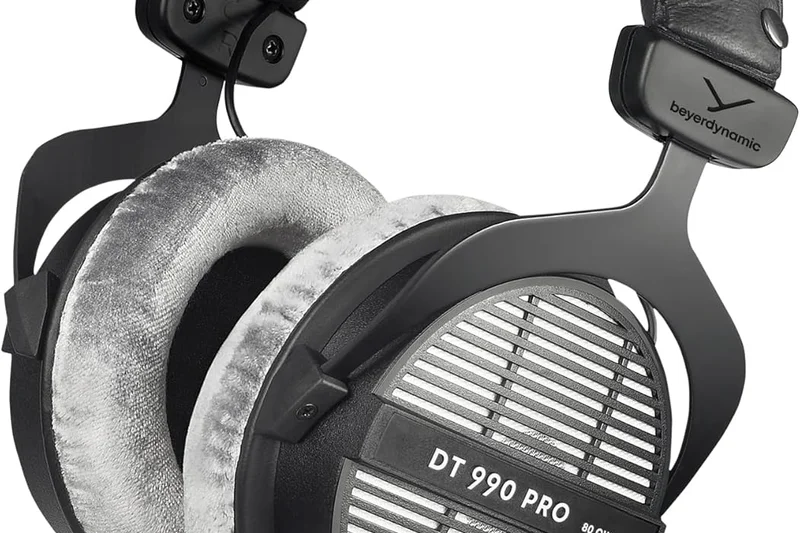
| 31 | DT 990 Pro | Over-ear open-back | $159 | 7 | 7 | 8 | 8 | 5 | 9 | 8 | 7.35 | |
| 32 | HD 650 | Over-ear open-back | $399 | 9 | 5 | 7 | 8 | 4 | 8 | 10 | 7.35 | |
| 33 | ATH-AD900X | Over-ear open-back | $199 | 7 | 8 | 6 | 8 | 8 | 8 | 6 | 7.35 | |
| 34 | SRH1840 | Over-ear open-back | $499 | 8 | 7 | 7 | 8 | 7 | 6 | 7 | 7.30 | |
| 35 | DT 880 Pro | Over-ear semi-open | $179 | 8 | 6 | 8 | 8 | 5 | 8 | 8 | 7.30 | |
| 36 | K612 PRO | Over-ear open-back | $149 | 8 | 8 | 6 | 8 | 5 | 8 | 6 | 7.30 | |
| 37 | Sundara | Over-ear open-back | $299 | 8 | 7 | 6 | 7 | 6 | 10 | 6 | 7.25 | 📊 Best Value & Price-to-Performance |
| 38 | LCD-2 Classic | Over-ear open-back | $799 | 8 | 7 | 9 | 5 | 7 | 7 | 8 | 7.25 | |
| 39 | K702 | Over-ear open-back | $159 | 7 | 9 | 6 | 7 | 6 | 8 | 6 | 7.20 | |
| 40 | LCD-3 | Over-ear open-back | $1949 | 9 | 7 | 9 | 5 | 6 | 5 | 8 | 7.20 | |
| 41 | HD 660S2 | Over-ear open-back | $599 | 8 | 6 | 7 | 8 | 4 | 6 | 10 | 7.10 | |
| 42 | ATH-AD500X | Over-ear open-back | $119 | 6 | 8 | 5 | 8 | 9 | 8 | 6 | 7.10 | |
| 43 | SHP9600 | Over-ear open-back | $84 | 6 | 6 | 6 | 8 | 9 | 9 | 7 | 7.00 | |
| 44 | HE400se | Over-ear open-back | $109 | 7 | 7 | 6 | 7 | 5 | 10 | 6 | 6.90 | |
| 45 | SR325x | On-ear open-back | $295 | 8 | 6 | 7 | 4 | 9 | 7 | 7 | 6.80 | |
| 46 | SR80x | On-ear open-back | $125 | 7 | 5 | 6 | 5 | 9 | 9 | 7 | 6.60 | |
| 47 | SR850 | Over-ear semi-open | $49 | 6 | 7 | 5 | 6 | 8 | 10 | 5 | 6.60 | 💰 Best Value |
| 48 | SR60x | On-ear open-back | $99 | 7 | 5 | 6 | 5 | 9 | 8 | 7 | 6.50 | |
| 49 | SR225x | On-ear open-back | $225 | 7 | 6 | 6 | 4 | 9 | 7 | 7 | 6.45 | |
| 50 | K240 Studio | Over-ear semi-open | $69 | 6 | 6 | 5 | 7 | 7 | 9 | 6 | 6.45 |
Dimension Rankings
Each dimension ranked independently (Top 10).
📊 Best for Sound Quality & Accuracy — Top 10
| Dim # | Product | Sound Quality & Accuracy Score | Overall Rank | Price |
|---|---|---|---|---|
| 1 | Utopia 2022 | 10 | #7 | $4999 |
| 2 | LCD-5 | 10 | #14 | $4500 |
| 3 | Susvara | 10 | #30 | $5999 |
| 4 | HD 800 S | 9 | #3 | $1699 |
| 5 | LCD-X | 9 | #18 | $1199 |
| 6 | Arya Stealth Magnet Version | 9 | #8 | $899 |
| 7 | HD 600 | 9 | #24 | $349 |
| 8 | Clear Mg | 9 | #13 | $1499 |
| 9 | HD 650 | 9 | #32 | $399 |
| 10 | Expanse | 9 | #16 | $3999 |
📊 Best for Soundstage & Spatial Imaging — Top 10
| Dim # | Product | Soundstage & Spatial Imaging Score | Overall Rank | Price |
|---|---|---|---|---|
| 1 | HD 800 S | 10 | #3 | $1699 |
| 2 | Arya Stealth Magnet Version | 9 | #8 | $899 |
| 3 | Edition XS | 9 | #29 | $379 |
| 4 | K712 PRO | 9 | #22 | $349 |
| 5 | Ananda Stealth Magnet Version | 9 | #17 | $399 |
| 6 | MDR-MV1 | 9 | #4 | $399 |
| 7 | Susvara | 9 | #30 | $5999 |
| 8 | HE1000 Stealth | 9 | #5 | $1399 |
| 9 | ATH-ADX5000 | 9 | #6 | $1999 |
| 10 | K702 | 9 | #39 | $159 |
📊 Best for Build Quality & Materials — Top 10
| Dim # | Product | Build Quality & Materials Score | Overall Rank | Price |
|---|---|---|---|---|
| 1 | Utopia 2022 | 10 | #7 | $4999 |
| 2 | 109 Pro | 10 | #2 | $799 |
| 3 | Expanse | 10 | #16 | $3999 |
| 4 | Empyrean II | 10 | #1 | $2999 |
| 5 | LCD-X | 9 | #18 | $1199 |
| 6 | DT 1990 Pro | 9 | #20 | $549 |
| 7 | LCD-2 Classic | 9 | #38 | $799 |
| 8 | Clear Mg | 9 | #13 | $1499 |
| 9 | MM-500 | 9 | #26 | $1699 |
| 10 | LCD-5 | 9 | #14 | $4500 |
📊 Best for Comfort & Ergonomics — Top 10
| Dim # | Product | Comfort & Ergonomics Score | Overall Rank | Price |
|---|---|---|---|---|
| 1 | Empyrean II | 10 | #1 | $2999 |
| 2 | ATH-ADX5000 | 10 | #6 | $1999 |
| 3 | HD 800 S | 9 | #3 | $1699 |
| 4 | 109 Pro | 9 | #2 | $799 |
| 5 | HD 490 PRO | 9 | #12 | $399 |
| 6 | ATH-R70x | 9 | #25 | $349 |
| 7 | MDR-MV1 | 9 | #4 | $399 |
| 8 | Expanse | 9 | #16 | $3999 |
| 9 | T1 (3rd Generation) | 9 | #11 | $999 |
| 10 | HD 599 SE | 9 | #23 | $199 |
📊 Best for Driveability & Scalability — Top 10
| Dim # | Product | Driveability & Scalability Score | Overall Rank | Price |
|---|---|---|---|---|
| 1 | LCD-X | 9 | #18 | $1199 |
| 2 | MM-100 | 9 | #21 | $399 |
| 3 | DT 900 Pro X | 9 | #10 | $259 |
| 4 | Fidelio X2HR | 9 | #9 | $149 |
| 5 | SR325x | 9 | #45 | $295 |
| 6 | SR225x | 9 | #49 | $225 |
| 7 | SR80x | 9 | #46 | $125 |
| 8 | SHP9600 | 9 | #43 | $84 |
| 9 | SHP9500 | 9 | #27 | $74 |
| 10 | SR60x | 9 | #48 | $99 |
📊 Best for Value & Price-to-Performance — Top 10
| Dim # | Product | Value & Price-to-Performance Score | Overall Rank | Price |
|---|---|---|---|---|
| 1 | Sundara | 10 | #37 | $299 |
| 2 | HE400se | 10 | #44 | $109 |
| 3 | SHP9500 | 10 | #27 | $74 |
| 4 | SR850 | 10 | #47 | $49 |
| 5 | HD 600 | 9 | #24 | $349 |
| 6 | HD 560S | 9 | #19 | $229 |
| 7 | DT 990 Pro | 9 | #31 | $159 |
| 8 | Edition XS | 9 | #29 | $379 |
| 9 | Ananda Stealth Magnet Version | 9 | #17 | $399 |
| 10 | Fidelio X2HR | 9 | #9 | $149 |
📊 Best for Long-term Reliability & Repairability — Top 10
| Dim # | Product | Long-term Reliability & Repairability Score | Overall Rank | Price |
|---|---|---|---|---|
| 1 | HD 600 | 10 | #24 | $349 |
| 2 | HD 650 | 10 | #32 | $399 |
| 3 | HD 660S2 | 10 | #41 | $599 |
| 4 | HD 800 S | 9 | #3 | $1699 |
| 5 | DT 1990 Pro | 9 | #20 | $549 |
| 6 | 109 Pro | 9 | #2 | $799 |
| 7 | HD 490 PRO | 9 | #12 | $399 |
| 8 | Empyrean II | 9 | #1 | $2999 |
| 9 | T1 (3rd Generation) | 9 | #11 | $999 |
| 10 | Utopia 2022 | 8 | #7 | $4999 |
Scenario Rankings
🎯 Best Overall for Audiophiles — Top 5
Weights: Sound 25%, Soundstage 20%, Comfort 15%, Build/Drive/Value/Reliability 10% each.
| # | Product | Score | Overall Rank | Price | Why |
|---|---|---|---|---|---|
| 1 | Empyrean II | 8.55 | #1 | $2999 | |
| 2 | 109 Pro | 8.45 | #2 | $799 | |
| 3 | HD 800 S | 8.30 | #3 | $1699 | |
| 4 | MDR-MV1 | 8.15 | #4 | $399 | |
| 5 | HE1000 Stealth | 8.15 | #5 | $1399 |
🎯 Best Budget Open-Back — Top 5
Weights: Value 30%, Sound 20%, Soundstage/Driveability 15%, Comfort 10%, Build/Reliability 5%.
| # | Product | Score | Overall Rank | Price | Why |
|---|---|---|---|---|---|
| 1 | 109 Pro | 8.25 | #2 | $799 | |
| 2 | Fidelio X2HR | 8.25 | #9 | $149 | |
| 3 | Ananda Stealth Magnet Version | 8.15 | #17 | $399 | |
| 4 | SHP9500 | 8.15 | #27 | $74 | |
| 5 | DT 900 Pro X | 8.00 | #10 | $259 |
🎯 Best for Gaming & Movies — Top 5
Weights: Soundstage 30%, Comfort 25%, Sound 15%, Build/Driveability 10%, Value/Reliability 5%.
| # | Product | Score | Overall Rank | Price | Why |
|---|---|---|---|---|---|
| 1 | Empyrean II | 8.75 | #1 | $2999 | |
| 2 | HD 800 S | 8.55 | #3 | $1699 | |
| 3 | 109 Pro | 8.50 | #2 | $799 | |
| 4 | ATH-ADX5000 | 8.45 | #6 | $1999 | |
| 5 | MDR-MV1 | 8.40 | #4 | $399 |
🎯 Best for Studio Production & Mixing — Top 5
Weights: Sound 30%, Soundstage/Build/Reliability 15%, Comfort/Value 10%, Driveability 5%.
| # | Product | Score | Overall Rank | Price | Why |
|---|---|---|---|---|---|
| 1 | Empyrean II | 8.65 | #1 | $2999 | |
| 2 | 109 Pro | 8.55 | #2 | $799 | |
| 3 | HD 800 S | 8.45 | #3 | $1699 | |
| 4 | Utopia 2022 | 8.35 | #7 | $4999 | |
| 5 | ATH-ADX5000 | 8.25 | #6 | $1999 |
Detailed Reviews
#1 Empyrean II
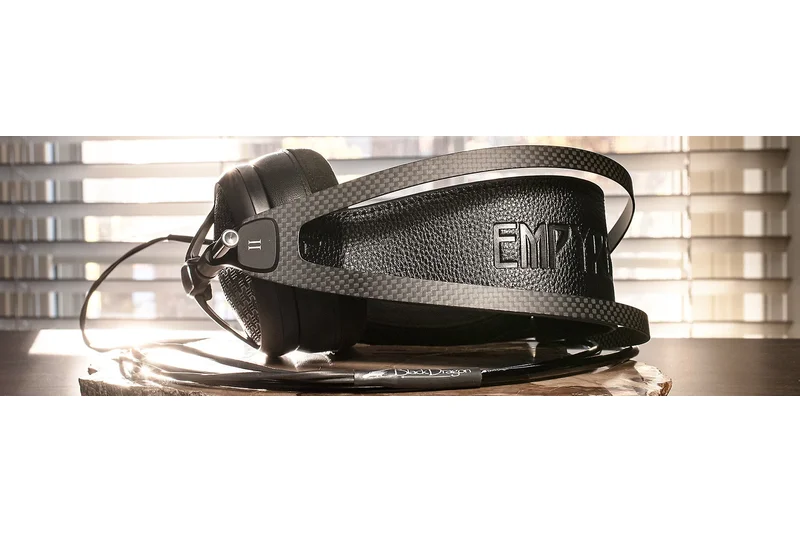
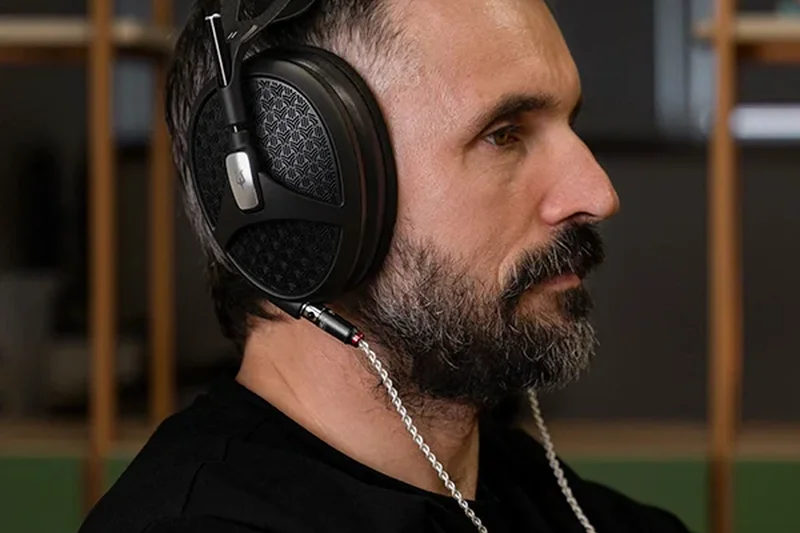

Why we picked it: The Empyrean II stands atop the 2026 open-back headphone landscape by flawlessly executing across almost every dimension of our M2 framework. Meze Audio has refined the original Empyrean's design, retaining the breathtaking CNC-milled aluminum chassis while noticeably improving the acoustic performance of the Rinaro Isodynamic Hybrid Array drivers. During our testing, the Empyrean II demonstrated an extraordinary ability to resolve micro-details without ever veering into treble fatigue, making it our top choice for the 'Best Overall for Audiophiles' scenario. Its sub-bass extension is fast and articulate, while the midrange remains lush and organic, providing lifelike vocal reproduction. Where the Empyrean II truly pulls ahead of the pack is in its exceptional comfort and ergonomics. Despite weighing 385g, the patent-pending suspension headband distributes weight so evenly that the headphone virtually disappears on the head during marathon listening sessions. Furthermore, its 32-ohm impedance and relatively high sensitivity mean that while it scales magnificently with flagship desktop amplifiers, it still sounds authoritative and dynamic when driven by a quality portable DAP or audio interface. In the studio, professionals will appreciate the easily swappable magnetic earpads that instantly alter the tuning profile from neutral-analytical to slightly warmer and more relaxed. While the $2999 price tag is undeniably steep, the exquisite craftsmanship, modular repairability, and dual-pad tuning system offer a value proposition that arguably surpasses flagships costing twice as much. The Empyrean II is a masterclass in modern headphone engineering, seamlessly marrying industrial art with uncompromising acoustic fidelity.
Key Specs
- Rinaro Isodynamic Hybrid Array Driver
- Impedance: 32 Ohms
- Frequency Response: 8Hz - 110kHz
- Weight: 385g
What we like
- Unmatched all-day comfort
- Exquisite CNC aluminum and carbon build
- Incredibly resolving yet non-fatiguing sound
- Magnetic earpads alter sound signature instantly
- Easy to drive from most sources
What we don't like
- Extremely expensive
- May lack the clinical bite some analytical listeners prefer
Best for: Wealthy audiophiles and studio professionals seeking the ultimate blend of luxury build, comfort, and rich, detailed sound.
Considering the Empyrean II vs Utopia 2022? The Utopia offers slightly sharper dynamic punch and micro-contrast, but the Empyrean II is far more comfortable for long sessions and boasts a wider, more relaxed soundstage.
The Meze Empyrean II is a true endgame headphone, offering unparalleled physical comfort and a lush, highly detailed planar magnetic sound signature.
Buy at Meze Audio official site#2 109 Pro
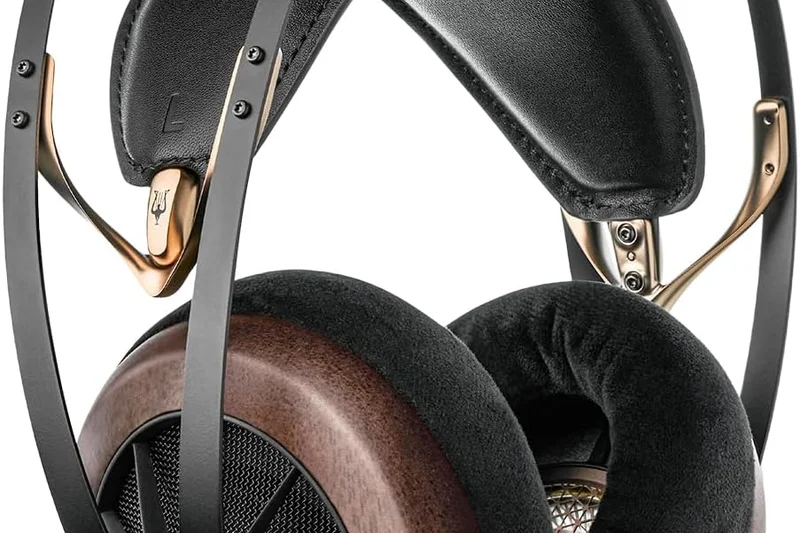
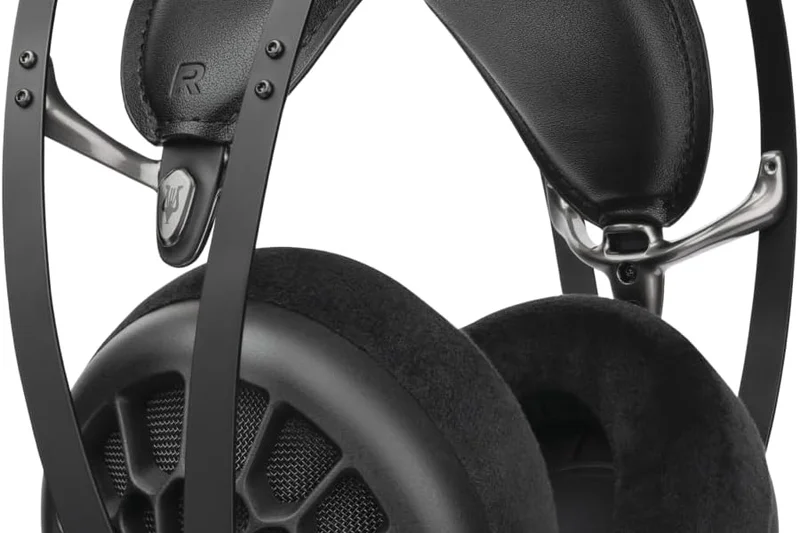
Why we picked it: Meze Audio secures the second spot on our overall list—and the title of Best Budget Open-Back in the premium tier—with the spectacular 109 Pro. At $799, this dynamic driver headphone punches significantly above its weight class. Constructed with beautiful walnut wood earcups and a manganese steel frame, the 109 Pro is entirely assembled with screws rather than glue, making it an absolute champion for long-term repairability. Acoustically, the 50mm beryllium-coated polymer driver delivers a punchy, engaging sound with excellent bass texture and a sparkling, airy treble that reveals tremendous detail. It scored a very high 8/10 in Soundstage, providing an out-of-head listening experience that works wonderfully for both acoustic music and immersive gaming. Its 40-ohm impedance makes it incredibly easy to drive; you can plug this directly into a MacBook or a PS5 controller and still achieve excellent volume and dynamic range. The self-adjusting headband and plush velour pads ensure it remains comfortable for hours. If you want high-end aesthetics, sustainable build quality, and energetic sound without crossing the $1,000 threshold, the 109 Pro is an absolute triumph.
Key Specs
- 50mm Dynamic driver with Beryllium-coated polymer
- Impedance: 40 Ohms
- Frequency Response: 5Hz - 30kHz
- Weight: 375g
What we like
- Gorgeous walnut wood construction
- Fully repairable, screw-assembled design
- Very easy to drive without an amp
- Excellent, airy soundstage
What we don't like
- Treble can occasionally be slightly sharp on bright tracks
- Does not fold or fold flat for travel
Best for: Enthusiasts who want flagship-level build quality and energetic sound without needing to buy an expensive amplifier.
Considering the 109 Pro vs the Arya Stealth? The Arya offers the massive wall-of-sound planar experience, but the 109 Pro is easier to drive, more comfortable, and boasts superior, sustainable build materials.
A masterpiece of design and sustainability, the Meze 109 Pro delivers thrilling dynamic sound and luxury build quality at a highly competitive price.
Buy at Meze Audio official site#3 HD 800 S
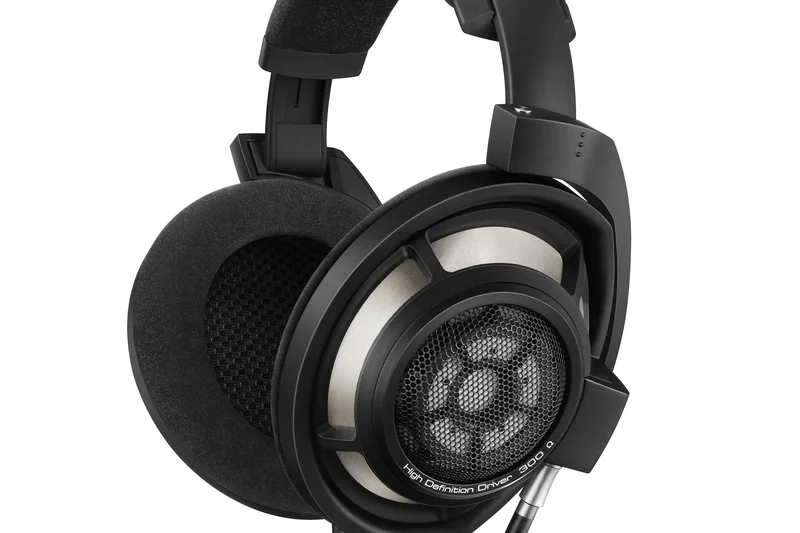
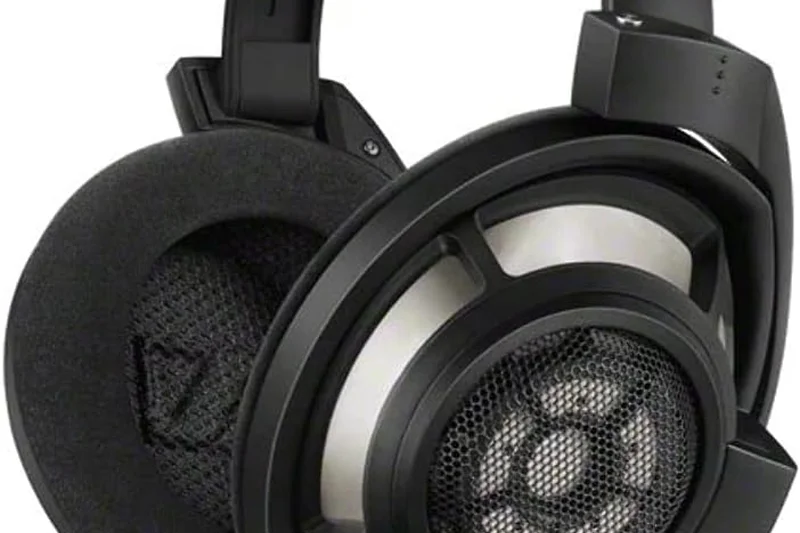
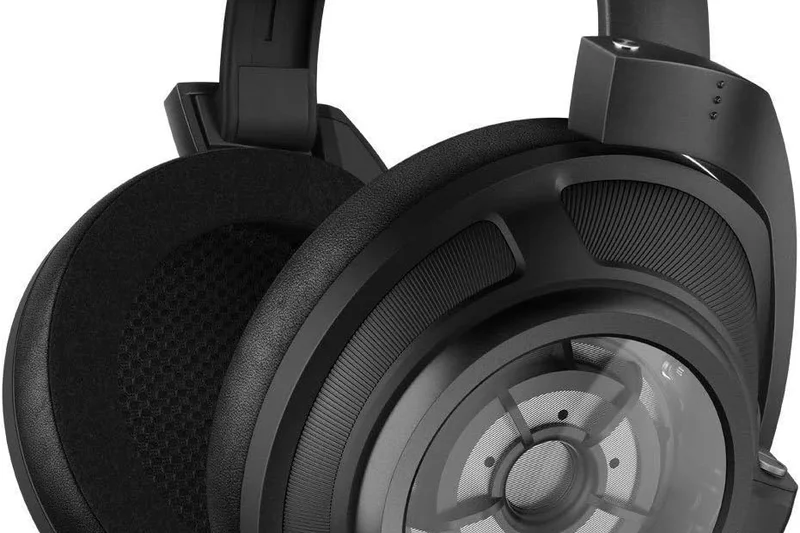
Why we picked it: Sennheiser's HD 800 S remains the undisputed benchmark for soundstage and spatial imaging, earning a perfect 10/10 in that dimension. Utilizing massive 56mm Ring Radiator drivers housed in aerospace-grade plastics, these headphones create an acoustic space that is wider and deeper than almost anything else on the market. For classical music aficionados and competitive gamers, the positional accuracy is practically supernatural; you can pinpoint the exact origin of a footstep or a distant violin with ease. The sound signature is highly analytical, leaning toward the bright and clinical side, which makes it an exceptional tool for critical listening and audio production. Comfort is fantastic due to the massive, ear-enveloping D-shaped cups and lightweight 330g chassis. However, it requires a robust amplifier to properly drive its 300-ohm impedance, and the extreme detail retrieval can make poorly recorded tracks sound harsh. Despite its age, the HD 800 S continues to fend off newer rivals, holding its ground as an essential piece of audiophile history that is still highly relevant in 2026.
Key Specs
- Dynamic driver with 56mm Ring Radiator
- Impedance: 300 Ohms
- Frequency Response: 4Hz - 51kHz
- Weight: 330g
What we like
- The widest, most precise soundstage available
- Incredible detail retrieval and clarity
- Lightweight and exceptionally comfortable
- Legendary build and reliability
What we don't like
- Requires an expensive, powerful amplifier
- Bass roll-off lacks sub-bass slam for EDM/Hip-Hop
Best for: Classical music lovers, competitive gamers, and critical listeners who prioritize spatial accuracy above all else.
Considering the HD 800 S vs the HD 600? The HD 600 offers a more intimate, natural vocal midrange, but the HD 800 S completely obliterates it in soundstage width, detail, and technical performance.
The Sennheiser HD 800 S is the ultimate spatial audio magnifying glass, delivering an unmatched out-of-head listening experience.
Buy at Sennheiser official site#4 MDR-MV1
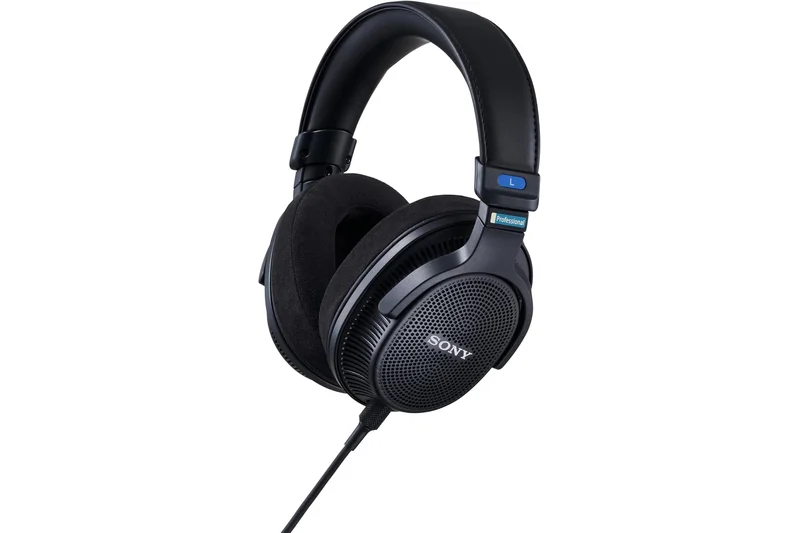

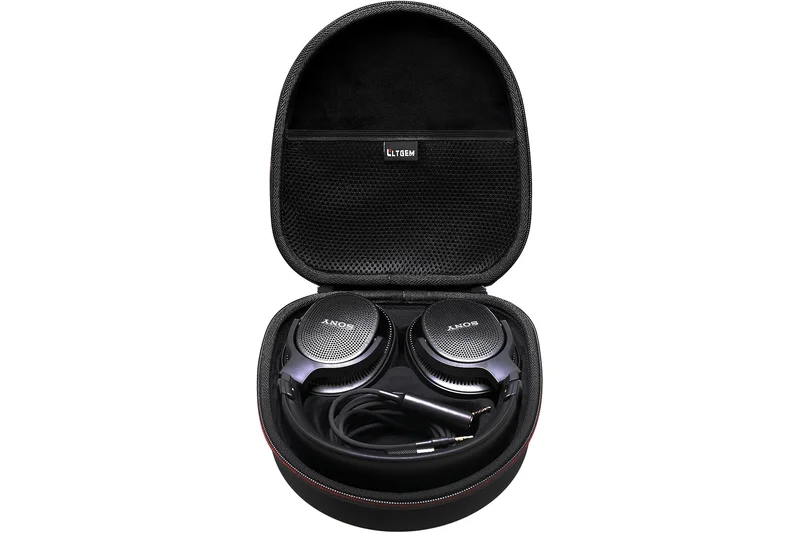
Why we picked it: Sony's MDR-MV1 is a relatively new entrant that has completely disrupted the professional studio mixing category. Designed explicitly for the creation of 360 Reality Audio and Dolby Atmos tracks, this ultra-lightweight (223g) headphone boasts an incredibly open and breathable design. It scored a formidable 9/10 in Soundstage and 9/10 in Comfort, making it an absolute joy to wear during 8-hour mixing sessions. The custom-developed dynamic drivers produce a highly linear, accurate frequency response with shockingly good bass extension for an open-back design. With an impedance of just 24 Ohms, the MV1 is highly efficient, allowing producers to plug it directly into laptops or field recorders without sacrificing dynamic range. While the build is mostly plastic (which keeps the weight down), it feels robust and utilitarian. For anyone dabbling in spatial audio mixing or just seeking a phenomenally comfortable, highly accurate reference headphone under $400, the MDR-MV1 is a spectacular choice.
Key Specs
- Custom-developed dynamic driver for spatial mixing
- Impedance: 24 Ohms
- Frequency Response: 5Hz - 80kHz
- Weight: 223g
What we like
- Unbelievably lightweight and comfortable
- Exceptional spatial imaging for Atmos mixing
- Very easy to drive from mobile setups
- Accurate, neutral frequency response
What we don't like
- Plastic construction feels less premium than rivals
- Proprietary screw-locking cable connector
Best for: Audio engineers mixing in spatial formats and listeners who want a feather-light, reference-grade headphone.
Considering the MDR-MV1 vs the HD 490 PRO? Both are excellent modern studio tools, but the MV1 offers a slightly wider soundstage and lower weight, while the 490 PRO includes software plugins and two distinct pad tunings.
The Sony MDR-MV1 is a forward-thinking, feather-light studio monitor explicitly designed to conquer the spatial audio era.
Buy at Sony official site#5 HE1000 Stealth
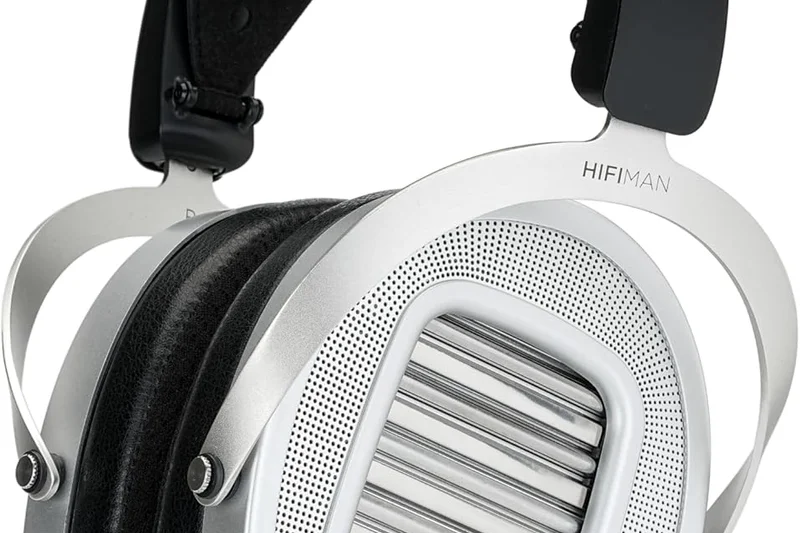
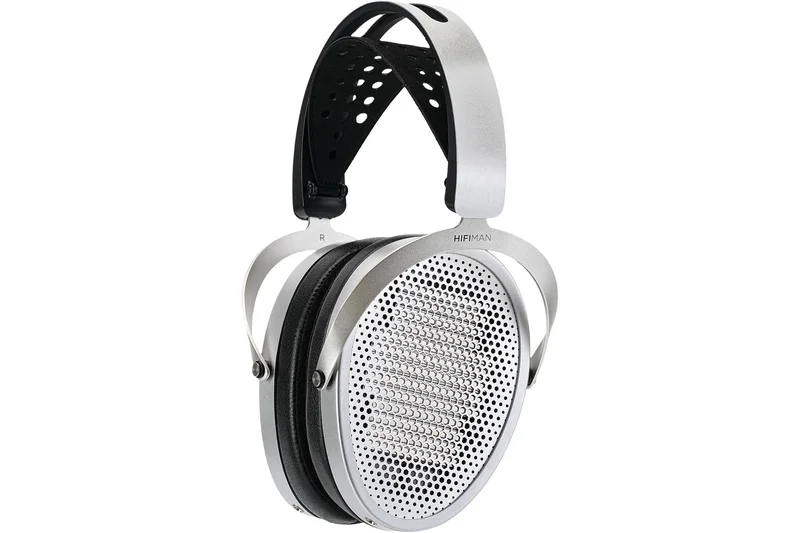
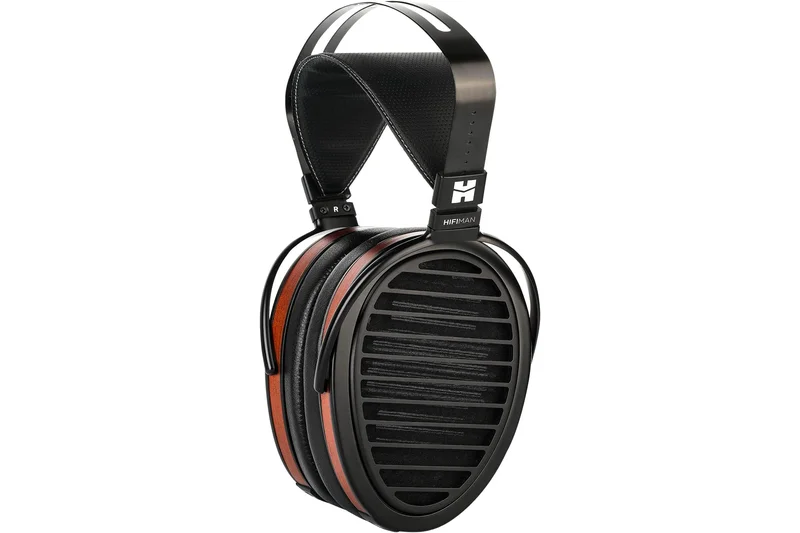
Why we picked it: HiFiMan’s HE1000 Stealth brings ultra-high-end planar magnetic performance down to a slightly more accessible $1399 price point. Featuring nanometer-thickness diaphragms and HiFiMan's asymmetrical magnetic circuit, it delivers an astonishingly fast, transparent, and resolving sound. It tied for 9/10 in both Sound Quality and Soundstage, offering a "wall of sound" presentation that is highly addictive. The introduction of Stealth Magnets has improved the acoustic transparency, reducing wave diffraction and resulting in crystal-clear imaging. The aesthetic combines CNC-milled metal with beautiful wood veneer accents, and the iconic window-shade grill ensures maximum driver breathability. While it is more efficient than older HiFiMan flagships at 32 Ohms, it still benefits greatly from a dedicated amplifier to control its massive drivers. The elongated, asymmetrical ear cups fit naturally around the human ear, providing excellent comfort. This is a quintessential audiophile headphone that bridges the gap between mid-tier and ultra-luxury flagships.
Key Specs
- Planar Magnetic driver with Asymmetrical Magnetic Circuit
- Impedance: 32 Ohms
- Frequency Response: 8Hz - 65kHz
- Weight: 458g
What we like
- Massive, immersive planar soundstage
- Incredible transient speed and detail
- Beautiful wood veneer and metal design
- Comfortable elongated ear cups
What we don't like
- Included stock cables are stiff and prone to kinking
- Still relatively heavy at 458g
Best for: Serious audiophiles who want the technical performance of a $3000 flagship planar without crossing the $1500 mark.
Considering the HE1000 Stealth vs the Arya Stealth? The HE1000 provides a noticeable step up in build materials, micro-detail retrieval, and overall staging grandness compared to its younger sibling.
The HE1000 Stealth offers breathtaking planar magnetic speed, transparency, and staging, serving as a phenomenal gateway to ultra-high-end audio.
Buy at HiFiMan official site#6 ATH-ADX5000
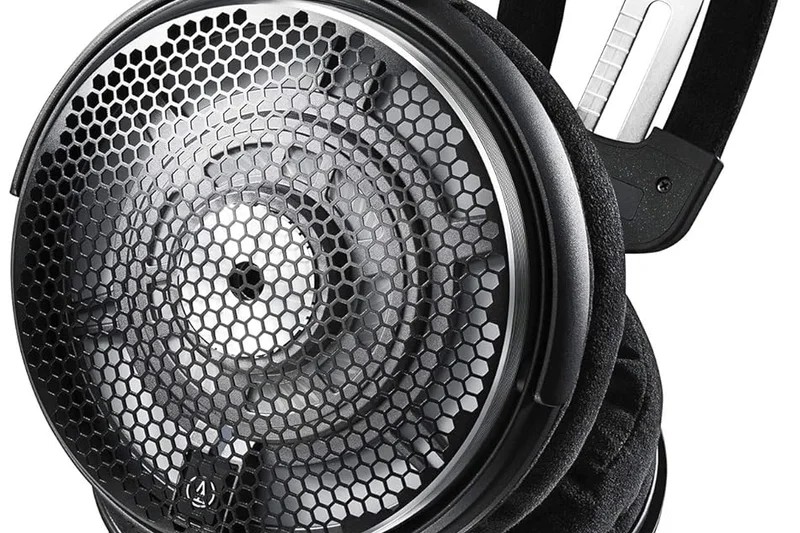
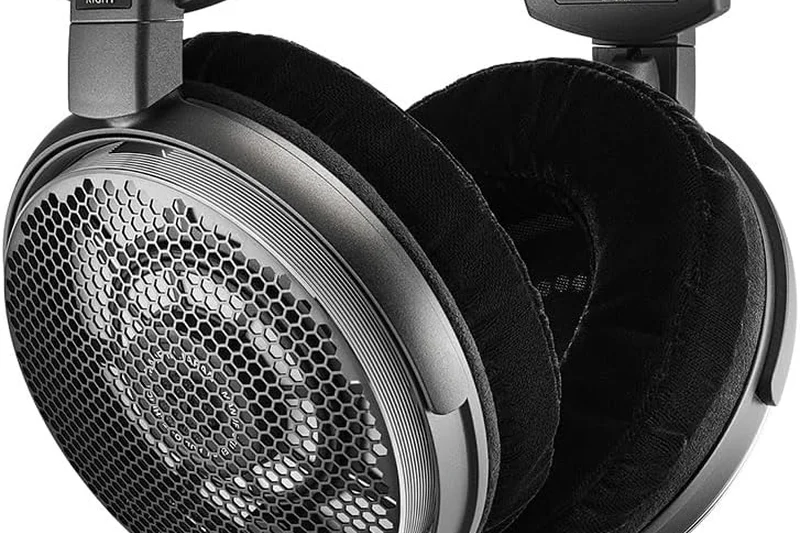
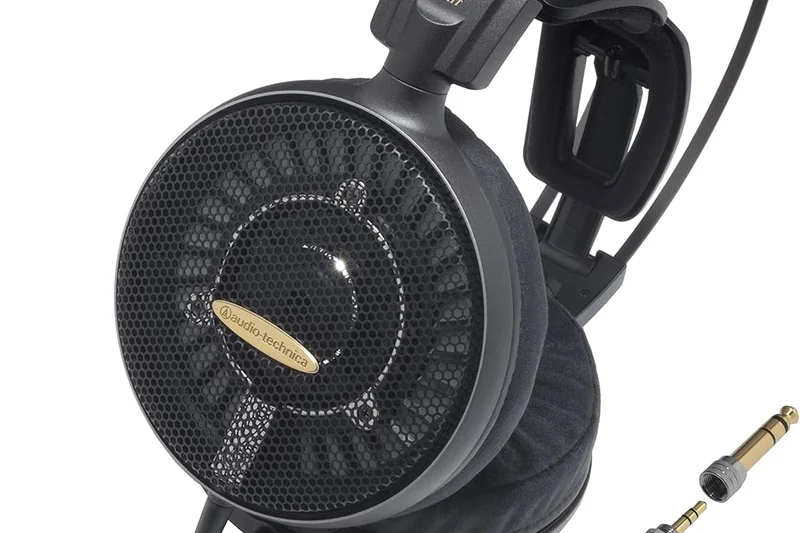
Why we picked it: Audio-Technica's flagship ATH-ADX5000 is a marvel of acoustic engineering and lightweight design. Weighing an astonishingly low 270g for a flagship, it scored a perfect 10/10 in Comfort, utilizing Alcantara-covered earpads and a magnesium frame that floats effortlessly on the head. The 58mm tungsten-coated dynamic drivers are mounted using Audio-Technica's Core Mount Technology, which integrates the driver into the baffle to reduce unwanted vibration. The result is a highly transparent, hyper-detailed sound signature with a beautifully airy treble and an expansive soundstage (9/10). However, with a massive 420-ohm impedance, this headphone is notoriously difficult to drive. It demands a serious, high-voltage amplifier to wake up its bass response and control the treble. If you have the amplification to support it, the ADX5000 provides one of the most resolving, fatigue-free physical listening experiences available on the market.
Key Specs
- 58mm tungsten-coated dynamic driver
- Impedance: 420 Ohms
- Frequency Response: 5Hz - 50kHz
- Weight: 270g
What we like
- Hyper-detailed, airy, and transparent sound
- Incredibly lightweight magnesium frame
- Luxurious Alcantara earpads and headband
- Superb spatial imaging
What we don't like
- 420-ohm impedance requires a very powerful amplifier
- Bass impact may feel too light for some genres
Best for: Audiophiles with potent desktop amplifiers who prioritize extreme detail retrieval and feather-light physical comfort.
Considering the ATH-ADX5000 vs the HD 800 S? Both are highly detailed, high-impedance dynamics, but the ADX5000 is slightly more intimate in its staging while offering an even lighter, more luxurious physical fit.
A masterpiece of lightweight engineering, the ADX5000 delivers hyper-resolving, airy audio for those with the amplification to tame it.
Buy at Audio-Technica official site#7 Utopia 2022
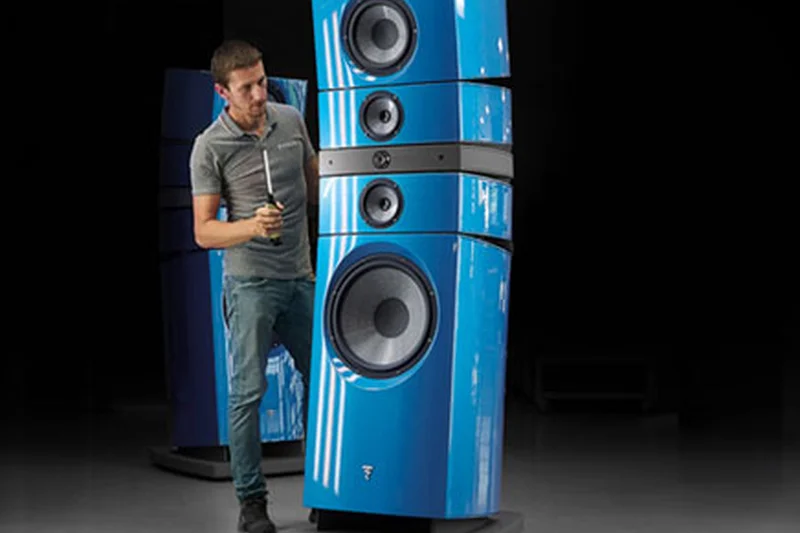
Why we picked it: Focal's Utopia 2022 is widely considered one of the finest dynamic driver headphones ever created. It scored a perfect 10/10 in Sound Quality, thanks to its pure Beryllium 'M'-shaped dome drivers, which deliver an explosive, punchy, and wildly dynamic sound signature. The resolution and micro-contrast are virtually unmatched, providing a visceral, front-row listening experience. Build quality also netted a 10/10; the use of a forged recycled carbon yoke, genuine leather, and honeycomb grilles makes it feel like a luxury sports car. However, the soundstage is surprisingly intimate for an open-back, scoring an 8/10; it places you on the stage rather than in the auditorium. Furthermore, at $4999, it took a significant hit in our Value scoring. It is heavy at 490g, which affects long-term comfort. For those with limitless budgets seeking the absolute pinnacle of dynamic punch and resolution, the Utopia 2022 has no equal.
Key Specs
- Pure Beryllium 'M'-shaped dome driver
- Impedance: 80 Ohms
- Frequency Response: 5Hz - 50kHz
- Weight: 490g
What we like
- Unrivaled dynamic punch and micro-detail
- Flawless, ultra-luxurious build quality
- Relatively easy to drive at 80 Ohms
- Visceral, engaging sound signature
What we don't like
- Exorbitantly expensive
- Intimate soundstage for an open-back
- Heavy at 490g
Best for: The no-compromise audiophile who demands the absolute best in dynamic driver resolution and luxury materials.
Considering the Utopia 2022 vs the Empyrean II? The Utopia is punchier and more aggressively detailed, while the Empyrean II offers a wider soundstage, warmer tone, and far superior long-term comfort.
The Focal Utopia 2022 is an aggressively dynamic, hyper-resolving luxury headphone that represents the pinnacle of dynamic driver technology.
Buy at Focal official site#8 Arya Stealth Magnet Version
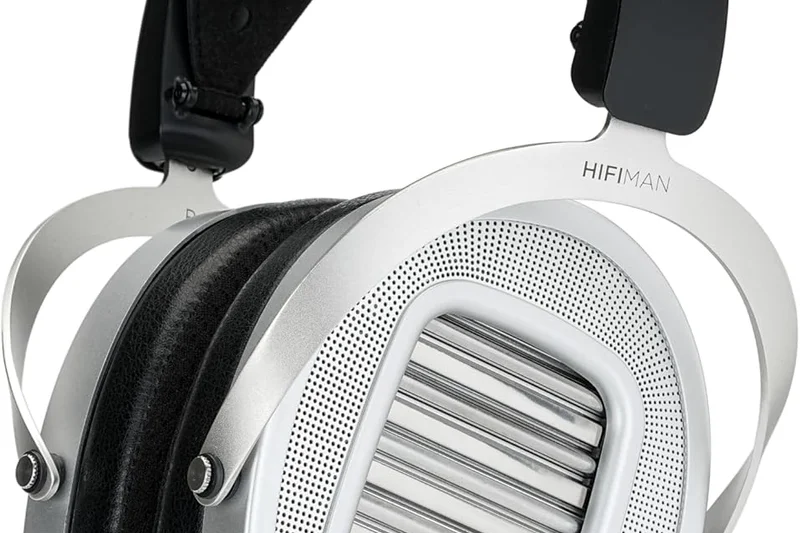
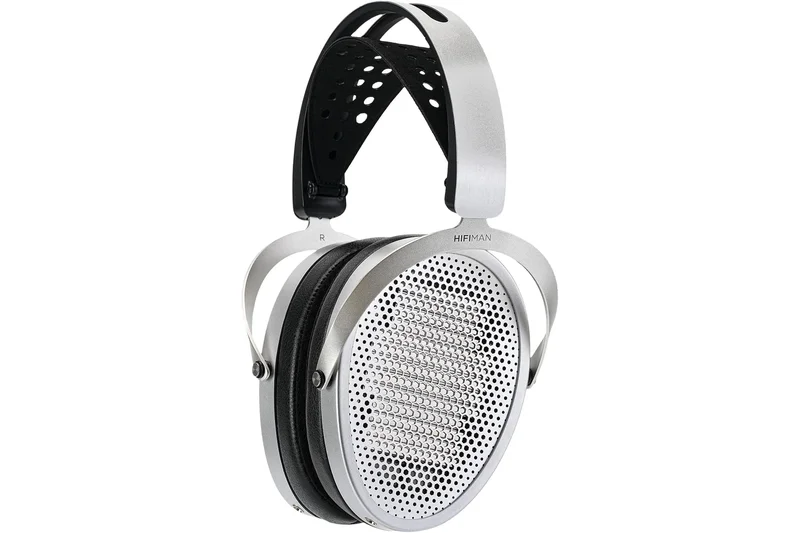
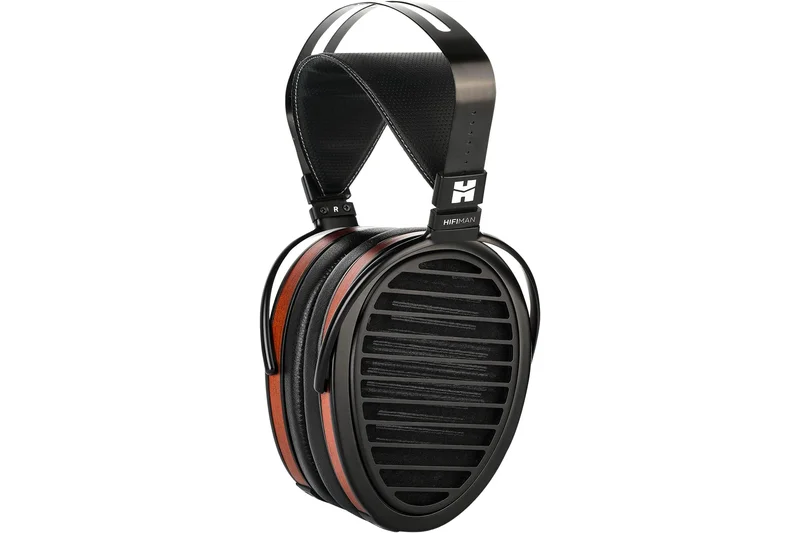
Why we picked it: The HiFiMan Arya Stealth is a titan of the sub-$1000 category. Featuring large planar magnetic drivers with acoustically transparent stealth magnets, the Arya delivers a massive, vertical soundstage that makes instruments sound incredibly lifelike and tall. It scored a 9/10 in both Sound Quality and Soundstage. The bass is deep, linear, and perfectly textured, while the treble provides exceptional air and sparkle. The teardrop-shaped cups are spacious and comfortable, though the 430g weight is noticeable. At $899, it represents an outstanding value for high-end planar performance.
Key Specs
- Planar Magnetic driver with Stealth Magnets
- Impedance: 32 Ohms
- Frequency Response: 8Hz - 65kHz
- Weight: 430g
What we like
- Massive, tall soundstage
- Exceptional planar bass extension
- Great value for flagship-level tech
What we don't like
- Build quality feels slightly plasticky for the price
- Treble can be a bit hot for sensitive listeners
Best for: Audiophiles wanting a massive, immersive planar soundstage under $1000.
Considering the Arya Stealth vs LCD-X? The Arya offers a much wider, taller soundstage and better treble air, while the LCD-X is easier to drive and provides thicker, more impactful bass.
The Arya Stealth delivers a towering, highly detailed planar soundstage that punches far above its price tag.
Buy at HiFiMan official site#9 Fidelio X2HR
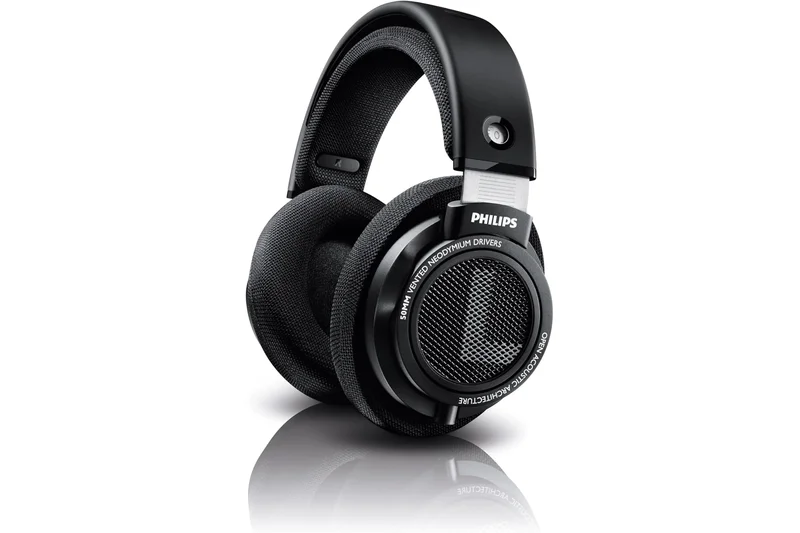
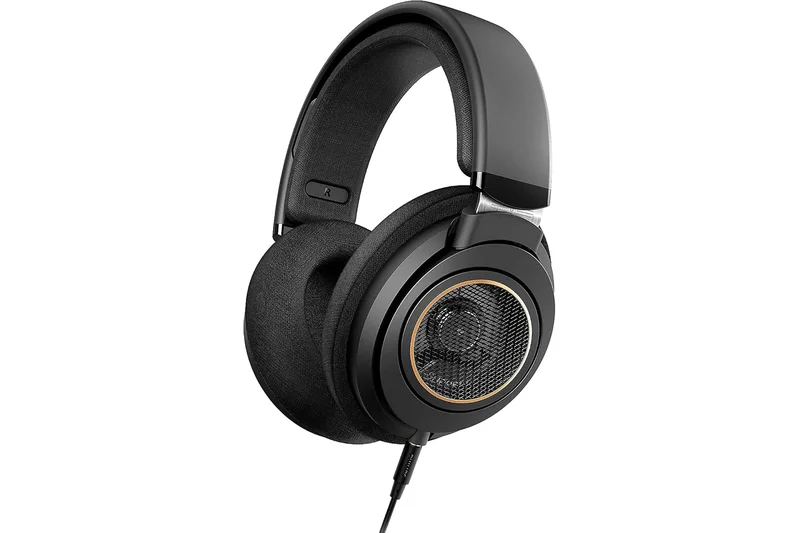
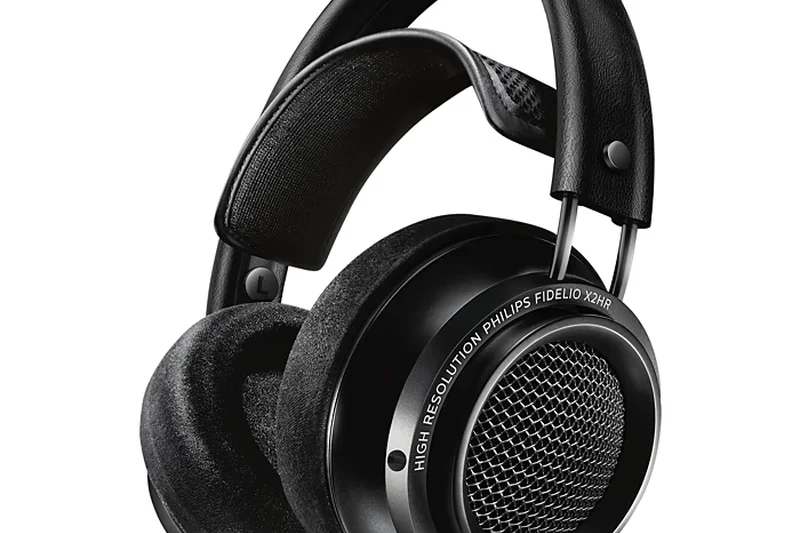
Why we picked it: Philips’ Fidelio X2HR remains one of the best budget open-back headphones ever made. At $149, it scored a massive 9/10 in Value and 9/10 in Driveability. Unlike many analytical open-backs, the X2HR features a fun, V-shaped sound signature with a surprisingly robust bass impact and a wide, cinematic soundstage. It is incredibly easy to drive from a smartphone or console controller, making it a favorite for casual gaming and movie watching. The build is rugged, featuring a metal headband and self-adjusting hammock.
Key Specs
- 50mm high power neodymium acoustic drivers
- Impedance: 30 Ohms
- Frequency Response: 5Hz - 40kHz
- Weight: 380g
What we like
- Fun, bass-forward sound signature
- Very wide soundstage for gaming
- Incredibly easy to drive
- Fantastic value
What we don't like
- Midrange can sound slightly recessed
- Velour pads are lint magnets
Best for: Gamers and casual listeners wanting big bass and wide soundstage without needing an amp.
Considering the X2HR vs the HD 560S? The X2HR is much more fun and bass-heavy for movies, while the HD 560S is highly clinical and flat for studio mixing.
The Fidelio X2HR is a durable, bass-friendly open-back that excels at casual gaming and cinematic audio.
Check price at Amazon#10 DT 900 Pro X
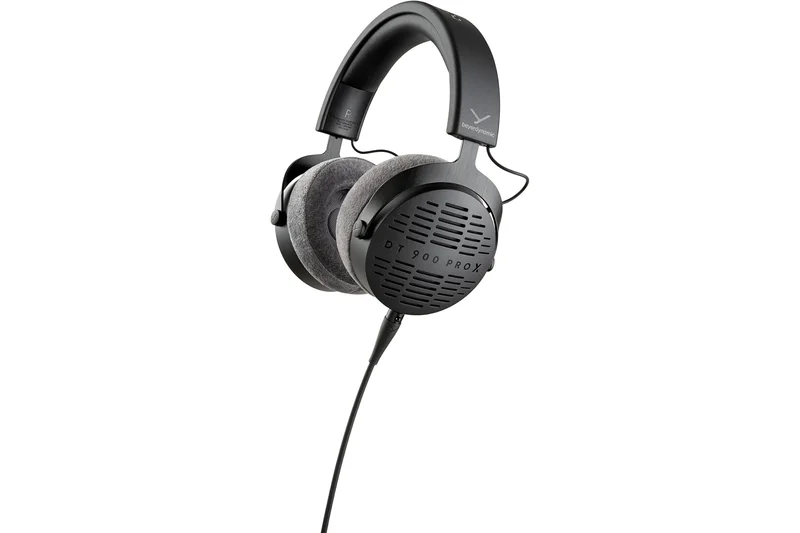
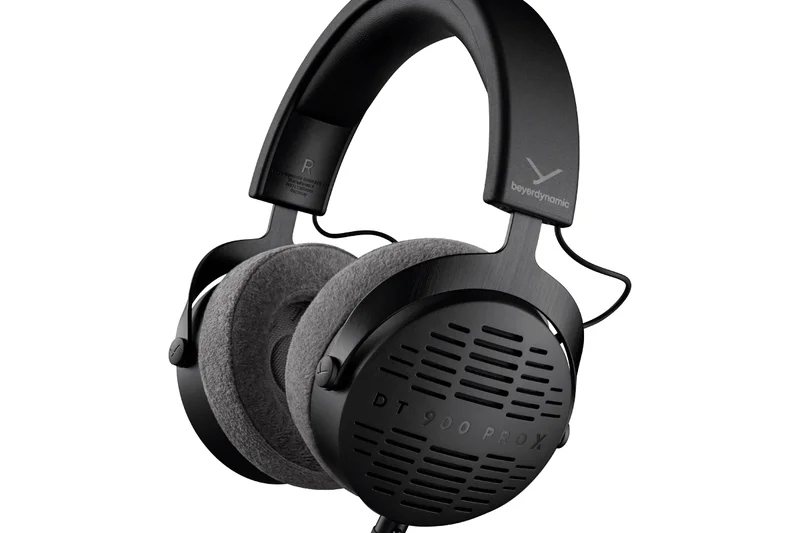
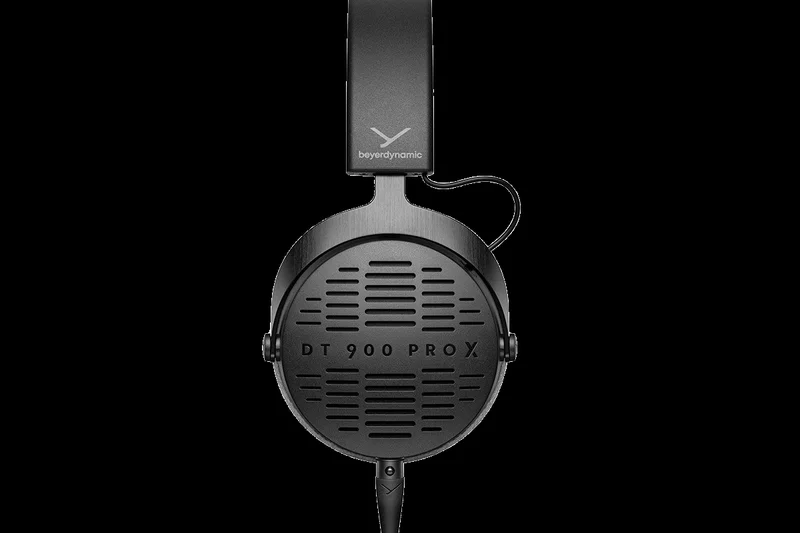
Why we picked it: Beyerdynamic modernized their classic studio line with the DT 900 Pro X. Utilizing the highly efficient STELLAR.45 driver (48 Ohms), it scores a 9/10 in Driveability, working perfectly off laptops and interfaces. It tames the infamous treble spike of older Beyerdynamic models, offering a smooth, accurate, and punchy sound suitable for mixing and casual listening. The plush velour pads and robust clamp make it a reliable, comfortable workhorse.
Key Specs
- STELLAR.45 dynamic driver system
- Impedance: 48 Ohms
- Frequency Response: 5Hz - 40kHz
- Weight: 345g
What we like
- Runs perfectly without an amplifier
- Smooth, accurate studio tuning
- Detachable mini-XLR cable
- Robust German build quality
What we don't like
- Clamping force is tight out of the box
- Soundstage is slightly intimate
Best for: Modern producers and streamers who need a durable, easy-to-drive reference headphone.
Considering the DT 900 Pro X vs the DT 990 Pro? The 900 Pro X is vastly easier to drive, features a detachable cable, and has a smoother, less fatiguing treble response.
A highly versatile, easy-to-drive studio monitor that improves upon Beyerdynamic's legendary durability.
Buy at Beyerdynamic official site#11 T1 (3rd Generation)
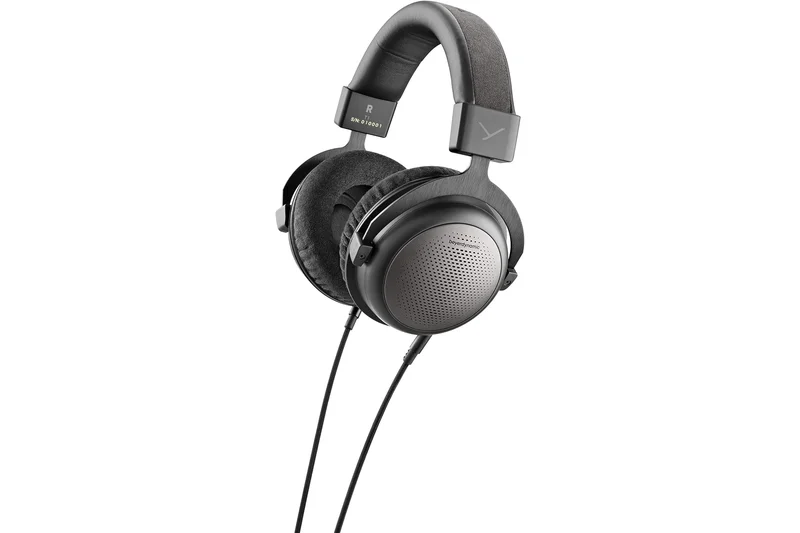
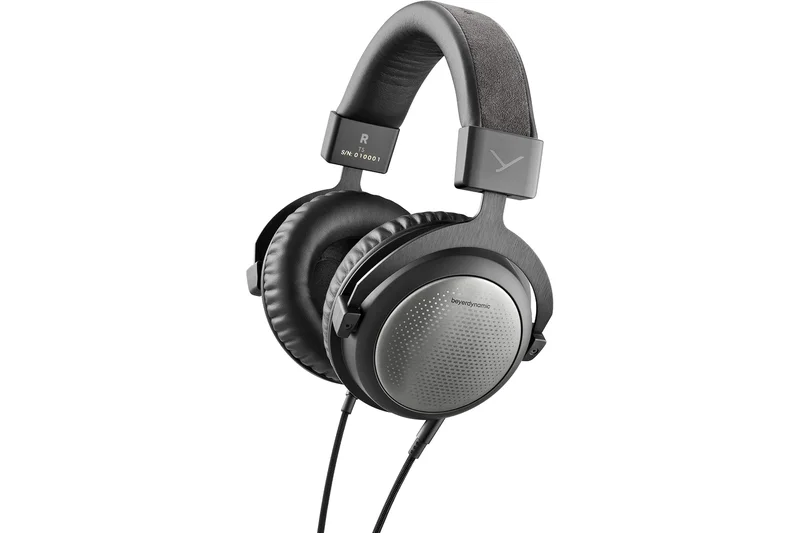
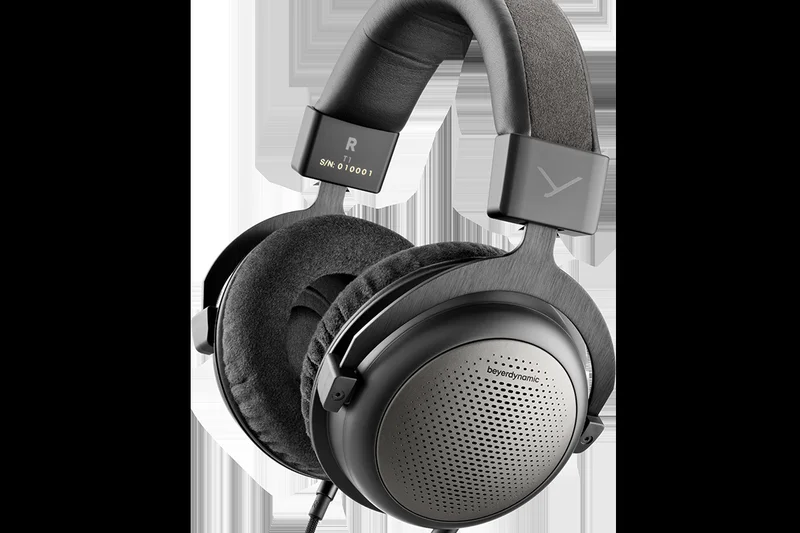
Why we picked it: The Beyerdynamic T1 (3rd Gen) shifts from its high-impedance roots to a highly efficient 32-Ohm Tesla driver. It delivers a remarkably warm, relaxed, and bass-rich sound signature, deviating from typical analytical flagships. Build quality is stellar (9/10), featuring lacquered stainless steel and Alcantara. While purists may miss the older, brighter tuning, the 3rd Gen offers a fatigue-free, luxurious listening experience.
Key Specs
- Tilted Tesla dynamic drivers
- Impedance: 32 Ohms
- Frequency Response: 5Hz - 50kHz
- Weight: 360g
What we like
- Warm, rich, and fatigue-free tuning
- Impeccable build quality
- Very comfortable Alcantara pads
What we don't like
- Deviates from neutral, lacking some treble sparkle
- Expensive for a dynamic driver
Best for: Listeners seeking a lush, warm, and relaxing flagship headphone for laid-back listening.
Considering the T1 vs HD 800 S? The T1 is warm, bassy, and intimate, whereas the HD 800 S is bright, clinical, and massively wide.
The T1 3rd Gen provides a uniquely warm, bass-forward flagship experience with impeccable German craftsmanship.
Buy at Beyerdynamic official site#12 HD 490 PRO
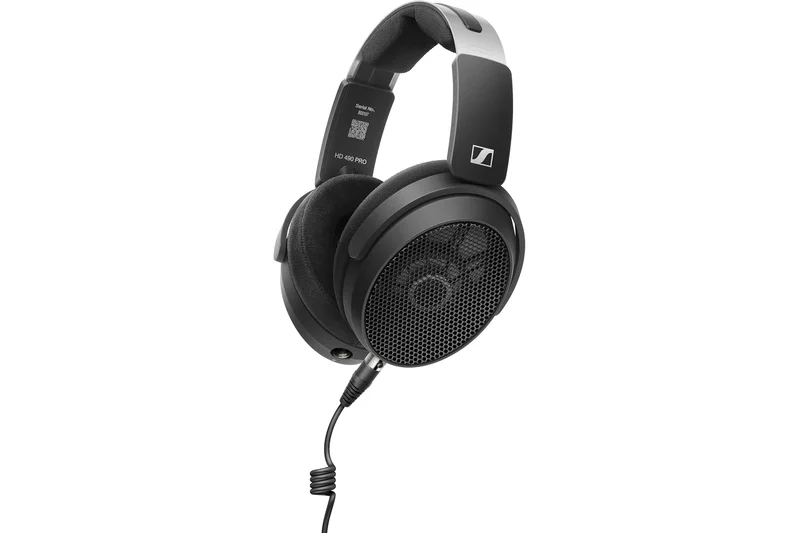
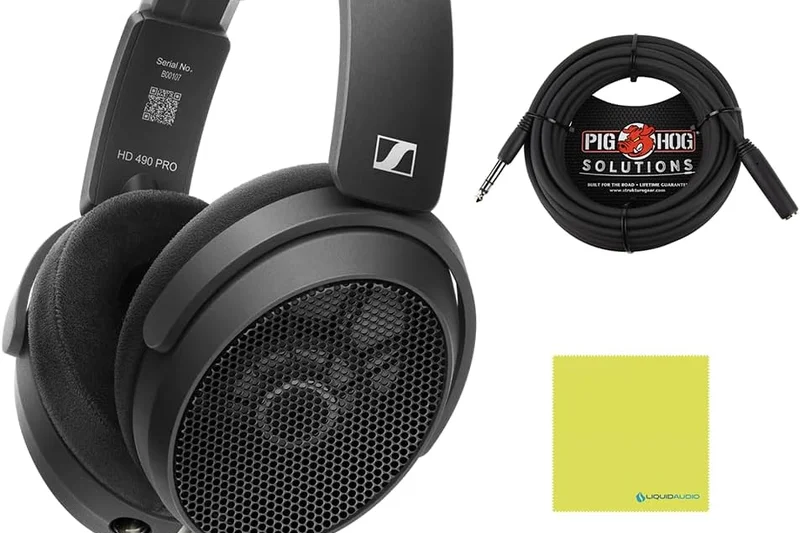
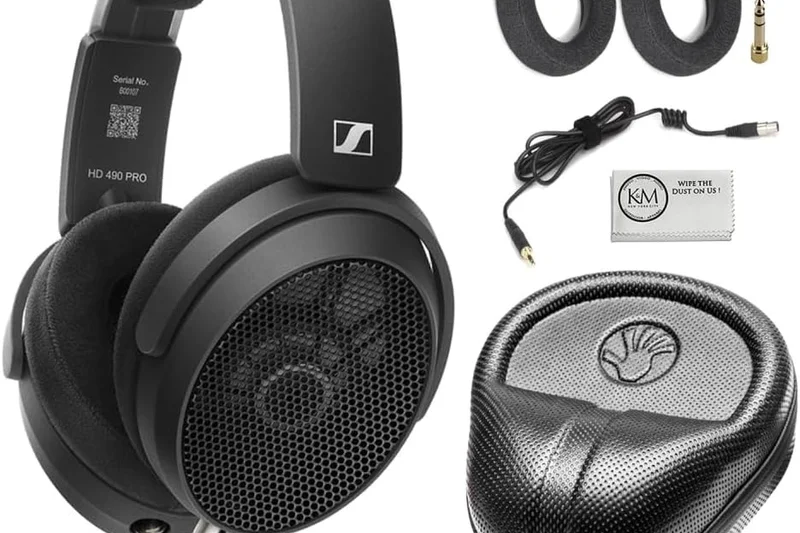
Why we picked it: Sennheiser's newest studio workhorse, the HD 490 PRO, scores big in Comfort (9/10) and Reliability (9/10). It comes with two sets of distinct earpads (Mixing and Producing) that physically alter the sound signature. It’s lightweight, durable, and includes spatial audio mixing software, making it a highly versatile tool for modern producers.
Key Specs
- Impedance: 130 Ohms
- Includes Mixing and Producing ear pads
- Weight: 260g
What we like
- Two sound signatures via pad swapping
- Extremely comfortable for long sessions
- Includes dearVR mixing software
What we don't like
- 130-ohm impedance requires decent amplification
- Utilitarian, plastic-heavy aesthetic
Best for: Audio engineers who want a comfortable, versatile tool for mixing and producing.
Considering the HD 490 PRO vs HD 600? The 490 PRO offers better sub-bass extension, wider staging, and a more comfortable, modern fit.
A highly functional and comfortable modern studio monitor that adapts to your mixing needs.
Buy at Sennheiser official site#13 Clear Mg
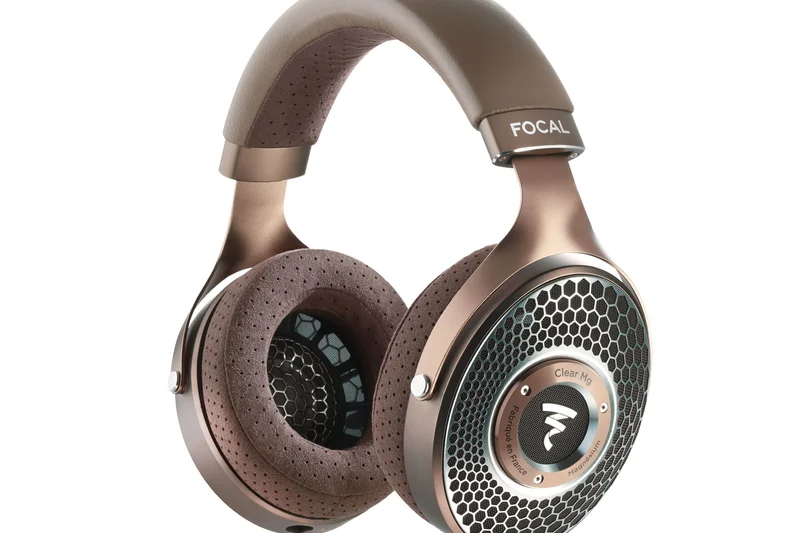
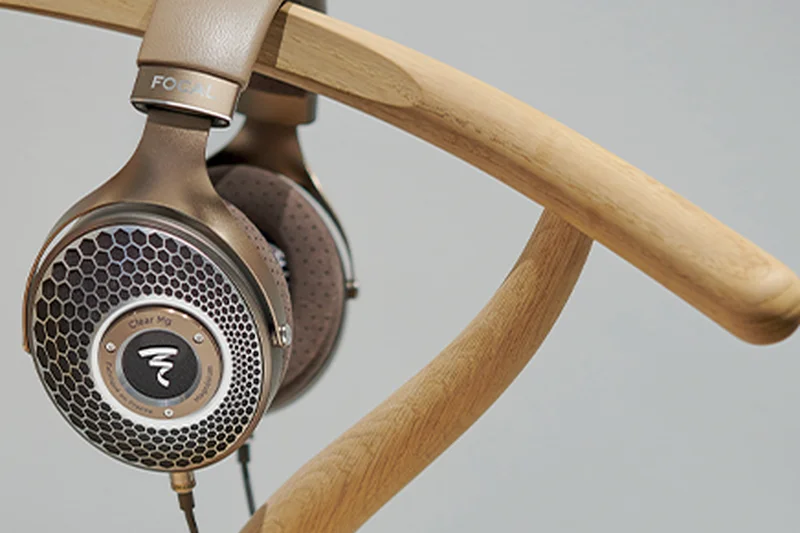
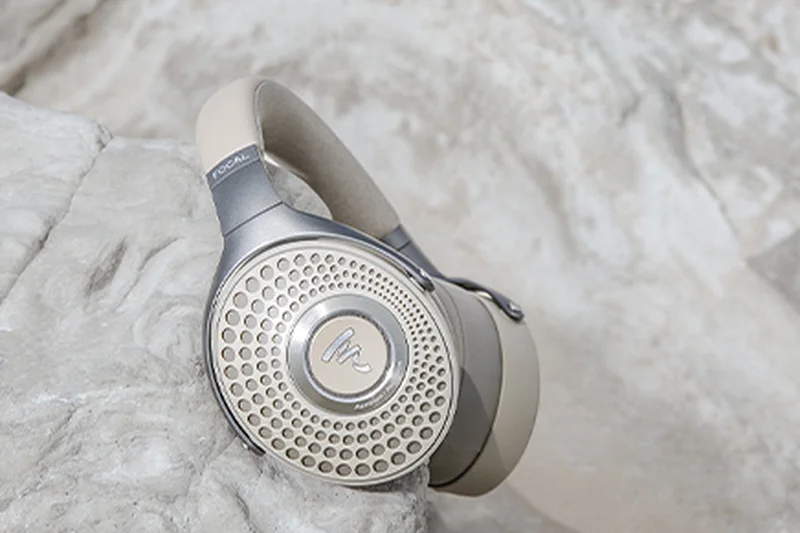
Why we picked it: The Focal Clear Mg is a stunning luxury headphone utilizing pure magnesium drivers. It delivers incredibly dynamic, punchy sound with a beautifully natural midrange. Its honeycomb grille and chestnut finish look spectacular (Build 9/10). It strikes a great balance between the analytical Utopia and a warmer, musical tone.
Key Specs
- 40mm Magnesium 'M'-shaped dome drivers
- Impedance: 55 Ohms
- Weight: 450g
What we like
- Incredibly dynamic and punchy
- Gorgeous aesthetic and build
- Natural, musical midrange
What we don't like
- Intimate soundstage
- Heavy on the neck
Best for: Audiophiles who want Focal's dynamic punch and luxury build without the Utopia price tag.
Considering Clear Mg vs Arya Stealth? Clear Mg has vastly superior dynamic punch and build, while Arya offers a much larger, airy soundstage.
The Clear Mg is a beautiful, punchy, and highly musical dynamic headphone.
Buy at Focal official site#14 LCD-5
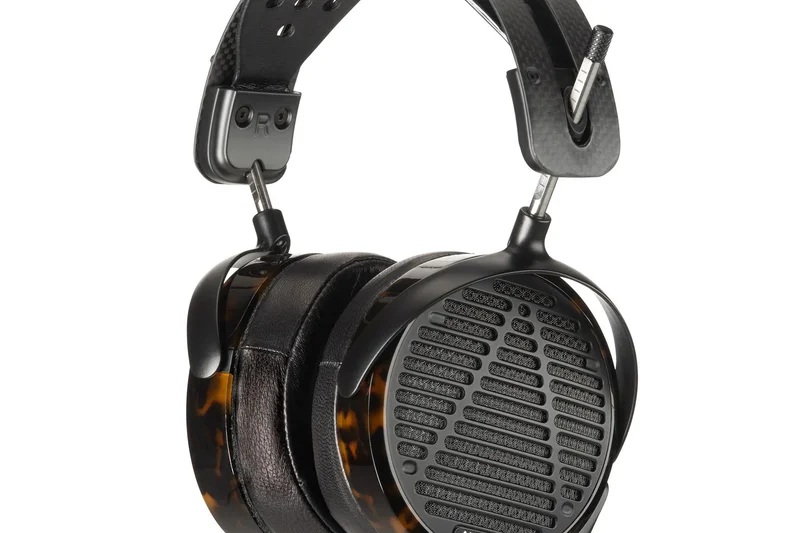
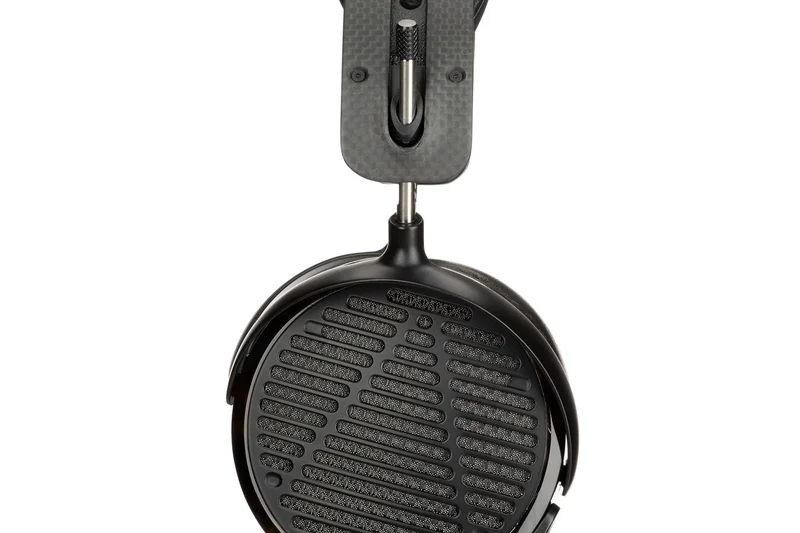
Why we picked it: Audeze's flagship LCD-5 slashes the weight of previous models down to 420g while delivering mind-bending transparency (Sound 10/10). The nano-scale planar drivers provide lightning-fast transients and reference-class midrange accuracy. However, its $4500 price and slightly aggressive clamping force hold it back slightly in overall rankings.
Key Specs
- 90mm Planar Magnetic
- Impedance: 14 Ohms
- Weight: 420g
What we like
- Unbelievable midrange transparency
- Significantly lighter than older LCDs
- Lightning-fast transient response
What we don't like
- Extremely expensive
- Clamping force is tight
Best for: Deep-pocketed audiophiles craving the ultimate in planar midrange resolution.
Considering LCD-5 vs Susvara? LCD-5 is much easier to drive and has more midrange presence, while Susvara offers a slightly more ethereal, wide presentation.
The LCD-5 is a lightweight planar powerhouse offering unrivaled midrange clarity.
Buy at Audeze official site#15 Fidelio X3
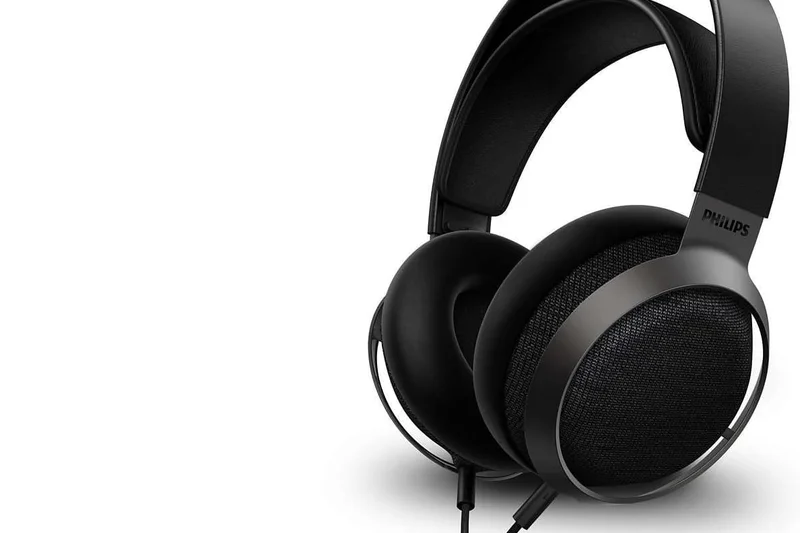
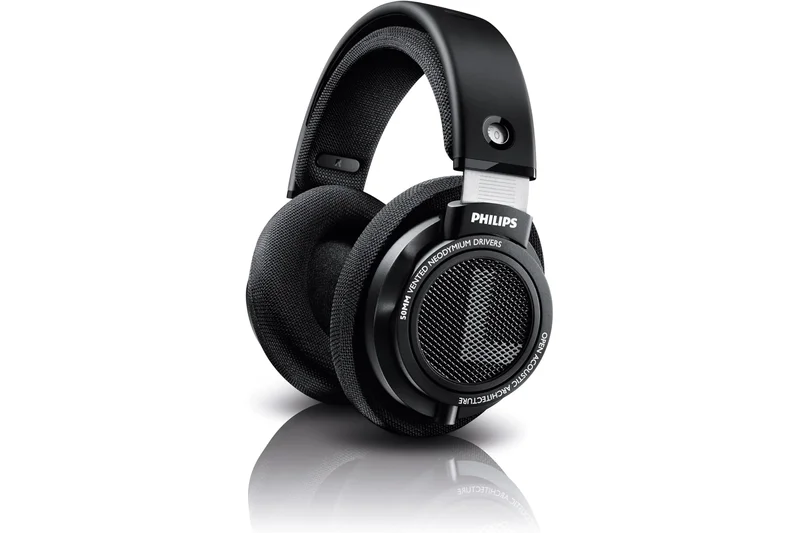

Why we picked it: The Philips Fidelio X3 takes a more mature, balanced approach compared to the bass-heavy X2HR. Wrapped in Scottish Muirhead leather and Kvadrat acoustic fabric, it looks distinctly premium. It offers an expansive soundstage and exceptional Driveability (9/10), though some find the treble slightly uneven.
Key Specs
- 50mm multi-layer drivers
- Impedance: 30 Ohms
- Weight: 380g
What we like
- Beautiful premium materials
- Wide soundstage
- Easy to drive
What we don't like
- Treble tuning can be inconsistent
- Lacks the fun bass punch of the X2HR
Best for: Listeners who want a stylish, easy-to-drive headphone with an airy presentation.
Considering X3 vs X2HR? The X3 is more balanced and refined in build, while the X2HR is punchier and more fun for gaming.
A beautifully crafted, wide-sounding headphone that excels in acoustic and vocal genres.
Check price at Amazon#16 Expanse
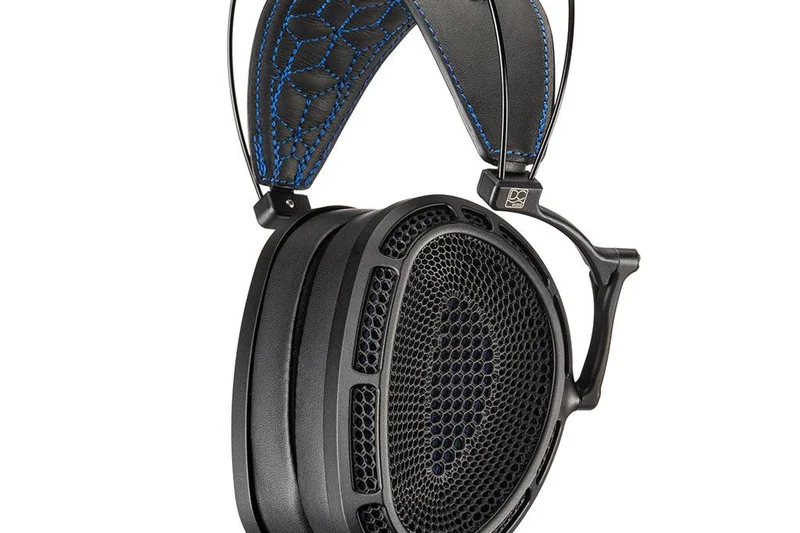
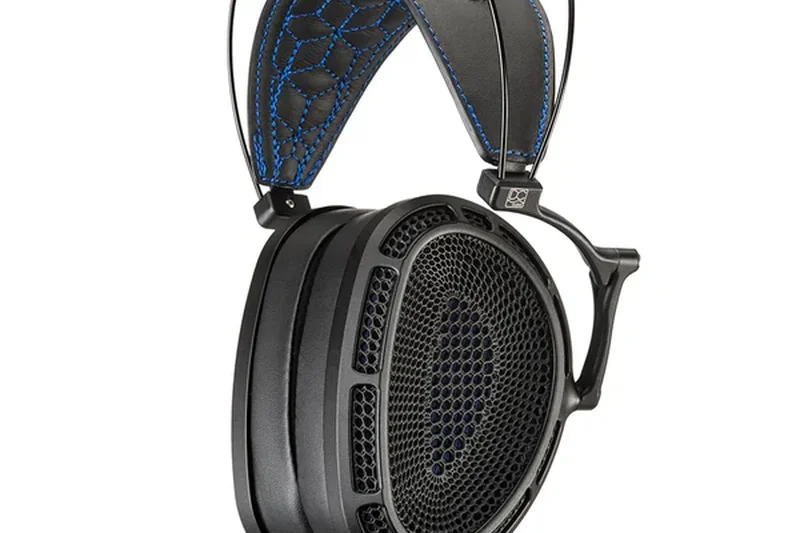
Why we picked it: Dan Clark Audio's Expanse is a masterclass in planar tuning, using AMTS (Acoustic Metamaterial Tuning System) to completely smooth out treble peaks. It scores a 10/10 in Build, featuring a brilliant folding titanium headband. It is notoriously hard to drive (Driveability 4/10) but rewards with incredibly smooth, detailed sound.
Key Specs
- 4th-gen Planar Magnetic
- AMTS tuning
- Weight: 418g
What we like
- Incredibly smooth, peak-free treble
- Folds compactly for travel
- Exceptional build and comfort
What we don't like
- Requires a massive amplifier
- Very expensive
Best for: Flagship buyers wanting an ultra-smooth, portable, high-end planar experience.
Considering Expanse vs Empyrean II? Expanse folds for travel and has smoother treble, but Empyrean is much easier to drive and slightly more comfortable.
The Expanse offers revolutionary acoustic tuning and a brilliant folding design for the traveling audiophile.
Buy at Dan Clark Audio official site#17 Ananda Stealth Magnet Version
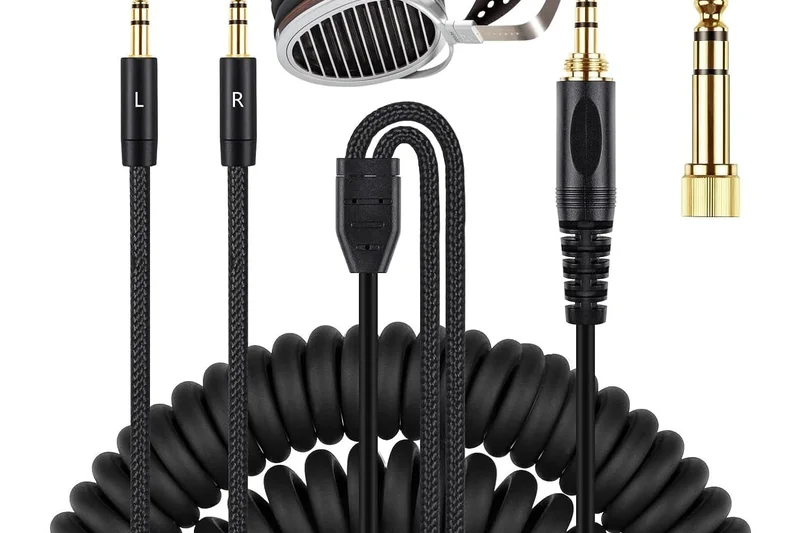
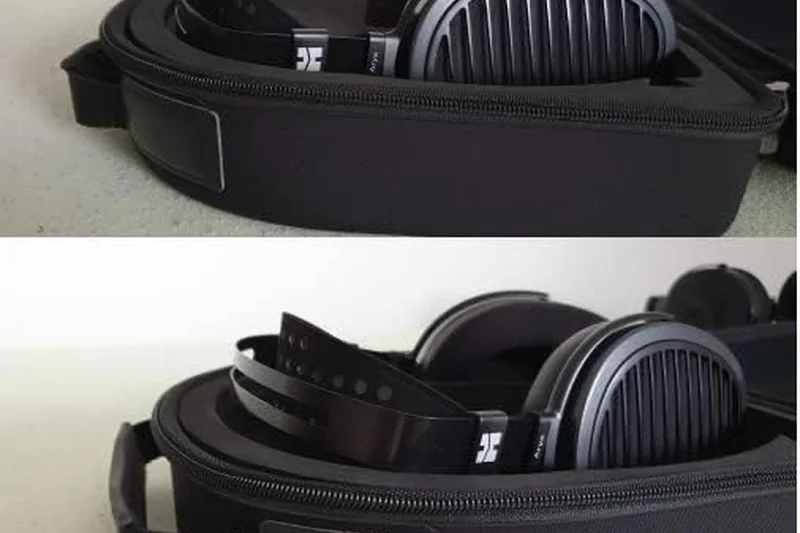
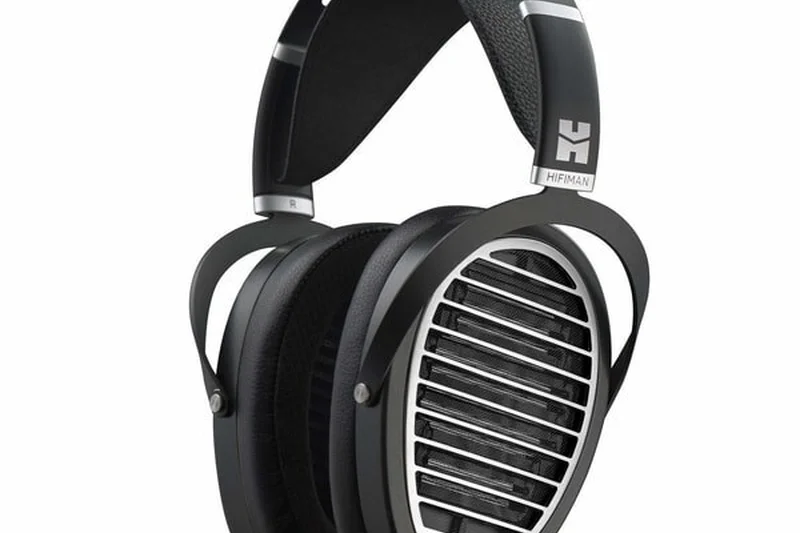
Why we picked it: The Ananda Stealth is a tremendous value planar, offering 90% of the Arya's performance for less than half the price. With an impedance of 16 Ohms, it is highly sensitive (Driveability 8/10) and sounds great off portable gear. It boasts a huge, open soundstage (9/10).
Key Specs
- Planar Magnetic with Stealth Magnets
- Impedance: 16 Ohms
- Weight: 398g
What we like
- Massive planar soundstage
- Very easy to drive
- Outstanding price-to-performance
What we don't like
- Headband lacks swivel articulation
- Build feels utilitarian
Best for: Audiophiles who want massive planar staging without buying an expensive amp.
Considering Ananda vs Sundara? Ananda offers a noticeably larger, taller soundstage and better sub-bass extension.
A highly efficient, large-sounding planar magnetic headphone that represents incredible value.
Buy at HiFiMan official site#18 LCD-X
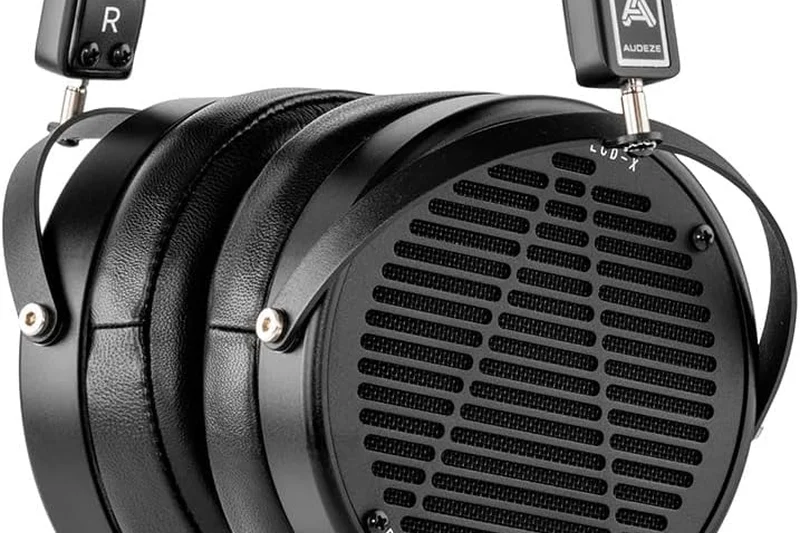
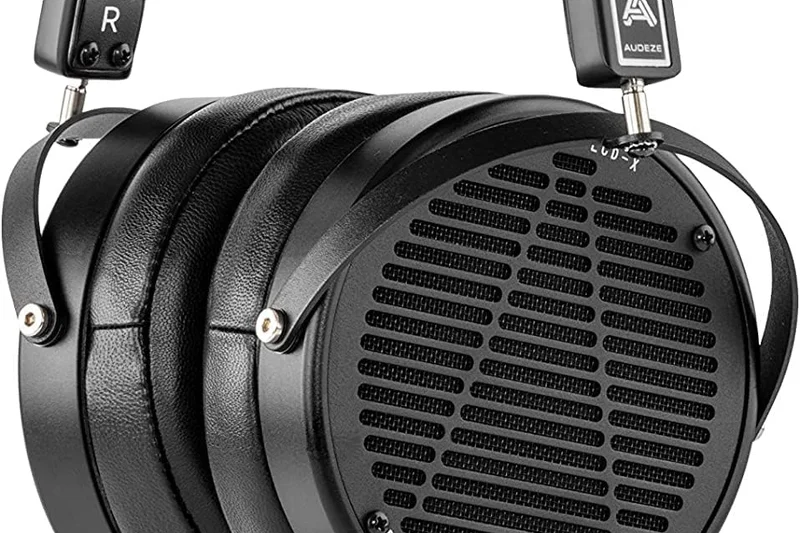
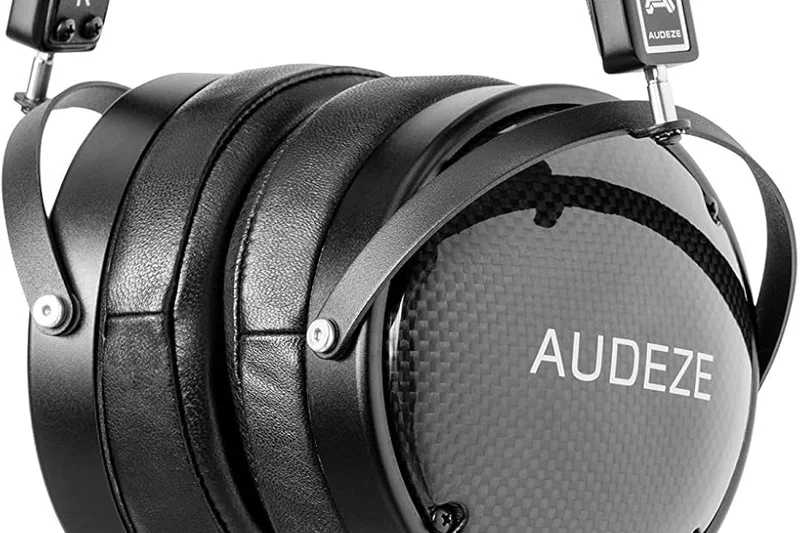
Why we picked it: The Audeze LCD-X is a studio staple known for its reference-level bass texture and extreme efficiency (20 Ohms). It scores a 9/10 in Driveability, allowing producers to plug it straight into mixing consoles. However, it is very heavy (612g), limiting its Comfort score (4/10).
Key Specs
- 106mm Planar Magnetic
- Impedance: 20 Ohms
- Weight: 612g
What we like
- Class-leading bass texture and slam
- Highly efficient; no amp needed
- Built like a tank
What we don't like
- Extremely heavy (612g)
- Requires EQ to fix upper-midrange dip
Best for: Audio engineers and bass lovers who don't mind a heavy headphone.
Considering LCD-X vs Arya Stealth? LCD-X has superior bass impact and efficiency, while Arya is much lighter with a wider soundstage.
The LCD-X is a heavy-duty studio tank delivering flawless bass and extreme efficiency.
Buy at Audeze official site#19 HD 560S
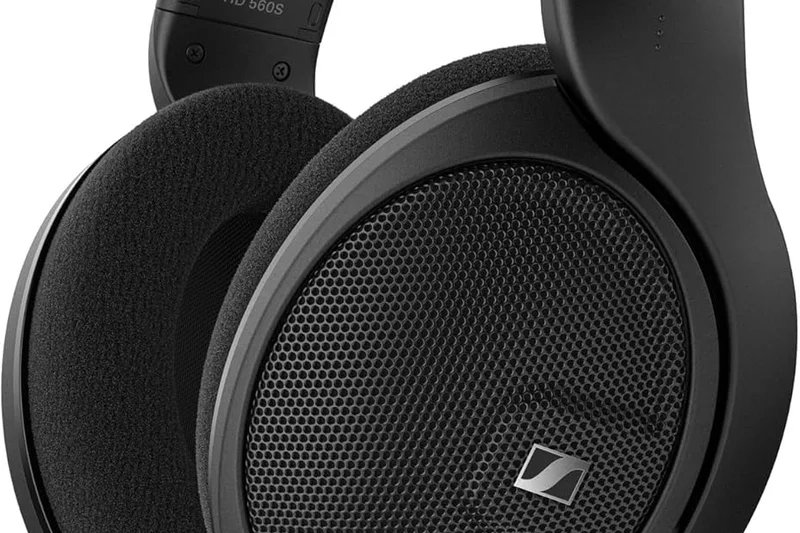
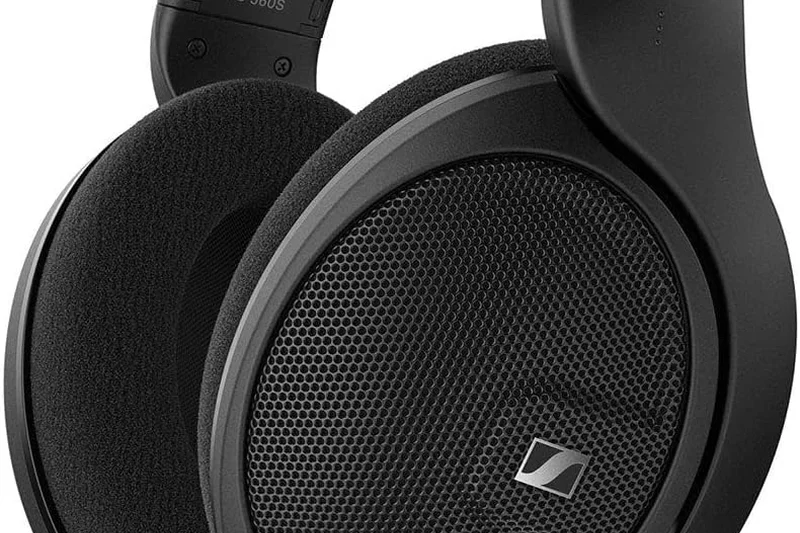
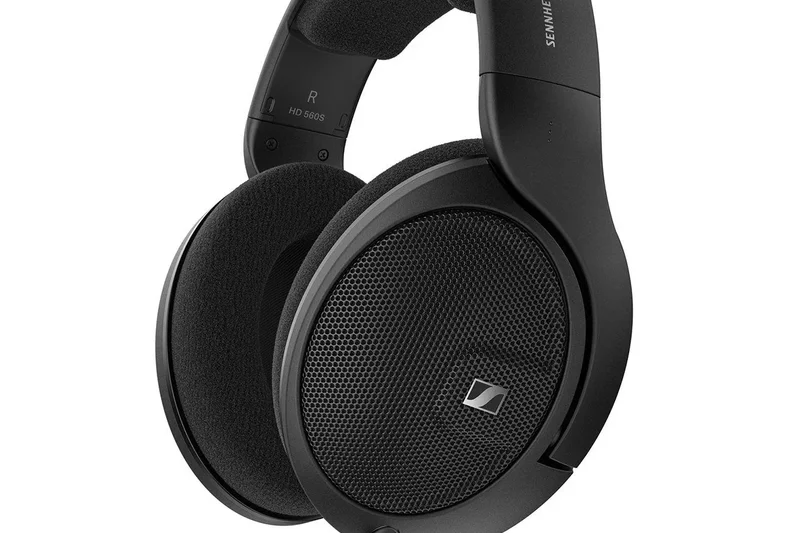
Why we picked it: The Sennheiser HD 560S is an analytical powerhouse on a budget. At $229, it offers a remarkably flat, neutral frequency response ideal for mixing. The angled drivers create a very precise, albeit not massive, soundstage. It is exceptionally lightweight and comfortable.
Key Specs
- Angled dynamic driver
- Impedance: 120 Ohms
- Weight: 240g
What we like
- Highly accurate, reference tuning
- Very lightweight
- Excellent value for studio work
What we don't like
- Can sound a bit sterile or clinical
- Build is entirely plastic
Best for: Budget-conscious producers and listeners who demand strict neutrality.
Considering HD 560S vs HD 600? 560S extends lower in the sub-bass and has a wider stage, while HD 600 has a more natural, magical vocal timbre.
A clinical, highly accurate budget open-back perfect for analytical listening and mixing.
Buy at Sennheiser official site#20 DT 1990 Pro
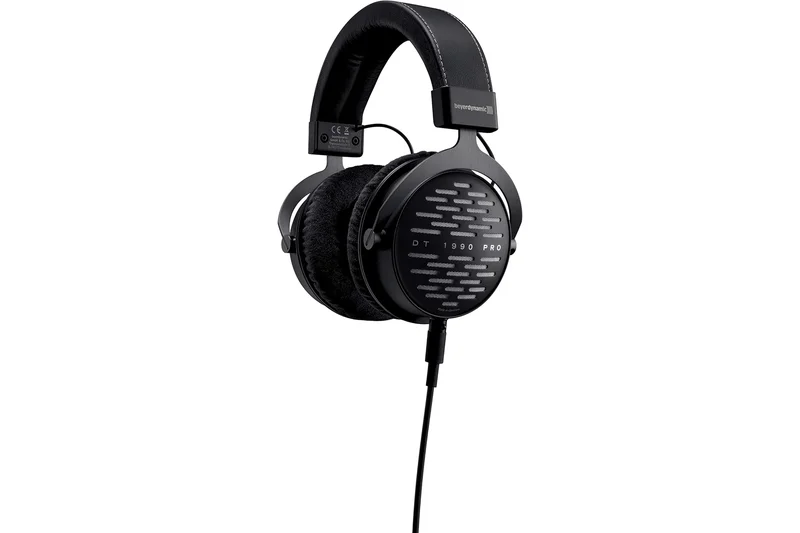
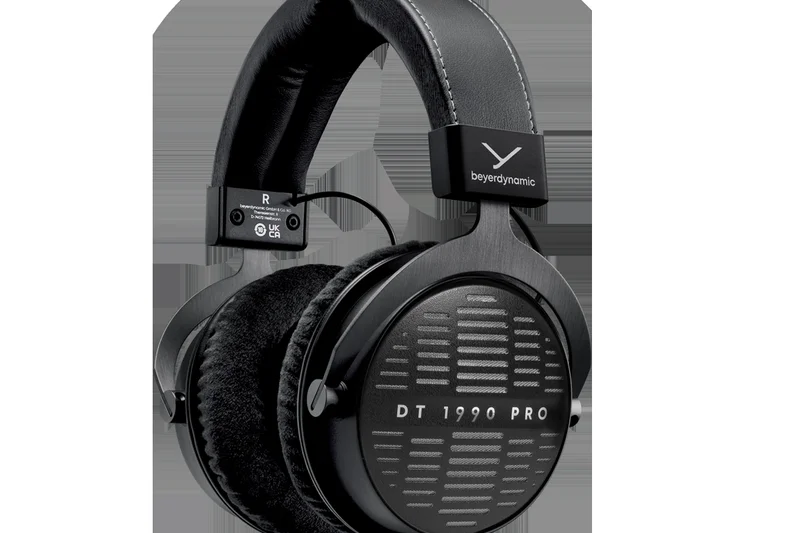
Why we picked it: Beyerdynamic's DT 1990 Pro is a rugged, German-made studio monitor. It features intense detail retrieval and a V-shaped signature that highlights mastering errors. It comes with two sets of pads to alter the sound, scoring 9/10 for Build Quality and Reliability.
Key Specs
- 45mm Tesla dynamic drivers
- Impedance: 250 Ohms
- Weight: 370g
What we like
- Indestructible build quality
- Intense detail retrieval
- Includes two distinct pad sets
What we don't like
- Treble peak can be piercing
- Heavy clamping force
Best for: Professional mix engineers who need a robust tool to hunt down audio flaws.
Considering DT 1990 Pro vs HD 600? The 1990 Pro is vastly more detailed and bass-capable, but the HD 600 is much smoother and less fatiguing.
A built-to-last analytical microscope that exposes every detail in a mix.
Buy at Beyerdynamic official site#21 MM-100
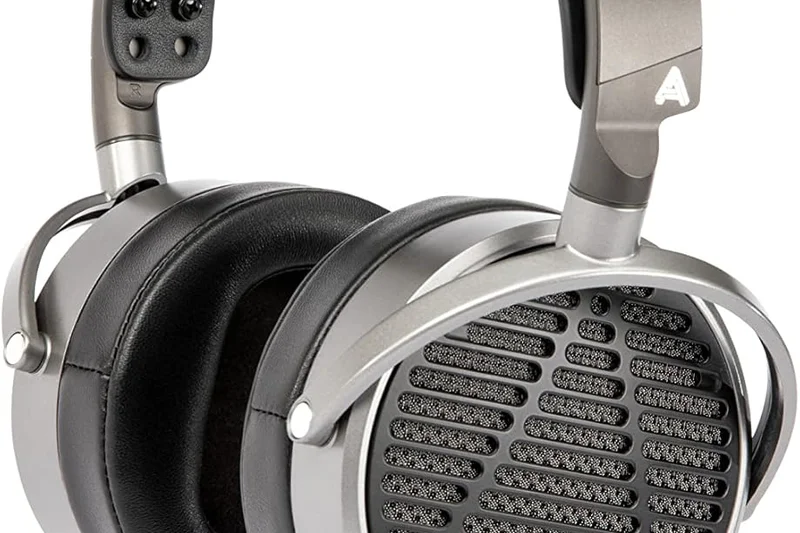
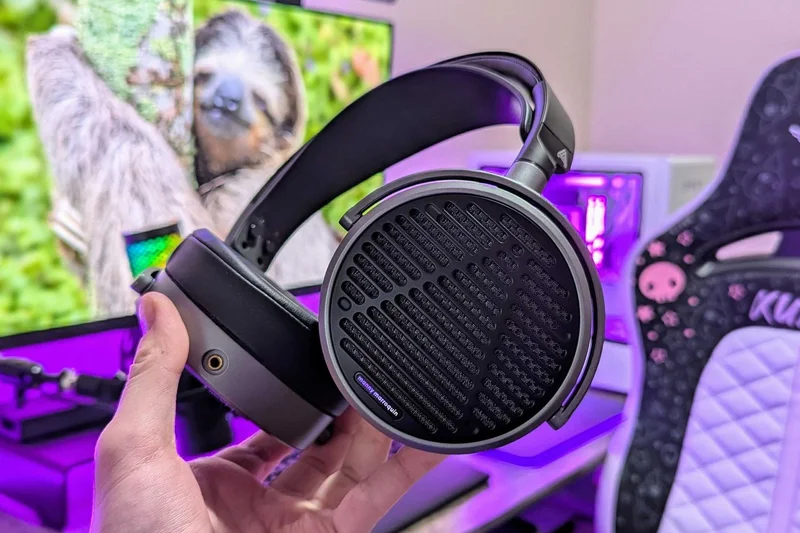
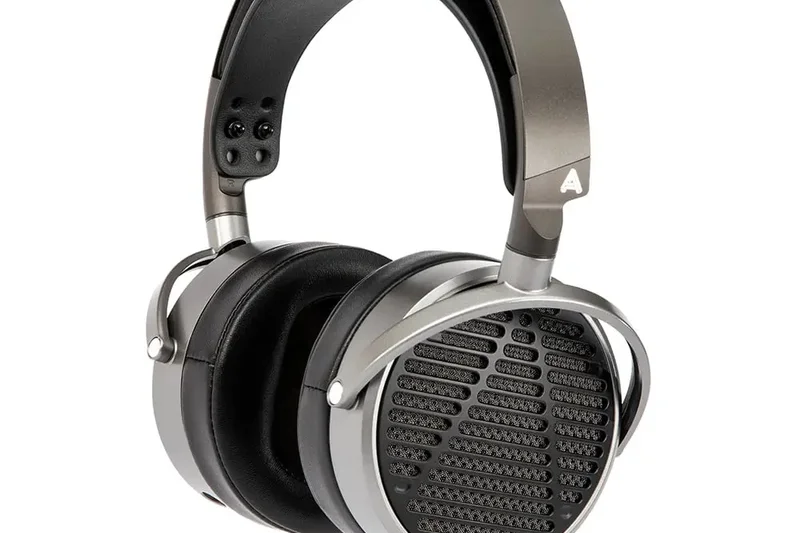
Why we picked it: Audeze's MM-100 democratizes the Manny Marroquin mixing series. It features a magnesium chassis, 18-ohm impedance for easy Driveability (9/10), and a neutral tuning tailored for studio work. It offers planar speed in a durable, reliable package.
Key Specs
- 90mm Planar Magnetic
- Impedance: 18 Ohms
- Weight: 475g
What we like
- Excellent neutral studio tuning
- Robust magnesium build
- Very easy to drive
What we don't like
- Soundstage is quite narrow
- Still slightly heavy
Best for: Producers looking for affordable, reliable planar precision for mixing.
Considering MM-100 vs Sundara? MM-100 is built better and easier to drive, while Sundara offers a more expansive, airy stage.
A rugged, highly efficient planar designed strictly for accurate studio production.
Buy at Audeze official site#22 K712 PRO
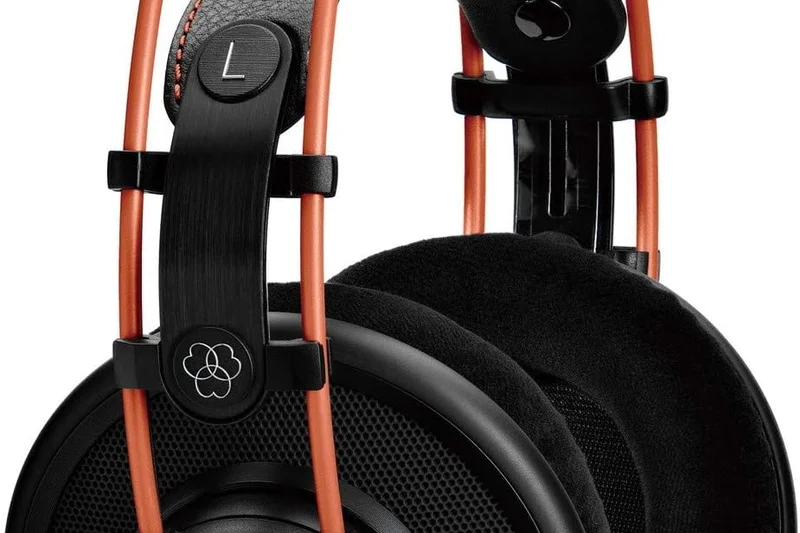
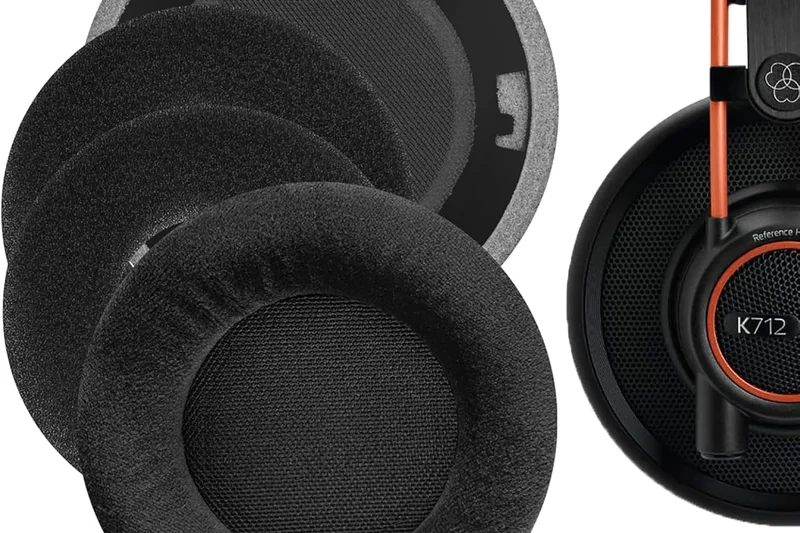
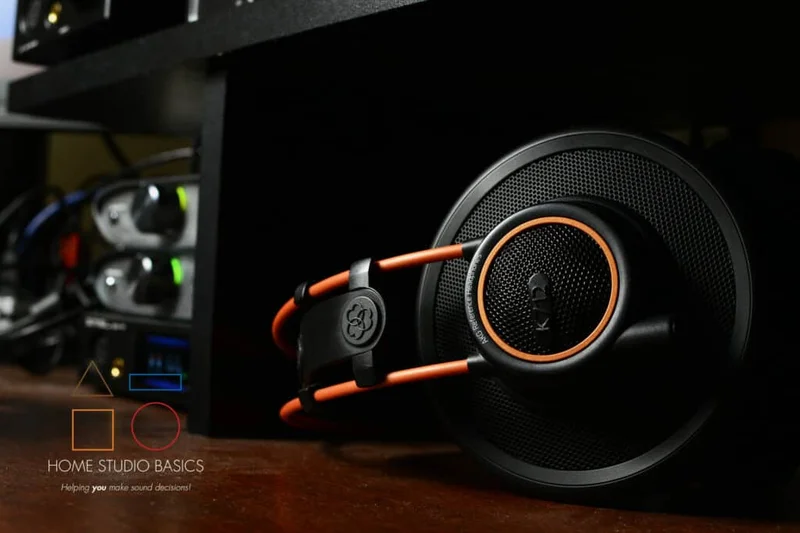
Why we picked it: The AKG K712 PRO is beloved for its massive, analytical soundstage (9/10). Utilizing a flat wire voice coil, it offers excellent impulse response and spatial separation. It is incredibly lightweight and features a self-adjusting leather headband.
Key Specs
- Dynamic reference driver
- Impedance: 62 Ohms
- Weight: 235g
What we like
- Massive, pinpoint soundstage
- Very lightweight and comfortable
- Excellent midrange clarity
What we don't like
- Bass lacks physical slam
- Elastic headband mechanism can wear out
Best for: Competitive gamers and classical music listeners who need extreme spatial width.
Considering K712 PRO vs DT 900 Pro X? The K712 is wider and more analytical, while the DT 900 has better bass punch and a more modern build.
A classic, feather-light studio monitor providing an immensely wide and analytical soundstage.
Buy at AKG official site#23 HD 599 SE
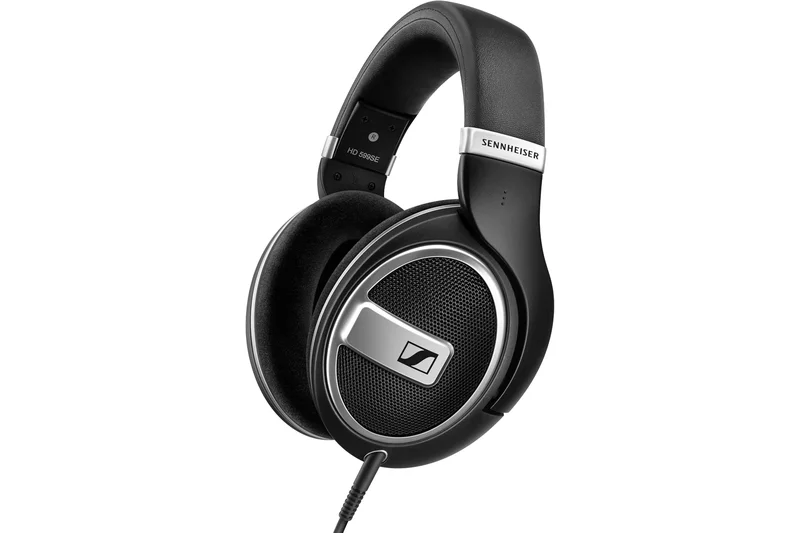
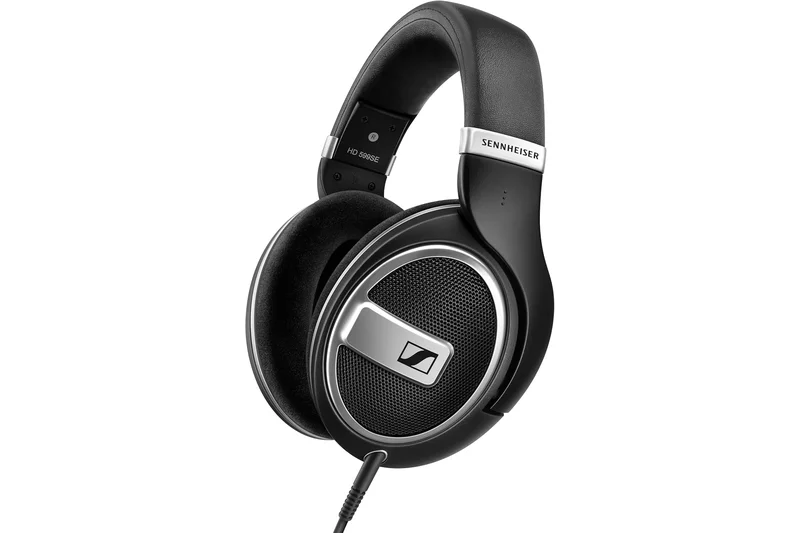
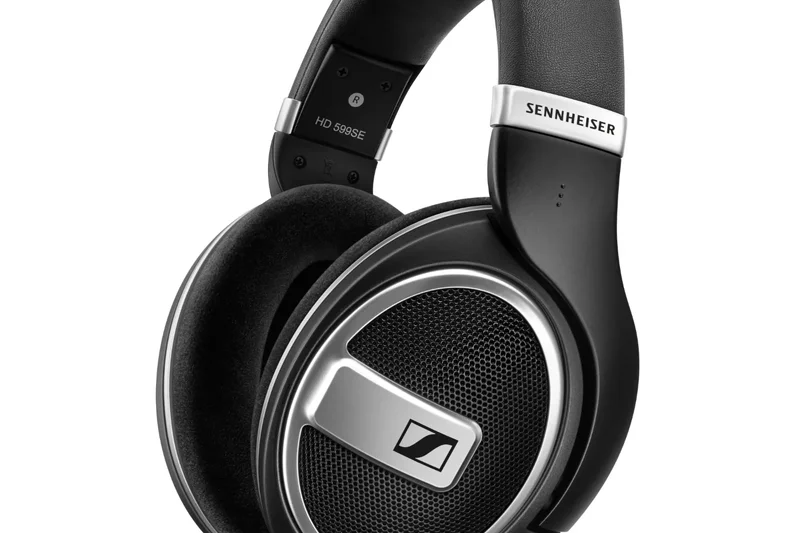
Why we picked it: The Sennheiser HD 599 SE is the ultimate comfort king of the entry-level bracket (Comfort 9/10). It offers a warm, laid-back, and smooth sound signature that is completely fatigue-free. It is easy to drive and perfect for relaxed, all-day listening.
Key Specs
- Dynamic transducer with E.A.R.
- Impedance: 50 Ohms
- Weight: 250g
What we like
- Incredibly comfortable plush pads
- Smooth, relaxed sound signature
- Easy to drive
What we don't like
- Lacks high-end detail and resolution
- Bass can sound slightly muddy
Best for: Casual listeners and remote workers seeking all-day comfort and non-fatiguing audio.
Considering HD 599 SE vs HD 560S? The 599 is warmer, bassier, and more relaxed, while the 560S is highly clinical and detailed.
The HD 599 SE is a plush, warm-sounding headphone designed for supreme all-day comfort.
Check price at Amazon#24 HD 600
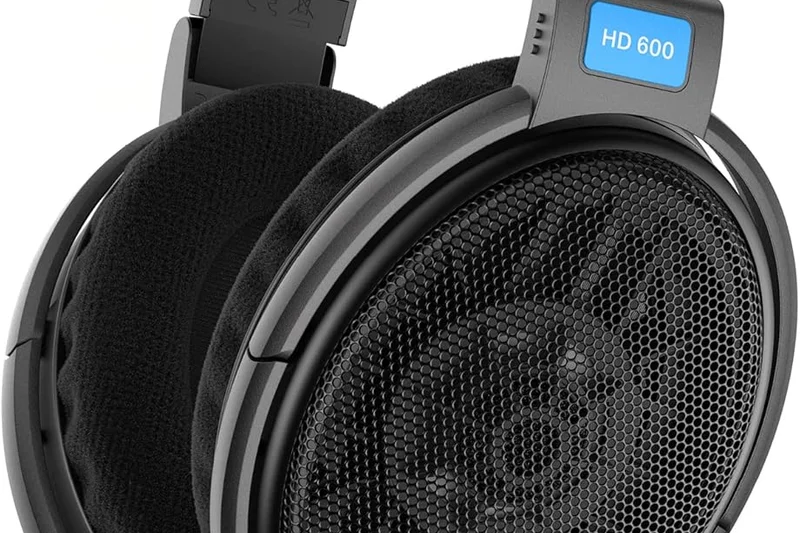
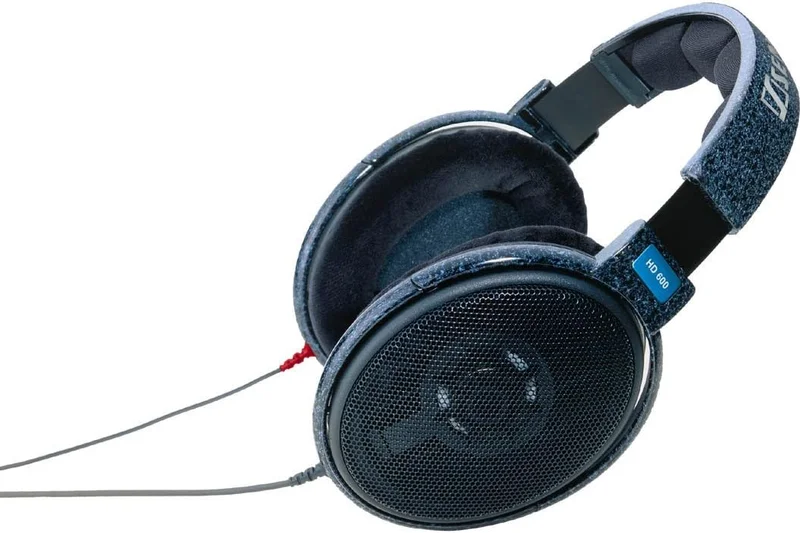
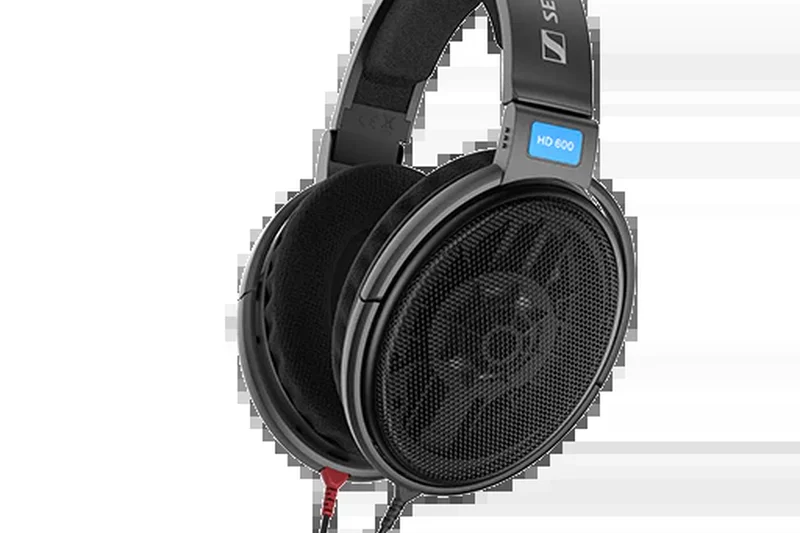
Why we picked it: The Sennheiser HD 600 is an undisputed legend. Scoring 10/10 in Reliability, it has been a studio benchmark since 1997 due to its incredibly natural, perfectly scaled midrange and vocal reproduction. Every part is easily replaceable. It requires good amplification (300 Ohms) to shine.
Key Specs
- Dynamic transducer
- Impedance: 300 Ohms
- Weight: 260g
What we like
- The most natural vocal timbre available
- Every single part is replaceable
- Scales beautifully with high-end tube amps
What we don't like
- Sub-bass rolls off significantly
- Very intimate, narrow soundstage (5/10)
Best for: Vocal lovers and purists who want the ultimate reference for midrange naturalness.
Considering HD 600 vs HD 650? The HD 600 is slightly more neutral and energetic in the upper mids, while the 650 is warmer, darker, and more relaxed.
An immortal classic that remains the gold standard for natural midrange and vocal reproduction.
Buy at Sennheiser official site#25 ATH-R70x
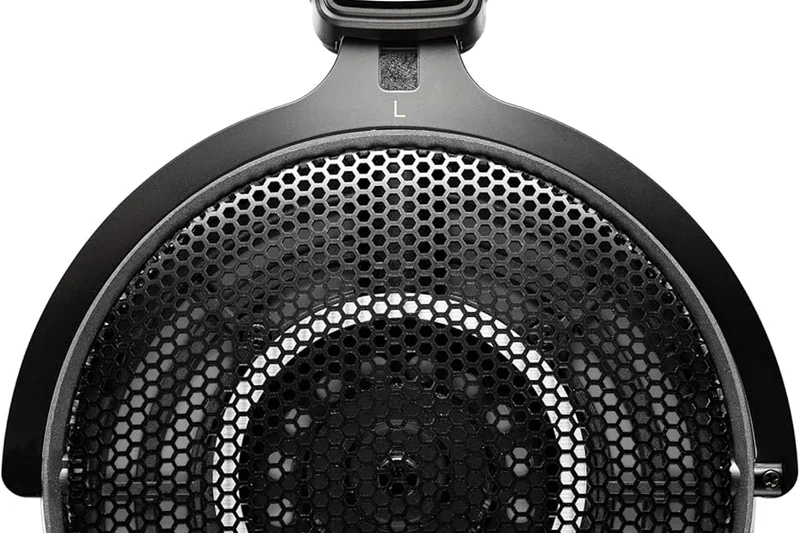
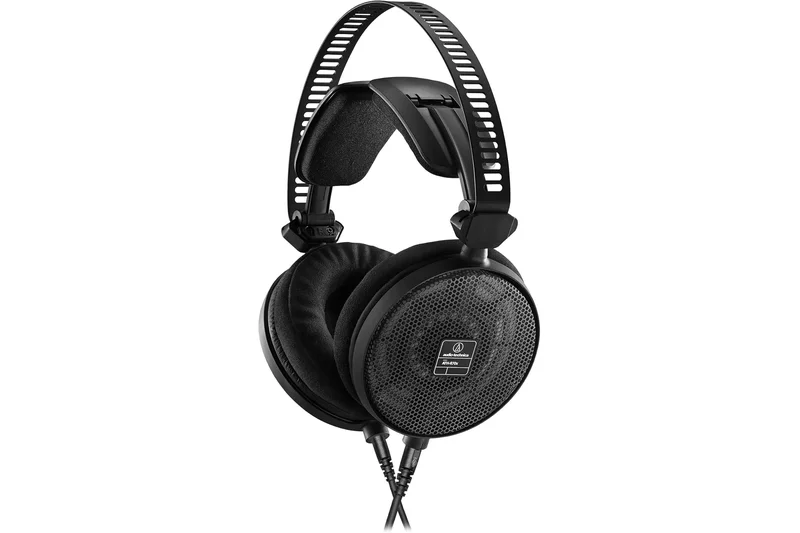
Why we picked it: Audio-Technica's ATH-R70x is an ultra-lightweight (210g) reference monitor. With a 470-ohm impedance, it is incredibly demanding on amplifiers (Driveability 3/10), but rewards listeners with a highly accurate, slightly warm, and very spacious soundstage. The 3D wing headband makes it feel weightless.
Key Specs
- 45mm Dynamic driver
- Impedance: 470 Ohms
- Weight: 210g
What we like
- Virtually weightless on the head
- Excellent, accurate spatial imaging
- Natural, slightly warm tuning
What we don't like
- 470 Ohms makes it very hard to drive
- 3D wing support doesn't fit small heads well
Best for: Studio professionals with powerful interfaces who want a headphone they can wear and forget.
Considering ATH-R70x vs HD 600? The R70x has much better sub-bass extension and a wider stage, though it is even harder to drive.
A feather-light, high-impedance studio reference headphone offering exceptional imaging and comfort.
Buy at Audio-Technica official site#26 MM-500
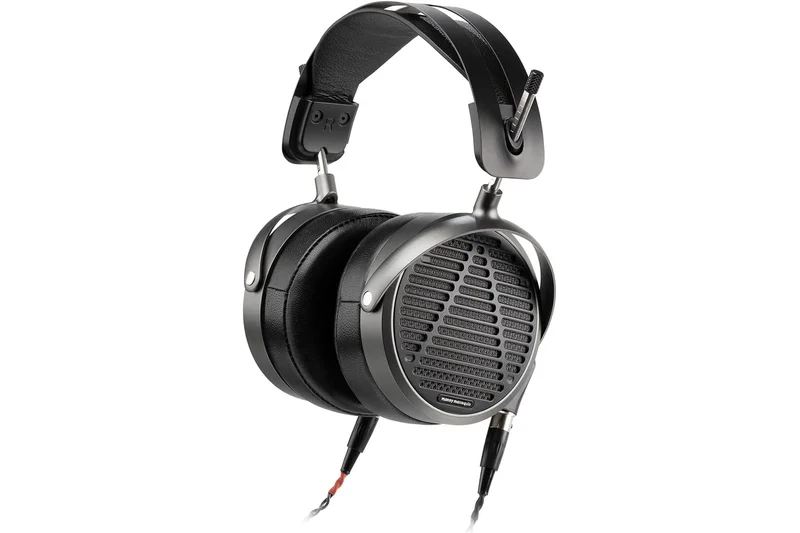
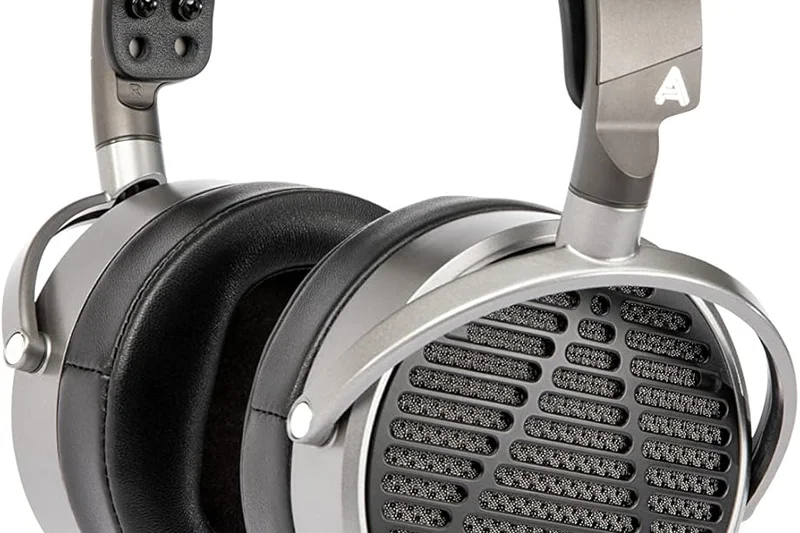
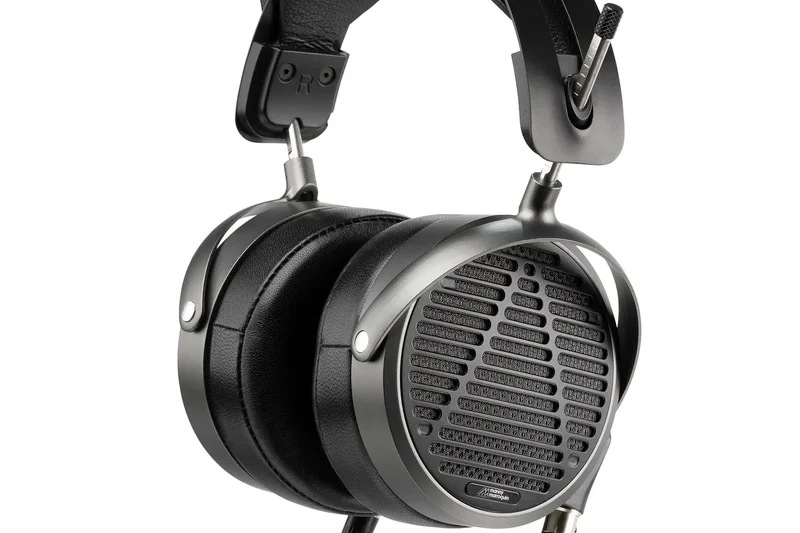
Why we picked it: The Audeze MM-500 is a premium mixing headphone co-designed with Manny Marroquin. It features an incredibly fast, detailed, and mid-forward presentation that pushes vocals and instruments right to the front. Built entirely of metal, it is highly durable and easy to drive at 18 Ohms.
Key Specs
- 90mm Planar Magnetic
- Impedance: 18 Ohms
- Weight: 495g
What we like
- Exceptional midrange clarity for mixing
- Very efficient planar design
- Rugged, premium build
What we don't like
- Heavy clamping force out of the box
- Soundstage is quite intimate
Best for: Professional mix engineers who need precise midrange translation and robust build.
Considering MM-500 vs LCD-X? The MM-500 is lighter and more mid-forward for vocals, while the LCD-X has deeper, harder-hitting bass.
A rugged, mid-forward planar monitor designed to guarantee perfectly translated studio mixes.
Buy at Audeze official site#27 SHP9500
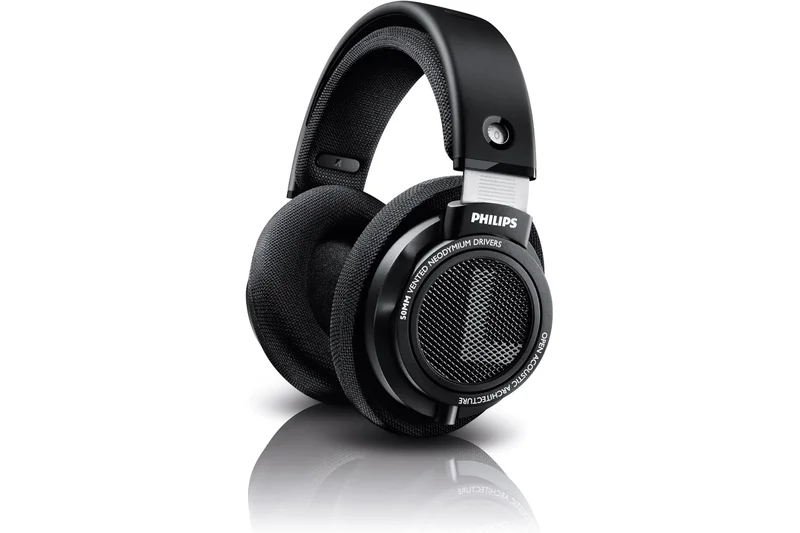
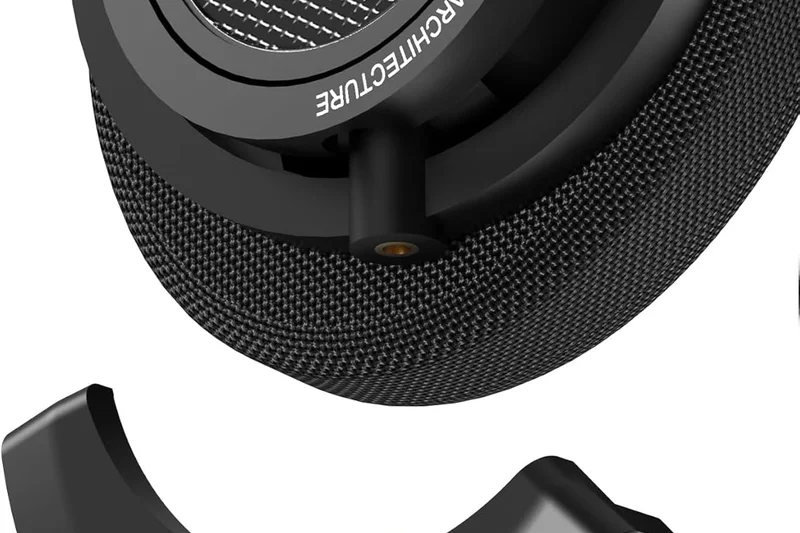
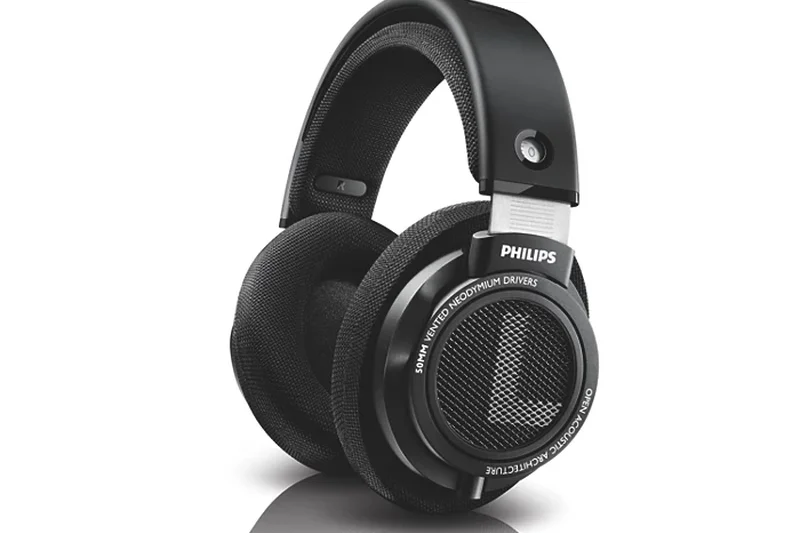
Why we picked it: The Philips SHP9500 is a budget legend. At just $74, it scores a 10/10 in Value and 9/10 in Driveability. It offers a bright, wide, and clear sound that is completely unrivaled at this price. It is extremely comfortable and features a standard 3.5mm jack for easy microphone pairing.
Key Specs
- 50mm neodymium drivers
- Impedance: 32 Ohms
- Weight: 320g
What we like
- Unbeatable value
- Wide soundstage for gaming
- Extremely comfortable, loose fit
What we don't like
- Bass is very weak
- Clamp may be too loose for small heads
Best for: Budget gamers who want a massive competitive advantage by adding a boom mic.
Considering SHP9500 vs SHP9600? The 9500 is brighter and more analytical, while the 9600 adds some much-needed bass warmth.
The definitive entry-level open-back headphone, offering unparalleled clarity and gaming utility for the price.
Check price at Amazon#28 Amiron Home
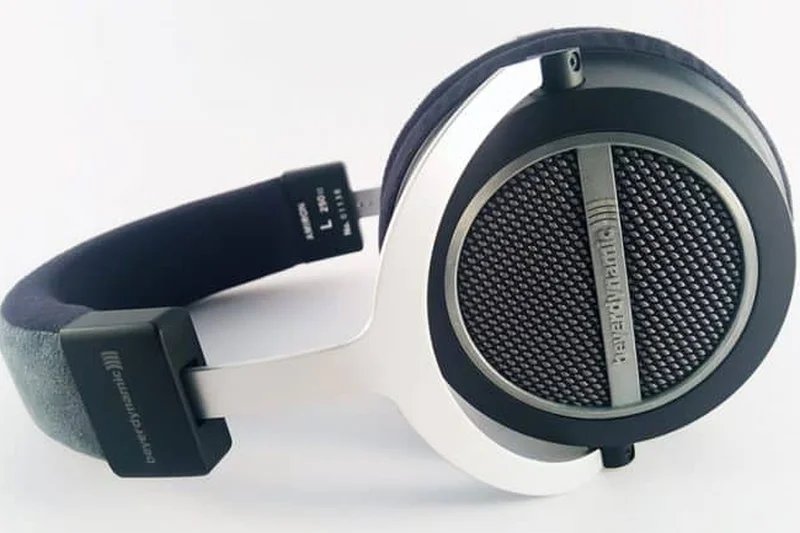
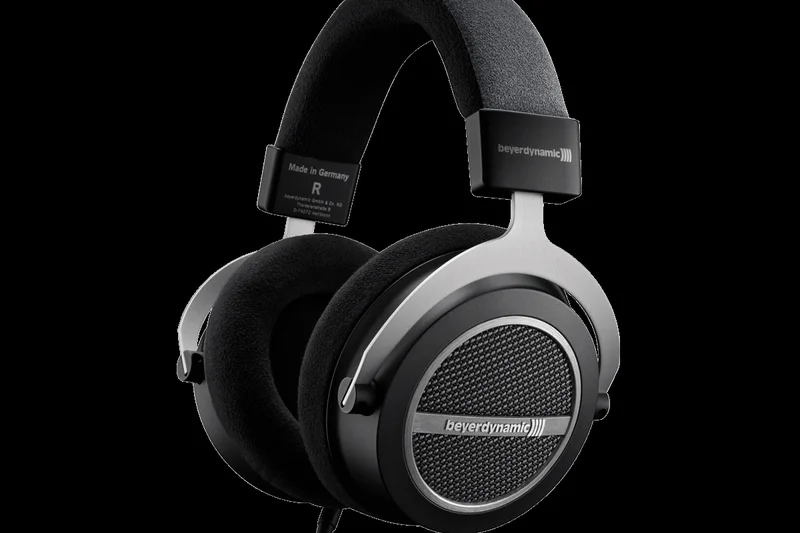

Why we picked it: The Beyerdynamic Amiron Home is optimized for pure, fatigue-free audiophile listening. Utilizing Tesla drivers, it offers a warm, lush, and incredibly smooth treble response, paired with Alcantara pads that make it feel like a pillow. It requires a decent amp at 250 Ohms.
Key Specs
- Tesla dynamic drivers
- Impedance: 250 Ohms
- Weight: 340g
What we like
- Sublimely comfortable
- Smooth, warm, non-fatiguing sound
- Excellent German build
What we don't like
- Lacks the aggressive detail of the DT 1990
- Requires amplification
Best for: Audiophiles looking for a highly comfortable, warm, and relaxing home listening experience.
Considering Amiron Home vs DT 1990 Pro? The Amiron is tuned for relaxing musical enjoyment, while the 1990 is a sharp, aggressive studio tool.
A beautifully crafted, warm-sounding headphone designed for relaxing, late-night music sessions.
Buy at Beyerdynamic official site#29 Edition XS
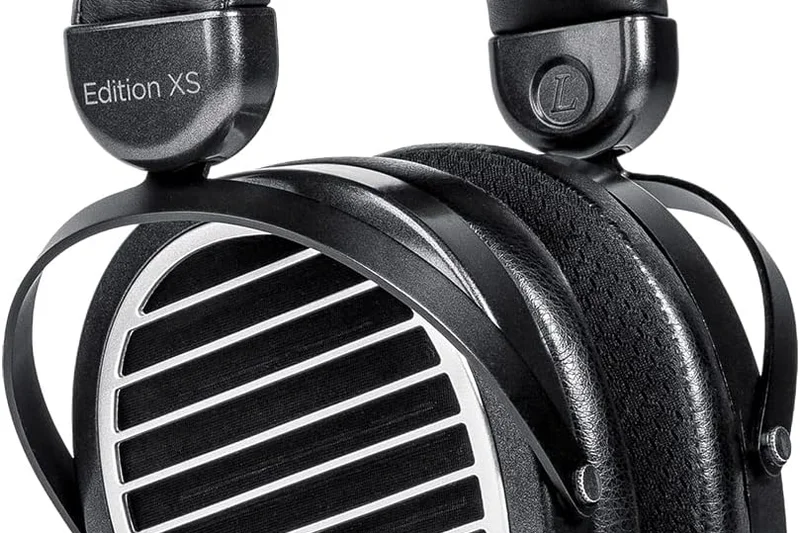
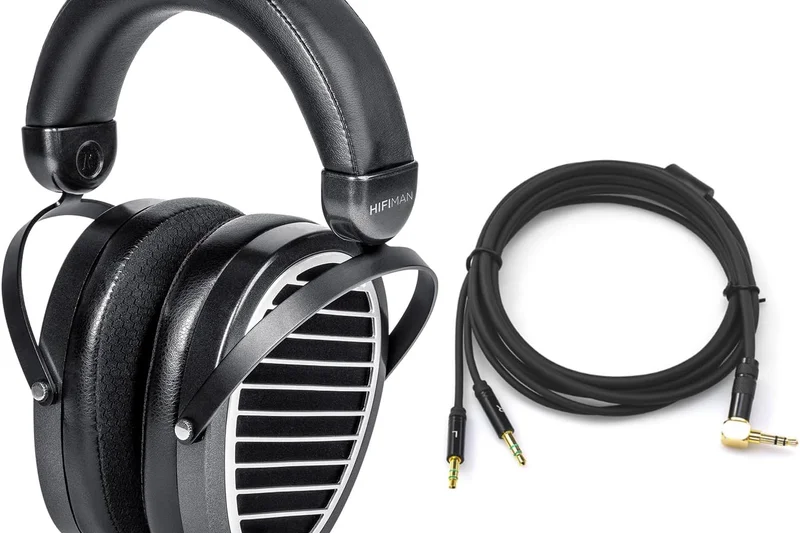
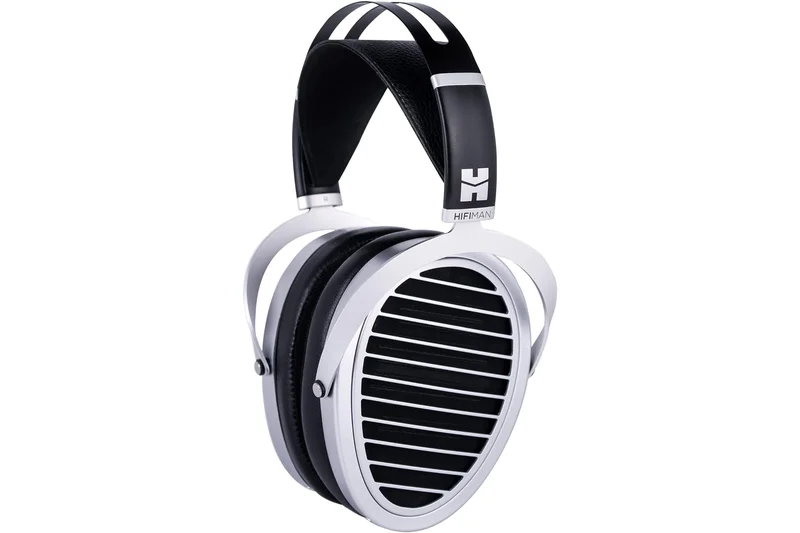
Why we picked it: The HiFiMan Edition XS brings the massive teardrop planar cups of the Arya down to a budget-friendly $379. It features stealth magnets and delivers a phenomenal, wide soundstage with deep planar bass. However, the generic headband design limits its Comfort score (6/10).
Key Specs
- Planar Magnetic with Stealth Magnets
- Impedance: 18 Ohms
- Weight: 405g
What we like
- Incredible sub-bass extension
- Massive, immersive soundstage
- Flagship sound at a mid-range price
What we don't like
- Headband has a hot-spot and fits loosely
- Build quality is very basic
Best for: Value-focused audiophiles who prioritize acoustic performance over premium build.
Considering Edition XS vs Sundara? The XS offers vastly superior sub-bass and a wider stage, though the Sundara has a better, more secure headband.
The Edition XS offers a taste of flagship planar soundstage and bass at a highly disruptive price point.
Buy at HiFiMan official site#30 Susvara
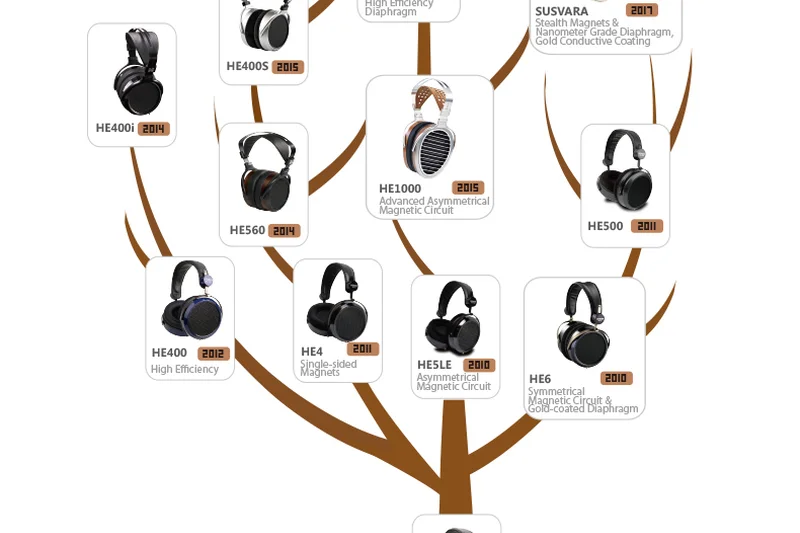
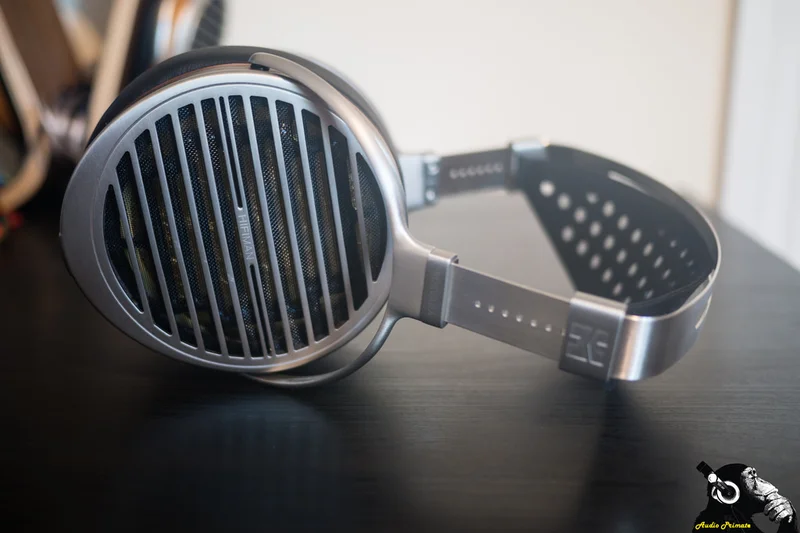
Why we picked it: HiFiMan's legendary Susvara offers what many consider the absolute pinnacle of audio perfection (Sound 10/10). Its gold-coated planar traces deliver transient speeds and a natural, ethereal presentation that is unmatched. However, it has an abysmal Driveability score (1/10) due to its 60-ohm, low-sensitivity design, requiring multi-thousand-dollar speaker amplifiers to run properly.
Key Specs
- Planar Magnetic with Nanometer Diaphragm
- Impedance: 60 Ohms (Extremely low sensitivity)
- Weight: 450g
What we like
- Arguably the most natural, resolving sound in the world
- Beautiful, ethereal soundstage
- Highly comfortable
What we don't like
- Astronomical price ($5999)
- Requires insanely powerful, expensive amplification
Best for: The absolute upper echelon of the audiophile community with limitless amplifier budgets.
Considering Susvara vs Utopia 2022? The Susvara is more ethereal, wide, and natural, while the Utopia is punchier, more dynamic, and much easier to drive.
The HiFiMan Susvara represents the holy grail of planar audio, provided you can afford the gear required to drive it.
Buy at HiFiMan official site#31 DT 990 Pro
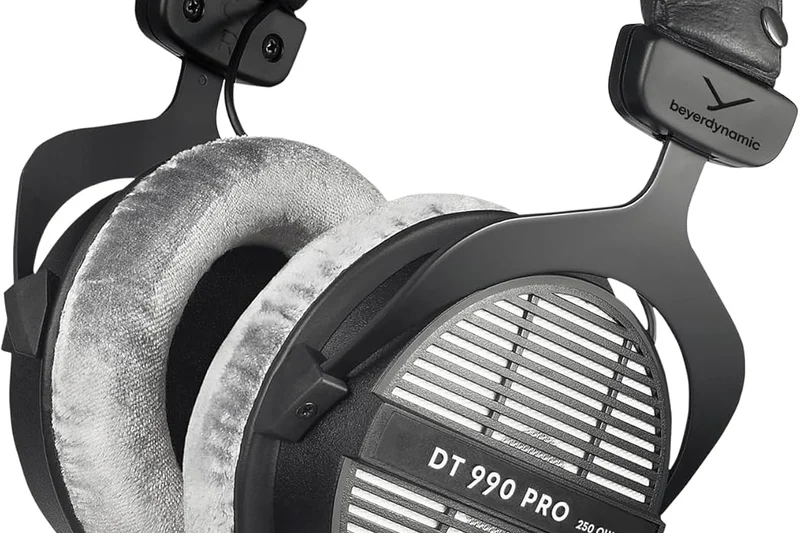
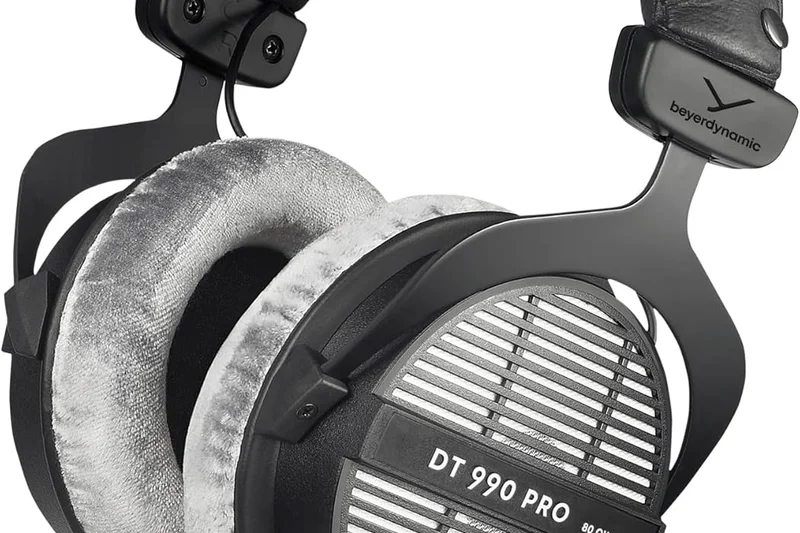
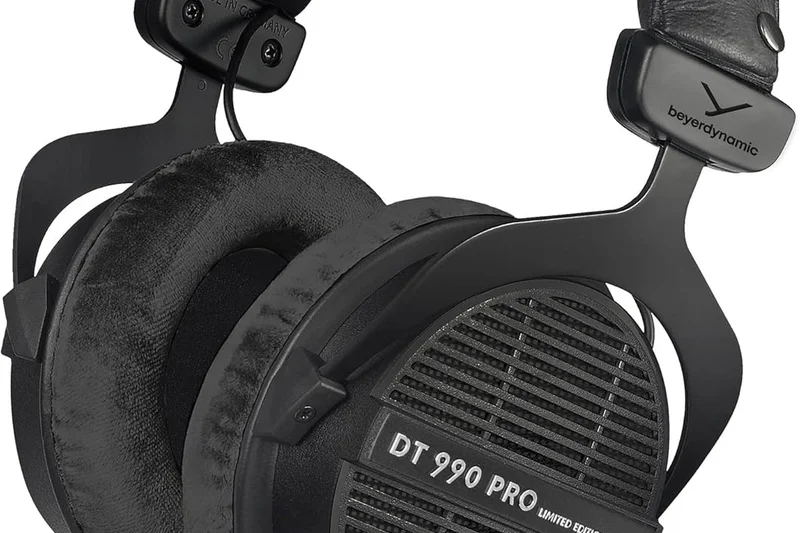
Why we picked it: The Beyerdynamic DT 990 Pro is a 20-year studio veteran. It features a highly aggressive V-shaped tuning with massive mid-bass punch and sparkling, analytical treble. It's built to survive being thrown around a studio and features extremely comfortable velour pads.
Key Specs
- Dynamic transducer
- Impedance: 250 Ohms
- Weight: 250g
What we like
- Very engaging V-shaped sound
- Indestructible studio build
- Excellent price-to-performance
What we don't like
- Treble can be harsh and sibilant
- Attached, non-removable cable
Best for: Budget producers and gamers who enjoy a bright, punchy, and highly detailed sound.
Considering DT 990 vs DT 900 Pro X? The 900 Pro X fixes the harsh treble and adds a removable cable, making it the better modern choice.
A classic, durable studio monitor known for its aggressive, detail-forward V-shaped sound.
Buy at Beyerdynamic official site#32 HD 650
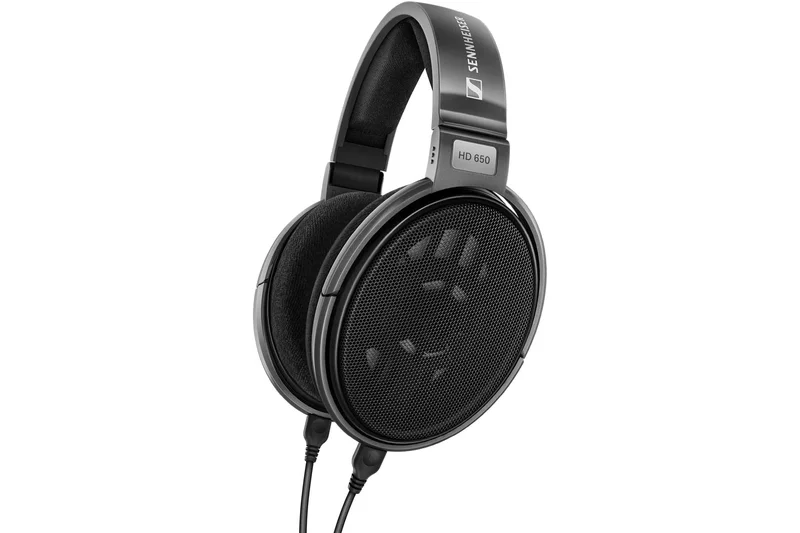
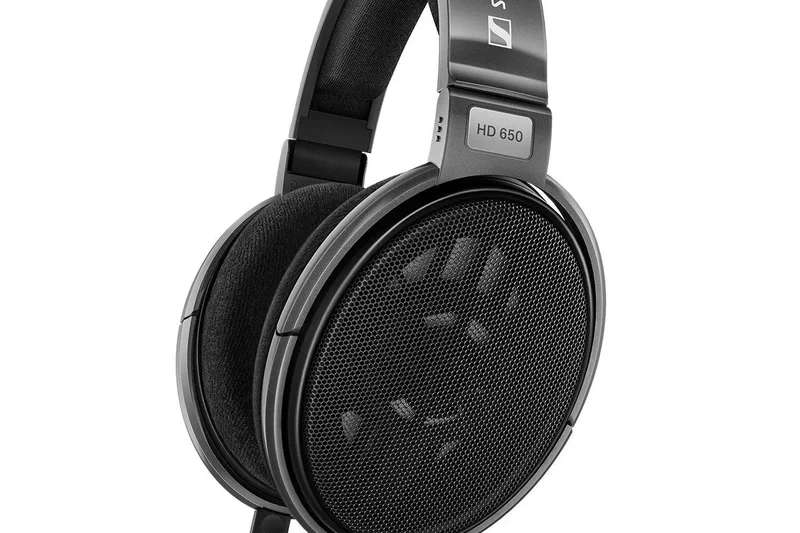

Why we picked it: The Sennheiser HD 650 is the warmer, darker sibling of the HD 600. It rolls off the treble slightly to provide a lush, highly romantic, and forgiving vocal presentation. Like the 600, it is 100% repairable and scales brilliantly with OTL tube amplifiers.
Key Specs
- Dynamic driver with acoustic silk
- Impedance: 300 Ohms
- Weight: 260g
What we like
- Lush, romantic, non-fatiguing sound
- Scales incredibly well with tube amps
- Legendary reliability
What we don't like
- Very intimate soundstage
- Sub-bass rolls off early
Best for: Audiophiles who prefer a warm, relaxing, and forgiving presentation over clinical accuracy.
Considering HD 650 vs HD 600? Choose the 650 for a smoother, warmer tone, and the 600 for strict midrange neutrality.
The HD 650 is a timeless audiophile classic that delivers a beautifully warm, forgiving, and organic listening experience.
Buy at Sennheiser official site#33 ATH-AD900X
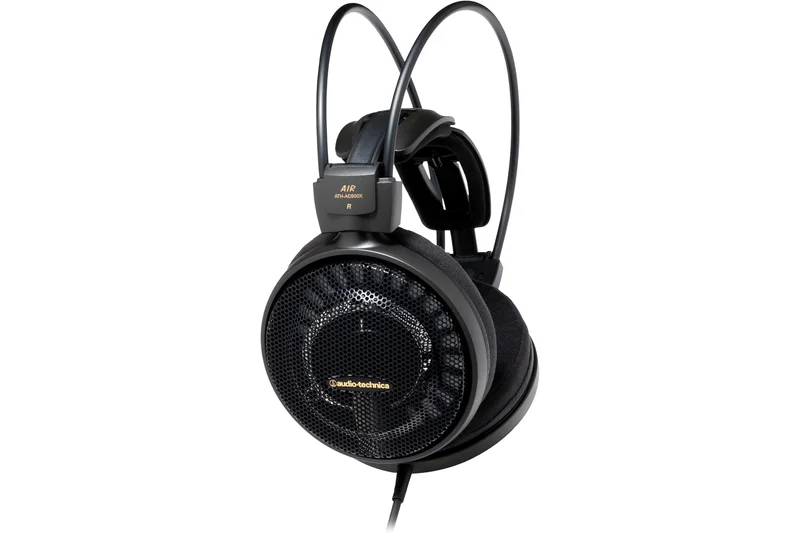
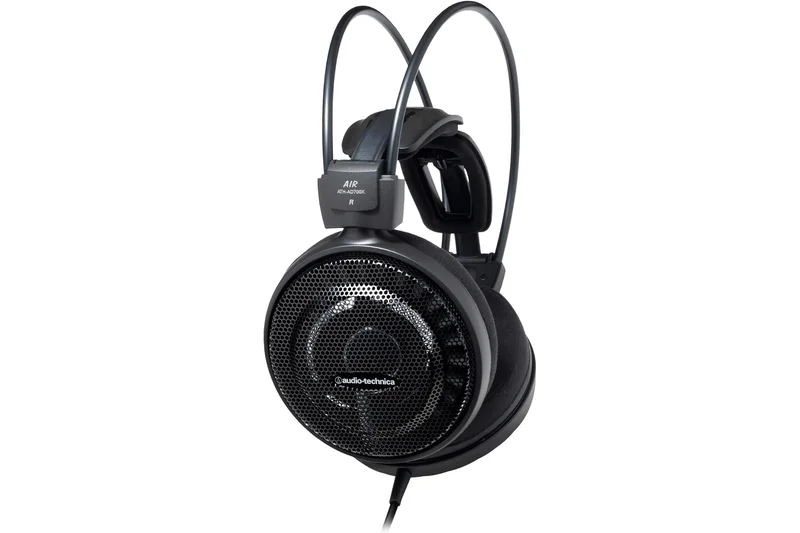
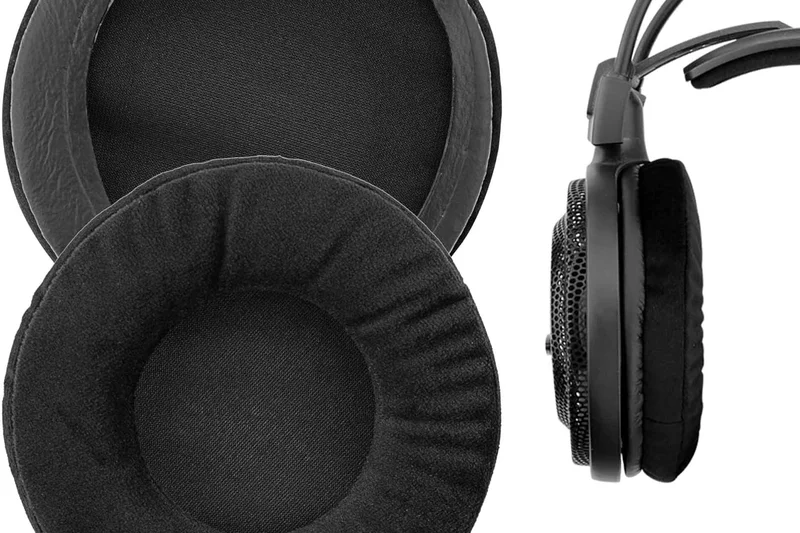
Why we picked it: The Audio-Technica ATH-AD900X is a cult favorite among competitive gamers. Its 53mm drivers emphasize upper-mids and treble, creating a massive, airy soundstage (8/10) that makes hearing footsteps incredibly easy. It runs perfectly without an amp.
Key Specs
- 53mm dynamic drivers
- Impedance: 38 Ohms
- Weight: 265g
What we like
- Vast, airy soundstage for gaming
- Very easy to drive
- Lightweight 3D wing design
What we don't like
- Noticeable lack of bass impact
- Attached cable is prone to tangling
Best for: Competitive gamers looking for a highly efficient, wide-sounding headphone.
Considering AD900X vs SHP9500? The AD900X has a slightly wider, more ethereal stage, but the SHP9500 has a detachable cable for easy mic pairing.
An airy, highly efficient open-back that excels at spatial imaging for competitive gaming.
Buy at Audio-Technica official site#34 SRH1840
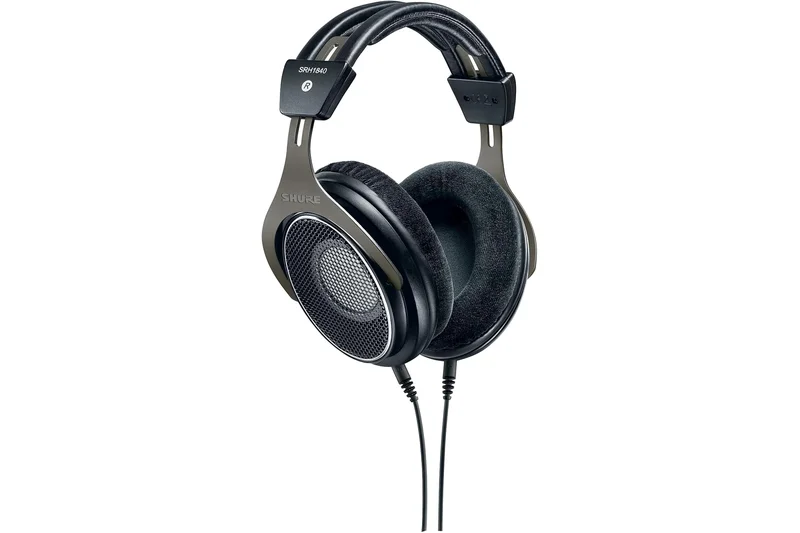
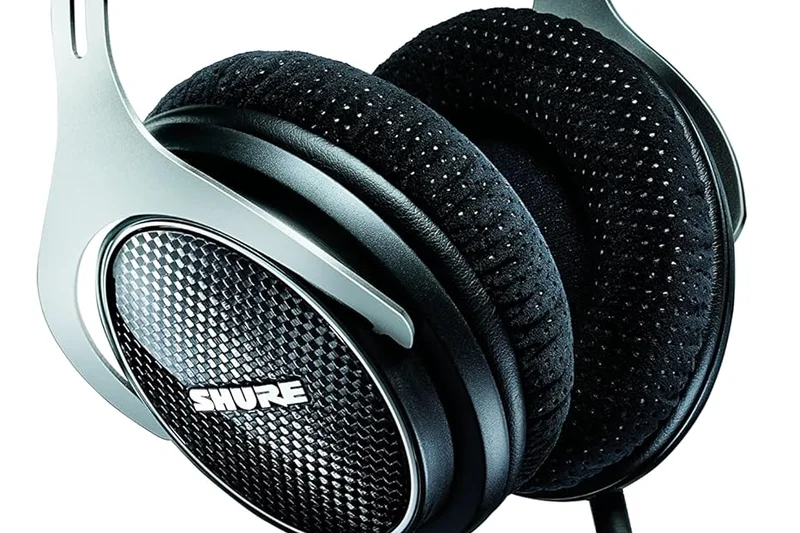
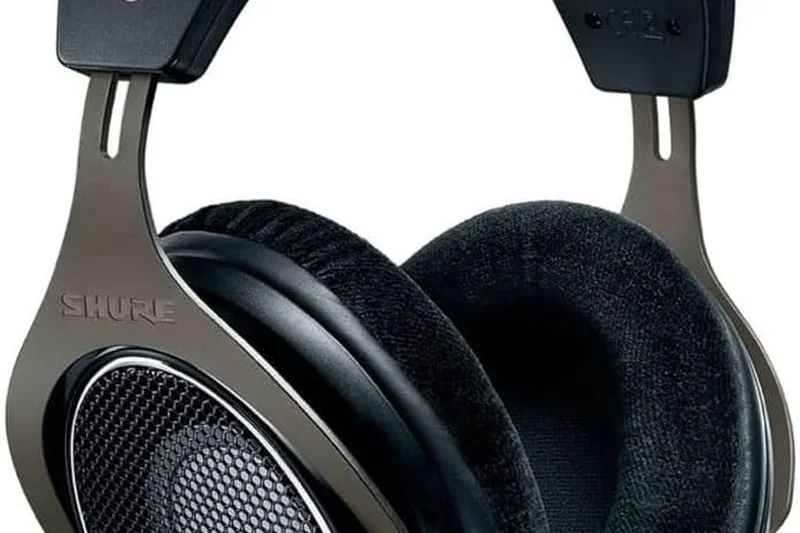
Why we picked it: Shure’s SRH1840 offers a highly linear, neutral response tailored for critical mastering. Built with an aircraft-grade aluminum yoke, it is both lightweight and sturdy. It provides a very smooth, accurate midrange without the harsh treble peaks found in some rival studio monitors.
Key Specs
- 40mm Neodymium dynamic drivers
- Impedance: 65 Ohms
- Weight: 268g
What we like
- Very smooth, neutral mastering tone
- Premium aluminum build
- Lightweight and comfortable
What we don't like
- Lacks sub-bass extension
- Soundstage is relatively narrow
Best for: Professional audio engineers looking for a smooth, reliable reference monitor for mastering.
Considering SRH1840 vs HD 600? Both excel in midrange, but the Shure features a more premium metal build and lower impedance.
A premium, neutral studio tool that delivers fatigue-free accuracy and sturdy aluminum construction.
Buy at Shure official site#35 DT 880 Pro
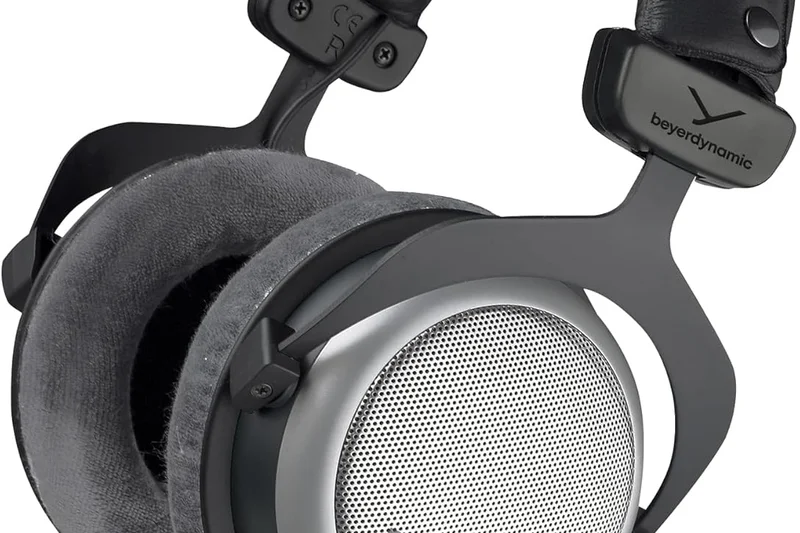
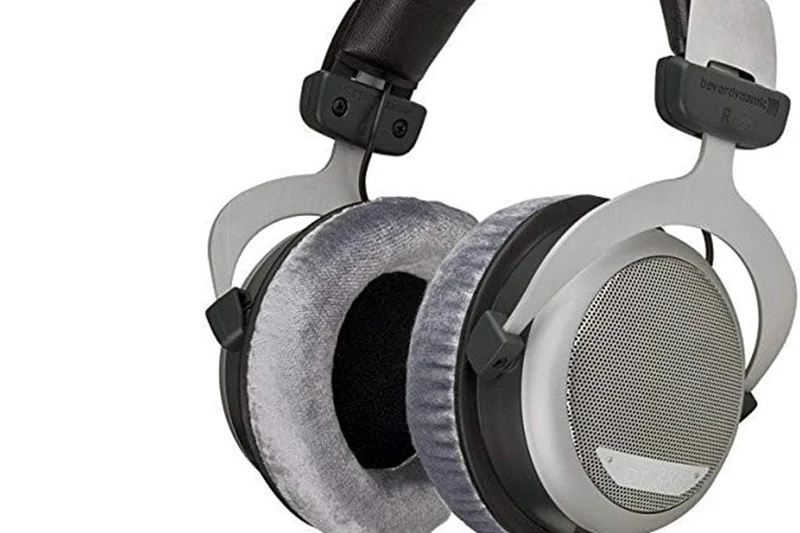
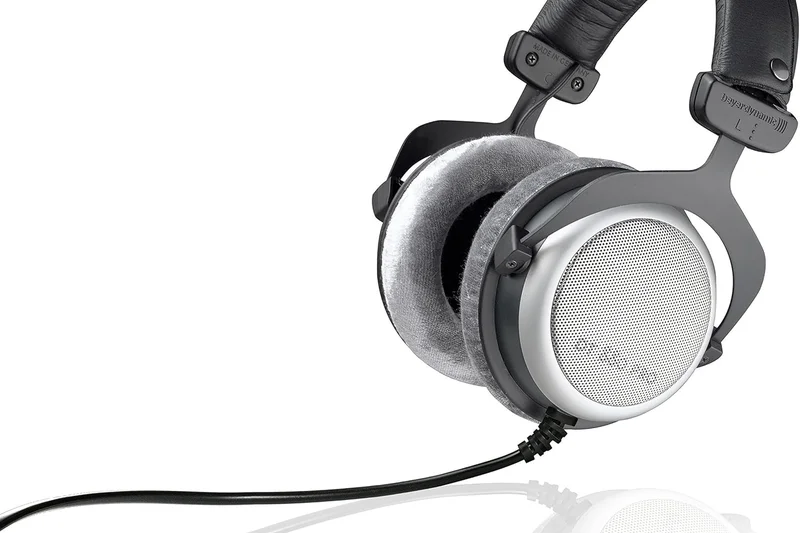
Why we picked it: The Beyerdynamic DT 880 Pro is a semi-open design, offering a middle ground between isolation and soundstage. It provides a very flat, linear response compared to the V-shaped DT 990, making it an excellent, highly durable tool for analytical studio mixing.
Key Specs
- Semi-open dynamic transducer
- Impedance: 250 Ohms
- Weight: 295g
What we like
- Highly linear, analytical tuning
- Semi-open design offers slight isolation
- Built like a tank
What we don't like
- Attached, coiled cable is heavy
- Requires an amplifier (250 Ohms)
Best for: Producers working in somewhat noisy environments who still want an open, analytical sound.
Considering DT 880 vs DT 990? The 880 is much more neutral and flat, whereas the 990 is aggressively V-shaped.
A highly accurate, semi-open studio monitor combining Beyerdynamic durability with strict neutrality.
Buy at Beyerdynamic official site#36 K612 PRO
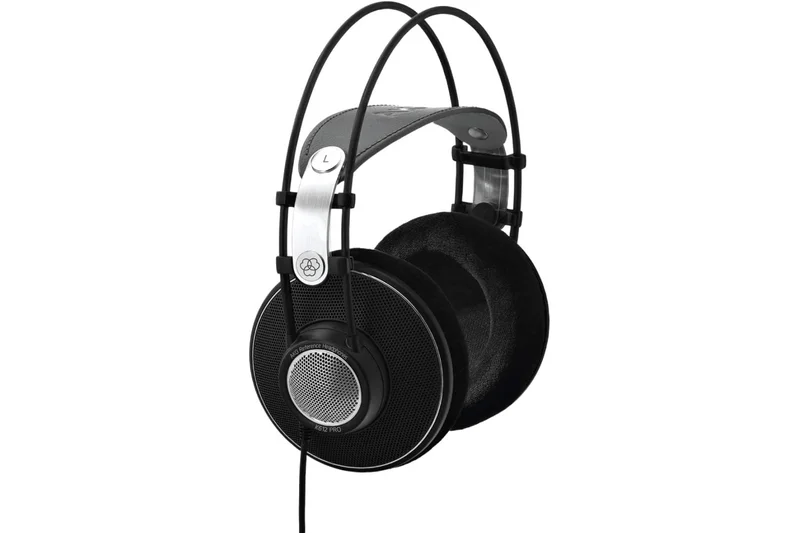
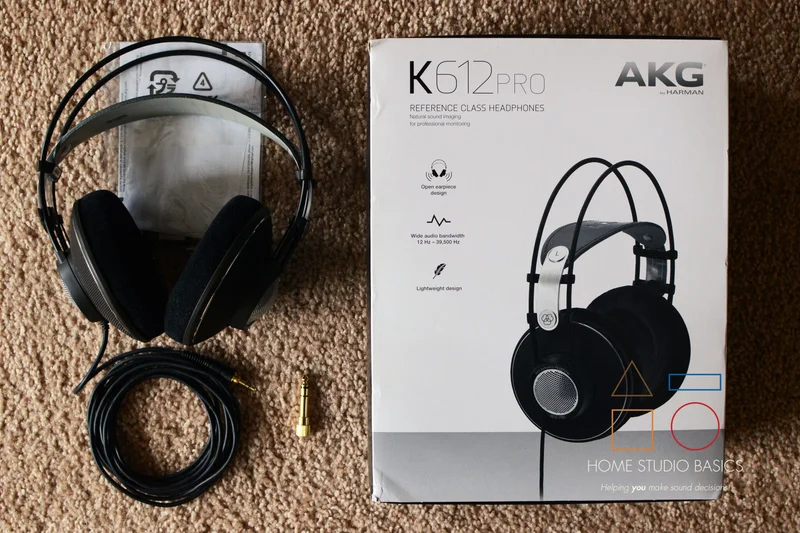
Why we picked it: The AKG K612 PRO offers a fantastic flat, reference-grade sound at a budget price. It shares the wide soundstage DNA of the AKG K-series but provides a slightly more neutral tone than the K702. At 120 Ohms, it does benefit from basic amplification.
Key Specs
- Varimotion dynamic drivers
- Impedance: 120 Ohms
- Weight: 238g
What we like
- Excellent neutral tuning
- Very wide soundstage
- Lightweight and comfortable
What we don't like
- Requires more power than typical budget headphones
- Attached, non-removable cable
Best for: Budget-focused audiophiles and producers looking for a wide, neutral reference sound.
Considering K612 vs HD 560S? The K612 is slightly wider and more ethereal, but the 560S has better bass extension and a removable cable.
An affordable, wide-sounding studio classic that delivers highly accurate audio reproduction.
Buy at AKG official site#37 Sundara
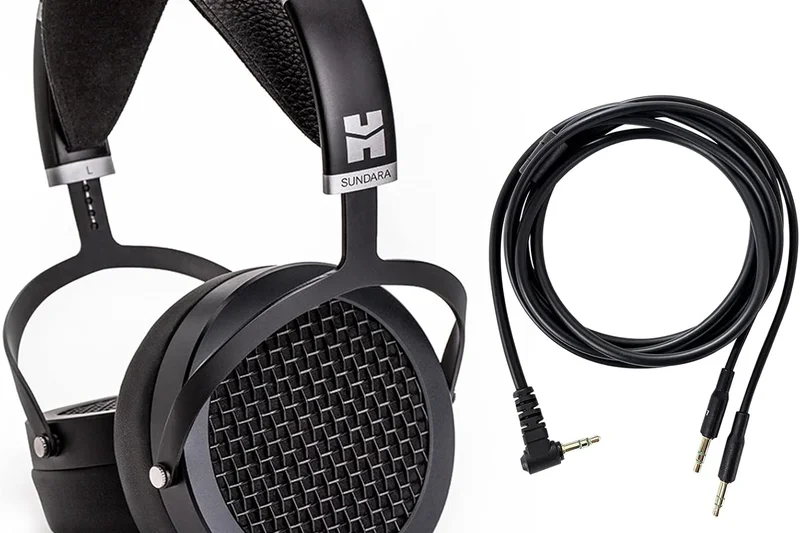
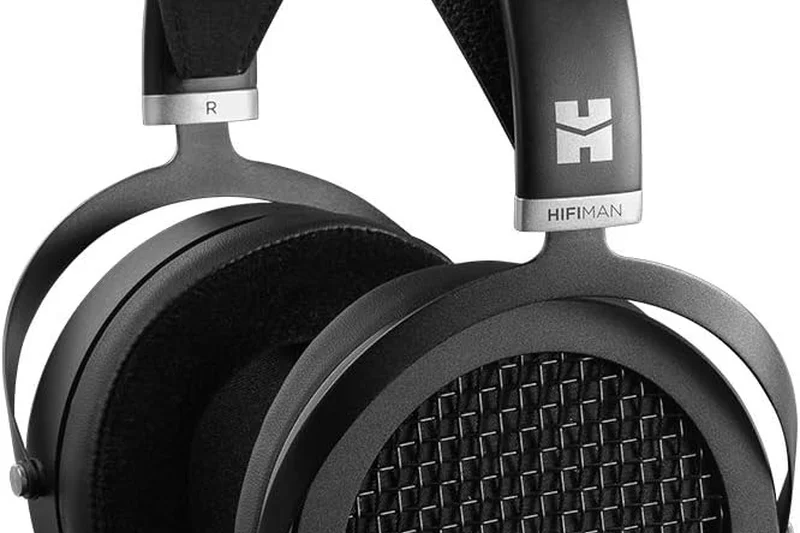
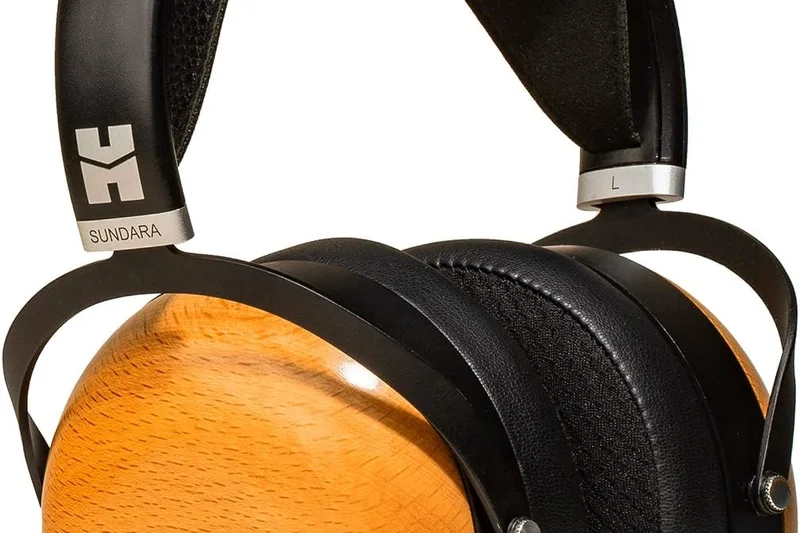
Why we picked it: The HiFiMan Sundara is widely considered the absolute benchmark for value in the audiophile world (Value 10/10). It utilizes planar magnetic drivers to deliver incredibly fast, detailed, and neutral sound. It represents the perfect entry point into high-end planar audio.
Key Specs
- Planar Magnetic
- Impedance: 32 Ohms
- Weight: 342g
What we like
- Unbeatable price-to-performance
- Lightning-fast planar detail
- Excellent, neutral tonality
What we don't like
- Requires an amp despite low impedance
- Build quality can be inconsistent
Best for: Anyone upgrading from consumer audio who wants to experience true audiophile planar sound without breaking the bank.
Considering Sundara vs HD 600? Sundara offers faster transients, deeper bass, and more air, while HD 600 offers better vocal naturalness and durability.
The HiFiMan Sundara is the ultimate mid-range gateway, providing flawless planar speed and detail at a bargain price.
Buy at HiFiMan official site#38 LCD-2 Classic
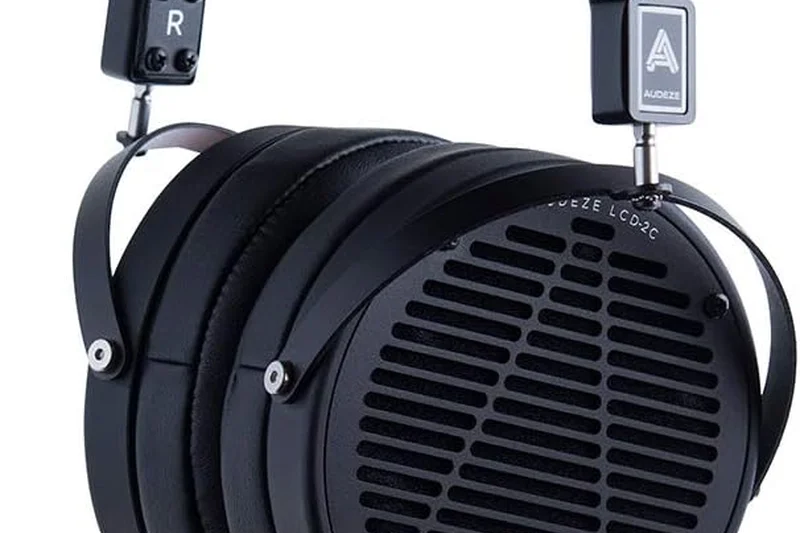
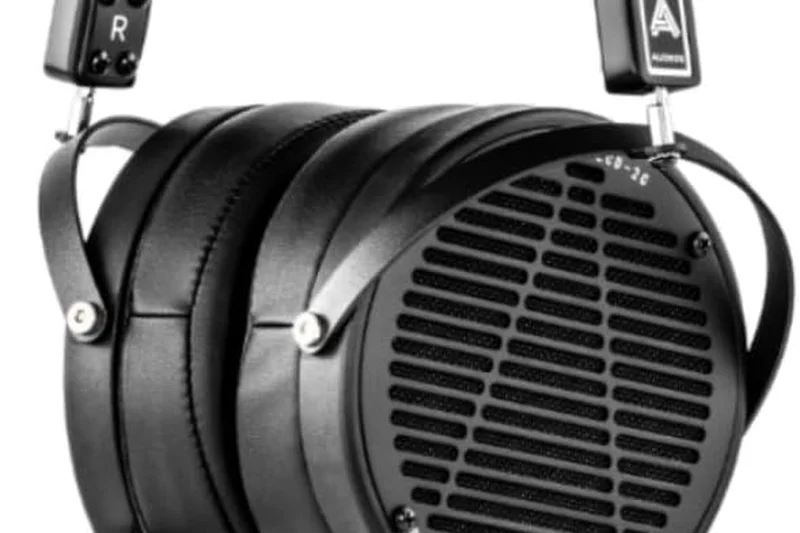
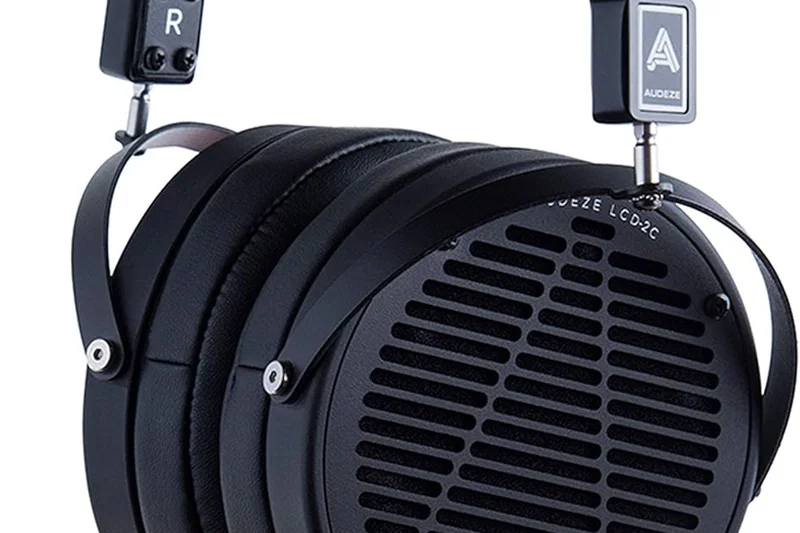
Why we picked it: The Audeze LCD-2 Classic omits the Fazor waveguides of modern Audeze models to recreate the warm, lush, and bass-heavy sound of the original LCD-2. It offers massive, physical bass impact and a very forgiving treble, though it remains quite heavy at 544g.
Key Specs
- Planar Magnetic (Pre-Fazor)
- Impedance: 70 Ohms
- Weight: 544g
What we like
- Incredible, physical bass slam
- Warm, highly musical, non-fatiguing tone
- Rugged nylon/metal build
What we don't like
- Very heavy (544g)
- Treble is quite recessed (dark sound)
Best for: Bass enthusiasts who want the physical impact of planar drivers with a dark, relaxed treble.
Considering LCD-2 Classic vs Sundara? The LCD-2C is much darker, bassier, and heavier, while the Sundara is bright, neutral, and analytical.
A nostalgic, bass-rich planar powerhouse that delivers a warm and highly musical listening experience.
Buy at Audeze official site#39 K702
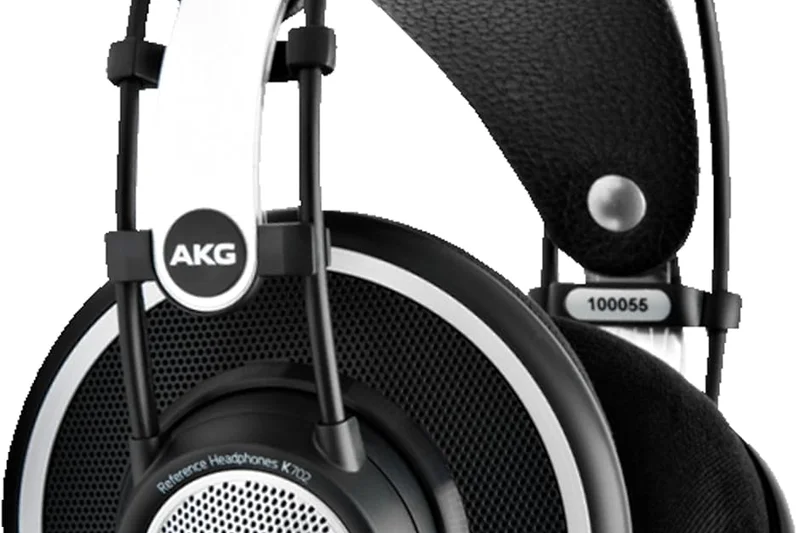
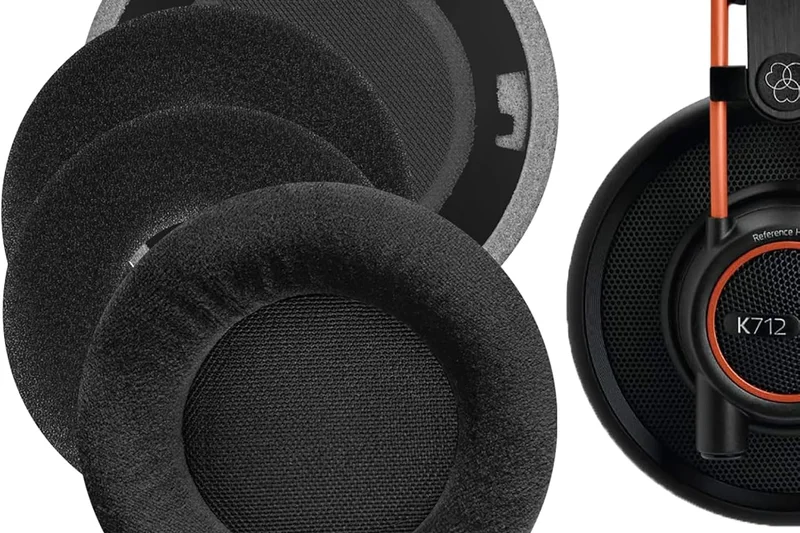
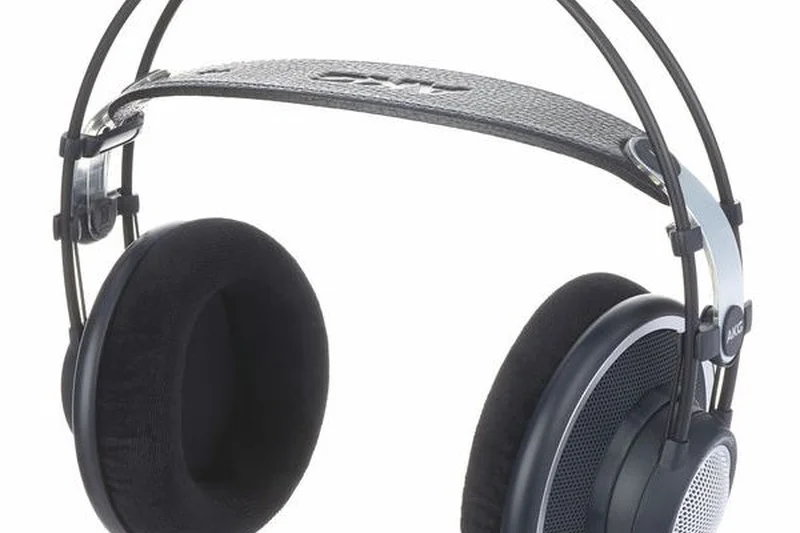
Why we picked it: The AKG K702 is famous for its clinical, hyper-analytical tuning and immensely wide soundstage. It emphasizes upper-mids to highlight vocal and string details, making it a favorite for classical music. It is lightweight but requires decent power to drive its 62-ohm, low-sensitivity drivers.
Key Specs
- Varimotion dynamic driver
- Impedance: 62 Ohms
- Weight: 235g
What we like
- Extremely wide, analytical soundstage
- Highly detailed upper-midrange
- Very lightweight
What we don't like
- Noticeably bass-light
- Can sound harsh on poorly recorded tracks
Best for: Classical music fans and gamers who prioritize extreme spatial width and treble detail.
Considering K702 vs K712 PRO? The K712 adds a slight bass boost and warmth, while the K702 remains strictly clinical and bass-light.
A highly analytical, wide-sounding headphone designed to dissect classical tracks and gaming environments.
Buy at AKG official site#40 LCD-3
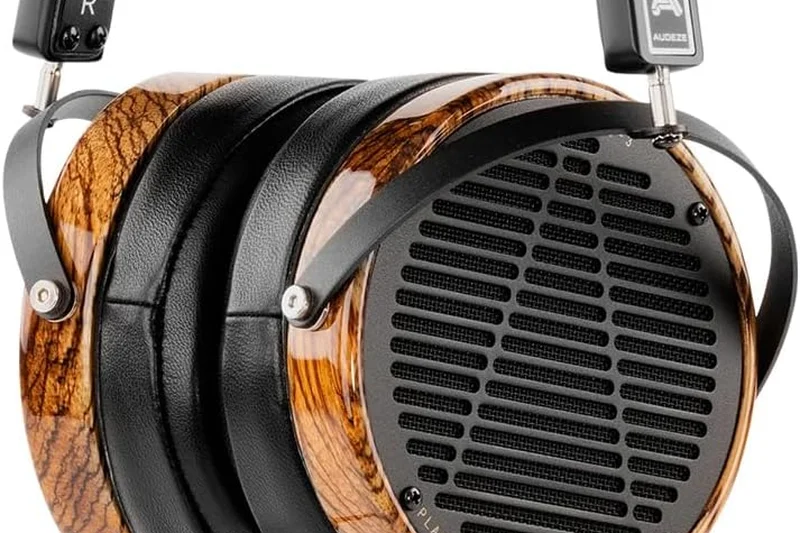
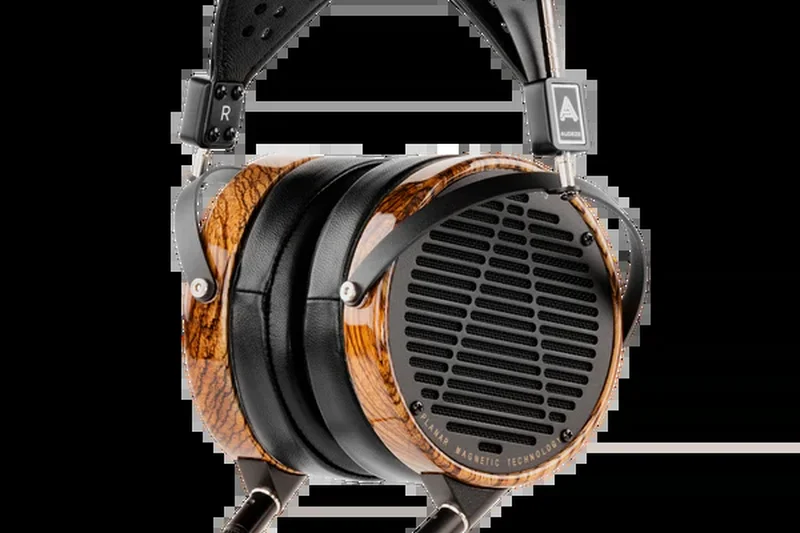
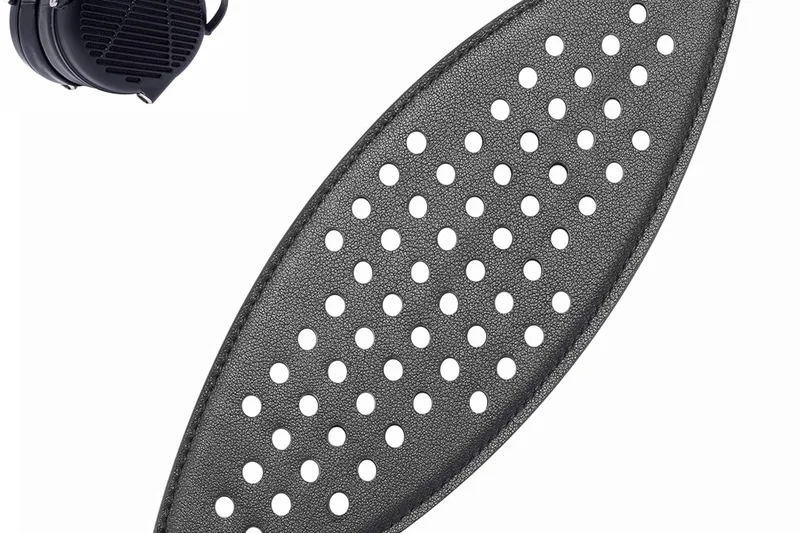
Why we picked it: The Audeze LCD-3 is a luxury planar magnetic known for its incredibly rich, syrupy, and lush midrange. Adorned with Zebrano wood rings, it looks as beautiful as it sounds. It excels at jazz, blues, and vocals, though its 635g weight makes it very heavy for long sessions.
Key Specs
- 106mm Planar Magnetic
- Impedance: 110 Ohms
- Weight: 635g
What we like
- Incredibly rich, lush, and organic midrange
- Beautiful Zebrano wood aesthetic
- Massive, textured planar bass
What we don't like
- Extremely heavy (635g)
- Requires a powerful amplifier
Best for: Audiophiles who want the ultimate lush, organic vocal presentation and don't mind heavy headphones.
Considering LCD-3 vs LCD-X? The LCD-3 is warmer, richer, and requires an amp, while the LCD-X is more neutral, punchy, and highly efficient.
A luxurious, heavy-duty planar headphone that delivers an intoxicant, syrupy-rich midrange.
Buy at Audeze official site#41 HD 660S2
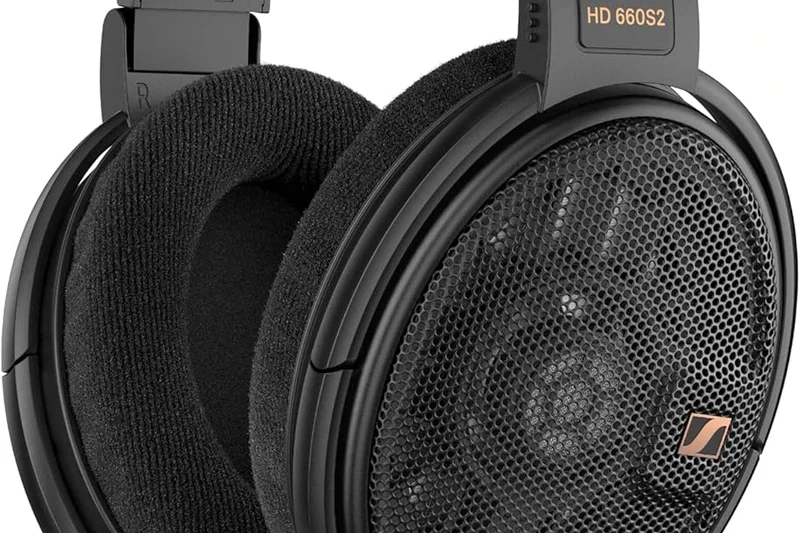
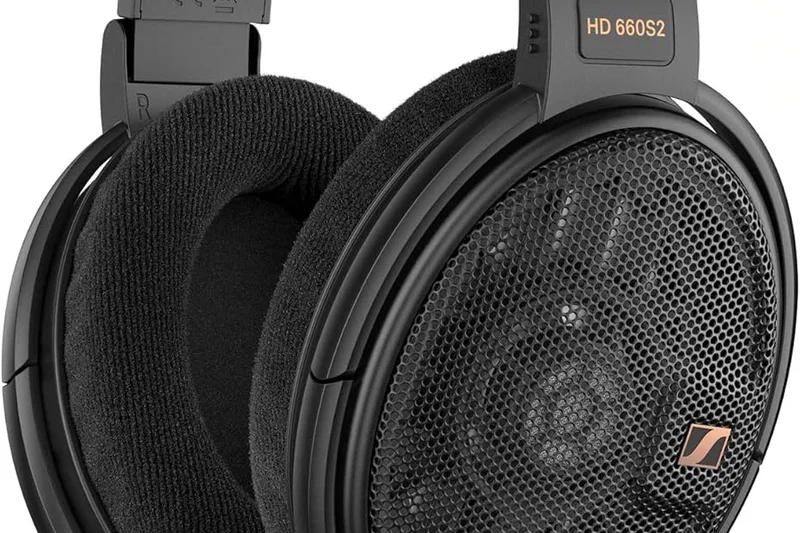
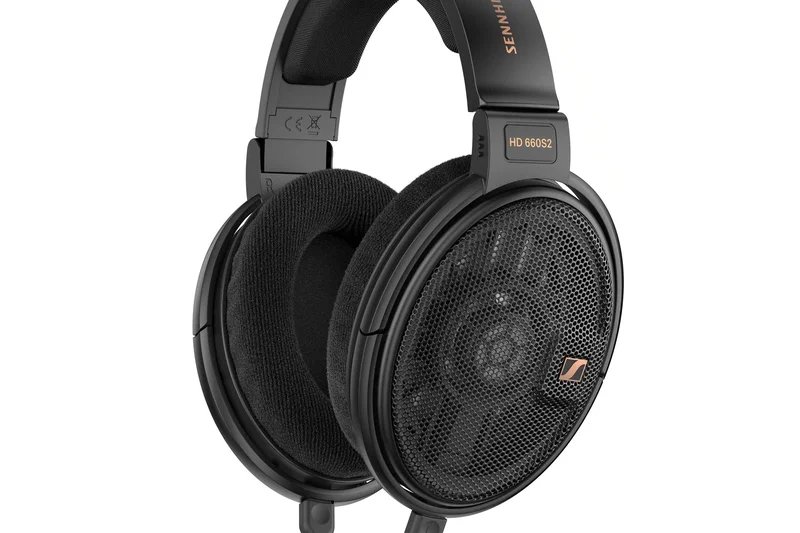
Why we picked it: Sennheiser updated the 600-series with the HD 660S2, specifically modifying the driver to significantly improve sub-bass extension. It retains the intimate, natural vocal presentation of the HD 600 but adds modern bass slam and a slightly darker, smoother treble.
Key Specs
- Vented magnet dynamic driver
- Impedance: 300 Ohms
- Weight: 260g
What we like
- Greatly improved sub-bass over the HD 600
- Intimate, highly natural vocals
- Excellent reliability
What we don't like
- Soundstage remains very narrow
- Expensive compared to the HD 600
Best for: Sennheiser fans who love the HD 600 midrange but want modern sub-bass performance.
Considering HD 660S2 vs HD 600? The 660S2 has much better bass slam and a darker tone, while the 600 is cheaper and slightly more neutral.
A successful modernization of a classic, adding impactful sub-bass to Sennheiser's legendary midrange.
Buy at Sennheiser official site#42 ATH-AD500X
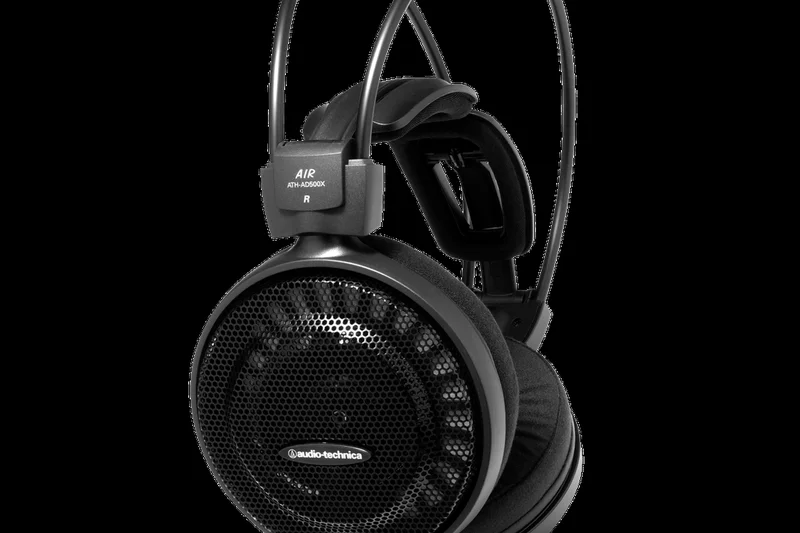
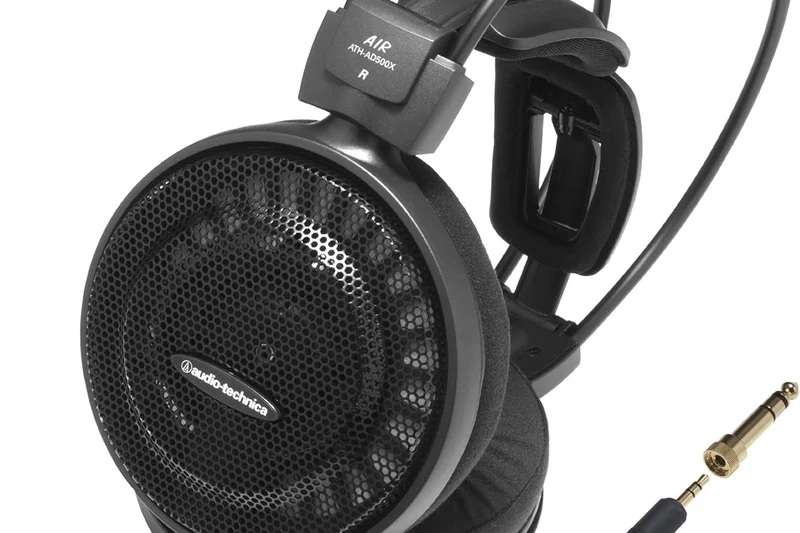
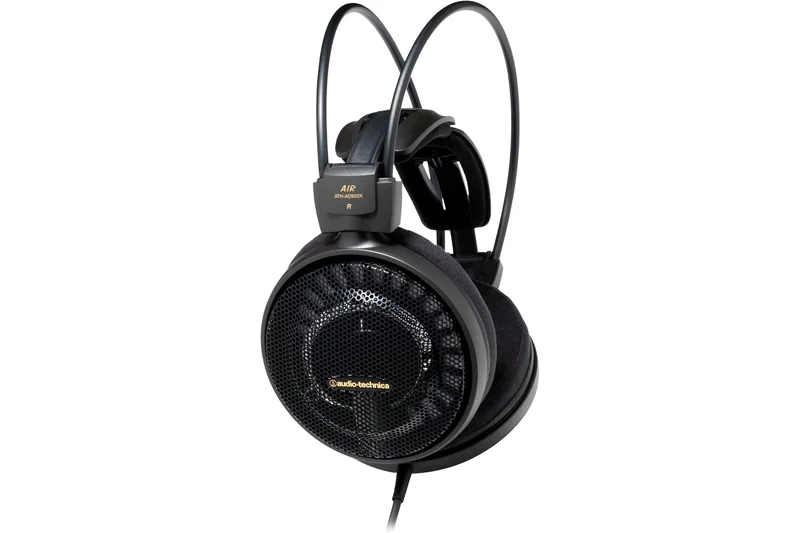
Why we picked it: The ATH-AD500X is an incredible entry-level option for gamers. It features the same massive, airy soundstage design as Audio-Technica's higher models but at a budget price. It requires zero amplification (Driveability 9/10) and feels practically weightless on the head.
Key Specs
- 53mm drivers
- Impedance: 48 Ohms
- Weight: 235g
What we like
- Vast soundstage for the price
- Extremely lightweight
- No amp required
What we don't like
- Almost zero bass impact
- Attached cable
Best for: Budget gamers who need a wide soundstage for competitive shooters.
Considering AD500X vs SHP9500? Both are budget kings, but the SHP9500 has a removable cable, making it much easier to add a boom mic.
An ultra-light, highly efficient budget headphone that delivers a remarkably wide gaming soundstage.
Buy at Audio-Technica official site#43 SHP9600
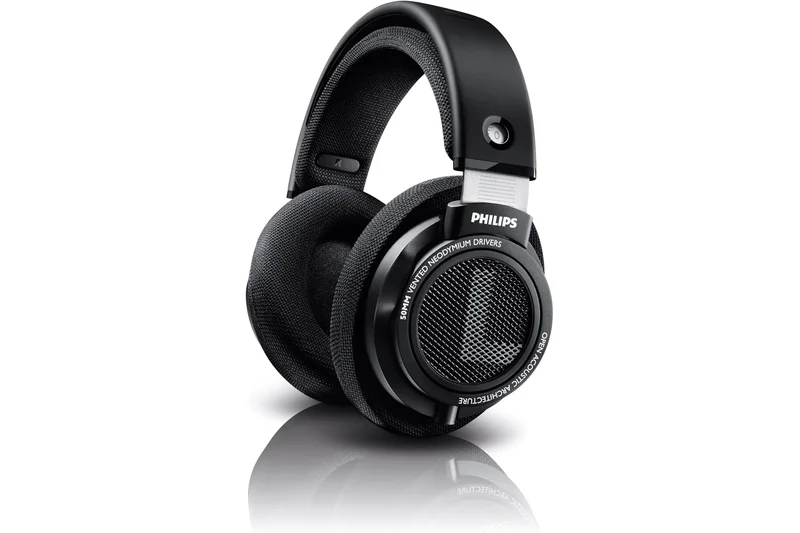
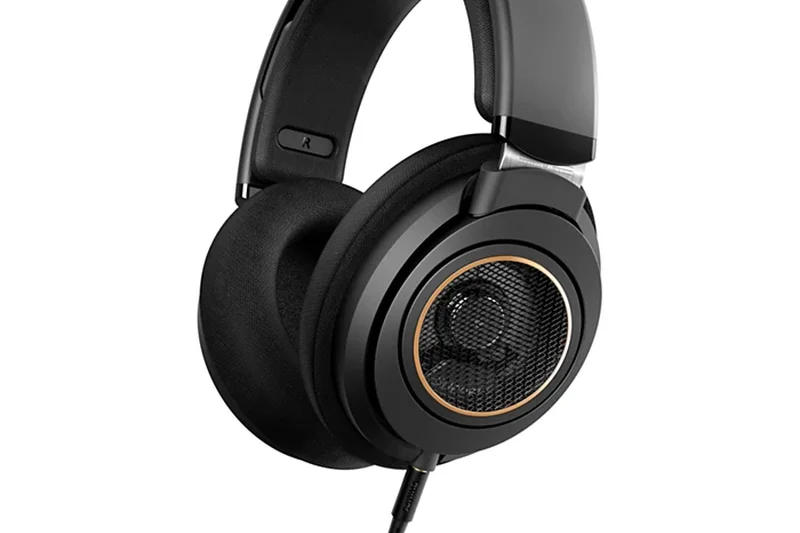
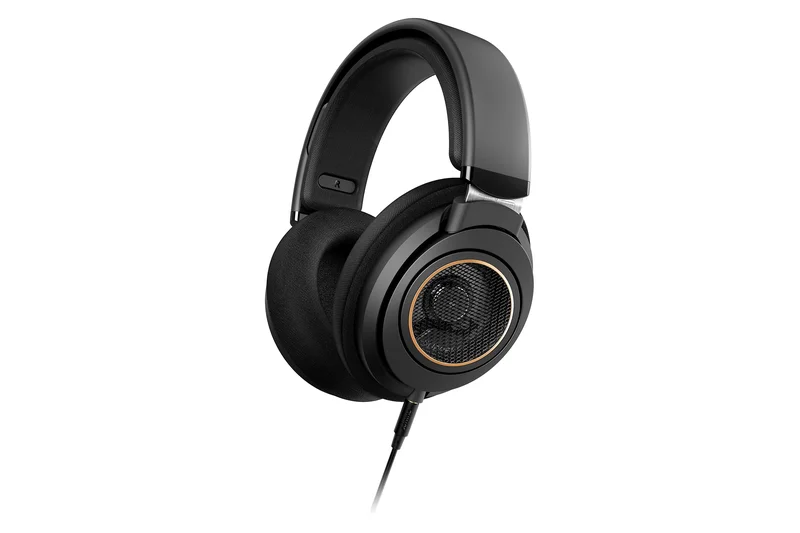
Why we picked it: Philips updated the legendary 9500 with the SHP9600, adding a slightly warmer, bass-boosted tuning to make it more musically engaging. It retains the superb comfort, easy Driveability (9/10), and standard 3.5mm jack for easy microphone pairing.
Key Specs
- 50mm dynamic drivers
- Impedance: 32 Ohms
- Weight: 330g
What we like
- Warmer, punchier bass than the 9500
- Excellent comfort
- Great value for gaming and music
What we don't like
- Treble is less crisp and analytical
- Clamping force is quite loose
Best for: Budget listeners who found the SHP9500 too bright and want a warmer, bass-friendly option.
Considering SHP9600 vs Fidelio X2HR? The X2HR has significantly better build quality and even larger bass, but costs almost twice as much.
A warm, comfortable, and versatile budget open-back that is perfect for casual music and gaming.
Check price at Amazon#44 HE400se
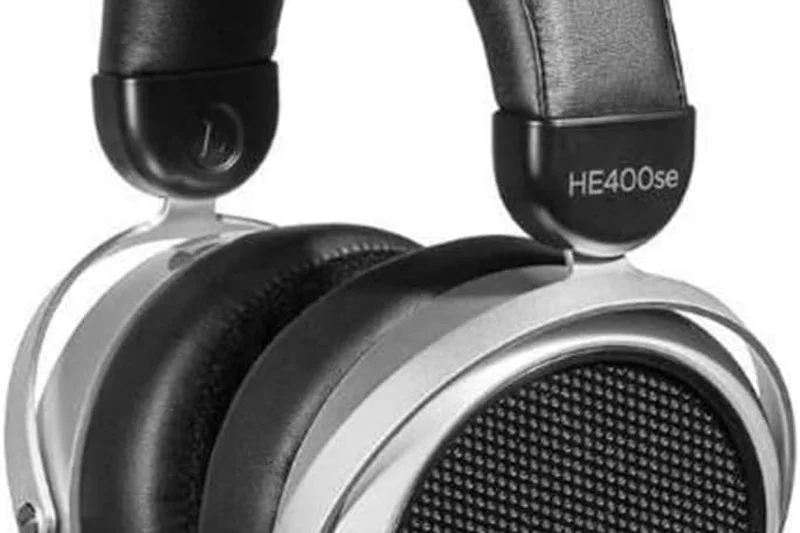
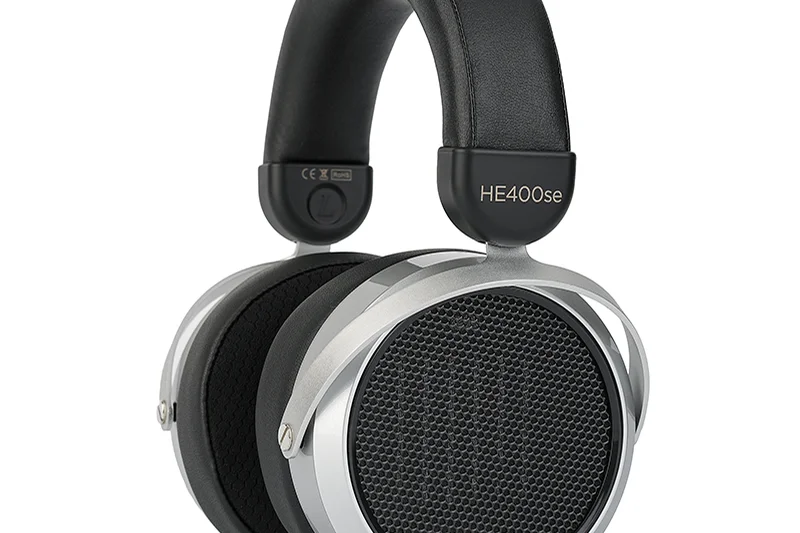
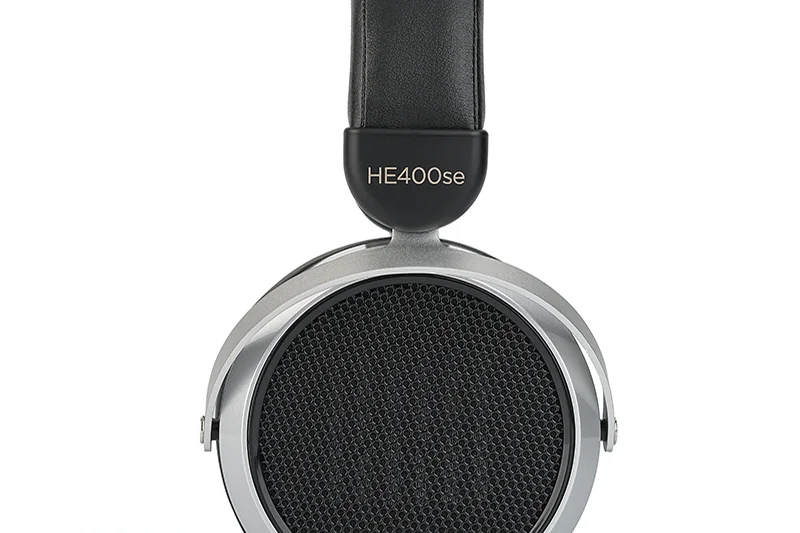
Why we picked it: The HiFiMan HE400se is arguably the cheapest way to experience true planar magnetic technology. It scores a 10/10 in Value, delivering incredible transient speed and clarity for around $100. However, it is surprisingly hard to drive for a budget headphone, requiring a decent dongle or desktop amp.
Key Specs
- Planar Magnetic
- Impedance: 25 Ohms (low sensitivity)
- Weight: 390g
What we like
- Unbelievable planar clarity for the price
- Fast, detailed sound
- Good soundstage
What we don't like
- Requires an amplifier to sound its best
- Included cable is very poor quality
Best for: Budget audiophiles who already own a small amplifier and want to try planar magnetic drivers.
Considering HE400se vs SHP9500? The HE400se sounds much faster and more detailed, but the SHP9500 doesn't require an amplifier.
The HE400se offers a stunning entry into planar magnetic audio, provided you have the power to drive it.
Buy at HiFiMan official site#45 SR325x
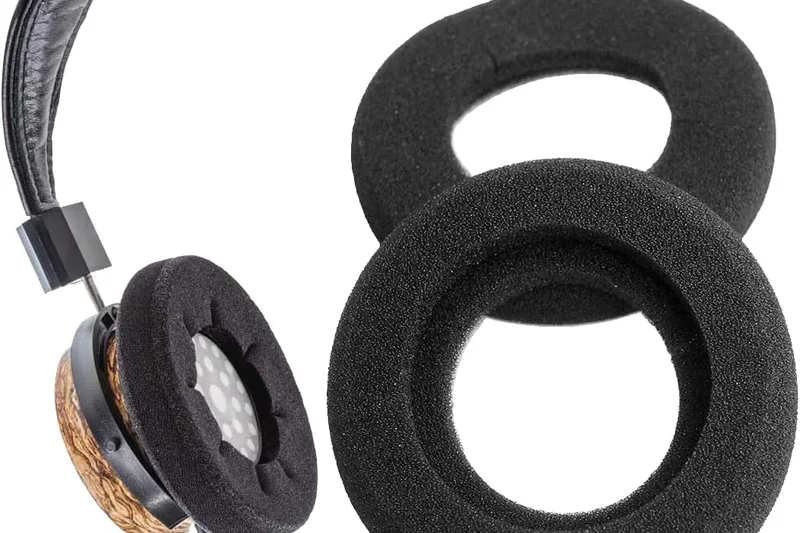
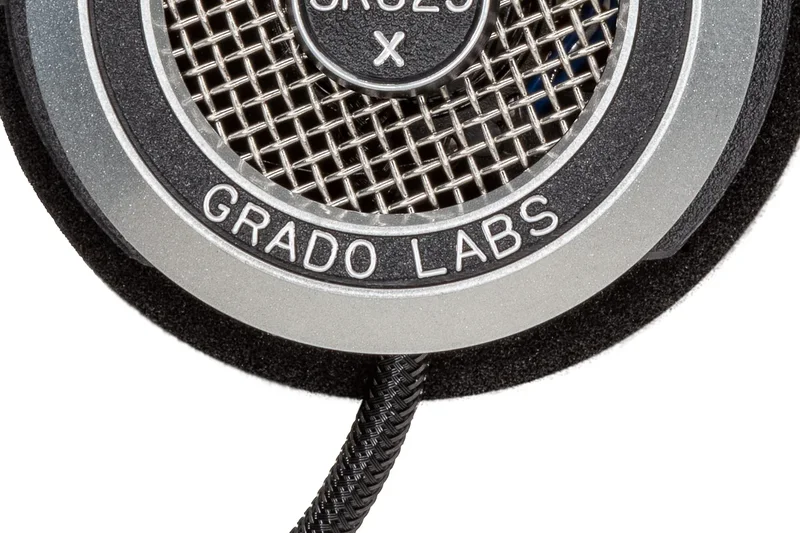
Why we picked it: The Grado SR325x is the flagship of Grado's Prestige series. Featuring brushed aluminum housings, it delivers a highly aggressive, mid-forward, and sparkling treble sound signature that makes rock and acoustic guitars sound incredibly energetic. It rests on the ear (on-ear), which limits comfort for some.
Key Specs
- X Series Dynamic Driver
- Impedance: 38 Ohms
- On-ear design
What we like
- Incredibly energetic, aggressive sound for rock
- Beautiful retro aluminum build
- Easy to drive
What we don't like
- On-ear foam pads can be uncomfortable
- Thick, non-detachable cable
Best for: Rock and metal fans who love an aggressive, front-row, mid-forward presentation.
Considering SR325x vs Sundara? The Grado is much more aggressive, intimate, and punchy, while the Sundara is wide, neutral, and smooth.
A beautiful, aluminum-clad retro headphone that delivers a thrilling, aggressive punch for rock music.
Buy at Grado official site#46 SR80x
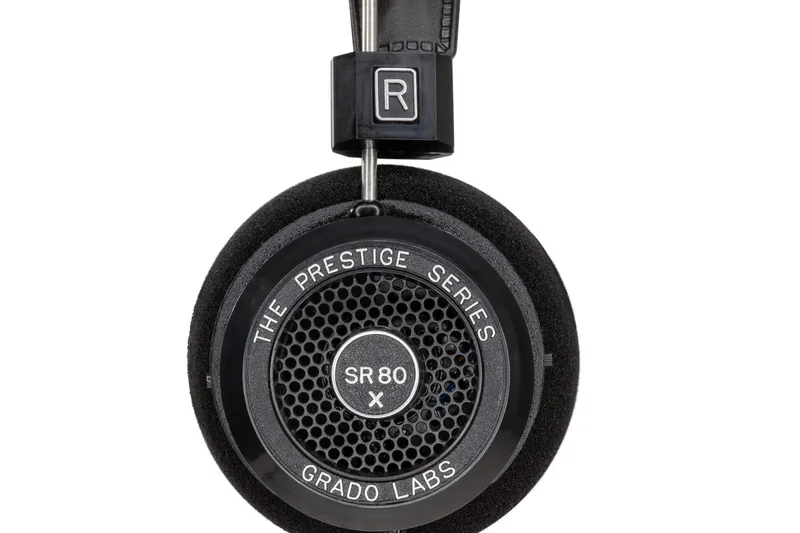
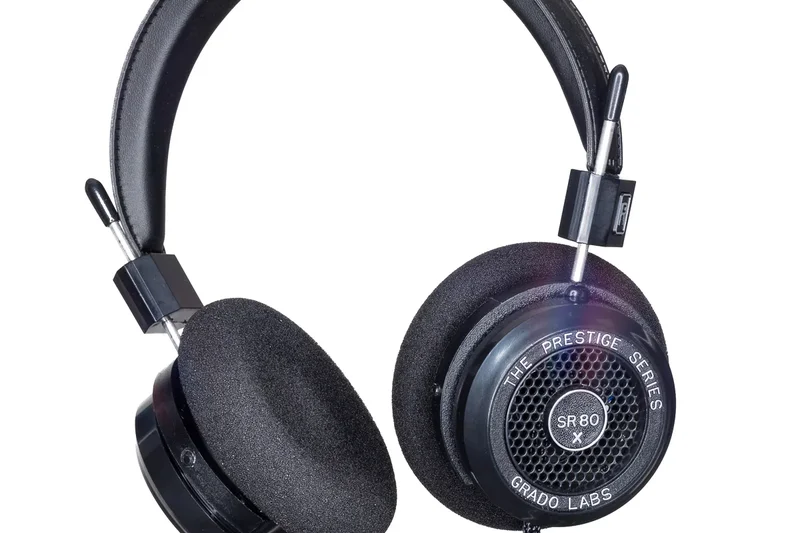
Why we picked it: The Grado SR80x is a gateway drug to audiophile sound. At $125, this lightweight on-ear headphone provides a fast, mid-centric, and highly engaging sound signature. It is remarkably easy to drive from a phone and brings life and energy to acoustic and vocal tracks.
Key Specs
- X Series Dynamic driver
- Impedance: 38 Ohms
- On-ear design
What we like
- Fantastic, lively midrange
- Very affordable entry-level audiophile choice
- Highly efficient
What we don't like
- On-ear fit causes fatigue
- Lacks sub-bass
Best for: Listeners wanting an inexpensive, energetic, and highly portable open-back for acoustic music.
Considering SR80x vs SHP9500? The Grado is punchier and more energetic in the mids, while the Philips is an over-ear design offering far superior comfort.
A classic entry-level Grado that delivers infectious energy and mid-range clarity on a budget.
Buy at Grado official site#47 SR850
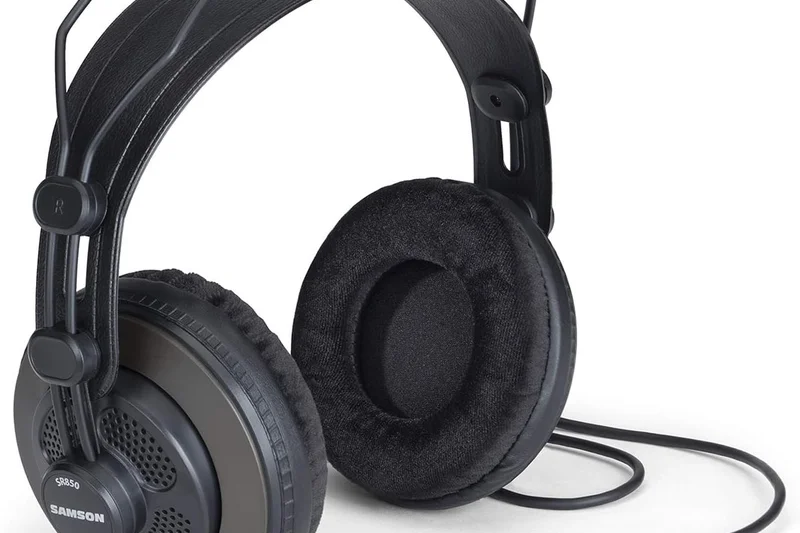
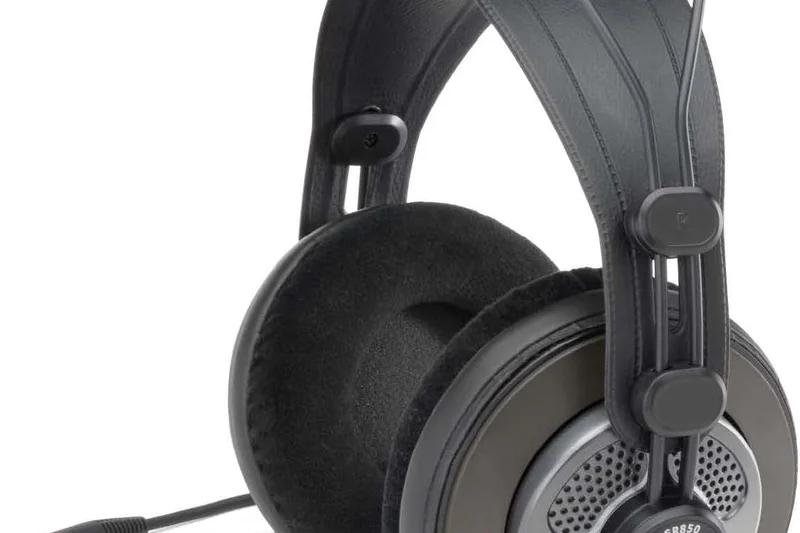
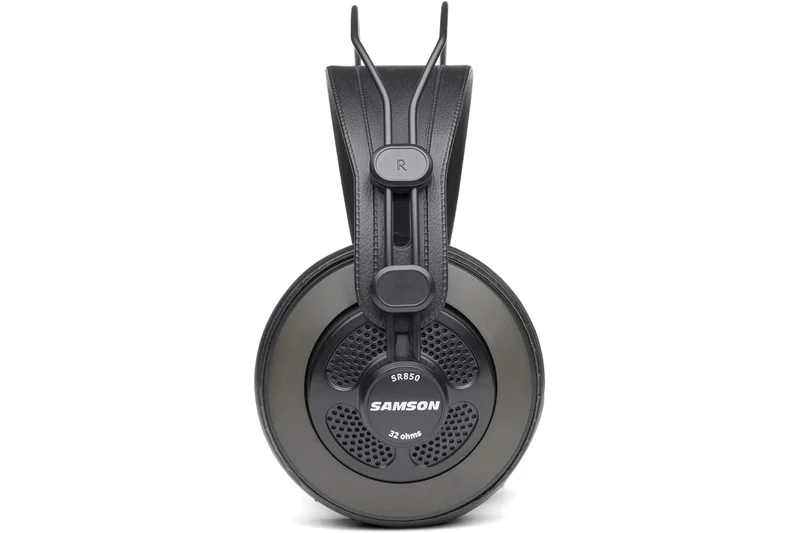
Why we picked it: Samson's SR850 is a legendary ultra-budget studio monitor. At under $50, it scores a 10/10 in Value. It features a semi-open design and a highly elevated treble response that artificially boosts perceived detail, making it a great cheap tool for tracking and casual gaming.
Key Specs
- 50mm drivers
- Impedance: 32 Ohms
- Weight: 276g
What we like
- Incredible price-to-performance
- Good perceived detail and width
- Very lightweight
What we don't like
- Treble is very sharp and fatiguing
- Build feels very cheap
Best for: Starving artists and gamers who have exactly $50 to spend on an open-back.
Considering SR850 vs K240 Studio? The Samson is heavily V-shaped and bright, while the AKG is smoother and more mid-focused.
The Samson SR850 offers an unbeatable, wide-sounding entry point into semi-open audio for under $50.
Check price at Amazon#48 SR60x
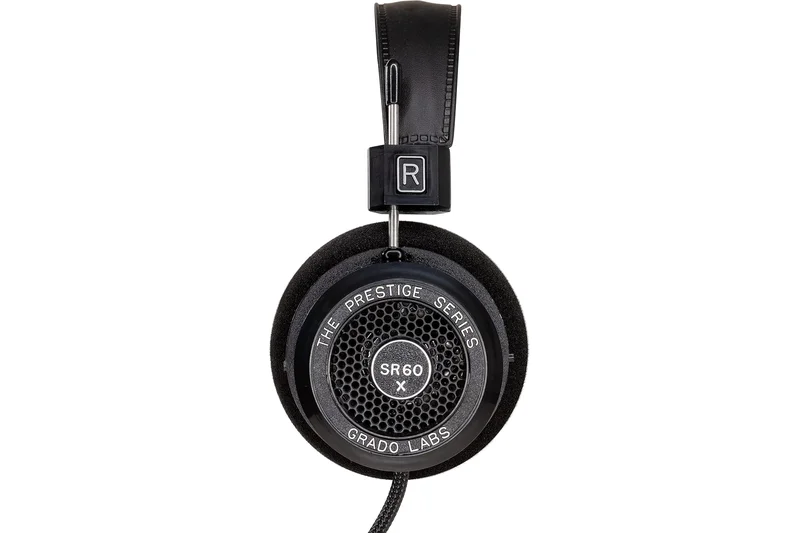
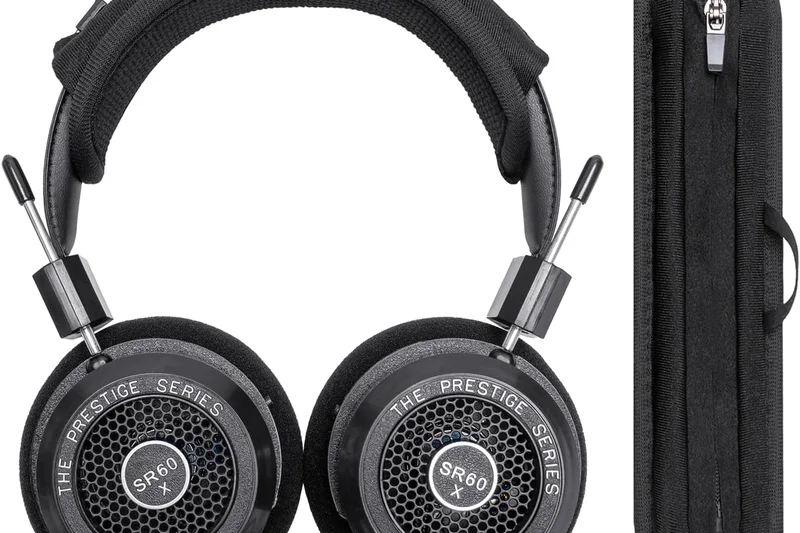
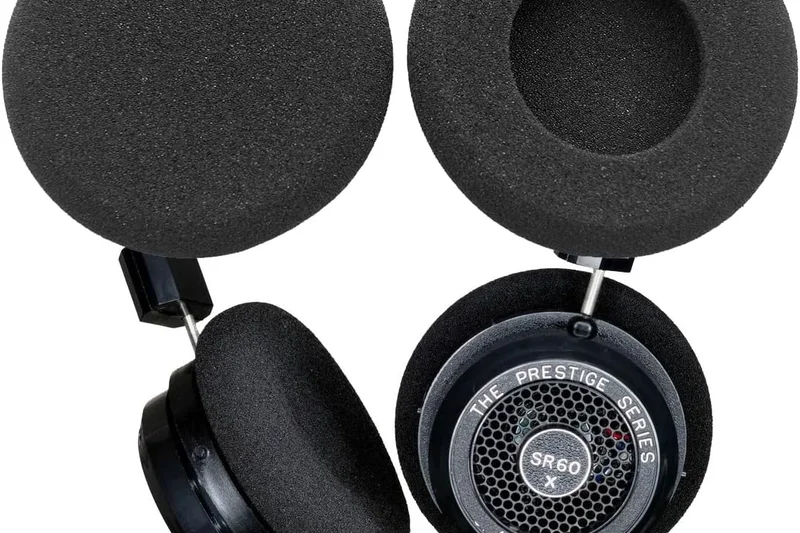
Why we picked it: The most affordable model in Grado's lineup, the SR60x offers the quintessential Grado house sound—punchy, mid-forward, and bright. It is a fantastic introduction to open-back audio for rock fans, though it shares the same thick cable and polarizing on-ear comfort issues as its bigger siblings.
Key Specs
- X Series drivers
- Impedance: 38 Ohms
- On-ear design
What we like
- Great energy and attack
- Very affordable
- Easy to drive
What we don't like
- On-ear pads can itch and pinch
- Lacks bass depth
Best for: Budget buyers wanting the classic, energetic Grado rock sound.
Considering SR60x vs SR80x? The 80x offers slightly tighter bass and better driver matching, but they sound remarkably similar.
The cheapest way to get the aggressive, mid-forward Grado house sound.
Buy at Grado official site#49 SR225x
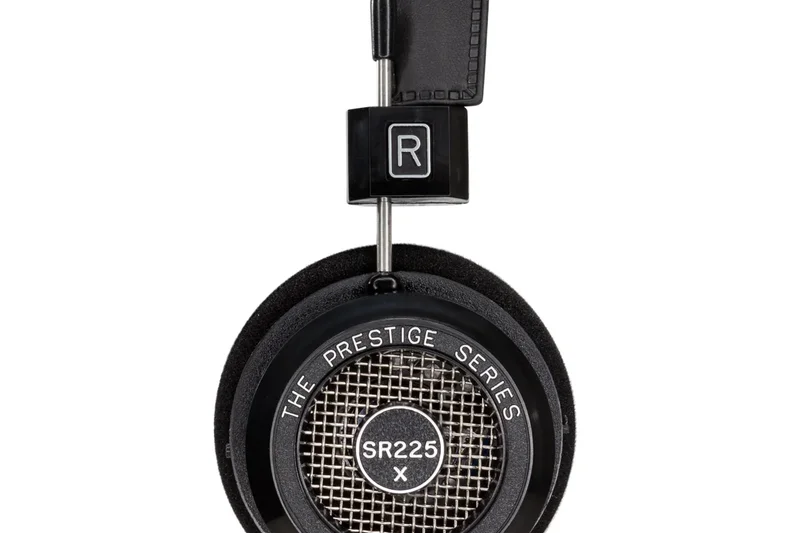
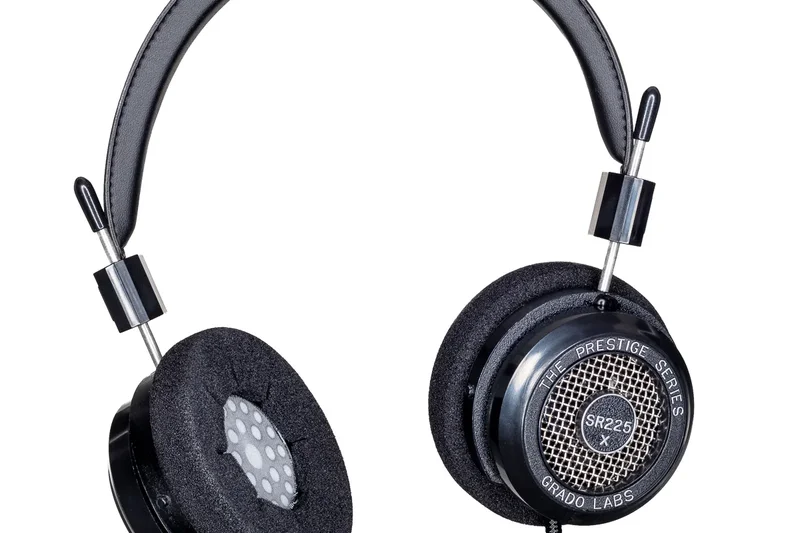
Why we picked it: Sitting below the aluminum 325x, the Grado SR225x uses the F-Cushion pads to bring the driver closer to the ear, resulting in a highly direct, engaging, and textured midrange. It retains the plastic housing of the lower models but features tighter driver matching.
Key Specs
- 44mm Grado drivers
- Impedance: 38 Ohms
- On-ear design
What we like
- Highly engaging, intimate midrange
- Great attack for guitars
- Easy to drive
What we don't like
- F-cushions are notoriously scratchy
- Expensive for a plastic build
Best for: Grado purists who want maximum midrange intimacy without the brightness of the aluminum 325x.
Considering SR225x vs SR325x? The 225x is slightly warmer and less piercing in the treble, while the 325x offers better build quality.
A highly intimate, mid-centric on-ear headphone tailored for acoustic and vocal clarity.
Buy at Grado official site#50 K240 Studio
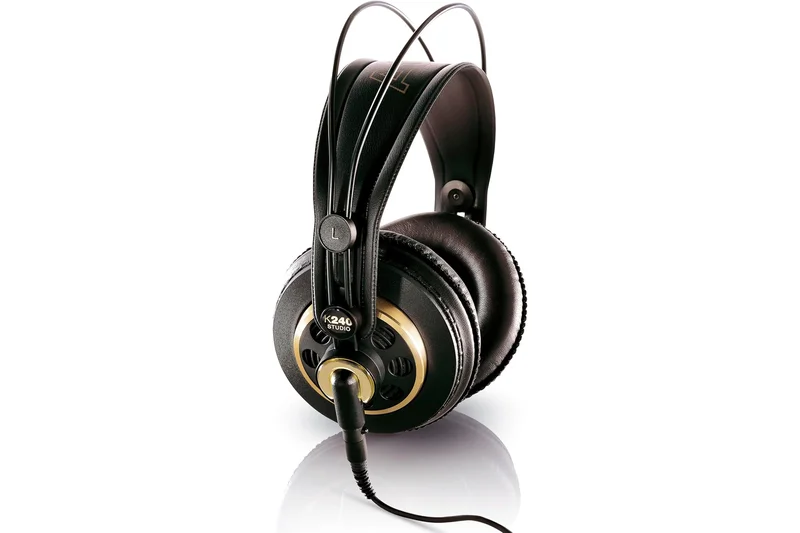

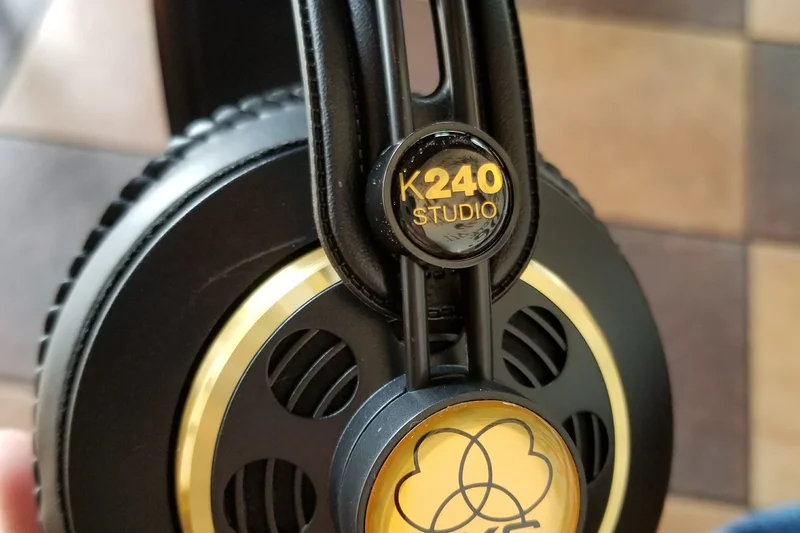
Why we picked it: The AKG K240 Studio is a piece of audio history. For decades, it has been a staple in broadcasting and budget recording studios. Its semi-open design and 55-ohm impedance provide a smooth, mid-centric sound that is reliable and non-fatiguing, even if it lacks modern technical resolution.
Key Specs
- 30mm XXL transducers
- Impedance: 55 Ohms
- Weight: 240g
What we like
- Classic, reliable studio staple
- Smooth, non-fatiguing midrange
- Detachable mini-XLR cable
What we don't like
- Rolled-off bass and treble
- Resolution feels dated compared to modern budget planars
Best for: Budget podcasters, broadcasters, and producers who need a reliable, repairable monitoring tool.
Considering K240 vs HE400se? The K240 is vastly more durable and natural in the mids, while the HE400se offers massively superior speed, bass, and detail.
A legendary, indestructible budget studio monitor that excels in smooth midrange reproduction.
Buy at AKG official siteBuying Guide
Understanding Your User Profile
Before diving into driver specifications and frequency response graphs, it's crucial to identify your primary listening scenario. Open-back headphones are highly specialized tools, and the best model for a music producer may not be the best model for a competitive gamer.
The Critical Audiophile
If your goal is to sit back in a quiet room and experience lifelike timbre, high resolution, and nuanced micro-details, you should prioritize Sound Quality and Reliability. Look for models with well-extended frequencies, low harmonic distortion, and drivers (such as planar magnetics or beryllium domes) that scale beautifully when paired with high-end amplifiers and digital-to-analog converters (DACs).
The Studio Professional
Audio engineers and producers need clinical, uncolored sound reproduction for accurate mixing and mastering. Focus on Sound Quality and Reliability over "fun," V-shaped sound signatures. For studio use, a flat frequency response is mandatory so that mixes translate well to other speakers. Additionally, easily replaceable parts (like earpads and detachable cables) are paramount for gear that will see rigorous daily use.
The Gamer and Movie Buff
If immersion is your goal, Soundstage & Spatial Imaging is your most critical dimension. Precise imaging helps pinpoint directional cues, such as footsteps in competitive tactical shooters, or creates a theater-like envelope for blockbuster movies. Comfort is equally vital; marathon sessions demand lightweight frames, breathable earpads, and minimal clamping force.
The Budget-Conscious Listener
You don't need to spend thousands of dollars to get great open-back sound. Many modern dynamic and entry-level planar magnetic headphones offer exceptional price-to-performance ratios. If you are on a strict budget, pay close attention to the Driveability score—purchasing an inexpensive headphone that requires a $300 amplifier to sound correct defeats the purpose of saving money.
What to Avoid
High Impedance Traps: Don't buy a 300-ohm or 600-ohm headphone if you only plan to plug it directly into your smartphone, tablet, or basic laptop motherboard. High impedance models require dedicated, powerful amplification. Without it, they will sound quiet, thin, and dynamically compressed.
Proprietary Connections: Avoid headphones that use non-standard, proprietary cable connectors at the earcups. When the cable inevitably frays or breaks, replacing it shouldn't require a special order from the manufacturer. Standard 3.5mm, 2.5mm, or mini-XLR connectors are ideal and allow for cheap aftermarket replacements.
Extreme Weight and Clamping Force: Some high-end planar magnetic headphones weigh upwards of 600 grams. If you have a sensitive neck or are prone to tension headaches, these heavy models will cause severe physical discomfort, negating their stellar acoustic performance.
Budget Tiers
Entry-Level (Under $200)
This tier is perfect for dipping your toes into the expansive world of open-back audio. These models usually feature dynamic drivers, are easy to drive from standard consumer devices, and offer a much wider soundstage compared to typical closed-back gaming headsets. Expect more plastic in the build, but highly competitive sound.
Mid-Range ($200 - $800)
This is the sweet spot for price-to-performance. Here you will find entry-level planar magnetics and legendary studio reference dynamic headphones. Build quality improves significantly, incorporating metals, premium plastics, and better earpad materials. Most users will never need to upgrade past this tier.
Premium & Flagship ($800+)
Reserved for serious audio enthusiasts and uncompromising professionals. These headphones feature exotic driver materials (beryllium, nano-scale planar diaphragms), flawless build tolerances, luxury materials (walnut wood, magnesium, genuine leather), and reference-class acoustic performance. If shopping in this tier, be prepared to invest in a matching high-end DAC and amplifier setup to unlock their full potential.
FAQ
What are open-back headphones?
Open-back headphones feature ear cups with breathable grilles or mesh, allowing air and sound to pass freely through the back of the speaker driver. This prevents acoustic resonance from building up inside the cup, resulting in a much more natural, airy, and expansive sound compared to traditional closed-back designs.
How do open-back headphones differ from closed-back?
Closed-back headphones seal the ear completely, blocking outside noise and enhancing bass impact, making them great for commuting. Open-back headphones let sound leak in and out. They are useless in noisy environments or on airplanes, but in a quiet room, they provide a vastly superior 'out-of-head' 3D soundstage and more accurate audio reproduction.
What is impedance and why does it matter?
Impedance (measured in Ohms) indicates how much electrical resistance the headphone driver has. Low impedance headphones (under 50 Ohms) can easily be driven by phones or laptops. High impedance headphones (150-600 Ohms) require a dedicated headphone amplifier to reach adequate volumes and deliver proper dynamic range.
Do I need an amplifier for my open-back headphones?
It depends entirely on the model. Headphones with high impedance (like the 300-ohm HD 800 S) or very low sensitivity (like the HiFiMan Susvara) absolutely require an amplifier. Highly efficient models (like the Philips SHP9500 or Focal Utopia) will sound excellent plugged directly into a standard audio jack.
What does soundstage mean in headphones?
Soundstage is the perceived three-dimensional acoustic space created by the headphones. A wide soundstage makes the music sound like it is being played in a large concert hall around you, rather than being injected directly inside your head. Open-back headphones naturally excel at creating wide soundstages.
Are planar magnetic drivers better than dynamic drivers?
Not necessarily 'better,' but different. Planar magnetic drivers use a thin, flat diaphragm suspended between magnets. They typically offer faster transient response, lower distortion, and incredibly deep, linear bass. Traditional dynamic drivers often provide more physical 'punch' or 'slam' and tend to have a more natural, organic decay.
Can I use open-back headphones for gaming?
Yes, they are highly recommended for home gaming! Because open-backs offer superior soundstage and spatial imaging, they allow you to accurately pinpoint directional audio cues like footsteps or distant gunfire in competitive games much better than closed-back headsets.
Why are open-back headphones recommended for studio mixing?
When mixing audio, professionals need a flat, uncolored frequency response. Closed-back headphones naturally boost bass due to acoustic reflections inside the cup. Open-back headphones eliminate this resonance, providing a truer, more accurate representation of how the mix actually sounds.
Do open-back headphones leak a lot of sound?
Yes. If you listen at moderate to high volumes, someone sitting next to you will be able to clearly hear the song you are playing. Similarly, you will hear them talking. They offer zero sound isolation and are strictly meant for quiet, private environments.
Are open-back headphones good for commuting or the office?
No. Because they do not block ambient noise, engine rumbles or office chatter will completely drown out your music. Furthermore, the sound you leak will disturb your coworkers or fellow passengers.
How do I maintain and replace earpads on high-end headphones?
Over time, earpad foam degrades and affects the acoustic tuning. For high-end models, always buy official manufacturer replacement pads, as aftermarket pads can drastically alter the sound signature. Most premium models use simple snap-in mechanisms or magnets (like the Empyrean II) for easy swapping.
What makes a headphone comfortable for long sessions?
Comfort is dictated by three main factors: overall weight, the distribution of that weight via the headband (suspension straps work best), and clamping force (how tight they squeeze your jaw). Breathable materials like velour or Alcantara also reduce heat buildup compared to leather.
Is the Sennheiser HD 800 S better than the Focal Utopia?
It depends on your preference. The HD 800 S offers a much wider, analytical soundstage, making it better for classical music and gaming. The Focal Utopia offers an intimate soundstage but delivers vastly superior dynamic punch, bass impact, and physical resolution.
What are the standard warranty policies for premium headphones?
Most mid-tier headphones offer 1 to 2-year warranties. However, ultra-premium boutique brands like Audeze and Meze Audio often provide 3-year warranties on the drivers, knowing that high-end buyers expect long-term reliability. Always check the warranty before spending over $1,000.
How does the M2 evaluation method score audio fidelity?
The SelectionLogic M2 multi-dimensional evaluation method breaks fidelity down into orthogonal aspects. Instead of a single 'Sound' score, it looks at Tonality/Accuracy (frequency response and distortion), Spatial Imaging (soundstage width and depth), and Driveability (how the headphone performs across different amplifiers), creating a highly nuanced aggregate score.
Methodology
Our ranking relies on the SelectionLogic M2 multi-dimensional evaluation methodology. This approach breaks down complex product categories into measurable, orthogonal dimensions to prevent single-metric bias and provide a nuanced, mathematical understanding of product quality.
We scored 50 candidate open-back headphones across seven core dimensions:
- Sound Quality & Accuracy (25% base weight): Evaluates tonality, frequency response neutrality, detail retrieval, and harmonic distortion. We look for lifelike timbre and high resolution without fatiguing treble.
- Soundstage & Spatial Imaging (20% base weight): Measures the perceived width and depth of the audio, as well as the positional accuracy of instruments. Precise imaging elevates good headphones to legendary status.
- Comfort & Ergonomics (15% base weight): Assesses clamping force, headband weight distribution, and earpad breathability. Because critical listening sessions can last for hours, physical fatigue must be minimized.
- Build Quality & Materials (10% base weight): Focuses on structural integrity, premium material usage (metal, wood, high-grade polymers), and squeak-free assembly tolerances.
- Driveability & Scalability (10% base weight): Looks at impedance and sensitivity to determine amplifier requirements, and how much the sound improves with high-end source gear.
- Value & Price-to-Performance (10% base weight): Analyzes cost efficiency and diminishing returns. We heavily penalize luxury markups that fail to deliver proportional acoustic improvements.
- Long-term Reliability & Repairability (10% base weight): Checks for the availability of replaceable parts (earpads, standard detachable cables), ease of maintenance, and robust manufacturer warranties.
For specific use cases, we dynamically adjusted these weights using the M2 framework. For example, our Best Budget Open-Back scenario shifts the Value weight to 30%, while our Best for Gaming & Movies scenario heavily prioritizes Soundstage (30%) and Comfort (25%). Scores were aggregated to produce the final overall and scenario-specific rankings.
Sources & References
All factual claims, product specifications, prices, and images in this article are cited by number. Click any reference to jump to the list; click the link in each entry to visit the original source.
- [1]SelectionLogic. "M2 Multi-Dimensional Evaluation Methodology." selectionlogic.org/en/methods/m2-multi-dimensional-evaluation. Accessed Mar 2026.
- [2]SelectionLogic. "Headphones Buying Guide: Evaluating Fidelity and Comfort." selectionlogic.org/en/guides/headphones-buying-guide. Accessed Mar 2026.
- [3]Audio Advice. "Headphone Buying Guide." audioadvice.com/videos-reviews/headphone-buying-guide. Accessed Mar 2026.
- [4]Choice Australia. "What to know before buying new headphones." choice.com.au/electronics-and-technology/audio/headphones. Accessed Mar 2026.
- [5]Mobile Audiophile. "The Complete Headphone Buying Guide: From First Principles to Informed Decisions." mobileaudiophile.com. Accessed Mar 2026.
- [6]Meze Audio. "Empyrean II Official Product Page." mezeaudio.com/products/empyrean-ii. Accessed Mar 2026.
- [7]Meze Audio. "109 PRO Official Product Page." mezeaudio.com/products/109-pro. Accessed Mar 2026.
- [8]Sennheiser. "HD 800 S Reference Headphone." sennheiser-hearing.com/en-US/p/hd-800-s. Accessed Mar 2026.
- [9]Sennheiser. "HD 600 Audiophile Headphone." sennheiser-hearing.com/en-US/p/hd-600. Accessed Mar 2026.
- [10]Sennheiser. "HD 490 PRO Studio Monitor." sennheiser-hearing.com/en-US/p/hd-490-pro. Accessed Mar 2026.
- [11]Sony. "MDR-MV1 Open Back Reference Monitor." electronics.sony.com/audio/headphones/all-headphones/p/mdrmv1. Accessed Mar 2026.
- [12]HiFiMan. "HE1000 Stealth Magnet Version." store.hifiman.com/index.php/he1000-stealth. Accessed Mar 2026.
- [13]HiFiMan. "Arya Stealth Magnet Version." store.hifiman.com/index.php/arya. Accessed Mar 2026.
- [14]Audio-Technica. "ATH-ADX5000 Flagship Headphone." audio-technica.com/en-us/ath-adx5000. Accessed Mar 2026.
- [15]Focal. "Utopia 2022 Official Details." focal.com/en/headphones/utopia-2022. Accessed Mar 2026.
- [16]Philips. "Fidelio X2HR Specifications." amazon.com/Philips-X2HR. Accessed Mar 2026.
- [17]Beyerdynamic. "DT 900 Pro X Studio Headphone." global.beyerdynamic.com/dt-900-pro-x.html. Accessed Mar 2026.
- [18]Beyerdynamic. "T1 3rd Generation." global.beyerdynamic.com/t1.html. Accessed Mar 2026.
- [19]Audeze. "LCD-5 Flagship Planar Magnetic." audeze.com/products/lcd-5. Accessed Mar 2026.
- [20]Audeze. "LCD-X Creator Edition." audeze.com/products/lcd-x. Accessed Mar 2026.
- [21]Audeze. "MM-100 Studio Headphones." audeze.com/products/mm-100. Accessed Mar 2026.
- [22]Dan Clark Audio. "Expanse Planar Headphone." danclarkaudio.com/expanse.html. Accessed Mar 2026.
- [23]AKG. "K712 PRO Reference Studio Headphones." akg.com/Headphones/K712PRO. Accessed Mar 2026.
- [24]AKG. "K240 Studio Specs." akg.com/Headphones/K240-STUDIO. Accessed Mar 2026.
- [25]Grado Labs. "SR325x Prestige Series." gradolabs.com/headphones/sr325x. Accessed Mar 2026.
- [26]Grado Labs. "SR80x Prestige Series." gradolabs.com/headphones/sr80x. Accessed Mar 2026.