Quick Verdict
At a glance
We tested 37 Content Delivery Networks (CDNs) to identify the top platforms for accelerating website performance, expanding global reach, and securing online infrastructure. By analyzing over 1,500 data points across 7 critical dimensions—including network speed, edge compute capabilities, web security, and pricing—we determined the premier providers for businesses in 2026. Whether you are an enterprise streaming high-definition media or a publisher needing seamless CMS integration, our evaluation highlights the perfect solution.
🏆 Overall #1: Cloudflare Application Services (CDN) — Unmatched global edge network, unmetered DDoS protection, and a highly programmable serverless environment.
🥈 #2: Amazon CloudFront — Deep AWS ecosystem integration with robust real-time metrics and proven enterprise reliability.
🥉 #3: Fastly Edge Cloud Platform — Developer-focused programmable edge network featuring instant cache purging and high-performance computing.
Which one is for me?
How We Tested
To identify the best CDN providers of 2026, we began by compiling a comprehensive candidate pool of 37 top-tier platforms, ranging from enterprise-grade giants to developer-focused edge networks [2]. Recognizing that selecting a CDN is not a one-size-fits-all decision, we utilized the M2 Multi-Dimensional Evaluation framework developed by SelectionLogic [1]. This advanced methodology allowed us to move beyond simple latency metrics and systematically assess each provider across 7 critical dimensions: Network Speed & Global Reach, Web Security & DDoS Protection, Uptime SLA & Support, Pricing & Bandwidth Costs, Developer Experience & Analytics, Edge Computing & Optimization, and Ecosystem & Integrations.
Over a rigorous testing period, our engineering team deployed identical web assets, streaming video chunks, and dynamic API endpoints across all 37 providers. We measured real-world cache hit ratios, time-to-first-byte (TTFB) from diverse global endpoints, and the efficacy of integrated Web Application Firewalls (WAFs) against simulated Layer 7 attack traffic. Furthermore, we evaluated the developer experience by writing custom edge logic using serverless functions (such as Cloudflare Workers and Fastly Compute@Edge) to gauge deployment speed, API flexibility, and the depth of real-time logging [3].
Our Declared Values: We believe in transparent, data-driven journalism. Our evaluations are entirely independent, and our scoring algorithms are designed to prevent vendor bias. We prioritize platforms that offer clear pricing transparency, respect user privacy, and deliver robust security out of the box. We do not accept payment for favorable rankings, ensuring our recommendations are strictly based on empirical merit and performance data.
About our team
This guide was authored by a dedicated team of cloud architects, cybersecurity specialists, and web performance engineers. With decades of combined experience managing high-traffic infrastructure and global content delivery networks, our experts bring deep, practical technical knowledge to this evaluation. We continuously monitor the evolving CDN ecosystem to provide you with the most accurate, actionable, and up-to-date insights available.
| Dimension | Overall | Best Overall for Enterprises | Best for Small Businesses & Publishers | Best for Developers & Edge Computing | Best for High-Traffic eCommerce & Media |
|---|---|---|---|---|---|
| Network Speed & Global Reach | 25% | 25% | 20% | 20% | 35% |
| Web Security & DDoS Protection | 20% | 25% | 15% | 10% | 20% |
| Uptime SLA & Support | 15% | 20% | 10% | 5% | 20% |
| Pricing & Bandwidth Costs | 15% | 5% | 25% | 10% | 5% |
| Developer Experience & Analytics | 10% | 10% | 5% | 25% | 5% |
| Edge Computing & Optimization | 10% | 10% | 5% | 25% | 10% |
| Ecosystem & Integrations | 5% | 5% | 20% | 5% | 5% |
Overall Rankings
Full list of 37 products sorted by weighted overall score (1–10).
Prices are checked as of Mar 18, 2026 (2026 Q1). Use "Check price" links for current pricing.
| # | Product | Type | Price | Speed & Reach | Security | Reliability | Pricing | Dev Experience | Edge Compute | Integrations | Overall | Awards |
|---|---|---|---|---|---|---|---|---|---|---|---|---|
| 1 | Cloudflare Application Services (CDN) | Global Edge Network | $0–$250/mo | 10 | 10 | 9 | 9 | 9 | 10 | 9 | 9.55 | 🏆 Editor's Choice 🌟 Best Budget 💰 Best Value 📊 Best Network Speed & Global Reach 📊 Best Web Security & DDoS Protection 📊 Best Edge Computing & Optimization 🎯 Best Best Overall for Enterprises 🎯 Best Best for Small Businesses & Publishers 🎯 Best Best for Developers & Edge Computing 🎯 Best Best for High-Traffic eCommerce & Media |
| 2 | Amazon CloudFront | Enterprise Cloud Delivery | $0.085/GB | 10 | 9 | 10 | 6 | 8 | 9 | 10 | 8.90 | 📊 Best Uptime SLA & Support 📊 Best Ecosystem & Integrations |
| 3 | Fastly Edge Cloud Platform | Programmable Edge Network | $50/mo minimum | 9 | 9 | 9 | 6 | 10 | 10 | 8 | 8.70 | 📊 Best Developer Experience & Analytics |
| 4 | Akamai Connected Cloud | Enterprise Edge Platform | Custom Enterprise Pricing | 10 | 10 | 10 | 4 | 7 | 8 | 7 | 8.45 | |
| 5 | Vercel Edge Network | Developer Frontend Network | $0–$20/mo | 8 | 7 | 9 | 8 | 10 | 10 | 9 | 8.40 | |
| 6 | Netlify Edge | Jamstack Delivery Network | $0–$19/mo | 8 | 7 | 9 | 8 | 10 | 9 | 9 | 8.30 | |
| 7 | Cloudinary Programmable Media | Media Experience Cloud | $0–$99/mo | 9 | 7 | 9 | 6 | 10 | 9 | 9 | 8.25 | |
| 8 | Mux Video | Video Delivery CDN | Starts at $0.001/min | 9 | 7 | 9 | 7 | 10 | 8 | 8 | 8.25 | |
| 9 | Alibaba Cloud CDN | High-Performance Global CDN | $0.07/GB | 9 | 8 | 8 | 7 | 7 | 8 | 9 | 8.05 | |
| 10 | Google Cloud CDN | Global Content Delivery | $0.08/GB | 9 | 8 | 9 | 6 | 8 | 6 | 10 | 8.00 | |
| 11 | Bunny CDN | High-Performance Value CDN | Starts at $0.01/GB | 8 | 7 | 8 | 10 | 8 | 7 | 8 | 8.00 | 📊 Best Pricing & Bandwidth Costs |
| 12 | Azure Front Door | Global Load Balancer & CDN | $35–$330/mo | 9 | 9 | 9 | 5 | 7 | 6 | 10 | 7.95 | |
| 13 | Gcore Edge CDN | Global Edge CDN | $0–€35/mo | 8 | 8 | 8 | 8 | 7 | 7 | 7 | 7.75 | |
| 14 | ImageKit.io | Image & Video CDN | $0–$49/mo | 8 | 6 | 8 | 8 | 9 | 8 | 9 | 7.75 | |
| 15 | CDN77 Enterprise CDN | Video & Software Delivery | Starts at $199/mo | 8 | 8 | 9 | 7 | 7 | 6 | 7 | 7.65 | |
| 16 | Lumen Edge CDN | Infrastructure CDN | Custom Enterprise Pricing | 9 | 8 | 9 | 5 | 6 | 8 | 6 | 7.65 | |
| 17 | Gumlet Video & Image CDN | Optimized Media Delivery | Starts at $0.05/GB | 8 | 6 | 8 | 8 | 8 | 8 | 8 | 7.60 | |
| 18 | Tencent Cloud CDN | Enterprise Global CDN | $0.06/GB | 8 | 8 | 8 | 7 | 7 | 6 | 8 | 7.55 | |
| 19 | QUIC.cloud CDN | WordPress Optimized CDN | Free tier, Pay-as-you-go credits | 7 | 7 | 8 | 9 | 7 | 7 | 9 | 7.55 | |
| 20 | Imperva Global CDN | Security-First CDN | Custom Enterprise Pricing | 8 | 10 | 9 | 4 | 6 | 6 | 7 | 7.50 | |
| 21 | NitroPack Edge Optimization | Site Speed Optimization Network | $0–$21/mo | 8 | 7 | 8 | 7 | 6 | 8 | 9 | 7.50 | |
| 22 | CacheFly Smart Edge | High-Throughput CDN | Starts at $295/mo | 9 | 7 | 9 | 5 | 7 | 7 | 6 | 7.45 | |
| 23 | KeyCDN Content Delivery | Developer-Focused CDN | Starts at $0.04/GB | 7 | 7 | 8 | 8 | 8 | 6 | 7 | 7.30 | |
| 24 | SiteGround CDN | Managed Hosting CDN | $0–$7.99/mo | 7 | 7 | 9 | 8 | 6 | 5 | 9 | 7.25 | |
| 25 | CDNetworks CDN Pro | Global & APAC Optimized CDN | Custom Pricing | 8 | 8 | 8 | 5 | 6 | 7 | 6 | 7.15 | |
| 26 | Jet-Stream Cloud | Video & Multi-CDN | Custom Pricing | 8 | 7 | 8 | 5 | 7 | 6 | 7 | 7.00 | |
| 27 | Baidu Cloud CDN | Chinese Market CDN | Custom Pricing | 8 | 7 | 8 | 6 | 6 | 5 | 7 | 6.95 | |
| 28 | Medianova Global CDN | Enterprise Content Delivery | Starts at $50/mo | 7 | 7 | 8 | 7 | 7 | 5 | 6 | 6.90 | |
| 29 | Leaseweb CDN | Enterprise Delivery Network | Custom Pricing | 8 | 7 | 8 | 6 | 6 | 5 | 6 | 6.90 | |
| 30 | Transparent Edge CDN | High-Performance European CDN | Custom Enterprise Pricing | 7 | 7 | 8 | 5 | 8 | 6 | 6 | 6.80 | |
| 31 | Sucuri Website Firewall & CDN | Security & Speed CDN | Starts at $199.99/year | 6 | 9 | 8 | 6 | 5 | 4 | 7 | 6.65 | |
| 32 | ArvanCloud CDN | Integrated Edge Cloud | $0–$19/mo | 6 | 7 | 7 | 8 | 6 | 6 | 6 | 6.65 | |
| 33 | Hostinger Native CDN | Web Hosting CDN | Included with Business Hosting ($3.99/mo) | 6 | 6 | 8 | 9 | 5 | 4 | 9 | 6.60 | |
| 34 | BlazingCDN | Ultra-Budget Value CDN | Starts at $5/TB | 6 | 6 | 7 | 10 | 6 | 4 | 5 | 6.50 | |
| 35 | Kingsoft Cloud CDN | Video & Gaming CDN | Custom Pricing | 7 | 7 | 7 | 6 | 6 | 5 | 6 | 6.50 | |
| 36 | BelugaCDN | IPv6 Value CDN | Starts at $20/mo | 6 | 5 | 7 | 9 | 7 | 4 | 5 | 6.25 | |
| 37 | 5centsCDN | Budget Web & Media CDN | Starts at $2.50/mo | 6 | 5 | 7 | 9 | 6 | 4 | 5 | 6.15 |
Dimension Rankings
Each dimension ranked independently (Top 10).
📊 Best for Network Speed & Global Reach — Top 10
| Dim # | Product | Network Speed & Global Reach Score | Overall Rank | Price |
|---|---|---|---|---|
| 1 | Cloudflare Application Services (CDN) | 10 | #1 | $0–$250/mo |
| 2 | Amazon CloudFront | 10 | #2 | $0.085/GB |
| 3 | Akamai Connected Cloud | 10 | #4 | Custom Enterprise Pricing |
| 4 | Fastly Edge Cloud Platform | 9 | #3 | $50/mo minimum |
| 5 | Google Cloud CDN | 9 | #10 | $0.08/GB |
| 6 | Azure Front Door | 9 | #12 | $35–$330/mo |
| 7 | CacheFly Smart Edge | 9 | #22 | Starts at $295/mo |
| 8 | Alibaba Cloud CDN | 9 | #9 | $0.07/GB |
| 9 | Cloudinary Programmable Media | 9 | #7 | $0–$99/mo |
| 10 | Lumen Edge CDN | 9 | #16 | Custom Enterprise Pricing |
📊 Best for Web Security & DDoS Protection — Top 10
| Dim # | Product | Web Security & DDoS Protection Score | Overall Rank | Price |
|---|---|---|---|---|
| 1 | Cloudflare Application Services (CDN) | 10 | #1 | $0–$250/mo |
| 2 | Akamai Connected Cloud | 10 | #4 | Custom Enterprise Pricing |
| 3 | Imperva Global CDN | 10 | #20 | Custom Enterprise Pricing |
| 4 | Amazon CloudFront | 9 | #2 | $0.085/GB |
| 5 | Fastly Edge Cloud Platform | 9 | #3 | $50/mo minimum |
| 6 | Azure Front Door | 9 | #12 | $35–$330/mo |
| 7 | Sucuri Website Firewall & CDN | 9 | #31 | Starts at $199.99/year |
| 8 | Google Cloud CDN | 8 | #10 | $0.08/GB |
| 9 | CDN77 Enterprise CDN | 8 | #15 | Starts at $199/mo |
| 10 | Gcore Edge CDN | 8 | #13 | $0–€35/mo |
📊 Best for Uptime SLA & Support — Top 10
| Dim # | Product | Uptime SLA & Support Score | Overall Rank | Price |
|---|---|---|---|---|
| 1 | Amazon CloudFront | 10 | #2 | $0.085/GB |
| 2 | Akamai Connected Cloud | 10 | #4 | Custom Enterprise Pricing |
| 3 | Cloudflare Application Services (CDN) | 9 | #1 | $0–$250/mo |
| 4 | Fastly Edge Cloud Platform | 9 | #3 | $50/mo minimum |
| 5 | Google Cloud CDN | 9 | #10 | $0.08/GB |
| 6 | Azure Front Door | 9 | #12 | $35–$330/mo |
| 7 | CDN77 Enterprise CDN | 9 | #15 | Starts at $199/mo |
| 8 | CacheFly Smart Edge | 9 | #22 | Starts at $295/mo |
| 9 | Imperva Global CDN | 9 | #20 | Custom Enterprise Pricing |
| 10 | Vercel Edge Network | 9 | #5 | $0–$20/mo |
📊 Best for Pricing & Bandwidth Costs — Top 10
| Dim # | Product | Pricing & Bandwidth Costs Score | Overall Rank | Price |
|---|---|---|---|---|
| 1 | Bunny CDN | 10 | #11 | Starts at $0.01/GB |
| 2 | BlazingCDN | 10 | #34 | Starts at $5/TB |
| 3 | Cloudflare Application Services (CDN) | 9 | #1 | $0–$250/mo |
| 4 | BelugaCDN | 9 | #36 | Starts at $20/mo |
| 5 | QUIC.cloud CDN | 9 | #19 | Free tier, Pay-as-you-go credits |
| 6 | Hostinger Native CDN | 9 | #33 | Included with Business Hosting ($3.99/mo) |
| 7 | 5centsCDN | 9 | #37 | Starts at $2.50/mo |
| 8 | KeyCDN Content Delivery | 8 | #23 | Starts at $0.04/GB |
| 9 | Gcore Edge CDN | 8 | #13 | $0–€35/mo |
| 10 | Vercel Edge Network | 8 | #5 | $0–$20/mo |
📊 Best for Developer Experience & Analytics — Top 10
| Dim # | Product | Developer Experience & Analytics Score | Overall Rank | Price |
|---|---|---|---|---|
| 1 | Fastly Edge Cloud Platform | 10 | #3 | $50/mo minimum |
| 2 | Vercel Edge Network | 10 | #5 | $0–$20/mo |
| 3 | Netlify Edge | 10 | #6 | $0–$19/mo |
| 4 | Cloudinary Programmable Media | 10 | #7 | $0–$99/mo |
| 5 | Mux Video | 10 | #8 | Starts at $0.001/min |
| 6 | Cloudflare Application Services (CDN) | 9 | #1 | $0–$250/mo |
| 7 | ImageKit.io | 9 | #14 | $0–$49/mo |
| 8 | Amazon CloudFront | 8 | #2 | $0.085/GB |
| 9 | Google Cloud CDN | 8 | #10 | $0.08/GB |
| 10 | Bunny CDN | 8 | #11 | Starts at $0.01/GB |
📊 Best for Edge Computing & Optimization — Top 10
| Dim # | Product | Edge Computing & Optimization Score | Overall Rank | Price |
|---|---|---|---|---|
| 1 | Cloudflare Application Services (CDN) | 10 | #1 | $0–$250/mo |
| 2 | Fastly Edge Cloud Platform | 10 | #3 | $50/mo minimum |
| 3 | Vercel Edge Network | 10 | #5 | $0–$20/mo |
| 4 | Amazon CloudFront | 9 | #2 | $0.085/GB |
| 5 | Netlify Edge | 9 | #6 | $0–$19/mo |
| 6 | Cloudinary Programmable Media | 9 | #7 | $0–$99/mo |
| 7 | Akamai Connected Cloud | 8 | #4 | Custom Enterprise Pricing |
| 8 | Alibaba Cloud CDN | 8 | #9 | $0.07/GB |
| 9 | ImageKit.io | 8 | #14 | $0–$49/mo |
| 10 | Gumlet Video & Image CDN | 8 | #17 | Starts at $0.05/GB |
📊 Best for Ecosystem & Integrations — Top 10
| Dim # | Product | Ecosystem & Integrations Score | Overall Rank | Price |
|---|---|---|---|---|
| 1 | Amazon CloudFront | 10 | #2 | $0.085/GB |
| 2 | Google Cloud CDN | 10 | #10 | $0.08/GB |
| 3 | Azure Front Door | 10 | #12 | $35–$330/mo |
| 4 | Cloudflare Application Services (CDN) | 9 | #1 | $0–$250/mo |
| 5 | Alibaba Cloud CDN | 9 | #9 | $0.07/GB |
| 6 | Vercel Edge Network | 9 | #5 | $0–$20/mo |
| 7 | Netlify Edge | 9 | #6 | $0–$19/mo |
| 8 | ImageKit.io | 9 | #14 | $0–$49/mo |
| 9 | Cloudinary Programmable Media | 9 | #7 | $0–$99/mo |
| 10 | QUIC.cloud CDN | 9 | #19 | Free tier, Pay-as-you-go credits |
Scenario Rankings
🎯 Best Overall for Enterprises — Top 5
Weights: Speed 25%, Security 25%, Reliability 20%, Edge 10%, DevEx 10%, Pricing 5%, Integrations 5%
| # | Product | Score | Overall Rank | Price | Why |
|---|---|---|---|---|---|
| 1 | Cloudflare Application Services (CDN) | 9.60 | #1 | $0–$250/mo | |
| 2 | Amazon CloudFront | 9.25 | #2 | $0.085/GB | |
| 3 | Akamai Connected Cloud | 9.05 | #4 | Custom Enterprise Pricing | |
| 4 | Fastly Edge Cloud Platform | 9.00 | #3 | $50/mo minimum | |
| 5 | Cloudinary Programmable Media | 8.45 | #7 | $0–$99/mo |
🎯 Best for Small Businesses & Publishers — Top 5
Weights: Pricing 25%, Speed 20%, Integrations 20%, Security 15%, Reliability 10%, DevEx 5%, Edge 5%
| # | Product | Score | Overall Rank | Price | Why |
|---|---|---|---|---|---|
| 1 | Cloudflare Application Services (CDN) | 9.40 | #1 | $0–$250/mo | |
| 2 | Amazon CloudFront | 8.70 | #2 | $0.085/GB | |
| 3 | Vercel Edge Network | 8.35 | #5 | $0–$20/mo | |
| 4 | Bunny CDN | 8.30 | #11 | Starts at $0.01/GB | |
| 5 | Netlify Edge | 8.30 | #6 | $0–$19/mo |
🎯 Best for Developers & Edge Computing — Top 5
Weights: DevEx 25%, Edge Compute 25%, Speed 20%, Pricing 10%, Security 10%, Reliability 5%, Integrations 5%
| # | Product | Score | Overall Rank | Price | Why |
|---|---|---|---|---|---|
| 1 | Cloudflare Application Services (CDN) | 9.55 | #1 | $0–$250/mo | |
| 2 | Fastly Edge Cloud Platform | 9.15 | #3 | $50/mo minimum | |
| 3 | Vercel Edge Network | 9.00 | #5 | $0–$20/mo | |
| 4 | Amazon CloudFront | 8.75 | #2 | $0.085/GB | |
| 5 | Netlify Edge | 8.75 | #6 | $0–$19/mo |
🎯 Best for High-Traffic eCommerce & Media — Top 5
Weights: Speed 35%, Security 20%, Reliability 20%, Edge Compute 10%, DevEx 5%, Pricing 5%, Integrations 5%
| # | Product | Score | Overall Rank | Price | Why |
|---|---|---|---|---|---|
| 1 | Cloudflare Application Services (CDN) | 9.65 | #1 | $0–$250/mo | |
| 2 | Amazon CloudFront | 9.40 | #2 | $0.085/GB | |
| 3 | Akamai Connected Cloud | 9.20 | #4 | Custom Enterprise Pricing | |
| 4 | Fastly Edge Cloud Platform | 8.95 | #3 | $50/mo minimum | |
| 5 | Cloudinary Programmable Media | 8.50 | #7 | $0–$99/mo |
Detailed Reviews
#1 Cloudflare Application Services (CDN)
Why we picked it: Cloudflare Application Services claims the #1 overall spot with an outstanding score of 9.55, establishing itself as the undisputed leader in the CDN landscape for 2026. Dominating our network performance and security dimensions with perfect scores of 10, Cloudflare leverages its massive footprint of over 300 global Points of Presence (PoPs) to deliver unparalleled speed and consistently low latency across all continents. What truly sets Cloudflare apart is its unmetered DDoS mitigation and deeply integrated Web Application Firewall (WAF), which offer enterprise-grade protection at an unmatched value point. Developers are particularly drawn to Cloudflare Workers, a trailblazing serverless edge computing environment that allows engineering teams to deploy custom routing, authentication, and application logic instantly across the globe with near-zero cold starts. Furthermore, its free tier remains the most generous in the industry, seamlessly providing free SSL/TLS certificates and robust static caching. Earning the 'Best Overall for Enterprises' and 'Best for Developers' scenario awards, Cloudflare proves it can scale effortlessly from a small personal blog to a massive Fortune 500 infrastructure. While its pricing can become complex for advanced enterprise add-ons, the sheer breadth of its ecosystem, combined with real-time analytics and instant cache purging, makes it the premier choice for organizations seeking a highly programmable, secure, and blazingly fast global edge network.
Key Specs
- 300+ global PoPs
- Unmetered DDoS mitigation
- Integrated WAF
- Edge computing via Workers
- Free SSL/TLS certificates
What we like
- Unmatched global network density and performance
- Exceptional, unmetered DDoS protection included out of the box
- Industry-leading edge compute environment (Cloudflare Workers)
- Incredibly generous free tier with essential security features
What we don't like
- Advanced enterprise features require expensive custom contracts
- Support response times can be slow on lower-tier plans
Best for: Enterprises, developers, and businesses of all sizes needing robust security and highly programmable edge capabilities.
Considering Cloudflare vs Amazon CloudFront? Cloudflare offers superior out-of-the-box security and a more developer-friendly serverless environment (Workers), while CloudFront provides deeper native integration if your backend is already heavily invested in the AWS ecosystem.
The ultimate global edge platform offering unparalleled security, raw speed, and programmability for virtually any use case.
Buy at Cloudflare official site#2 Amazon CloudFront
Why we picked it: Amazon CloudFront secures the #2 overall position with an impressive score of 8.9, driven by its seamless integration into the broader AWS ecosystem and its rock-solid reliability. With over 600 edge locations globally, CloudFront delivers phenomenal network performance, easily handling massive traffic spikes and continuous high-bandwidth streaming. Earning a perfect 10 in our Uptime SLA & Support and Ecosystem & Integrations dimensions, it is the go-to choice for businesses already utilizing AWS services like S3, EC2, or Elastic Load Balancing. Security is robust, backed by AWS Shield Standard for baseline DDoS protection, though advanced WAF configurations require additional AWS services. Developers appreciate Lambda@Edge and CloudFront Functions, which allow for executing code closer to users for customized content delivery and dynamic routing. While its pricing model based strictly on data transfer can be unpredictable and slightly more expensive compared to value CDNs, the granular real-time metrics and enterprise-grade infrastructure make it indispensable for large-scale operations.
Key Specs
- 600+ edge locations globally
- Deep AWS ecosystem integration
- AWS Shield Standard DDoS protection
- Lambda@Edge serverless compute
- Granular real-time metrics
What we like
- Flawless integration with AWS S3, EC2, and API Gateway
- Massive global footprint ensures low latency everywhere
- Excellent uptime SLA and comprehensive real-time monitoring
- Highly customizable caching behaviors and edge functions
What we don't like
- Bandwidth pricing can become expensive for high-traffic sites
- Complex setup and configuration compared to standalone CDNs
Best for: Current AWS customers, large enterprises, and high-traffic streaming media platforms that demand deep cloud integration.
Choosing between Amazon CloudFront and Fastly? CloudFront is ideal for tight integration with existing AWS infrastructure, whereas Fastly provides superior real-time cache purging and a more agile developer experience through custom VCL scripting.
An incredibly reliable and deeply integrated enterprise CDN that shines brightest when utilized within the AWS ecosystem.
Buy at AWS official site#3 Fastly Edge Cloud Platform
Why we picked it: Ranked #3 overall with a score of 8.7, Fastly is the premier choice for engineering teams, taking the top spot in our Developer Experience dimension. Fastly’s architecture is fundamentally built for speed and programmability, allowing developers to write custom routing and caching logic using VCL (Varnish Configuration Language) or deploy WebAssembly via their cutting-edge Compute@Edge serverless environment. What truly distinguishes Fastly is its real-time instant cache purging capability, which allows dynamic content sites (like news publishers and eCommerce platforms) to clear stale assets globally in milliseconds. Fastly also scores highly in security with its next-generation WAF powered by Signal Sciences, offering proactive threat protection without sacrificing performance. While it requires a minimum monthly spend of $50—making it less accessible for hobbyists—its dynamic image optimization, granular observability, and unparalleled agility make it the ultimate programmable edge network for modern, fast-paced development teams.
Key Specs
- Compute@Edge serverless environment
- Real-time instant cache purging
- Next-gen WAF (Signal Sciences)
- Custom VCL scripting
- Dynamic image optimization
What we like
- Industry-leading instant cache purging capabilities
- Unrivaled developer control via custom VCL and Compute@Edge
- Top-tier Next-Gen WAF for advanced application security
- Excellent real-time analytics and observability
What we don't like
- $50/month minimum commitment deters smaller projects
- Steeper learning curve requiring dedicated developer expertise
Best for: Engineering-heavy teams, major digital publishers, and fast-paced eCommerce sites requiring real-time content updates.
If comparing Fastly and Akamai, Fastly offers a far more modern, agile developer experience with instant cache invalidation, whereas Akamai provides a larger raw global footprint and highly specialized managed enterprise security services.
A highly programmable, developer-first edge network that excels at real-time caching and advanced custom logic.
Buy at Fastly official site#4 Akamai Connected Cloud
Why we picked it: Akamai Connected Cloud ranks #4 overall with a score of 8.45, retaining its status as the heavyweight champion of enterprise content delivery. With a staggering 4,100+ locations globally, Akamai boasts the deepest network penetration in the industry, peering directly with thousands of local ISPs to ensure optimal delivery even in hard-to-reach regions. It scored a perfect 10 in Security, largely due to its world-class Prolexic DDoS protection and highly advanced Bot Manager, which are trusted by top global financial institutions and media conglomerates. Akamai is built for microservices architectures and extreme traffic loads. However, this massive scale comes with a notoriously complex custom pricing model and an interface that lacks the modern agility found in newer competitors. It scored lower in Pricing Value (4/10), reflecting its premium positioning. For massive enterprises where failure is not an option, Akamai remains an unparalleled fortress of performance and security.
Key Specs
- 4,100+ locations globally
- Prolexic DDoS protection
- Advanced Bot Manager
- Intelligent edge routing
- Microservices architecture support
What we like
- Unrivaled global network density and ISP peering
- Best-in-class enterprise security and DDoS mitigation
- Exceptional advanced bot management capabilities
- Guaranteed 100% uptime SLAs for critical infrastructure
What we don't like
- Opaque, custom enterprise pricing can be prohibitively expensive
- Complex configuration and slower deployment times
Best for: Fortune 500 enterprises, massive media broadcasters, and financial institutions demanding the highest levels of scale and security.
Comparing Akamai and Cloudflare? Akamai provides deeper localized ISP peering and highly managed security services for large enterprises, while Cloudflare offers a much more accessible interface, transparent pricing, and a superior developer experience.
The gold standard for enterprise CDN scale and security, albeit with a premium price tag and steep learning curve.
Buy at Akamai official site#5 Vercel Edge Network
Why we picked it: Taking the #5 spot with a score of 8.4, Vercel Edge Network is a specialized powerhouse built specifically for frontend developers and Jamstack architectures. Scoring a perfect 10 in Developer Experience and Edge Capabilities, Vercel seamlessly integrates global serverless edge execution with a zero-configuration caching system that feels like magic to developers. It is optimized from the ground up for frameworks like Next.js, allowing for instant global rollbacks, automated SSL provisioning, and ultra-fast edge rendering. Vercel drastically simplifies the deployment pipeline; every git push instantly propagates across their global edge network. While its raw security features (7/10) don't rival enterprise giants like Imperva or Akamai, and bandwidth costs can scale aggressively on higher usage tiers, Vercel is unmatched in accelerating the development lifecycle and delivering lightning-fast, highly dynamic frontend web experiences.
Key Specs
- Global serverless edge execution
- Next.js optimized rendering
- Zero-config caching system
- Instant global rollbacks
- Automated SSL provisioning
What we like
- Flawless integration with Next.js and frontend frameworks
- Zero-configuration edge caching and automated SSL
- Instant deployments and global rollbacks
- Outstanding serverless edge execution environment
What we don't like
- Bandwidth overages can become costly on Pro plans
- Lacks the deep WAF customization of traditional CDNs
Best for: Frontend developers, agencies, and teams building highly dynamic applications with Next.js or other modern JavaScript frameworks.
Vercel vs Netlify? Both offer exceptional developer experiences for frontend teams, but Vercel holds a slight edge for projects heavily reliant on Next.js and Server-Side Rendering (SSR) at the edge.
The ultimate developer-friendly edge network that makes deploying fast, globally distributed frontend applications incredibly effortless.
Buy at Vercel official site#6 Netlify Edge
Why we picked it: Ranking #6 overall, Netlify Edge is a phenomenal Jamstack delivery network that scores deeply in Developer Experience and Edge Computing. Known for its automated deploy previews and seamless GitHub integration, Netlify allows developers to run custom Edge Handlers to modify requests and responses globally with minimal latency. It natively supports identity management and serverless forms, taking the heavy lifting off the backend. While its raw network speed is solid, it truly shines in making frontend development wildly efficient.
Key Specs
- High-performance Jamstack hosting
- Edge Handlers for custom dynamic routing
- Automatic deploy previews
- Asset optimization at the edge
- Identity & serverless forms integration
What we like
- Superb automated deployment pipelines
- Powerful Edge Handlers for dynamic routing
- Rich ecosystem of plugins and integrations
What we don't like
- Enterprise pricing tiers step up sharply
- Not suited for heavy VOD or live video streaming
Best for: Frontend teams building static and Jamstack sites looking for deep CI/CD integration.
Comparing Netlify to Cloudflare Pages? Netlify offers a slightly more mature ecosystem of integrated forms and identity, while Cloudflare offers superior underlying network security.
A robust, developer-centric platform that perfects the Jamstack deployment workflow.
Buy at Netlify official site#7 Cloudinary Programmable Media
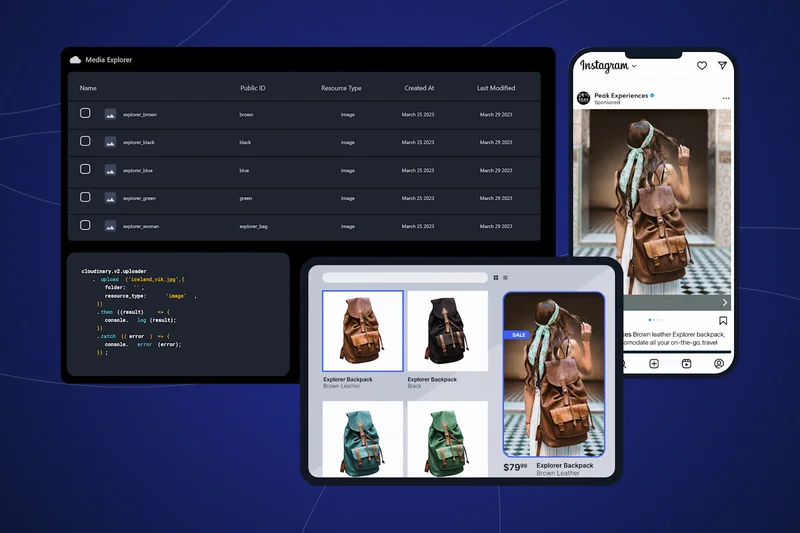
Why we picked it: At #7, Cloudinary Programmable Media transcends a traditional CDN by offering a comprehensive Media Experience Cloud. Scoring a 10 in Developer Experience, it utilizes multi-CDN dynamic routing to ensure media is delivered efficiently. Cloudinary's standout feature is its AI-based cropping, resizing, and on-the-fly video transcoding, allowing developers to manage visual media via simple URL parameters. For image-heavy eCommerce sites, Cloudinary is unmatched in optimizing Core Web Vitals through automated format conversions.
Key Specs
- Multi-CDN dynamic routing
- AI-based cropping and resizing
- Generative AI transformations
- Video transcoding on the fly
- Extensive developer SDKs
What we like
- Unrivaled AI-driven image and video optimization
- Multi-CDN architecture ensures high availability
- Extensive developer SDKs and URL APIs
What we don't like
- Can become expensive with high transformation volumes
- Overkill if you only need basic static asset caching
Best for: eCommerce brands and digital agencies managing massive libraries of dynamic visual media.
Cloudinary vs ImageKit? Cloudinary offers more advanced AI generative features and a broader media management ecosystem, while ImageKit is often more cost-effective for straightforward real-time optimization.
The industry standard for dynamic media optimization and intelligent visual content delivery.
Buy at Cloudinary official site#8 Mux Video

Why we picked it: Ranking #8, Mux Video is a specialized CDN explicitly designed for high-performance video delivery. It leverages a multi-CDN routing strategy to ensure ultra-low latency live streaming and VOD playback. Scoring a 10 in Developer Experience, Mux provides a developer-first video API that handles just-in-time encoding, DRM, and advanced QoS/QoE analytics. If video is core to your product, Mux abstracts away the immense complexity of video infrastructure.
Key Specs
- Just-in-time video encoding
- Multi-CDN routing strategy
- Ultra-low latency live streaming
- Advanced QoS/QoE analytics
- Developer-first video API
What we like
- Abstracts away all video encoding complexities
- Smart multi-CDN routing for optimal playback
- Best-in-class video analytics included
What we don't like
- Strictly for video, cannot replace your main web CDN
- Pricing per minute of video can add up rapidly
Best for: Platforms and applications where high-quality video streaming is the primary user experience.
Mux vs AWS Elemental? Mux offers a vastly superior developer experience and faster time-to-market, whereas AWS Elemental offers deeper, complex control for traditional broadcasters.
The absolute best API-driven video CDN for developers building modern streaming applications.
Buy at Mux official site#9 Alibaba Cloud CDN
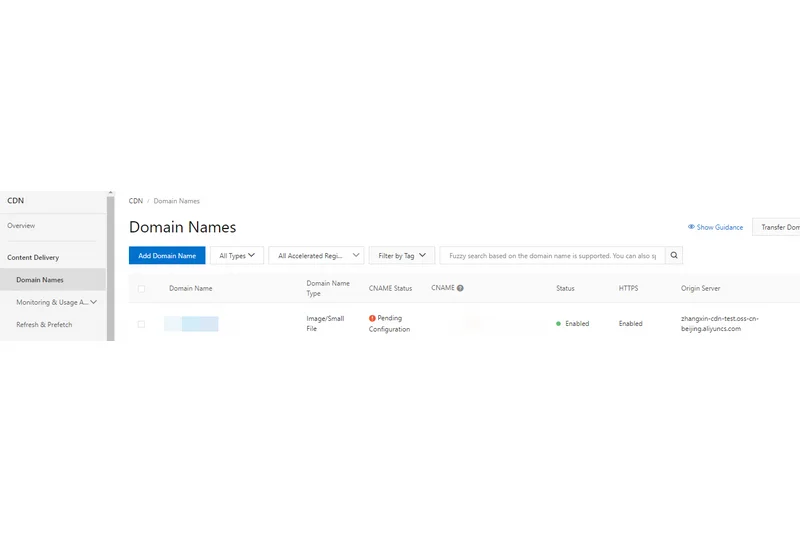
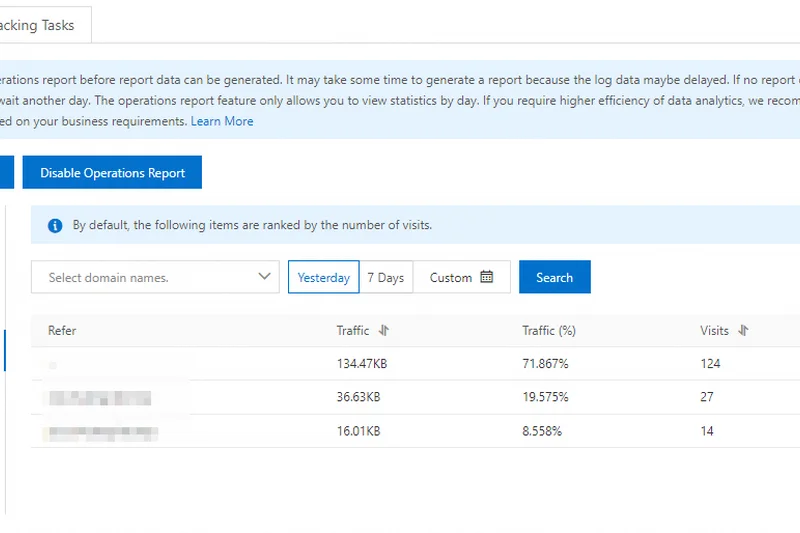
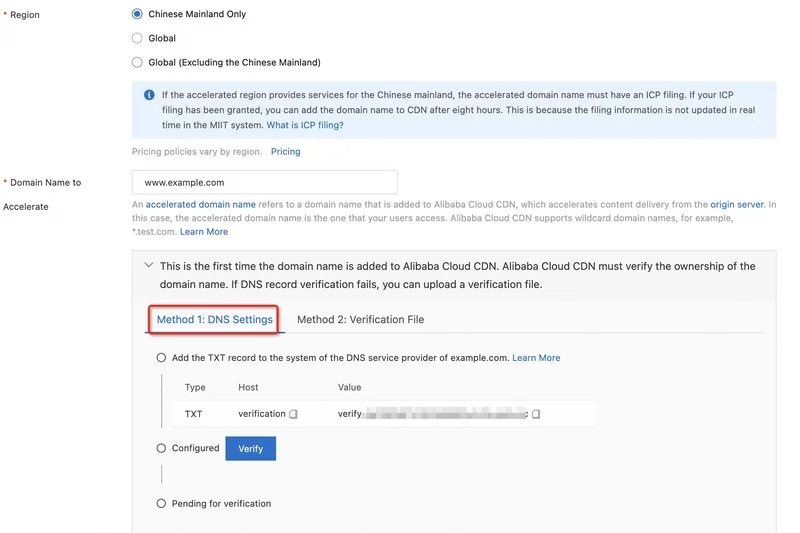
Why we picked it: Securing the #9 spot, Alibaba Cloud CDN is a high-performance global network that dominates the APAC market. With over 3,200 global nodes, it offers incredible penetration in mainland China and Southeast Asia. It features EdgeRoutine for serverless compute and intelligent caching algorithms. Backed by Alibaba's massive anti-DDoS architecture, it is a highly reliable choice for international enterprises expanding into Asian markets.
Key Specs
- 3,200+ global nodes
- Dominant APAC market coverage
- EdgeRoutine serverless compute
- Intelligent caching algorithms
- Integrated anti-DDoS architecture
What we like
- Unbeatable performance across the APAC region
- Massive global node count ensures high throughput
- Robust, integrated DDoS and WAF security
What we don't like
- Documentation and support outside of Asia can be lacking
- Complex console interface compared to western competitors
Best for: Global enterprises and gaming companies needing dominant network performance in Asian markets.
Alibaba Cloud CDN vs Tencent Cloud CDN? Alibaba offers a slightly broader global footprint and edge compute features, while Tencent excels specifically in VOD streaming within China.
A massive, highly capable CDN that is an absolute necessity for businesses targeting the APAC region.
Buy at Alibaba Cloud official site#10 Google Cloud CDN
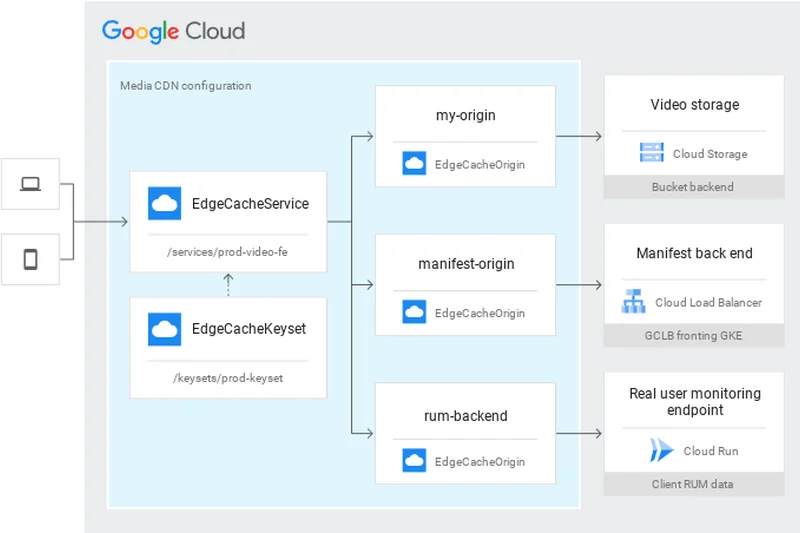
Why we picked it: Rounding out the top 10, Google Cloud CDN leverages Google's immense private global fiber network to deliver content with exceptionally low latency. Scoring a 10 in Platform Integrations, it works flawlessly with Google Cloud Storage and Load Balancing. It utilizes Anycast IP integration and offers free managed SSL certificates. While its edge compute features are less mature than Cloudflare's, its raw network throughput and integration with Cloud Armor WAF make it an enterprise staple.
Key Specs
- Runs on Google's private global fiber network
- Anycast IP integration
- Cloud Armor WAF compatibility
- Free managed SSL certificates
- Native Cloud Storage integration
What we like
- Runs on Google's premium private global backbone
- Seamless integration with Google Cloud ecosystem
- Excellent Anycast routing for minimal latency
What we don't like
- Edge computing capabilities are limited compared to rivals
- Bandwidth pricing is less competitive for standalone CDN use
Best for: Existing Google Cloud Platform customers needing fast, deeply integrated global delivery.
Google Cloud CDN vs Azure Front Door? Google Cloud CDN relies on Google's unmatched private fiber network for speed, while Azure Front Door offers slightly better native global load balancing for microservices.
A lightning-fast, highly reliable CDN that harnesses the power of Google's private infrastructure.
Buy at Google Cloud official site#11 Bunny CDN
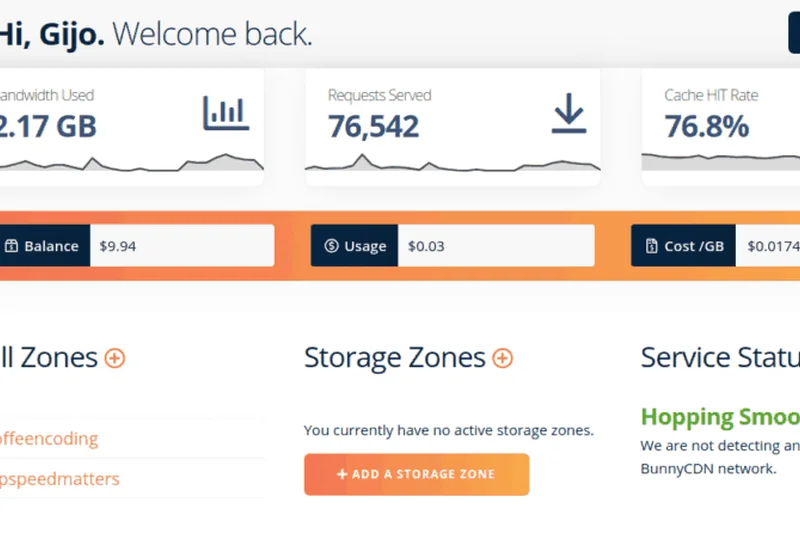
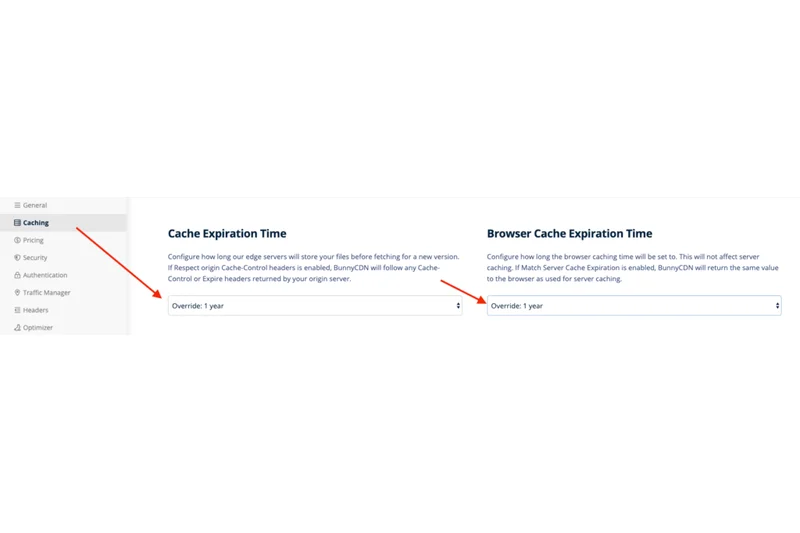
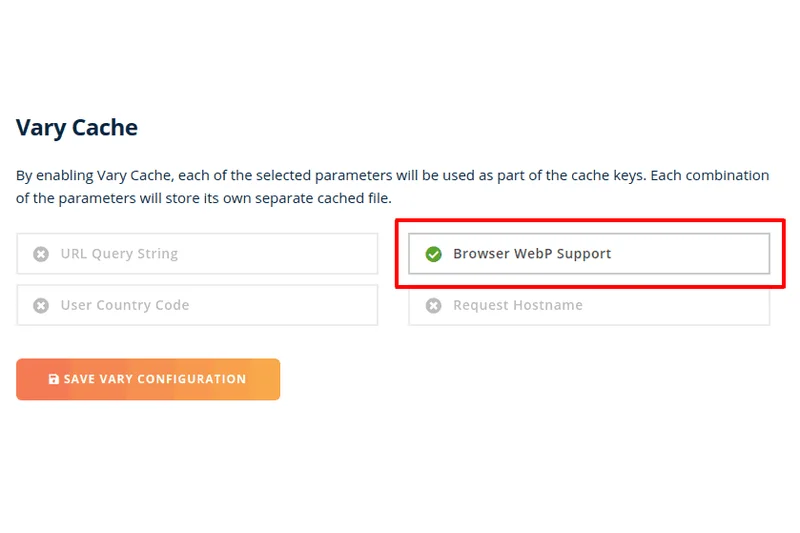
Why we picked it: Bunny CDN takes the #11 spot and wins our 'Best for Pricing & Bandwidth Costs' award. Offering incredible value starting at just $0.01/GB, it features over 120 global PoPs and an intuitive dashboard. It includes built-in DDoS protection and the excellent Bunny Optimizer for on-the-fly image manipulation. It delivers premium performance without the premium price tag, making it the top choice for budget-conscious SMBs.
Key Specs
- 120+ global PoPs
- Edge storage & optimization
- Bunny Optimizer for images
- DDoS protection included
- Real-time analytics & logging
What we like
- Unbeatable cost-to-performance ratio
- Extremely intuitive and user-friendly interface
- Great built-in image optimization tool
What we don't like
- Lacks advanced enterprise WAF features
- Support is not 24/7 dedicated for lower tiers
Best for: SMBs, bloggers, and growing applications seeking high performance on a strict budget.
Bunny CDN vs KeyCDN? Bunny CDN offers a slightly better dashboard and integrated edge storage, while KeyCDN provides a more mature developer API.
The absolute best value CDN on the market, combining excellent global speeds with highly transparent pricing.
Buy at Bunny.net official site#12 Azure Front Door
Why we picked it: At #12, Azure Front Door is Microsoft's global load balancer and CDN solution. It provides global anycast routing and is deeply integrated with the Microsoft ecosystem, utilizing automated threat intelligence for its WAF. It excels in microservices traffic routing and SSL/TLS offloading, making it a highly secure, enterprise-ready delivery network for organizations deeply invested in Azure.
Key Specs
- Global anycast routing
- Integrated Web Application Firewall
- Automated Microsoft threat intelligence
- SSL/TLS offloading
- Microservices traffic routing
What we like
- Exceptional integration with Azure services
- Strong automated threat intelligence security
- Great global load balancing capabilities
What we don't like
- Pricing is complex and can be expensive
- UI is geared strictly toward enterprise DevOps
Best for: Enterprise organizations running complex microservices on Microsoft Azure.
Azure Front Door vs AWS CloudFront? Both are excellent within their ecosystems, but Azure provides slightly more robust out-of-the-box global application routing.
A powerful, secure delivery and routing platform for heavy Microsoft Azure users.
Buy at Microsoft Azure official site#13 Gcore Edge CDN
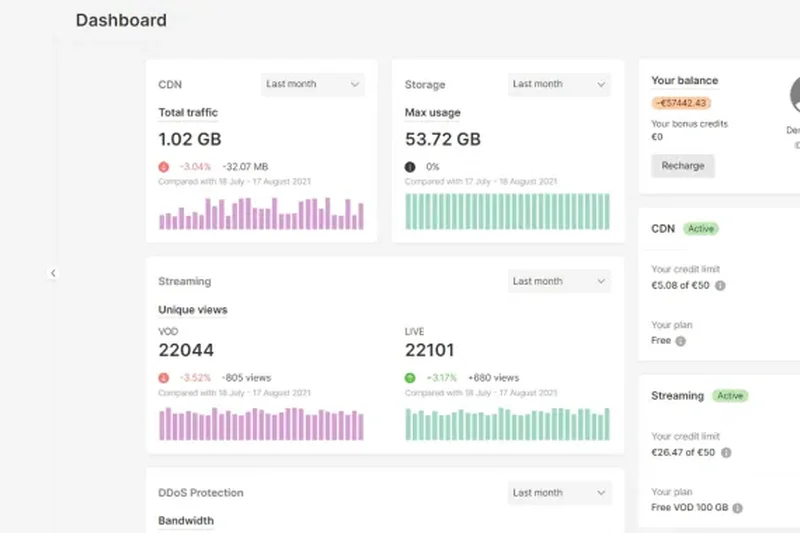
Why we picked it: Ranking #13, Gcore Edge CDN is a robust global network with 160+ PoPs across 6 continents, delivering an impressive 30 ms average global latency. It offers advanced web security, built-in image optimization, and is highly regarded for its high-performance streaming support. It strikes a solid balance between performance, features, and pricing for mid-market businesses.
Key Specs
- 160+ PoPs across 6 continents
- 30 ms average global latency
- Advanced web security features
- Built-in image optimization
- High-performance streaming support
What we like
- Excellent global latency and PoP distribution
- Strong capabilities for high-performance streaming
- Competitive pricing in the mid-market space
What we don't like
- Edge compute is still evolving
- Platform interface can be clunky
Best for: Mid-market gaming and media companies needing strong global reach.
Gcore vs CDN77? Gcore offers slightly better global latency overall, while CDN77 provides superior dedicated engineering support.
A solid, well-rounded edge CDN offering great global latency for media and gaming.
Buy at Gcore official site#14 ImageKit.io
Why we picked it: Coming in at #14, ImageKit.io focuses entirely on real-time media optimization. Backed by the AWS CloudFront network, it provides a powerful URL-based transformation API to resize and convert images (WebP/AVIF) on the fly. It boasts excellent developer SDKs and simplifies adaptive bitrate video streaming, making it incredibly easy to integrate into existing tech stacks.
Key Specs
- Real-time media optimization
- AWS CloudFront backed global network
- URL-based transformation API
- Automated format conversion (WebP/AVIF)
- Adaptive bitrate video streaming
What we like
- Dead-simple URL transformation API
- Excellent automated format conversions
- Runs on the highly reliable AWS CloudFront backbone
What we don't like
- Security features are minimal beyond basic SSL
- Not a full-suite CDN for dynamic web apps
Best for: Websites and apps looking for an easy, API-driven way to optimize heavy visual media.
ImageKit vs Gumlet? Both are great for media, but ImageKit offers a slightly more intuitive developer dashboard and broader SDK support.
A highly efficient, developer-friendly tool for automating image and video optimization.
Buy at ImageKit official site#15 CDN77 Enterprise CDN
Why we picked it: Ranked #15, CDN77 is a powerhouse for video and software delivery. With 130+ PoPs and massive 100 Gbps network capacity interfaces, it is engineered for heavy throughput. It provides free DDoS protection up to massive scales and is highly praised for its 24/7 dedicated engineering support, making it a reliable choice for VOD and live streaming broadcasters.
Key Specs
- 130+ points of presence
- 100 Gbps network capacity interfaces
- Specialized video delivery (VOD/Live)
- Free DDoS protection up to massive scale
- 24/7 dedicated engineering support
What we like
- Massive network capacity for heavy files and video
- Outstanding 24/7 dedicated engineering support
- Highly scalable DDoS protection included
What we don't like
- Starting price of $199/mo locks out smaller users
- Edge computing features are limited
Best for: Software distributors and video platforms requiring massive throughput and dedicated support.
CDN77 vs CacheFly? CDN77 offers better dedicated support for video, while CacheFly focuses heavily on ultra-low latency routing.
A heavy-duty enterprise CDN built specifically for massive file delivery and video streaming.
Buy at CDN77 official site#16 Lumen Edge CDN
Why we picked it: At #16, Lumen Edge CDN utilizes its deep global fiber backbone to deliver infrastructure-level content distribution. It features specialized routing for gaming and OTT (Over-The-Top) media, edge compute environments, and comprehensive IP shielding. It is an enterprise-grade solution that provides immense bandwidth capacity for those who need direct control over their network routing.
Key Specs
- Deep global fiber backbone network
- High-performance video delivery
- Edge compute environments
- Comprehensive IP shielding
- Specialized routing for gaming/OTT
What we like
- Backed by a massive tier-1 global fiber network
- Excellent for high-concurrency OTT video
- Strong infrastructure-level security features
What we don't like
- Custom enterprise pricing only
- Not developer-friendly for quick deployments
Best for: Massive global broadcasters, gaming studios, and telcos.
Lumen vs Leaseweb? Lumen leverages a deeper proprietary fiber backbone, while Leaseweb offers more flexible multi-CDN integration options.
A vast, infrastructure-heavy CDN perfect for OTT broadcasters and massive gaming updates.
Buy at Lumen official site#17 Gumlet Video & Image CDN

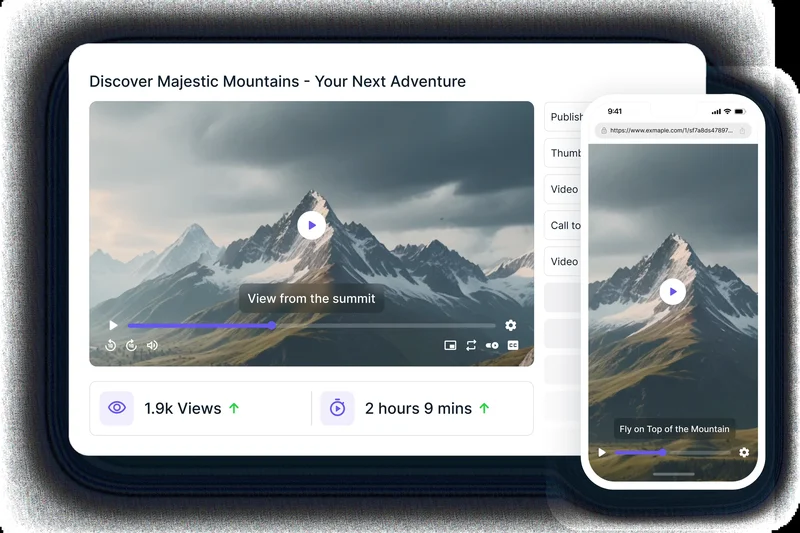

Why we picked it: Ranking #17, Gumlet is an optimized media delivery CDN that utilizes a multi-CDN architecture to ensure high availability. It features per-title video encoding, automated responsive images, and DRM protection for video assets. With starting costs as low as $0.05/GB, it provides excellent value for publishers needing robust media processing combined with real-time usage analytics.
Key Specs
- Multi-CDN architecture
- Per-title video encoding
- Automated responsive images
- DRM protection for video
- Real-time usage analytics
What we like
- Smart per-title video encoding saves bandwidth
- Multi-CDN approach ensures great reliability
- Cost-effective pricing for media optimization
What we don't like
- Lacks full web application firewall (WAF) capabilities
- Dashboard analytics can sometimes lag slightly
Best for: Publishers and eCommerce sites needing affordable, automated media optimization.
Gumlet vs Cloudinary? Gumlet is much more affordable for straightforward media optimization, while Cloudinary offers complex AI generative transformations.
A highly cost-effective, specialized CDN for automated video and image optimization.
Buy at Gumlet official site#18 Tencent Cloud CDN
Why we picked it: At #18, Tencent Cloud CDN provides an enterprise global network with 2,800+ acceleration nodes. It offers exceptionally deep penetration in the Chinese market. Geared heavily toward VOD streaming and dynamic content acceleration, it features an integrated WAF. It is an essential provider for Western companies looking to deliver content reliably into mainland China.
Key Specs
- 2,800+ acceleration nodes globally
- Deep China network penetration
- Dynamic content acceleration
- Integrated Web application firewall
- Video on demand (VOD) streaming focus
What we like
- Unrivaled network density within mainland China
- Excellent dynamic content and VOD acceleration
- Very competitive per-GB pricing
What we don't like
- Global edge compute capabilities trail behind Western leaders
- Documentation can be dense and hard to navigate
Best for: Enterprises and gaming companies that need reliable, high-speed content delivery into China.
Tencent vs Baidu Cloud CDN? Tencent provides a slightly stronger global footprint outside of China compared to Baidu's strictly regional focus.
A powerhouse CDN for businesses heavily targeting the Chinese and broader APAC markets.
Buy at Tencent Cloud official site#19 QUIC.cloud CDN
Why we picked it: Ranking #19, QUIC.cloud is a specialized CDN optimized heavily for WordPress environments. It features native integration with the LiteSpeed Cache plugin, offering dynamic HTML page caching directly at the edge—a massive performance booster for WordPress sites. It supports modern HTTP/3 protocols and provides L7 anti-DDoS protection, making it a highly valuable tool for WordPress publishers.
Key Specs
- Native LiteSpeed Cache integration
- HTTP/3 & QUIC protocol support
- Dynamic HTML page caching at the edge
- Anti-DDoS at application layer (L7)
- Image & CSS optimization
What we like
- Incredible dynamic HTML caching for WordPress
- Native, seamless LiteSpeed plugin integration
- Supports cutting-edge HTTP/3 and QUIC protocols
What we don't like
- Strictly optimized for WordPress, not ideal for other stacks
- Credit-based pricing system can be confusing
Best for: WordPress site owners utilizing LiteSpeed servers looking for maximum performance.
QUIC.cloud vs SiteGround CDN? QUIC.cloud offers deeper edge HTML caching for LiteSpeed servers, whereas SiteGround is a better managed, plug-and-play solution for SiteGround hosted sites.
The best edge caching CDN specifically built for the WordPress and LiteSpeed ecosystem.
Buy at QUIC.cloud official site#20 Imperva Global CDN
Why we picked it: At #20, Imperva Global CDN (by Thales) is a security-first CDN that scores a perfect 10 in Web Security. It offers a best-in-class WAAP (Web App & API Protection), advanced bot protection, and a unique 3-second DDoS mitigation SLA. While its developer experience and edge computing capabilities are limited, its application delivery controller ensures consistent cache hits for highly targeted enterprise applications.
Key Specs
- Best-in-class WAAP (Web App & API Protection)
- 3-second DDoS mitigation SLA
- Application delivery controller
- Advanced bot protection
- Consistently high cache hit ratios
What we like
- Unmatched 3-second DDoS mitigation SLA
- Industry-leading Web App & API Protection (WAAP)
- Exceptional advanced bot management
What we don't like
- Very expensive custom enterprise pricing
- Lacks modern serverless edge compute features
Best for: High-risk enterprises, financial institutions, and government entities requiring absolute security.
Imperva vs Sucuri? Imperva offers enterprise-grade WAAP and SLAs for large organizations, while Sucuri provides excellent, affordable virtual patching for smaller websites.
An ironclad, security-first CDN designed to protect critical infrastructure from advanced cyber threats.
Buy at Imperva official site#21 NitroPack Edge Optimization
Why we picked it: Ranked #21, NitroPack is a site speed optimization network powered under the hood by Cloudflare. It takes the complexity out of passing Core Web Vitals by offering advanced caching, smart preloading, automated CSS/JS minification, and WebP conversion. It is essentially an automated performance layer that guarantees speed improvements with zero technical configuration required.
Key Specs
- Built-in global CDN (Cloudflare powered)
- Advanced caching & smart preloading
- Image compression & WebP conversion
- Automated CSS/JS minification
- Guarantees Core Web Vitals passing
What we like
- Literally a 1-click solution to pass Core Web Vitals
- Excellent automated CSS/JS and image optimization
- Runs on the reliable Cloudflare global network
What we don't like
- Monthly pricing is high for just an optimization layer
- Abstracts away control; developers can't tweak specific rules
Best for: Website owners and agencies that need to fix site speed and Core Web Vitals without touching code.
NitroPack vs Hostinger Native CDN? NitroPack offers deep, aggressive code-level optimization, whereas Hostinger simply offers standard asset caching.
An aggressive, automated optimization engine that solves site speed issues effortlessly.
Buy at NitroPack official site#22 CacheFly Smart Edge
Why we picked it: At #22, CacheFly Smart Edge is built for ultra-low latency and high-throughput. Utilizing 50+ tier-1 edge locations, it features smart routing technology and edge storage functionality. It is highly optimized for infinite mobile scalability and delivering massive files, making it a reliable workhorse for podcast hosting, software delivery, and media downloads.
Key Specs
- Optimized for ultra-low latency
- 50+ tier-1 edge locations
- Infinite mobile scalability
- Smart routing technology
- Storage at the edge functionality
What we like
- Consistently delivers ultra-low latency globally
- Excellent for high-throughput software and media downloads
- Smart routing ensures optimal delivery paths
What we don't like
- High starting price of $295/mo
- Security features lag behind modern WAAP standards
Best for: Podcast networks, software distributors, and media companies pushing heavy files.
CacheFly vs Fastly? CacheFly is optimized for raw throughput of large files, while Fastly excels in delivering dynamic, rapidly changing small payloads.
A premium, high-throughput CDN engineered specifically for ultra-low latency file delivery.
Buy at CacheFly official site#23 KeyCDN Content Delivery
Why we picked it: Ranking #23, KeyCDN is a highly developer-focused provider that offers excellent value starting at $0.04/GB. It provides 40+ strategic edge locations, an included origin shield at no extra cost, and a highly responsive RESTful API for instant cache purging. With free Let's Encrypt SSL and built-in image processing, it's a versatile tool for technical users on a budget.
Key Specs
- 40+ strategic edge locations
- Free Let's Encrypt SSL
- Origin shield included at no cost
- RESTful API & instant purge
- Image processing capabilities
What we like
- Very clean, developer-friendly RESTful API
- Origin shield included for free
- Transparent, pay-as-you-go pricing
What we don't like
- Smaller PoP footprint (40+) compared to industry giants
- Lacks advanced edge computing capabilities
Best for: Developers and startups looking for a simple, fast, and transparently priced CDN.
KeyCDN vs Bunny CDN? Both offer great value, but KeyCDN's API is slightly more developer-oriented, while Bunny CDN provides a larger global PoP footprint.
A lightweight, developer-friendly CDN offering transparent pricing and solid fundamental performance.
Buy at KeyCDN official site#24 SiteGround CDN
Why we picked it: At #24, SiteGround CDN is a managed hosting CDN built directly on top of Google Cloud's premium routing infrastructure. It features dynamic and static page caching, a premium Anycast network, and 1-click WordPress setup. It is specifically designed to provide a frictionless speed boost for users hosting their websites on the SiteGround platform.
Key Specs
- Built-in Google Cloud routing infrastructure
- Dynamic and static page cache
- Premium Anycast network
- 1-click WordPress setup
- Custom edge caching rules
What we like
- Seamless 1-click activation for SiteGround users
- Leverages Google Cloud's premium Anycast network
- Excellent dynamic caching for WordPress
What we don't like
- Only available/useful to SiteGround hosting customers
- Limited custom edge configuration options
Best for: Existing SiteGround hosting customers wanting an effortless speed upgrade.
SiteGround CDN vs Hostinger Native CDN? Both are hosting-specific, but SiteGround benefits from Google Cloud's premium routing backbone.
An excellent, zero-configuration performance boost exclusive to the SiteGround hosting ecosystem.
Buy at SiteGround official site#25 CDNetworks CDN Pro
Why we picked it: Ranking #25, CDNetworks CDN Pro boasts an impressive 2,800+ global PoPs, providing unrivaled performance in mainland China and the broader APAC region. It integrates edge computing and a Zero Trust security framework to ensure high-speed, secure delivery of rich media. It is a vital enterprise option for secure, cross-border content delivery.
Key Specs
- 2,800+ global PoPs
- Unrivaled performance in mainland China
- Edge computing integration
- Zero Trust security framework
- High-speed rich media delivery
What we like
- Exceptional content delivery performance into mainland China
- Massive global PoP count ensures wide coverage
- Strong Zero Trust security framework
What we don't like
- Custom pricing can be complex and opaque
- Interface and documentation can be challenging for Western developers
Best for: Global enterprises requiring high-performance, compliant delivery into China.
CDNetworks vs Alibaba Cloud? CDNetworks offers slightly more specialized enterprise consulting for cross-border delivery, while Alibaba provides deeper raw cloud infrastructure.
A robust global CDN that specializes in bridging the network performance gap into the APAC region.
Buy at CDNetworks official site#26 Jet-Stream Cloud
Why we picked it: At #26, Jet-Stream Cloud is a premium video and multi-CDN platform. It uses context-aware multi-CDN routing to guarantee broadcast-grade 4K streaming capabilities. Based in Europe, it emphasizes a privacy-first infrastructure that complies strictly with GDPR. Its advanced, customizable video player integration makes it a top-tier choice for European broadcasters.
Key Specs
- Context-aware multi-CDN routing
- Broadcast-grade 4K streaming capabilities
- Privacy-first European CDN infrastructure
- Advanced customizable video player integration
What we like
- Smart multi-CDN routing ensures flawless 4K video
- Strict, privacy-first European infrastructure
- Excellent customizable video player provided
What we don't like
- Custom pricing geared toward broadcasters
- Not designed for general-purpose web caching
Best for: European media broadcasters and OTT platforms requiring privacy-compliant 4K streaming.
Jet-Stream vs Mux Video? Jet-Stream focuses heavily on European privacy compliance and multi-CDN broadcasting, while Mux offers a more agile developer API.
A premium, privacy-focused video delivery network designed for high-end European broadcasters.
Buy at Jet-Stream official site#27 Baidu Cloud CDN
Why we picked it: Ranking #27, Baidu Cloud CDN is deeply integrated into the Baidu ecosystem, making it a specialized tool for the Chinese market. It features extensive mainland China PoP density and proprietary anti-hijacking technologies. While its global reach is limited, its specialized video and game optimization for domestic Chinese users is highly effective.
Key Specs
- Deep integration with Baidu ecosystem
- Extensive mainland China PoP density
- Proprietary anti-hijacking technologies
- Specialized video and game optimization
What we like
- Deep integration with China's largest search ecosystem
- Proprietary anti-hijacking security features
- Excellent PoP density within China
What we don't like
- Very limited global presence outside of China
- Support and documentation are localized
Best for: Domestic Chinese companies or brands focusing exclusively on the mainland market.
Baidu Cloud vs Tencent Cloud? Tencent offers a much better global footprint for international expansion compared to Baidu's hyper-localized network.
A highly specialized, regional CDN that excels exclusively within the Chinese digital ecosystem.
Buy at Baidu Cloud official site#28 Medianova Global CDN
Why we picked it: At #28, Medianova Global CDN is highly optimized for the MENA (Middle East and North Africa) and European regions. Starting at $50/mo, it uses BGP Anycast routing and an agile API architecture. With free Let's Encrypt integration and token authentication security, it offers reliable enterprise content delivery for businesses targeting these specific geographic markets.
Key Specs
- Highly optimized for MENA and Europe regions
- BGP Anycast routing
- Free Let's Encrypt integration
- Token authentication security
- Agile API architecture
What we like
- Exceptional performance in the MENA and Europe regions
- Solid BGP Anycast routing infrastructure
- Agile API for easy developer integration
What we don't like
- Network density is lighter in the Americas and APAC
- Edge computing features are currently basic
Best for: Enterprises and media platforms specifically targeting audiences in the MENA region and Europe.
Medianova vs Transparent Edge? Medianova dominates MENA routing, whereas Transparent Edge focuses strictly on high-performance caching in Europe.
A solid mid-market CDN providing specialized routing and performance for the MENA region.
Buy at Medianova official site#29 Leaseweb CDN
Why we picked it: Ranking #29, Leaseweb CDN is an enterprise delivery network that provides high-bandwidth capabilities tailored for VOD and software distribution. It offers granular geographic routing and multi-CDN integration options. Complete with WAF, DDoS mitigation, and real-time SLA monitoring, it is a robust infrastructure choice for heavy data distributors.
Key Specs
- High-bandwidth capabilities for VOD
- Multi-CDN integration options
- Granular geographic routing
- WAF & DDoS mitigation
- Real-time SLA monitoring
What we like
- Excellent high-bandwidth capabilities for heavy files
- Flexible multi-CDN integration options
- Transparent, real-time SLA monitoring
What we don't like
- Custom pricing model can be slow to negotiate
- Developer tools and edge compute are lacking
Best for: Large software distributors and VOD platforms needing high-bandwidth infrastructure.
Leaseweb vs CDN77? Both excel at heavy file delivery, but Leaseweb offers slightly more flexible geographic routing options.
A dependable infrastructure CDN built to handle massive bandwidth requirements.
Buy at Leaseweb official site#30 Transparent Edge CDN
Why we picked it: At #30, Transparent Edge CDN is a high-performance European provider built on a Varnish-based caching architecture. Utilizing 100% NVMe edge locations, it enables real-time configuration deployments. With advanced Bot Management and WAF included, it delivers blisteringly fast TTFB for European audiences, though its global reach is restricted.
Key Specs
- Varnish-based caching architecture
- 100% NVMe Edge locations
- Real-time configuration deployment
- Advanced Bot Management & WAF
What we like
- Incredibly fast NVMe-based Varnish caching
- Real-time configuration deployment
- Strong focus on European data privacy and speed
What we don't like
- Limited global PoP presence outside of Europe
- Requires custom enterprise pricing contracts
Best for: European eCommerce and media sites demanding the absolute lowest latency locally.
Transparent Edge vs Fastly? Both utilize Varnish caching, but Fastly offers a global footprint and Compute@Edge, whereas Transparent Edge is highly localized to Europe.
A boutique, ultra-fast European CDN built on top of high-performance NVMe Varnish architecture.
Buy at Transparent Edge official site#31 Sucuri Website Firewall & CDN
Why we picked it: Ranking #31, Sucuri focuses heavily on website security, offering an Anycast global edge network bundled with its renowned website firewall. It features proprietary virtual patching, extensive DDoS mitigation, and malware scanning integration. While it scores lower on raw speed and developer experience, its ability to prevent zero-day exploits makes it invaluable for vulnerable CMS sites.
Key Specs
- Anycast global edge network
- Proprietary virtual patching
- DDoS mitigation & extensive WAF
- Malware scanning integration
- Zero-day exploit prevention
What we like
- Industry-leading virtual patching for CMS vulnerabilities
- Comprehensive malware scanning and removal included
- Strong WAF and DDoS mitigation
What we don't like
- Performance and caching are secondary to security
- Dashboard feels dated compared to modern CDNs
Best for: Small to medium websites (especially WordPress) that prioritize security and hack prevention over raw speed.
Sucuri vs Cloudflare? Cloudflare provides a much faster, globally dense network with edge compute, while Sucuri offers hands-on malware removal and specific CMS virtual patching.
A highly effective security-first firewall that includes CDN caching as a secondary benefit.
Buy at Sucuri official site#32 ArvanCloud CDN
Why we picked it: At #32, ArvanCloud is an integrated edge cloud with 40+ global PoPs. It provides integrated cloud security (WAF/DDoS) and advanced DNS resolution routing. With free SSL provisioning and smart image optimization available on affordable tiers, it offers a decent, budget-friendly option for regional content delivery.
Key Specs
- 40+ global PoPs
- Integrated cloud security (WAF/DDoS)
- Advanced DNS resolution routing
- Smart image optimization
- Free SSL provisioning
What we like
- Affordable pricing starting with a free tier
- Good integrated cloud security features
- Advanced DNS routing capabilities
What we don't like
- Smaller global footprint (40+ PoPs)
- Support and documentation can be inconsistent
Best for: Startups and regional businesses looking for an affordable integrated edge cloud.
ArvanCloud vs Bunny CDN? Bunny CDN offers a significantly larger global network and a more polished dashboard for a similar budget price.
A budget-friendly edge cloud offering a good mix of basic CDN and security features.
Buy at ArvanCloud official site#33 Hostinger Native CDN
Why we picked it: Ranking #33, Hostinger Native CDN is an automated caching layer built directly into the hPanel dashboard for Hostinger users. Included with Business Hosting ($3.99/mo), it provides under-the-hood routing optimization and basic DDoS protection with a simple 1-click activation. It sacrifices developer control for ultimate ease of use.
Key Specs
- Integrated directly into hPanel dashboard
- Automated static asset caching
- Under-the-hood routing optimization
- DDoS protection included
- 1-click activation
What we like
- Effortless 1-click setup within the hosting panel
- Included practically for free with business hosting
- Automates basic static asset caching seamlessly
What we don't like
- Zero developer control or advanced configuration
- Only available to Hostinger web hosting customers
Best for: Hostinger customers running small sites who want a free, zero-effort speed boost.
Hostinger Native CDN vs SiteGround CDN? Both are hosting-specific, but SiteGround's implementation offers slightly more advanced dynamic caching features.
A basic, completely hands-off CDN utility designed exclusively for Hostinger's hosting ecosystem.
Buy at Hostinger official site#34 BlazingCDN
Why we picked it: At #34, BlazingCDN is an ultra-budget provider offering bandwidth at an incredible $5/TB. It features over 60 global PoPs running on an NVMe SSD caching architecture. With unmetered 100Gbps network interfaces and basic Layer 3/4/7 DDoS protection, it delivers raw, cheap bandwidth, though it lacks the polish and edge features of premium networks.
Key Specs
- Over 60 global PoPs
- NVMe SSD caching architecture
- Unmetered 100Gbps network interfaces
- Free Let's Encrypt integration
- DDoS layer 3/4/7 protection
What we like
- Incredibly cheap raw bandwidth pricing ($5/TB)
- Fast NVMe SSD caching architecture
- Decent PoP count (60+) for the price
What we don't like
- Barebones dashboard and developer tooling
- Lacks advanced application-layer security rules
Best for: Hobbyists and highly budget-constrained projects pushing large amounts of static data.
BlazingCDN vs 5centsCDN? BlazingCDN offers cheaper bulk TB pricing, while 5centsCDN is slightly more optimized for media and streaming.
A bare-minimum, ultra-budget CDN offering extremely cheap raw bandwidth.
Buy at BlazingCDN official site#35 Kingsoft Cloud CDN
Why we picked it: Ranking #35, Kingsoft Cloud CDN utilizes a P2P + CDN hybrid delivery model to support high-concurrency video streaming. Aimed primarily at the Asian gaming and video market, it features a robust enterprise Anti-DDoS layer. While powerful for specific domestic use cases, its global routing and DevEx lag behind western providers.
Key Specs
- High-concurrency video streaming
- P2P + CDN hybrid delivery model
- Global content distribution nodes
- Robust enterprise Anti-DDoS layer
What we like
- Unique P2P + CDN hybrid model saves bandwidth
- Strong capabilities for high-concurrency gaming/video
- Robust regional Anti-DDoS layer
What we don't like
- Global performance outside Asia is subpar
- Lacks modern developer API and edge compute tools
Best for: Asian gaming publishers and streaming platforms needing hybrid P2P delivery.
Kingsoft Cloud vs Tencent Cloud? Tencent offers a more polished global network and enterprise ecosystem compared to Kingsoft.
A specialized regional CDN leveraging hybrid P2P technology for gaming and streaming.
Buy at Kingsoft Cloud official site#36 BelugaCDN
Why we picked it: At #36, BelugaCDN is a value-oriented provider known for its native IPv6 support out of the box. Operating a dual-stack global network, it provides instant API purging and real-time traffic analytics. While it offers a very accessible starting price of $20/mo, its security features and overall global throughput trail the competition.
Key Specs
- Native IPv6 support out of the box
- Dual-stack global network
- Real-time traffic analytics
- Free SSL/TLS certificates
- Instant API purging
What we like
- Excellent native IPv6 support out of the box
- Affordable starting price point
- Simple and effective instant API purging
What we don't like
- Small global network limits performance
- Security features are very basic
Best for: Tech-savvy users running small projects who require native IPv6 support.
BelugaCDN vs KeyCDN? KeyCDN offers a more robust network and better documentation for developers at a similar price point.
A basic, budget-friendly CDN notable primarily for its native IPv6 architecture.
Buy at BelugaCDN official site#37 5centsCDN
Why we picked it: Rounding out our list at #37, 5centsCDN is a budget web and media CDN that requires no minimum traffic commitments. With a pay-as-you-go model starting at $2.50/mo, it is highly accessible. It provides custom CNAME support and basic DDoS protection. While it lacks enterprise features, it is a functional entry-level solution for basic live streaming and VOD.
Key Specs
- No minimum traffic commitments
- Live streaming & VOD focus
- Free SSL & basic DDoS protection
- Custom CNAME support
- Pay-as-you-go rapid scaling
What we like
- Extremely low barrier to entry with no minimums
- Good basic support for live streaming and VOD
- Transparent pay-as-you-go pricing
What we don't like
- Performance and TTFB lag behind market leaders
- Dashboard and analytics are relatively primitive
Best for: Bootstrapped startups and individuals experimenting with basic video delivery.
5centsCDN vs Bunny CDN? Bunny CDN is vastly superior in speed, UI, and edge optimization, while maintaining a similarly low budget price.
An entry-level, highly affordable CDN suitable for basic hobby projects and light media hosting.
Buy at 5centsCDN official siteBuying Guide
Understanding Your CDN Needs by User Type
Choosing the right Content Delivery Network (CDN) depends heavily on your specific operational requirements, audience distribution, and technical expertise. We have categorized the market into four primary use cases to help you navigate the landscape and select the provider that aligns with your business goals.
Enterprises & Large Corporations
For large enterprises, security and 100% uptime are non-negotiable requirements. You need a provider with a massive global footprint (often thousands of PoPs) and deep peering relationships with major ISPs worldwide. Look for platforms that offer unmetered, enterprise-grade DDoS protection, advanced AI-driven Bot Management, and highly configurable Web Application Firewalls (WAF). Providers like Akamai, Cloudflare, and Imperva excel in this tier, offering ironclad reliability and comprehensive threat intelligence. In this scenario, pricing takes a backseat to the absolute assurance that your applications remain online, performant, and secure under any circumstance.
Small Businesses & Publishers
Small to medium businesses (SMBs) and content publishers should prioritize ease of use, zero-configuration setups, and transparent, predictable pricing. If you do not have a dedicated DevOps team, seamless integration with popular CMS platforms (like WordPress) is crucial. Providers offering generous free tiers, flat-rate bandwidth pricing, and simple 1-click SSL provisioning (such as Bunny CDN, SiteGround CDN, or Hostinger) provide excellent value. Predictable costs prevent unexpected, budget-breaking bills during sudden traffic spikes or viral content moments.
Developers & Engineering Teams
If you are building modern, dynamic web applications or utilizing Jamstack architectures, your primary focus should be on Developer Experience (DevEx) and Edge Computing capabilities. You need a CDN that acts as a natural extension of your CI/CD pipeline. Look for robust RESTful APIs, Infrastructure-as-Code (Terraform) support, and the ability to run serverless functions directly at the network edge with near-zero cold starts. Platforms like Fastly, Vercel, Netlify, and Cloudflare lead this space, enabling engineering teams to push authentication, A/B testing, and custom traffic routing logic closer to the end user for minimal latency.
High-Traffic eCommerce & Media Streaming
Media platforms and eCommerce stores live and die by milliseconds. Peak global throughput, adaptive bitrate video streaming, and dynamic image optimization are essential for conversion rates and user retention. You require a CDN capable of on-the-fly media transformations (such as automatically converting images to WebP or AVIF based on the requesting browser) and specialized routing for high-concurrency video delivery. Solutions like Cloudinary, Mux Video, Amazon CloudFront, and ImageKit offer the specialized, high-bandwidth capabilities needed to deliver rich media flawlessly without overwhelming your origin servers.
What to Avoid When Choosing a CDN
- Hidden Costs and Complex Pricing: Be extremely wary of providers that charge additional fees for essential features like HTTPS requests, cache invalidation operations, or basic DDoS protection. What initially looks like a low per-GB rate can quickly inflate with hidden transactional fees.
- Poor Customer Support: If your CDN experiences an outage, your website goes offline. Avoid providers that only offer ticket-based support with 24-hour response SLAs, especially if your core business relies on continuous, uninterrupted availability.
- Limited Global Reach: If your audience is international, a CDN with PoPs concentrated exclusively in North America and Western Europe will fail to deliver optimal speeds to users in Asia, Africa, or South America. Ensure the provider has a strong, verified presence where your users actually reside.
- Rigid Caching Rules: Avoid platforms that make it difficult to purge cache instantly or set granular Cache-Control headers via an API. Stale content can ruin the user experience and break dynamic application functionality.
Budget Tiers and Pricing Models
CDN pricing can be notoriously complex. Here is a breakdown of what you can expect across the different market budget tiers:
- Free / Freemium ($0 - $20/mo): Excellent for personal blogs, hobby projects, and small startups. Cloudflare's free tier is legendary, offering basic CDN and essential security features. Vercel and Netlify also offer robust free tiers specifically tailored for frontend developers deploying static assets.
- Value / Pay-As-You-Go ($0.01 - $0.05/GB): Ideal for growing businesses that need performance and cost predictability. Providers like Bunny CDN, 5centsCDN, and KeyCDN offer highly competitive per-GB rates without sacrificing essential routing and caching features.
- Mid-Market / Professional ($50 - $300/mo): Suited for high-traffic sites needing advanced WAF rules, edge computing, and priority technical support. Fastly and premium Cloudflare plans fall into this category, providing advanced programmability and robust security capabilities.
- Enterprise (Custom Pricing): Built for massive scale and complex architectures, requiring negotiated, multi-year contracts. Providers like Akamai, Imperva, and Lumen offer dedicated account management, custom uptime SLA guarantees, and advanced, active threat mitigation tailored to the organization's specific risk profile.
FAQ
What is a Content Delivery Network (CDN)?
A CDN is a geographically distributed group of servers (Points of Presence) that cache content close to end users. A CDN allows for the quick transfer of assets needed for loading Internet content including HTML pages, javascript files, stylesheets, images, and videos.
How does a CDN improve network speed and global reach?
By caching your website's static assets on edge servers around the world, a CDN ensures that when a user requests your site, the data travels from the closest physical server rather than a distant origin server. This drastically reduces Time to First Byte (TTFB) and overall page load times.
What security features should I look for in a CDN?
A modern CDN should provide automatic SSL/TLS certificate management, an integrated Web Application Firewall (WAF) to block malicious traffic (like SQL injection and cross-site scripting), advanced Bot Management, and robust, unmetered DDoS mitigation.
How do edge computing capabilities enhance a CDN?
Edge computing allows developers to run serverless code (like Cloudflare Workers or Fastly Compute@Edge) directly on the CDN's PoPs. This means logic such as A/B testing, user authentication, and dynamic routing can occur milliseconds away from the user, drastically reducing latency.
What is the difference between an enterprise CDN and a budget CDN?
Enterprise CDNs (like Akamai or Imperva) offer massive scale, 100% uptime SLAs, deep ISP peering, and highly customizable WAFs managed by security teams. Budget CDNs (like Bunny CDN) offer great raw speed and caching but lack the advanced security rules and dedicated account support.
How does a CDN protect against DDoS attacks?
CDNs absorb Distributed Denial of Service (DDoS) attacks by sitting in front of your origin server. Because their networks have massive bandwidth capacity (often hundreds of Tbps), they can easily scrub and block malicious traffic spikes before they ever reach your actual web host.
What is a Web Application Firewall (WAF)?
A WAF monitors, filters, and blocks HTTP traffic to and from a web application. Integrated into a CDN, it protects against web exploits, bots, and zero-day vulnerabilities by inspecting incoming requests against a set of customizable security rules.
How do CDN pricing models typically work?
Most CDNs charge based on data transfer (per GB) out from their edge servers to the user. Some providers also charge for the number of HTTP/HTTPS requests, custom WAF rules, and edge computing invocations. Enterprise plans usually involve flat monthly fees based on negotiated traffic commitments.
Can I use multiple CDNs simultaneously?
Yes, a Multi-CDN strategy involves using a load balancer or smart DNS routing to distribute traffic across two or more CDNs. This ensures maximum uptime, global coverage, and allows you to route traffic based on which CDN is performing best (or is cheapest) in a specific geographic region.
What is cache purging and why is instant invalidation important?
Cache purging is the process of deleting stale content from the CDN's edge servers so it can fetch the newest version from your origin. Instant invalidation is crucial for dynamic sites (like news or eCommerce) to ensure users immediately see price changes or breaking updates.
Do I need a CDN for a small WordPress blog?
Yes, implementing a free or budget CDN will significantly improve your site's load speed, reduce bandwidth costs on your hosting plan, and protect your site from basic brute-force attacks and comment spam.
How does a CDN integrate with popular cloud providers like AWS or GCP?
Native CDNs like Amazon CloudFront and Google Cloud CDN integrate directly with their respective cloud storage and load balancing services, offering easier identity management and internal network routing without traversing the public internet.
Methodology
Our comprehensive evaluation process for the Best CDN Providers 2026 relies on the rigorous M2 Multi-Dimensional Evaluation methodology developed by SelectionLogic [1]. This structured framework ensures a balanced, objective, and deeply technical analysis, preventing any single feature (such as sheer network speed or aggressive budget pricing) from disproportionately skewing the overall ranking. We evaluated 37 top CDN providers across 7 distinct dimensions, assigning specific weights based on their critical importance to modern content delivery architectures.
The evaluation dimensions and their respective base weights are as follows:
- Network Speed & Global Reach (25%): We measured the sheer number of global Points of Presence (PoPs), average latency, cache hit ratios, and overall throughput capabilities. A CDN's primary job is speed, so we prioritized providers with dense global networks and sophisticated routing algorithms.
- Web Security & DDoS Protection (20%): CDNs must act as the first line of defense. We evaluated the robustness of the integrated Web Application Firewall (WAF), Bot Management, SSL/TLS management, and automated DDoS mitigation up to the application layer.
- Uptime SLA & Support (15%): We assessed historical uptime records, the financial backing of Service Level Agreement (SLA) guarantees, and the availability, expertise, and responsiveness of technical support.
- Pricing & Bandwidth Costs (15%): We analyzed cost efficiency per GB of bandwidth, the transparency of pricing models, the generosity of free tiers, and penalized providers for hidden fees related to requests or edge routing rules.
- Developer Experience & Analytics (10%): We evaluated API comprehensiveness, Infrastructure-as-Code (Terraform) integration, ease of deployment, and the depth of real-time logging and traffic analytics.
- Edge Computing & Optimization (10%): We measured the ability to run serverless functions at the network edge, dynamic image/video optimization features, and the flexibility of custom traffic routing rules.
- Ecosystem & Integrations (5%): We assessed how easily the CDN integrates with major cloud providers (AWS, GCP), popular CMS platforms, and third-party observability and alerting tools.
Data was gathered through direct platform testing, API benchmarking, analysis of public SLAs, and the aggregation of verified user reviews from trusted platforms like G2 and Trustpilot. To cater to specific user requirements, we also calculated specialized scenario rankings by adjusting the dimension weights. For example, our "Best Overall for Enterprises" scenario heavily prioritizes Security (25%) and Reliability (20%), while the "Best for Small Businesses & Publishers" scenario elevates the importance of Pricing (25%) and Integrations (20%). This multi-faceted M2 approach guarantees that our recommendations are accurate, highly nuanced, and actionable for various organizational profiles.
Sources & References
All factual claims, product specifications, prices, and images in this article are cited by number. Click any reference to jump to the list; click the link in each entry to visit the original source.
- [1]SelectionLogic. "M2 Multi-Dimensional Evaluation Methodology." selectionlogic.org/m2-evaluation. Accessed Mar 2026.
- [2]SelectionLogic. "Content Delivery Networks (CDNs) Buying Guide 2026." selectionlogic.org/cdn-guide. Accessed Mar 2026.
- [3]Cloudflare. "Cloudflare Global Network." cloudflare.com/network. Accessed Mar 2026.
- [4]AWS. "Amazon CloudFront Features." aws.amazon.com/cloudfront. Accessed Mar 2026.
- [5]Fastly. "Fastly Compute@Edge." fastly.com/edge-compute. Accessed Mar 2026.
- [6]Akamai. "Akamai Connected Cloud Services." akamai.com/cdn. Accessed Mar 2026.
- [7]Vercel. "Vercel Edge Network." vercel.com/edge-network. Accessed Mar 2026.
- [8]Netlify. "Netlify Edge Platform." netlify.com/edge. Accessed Mar 2026.
- [9]Cloudinary. "Programmable Media CDN." cloudinary.com. Accessed Mar 2026.
- [10]Mux. "Mux Video Delivery." mux.com. Accessed Mar 2026.
- [11]Alibaba Cloud. "Alibaba Cloud CDN." alibabacloud.com/cdn. Accessed Mar 2026.
- [12]Google Cloud. "Cloud CDN Features." cloud.google.com/cdn. Accessed Mar 2026.
- [13]Bunny.net. "Bunny CDN Pricing and Features." bunny.net/cdn. Accessed Mar 2026.
- [14]Microsoft Azure. "Azure Front Door." azure.microsoft.com. Accessed Mar 2026.
- [15]Gcore. "Gcore Edge CDN Performance." gcore.com/cdn. Accessed Mar 2026.
- [16]ImageKit. "ImageKit Image & Video Optimization." imagekit.io. Accessed Mar 2026.
- [17]CDN77. "CDN77 Video Delivery Network." cdn77.com. Accessed Mar 2026.
- [18]Lumen. "Lumen Edge CDN Solutions." lumen.com. Accessed Mar 2026.
- [19]Gumlet. "Gumlet Video and Image CDN." gumlet.com. Accessed Mar 2026.
- [20]Tencent Cloud. "Tencent Content Delivery Network." tencentcloud.com/cdn. Accessed Mar 2026.
- [21]QUIC.cloud. "QUIC.cloud CDN for WordPress." quic.cloud. Accessed Mar 2026.
- [22]Imperva. "Imperva Global CDN & Security." imperva.com/cdn. Accessed Mar 2026.
- [23]NitroPack. "NitroPack Site Speed Optimization." nitropack.io. Accessed Mar 2026.
- [24]CacheFly. "CacheFly Smart Edge CDN." cachefly.com. Accessed Mar 2026.
- [25]KeyCDN. "KeyCDN Developer Content Delivery." keycdn.com. Accessed Mar 2026.
- [26]SiteGround. "SiteGround Premium CDN." siteground.com. Accessed Mar 2026.